yahoo Press
‘The most vulnerable we’ve ever been’ — Ford CEO warns blue-collar worker shortage could hit your wallet next
Images
1 / 4
2 / 4

3 / 4

4 / 4
The above button links to Coinbase. Yahoo Finance is not a broker-dealer or investment adviser and does not offer securities or cryptocurrencies for sale or facilitate trading. Coinbase pays us for certain activity generated through this link. Prices displayed are informational.

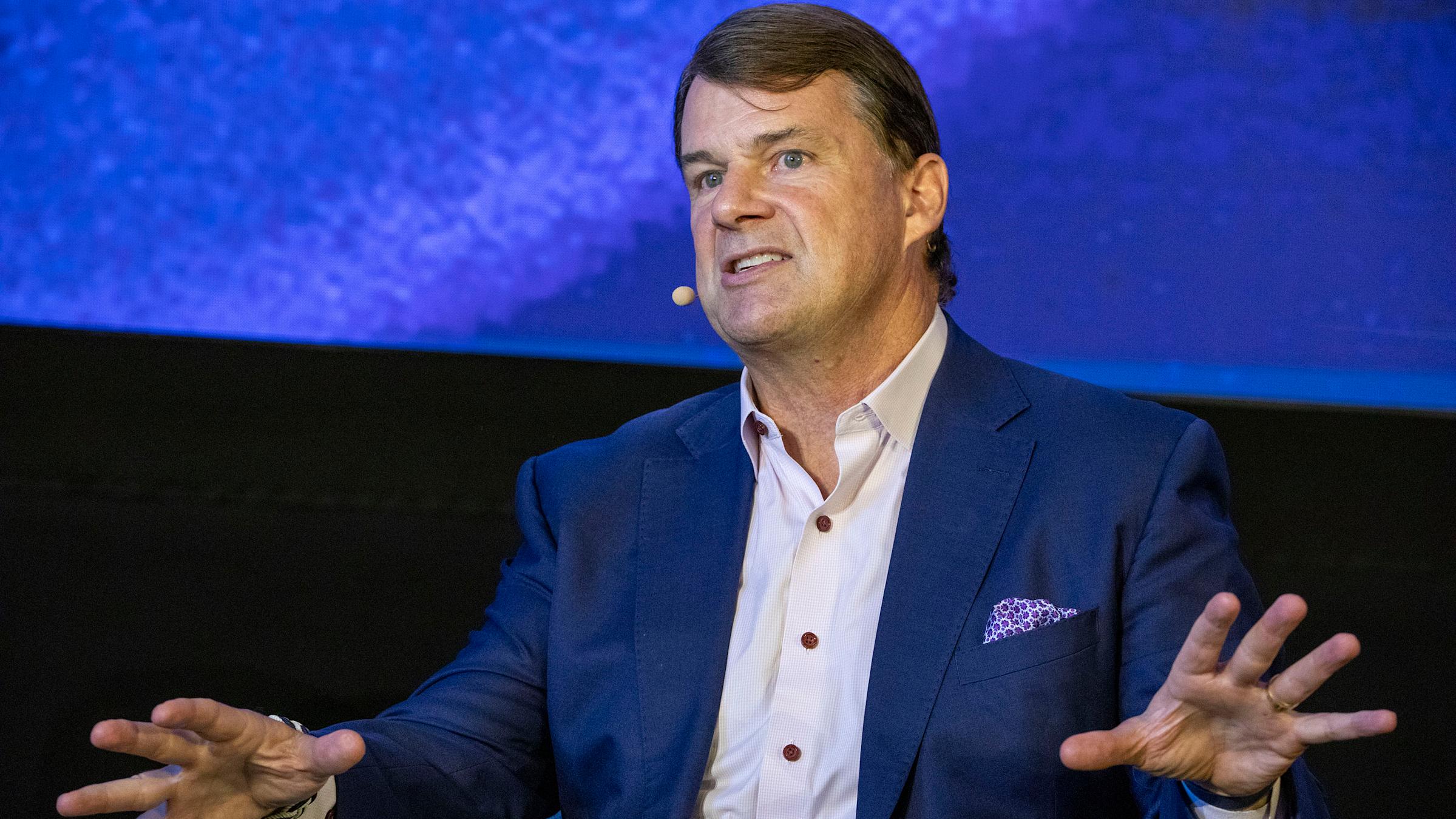
What will happen when America faces a massive shortage of skilled blue-collar workers to hire? According to Jim Farley, Ford Motor Company's CEO, it's a problem that could wreak havoc on household budgets.

Farley says the economy is entering dangerous territory as industries struggle to find enough electricians, plumbers, factory workers, and construction crews to keep the country running (1).

Thanks to Jeff Bezos, you can now become a landlord for as little as $100 — and no, you don't have to deal with tenants or fix freezers. Here's how

Robert Kiyosaki says this 1 asset will surge 400% in a year and begs investors not to miss this ‘explosion’

Dave Ramsey warns nearly 50% of Americans are making 1 big Social Security mistake — here’s how to fix it ASAP

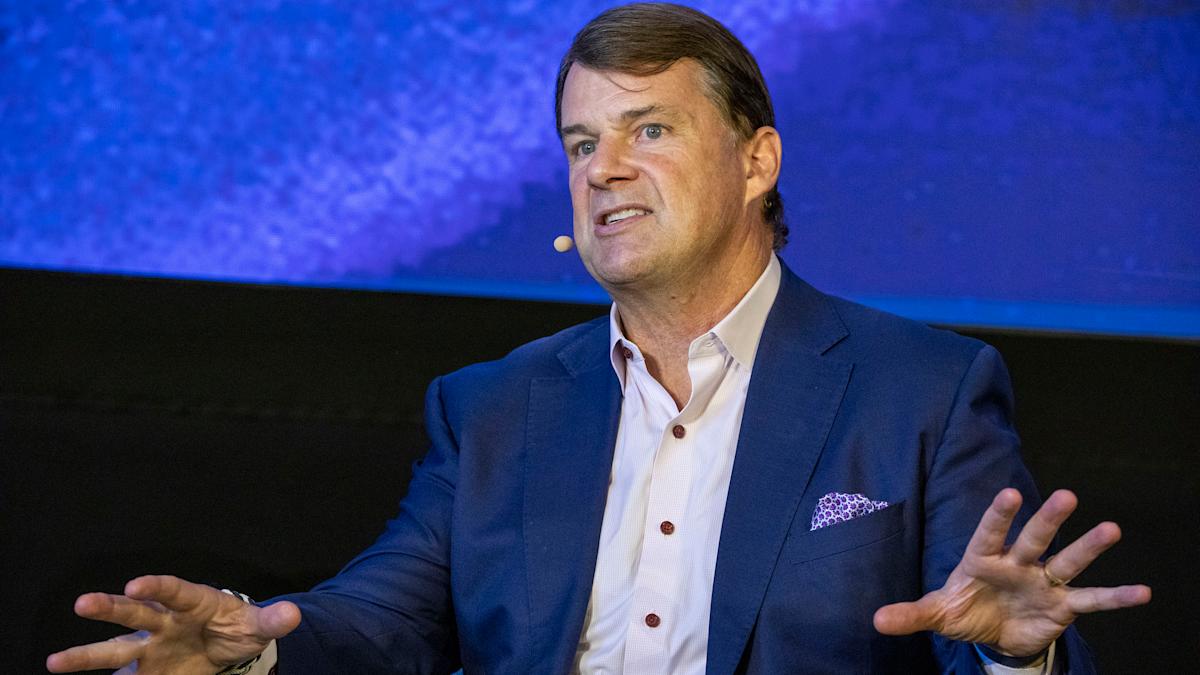
"I would argue the most vulnerable we've ever been," Farley said during a recent episode of his "Drive" podcast. If Farley's right, the consequences could spread far beyond the automaker's factories.

Farley refers to individuals who build homes, maintain infrastructure, manufacture products and keep supply chains going as the "essential economy." Without an abundance of these workers, there will be severe consequences.

"Problems in this vital sector impact all of us with higher costs, longer wait times, and fewer opportunities," Farley said.

Those higher costs could show up everywhere from home repairs and car maintenance to grocery prices. And for everyday consumers already struggling with sticky inflation, the squeeze could only get worse if labor shortages continue.

When companies can't find enough workers, projects take longer, production slows and labor costs rise. Businesses often pass those costs on to consumers.

Mike Rowe, host of the TV series "Dirty Jobs" and a guest on Farley's podcast, said many Americans won't fully appreciate the impact of this trend until it hits closer to home.

"Those people don't care about a shortage of plumbers until their toilet doesn't flush," Rowe said. (1)

Read More: This $1B private real estate fund is now accessible to non-millionaires. Start investing with just $10

The shortage of skilled labor has been building for some time, but the problem is becoming more urgent as older workers retire and fewer Americans enter the trades.

According to a joint 2024 study by Deloitte and The Manufacturing Institute, the industry could need to fill 3.8 million jobs by 2033. But with current labor shortages, nearly 2 million of those could go unfulfilled (2).

The labor crunch is already affecting daily life.

Homeowners in many parts of the country are facing higher renovation and repair costs as contractors struggle with labor shortages and projects add up. Industry groups, including the Associated General Contractors of America, say shortages of skilled workers are contributing to delays, rising construction costs and longer project timelines (3).

Manufacturing and supply-chain disruptions are also increasing costs for vehicles, appliances and other consumer goods production, while infrastructure projects are getting more expensive as companies try to find qualified labor and equipment. (4)

Tariffs imposed by President Trump have additionally contributed to elevated costs in home renovation and manufacturing (5) in the U.S.

Farley says part of the problem comes from decades of underinvestment in vocational careers. To help reverse the trend, Ford has been working to attract younger workers into skilled trades.

Earlier this year, the company outlined plans to partner with Carhartt to offer free gear for workers and investments in workforce development partnerships, including support for a Detroit-based ToolBank USA location (6).

Ford also brought together policymakers, educators and business leaders in September at a workforce summit focused on rebuilding the skilled labor pipeline.

"We stopped investing in the trades," Farley said at the event. "If Henry Ford saw what has become of us, I think he'd be kind of mad."

Fellow automaker General Motors, for its part, said this month (7) it has invested nearly $200 million over the past year to expand apprenticeship programs and workforce training initiatives.

The movement to bulk up the blue-collar workforce is opening new doors for workers. Jobs such as electricians, welders, mechanics and industrial technicians are in high demand.

Millionaires under 43 are reshaping investing — just 25% of their portfolios are in stocks. Here’s where their money is going

Taxes are going to change for retirees under Trump’s ‘big beautiful bill’ — here are 4 reasons you can’t afford to waste time

Robert Kiyosaki issues grim warning for baby boomers: many could be ‘wiped out’ and homeless ‘all over’ the country

Vanguard’s outlook on U.S. stocks is raising alarm bells for retirees. Here’s why and how to protect yourself

Join 250,000+ readers and get Moneywise’s best stories and exclusive interviews first — clear insights curated and delivered weekly. Subscribe now.

We rely only on vetted sources and credible third-party reporting. For details, see our ethics and guidelines.

Business Insider (1),(6); The Manufacturing Institute (2); Construction Equipment (3); Reuters (4); AP News (5); General Motors (7)

This article originally appeared on Moneywise.com under the title: ‘The most vulnerable we’ve ever been’ — Ford CEO warns blue-collar worker shortage could hit your wallet next

This article provides information only and should not be construed as advice. It is provided without warranty of any kind.
Comments
You must be logged in to comment.