yahoo Press
The Fed’s inflation tracker just flashed a warning: April and quarterly forecasts show prices are set to rise more
Images
1 / 4
2 / 4

3 / 4

4 / 4
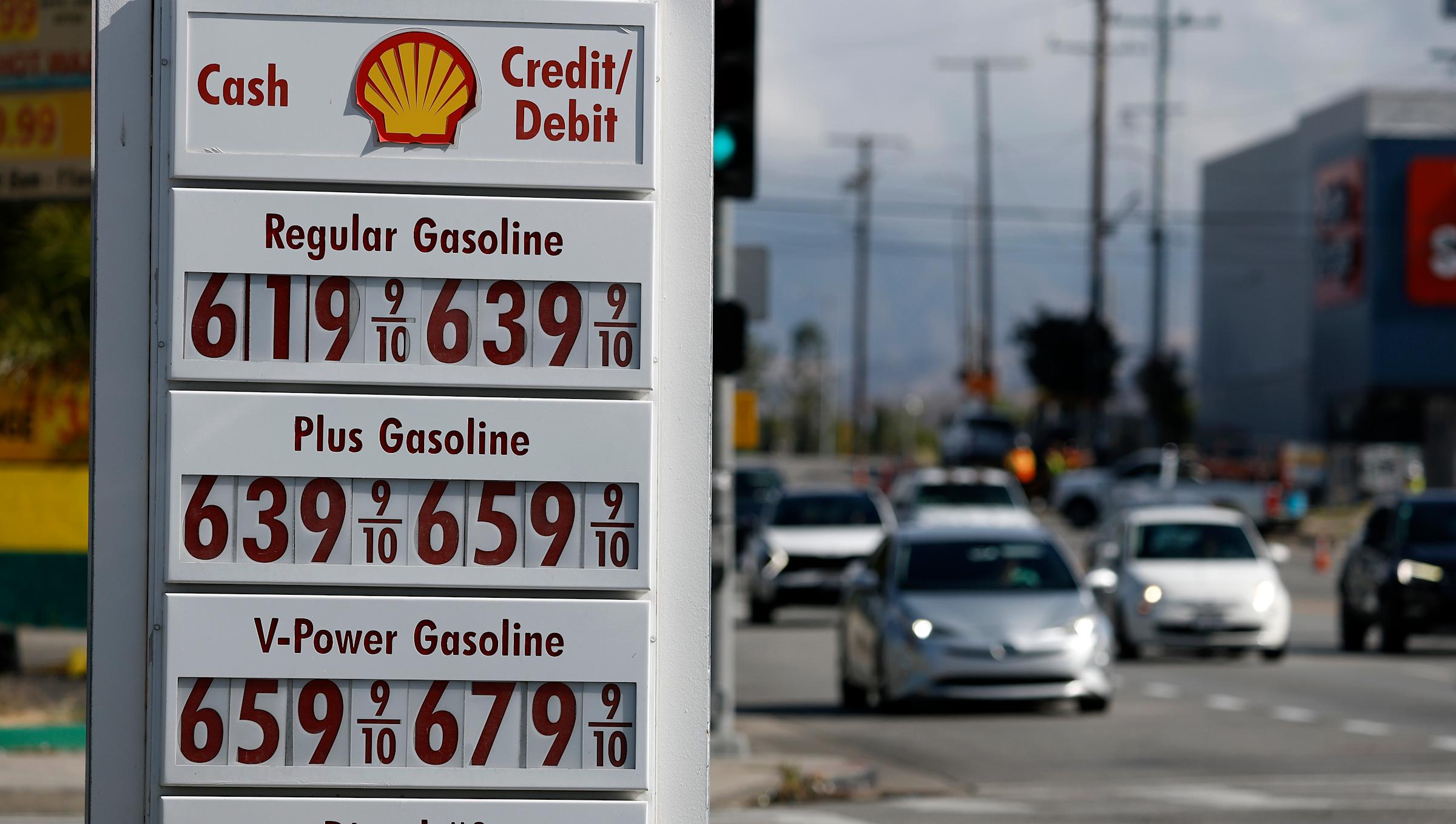
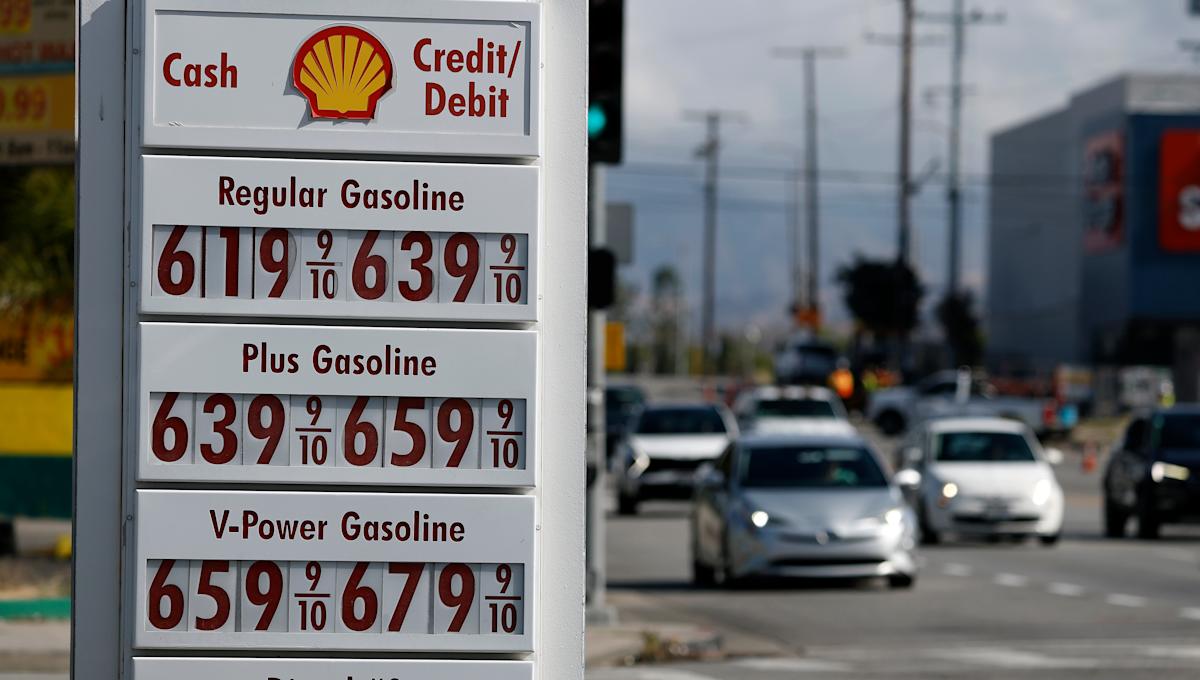
The Federal Reserve's preferred inflation tracker just flashed another warning sign for the U.S. economy, and it could spell more financial pain ahead. Data released by the U.S. Bureau of Economic Analysis (BEA) in late April shows inflation pressures remaining stubbornly elevated, while new quarterly forecasts suggest that Americans may continue facing higher prices, slower growth and elevated borrowing costs for months to come (1). Thanks to Jeff Bezos, you can now become a landlord for as little as $100 — and no, you don't have to deal with tenants or fix freezers. Here's how Robert Kiyosaki says this 1 asset will surge 400% in a year and begs investors not to miss this ‘explosion’ Dave Ramsey warns nearly 50% of Americans are making 1 big Social Security mistake — here’s how to fix it ASAP At the center of the concern is the Personal Consumption Expenditure (PCE) Price Index, the inflation gauge that largely informs interest rates (2). At +3.5% year over year, it has cooled compared to the post-pandemic peak in 2022, but remains well above the Fed's 2% target. The core PCE price Index — which strips out volatile food and energy prices — remains persistently high at 3.2%, reinforcing fears that inflation is becoming embedded in the broader economy. The index ticked up 0.7% in March, the last month for which data is available, or 0.3% excluding food and energy. While official April PCE data has not yet been released, several closely watched inflation trackers are already pointing to more upward pressure on prices. The Federal Reserve Bank of Cleveland's Inflation Nowcasting model (3), for example, estimates that inflation had increased to 3.73% in April. It also estimates that inflation could rise further to 3.93% in May. Meanwhile, core PCE (without food and energy) is expected to remain elevated at roughly 3.28% in April and 3.32% in May. The quarterly outlook is also deteriorating. The Cleveland Fed estimates show second-quarter annualized PCE inflation running over 5%. Core PCE is projected to remain high for the quarter, at 3.46 %. A late-April Reuters poll of economists predicts that the Federal Reserve will wait at least six months before cutting interest rates this year, as "war-driven energy shocks reignite already-elevated inflation." In other words: The war in Iran has made fuel prices go up, and that's made everything more expensive. Cutting interest rates could push prices up even more. Even before the recent oil shock, however, inflation had already been moving in the wrong direction. Analysts noted that tariffs imposed under Trump, coupled with persistent consumer demand and creeping services costs, were already contributing to price increases before energy markets took a turn for the worse. Analysts now expect inflation to remain above target through much of the year, while GDP growth forecasts have been revised downward. Nearly a third of the economists polled by Reuters expect rates to remain unchanged in 2026, which is almost double the share in Reuter's previous survey (4). For consumers, the impact is already being felt. Read More: This $1B private real estate fund is now accessible to non-millionaires. Start investing with just $10 Mortgage rates remain high, credit card debt is more expensive and many households are still struggling with the cumulative effect of years of elevated prices on essentials like housing, insurance, groceries and health care. And this remains true even as April's jobs report came in stronger than expected, with the U.S. adding 115,000 jobs and unemployment holding at 4.3% (5). The University of Michigan's Sentiment Index, a measure of consumers' feelings about the economy based on representative interviews, fell sharply in early May. While sentiment remains almost 20 % above a year ago and 40 % above the all-time historic low in June 2022, it remains about 18% below the historical average. "Strength in household incomes has been the primary source of support for robust consumer spending over the past couple of years," economist Joanne Hsu, Director of the Surveys of Consumers, said in a statement, adding that softening in labor market expectations are "concerning" and "may lead to a pullback" in consumer to spending. "Furthermore, consumers expect interest rates to remain high in the future, which will make it even more difficult for consumers to make large purchases (6)." Politically, the inflation outlook could become a growing challenge for Trump. The president has insisted that economic strength, tariffs and domestic manufacturing initiatives show his policies are working. But unwavering inflation threatens to undermine those arguments — particularly if Americans continue to feel financially squeezed. Markets are now increasingly betting the Fed will delay additional rate cuts until inflation shows clearer signs of cooling. Until then, the latest data suggests that the economy may face a longer and bumpier road back to price stability than many policymakers — and consumers — had hoped. Millionaires under 43 are reshaping investing — just 25% of their portfolios are in stocks. Here’s where their money is going Taxes are going to change for retirees under Trump’s ‘big beautiful bill’ — here are 4 reasons you can’t afford to waste time Robert Kiyosaki issues grim warning for baby boomers: many could be ‘wiped out’ and homeless ‘all over’ the country Vanguard’s outlook on U.S. stocks is raising alarm bells for retirees. Here’s why and how to protect yourself Join 250,000+ readers and get Moneywise’s best stories and exclusive interviews first — clear insights curated and delivered weekly. Subscribe now. We rely only on vetted sources and credible third-party reporting. For details, see our ethics and guidelines. U.S. Bureau of Economic Analysis (1),(2); Federal Reserve Bank of Cleveland (3); Reuters (4); U.S. Bureau of Labor Statistics (5); University of Michigan (6) This article originally appeared on Moneywise.com under the title: The Fed’s inflation tracker just flashed a warning: April and quarterly forecasts show prices are set to rise more This article provides information only and should not be construed as advice. It is provided without warranty of any kind.
Comments
You must be logged in to comment.