yahoo Press
He sold his company for $1.7 billion — then handed $240 million to the 540 workers who stuck with him
Images
1 / 4
2 / 4

3 / 4

4 / 4
Many business owners who sell their companies for a huge sum will happily walk off into the sunset with their billions. Graham Walker chose a different path.

The majority owner of family-run Minden, Louisiana-based Fibrebond sold his company earlier this year for $1.7 billion. To thank longtime workers at the maker of enclosures for electrical equipment, though, he earmarked $240 million of that for bonuses, which resulted in life-changing cash infusions for 540 full-time employees.

Thanks to Jeff Bezos, you can now become a landlord for as little as $100 — and no, you don't have to deal with tenants or fix freezers. Here's how

Robert Kiyosaki says this 1 asset will surge 400% in a year and begs investors not to miss this ‘explosion’

Dave Ramsey warns nearly 50% of Americans are making 1 big Social Security mistake — here’s how to fix it ASAP

On average, The Wall Street Journal reports (1), employees received $443,000. Workers with long tenures received more. Much more. The money will be paid out over a five-year period, as long as the employee stays with the company. (Workers over the age of 65 received the entirety of their bonus and won't have to continue working if they don't want to.)

The employees didn't own shares in the business. They weren't investors. Their windfall came through a founder's generosity.

Technically, the bonuses are coming from the acquiring company for tax reasons that maximize the payouts. (Had the Walker family given workers the money directly, it would have been taxed twice.) But when negotiating the sale of Fibrebond, Walker said 15% of the deal's proceeds would have to go to his employees.

That was met with some confusion, but he explained that he wanted to reward workers who had stuck with him through the business's hard times—and said they would be critical for a successful transition to the new owners.

If he had given the bonuses himself, he said "I don't think we'd have many employees on day two."

When the day came to let the workers know they would be getting bonuses—and surprising them with the amounts — Walker and other executives set up a white tent outside of the company's warehouse. There were cookies and drinks for people to enjoy.

One by one, employees were surprised with the news. One asked if it was fake, looking for hidden cameras. Many cried. Everyone smiled.

Some of the workers have used the bonus to open new businesses. Others are using it as retirement savings.

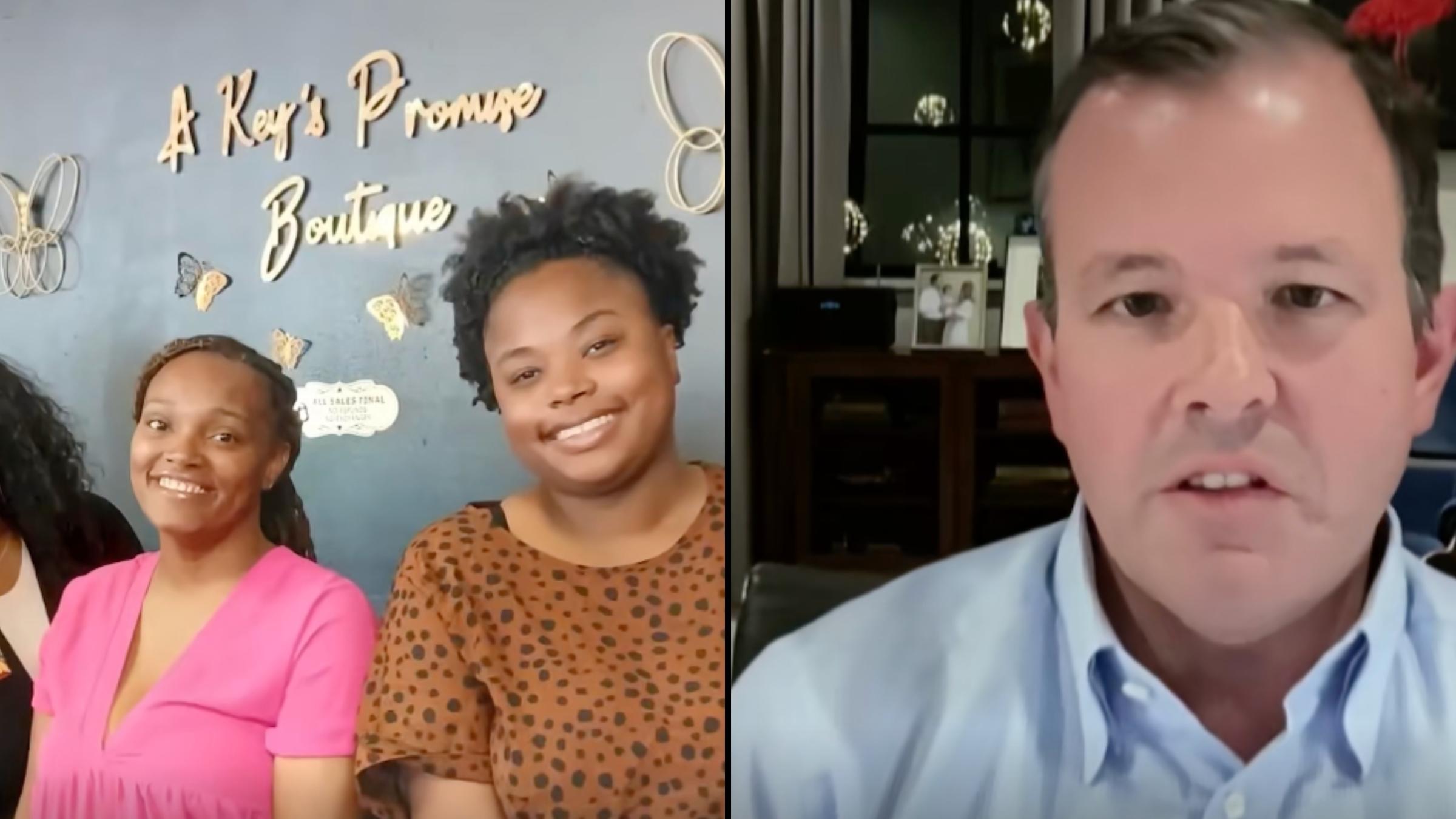
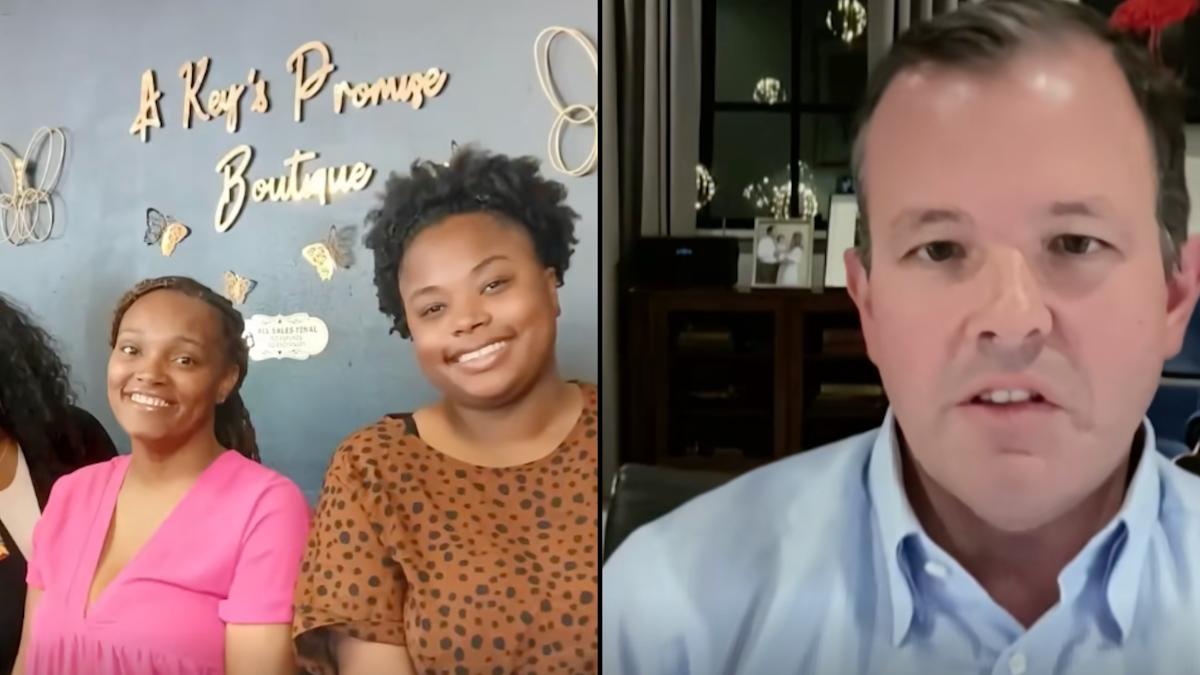
NBC (2) asked Walker’s former employee, Lesia Key, what it was like when she found out about the bonus — “I couldn’t even take it in. It was unreal” she said.

Key put her money towards paying off ehr mortgage off 12 years early, and open up a boutique, which she’d always dreamed of doing.

In an open letter to the Fibrebond team when the company was first acquired Walker wrote of his admiration for the team: “last week was for the team that built Fibrebond. Men and women who know the pain required to build this business got to experience the joy of shared success. The deep respect displayed among employees was profound and sacred.” (3)

Read More: This $1B private real estate fund is now accessible to non-millionaires. Start investing with just $10

Fibrebond was started in 1982 by Graham Walker's father. It initially built structures for telephones and electrical equipment, pivoting to concrete enclosures for cellphone towers in the 1990s.

In 1992, however, the business burned to the ground. As they rebuilt, the Walker family continued to pay employee salaries, but by the early 2000s, the business was on the edge of collapse, with just three customers thanks to the dot com implosion.

Graham began running the business a few years later, selling some assets to cover debt and exploring new markets. It was bleak, but workers stuck with the company. In 2013, Fibrebond began a new division focused on industrial structures. Later it made a $150 million bet to build infrastructure for data centers. That paid off in 2020 and sales at the company have climbed 400% over the past five years, which attracted potential buyers.

But what motivated Walker to give away so much? He says he just wanted to do something good. And he didn't want to feel ashamed when he went to the local grocery store for not sharing in his good fortune.

There's a reason Minden, La. Calls itself the "friendliest city in the South".

Millionaires under 43 are reshaping investing — just 25% of their portfolios are in stocks. Here’s where their money is going

Taxes are going to change for retirees under Trump’s ‘big beautiful bill’ — here are 4 reasons you can’t afford to waste time

Robert Kiyosaki issues grim warning for baby boomers: many could be ‘wiped out’ and homeless ‘all over’ the country

Vanguard’s outlook on U.S. stocks is raising alarm bells for retirees. Here’s why and how to protect yourself

Join 250,000+ readers and get Moneywise’s best stories and exclusive interviews first — clear insights curated and delivered weekly. Subscribe now.

We rely only on vetted sources and credible third-party reporting. For details, see our ethics and guidelines.

The Wall Street Journal (1); NBC (2); Fibrebond (3);

This article originally appeared on Moneywise.com under the title: He sold his company for $1.7 billion — then handed $240 million to the 540 workers who stuck with him

This article provides information only and should not be construed as advice. It is provided without warranty of any kind.
Comments
You must be logged in to comment.