buzzfeed Press
"I Put A Lot Of Myself Into Mulan": Ming-Na Wen Reveals Fascinating "Mulan" Behind-The-Scenes Stories
Images
1 / 15

2 / 15

3 / 15

4 / 15
5 / 15
6 / 15
7 / 15
8 / 15
9 / 15

10 / 15
11 / 15
12 / 15

13 / 15
14 / 15
15 / 15
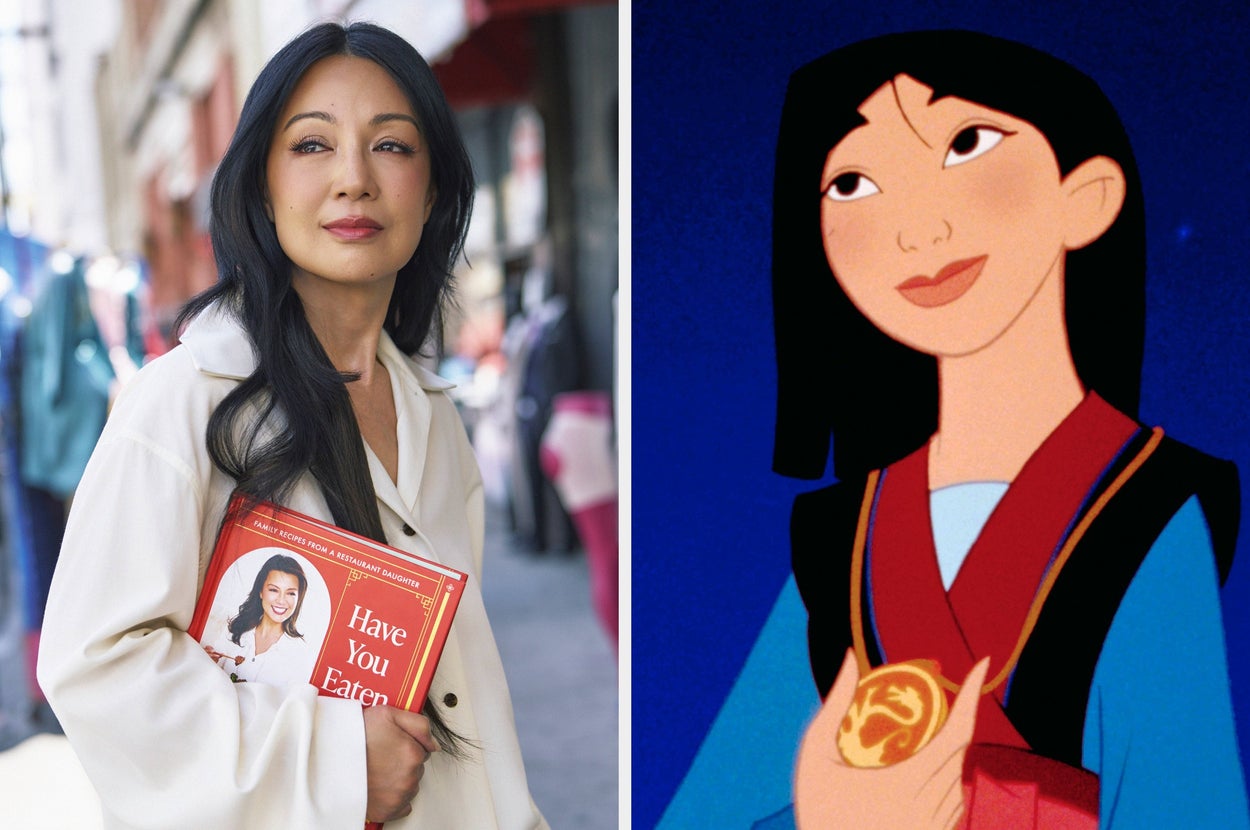
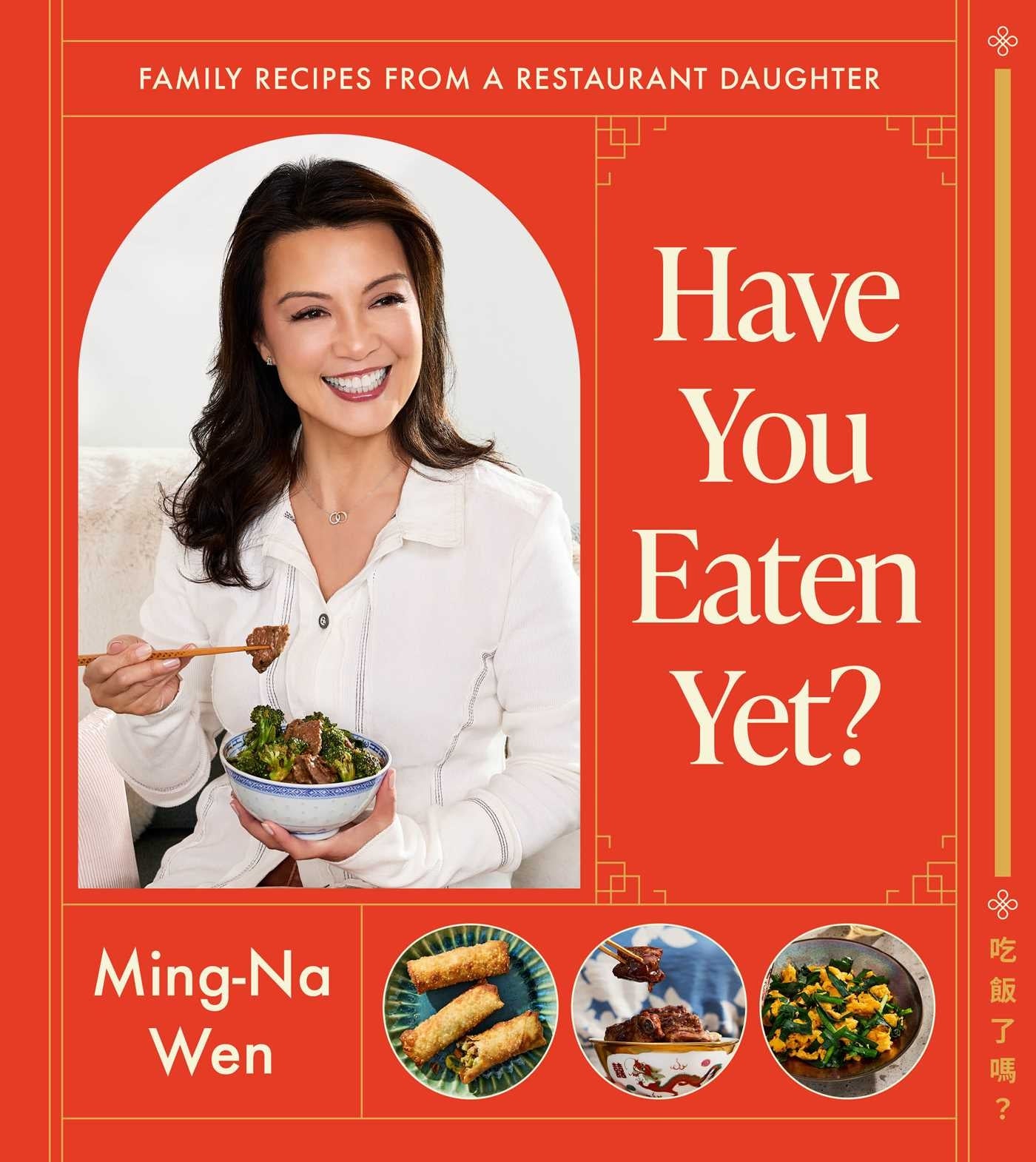
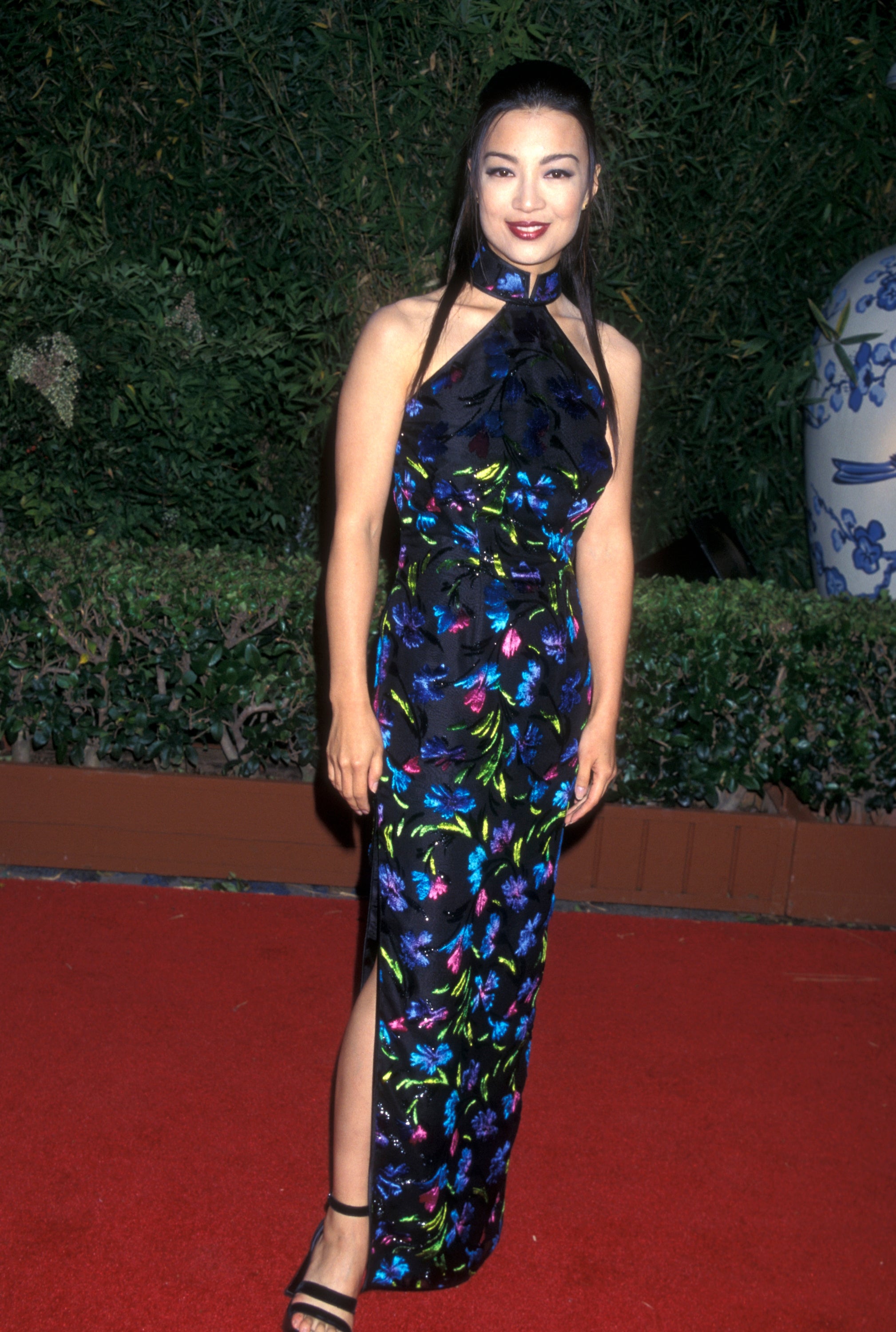
As legendary actor Ming-Na Wen releases her part cookbook, part memoir, Have You Eaten Yet?, we sat down to revisit her favorite Mulan memories and the family and food that shaped her incredible career.

I’m a pop-culture writer covering everything from TV and movies, to music, Broadway, books, and games.

From Mulan to The Mandalorian, Ming-Na Wen has done it all, and it all began while she was growing up as a restaurant daughter in Pittsburgh, Pennsylvania. In Have You Eaten Yet?, Ming-Na combines her family recipes with stories from her childhood and the experiences that shaped her life.

While reading, I not only marked down the dishes to try (Egg Drop Soup, anyone?) but I also saw how much of Ming-Na's story has found its way into her films — especially Mulan, which she later tells me was a "remarkable, eye-opening experience."

To celebrate the release of Have You Eaten Yet?, I sat down with Ming-Na to look back at her favorite memories from making Mulan, and to dive into the recipes that hold a special place in her heart.

Note: This interview has been edited for length and clarity.

Ming-Na: The reason why I became an actor was to escape from being me. I grew up in a white suburban neighborhood when I was a young teen, and having a very Chinese name drew me more and more to escape by being something else.

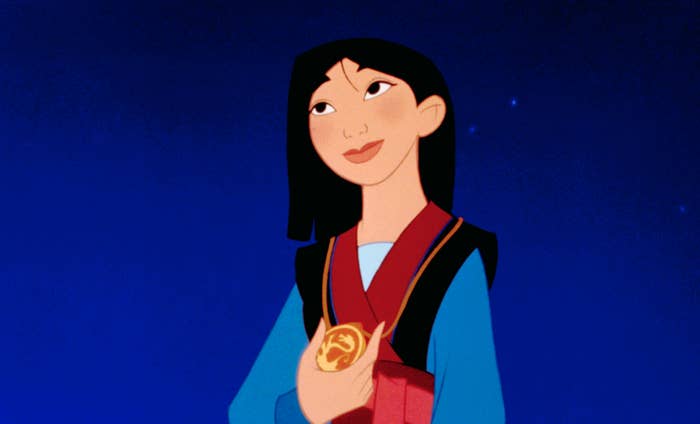
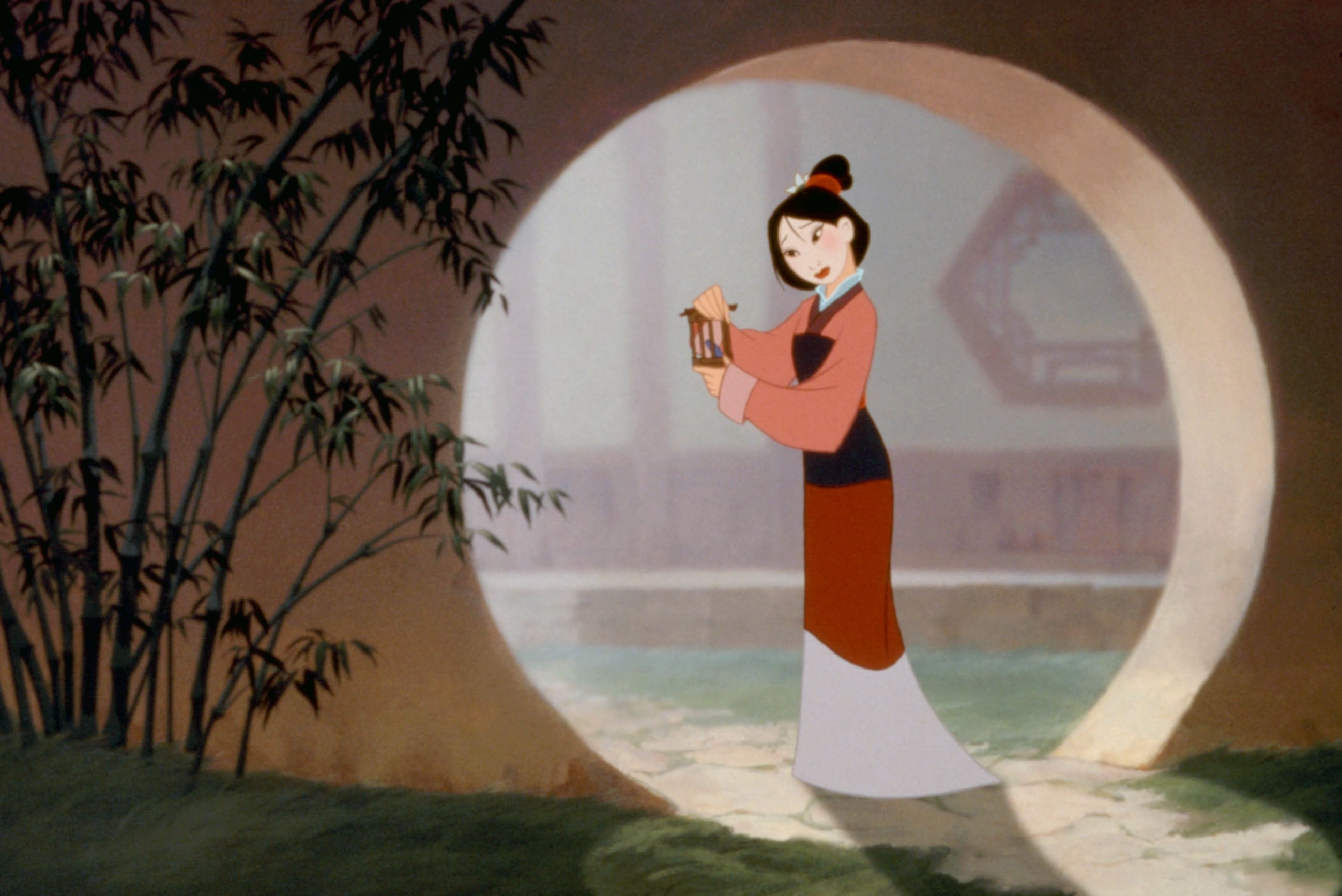
With Mulan, I felt the same way. But to have someone tell me that I was good enough, that they wanted my actual voice — the authentic me — was quite a remarkable, eye-opening experience.

Once I was able to just be me, Mulan became even more real to me. It was more than just acting. I put a lot of myself into the role.

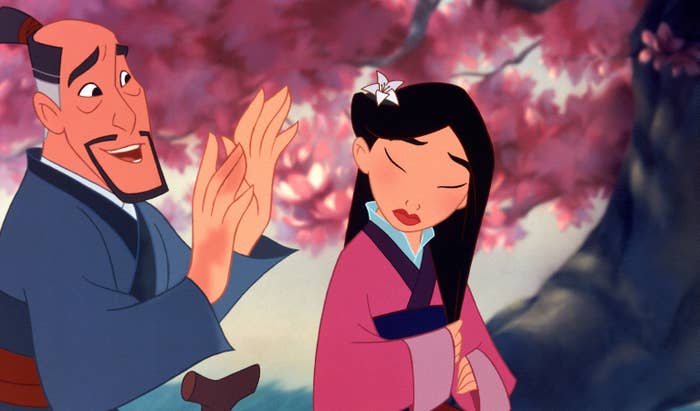
Ming-Na: They always had a camera on me so that the animators would have a chance to see my facial features. One of the things I do, to this day, is always touch my hair.

The animators incorporated that into the beautiful scene with Mulan and her dad. He’s talking about the blossom that may be the last one to bloom, but will be the most beautiful of all. You see Mulan touching her hair, and that was from the animators seeing me touching my hair.

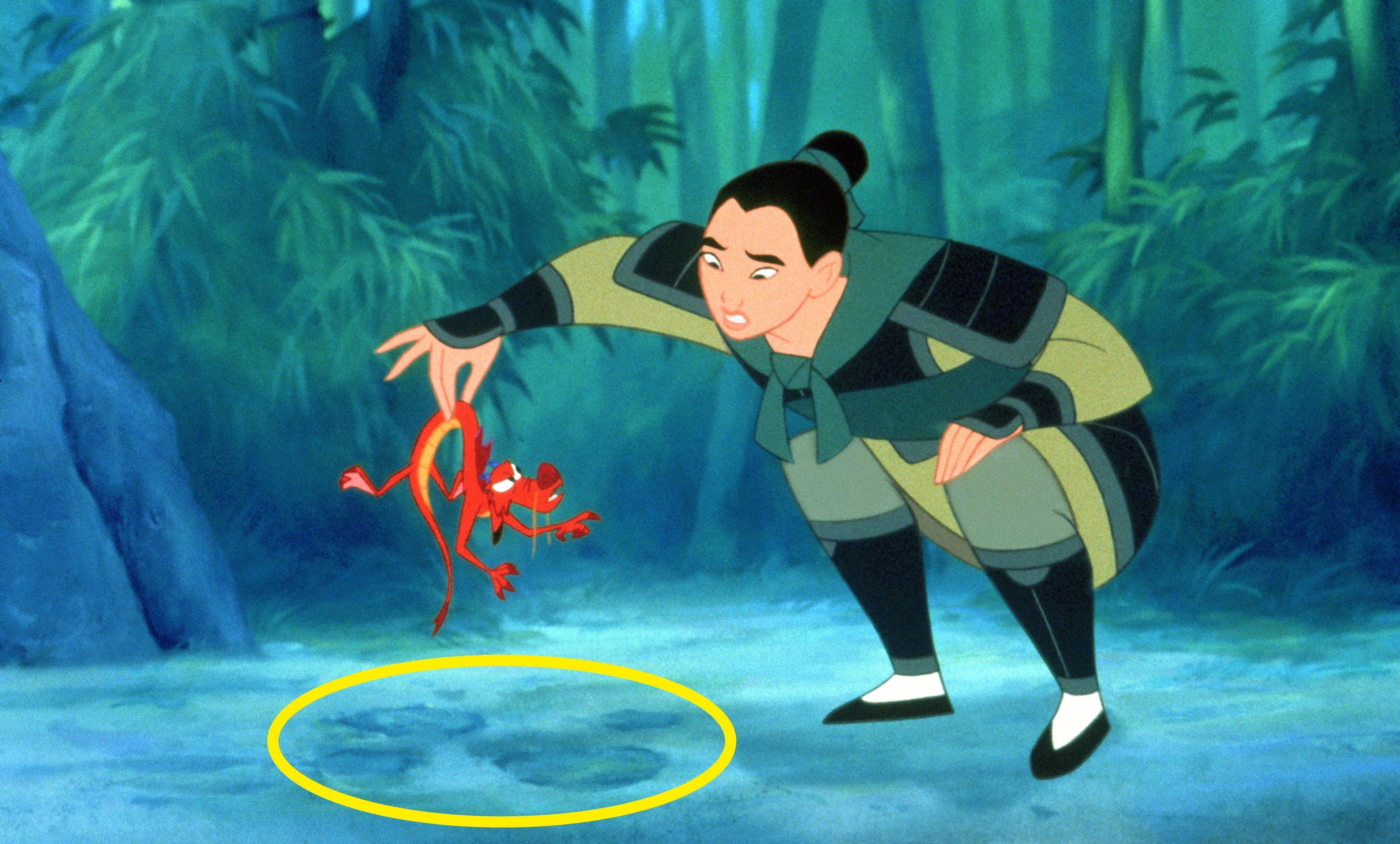
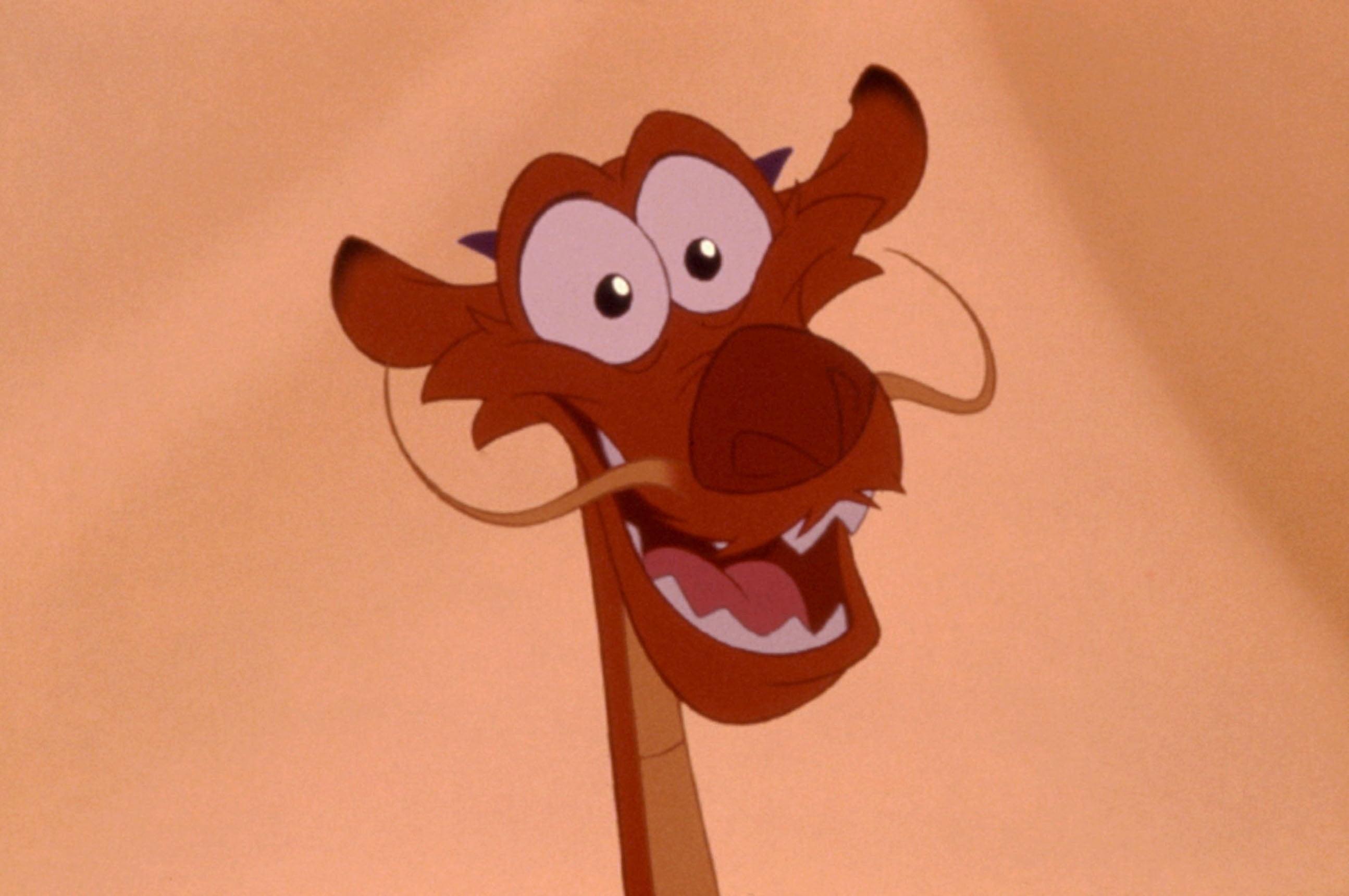
Ming-Na: Do you know where there's a hidden Mickey Mouse?

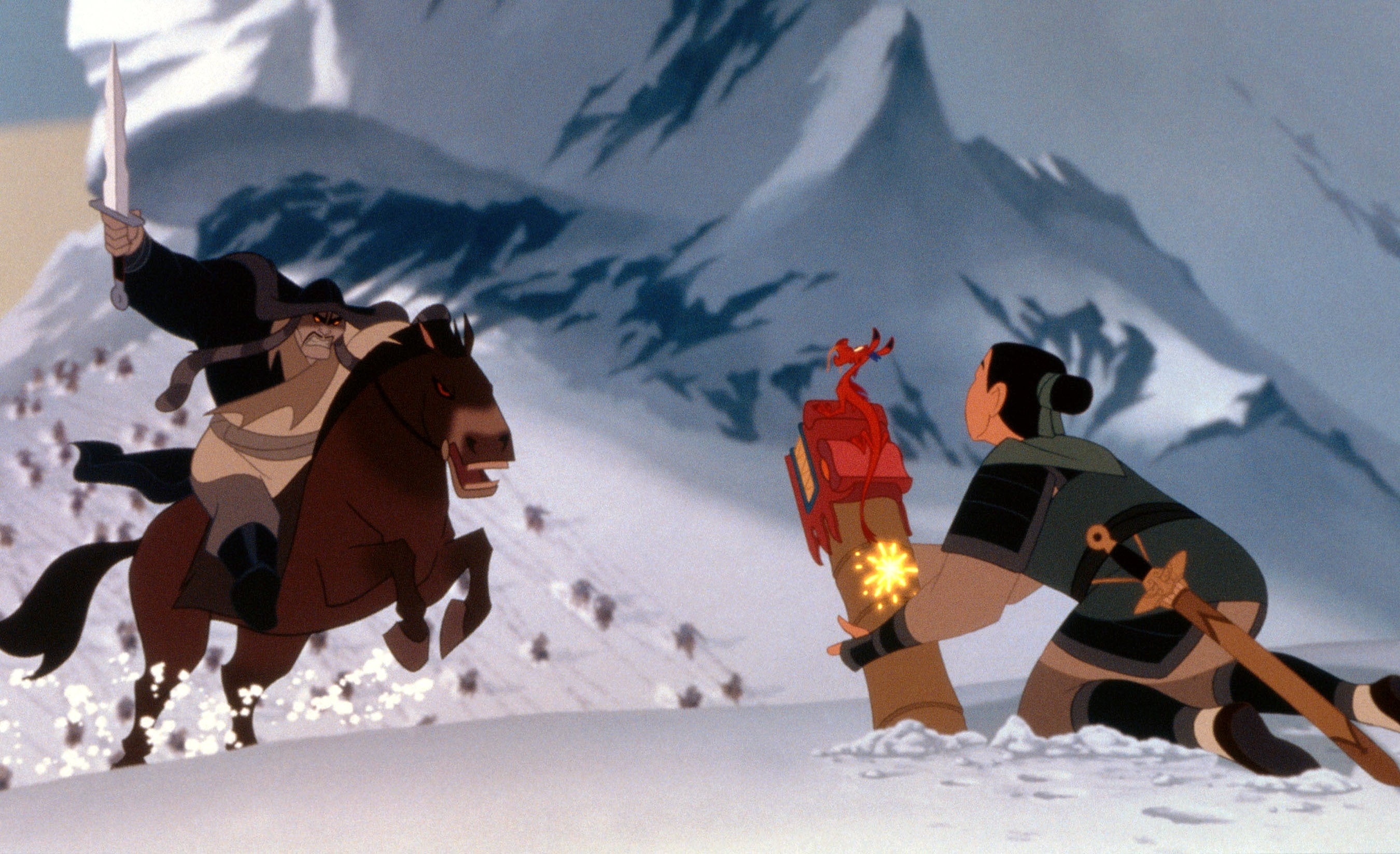
When Mushu meets Mulan for the first time and the horse, Khan, steps on him, take a look at the footprint. When the cloud of dust parts, his footprints make the Mickey Mouse ears.

Ming-Na: That experience was so different from everything that I was trained to do as an actor, especially a stage actor. Carnegie Mellon didn't have a television program at the time, so we only trained for the stage.

To go from that training where everything was so ensemble, to where you're just by yourself in the booth with the reader — you really have to give it up for producers Pam Coats, Barry Cook, and Tony Bancroft, as well as Rita Hsiao and the writers.

They were there, constantly hearing every take and able to extrapolate the best to meld everybody's voices into one seamless feature. Truly remarkable skills.

Ming-Na: My experience with Mulan was one of being free. I wasn’t harnessed in by makeup, hair, set, weather, and other actors. I just had to focus on my imagination, on the scenes, my voice, and the emotions of the moment.

When I went to see it on the big screen, two moments made my heart skip a beat. It was the new CGI that was incorporated for the Huns to come down the mountain, as well as the scene of Mulan when the emperor bows, and then the sea of people starts bowing.

I think Mulan was one of the very first to incorporate modern technology and hand-drawn art. The animators put their heart, love, energy, and special magic into their brushstrokes. I don’t think CGI can ever replace that. I don’t think AI will ever be able to copy that. It’s just very human.

Ming-Na: At the time, my idea was to tell the Asian American experience, and not so much my own. I wanted to incorporate all the food that I loved eating, whether I was cooking for myself or when my dad would cook for us. He had an incredible international palate, and he served in World War II.

My literary agent was the one who said, "That’s really hard to sell," because most cookbooks have a certain niche. She came up with the idea of my journey through food, and that's how that whole process began.

It felt so organic and so authentic to who I was, and made it more fun to write about the various foods. I went down memory lane, thinking about why these recipes and these dishes were so important to me.

It was quite a moving experience to realize that these dishes, these meals I’ve shared with my family and my friends, are not just food. It’s almost like a sharing of culture, experiences, and memories that get into your DNA.

Ming-Na: He’s my stepfather, but I call him Baba. I consider him my true father.

One recipe is his clam chowder. The clam chowder was always made during the holidays, and Christmas Day was one of the few times when they would take off. It was a very special meal for us, celebrating the American holiday together.

I hope I made him proud because I literally had to be this chemist in my kitchen, measuring, remeasuring, taste-testing, and going, "Okay, I think this is it." Or, "Not quite. It's not as creamy as what my dad made it." There was a lot of trial and error, and that's why this book took three years.

He also always made these delicious sweet yams with brown sugar and tons of butter. Those are two of his special dishes, and that's why I wanted this to be an Asian American cookbook. I didn't feel like I could write a cookbook without those two recipes.

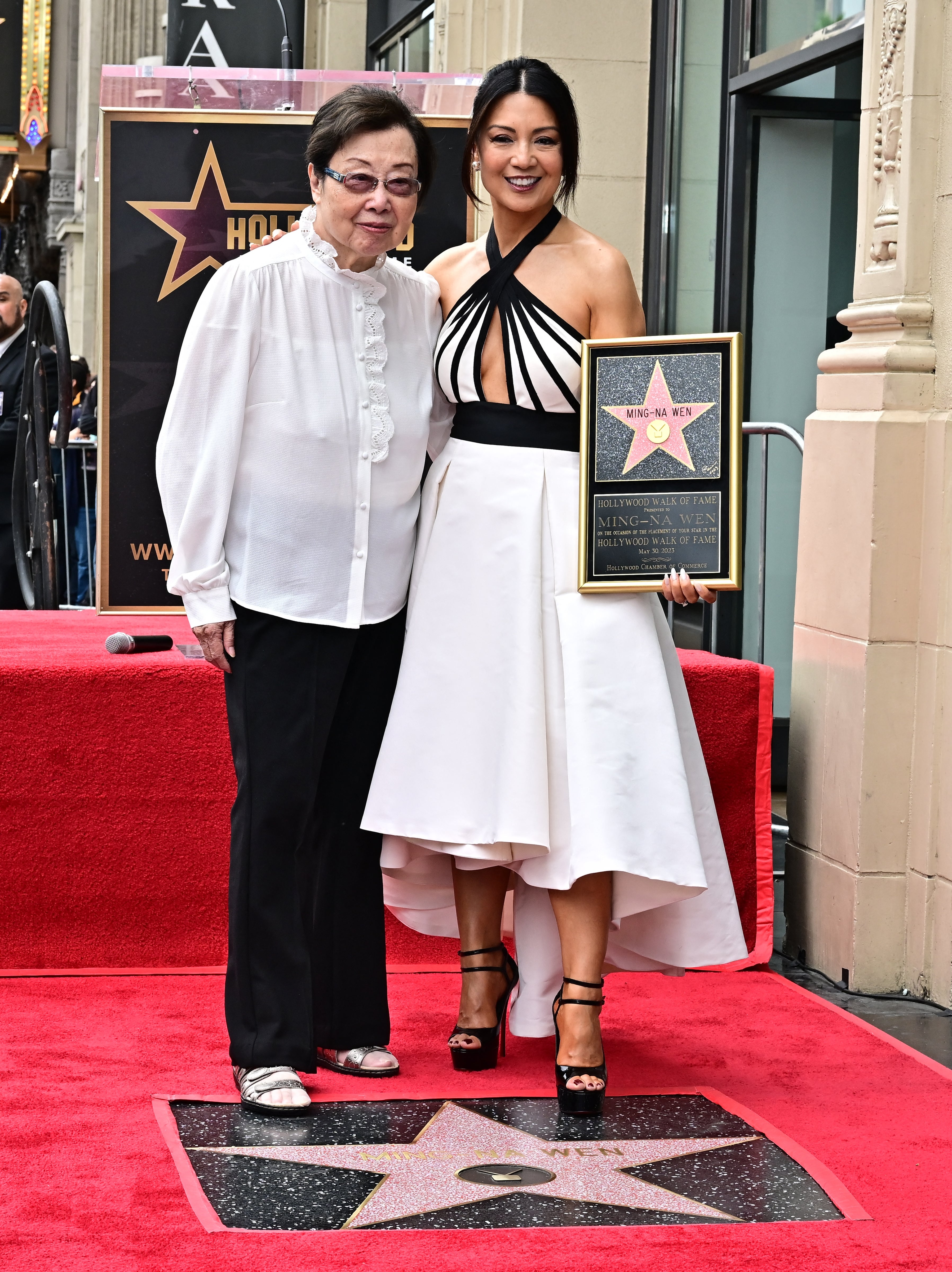
Ming-Na: My mom was able to survive communism. She was able to leave China and go to Macau. My brother had already been born, and she was pregnant with me.

She was more or less a single mom because my real father went to Hong Kong at the time to try to get more work. Eventually, we were able to move to Hong Kong to be with him. Then they divorced, so she was a single mom again, raising two young kids.

I never ever heard her complaining about it. It’s a very Chinese thing to keep your pain and your suffering to yourself and not allow people to see that. I think that’s why I called her a warrior woman, because she instilled that kind of morality and strength in me.

Ming-Na: While I was writing, I felt this flood of emotions, attachment, and identity. I think it’s really important to know that food is not just food. Food is not just for survival. Food is culture. Food is our DNA. It’s our life experience and our memories.

Writing the cookbook made me realize that a lot of the things I resented as a kid, like working at our restaurant, were things I could see differently now. As a kid, I just hated working at the restaurant. I hated it because it took me away from my friends. It took me away from a lot of hours when I could have been watching cartoons or something.

(Laughs) I’m going to get emotional now. Going back and recreating those restaurant recipes brought me so much joy and awareness. I recognized how Chinatown Inn really helped not only by providing for the family but also by serving the community.

It gave me a lot of skill sets that I use to this day. Whether it’s being able to multitask and handle serving the food to the customers, running the cash register, dealing with the long hours, talking to the waiters, and all the cooks — just all of it. It was quite a journey. It really was.

Ming-Na: Oh, that is a very fun question. For a special occasion, I would love to cook the lobster noodles. Noodles mean long life, and, of course, the lobster is delicious.

For just some great home cooking, definitely the steamed fish with scallions and ginger. It's delicious. And a lot of rice!

Ming-Na: If I could tell that young girl in the recording booth that she was going to impact generations upon generations of kids with this character, I think it would blow her mind.

I remember going in there, sort of surprised and grateful that they were doing a feature that was solely focused on a very popular and important Chinese folklore. The story of Mulan is very dark and serious. And to "Disneyfy" it, I was thinking, How are they going to do this? But boy, did they accomplish that storytelling.

I would tell her that she was going to have a real positive impact on a lot of people. To this day, that is one of the most incredible perks that you can have as an actor: to inspire people, have a positive impact, and help people feel seen.

Keep up with Ming-Na on Instagram, @mingna_wen.
Comments
You must be logged in to comment.