huffpost Press
MapQuest Tops Chart After Defying Trump's Lake Ontario Edict
Images
1 / 7

2 / 7
3 / 7

4 / 7

5 / 7

6 / 7

7 / 7
MapQuest, the decades-old mapping app, has soared to the top of the charts after defying an edict issued by President Donald Trump.

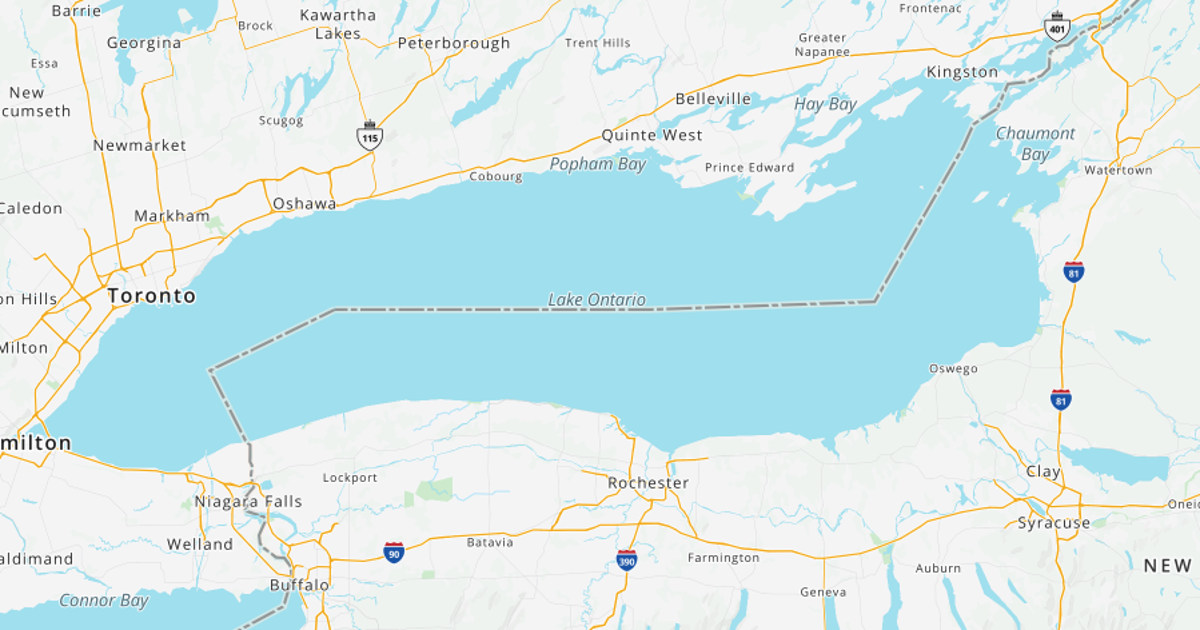
The dot-com boom company, launched in 1996, on Wednesday sat atop the list of free apps on Apple’s App Store, in no small part thanks to refusing to rename Lake Ontario as “Lake America.”

ChatGPT is the second-most downloaded free app on Apple.

The surge in interest in MapQuest, which says it has reached its highest chart position in the brand’s 30-year history, comes as rivals Google and Apple bow to pressure from the president on the Lake Ontario name change.

Amid a trade dispute with Canada, Trump last week signed an executive order renaming the body of water that sits between New York and Ontario as “Lake America” and gave federal databases 30 days to update to the new name.

Google rolled out the alteration on its maps app over the weekend, citing the established practice of using names assigned by the U.S. Geographic Names Information System. Apple followed suit earlier this week.

But MapQuest is standing its ground, saying in a press release that it had decided to stick with “historical, familiar names.”

When Trump previously told government agencies to rebrand the Gulf of Mexico to the “Gulf of America,” MapQuest launched a tool that lets users rename the sea themselves.

It has done the same thing amid the Lake Ontario controversy and went viral after posting a map of the Great Lake named “Lake Are We Doing This Again?”

We're not changing the name of Lake Ontario. Name it whatever you want at your leisure: https://t.co/E2I0Ezd57W(tag us so we can see your work 🙂) pic.twitter.com/x8lIAMt6ab

“We took the same approach we did with the Gulf of Mexico: be part of the conversation, and give people an app that keeps the names they’re familiar with,” said Doug Berger, general manager of MapQuest. “Hundreds of thousands of people signaled to us this weekend that we got it right, by downloading our app.”

The name Lake Ontario has been around since the 17th century, predating the advent of the U.S. and Canada.

While Trump can insist U.S. federal agencies follow his order, foreign governments are not compelled to recognize it, with Canadian officials entirely rejecting the move.

U.S.-Canada trade talks collapsed Aug. 21 after the two sides failed to reach a deal, and Trump imposed 50% tariffs on roughly $20 billion in Canadian goods.

Canada responded with plans for tariffs on U.S. products, with the import taxes set to kick in on Sept. 8.

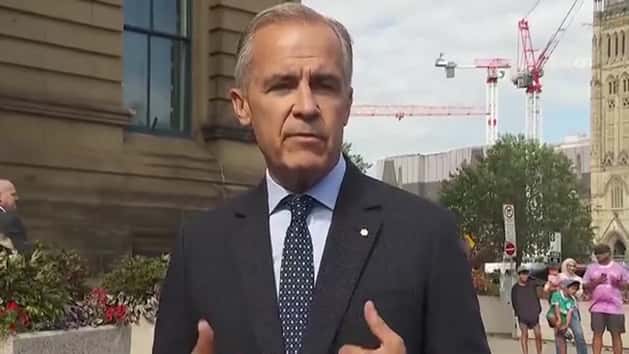
On Tuesday, Canadian Prime Minister Mark Carney told the Trump administration to “stop doing memes, stop throwing shade” and get serious over trade talks.

By entering your email and clicking Sign Up, you're agreeing to let us send you customized marketing messages about us and our advertising partners. You are also agreeing to our Terms of Service and Privacy Policy.
Comments
You must be logged in to comment.