yahoo Press
Recall of popular potato chips classified under FDA's highest risk level
Images
1 / 18
2 / 18

3 / 18

4 / 18
5 / 18
6 / 18
7 / 18
8 / 18
9 / 18
10 / 18
11 / 18
12 / 18
13 / 18
14 / 18
15 / 18
16 / 18

17 / 18

18 / 18
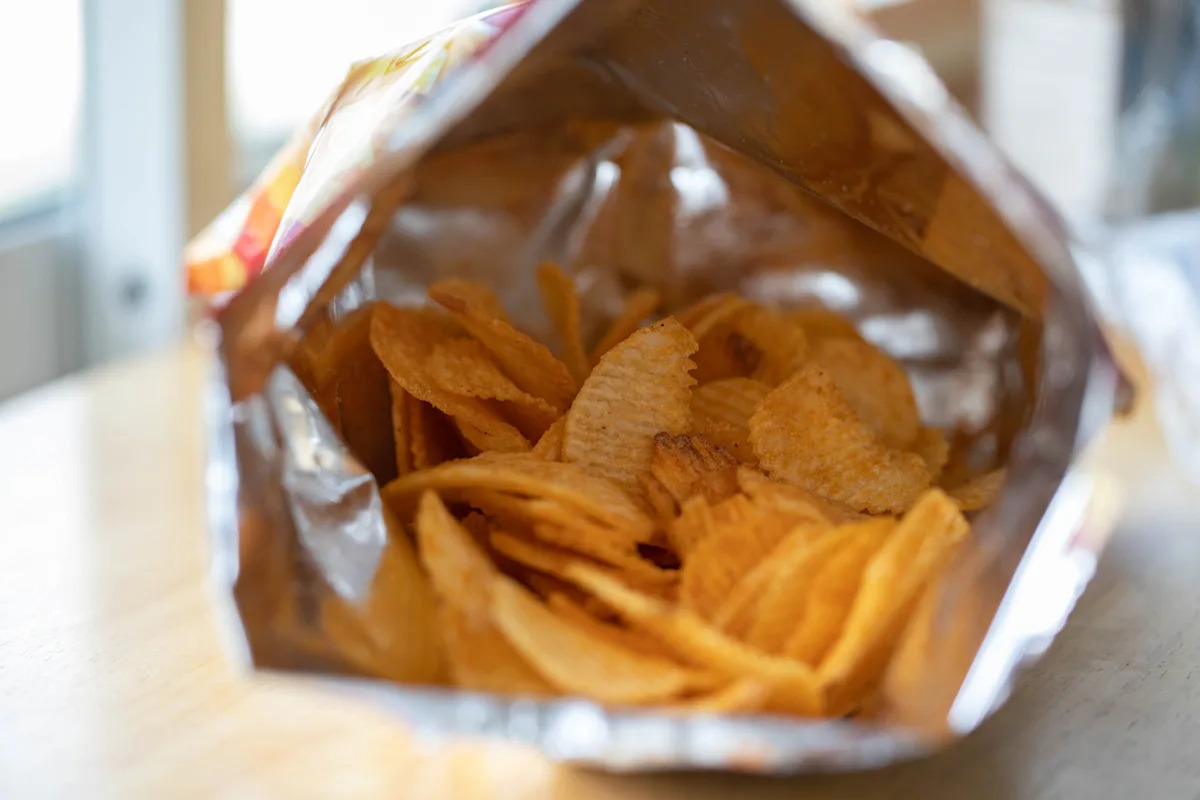
A recall involving hundreds of thousands of bags of popular Zapp's and Dirty brand potato chips has been classified under the U.S. Food and Drug Administration's most serious warning level due to the risk of salmonella contamination.

The FDA classified the voluntary recall as a Class I recall, its highest risk category, on July 1. According to the agency, a Class I recall means there is "a reasonable probability" that consuming or being exposed to the affected product could cause serious adverse health consequences or death.

The chips were first recalled in May by Utz Quality Foods, a subsidiary of Utz Brands, after the company learned that a seasoning made with dry milk powder supplied by a third-party manufacturer could potentially contain salmonella. Though the affected seasoning batches tested negative before being used, Utz said it issued the recall out of an abundance of caution.

The company has said it has received no reports of illnesses linked to the recalled products.

Consumers who have the affected chips should not eat them and should throw them away. Retailers have also been instructed to remove the products from store shelves.

Here's what to know about the recall of more than 650,000 bags of chips.

Consumer Reports, the nonprofit known for testing and monitoring consumer-facing policy and products, released its annual risky food report in April, naming the 10 foods of 2024 that were subject to the most recalls and/or associated with the largest illness outbreaks. USA TODAY broke it down further on a what-you-need-to-know basis.

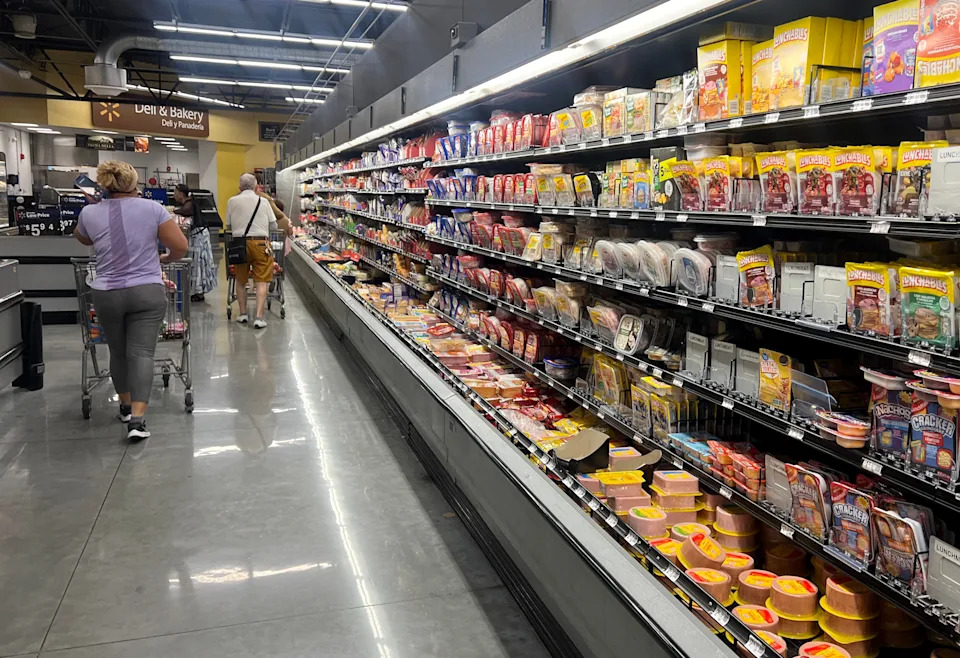
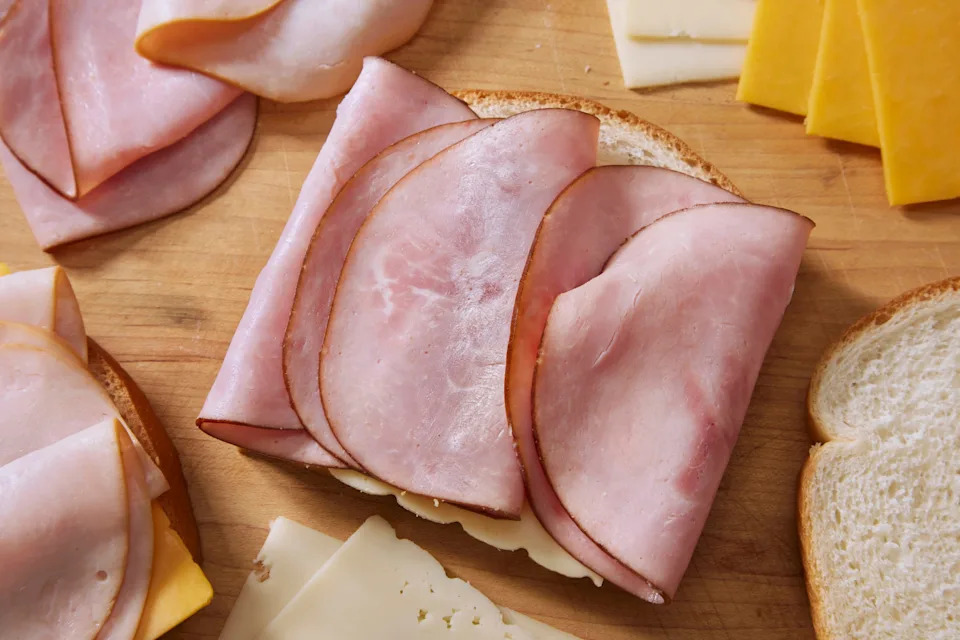
Deli meat is somewhat of a "risky" food as it is often associated with the spread of listeria, such as in the 2024 case of the Boar's Head listeria outbreak that killed 10. Listeria monocytogenes is a hardy germ that can survive in very low temperatures but thrives in cool and damp places. It can, and will, happily live on foods in your or your grocery store's storage area, and the process for mass-producing the meat lends itself to plenty of opportunities for contamination.

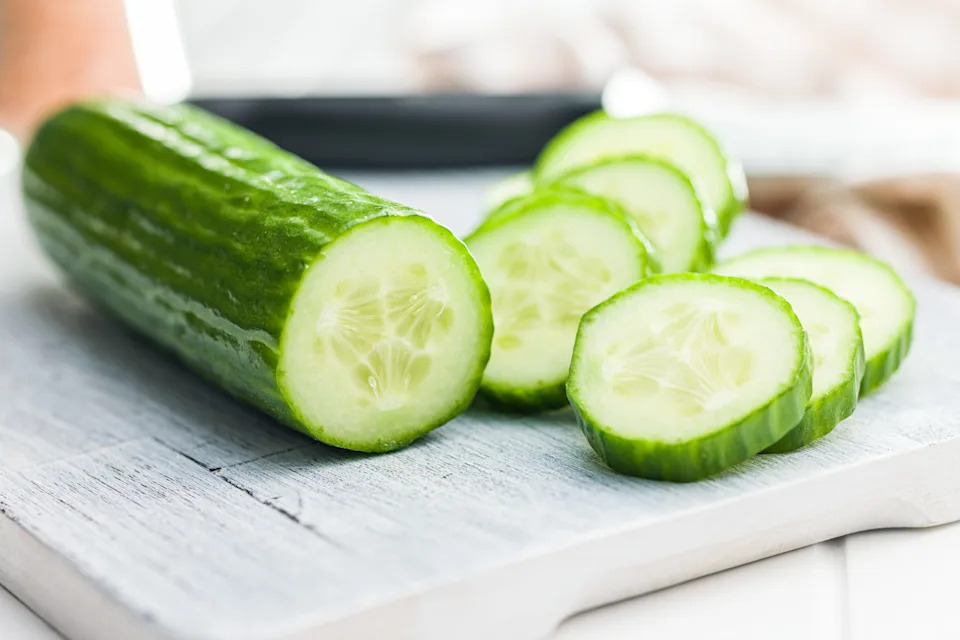
Produce, like the cucumbers recalled due to a salmonella outbreak that infected 113 people across 23 states, can become adulterated with harmful bacteria through fecal contamination, which can occur through wastewater, water in the growing area, fertilizer and the proximity of the growing area to livestock.

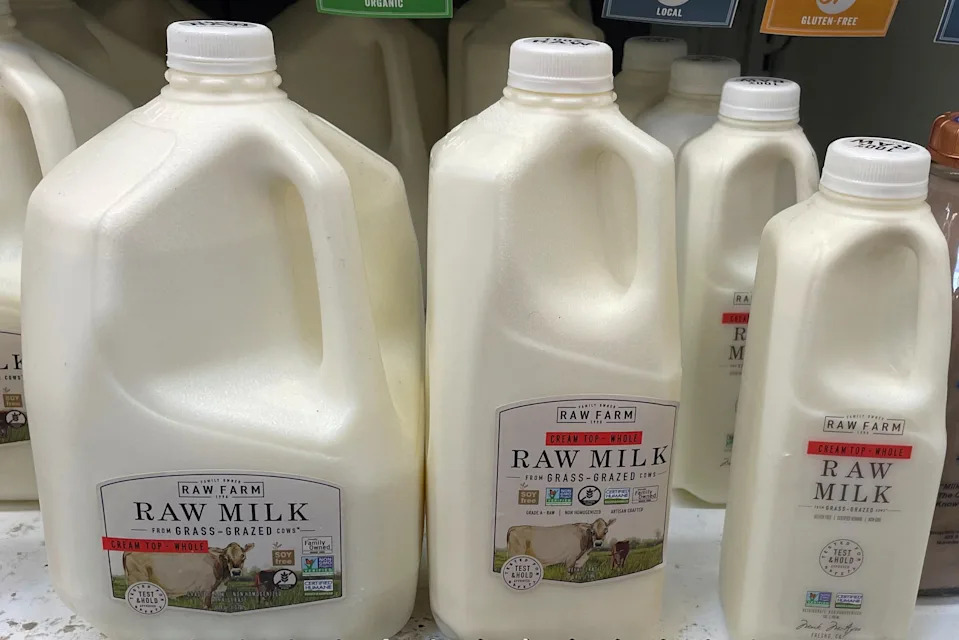
Raw dairy, which is always unsafe to consume and illegal to sell in some states, poses a risk when it's not pasteurized. Dairy pasteurization, or heating milk products to a high enough temperature to kill harmful bacteria, has been practiced since the 1920s and has resulted in illnesses commonly spread via milk, such as listeriosis, diphtheria and tuberculosis, becoming less prevalent.

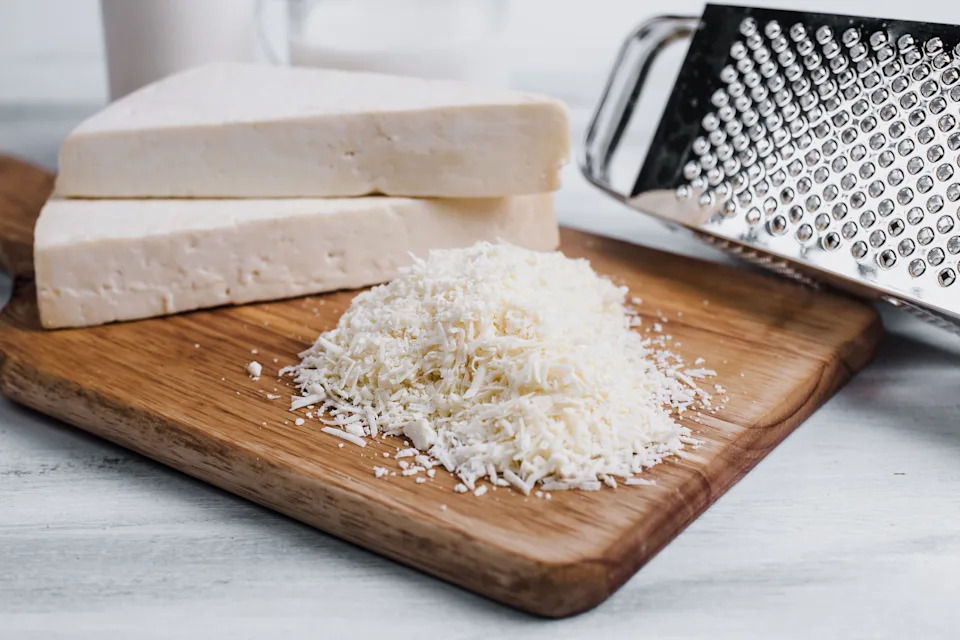
Cotija and queso fresco cheese are made from unpasteurized milk, meaning they carry an increased risk. One producer, Rizo-Lopez Foods, was shut down in October 2024 after its cheeses were linked to a years-long listeria outbreak that killed two people and made dozens of others sick.

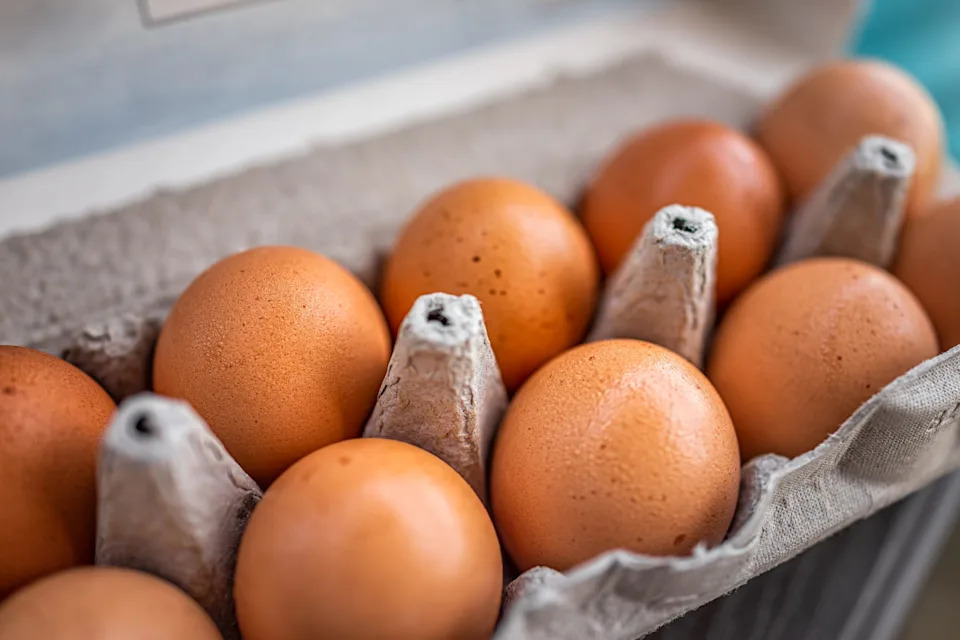
Eggs can become contaminated via the same means as cucumbers and other raw produce, especially if they have a cracked shell.

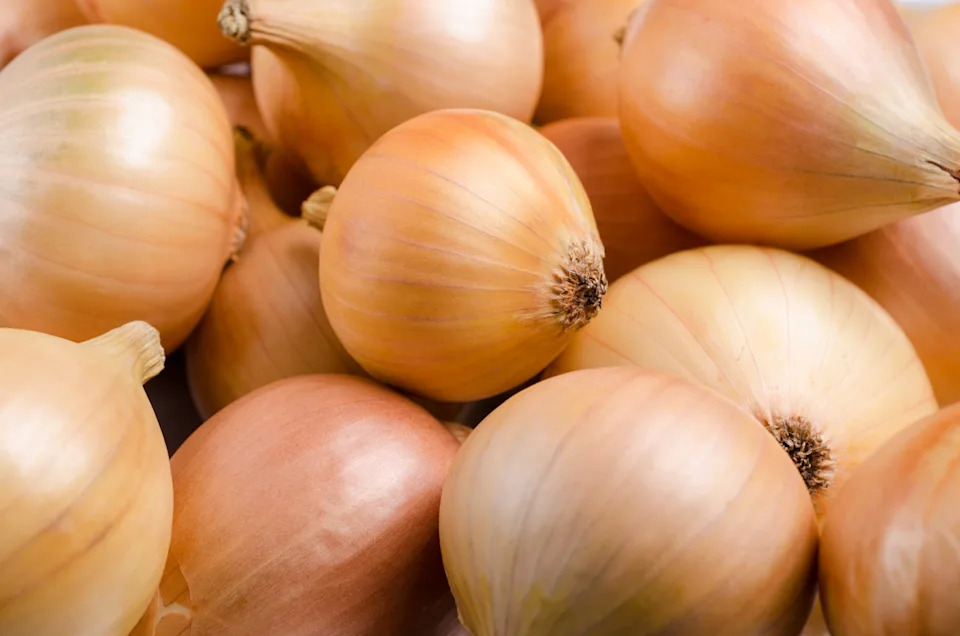
Like other raw produce, onions can become infected via fecal contamination. In 2024,  E. coli-contaminated slivered onions on McDonald's Quarter Pounders triggered some locations to stop serving the burger temporarily.

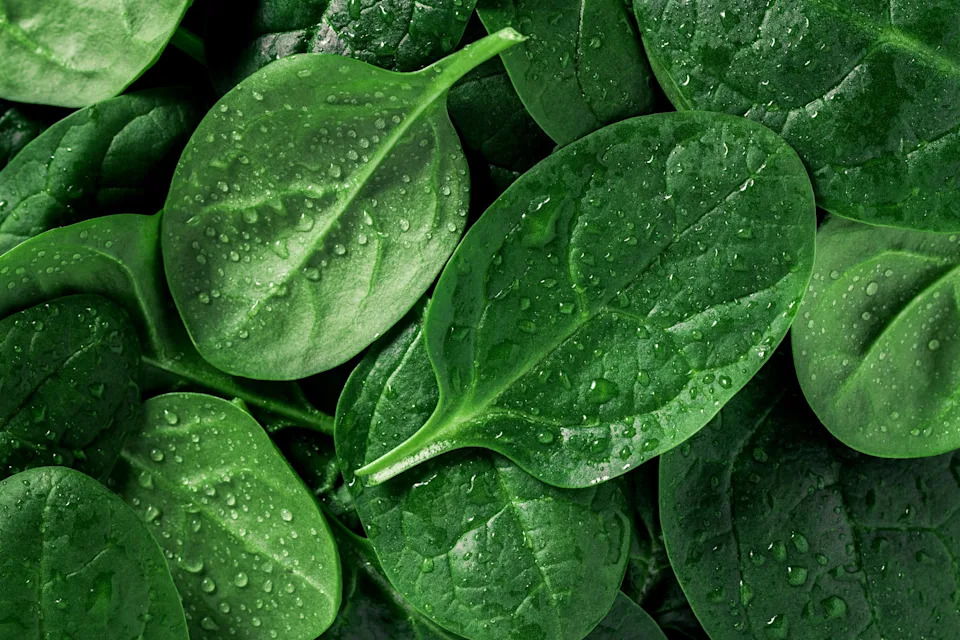
Like cucumbers and onions, leafy greens are easily contaminated with bacteria like E. coli, as in the case of the Solata Foods spinach recall in 2024.

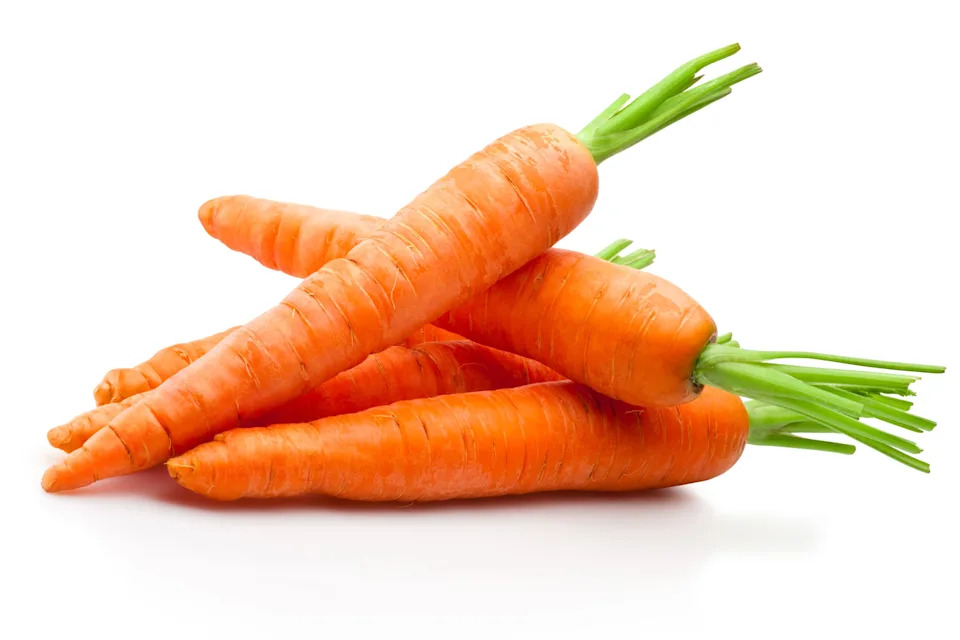
Organic carrots were linked to a major E. coli outbreak in late 2024, leaving at least 39 ill and one dead.

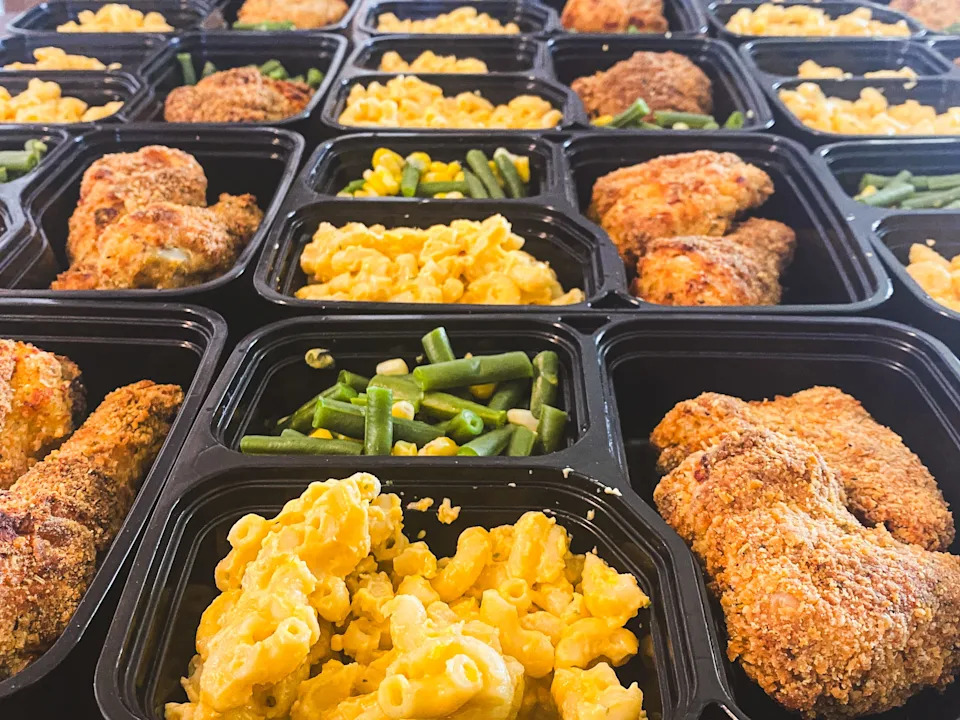
Ready-to-eat/cooked poultry and meat have been the source of multiple major recalls and foodborne illness outbreaks in recent years. The same issue arises with RTE foods as with deli meat; the conditions they are made and stored under are often ideal for bacteria such as listeria to grow. In 2024, millions of pounds of RTE foods were recalled by BrucePac for listeria contamination.

Consumer Reports, the nonprofit known for testing and monitoring consumer-facing policy and products, released its annual risky food report in April, naming the 10 foods of 2024 that were subject to the most recalls and/or associated with the largest illness outbreaks. USA TODAY broke it down further on a what-you-need-to-know basis.

The FDA's Class I recall includes the following products:

1.5-ounce Zapp's Bayou Blackened Ranch Potato Chips (164,640 bags)

2.5-ounce, 8-ounce Zapp's Bayou Blackened Ranch Potato Chips (179,837 bags)

2-ounce Dirty Salt and Vinegar Potato Chips (300,595 bags)

1.5-ounce Zapp's Salt and Vinegar Potato Chips (60-count)

2-ounce Dirty Maui Onion Potato Chips (5,000 bags)

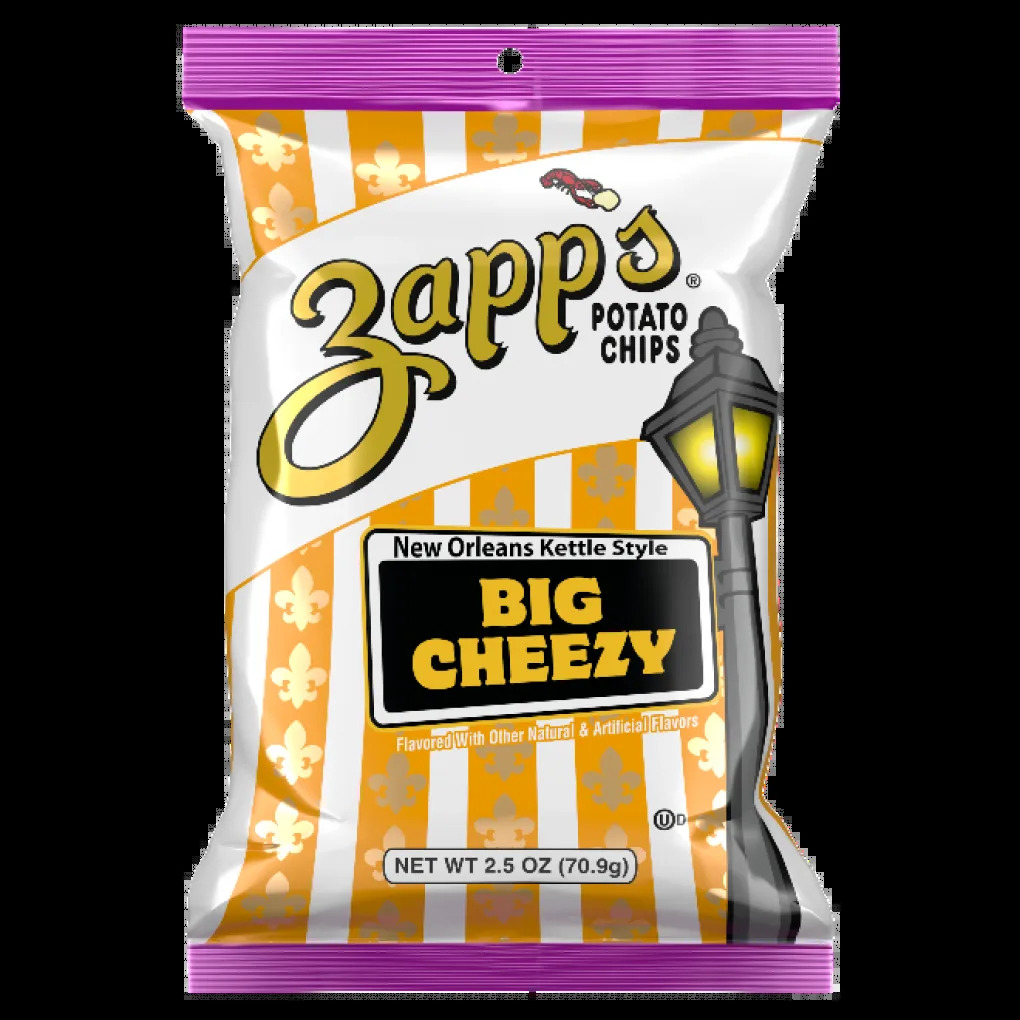
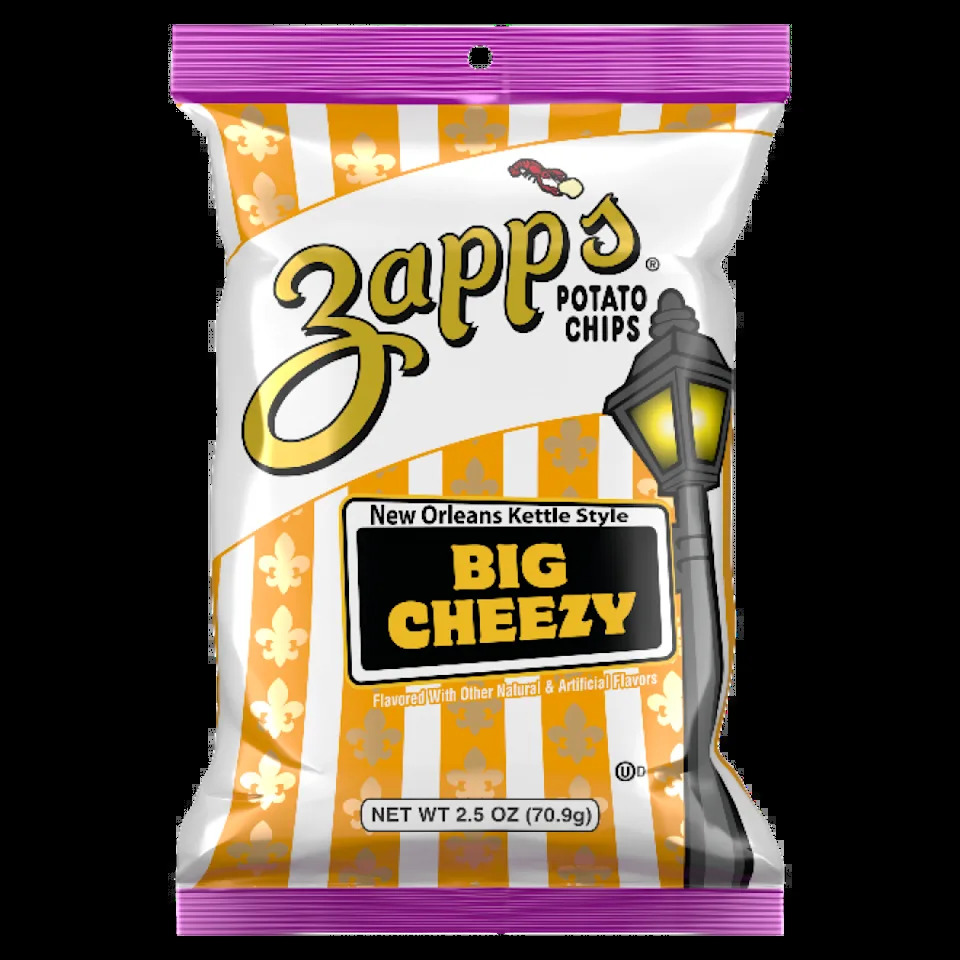
8-ounce, 2.5-ounce Zapp's Big Cheezy Potato Chips (14,976 bags)

2-ounce Dirty Sour Cream and Onion Potato Chips (19,200 bags)

The recalled products were sold at retailers nationwide. Consumers should check the package's best-by dates and batch codes listed in the FDA recall notice to determine whether their chips are affected.

According to Utz, the recalled products contain seasoning made with dry milk powder sourced from California Dairies, which may have been contaminated with salmonella. The recall is part of a broader investigation that has also led to recalls of other food products containing the same ingredient.

Do not consume the recalled potato chips. For questions or refunds, contact Utz Customer Care at 1-877-423-0149 from 9 a.m. to 6 p.m. ET, Monday through Friday.

Salmonella is a type of bacteria that can cause salmonellosis, one of the most common foodborne illnesses.

Common symptoms, which typically appear six hours to six days after eating contaminated food, include diarrhea, fever, stomach cramps, nausea, and vomiting. Most people recover within four to seven days, but young children, older adults, and people with weakened immune systems face a greater risk of severe illness.

In rare cases, salmonella infections can spread to the bloodstream and cause life-threatening complications.

Contributing: Greta Cross, USA TODAY

Reporter Anthony Thompson can be reached at ajthompson@usatodayco.com, or on X @athompsonUSAT

This article originally appeared on USA TODAY: Recall of popular potato chips classified under FDA's highest risk level
Comments
You must be logged in to comment.