huffpost Press
Texas Passed A New Law After 3 Women Died During Miscarriage. Why Was This Mother Still Denied Life-Saving Care?
Images

1 / 9
2 / 9

3 / 9
4 / 9
5 / 9

6 / 9

7 / 9

8 / 9

9 / 9
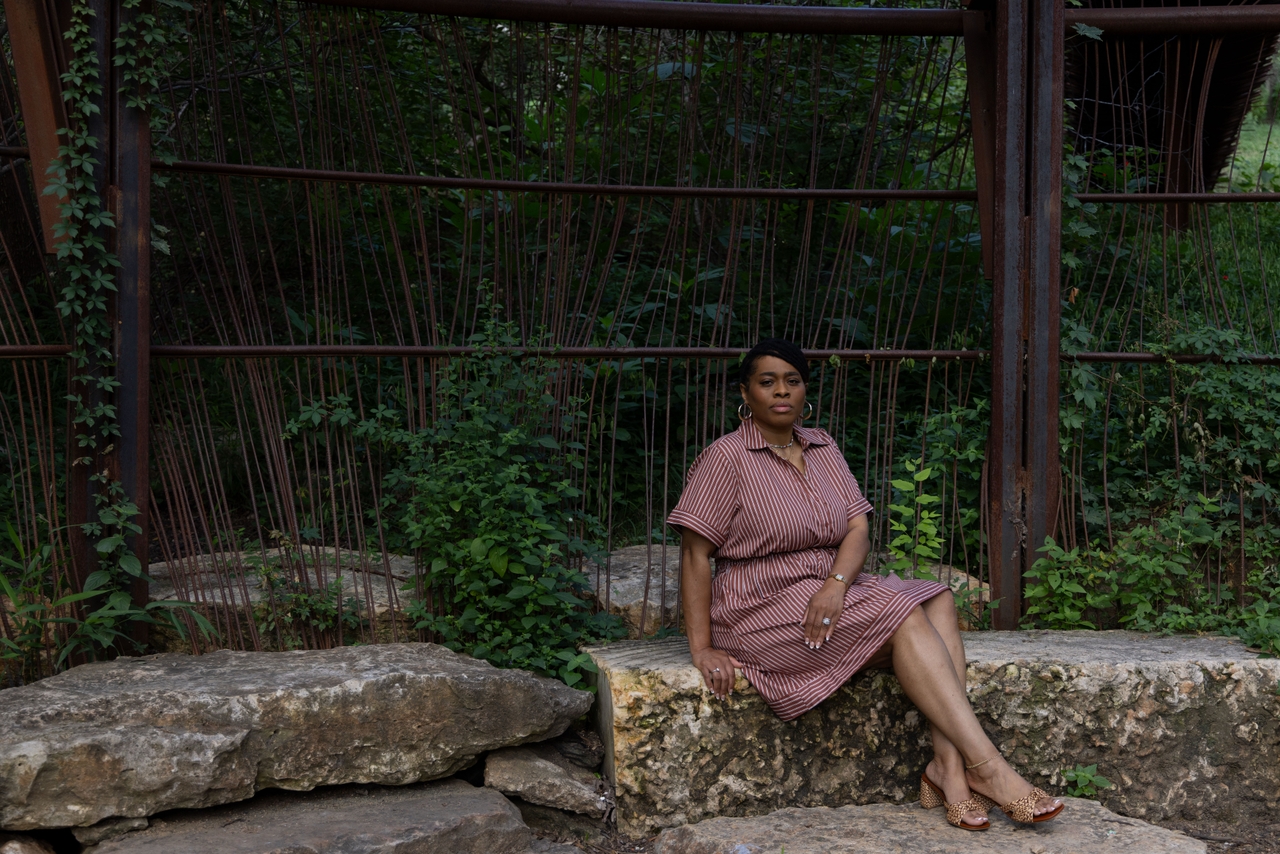
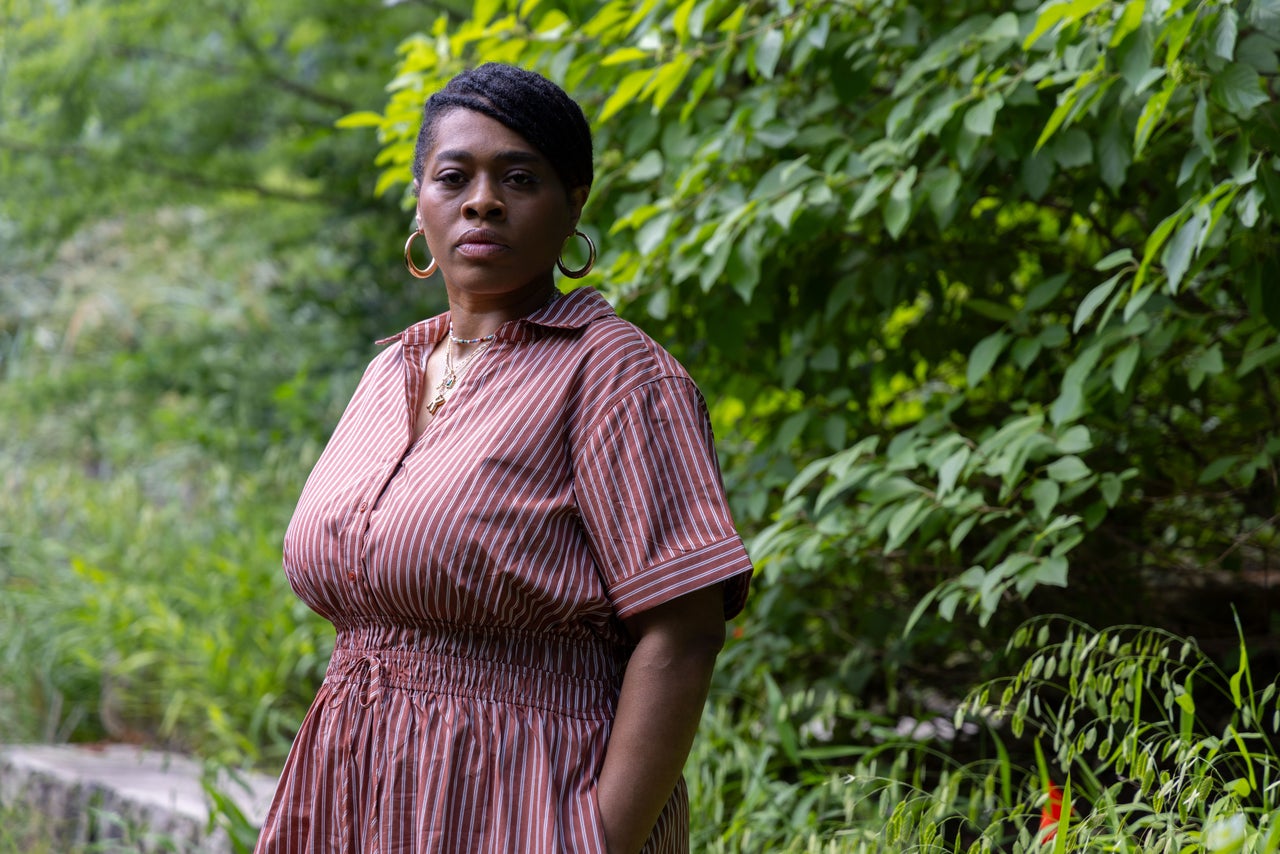
For a few nights in October, Lynn Callaway went to sleep not knowing if she’d wake up in the morning.

Callaway was actively miscarrying at her home in Austin, Texas, after being turned away by two hospital emergency rooms in a 72-hour period, according to a federal complaint filed last week. She spent her days curled up in bed in agonizing pain, experiencing chills, fever and an overwhelming amount of blood loss.

The treatment plan for early pregnancy loss in Texas, a state with one of the most extreme abortion bans in the country, is to send patients home and let the miscarriage run its course. Two of the hospitals Callaway visited discharged her using this “wait and see” method — an approach now used in many states with abortion bans in order to avoid offering a combination of certain abortion medications, the standard of care for early miscarriage.

But, like so many women denied miscarriage care since the fall of Roe v. Wade, Callaway developed an infection — leaving her at death’s door with no one to turn to for help.

Her husband wanted to drive to New Mexico or fly to Colorado — anywhere other than their home state that was seemingly letting his wife die in front of his eyes. But by that point, Callaway was too weak.

“I was like, ‘I don’t know, I might bleed out,’” Callaway told HuffPost. “I was thinking: If it’s going to happen, I’d rather it happen here and not in a car or on a plane trying to get somewhere.”

“I’m, in that moment, trying to plan for my death,” she said.

Callaway and her husband had long discussions about what to do if she didn’t make it. She walked him through her insurance policy so he would know what to do when she was gone. She encouraged him to move back to Georgia with their 8-year-old son, where they would have more family support.

Six days, multiple emergency room visits and repeated calls to her OB-GYN’s office later, Callaway was finally offered care to fully expel her pregnancy. Her OB-GYN prescribed her antibiotics for the infection and abortion medication to complete the miscarriage. When Callaway asked her OB why the ER doctors had not offered her the same medication, her OB responded that the ER would “have to be damned sure that it’s an actual miscarriage to be offering the pill,” the complaint states.

In her lawsuit, Callaway alleges that two hospitals violated the Emergency Medical Treatment and Active Labor Act, also known as EMTALA. The federal law requires hospitals to offer abortion care if it’s necessary to stabilize the health of a pregnant patient while they’re experiencing a medical emergency.

“There is a myth that miscarriage care, ectopic pregnancy care, care for severe cases of obstetrical complications, that that [care] is still happening and it’s just not,” said Molly Duane, Callaway’s attorney and the litigation director of Amplify Legal, a nonprofit legal organization.

“If a patient like Lynn can’t get care in an urban center like Austin, then who knows what’s happening in places like Corpus Christi and the Rio Grande Valley,” Duane added, referring to more remote areas of Texas.

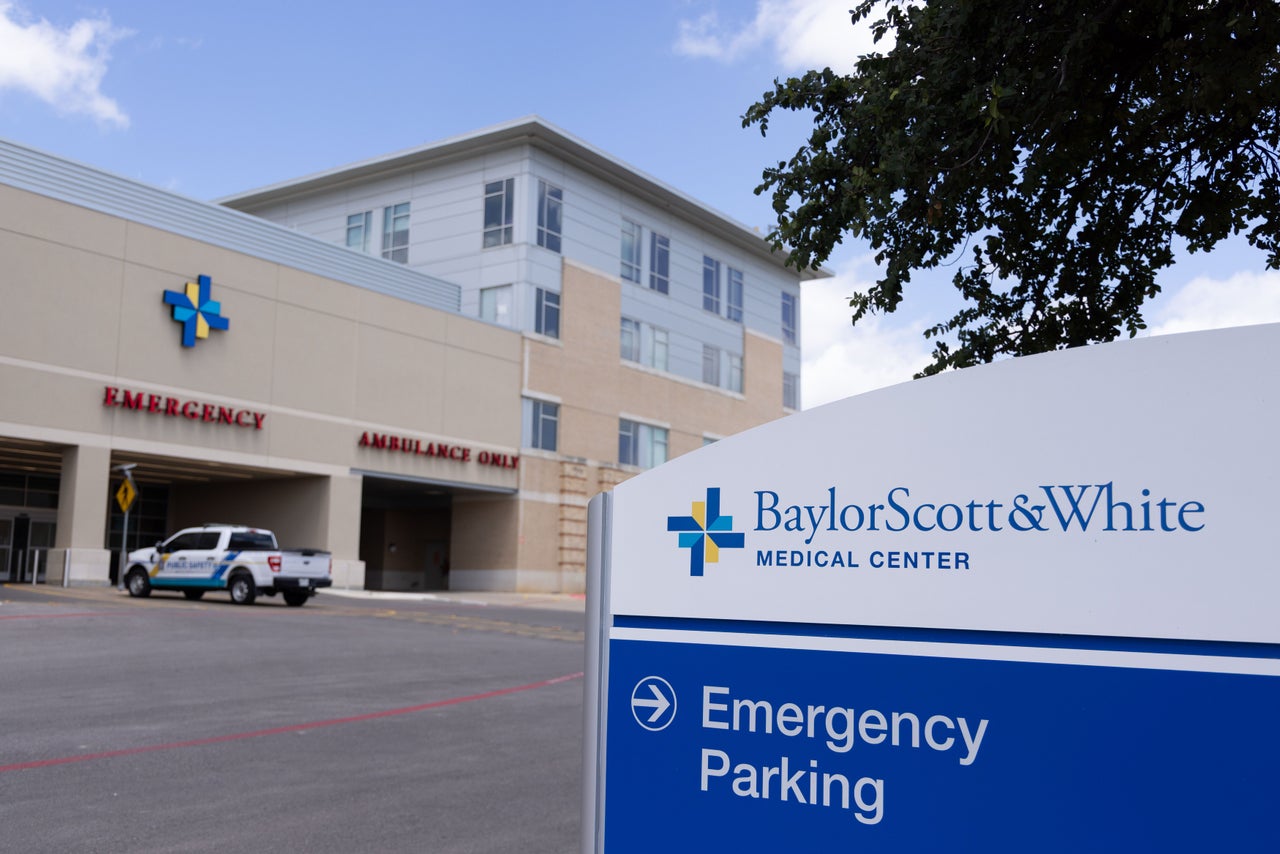
A spokesperson for Baylor Scott & White Medical Center, one of the hospitals listed in Callaway’s lawsuit, told HuffPost they are unable to comment on any individual patient’s care.

“Our priority is always the health, safety and well-being of every patient we serve,” the spokesperson added. “Across our health system, care decisions are guided by the clinical judgment of our physicians and care teams, who evaluate each patient’s condition individually and determine appropriate treatment based on medical needs and applicable legal requirements.”

Since the Supreme Court overturned Roe v. Wade, there have been dozens of pregnant women across the country — in Texas, Florida, Oklahoma and elsewhere — who were denied emergency abortion care because they weren’t close enough to death.

Texas Attorney General Ken Paxton has, in many ways, led the fight against EMTALA, filing a lawsuit against the Biden administration in 2022 and claiming Texas shouldn’t have to comply with the federal law because of the state’s near-total abortion ban. Paxton accused the Biden administration of trying to “transform every emergency room in the country into a walk-in abortion clinic” by allowing emergency health care doctors to provide abortion and miscarriage care.

Though the Supreme Court rejected a different attempt to sidestep emergency abortion care in 2024, the attacks on the federal requirement are ongoing. Last year, President Donald Trump rescinded a Biden-era guideline that abortion rights groups said would lead to more delays and denials of care. Callaway’s attorneys write in the complaint that EMTALA investigations are now being delayed by the Trump administration in part because of Paxton’s 2022 lawsuit.

Paxton’s office did not respond to HuffPost’s request for comment.

“No one seems to think this is an emergency but me.”

Texas’ abortion ban currently has no exceptions for rape or incest, and carries penalties for doctors that include revoking medical licenses, $100,000 in fines, and up to 99 years in prison. Simply offering the standard of care as an OB-GYN or emergency room physician in Texas could put a doctor in prison for life.

“Two things can be true at the same time: The fear by doctors can be real, and at the same time many hospitals need to be doing a lot more,” Duane said.

But just months before Callaway was turned away from two emergency rooms, Texas passed a law intended to offer clarity for physicians providing miscarriage care under the state’s abortion ban. The law, titled The Life of the Mother Act, passed after at least three Texas women died from delays in care and rates of sepsis increased among pregnant women under the state’s abortion ban. The law specified that a pregnant woman’s death does not need to be “imminent” for the abortion ban’s life of the mother exception to apply.

And yet, Callaway still nearly died.

When Callaway first noticed spot bleeding, she went into her OB-GYN’s office, where a nurse practitioner ran several tests and was unable to find a gestational sac in her uterus, according to the lawsuit. The nurse practitioner told Callaway she may have an ectopic pregnancy, ordered more tests to see if her pregnancy hormone levels had changed, and sent her home. During that time, Callaway’s bleeding increased and she became lethargic. She called her OB-GYN’s office that evening, and the on-call nurse told her that her pregnancy hormone levels were “too high” for the office to provide a procedural abortion or medication to manage her miscarriage, according to the complaint. The nurse told her to go to the ER.

But the two hospital emergency rooms she went to didn’t offer stabilizing care, despite confirming she was actively miscarrying. One nurse at Baylor Scott & White told her she was being released from the hospital because her condition was “not necessarily limb or life threatening,” the complaint states. A physician at the same hospital subjected her to an invasive and painful pelvic exam for sexually transmitted diseases. (“I only ever see STD testing of pregnant women when they’re Black,” Duane noted.)

Both hospitals have specific emergency departments for labor and delivery patients, but at seven weeks, Callaway was not far enough into her pregnancy to be seen by those specialists.

The ER physician at the second hospital, St. David’s Round Rock Medical Center, also said Callaway was having a miscarriage and she had developed an infection but they could not offer care to terminate her pregnancy, according to the lawsuit. The St. David’s doctors told Callaway to call her OB-GYN, but her OB-GYN’s office was closed because it was Saturday. Meanwhile, her condition continued to deteriorate.

“No one seems to think this is an emergency but me,” Callaway recalled thinking at the time, according to the complaint.

St. David’s Round Rock Medical Center did not respond to HuffPost’s request for comment.

Abortion clinics used to provide the majority of early miscarriage management care, but there are no abortion clinics left in the state. Early miscarriages are one of the most common pregnancy complications, with more than 80% of all miscarriages occurring during the first trimester. The current system created by Texas’ draconian abortion ban has left women like Callaway to essentially fall through the cracks.

Callaway was finally able to access abortion pills at her OB-GYN’s office — nearly a week later — because her OB found retained tissue in Callaway’s uterus and made the decision to offer proper care.

Months after this ordeal, Callaway was on a family vacation in Portugal when she started bleeding profusely. She felt a gush of blood and was in a lot of pain. She and her husband drove to an emergency room, where doctors found she had more retained tissue from her miscarriage that her OB-GYN and the hospitals in her home state had missed.

“It felt like going through the miscarriage all over again. Yet for the first time since the ordeal began, I felt safe with a physician,” Callaway wrote in two other complaints filed with the Texas Medical Board and Texas Board of Nursing. “Even though they did not speak the same language, I trusted this physician more than any of the providers who had cared for me in Texas.”
Comments
You must be logged in to comment.