bbc Press
Brain cancer patients at UHCW demand public inquiry into chemotherapy scandal
Images
1 / 20
2 / 20

3 / 20
4 / 20
5 / 20
6 / 20
7 / 20
8 / 20
9 / 20
10 / 20
11 / 20

12 / 20

13 / 20

14 / 20
15 / 20
16 / 20

17 / 20
18 / 20
19 / 20
20 / 20
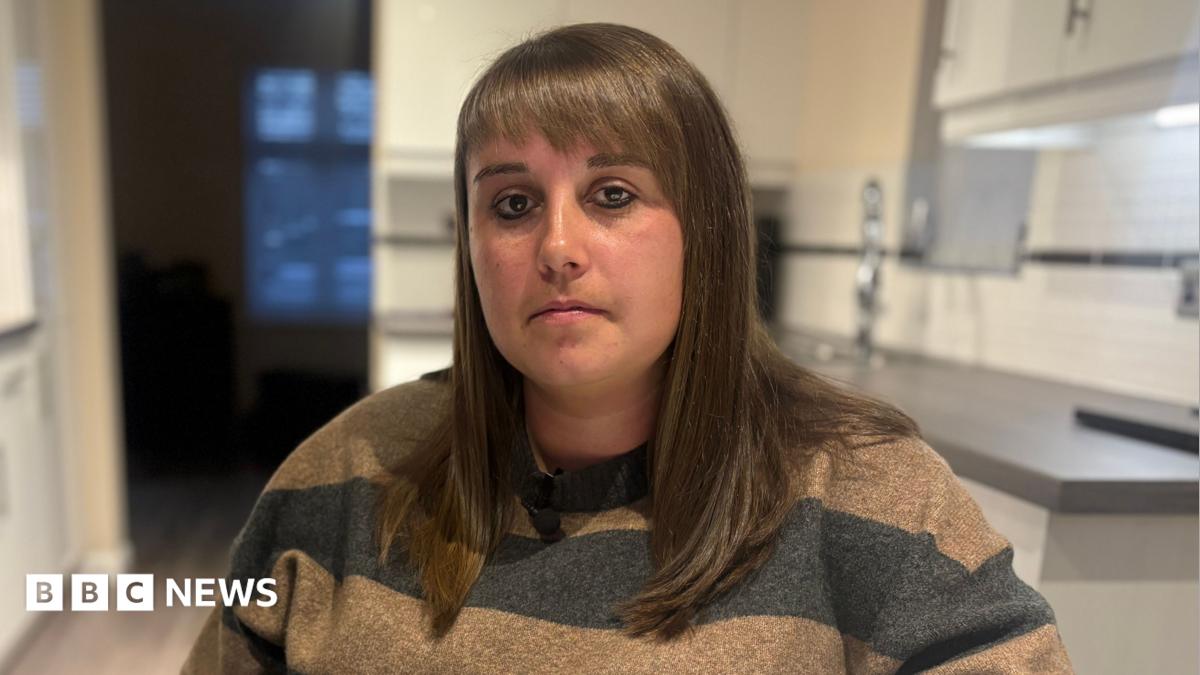
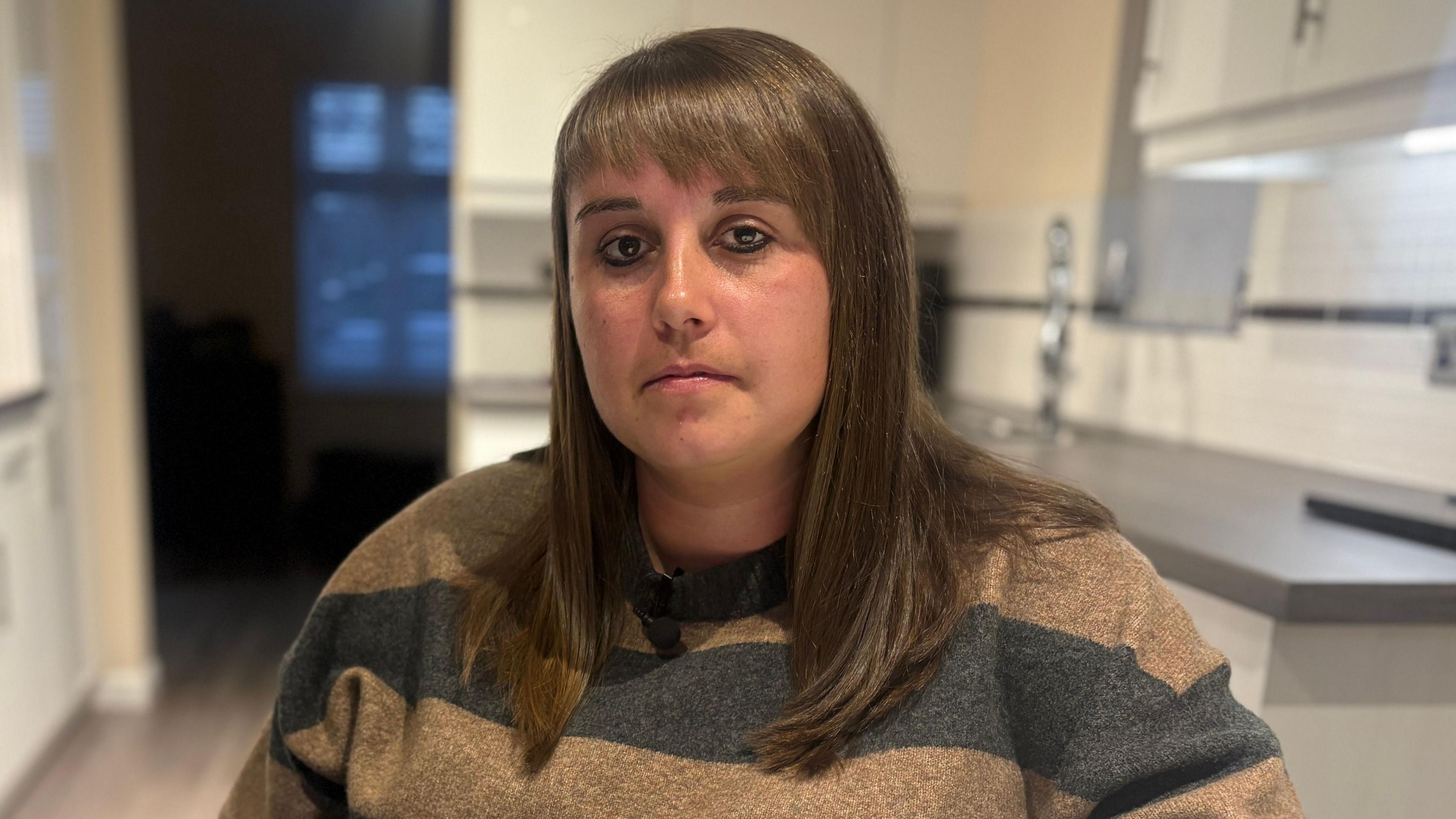
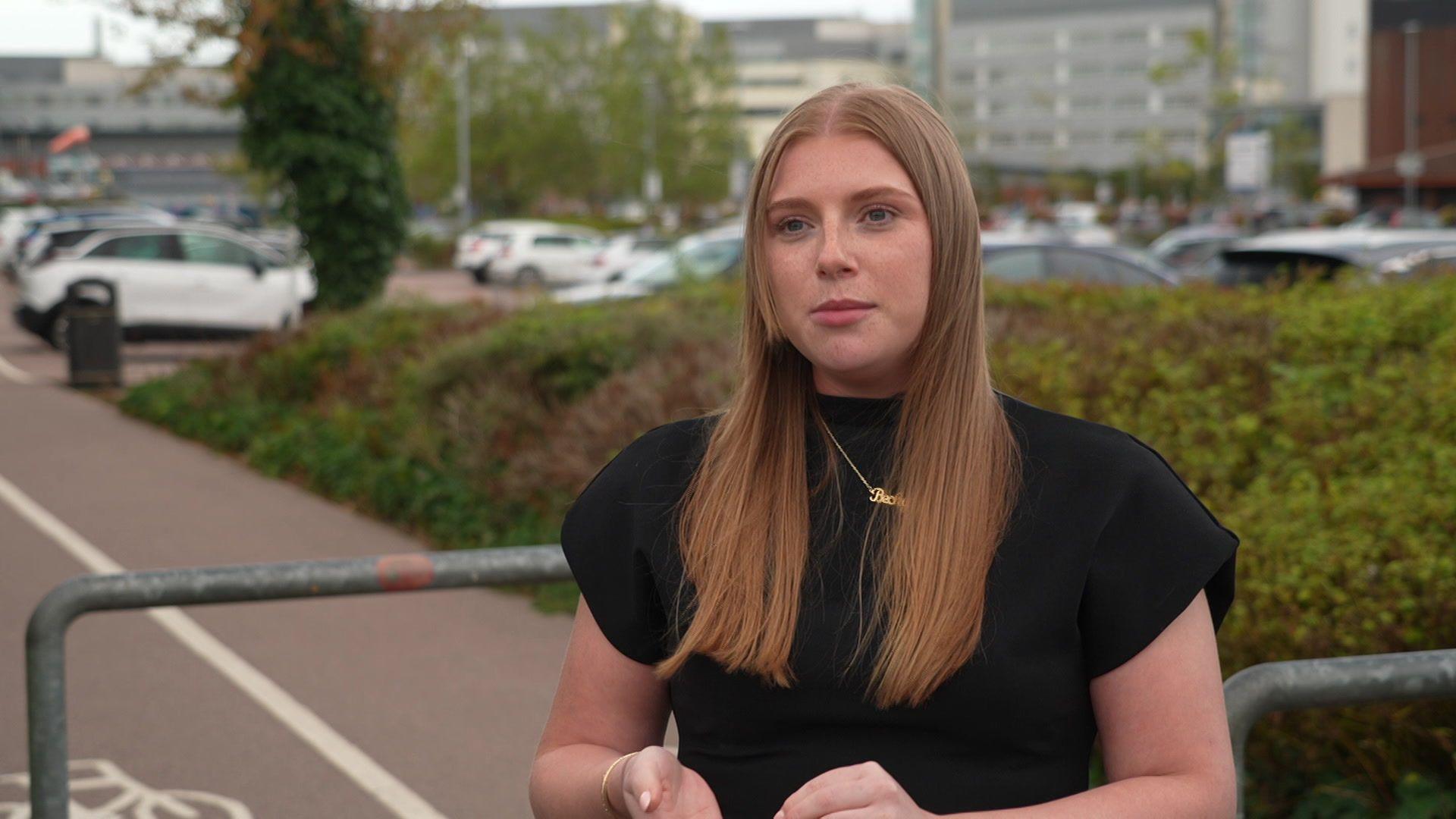
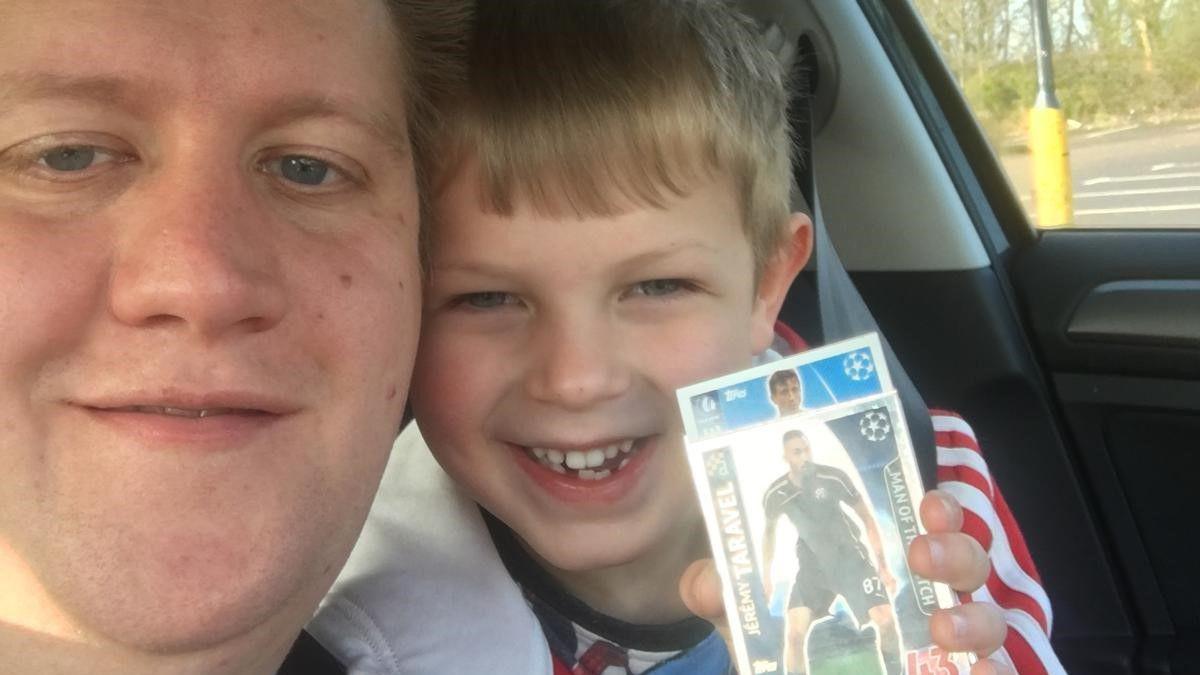
Becky Jones who had 11 years of chemotherapy for a cancer she did not have said treatment was "handed out like sweets"

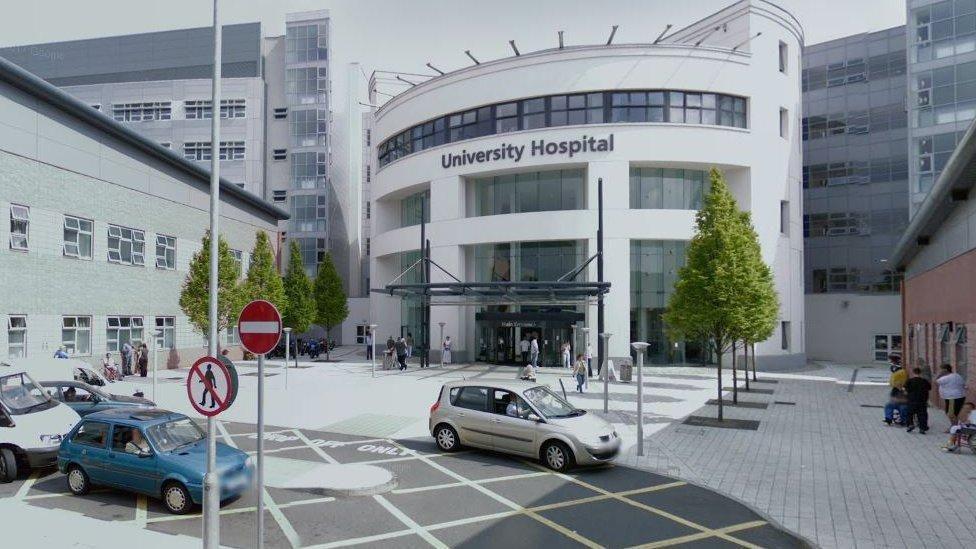
Brain cancer patients who were given years of unnecessary chemotherapy are calling for a public inquiry, after a review found people were severely harmed under an NHS trust's care.

Some were misdiagnosed while others were told if they stopped temozolomide (TMZ) treatment they would die, despite this not being true.

The Royal College of Physicians (RCP) investigated 20 cases at University Hospitals Coventry and Warwickshire (UHCW) NHS Trust.

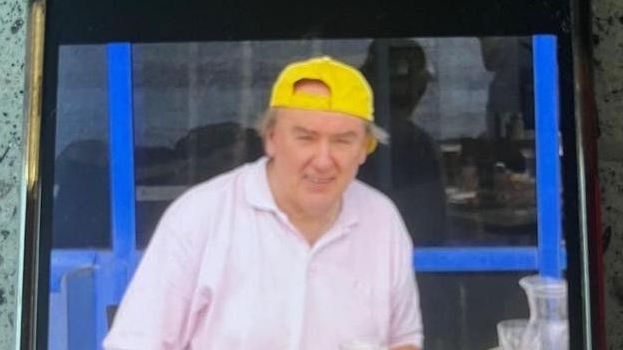
The drug is typically meant to be taken for six months but in one case a patient of Prof Ian Brown was given more than 100 cycles of chemotherapy over a period of 13 years. They later developed leukaemia as a side-effect of too much chemotherapy.

Becky Jones, who had 11 years of the treatment for a cancer she did not have, has told the BBC she was "absolutely disgusted" that "chemotherapy was dished out like it was sweets".

University Hospitals Coventry and Warwickshire NHS Trust has apologised

"I have two young children and to think once upon a time I might not have been there for their future kills me every day and it's all down to one person," the 35-year-old added.

She is one of more than 40 patients taking legal action against the NHS Trust. The mum-of-two was 21 when she was told she had a grade 4 glioblastoma and six to 12 months to live.

After more than 100 cycles of chemotherapy it was found she had never had a brain tumour and that her imaging was consistent with tumefactive demyelination, a less serious lesion.

She said of the report: "The findings are worse than I ever expected them to be.

"A national inquiry needs to happen and things need to be tightened up so it can't happen to anyone else.

"I don't think I'll ever find closure until the trust accept what they have done wrong and are held accountable. I would like answers."

The review, released on Wednesday, was commissioned by the trust following the retirement of one of its doctors.

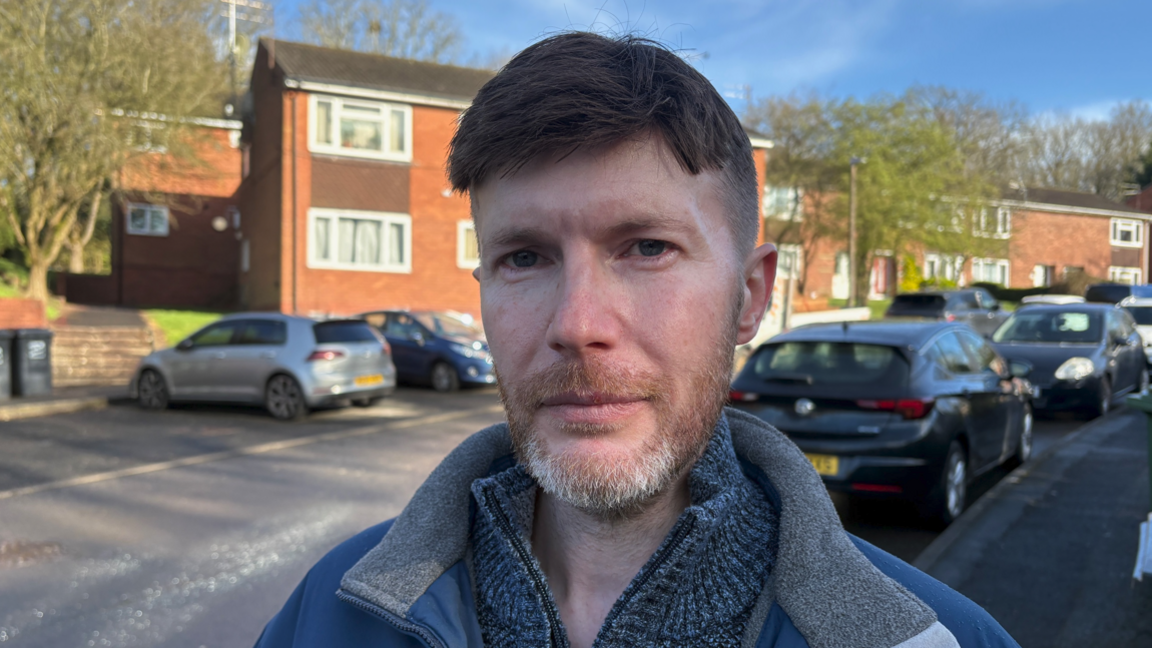
Brown, referred to as Dr Y in the RCP's report, did not take part in the review and refused to comment when approached by the BBC at his home.

University Hospitals Coventry and Warwickshire (UHCW) NHS Trust has apologised for "failures" within its neuro-oncology service under the care of the retired clinical oncologist.

Chief executive Professor Andy Hardy and trust chair Sue Noyes said in a statement: "This is far below the standards our patients deserve and that we expect. We let you down, and for that we offer our sincere apologies."

Prof Ian Brown, who retired in 2024, is referred to as Dr Y in the review

Brown was employed there from 1996 to 2024 and concerns over his practice were raised by colleagues when his patients were handed over upon his retirement in December 2023.

Medics found people on long-term repeated cycles of TMZ, against standard practice and national guidelines.

Some patients had also been left on treatment despite their cancer progressing, when moving to the best supportive care for their symptoms would have been a better choice.

TMZ, a chemotherapy drug that is sometimes used for glioblastoma and astrocytoma brain tumours, should usually be taken post radiotherapy for six cycles, usually over six months, but some patients have told the BBC they received it for many years.

The review warned there may be many more affected patients, with 83 receiving extended TMZ treatment between 2017 and 2023.

Overall, the RCP examined 20 cases of care under Brown, though the number of patients affected is higher - including those who have since died.

Working to strict definitions of harm, the review team concluded six patients had suffered severe harm, five moderate harm and eight low levels of harm. In the final case, the review team could not reach a judgement on moderate or severe harm.

Among other recommendations, the RCP said that any wider review of patients who received the treatment and have since died should be discussed with the Department of Health and Social Care.

"There is a large cohort of deceased patients who have received this non-standard chemotherapy regime, who may potentially have come to harm," the report said.

"To review every patient would be a significant and costly undertaking. The Trust should determine whether such a step is appropriate, and if so, discuss with the DHSC and/or NHS England how such a review would proceed."

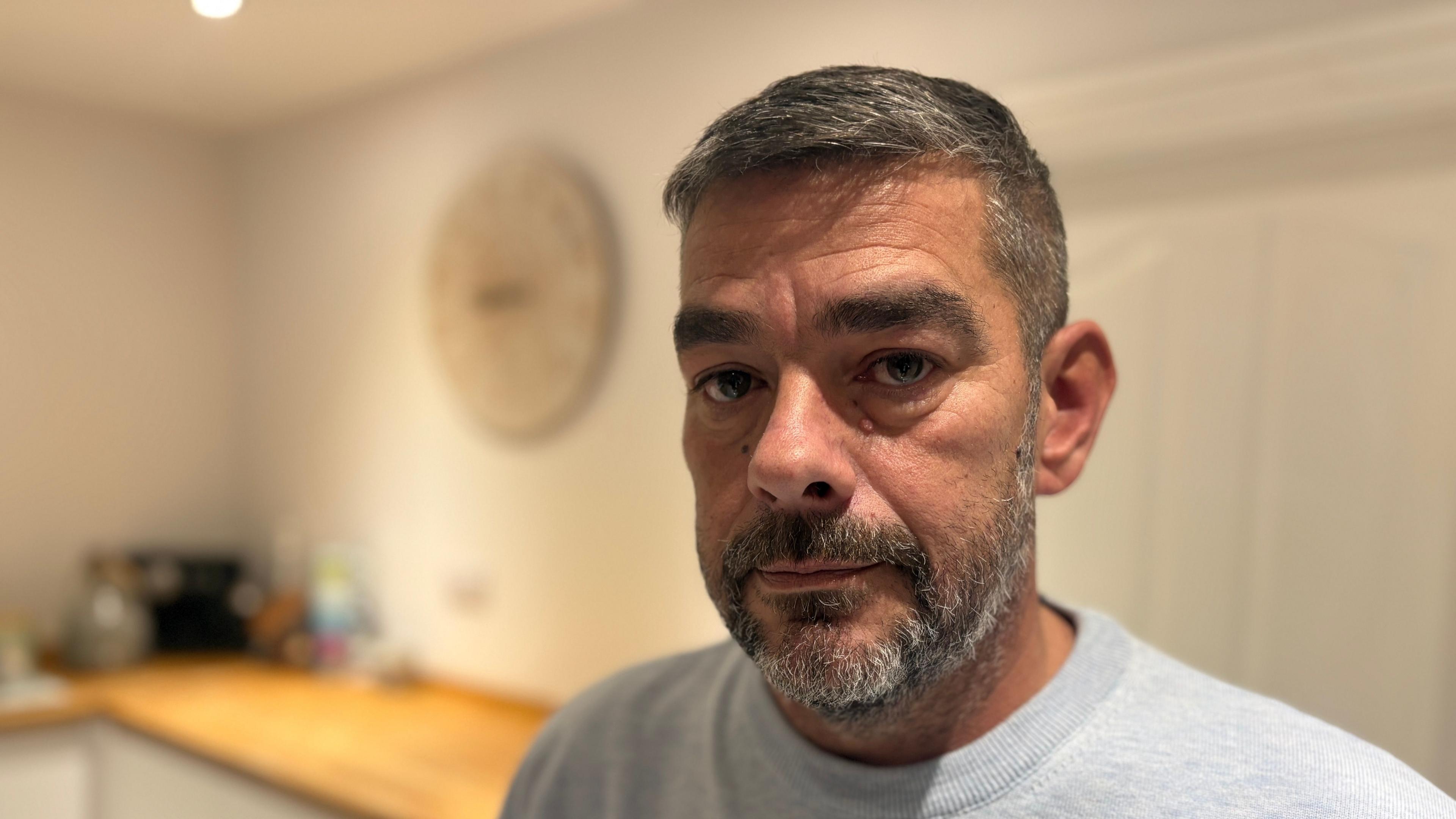
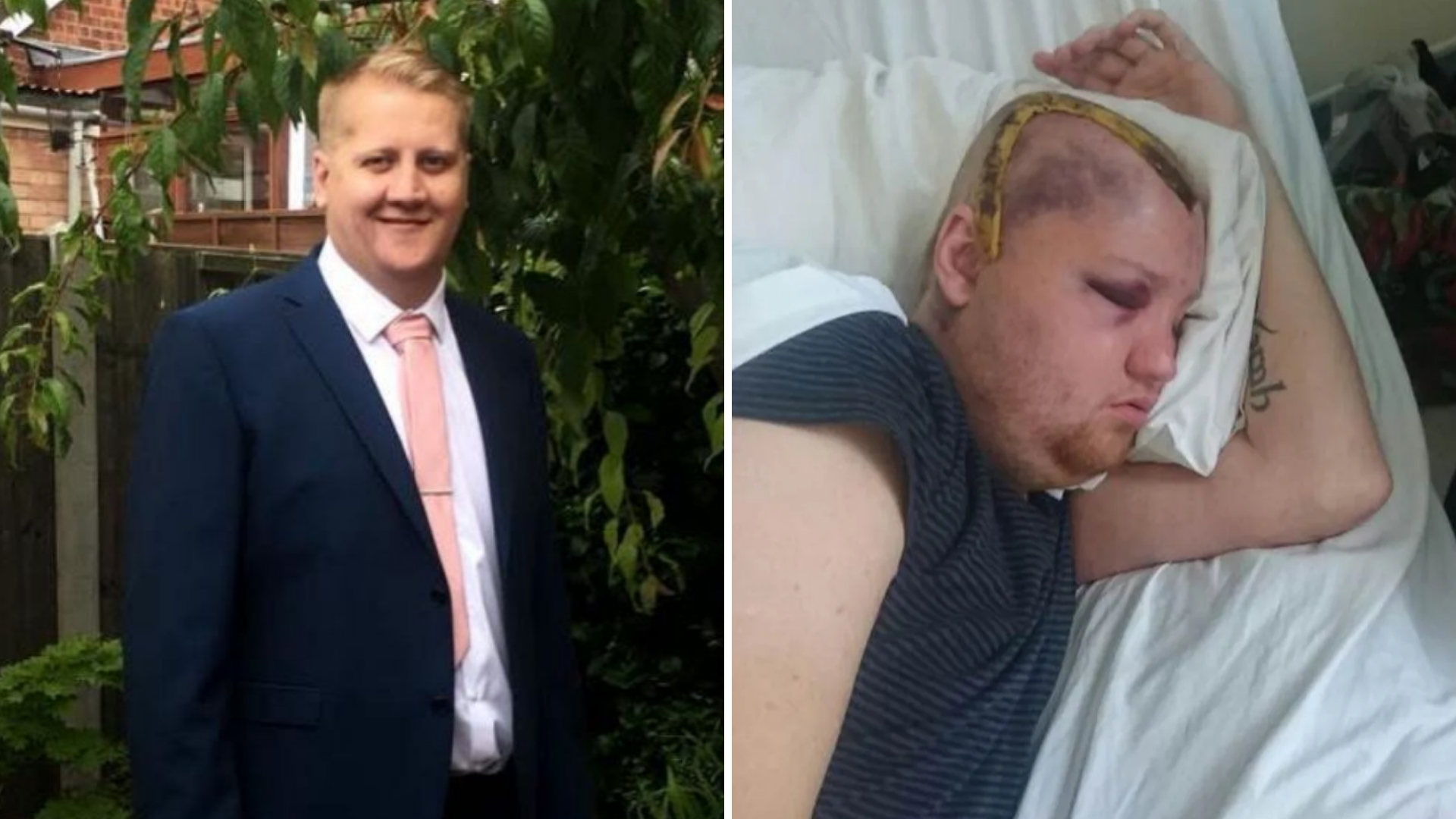
After 10 years of treatment, Mark Poulton found out he had been wrongly diagnosed

Father-of-three Mark Poulton, from Redditch, Wocestershire, said he had been left in "constant pain" with spells of depression after undergoing chemotherapy for a decade, only to discover two years ago that he had been misdiagnosed.

The 54-year-old told the BBC: "I feel angry that I've gone through 10 years of TMZ that I probably shouldn't have done and the report backs that.

"You get a cancer diagnosis of any sort and you feel you will collapse, then you go to a hospital and you're in the right place, you feel safe, only to find out 10 to 12 years later that you were abused by the system that failed me and the other patients involved.

"More needs to be done, it can't end here with this review. We need action so it doesn't happen again."

In 2014 he was told he had oligodendroglioma, an aggressive brain tumour, but found out in 2024 that he actually had astrocytoma, a different type of cancer.

The review also highlighted patients who were exposed to a "significant lifetime risk" of developing secondary cancers and other health problems after several years of non-standard chemotherapy.

One, who received the drug for 10 years, experienced "significant toxicity", including ongoing fatigue, nausea and a "severe episode" of ophthalmic shingles and galactorrhoea caused by a drug prescribed to treat chemotherapy-induced nausea and vomiting.

The review also referred to a Mr N, who the BBC understands to be clinical nurse specialist Ian Edwards.

Some patients were advised implicitly and explicitly that stopping treatment would be harmful, the review said.

There was also evidence in some cases of patients being given misleading information.

The review team heard in interviews that a small number of patients had requested discontinuation of their treatment, which Edwards then discussed with Brown and acted upon, however no evidence of this was seen in the cases reviewed.

"In one case when the patient questioned their treatment, they were told by Mr N  (Edwards) that Dr Y (Brown) was 'legally bound' to continue it," they added.

Edwards has also since retired from the trust, UHCW confirmed, adding it had made a formal regulatory referral to the Nursing and Midwifery Council (NMC) regulator.

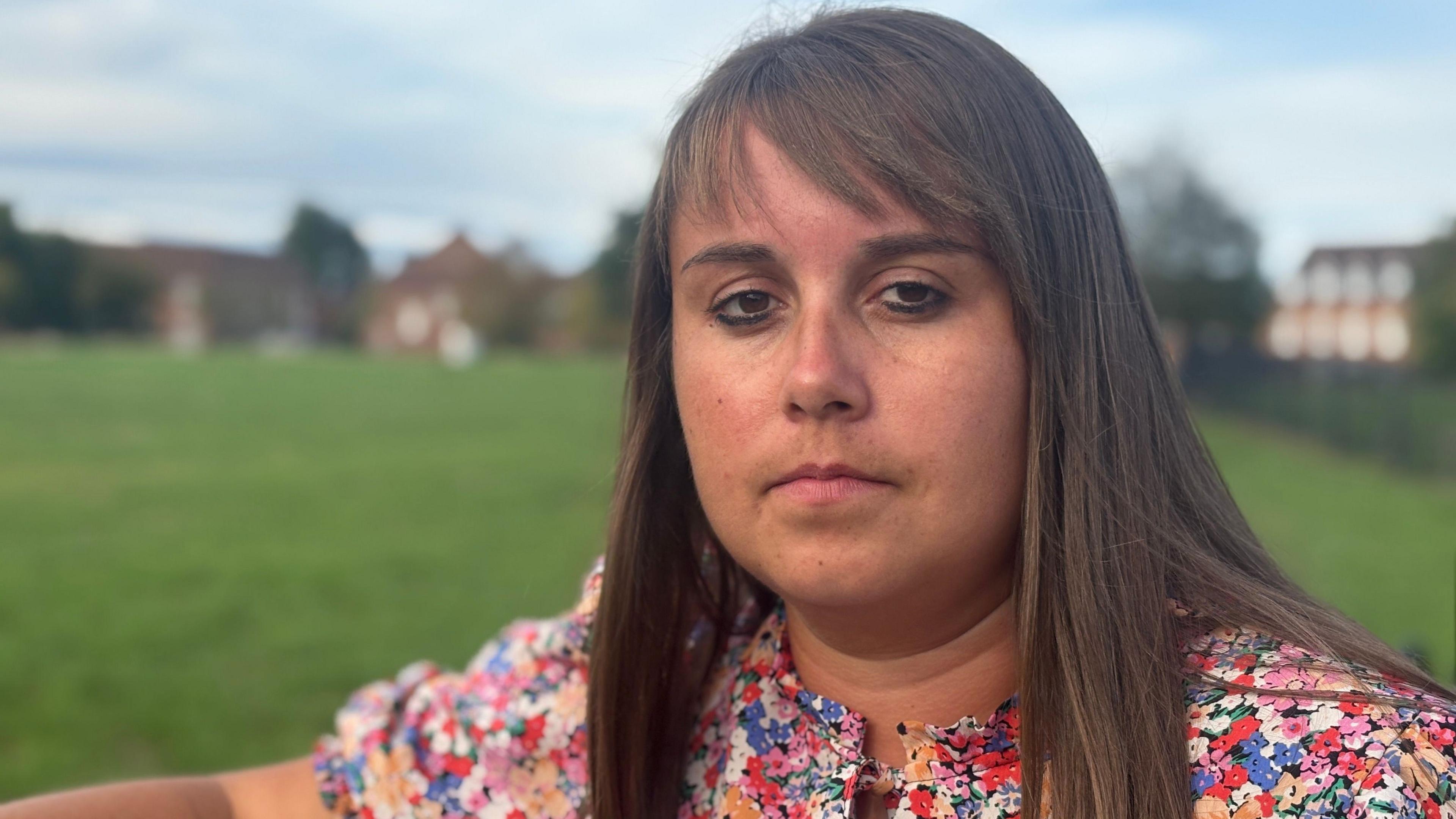
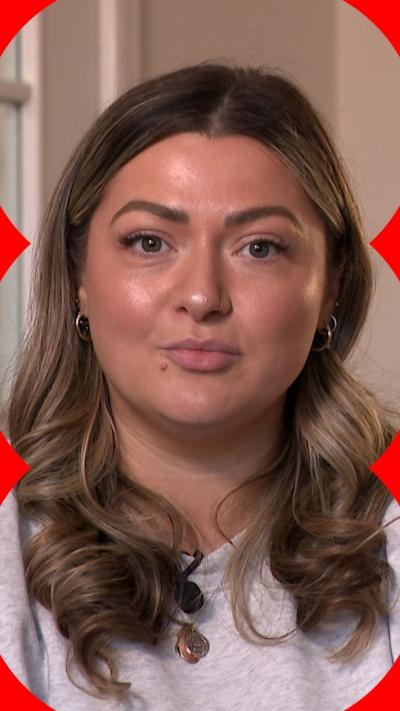
Becky Addison of law firm Brabners said the report was "thorough" but patients still need answers

Legal firm Brabners, which represents more than 40 patients and is calling for an independent public inquiry, said cases had been referred to the police but no action had yet been taken.

Becky Addison, from the firm, said: "Now is the opportunity that everyone needs to sit up and look at how important this is for patients that they get the answers that they deserve.

"They've had their lives taken away from them in unimaginable ways and all that they need at the moment is answers, transparency and accountability and that will come by way of a statutory public inquiry."

All living patients receiving TMZ at the trust have already had their care reviewed again internally to ensure it aligned with expected standards, the UHCW trust has said.

A "comprehensive independent external clinical review process" will also evaluate all living patients who received over 12 cycles of TMZ under Brown.

The trust added: "We have initiated discussions with the NHS England regional director of patient safety to establish clear requirements and methodology for reviewing the cohort of deceased patients who received non-standard chemotherapy regime."

Tell us which stories we should cover in Coventry & Warwickshire

Follow BBC Coventry & Warwickshire on BBC Sounds, Facebook, external, X, external and Instagram, external.

Cancer treatment review finds 'betrayal of trust'

Man 'told 13 years of chemotherapy unnecessary'

I had 11 years of chemotherapy for a cancer I didn't have

Post-brain op delays 'left man needing 24/7 care'

Man had unnecessary chemotherapy for 14 years

University Hospitals Coventry and Warwickshire NHS Trust

Royal College of Physicians
Comments
You must be logged in to comment.