bbc Press
Early reports suggest record high turnout in Serbia elections
Images
1 / 20
2 / 20
3 / 20
4 / 20
5 / 20
6 / 20
7 / 20
8 / 20
9 / 20
10 / 20

11 / 20

12 / 20

13 / 20

14 / 20

15 / 20
16 / 20

17 / 20
18 / 20

19 / 20
20 / 20
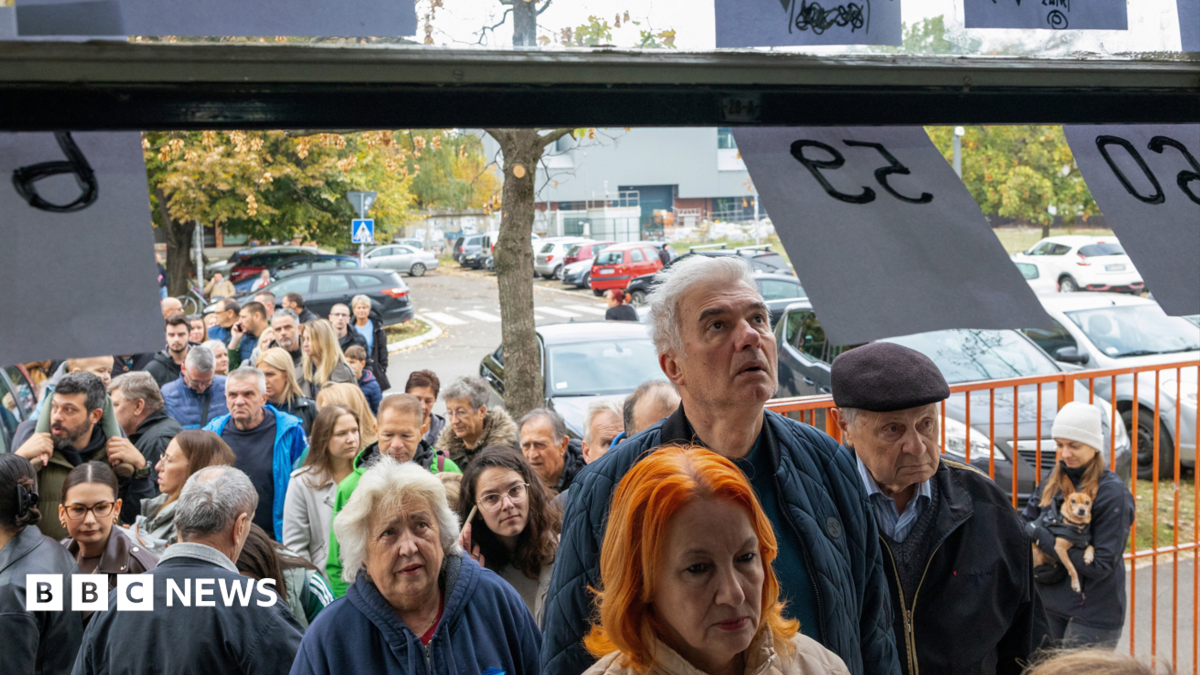
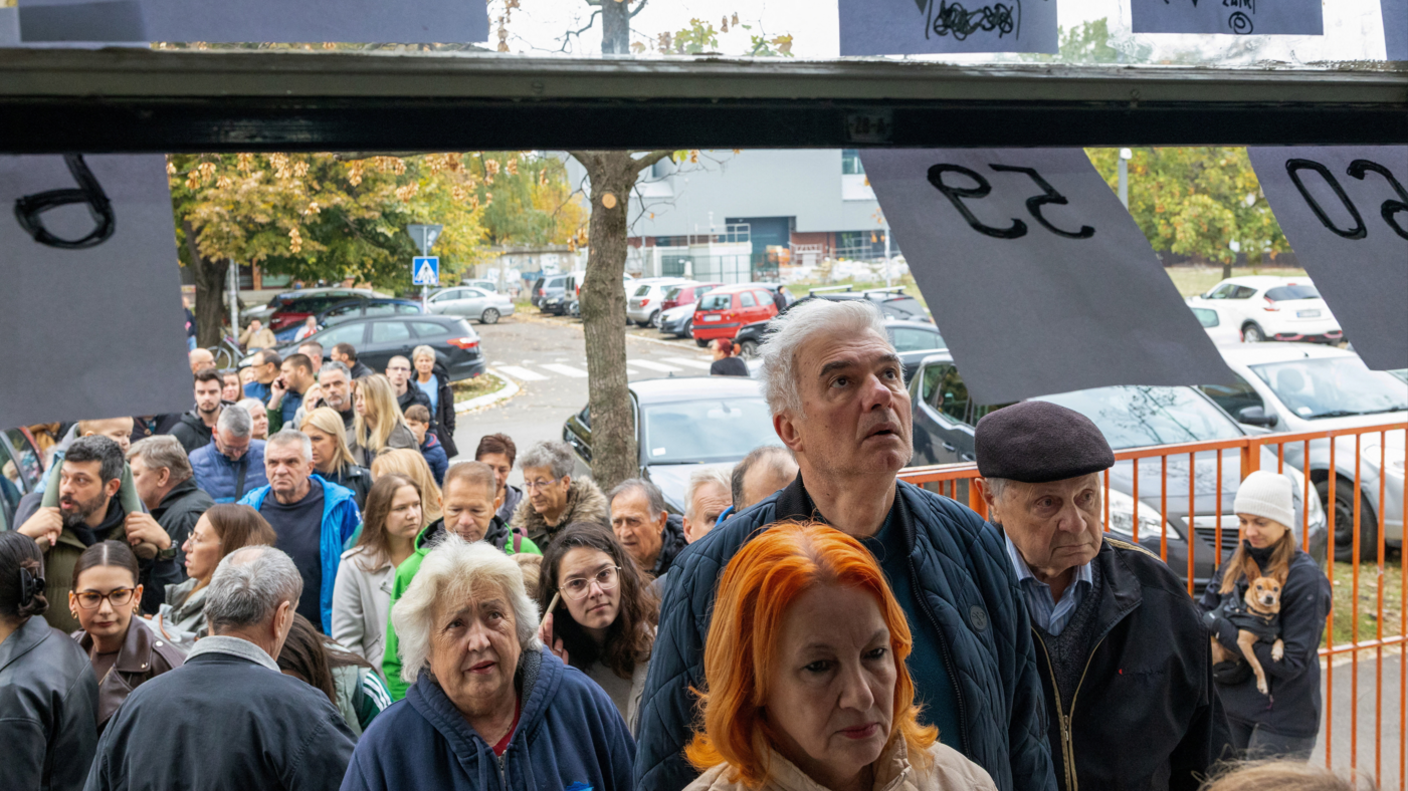
People queue outside a polling station in Novi Sad, Serbia's second-largest city

Early reports suggest Serbian voters have turned out in large numbers for the country's election, as a student protest movement attempts to end the rule of its right-wing populist leader.

Preliminary reports from the parliamentary election suggest a record high turnout, with 46% having cast their vote by 14:00 local time (13:00 GMT), nearly a million more than the comparable figure for the previous election in December 2023.

The apparent high turnout is fuelling the hopes of opposition party Student List that they can oust Aleksandar Vučić and his Serbian Progressive Party (SNS), who have been in power since 2012.

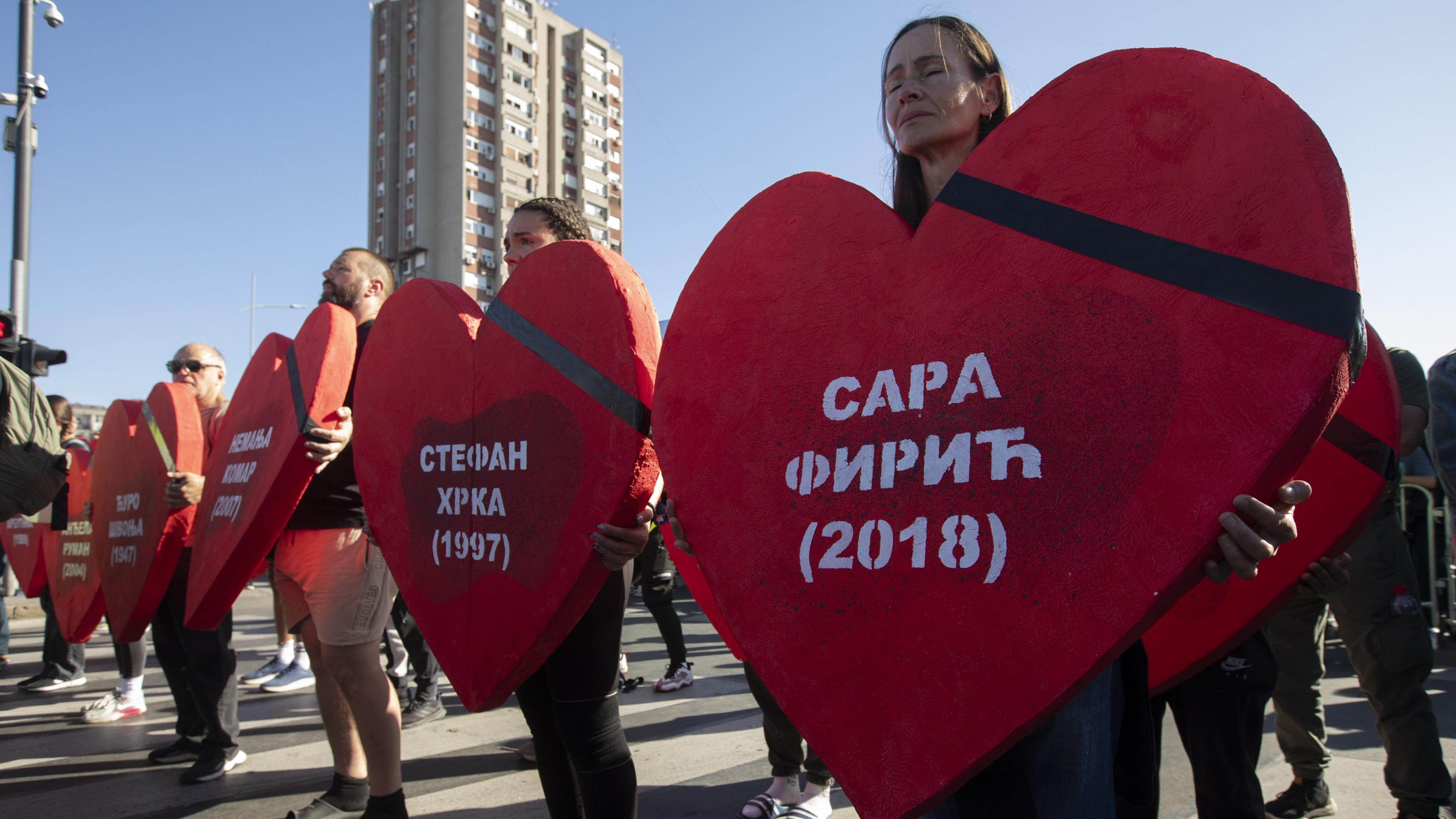
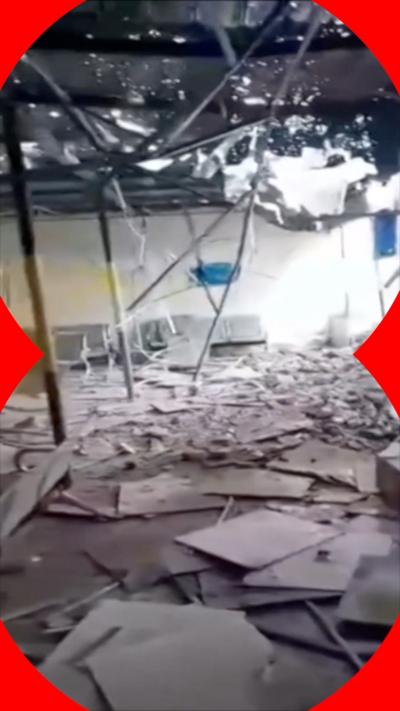
The snap elections called by Vučić follow two years of student protests triggered by the 2024 collapse of a train station canopy, which killed 16 and was seen as emblematic of corruption and negligence in Serbia.

Anti-corruption movement Student List are running on a manifesto including purging officials who broke rules cracking down on protesters, stopping party loyalists heading public enterprises, and freeing the public broadcaster of political control.

Vučić and the SNS party deny corruption and seeking to influence the media.

What you need to know about Serbia's pivotal election

Student movement takes Serbia's Vučić to the wire in neck-and-neck election

Most commentators suggest that a high final turnout, 65% or above, would favour the students.

Voting ends at 20:00, with first indications of results expected two hours later.

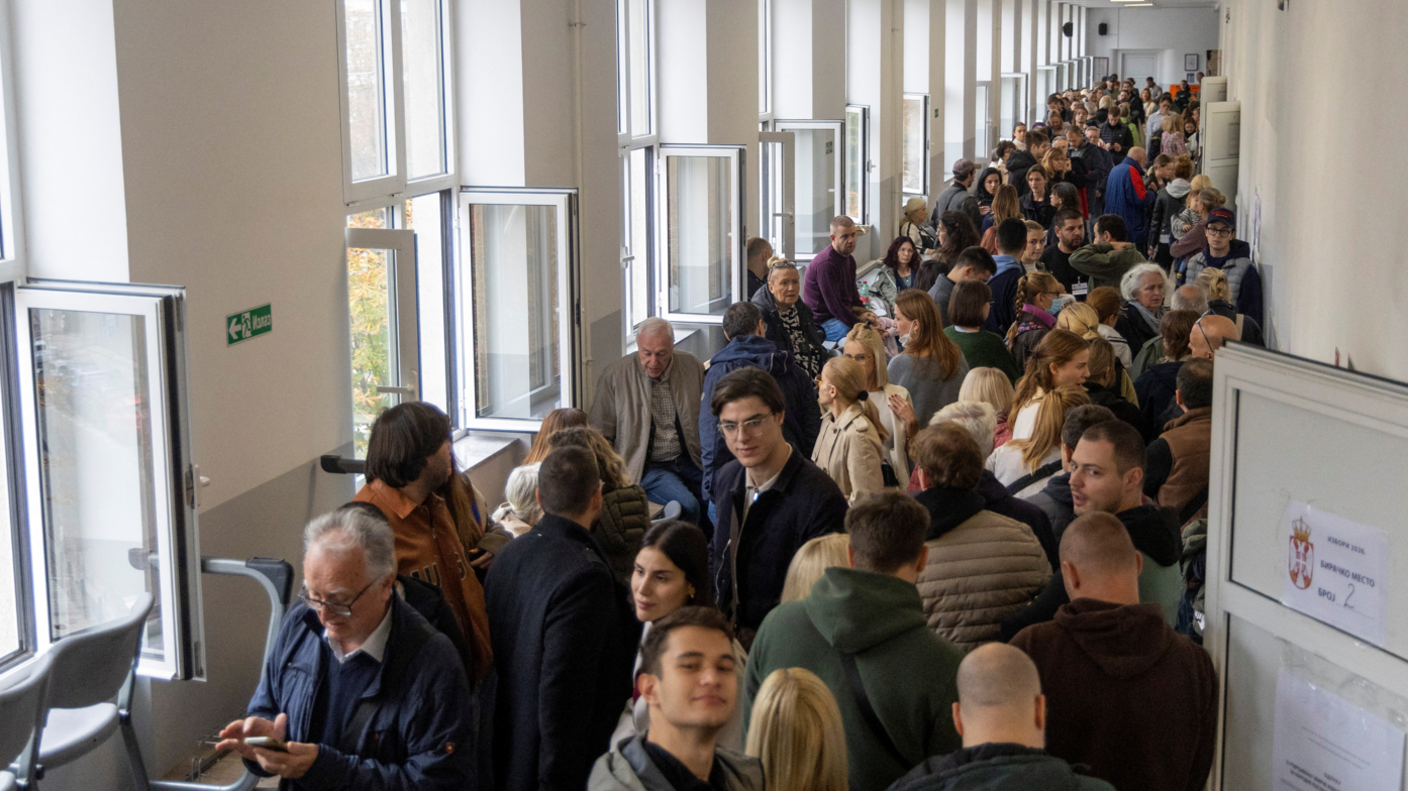
Long queues formed outside polling stations in larger cities and smaller towns alike in Serbia, and at polling stations abroad - including Slovenia's capital Ljubljana, Munich, Los Angeles and Chicago. In Paris, Serbian voters waited in line in heavy rain.

Tensions are high across Serbia. In Belgrade, police have closed streets around the Republic Electoral Commission (RIK).

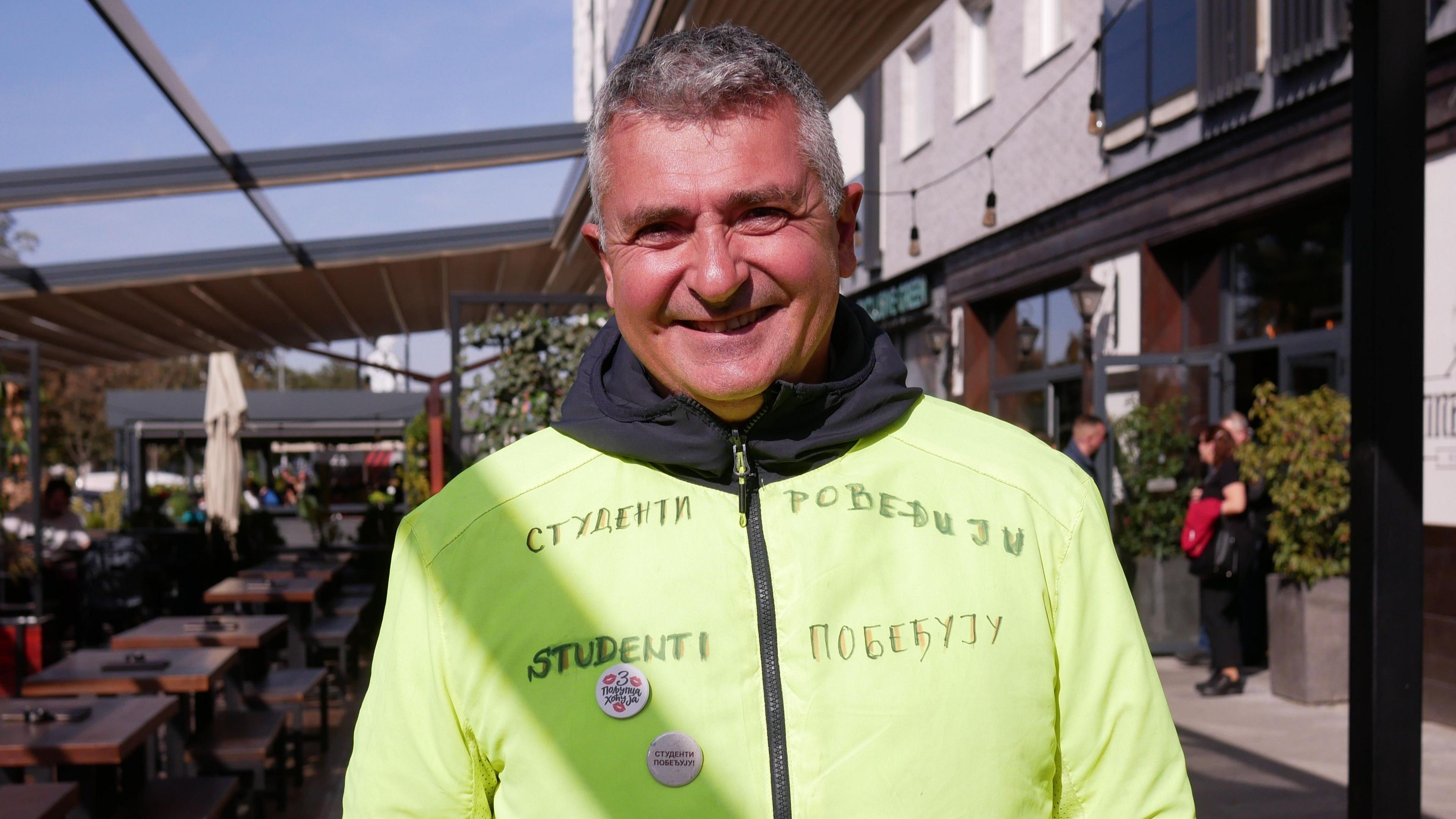
In the street nearby, cars at the traffic lights lowered their windows to blast one of the students' anthems from loudspeakers, 'I want three kisses' - a folk song favoured because the Students' List is number three on the ballot paper. Young people on the pavement nearby started dancing.

People wait in line to cast their votes in capital Belgrade

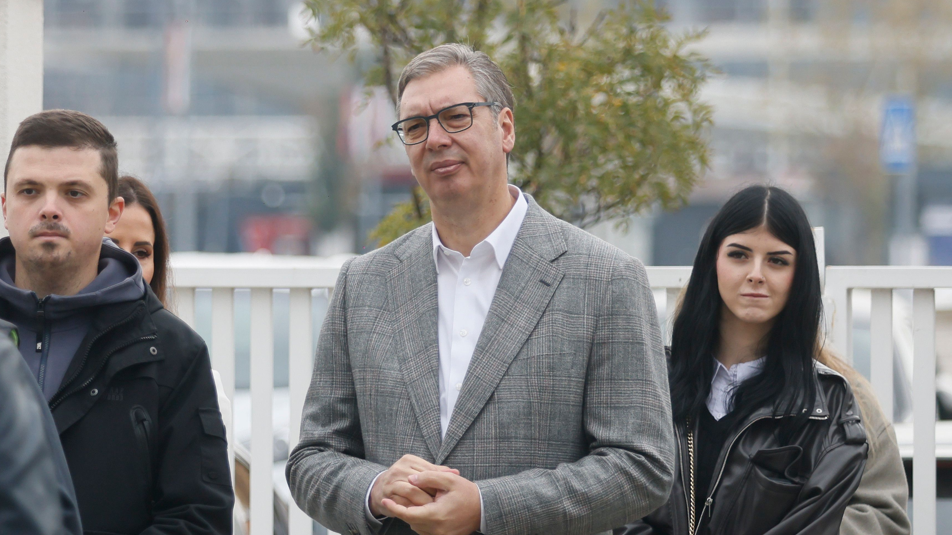
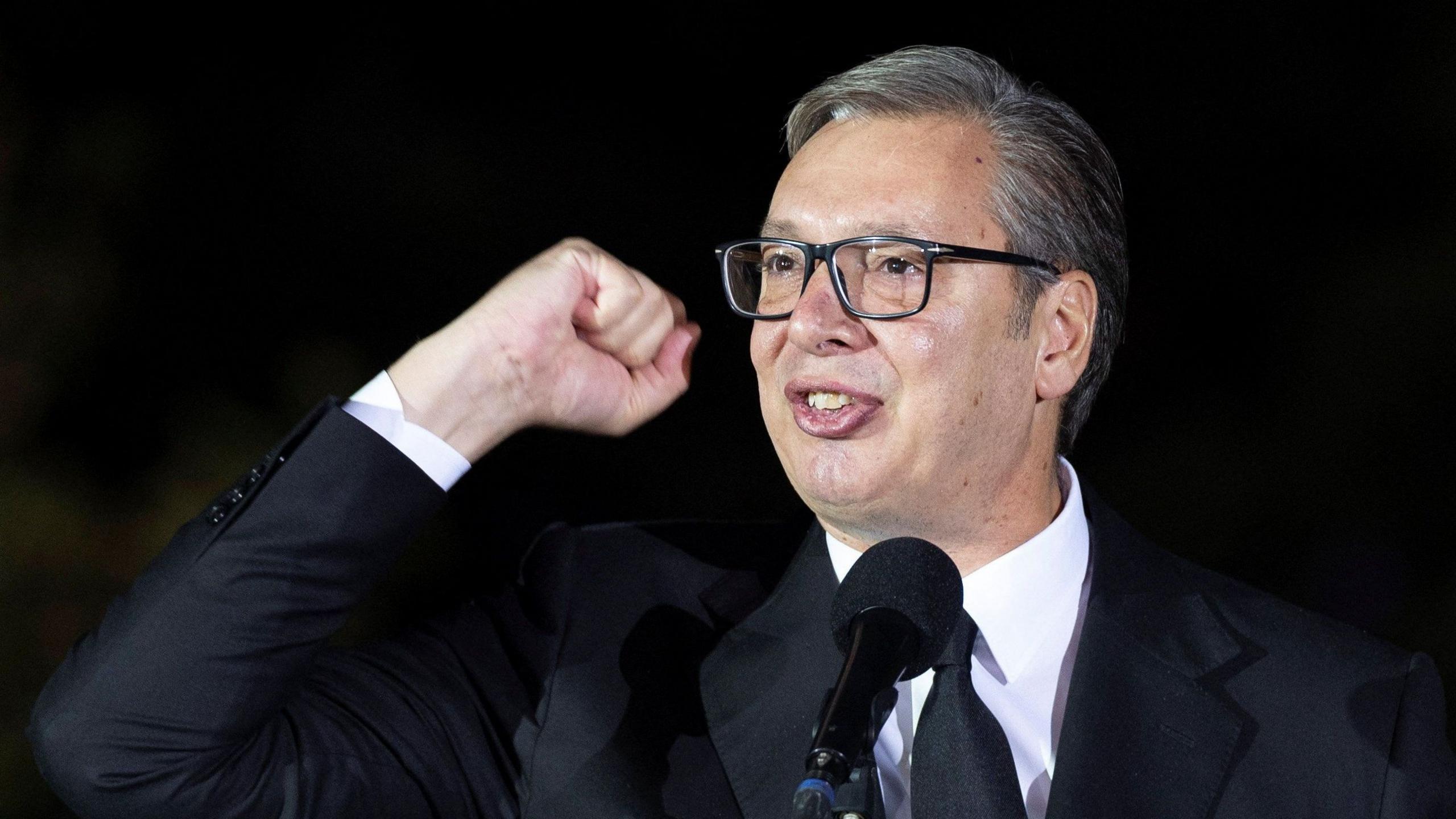
Vučić and his SNS party are number one on the ballot paper. He has spent two terms as president and cannot seek a third term, so he is now leading his party with the aim of returning to the post of prime minister, which he left in 2017.

He retains strong support among a significant section of Serbia's population. They view him as a strong leader who stands up for the country's interests. He can also point to significant economic growth over the past decade and numerous improvements in infrastructure.

Vučić, who backs Serbia's candidacy for the European Union while refusing to impose sanctions on Russia over its war in Ukraine, has pledged higher pensions and public sector salaries, and investment in state healthcare.

SNS posters plastered around cities show two hands clasped together in solidarity: the hands of doctors and nurses, farmers, construction workers, teachers and parents.

"These are the hands that hold Serbia in their palms," says Vučić in his campaign video. "And with these hands, calmly and with dignity, we shall finish what we started."

That is question of this election, continuity or change.

SNS candidate Aleksandar Vučić waits in line at a polling station

Amid fears of electoral fraud by the SNS, the students have delegated at least two observers to each of Serbia's 8,210 voting stations.

Videos circulating on social media on Sunday morning show a cafe in the southern city of Nis, where ballot papers were allegedly filled out in advance in a practice known as 'chain voting'. Signs in the window read "private party". When they realise that they are being filmed, the papers are quickly hidden.

There have also been reports of attacks on election monitors and journalists at several polling stations.

"We are witnessing a unique experiment in European contemporary history," Žarko Korać, a former deputy prime minister and long-term opponent of nationalist parties in Serbia including the SNS, told the BBC.

Ilija Srdanović tops the Student List's 250 candidates, but would not necessarily lead Serbia if they won

Instead of running for office themselves, student-led assemblies at the country's university faculties have chosen 250 candidates to stand in the parliamentary election, with Ilija Srdanović, professor at Novi Sad University, heading the list.

The Student List of candidates for parliament also includes doctors, actors, academics and sports personalities

"These are people that don't know each other, you have no idea what their political beliefs are, and we now expect them to create a functioning government. So it's anybody's guess what happens after they win," Korać says.

"On the other hand, if Vučić declares victory this evening, probably late in the evening, I don't think the students will accept that."

Korać suggests that many former Vučić loyalists in high office could change sides at the last moment, if the students win. A close result, however, with both sides claiming victory, could result in weeks or months of political instability.

The electorate is 6.45 million in a population of 6.53 million, raising concerns about the reliability of the electoral register. Serbs from Kosovo, and dual Serbian citizens from neighbouring Bosnia also have the right to vote.

Additional reporting by André Rhoden-Paul

Embattled Serbian president resigns, paving way for early elections

Anger lingers in Serbia a year after train station tragedy
Comments
You must be logged in to comment.