bbc Press
The penguins are noisy, the people fantastic - what it takes to be an Antarctic postmaster
Images
1 / 20
2 / 20
3 / 20
4 / 20
5 / 20
6 / 20
7 / 20
8 / 20

9 / 20

10 / 20

11 / 20

12 / 20

13 / 20

14 / 20

15 / 20
16 / 20

17 / 20

18 / 20

19 / 20

20 / 20
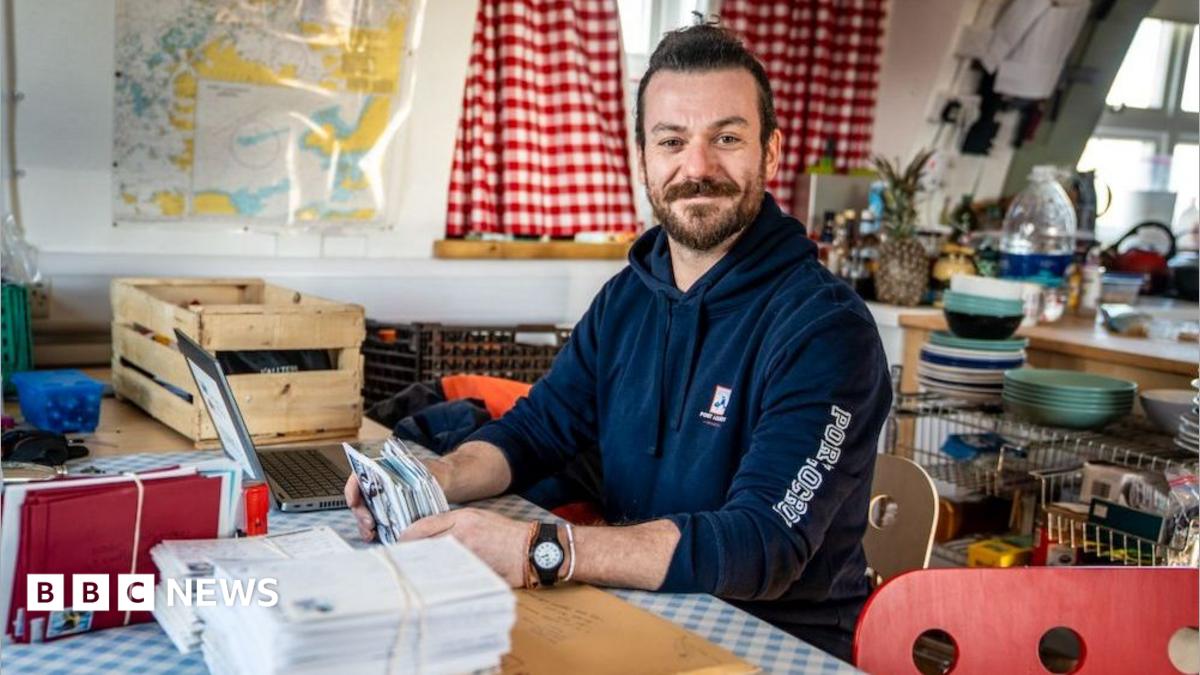
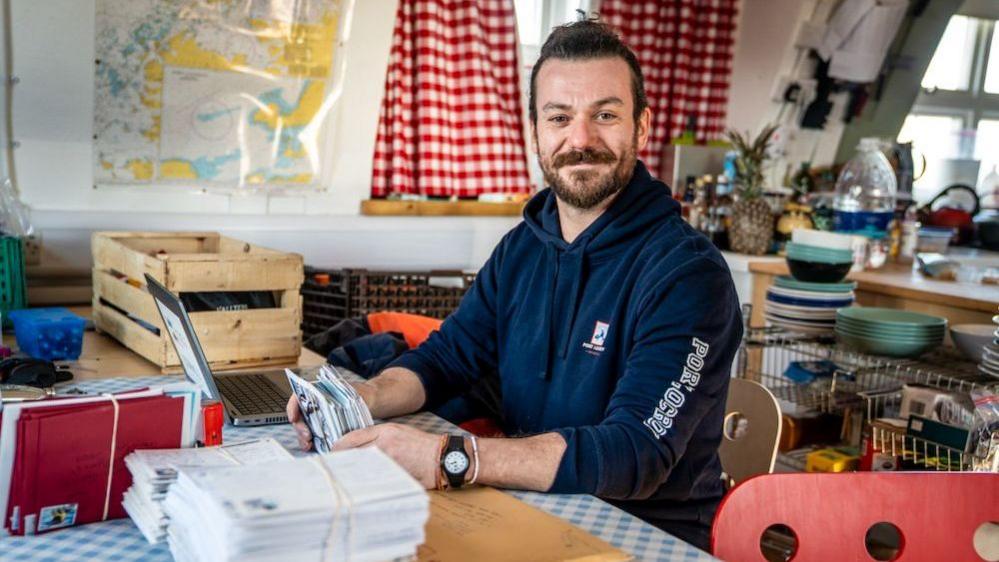
George Clarke is returning for his third stint at Port Lockroy

It is hardly a typical round for a postie, but for five months of the year George Clarke leaves behind his partner and friends in Bristol to become a postmaster at the world's most southerly post office - in Antarctica.

"I thought it sounded like an amazing experience - living away from home for a few months on a very small island with five other people and 1,000 penguins," says Clarke.

He takes up his role as Port Lockroy postmaster from late October to March, during the southern hemisphere summer.

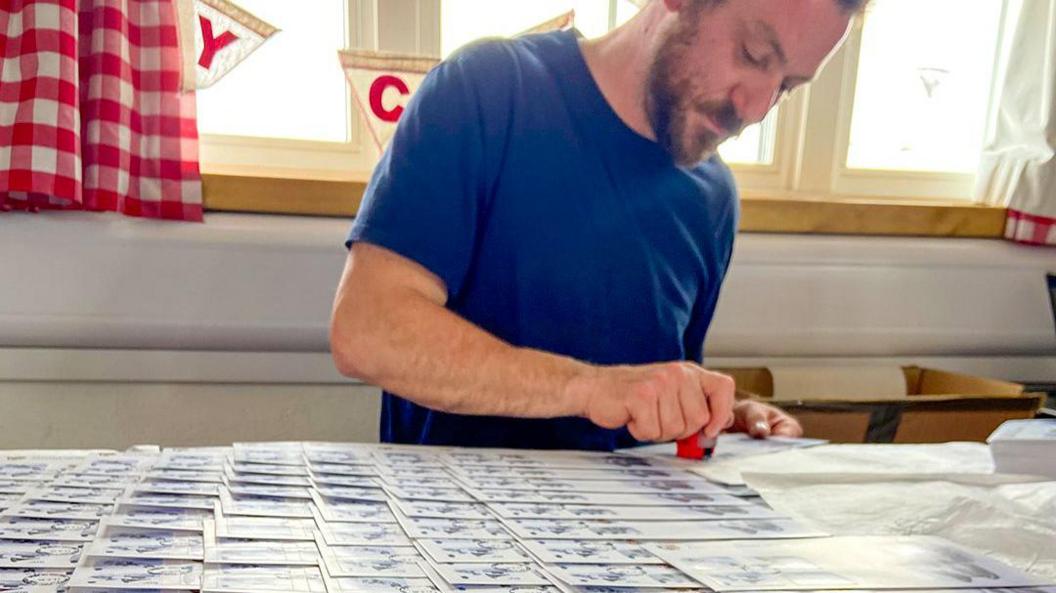
The part-time festival worker and artist says his days are spent sorting postcards, processing letters and arranging for the post to hitch a ride north on passing ships before being distributed around the world.

"The penguins are noisy and smelly. The people are fantastic," he said. "I've fallen in love with the Antarctic wilderness."

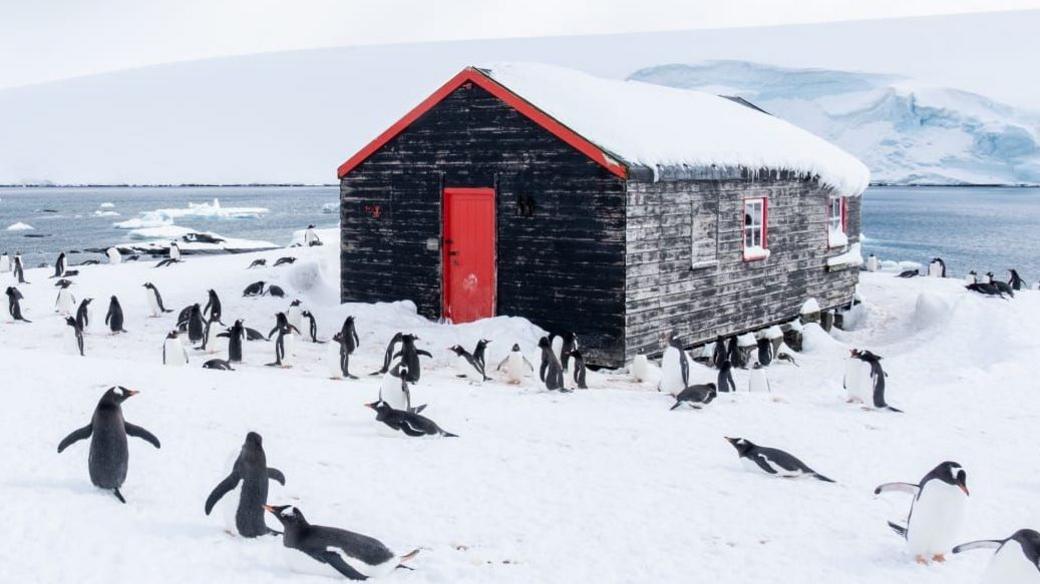
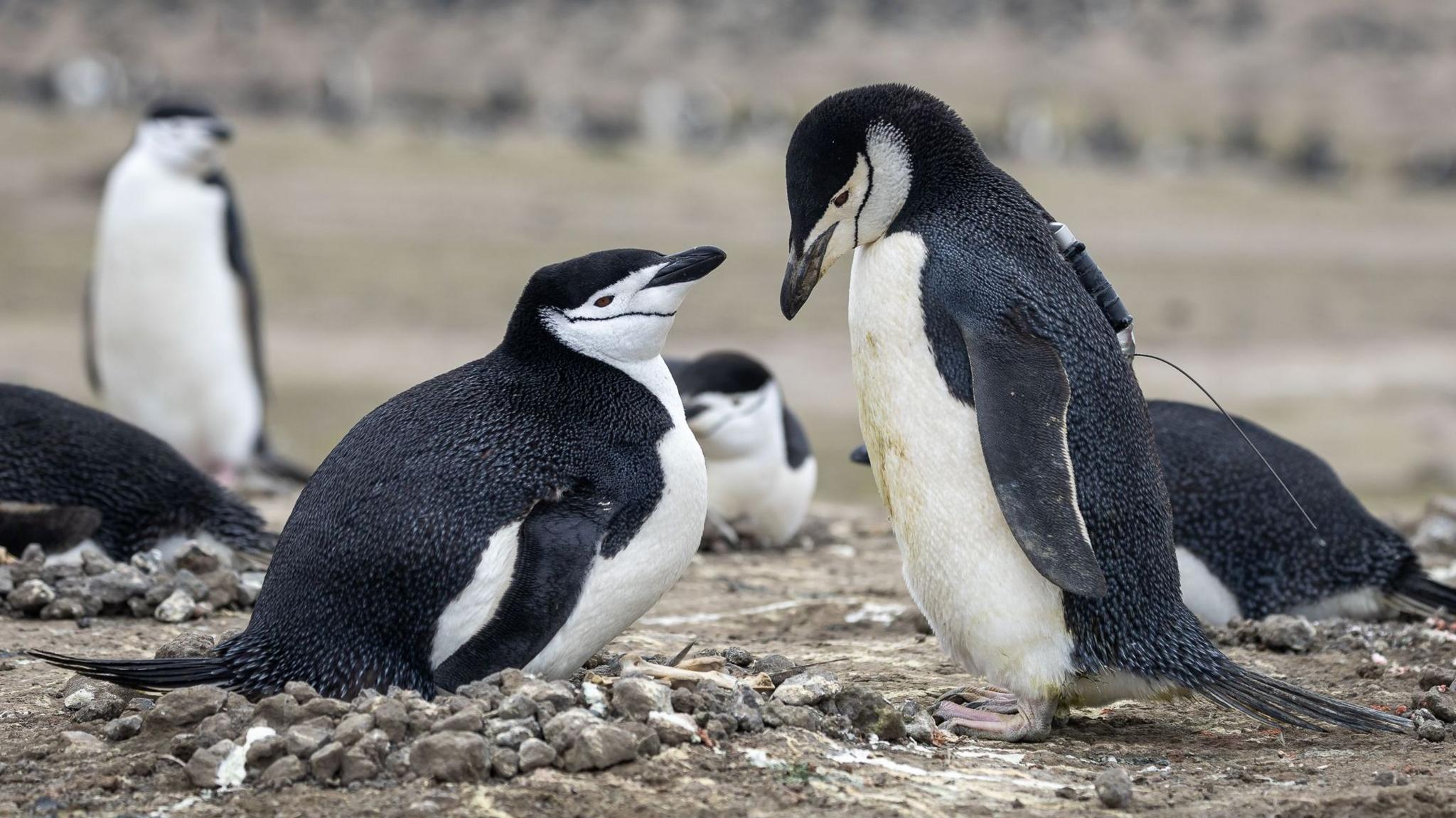
Port Lockroy is home to a colony of about 1,000 gentoo penguins

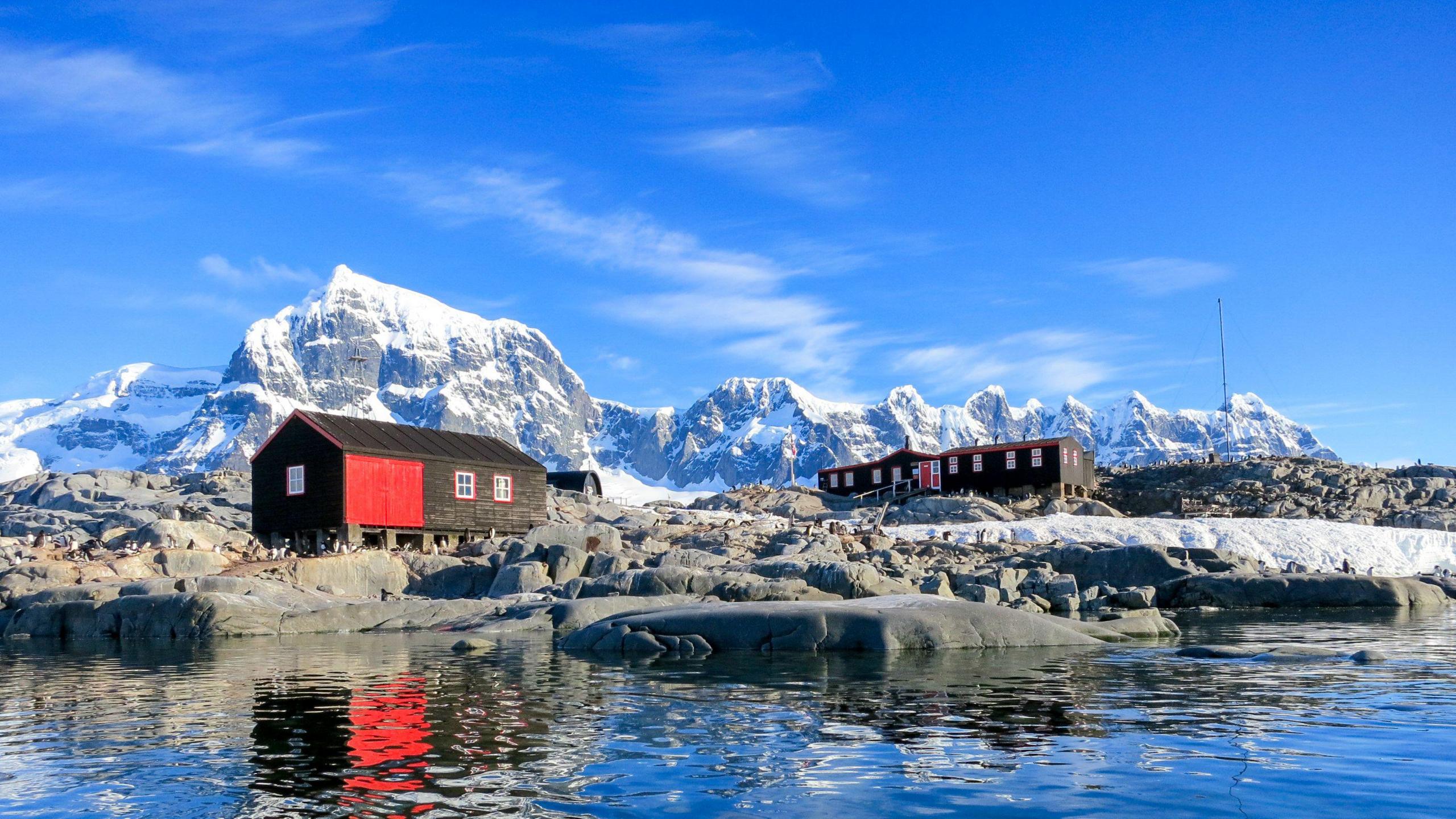
When Clarke sets off with in a team of six on Monday, it will be his third voyage to Antarctica helping the UK Antarctic Heritage Trust (UKAHT) to conserve Port Lockroy, a former British science research facility.

Unlike a regular post office, there is no fleet of vans ready to whisk the mail away.

"When we collect up all the postcards and we've sorted through them, we've bagged them up, we've weighed them, we then need to look to see which ships are heading north towards the Falklands," he said.

"Then we get them on email or the radio and we say, 'Hello, would you mind taking some postcards with you?' And they're always very keen to oblige."

Author's camping trip inspired Hollywood film Wicker

'They knew she was ill - days later she killed her three kids'

The rise of new black spaces in music

Unsurprisingly, running a post office for six people does not take up all of Clarke's time at Port Lockroy.

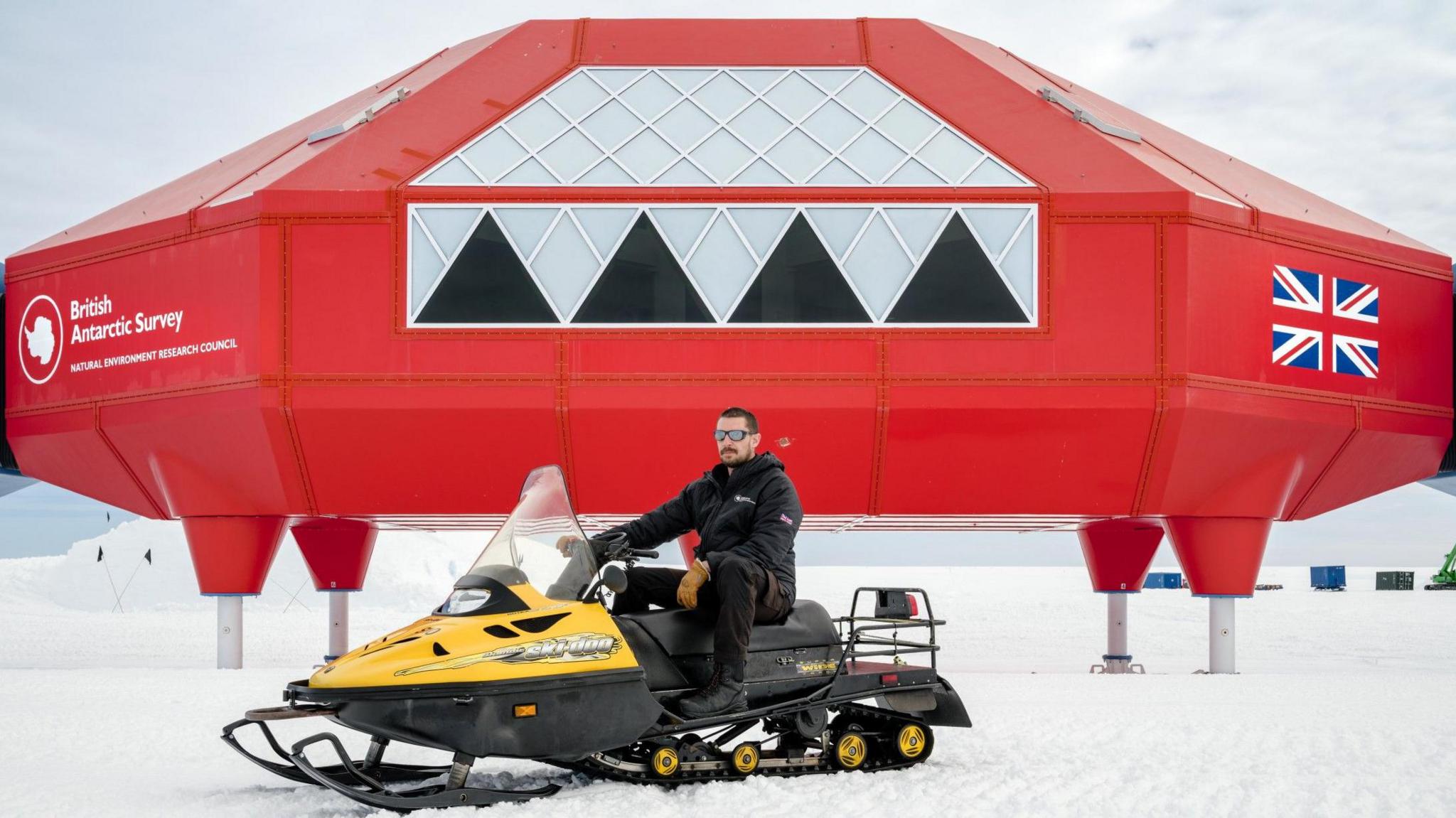
He is also the deputy base commander, helps with the cleaning and maintenance of the site, and helps with wildlife observations for the British Antarctic Survey (BAS).

"The primary objective of the charity is conservation of the heritage surrounding UK exploration in Antarctica," Clarke said.

Postmaster George Clarke says he has fallen in love with the Antarctic wilderness

The team of six is about to embark on the second term of a three-year plan to shore-up and restore the island's largest building, Bransfield House, which is home to a museum, the post office and a shop.

They will install beams in the roof and 30 steel and timber props in the floor to help it withstand rain and snow.

The site on Goudier Island was chosen in the 1940s to become a permanent British foothold in Antarctica because it was known as a safe place to anchor by early 20th Century whaling ships.

The remnants of that industry are still clear to see, with the bones of whales killed long ago for their oil littering part of the shore.

Port Lockroy operated until 1962, when British research was moved to larger and more modern sites in Antarctica.

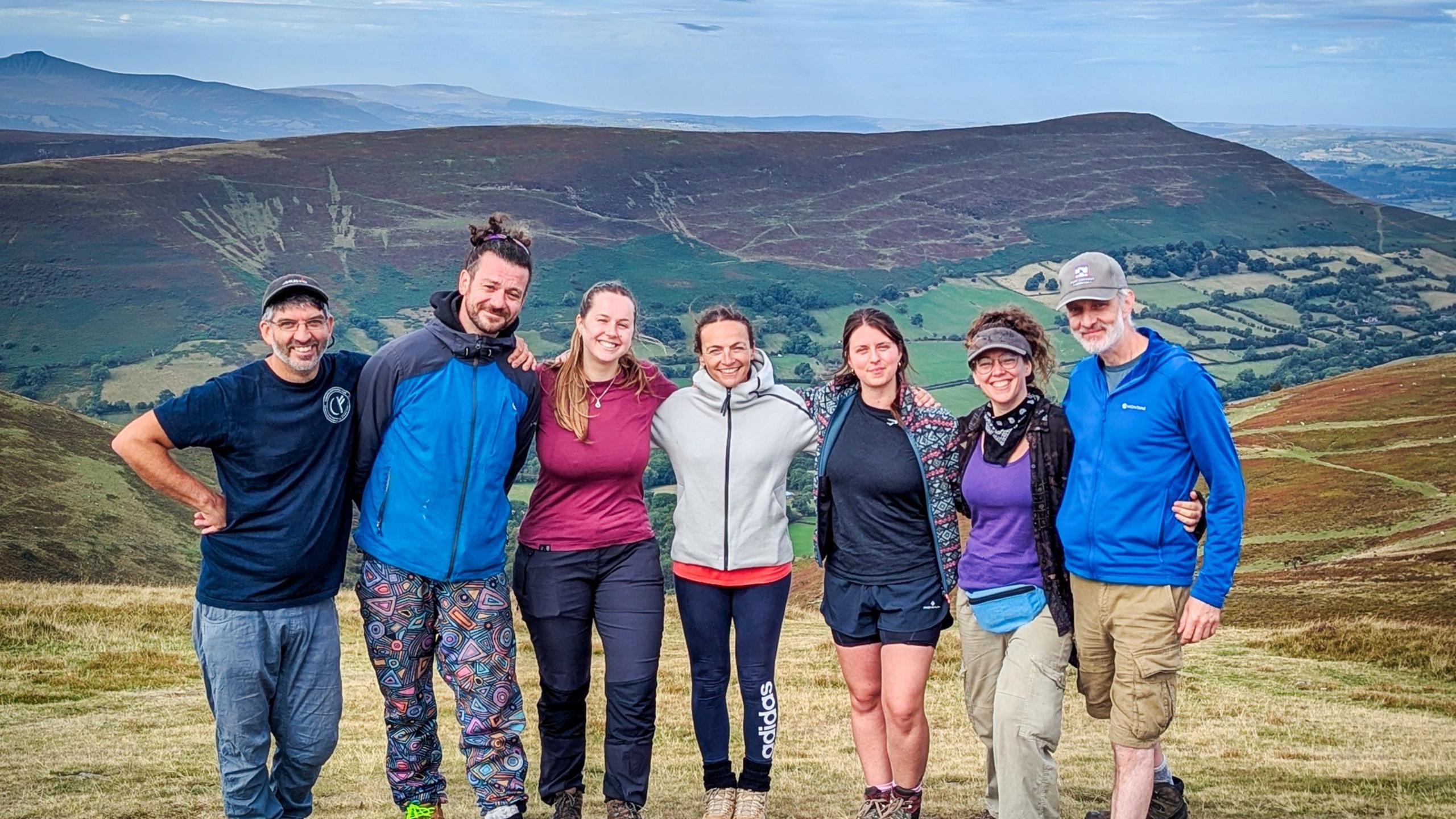
Clarke (second from left) and the team have been training in the Brecon Beacons before heading to Antarctica

The journey from the UKAHT base in Cambridgeshire to Port Lockroy takes about a week.

"We fly to Ushuaia via Buenos Aires in Argentina and we'll probably have a couple of days to acclimatise slightly," Clarke said.

"We'll then jump on a ship that will take us south to the Antarctic Peninsula and it takes four or five days."

Clarke's colleagues are also excited to get the new season under way.

Base commander and RAF veteran Carole McCullough said: "I applied for the role looking for a bit of an adventure, and Antarctica is the ultimate adventure.

"The team work, the bonding, the appreciation of the place - it's all going to make for the most wonderful experience."

Wildlife monitor and museum manager Alice Parr added: "I actually applied for a role three years ago and was selected as reserve.

"I tried again - clearly persistence pays off! I'm incredibly excited to be managing the museum and counting penguins. It's the opportunity of a lifetime."

Your Voice

Follow BBC Bristol on Facebook, external, X, external and Instagram, external. Send your story ideas to us on email or via WhatsApp on 0800 313 4630.

New team to save Antarctic port from climate change

World's largest penguin colony hit by 'alarming' decline in numbers

Are you cut out for living and working in Antarctica?

UK Antarctic Heritage Trust
Comments
You must be logged in to comment.