huffpost Press
Reports: White House Blasts Politico For Using Anonymous Sources. 1 Of Them Turned Out To Be JD Vance.
Images
1 / 7

2 / 7
3 / 7
4 / 7
5 / 7

6 / 7

7 / 7
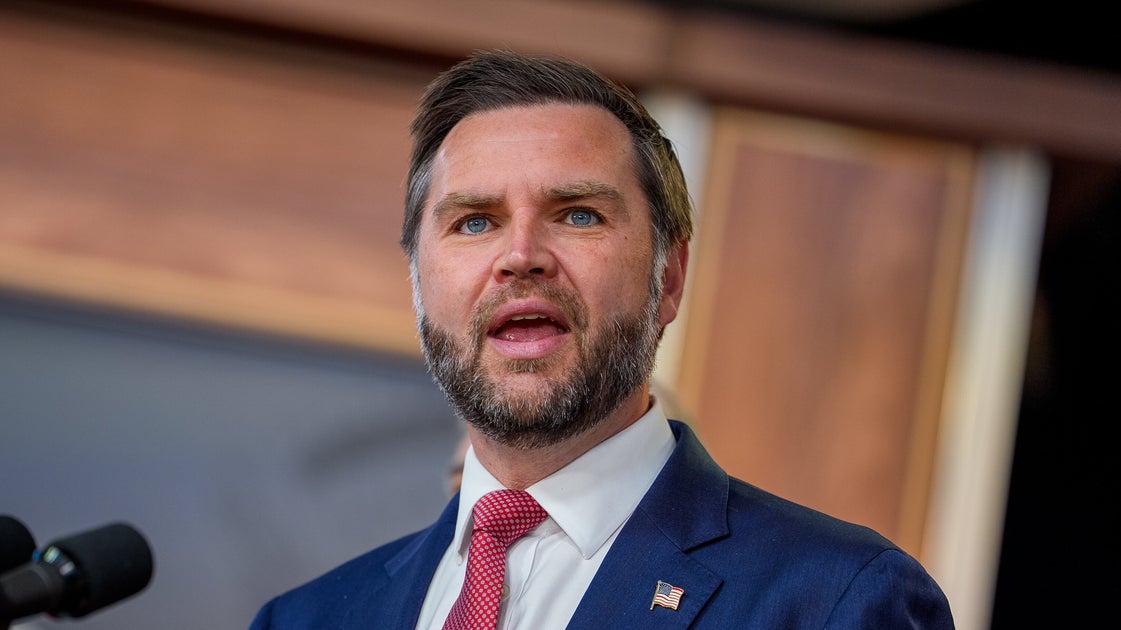
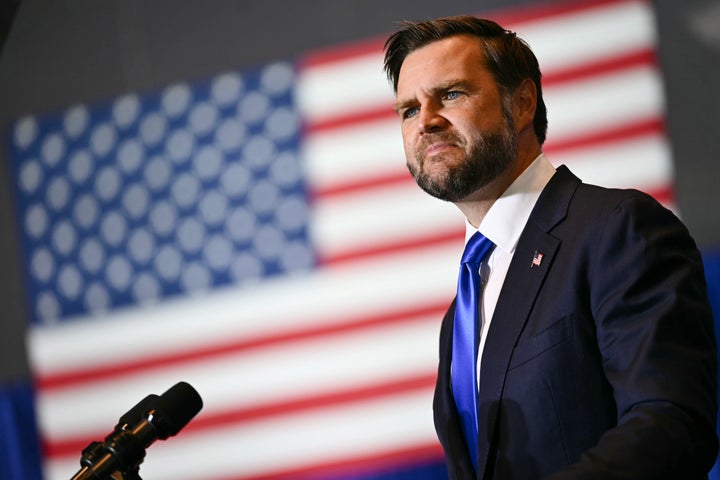
The call is literally coming from inside the house … and from Vice President JD Vance.

Although President Donald Trump’s ban of CNN, MS NOW and Politico was lifted Thursday, allowing journalists from all three outlets access to the White House, recent reports from The Washington Post and media newsletter Status shed light on how the Trump’s administration’s justifications for revoking the outlets’ press passes last week might have been a bit flimsy.

On Wednesday, The Post published a report that the White House sent Politico a letter, which was made public through a government court filing, that blasted the outlet for its use of anonymous sources and accused it of publishing articles that “threatened national security and/or spread falsehoods.”

The White House went on to provide six examples of Politico stories that it claimed did this — and one article has quite the twist, Status reported later on Wednesday.

The June Politico story that the White House singled out cited a “senior administration official” who estimated the chances of the U.S. striking a deal to end the Iran war at between 80% and 85%.

According to Status, this “senior administration official” who gave Politico this stat was none other than Vance.

Politico wasn’t the only outlet that received this information from the vice president, either, because Vance said it while speaking on background during a June press call the White House hosted, according to The Post and Status. Journalists on the call were instructed to keep Vance’s anonymity and to attribute the information to a “senior administration official.”

The Post obtained a recording of the call, in which the White House very clearly lays out its ground rules.

“Good afternoon, and thank you for joining this press call,” an aide said, per The Post’s transcription. “The contents of this call are on background, attributable to a senior administration official. By remaining on the line, you agree to those terms. There is no embargo for the contents of the call.”

Vance then jumped on the call and discussed the likelihood that the U.S. and Iran would reach an agreement.

“I think the second thing is we do expect to be signing this agreement over the next few days,” he said. “I can’t give you an exact date. And if I were to give you a confidence that we were going to be finding this agreement, I maybe would have said 75% this morning. It’s probably more like 80, 85% now, but it’s not 100%.”

The Post also points out that The Associated Press, Bloomberg and CNBC were among the news organizations that also reported comments from the anonymous “senior administration official.” Those outlets were not included in the White House ban.

Despite Politico doing exactly as instructed, the White House still called out Politico’s reporting in its letter defending the ban.

“In June 2026,” the White House writes in the letter, “Politico cited a ‘senior administration official … granted anonymity’ said the odds of a preliminary deal to end the conflict with Iran were between 80 and 85 percent.”

The letter went on to warn that “Publication of sensitive security information, and misinformation about national security information, diverts White House resources and those of the national security team in particular.”

It added: “The spread of misinformation, especially relating to national security, is a threat that undermines the President’s ability to safeguard the national security.”

A White House spokesperson declined to comment to Status or The Post, while Politico did not respond.

By entering your email and clicking Sign Up, you're agreeing to let us send you customized marketing messages about us and our advertising partners. You are also agreeing to our Terms of Service and Privacy Policy.
Comments
You must be logged in to comment.