huffpost Press
Experts Say This 1 Word In Trump's Midnight Outburst Was Particularly 'Absurd' — And Threatening
Images
1 / 9
2 / 9
3 / 9
4 / 9
5 / 9
6 / 9
7 / 9
8 / 9

9 / 9
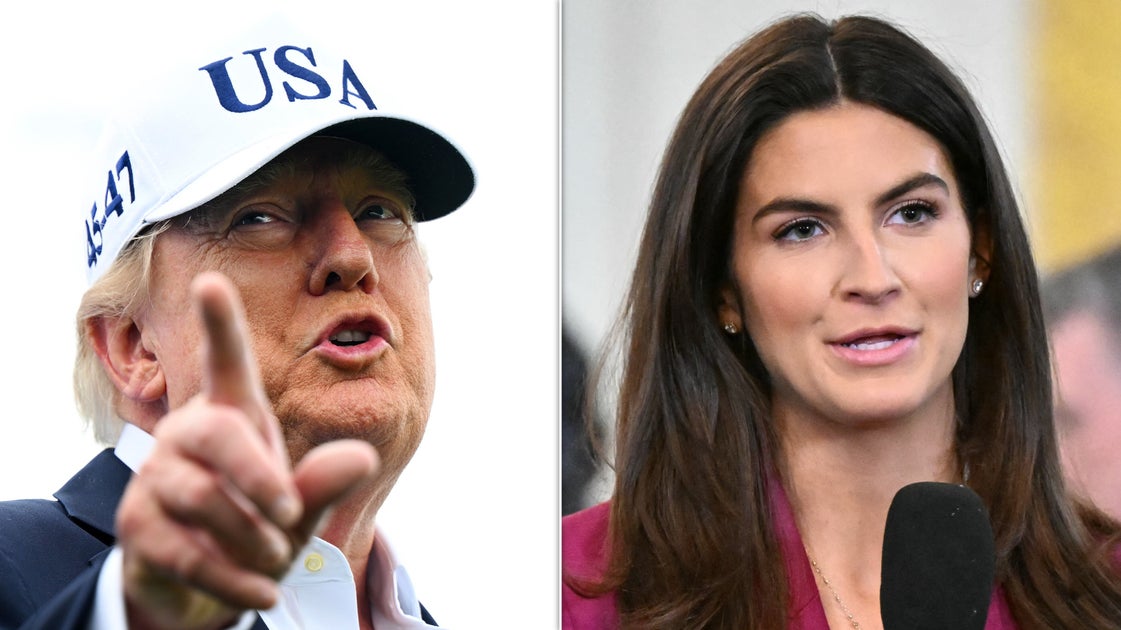
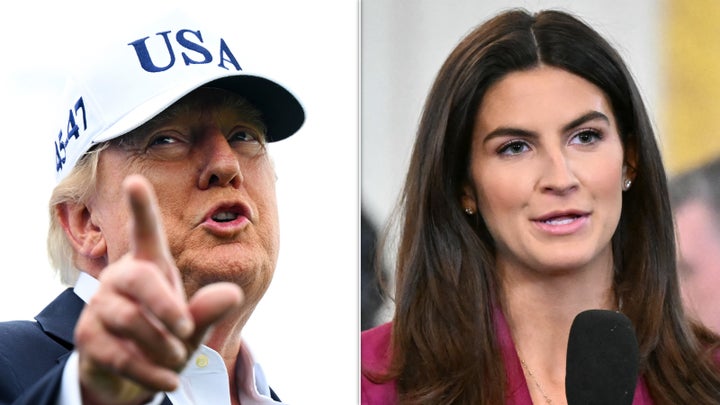
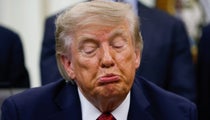
Amid another midnight posting spree, President Donald Trump attacked journalists in a Tuesday night Truth Social post, calling CNN and reporter Kaitlan Collins “sick, treasonous, and demented.”

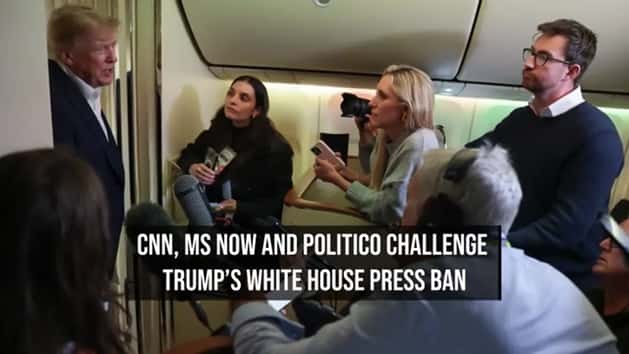
The outburst is the latest escalation in an effort by the administration to restrict press coverage that it dislikes, following Trump banning CNN, Politico and MS NOW from the White House press pool over the weekend.

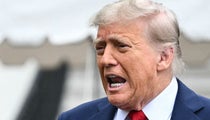
“All of the SLEAZEBAGS, like Third Rate ‘Reporter,’ Kaitlan Collins, of Fake News CNN, a truly unhappy person, said they weren’t going to be covering me,” Trump wrote. “Then why were they ranting and raving like Lunatics, in the Press Area, at the United Nations? Why was she there?”

CNN aired footage of Trump noticing Collins’ attendance among the journalists at the United Nations headquarters in New York City on Tuesday. Off-camera, Collins can be heard asking the president about the war in Iran when he approached the group and said, “I’m surprised that CNN is here covering me. You shouldn’t be here!”

When Collins explained that the United Nations had allowed CNN in, Trump said, “You said you weren’t going to cover me; you shouldn’t be here covering me.”

A White House press pool ban only blocks the company’s journalists from physical White House grounds and official presidential events; it does not legally stop them from interviewing the president in other contexts.

“Kaitlan Collins is an exceptional, trusted journalist with her depth of knowledge and the context she provides to audiences all over the world,” a CNN spokesperson told HuffPost. “She reports every day from the White House and the field with real strength and tenacity and skillfully brings that reporting to the anchor chair and CNN platforms every day. We stand by her to the fullest extent.”

Press freedom groups have condemned Trump’s decision and raised concerns about his rhetoric against specific journalism and reporters. José Zamora, the regional director for the Americas at the Committee to Protect Journalists, told HuffPost that the concern goes beyond a single insult.

“We are seeing an administration use access and a range of administrative, regulatory, immigration and law-enforcement tools against journalists and news organizations whose coverage it dislikes,” Zamora said. “These actions can normalize the idea that the government gets to decide which journalists are legitimate and which reporting the public is allowed to access. That is precisely the opposite of the role of a free press.”

This recent White House pool ban is not Trump’s first foray into this. In May 2025, Trump signed an executive order to cut public funding for NPR and PBS stations, accusing the outlets of not having “fair, accurate, unbiased, and nonpartisan” reporting. In February 2025, he signed an executive order to ban the Associated Press from the White House press pool because reporters refused to use Trump’s renaming of the Gulf of Mexico.

When asked what the president meant by calling Collins and CNN “treasonous” and whether the president believes journalists are committing treason by reporting critically on the administration, the White House referred HuffPost back to Trump’s Truth Social post.

Jane Kirtley, a professor emerita of media ethics and law at the University of Minnesota, told HuffPost that using “treasonous” is “absurd,” given how narrow and specific the term’s legal definition is. It is the only crime defined in the U.S. Constitution; it is defined as betraying one’s country by trying to overthrow the government or helping its enemies.

“It does not include criticizing the president or the government, nor reporting accurately on government activities,” Kirtley said. “No journalist with any knowledge of law or history should be intimidated.”

But it’s not surprising that some journalists and news organizations are beginning to anticipate consequences of aggressive reporting, Zamora said. The concern is troubling.

“Journalists should be making editorial decisions based on what is true and in the public interest, not on whether their reporting could provoke retaliation from the government,” Zamora said. “When the government power is used to reward favorable coverage or punish critical journalism, the ultimate casualty is the public’s access to independent information.”

While some worried that Trump TV, which the White House launched on Monday, could mark the beginning of state-run media, experts told HuffPost that the First Amendment should protect the country from that. But Kirtley said that Trump’s supporters may cause another problem.

“[Trump supporters] may pose a separate threat to freedom of the press, because the First Amendment is not self-executing,” Kirtley said.

By entering your email and clicking Sign Up, you're agreeing to let us send you customized marketing messages about us and our advertising partners. You are also agreeing to our Terms of Service and Privacy Policy.
Comments
You must be logged in to comment.