huffpost Press
Merriam-Webster Added These New Words To The Dictionary — And They Say More About Us Than You Might Think
Images
1 / 13

2 / 13
3 / 13
4 / 13

5 / 13

6 / 13
7 / 13
8 / 13
9 / 13
10 / 13
11 / 13
12 / 13

13 / 13
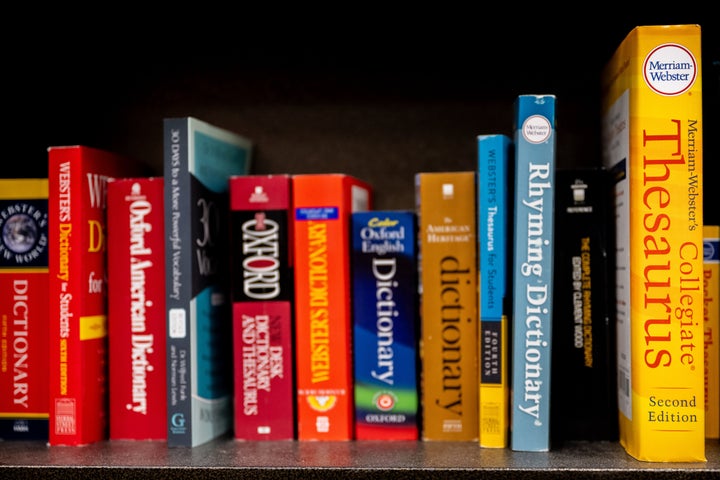
Merriam-Webster has added 1,400 new words and definitions to its dictionary, and some of them have big “How do you do, fellow kids?” energy.

In a blog post last week, America’s oldest dictionary publisher announced the new changes, which “reflect words and meanings that have demonstrated widespread use over time, offering a window into the world today.”

Merriam-Webster says they look for three criteria when mulling over a change like this: frequent use, widespread use and meaningful use.

Take “looksmaxxing,” a term used to describe the often extreme measures young men pursue to optimize their appearance.

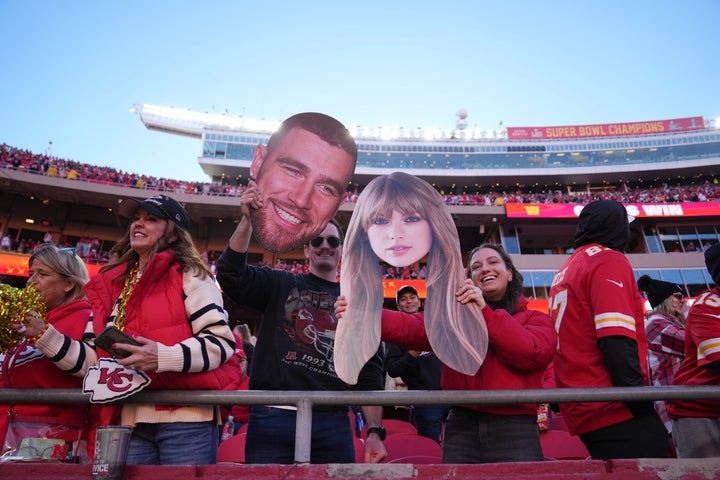
Then there’s parasocial, an unrequited emotional connection people have with someone (especially a celebrity or fictional character) they don’t know personally.

“Mandela Effect,” a phenomenon describing the experience of many people sharing the same false memory, is Merriam-Webster-approved now, too. It’s named for the common but incorrect recollection that South African leader Nelson Mandela died in prison in the 1980s. The phenomenon has found a particularly receptive audience among Gen Zers, who often encounter these collective misrememberings on TikTok.

“Meme coin” ― cryptocurrencies whose values are driven by internet jokes and online popularity ― made the list, too.

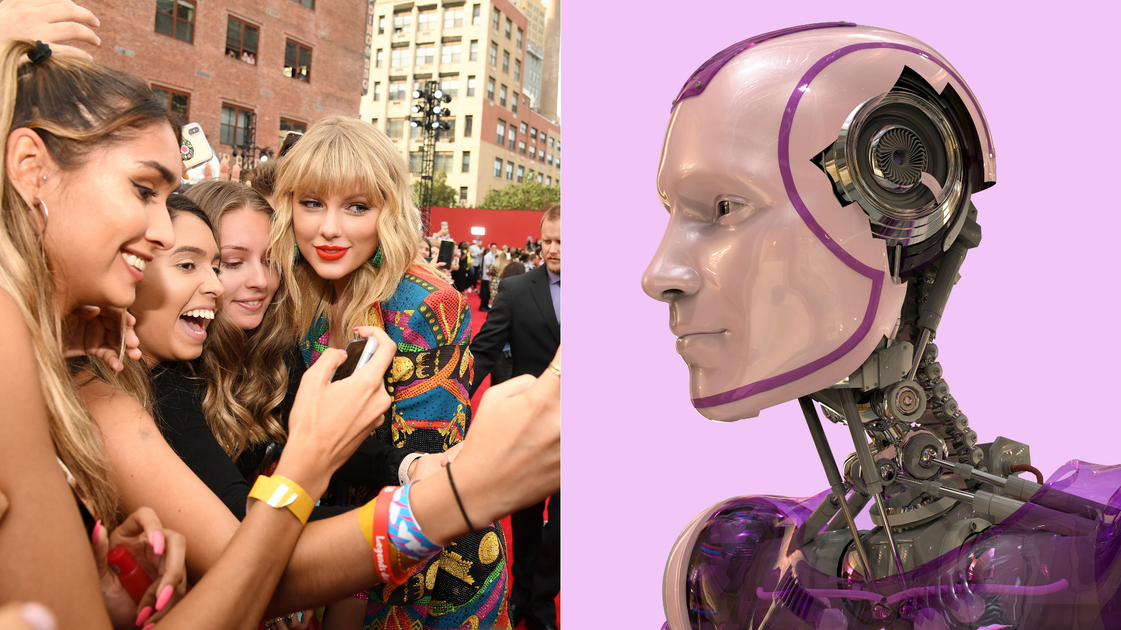
There are also plenty of tech and AI-centric words, including “vibe coding,” using natural language prompts to guide AI to generate code for you rather than doing it manually, and “uncanny valley.” The latter is a term originally coined in the 1970s by Japanese roboticist Masahiro Mori to describe the eerie, uneasy feeling people experience when humanoid robots start to look a little too human. The word and concept have a new lease on life as we all dive headfirst into AI.

Other words don’t fit as neatly into a category; for instance, “Yacht rock,” a style of chill, soft rock music originating in the 1970s and 1980s (think: Steely Dan, Toto and The Doobie Brothers) and “trash panda,” a meme-y name for a raccoon.

Also in a category all its own? “Neckbeard,” a noun used to describe a beard that partially covers the area under the chin and the throat, and is also used disparagingly to describe a person belonging to a subculture associated with neckbeards, like gamers and computer nerds.

The clearest trend in the new list is how much vocabulary now documents digitally mediated life, said Daria Bahtina, a sociolinguist who studies and lectures on the relationship between language and society at the University of California, Los Angeles.

“But I’m equally interested in all the words that name experiences, relationships and social types: ‘Sunday scaries,’ ‘crashout,’ ‘neckbeard,’ ‘looksmaxxing,’” she said. “We clearly enjoy having compact ways to recognize both who we are and the kinds of people and experiences around us.”

Her favorite recent addition is “rage bait,” though she admits it’s partly for personal reasons. As a parent of a middle-schooler, it’s helpful to know what that one means.

“Deliberately provoking somebody into an exaggerated response can be part of the interactional game,” she said. “For a sociolinguist, that’s more interesting than simply learning another piece of slang.”

Another interesting trend in the list is how many of the terms treat personal life as something to be classified or optimized, like in the case of “looksmaxxing.”

“The -maxxing construction turns appearance, sleep, or another part of life into a strategic program,” said Liam Cole Connerly, a graduate instructor in Classics at the University of New Mexico, and host of “Latin in Layman’s — A Rhetoric Revolution,” an educational project and podcast exploring the classical roots of everyday language.

“Cuffing season,” a time between October and February when singles look for short-term partnerships to get through the colder months, organizes romantic behavior, according to a recurring period of the year, he said.

“California sober,” no alcohol or hard drugs, but weed is fine, creates a qualified category of sobriety by distinguishing alcohol and certain drugs from cannabis.

“These expressions do more than identify behavior,” Connerly said. “Once something has a name, it becomes easier to recognize, discuss, joke about, build an identity around or against, or market.”

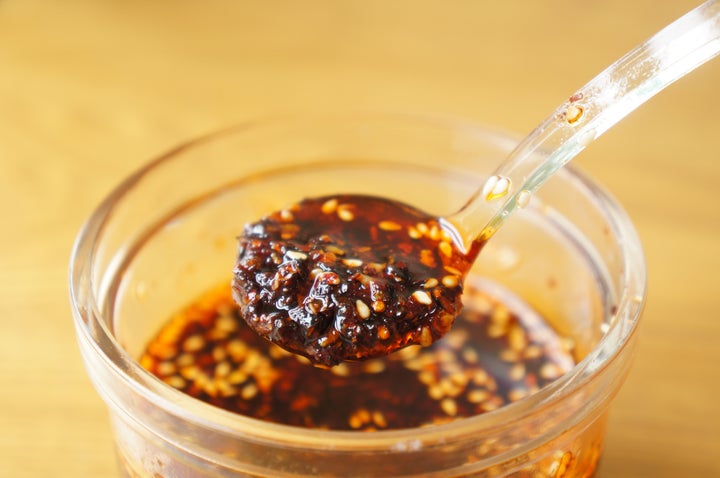
Foodie language made a big dent in this year’s list of additions, including “superfood,” “cake pop,” “shishito,” “bao” and “chili crisp.”

It’s always a treat to watch America get more multicultural by following its diet, said Jack Lynch, a professor of English at Rutgers University–Newark and the co-author of “Hardly Harmless Drudgery: A 500-Year Pictorial History of the Lexicographic Geniuses, Sciolists, Plagiarists, and Obsessives Who Defined the English Language.”

“You could tell the history of the U.S. just by tracking the new words we added to the language for once-exotic foods ― pizza, sushi, bagel, taco, pho ― none of them appeared in Noah Webster’s first dictionary two hundred years ago,” Lynch told HuffPost. “The fact that we’re still at it in 2026 tells me both the culture and the language are vibrant.”

There are also a ton of words that have been around for seemingly ages that made the list: “Whack-a-mole,” “Rickroll,” arguably, most of the words we’ve already mentioned (“superfood,” “yacht rock,” “uncanny valley,” especially).

Why were the word lovers at Merriam-Webster so slow to pick up on those?

A dictionary entry does not mark the birth of a word, Bahtina explained, before adding, “Instead, Merriam-Webster waits for evidence of widespread, sustained use, so dictionary admission is less a birth certificate than a graduation ceremony: congratulations, looksmaxxing, you’ve made it.

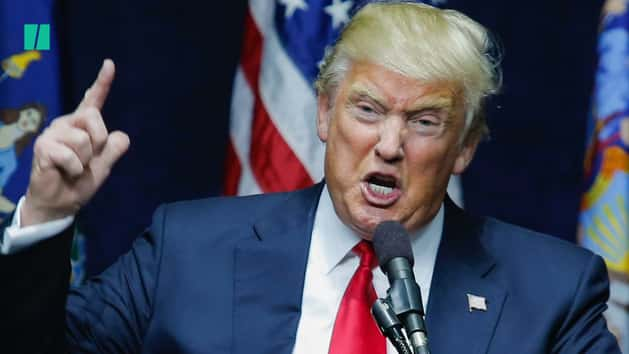
When The Washington Post shared an Instagram post about the newly included words, some commenters scoffed at the inclusion of slang. That reaction reflects a common misunderstanding about dictionaries and language, Connerly: The idea that slang is somehow separate from our established lexicon.

“Inclusion does not mean that Merriam-Webster recommends using the term in a dissertation, a legal brief, or every conversation,” Connerly said.

For instance, Merriam-Webster has newly included “copium” — the denial or avoidance of a bad situation or outcome as if it were a narcotic — while still labeling the term as informal.

“The label helps readers understand where the word belongs and what attitude it conveys,” he said.

The complaint that an expression is “not a real word” raises the more interesting question of what makes a word real.

“English has no academy or governing body with the authority to create vocabulary by decree,” he said. “A word becomes part of the language when a community uses it repeatedly with a shared and recognizable meaning. Lexicographers then collect evidence of that use. The dictionary provides a record of the word’s life; it does not breathe life into the word.”

Complaints about younger generations “corrupting” the language are to be expected whenever a list like this comes out. But as Connerly explained, languages survive because speakers adapt them to circumstances their predecessors did not encounter.

“A dictionary that omitted slang, vulgarity, regional language, and disputed meanings would offer a highly incomplete picture of English,” he said. “Some innovations disappear almost immediately, while others become so ordinary that later speakers no longer recognize them as innovations.”

More broadly, Bahtina said, we should look at vocabulary as an ever-evolving cultural archive.

Bahtina continued, “A dictionary update like this is almost like holding up a mirror to society at a particular moment: what are we doing, worrying about, laughing at, identifying with and encountering often enough that we suddenly need a name for it?”

By entering your email and clicking Sign Up, you're agreeing to let us send you customized marketing messages about us and our advertising partners. You are also agreeing to our Terms of Service and Privacy Policy.
Comments
You must be logged in to comment.