yahoo Press
‘Bull crap’: Why Dave Ramsey says moving to conservative bond investments in old age is mathematically stupid
Images
1 / 4
2 / 4

3 / 4

4 / 4
Moneywise and Yahoo Finance LLC may earn commission or revenue through links in the content below.

Finance guru Dave Ramsey wants you to defy the conventional wisdom on investing for a secure retirement.

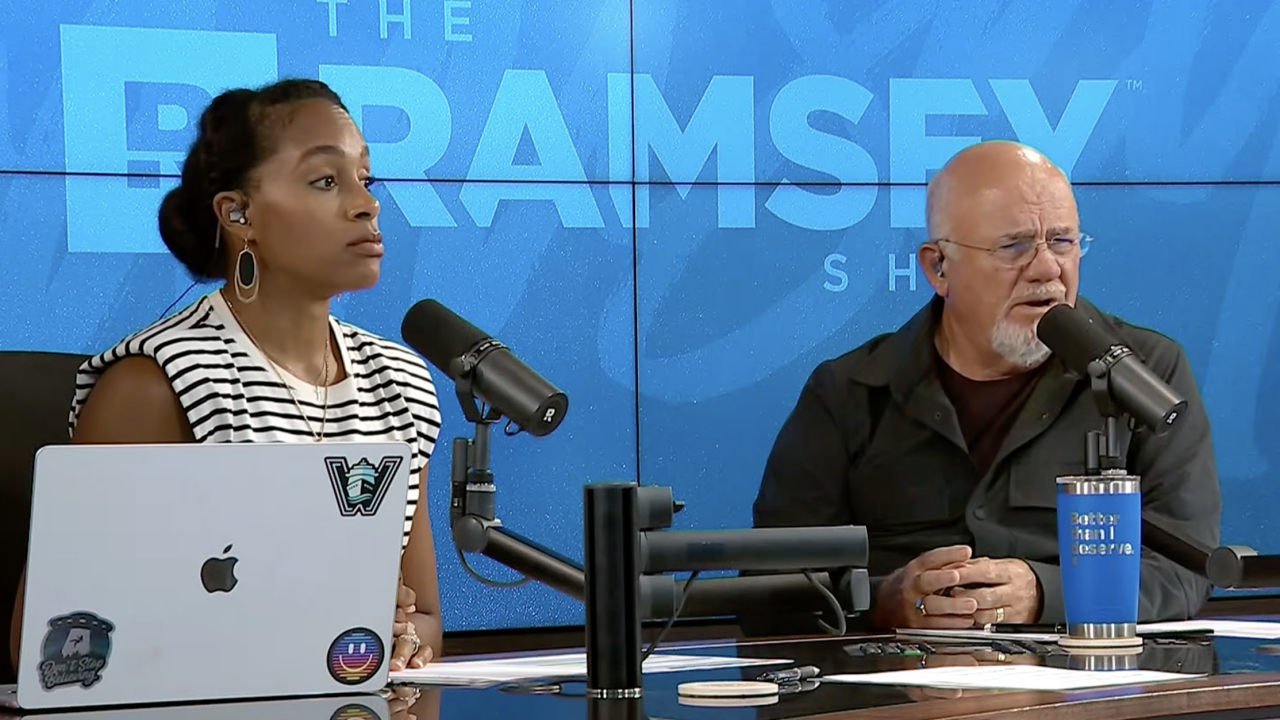
Ramsey offered a stern warning on Sept. 9 about the standard investing approach after speaking with a caller (1) whose fiduciary advisor told her to put her money in a mix of stocks and bonds. The advisor recommended this as a safe asset allocation since the caller was 61 — but it turned out not to be so safe after all, as she lost $8,000 after investing.

Jeff Bezos backs a platform that lets anyone invest in rental homes for as little as $100 — 6 ways to build wealth like a landlord without actually being one

A single line on your car insurance policy could be inflating your premium by up to 30% — here's what to change

A record 45% of central banks plan to grow gold reserves — and many investors are following suit. Get your free gold IRA guide from Priority Gold

After telling her to fire her advisor, Ramsey offered a warning that goes beyond just her situation. It's one retirees should pay attention to, but make their own choices about whether to heed.

Ramsey was upset with the caller's advisor because he believes that the standard asset allocation theory is bad advice.

"Conventional wisdom in the financial planning world says that… you're supposed to move your investments to something less risky," he said. But he believes this conventional wisdom "isn't wise" because the ROI you can get from things like bonds and CDs won't keep pace with inflation. These investments will also earn a far lower ROI than mutual funds.

"As you move your money from good growth stock mutual funds into bonds, they underperform dramatically," Ramsey warned. "Year-to-date, my growth stock mutual fund in an S&P has averaged 12.2%. You know what the bond market has averaged since the beginning of the year? Less than 1%. (2)"

Of course, Ramsey acknowledged that growth stock mutual funds can be riskier than fixed-income investments, but he also argues that reducing your potential returns by moving money to conservative investments comes with its own risks.

"The idea that you need to move all of your investments to a safe haven of bonds and cash where you make no money as you get older is absolute bull crap. It's mathematically stupid because there are two kinds of risk with money, boys and girls. There's a risk of actually losing it because it goes down in value."

Ramsey explained that the other risk you face is not making enough to beat the inflation rate (3), which could cause you to go backward in real purchasing power. And he believes that once you pay taxes on your investments, you generally need them to return a bit above 6% to break even with inflation. Using the asset allocation method and putting 40% to 50% of your investments into bonds and cash simply won't get you to where you need to be.

Ramsey's advice defies what many experts recommend, but he says that if you have enough money invested in mutual funds, it won't matter if you lose a little in a market downturn. He believes the principal balance you have, plus the returns you earn over the long-term, should help you remain financially secure.

Read More: Vanguard reveals what's coming for U.S. stocks — and it could be bad news for this group of investors

Ramsey's advice is controversial, and you'll need to weigh the added risks of remaining heavily invested in equities versus the potential for higher returns. You can also explore all your investment options to build a portfolio you feel comfortable with in terms of risk and potential reward. Here are a few options to consider.

Investing in gold can offer a hedge against market crashes, as gold prices often rise when stock prices fall due to economic uncertainty. If you purchase physical gold, you'll have a tangible asset you control directly. In addition to market volatility, gold has long served as a hedge against inflation because it maintains purchasing power when currencies struggle.

Opening a gold IRA with the help of Priority Gold allows you to add this precious metal to your portfolio while also benefiting from the significant tax advantages that IRAs provide. You can hold gold-related assets or physical gold in your IRA while claiming generous tax breaks.

If you're ready to begin enjoying the benefits of investing in gold, Priority Gold can help you get started quickly. Right now, you can even get a free information guide that includes details on how to get up to $10,000 in free silver on qualifying purchases.

With Willow Wealth, you can also diversify beyond bonds and publicly traded stocks to gain exposure to private market opportunities. If you want to invest in real estate, private credit, art, litigation finance, or private equity, Willow Wealth makes that possible with investments as low as $5,000.

Over 500,000 members have invested over $6 billion (4) in Willow's diverse array of investment options, including individual deals or diversified funds run by heavyweights from firms like Goldman Sachs, Carlyle, and StepStone.

Private investments can require long holding periods, carry higher fees, and result in losses, but can also provide opportunities for a higher ROI than bonds in some cases. See how Willow can put your money to work across a wider range of assets so you can build the right portfolio for your needs.

Ramsey is a big fan of keeping your money in the market, and ETFs make it easy to do that, no matter how much you have to invest or how much you know about investing.

Acorns makes it easy to start investing with even a small balance, so you can benefit from compound growth over time. Just spend a few minutes signing up for Acorns, link your cards, and Acorns will start rounding up each purchase to the nearest dollar. Then Acorns invests the difference, turning your spare change into a diversified portfolio.

You can start investing in an ETF in as little as $5 with Acorns, and if you sign up today, Acorns will add a $20 bonus to help you begin your investment journey.

If you aren't sure what to invest in, a qualified financial advisor can help.

Vanguard research shows you can add around 3% to net returns over time by working with a professional advisor. This means if you ask for guidance when you start with a $50,000 portfolio, you could enjoy an estimated $1.3 million in additional growth over 30 years, depending on market conditions and your investment strategy.

But not all advisors are created equal — as this caller's predicament illustrates. That's why it's important to find an advisor you can trust.

Advisor.com makes it easy to find the right advisor for you. You can connect in minutes with licensed financial professionals in your area and schedule a free, no-obligation consultation to discuss how you can invest to set yourself up for financial security.

Your advisor can also help you decide whether following Ramsey's advice to ignore the most common asset allocation strategy makes sense for you.

Millionaires under 43 hold only 32% of their wealth in stocks. Here's where their money is actually going

Dave Ramsey says this 1 indulgent purchase stops Americans from becoming wealthy. Here's what he recommends instead

The tax breaks in Trump's 'big beautiful bill' expire after 2028. Here are 4 moves to make before the window closes

This 20-year old lotto winner refused $1M in cash and chose $1,000/week for life. Now she's getting slammed for it. Which option would you pick?

Get Warren Buffett's best investing lessons, free. Join 250,000 readers getting Moneywise's sharpest money reporting every week. Subscribe and we'll send you our guide to the ideas that built Buffett's fortune as a welcome gift.

We rely only on vetted sources and credible third-party reporting. For details, see our ethics and guidelines.

YouTube (1); S&P Global (2); Trading Economics (3); Willow Wealth (4)

This article provides information only and should not be construed as advice. It is provided without warranty of any kind.
Comments
You must be logged in to comment.