yahoo Press
Forget the growth-stage funding gap, Europe is facing an early-stage crisis
Images
1 / 4
2 / 4

3 / 4

4 / 4
Europe's two-tier funding environment is leading to a crisis in its early-stage market, creating a bottleneck that could starve the next generation of founders.

In its recent report on European founders, VC firm Antler noted that the number of startups launched in the region is accelerating, but fewer are receiving investor support. Mega-rounds are capturing an outsized share of VC dollars, leaving startups that aren't on a hyper-growth trajectory strapped for cash.

We spoke to Antler partner and the report's author, Christoph Klink, to find out what is causing the block in Europe's early-stage pipeline and how to fix it.

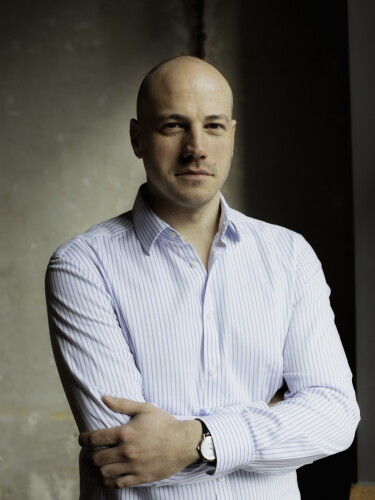
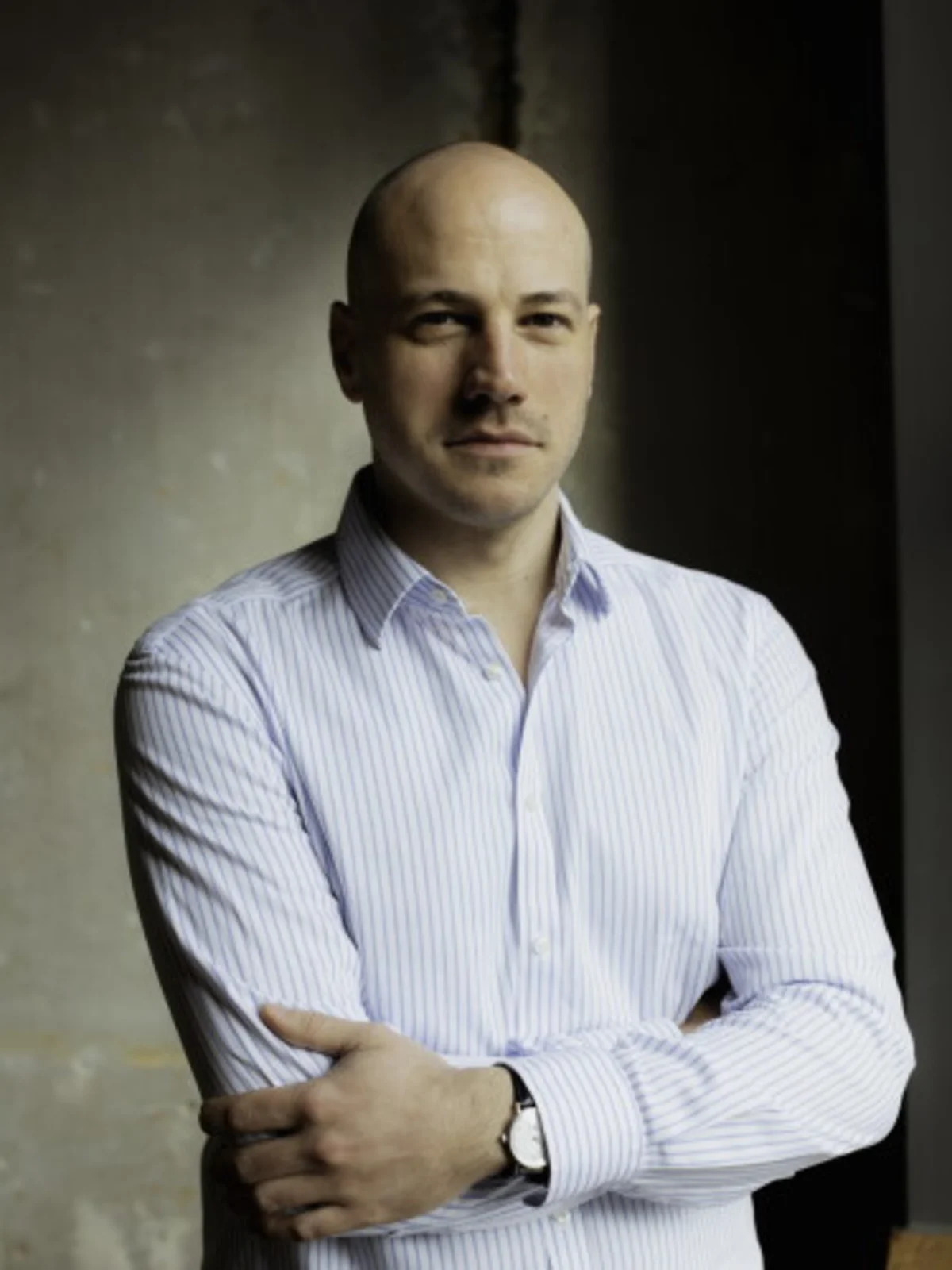
Christoph Klink, partner at Antler

PitchBook: When we talk about funding gaps in Europe, it's about growth-stage funding. Should we be looking elsewhere?

Klink: There's rightfully a lot of attention on fixing the growth-stage funding gap in Europe. But let's say we pool all our resources and fix it, where are we going to be in three or four years' time if the early-stage funnel is not progressing as it should be?

It's not easy for a lot of [early-stage] founders right now. There are essentially two worlds they live in: either you're growing like hell, and you can go out and raise easily. Or you're not, in which case, you're better off finding a way to become cash flow positive. To slowly but steadily grow your numbers and build momentum, and then either raise or fund yourself.

The report noted that the number of companies founded grew by 84% through 2025, and AI is lowering the barrier to entry. Is the startup pipeline getting worse?

Three years ago, if you weren't a computer scientist or an engineer, then you had to wait to find one before you could go out and build your first product. Now, you can skip that step entirely.

Some of these companies will turn out great, but I imagine there will be a number of startups that reach $100,000 in ARR, yet won't scale to $100 million. It's easier to catch up, but that doesn't mean it's easier to win.

But I think we have every reason to believe that the founders starting companies right now are the strongest we've ever seen. Far more founders today are coming out of mature scale-up companies, have technical backgrounds, or have been through crucial scaling phases at startups themselves than in the past. Out of this high-quality pool, there must be great companies being built that aren't getting the attention they would have gotten before.

Does that mean some genuinely good companies are being overlooked simply because they don't fit the biggest investors' fund models?

Funds have grown larger, and particularly for Tier 1 US funds that have come into Europe, unicorn outcomes are no longer enough to return a fund. They need decacorns or more. That does mean there may be companies with unicorn potential being overlooked.

Also, the increased competition [from the volume of companies being founded] is raising risk, which is driving up investors' expectations for returns.

What are investors' expectations now for pre-seed and seed-stage companies?

Benchmarks are going up.

Companies not raising on revenue momentum, like deep tech and hardware, are raising on pedigree. You're seeing founders from Google DeepMind raising huge pre-seed rounds because investors believe that, among the very few teams capable of winning in these spaces, it's more likely to be them, because of where they're from.

If you are building a company measured on ARR growth, you can't raise on just vision. You have to show a lot more and a lot sooner. When we look at the inception stage, which is half a step before pre-seed, that used to be pre-revenue territory two years ago. It's not anymore. You need market validation, solid momentum, revenue and a product.

In the report, you wrote that the supply of potential targets is outstripping investor demand. Has capital become scarcer?

The number of active investors has been declining over the last couple of years. That is a function of the current fundraising climate, which is not easy.

We're also seeing a higher concentration of [existing] investors in those breakout companies. The cap tables of the rocketship companies are, on average, twice as wide at seed as those pre-2020. There are fewer people firing more shots at the same startups and, by definition, there's less available for everyone else.

What's the impact on the wider ecosystem?

If the chances of success are so low, then the risk of starting a company and of being a pre-seed investor will just keep getting higher and higher. If this continues, the conveyor belt breaks, and we're burning a generation of founders who aren't getting investor interest and support to scale to very large outcomes.

We would be missing a ginormous opportunity as investors at a time when Europe is struggling economically on so many fronts. If we don't take chances now, we might not look as bright in the future.

What actually needs to change to fix this?

We need a more diverse set of investors, and more institutional capital is key. There is work being done, but it's important that pension fund capital doesn't just go into growth stage. Making sure regulation is in place so it is easier for them to invest, and making sure these institutions bring on board the right people who are experienced in backing VC managers, are essential.

Some of the [state-backed] co-investment mandates that we're seeing are contributing to the extremes. Their capital isn't spreading out widely; it's concentrated in a few bets. We need to broaden the ecosystem, not just invest in funds in their sixth vintage.

It is inevitable that [institutional capital] comes into VC. There are a number of political signs of increased will, but it can't, and shouldn't, happen overnight.

What role does talent within VC funds themselves play in fixing this?

It's on all of us as investors, be it emerging or established, to keep bringing on board young people into our funds, because they are going to be the ones raising the next generation of funds. If we start replacing everyone with AI agents, we won't have the next generation of strong fund managers. We need to give them the opportunity and education to become emerging managers.

This article originally appeared on PitchBook News
Comments
You must be logged in to comment.