huffpost Press
Two-Thirds Of Key Democrats Sign Sweeping Anti-Corruption Pledge
Images
1 / 9

2 / 9
3 / 9

4 / 9
5 / 9
6 / 9

7 / 9
8 / 9

9 / 9
Nearly two-thirds of Democrats in the most important races to win control of the House of Representatives have signed on to a sweeping anti-corruption pledge, and a leading group fighting money’s influence in politics said the party has a rare opportunity to win credibility with a deeply cynical electorate.

“Polling has consistently shown that voters have no idea which party to trust on the issue of cleaning up corruption,” End Citizens United, a Democratic group, wrote in a memo released Thursday, adding: “The next two months must be about showing voters that Democrats are going to not just replace Republicans, but enact the systemic anti-corruption reforms necessary to bring costs down. Americans are ready to support new leadership, but only if they believe that new leadership will actually act differently once in power.”

End Citizens United, which launched the “Unrig Washington” pledge last year, has tried to unite the party around three planks:

More than 300 candidates or incumbent members of Congress have signed on to the pledge, which is more than twice the number who took an earlier “no corporate PAC” pledge sponsored by the group during the last Democratic wave in 2018. This year’s total includes 62.5% of the candidates in the Democratic Congressional Campaign Committee’s “Red To Blue” program, which highlights candidates with the best chances of flipping GOP-held seats.

Anti-corruption issues were a major part of the just-finished Democratic primary season, with fights between candidates who took corporate PAC money and those who swore off it in four major Senate primaries: Texas, Illinois, Michigan and Minnesota. In all four cases, the candidate who rejected corporate PAC money won, often despite being significantly outspent by their opponent. Such pledges also helped power younger and left-wing candidates, who successfully ousted incumbent Democrats in primaries in Denver, Hartford and elsewhere.

Many of those candidates made explicit “no corporate PAC” pitches to voters in advertising.

“My opponents have taken millions of dollars each from corporate PACs,” said Illinois Lt. Gov. Juliana Stratton, who managed a come-from-behind victory in the Illinois Democratic primary. “How are Illinoisans supposed to believe that politicians have their best interest at heart when they’re benefiting from this broken system? It’s time for that to change.”

Tiffany Muller, the president of End Citizens United, said in an interview she expected more candidates to make explicit pitches on these issues.

“Big money has become very toxic to voters,” she told HuffPost. “You’re going to see it time and time again. They are running it in their ads because it’s working with the voters.”

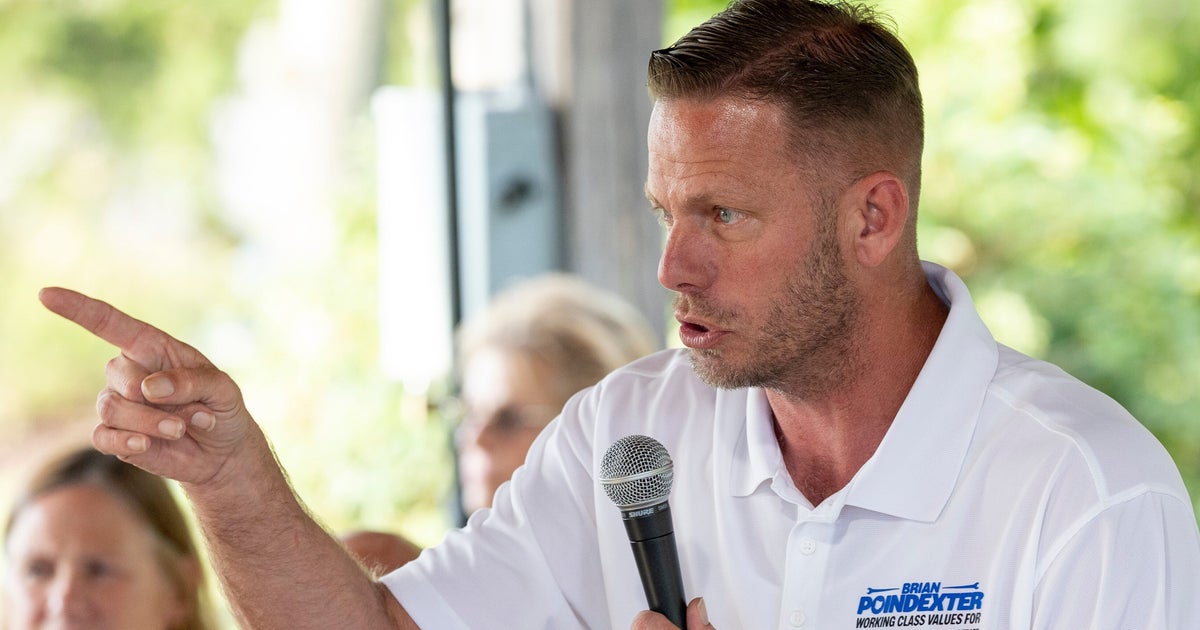
Some of these ads have already begun airing. A 30-second spot released earlier this month by Brian Poindexter, a union ironworker hoping to oust Rep. Max Miller in Ohio’s 7th District, reiterates all of the major elements of the “Unrig Washington” pledge.

“Corporations and billionaires take what they want and leave us the scraps. So here’s what I’m going to do: No more corporate PACs, ban dark money and no more members of Congress trading stocks,” Poindexter said in one ad. “I’m not going to D.C. for me. The job is to serve you.”

For twenty years, I climbed for a living. I helped build Cleveland as a union ironworker.Politicians in Washington never had to climb. Corporations and billionaires take what they want and leave us with scraps.Here’s my new ad → pic.twitter.com/4mKbTLzltx

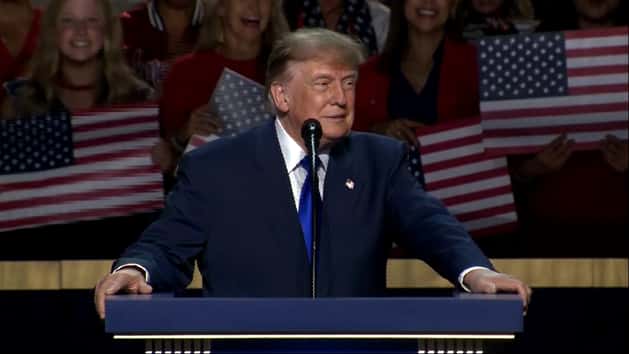
The potential toxicity of big money could become immensely important to Democratic messaging. While many indicators are pointing to a blue wave in 2026, Republicans – with significant help from trillionaire Elon Musk and a super PAC aligned with President Donald Trump – are expected to heavily outspend Democrats in key races around the country. Convincing voters that the source of the money behind those ads is nefarious could be a challenge.

“I think the electorate is getting more sophisticated on these issues and is asking that question more and more about where all this outside money is coming from and who is expecting what in return for it,” Muller said, pointing to this year’s Democratic primaries, where big spending from AIPAC-aligned groups, along with the cryptocurrency and artificial intelligence industries, became sources of controversy in multiple primaries.

A New York Times/Siena College poll released Tuesday showed Democrats gaining an advantage on corruption issues. Among likely voters, 48% said “corrupt” better described the GOP, while only 34% said it better described the Democrats. Nonetheless, the GOP is still trying to capitalize on the issue, with outside groups airing ads noting that many vulnerable Republicans voted for a ban on congressional stock trading earlier this year.

By entering your email and clicking Sign Up, you're agreeing to let us send you customized marketing messages about us and our advertising partners. You are also agreeing to our Terms of Service and Privacy Policy.
Comments
You must be logged in to comment.