huffpost Press
Trump Says Supreme Court Mail-In Ballot Ruling Is 'Horrible' — Experts Reveal Why He's In A Panic
Images
1 / 9

2 / 9
3 / 9
4 / 9

5 / 9

6 / 9

7 / 9

8 / 9

9 / 9
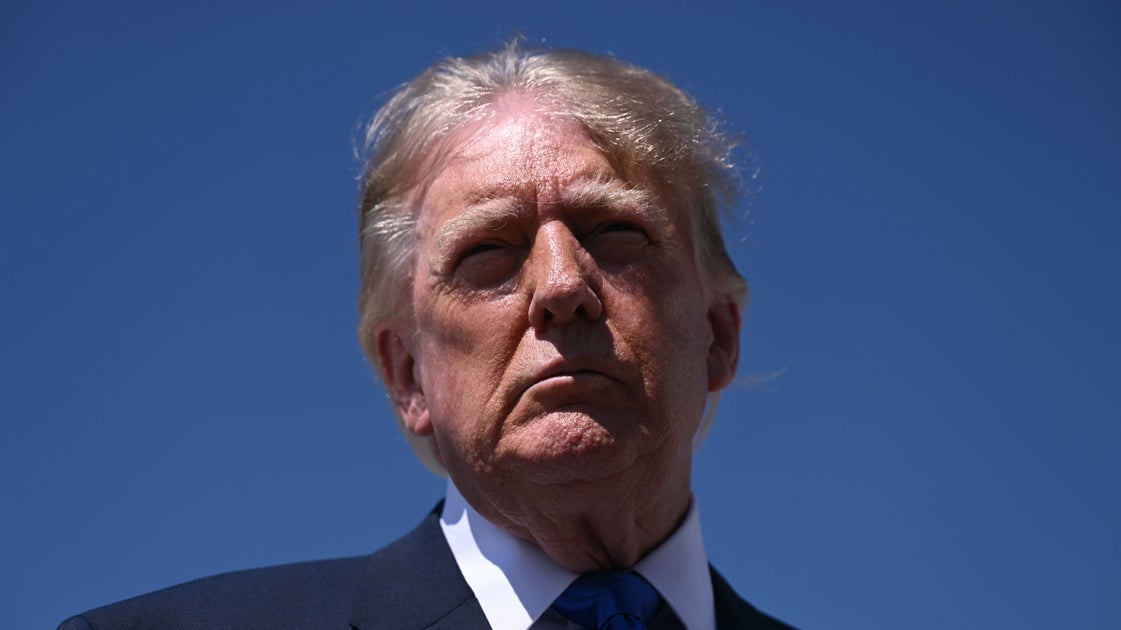
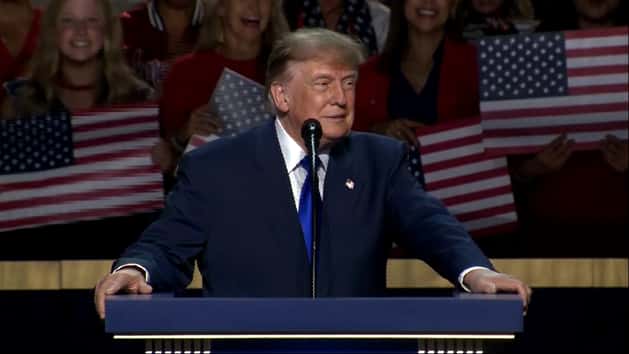
On Monday, the Supreme Court rejected President Donald Trump’s restrictions on mail-in ballots for the midterms, and Trump immediately fumed about it online.

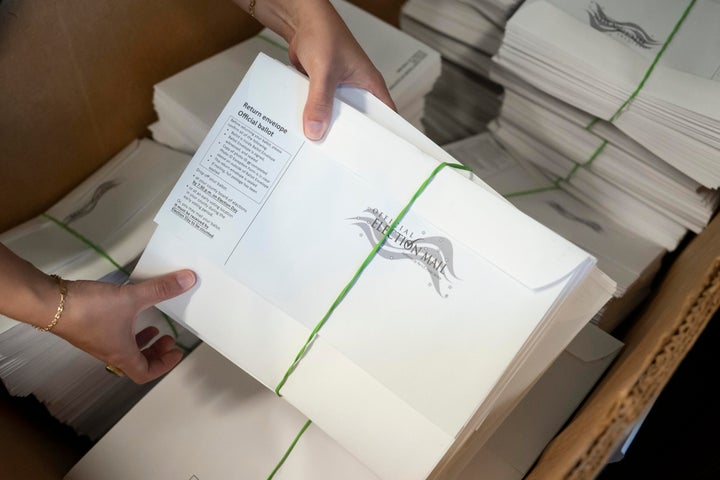
In an unsigned order, a majority of the Supreme Court blocked Trump’s plan to drastically overhaul mail voting, saying his plan would most likely lose in court. Under Trump’s order, states would have needed to share lists of voters’ names and addresses, and the U.S. Postal Service would not be able to deliver ballots mailed by states to people not on those lists.

In response to his loss in the courts, Trump wrote a long Truth Social missive that the decision was “horrible, highly political” and the justices who opposed him were “not the people I interviewed.”

“They are merely a shell of their original selves, a Court that is costing the United States Trillions of Dollars with shockingly bad rulings that are of such magnitude that it won’t be easily possible for our Country to recover or heal,” Trump wrote.

Richard Hasen, an election law expert at the University of California, Los Angeles, said Trump’s online furor “reflects his feeling that those he appoints should make personal loyalty their priority, rather than their commitment to the Constitution or to act in the best interests of the country.”

But that’s not the job of a Supreme Court justice, despite what Trump might be proclaiming.

“Supreme Court justices do not take an oath to the president that appoints them. They do not take a loyalty pledge,” said David Becker, the executive director of the Center for Election Innovation and Research, a nonpartisan group that advises election officials. “They take an oath to the Constitution of the United States, and the Constitution of the United States contains Article One, Section Four, the Elections Clause ... The Election Clause very clearly gives the power to regulate the time, place, and manner of elections to the state legislatures.”

In his backlash, Trump also claimed, without evidence, that the USPS plan was a “solution to our totally CORRUPT and out of control Mail-In voting ‘disaster.’”

“All of this is noise,” Becker said, citing Trump’s false claims about mail balloting or non-citizens voting. “Do I expect that that noise might get louder? Yes. It will make things very difficult for election officials. It shouldn’t be this hard to run a normal midterm election.”

Trump’s executive order kickstarted this upheaval when it ordered the Postal Service to comply with his new mailed ballot requirements. After a federal judge blocked the requirements from going forward, Trump made three emergency appeals to the Supreme Court about his policy.

Mail voting is already under way in some states –– and Trump’s legal war against voting by mail may have confused voters about whether they can vote as usual this election cycle.

“The ping-ponging up and down the federal system and the uncertainty is giving voters pause,” said Jessica Levinson, an expert on election laws and a professor at Loyola Law School. “Anecdotally, people ... have been like, ‘Do I have to change how I’m going to vote? Do I have to vote in person? Do I need to turn my ballot in right away?’”

Becker said Trump’s online furor about the ruling “very well might” be “intended to create confusion” among voters. That’s why it’s helpful to be clear about what this ruling means for voters who choose to vote by mail.

First, know that mail-in ballot voting will now proceed as usual in every state where it’s available.

“The bottom line that people need to remember is nothing is changing for the midterms, despite the fact that it looked like something might change. Now it won’t change,” Levinson said.

Make sure that your vote got counted. Almost every state or county offers some way of tracking the incoming ballot, and you should ask for your mail ballot early, so you have plenty of time to track it, Becker suggested.

“What I recommend is wherever possible, if there’s a way you can do it: Do not put your voted ballot back in the mail, but instead return it in person to a drop-off box or drop-off location, depending upon what state and county you live in, to make sure it gets there in time,” Becker advised.

Know that states have different postmarked deadlines about when mail ballots need to be received in order to be counted. And if you want to be sure, drop your ballot off in person.

“There could still be some legal challenge involving the postal service, so I think the less risk-averse option is just to walk your ballot in yourself,” Levinson said.

By entering your email and clicking Sign Up, you're agreeing to let us send you customized marketing messages about us and our advertising partners. You are also agreeing to our Terms of Service and Privacy Policy.
Comments
You must be logged in to comment.