buzzfeed Press
16 Things You Might Not Know About American Food
Images
1 / 19
2 / 19

3 / 19
4 / 19
5 / 19
6 / 19
7 / 19
8 / 19
9 / 19
10 / 19
11 / 19
12 / 19
13 / 19
14 / 19

15 / 19
16 / 19
17 / 19
18 / 19
19 / 19
In 2020, Ireland’s Supreme Court ruled that Subway’s bread contained too much sugar to legally qualify as bread for tax purposes. It fell into the confectionery category.

One thing to keep in mind: "banned" can mean different things depending on the example. Some substances are explicitly prohibited, while others were never approved. Certain restrictions also have more to do with animal welfare or production methods than whether a food is considered unsafe for people.

US rules are changing, too. Since 2024, the FDA has revoked its approvals for Red Dye No. 3 and brominated vegetable oil, opened an accelerated review of titanium dioxide, and announced a voluntary industry phase-out of six synthetic dyes. Several states have passed their own food additive restrictions as well, and major manufacturers have begun reformulating US products. Details in this article reflect the regulatory and product landscape as of publication.

This isn't uniquely American. Insects get into crops and rodents can get into food during storage and processing, so eliminating every trace of them from food produced on an industrial scale isn't realistic.

In the US, the FDA publishes "defect action levels," thresholds at which contamination can trigger enforcement. For chocolate, that's an average of 60 or more insect fragments per 100 grams. For macaroni and noodles, it's an average of 225 or more insect fragments per 225 grams. The agency also sets limits for things like rodent excreta in cocoa beans.

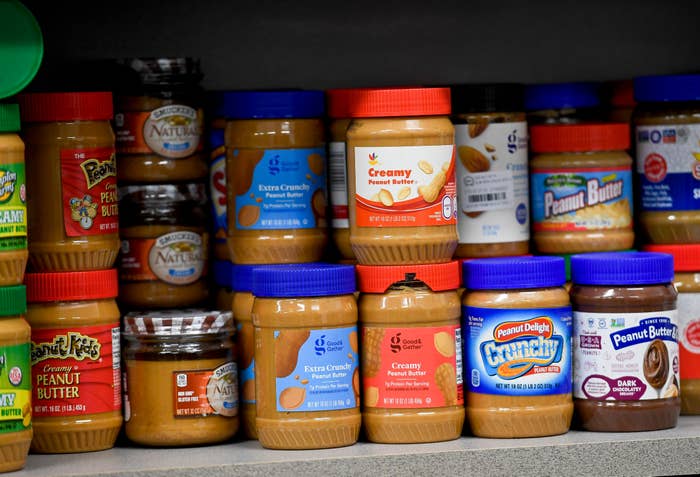
For peanut butter, the threshold is an average of 30 or more insect fragments per 100 grams, or one or more rodent hairs per 100 grams. Applied to a 16-ounce jar, that works out to roughly 136 insect fragments, or 4.5 rodent hairs, with either one enough to trigger the threshold, though those aren't per-jar limits set by the FDA.

Instead, inspectors test six or more subsamples from a batch and calculate an average. If that average reaches the FDA's threshold, the agency can take action against the lot. The FDA classifies these as "aesthetic" defects that pose no inherent health hazard, rather than dangerous contamination, and notes that the levels aren't targets. Actual defect levels in food are typically far below them.

Sources: FDA, Food Defect Levels Handbook

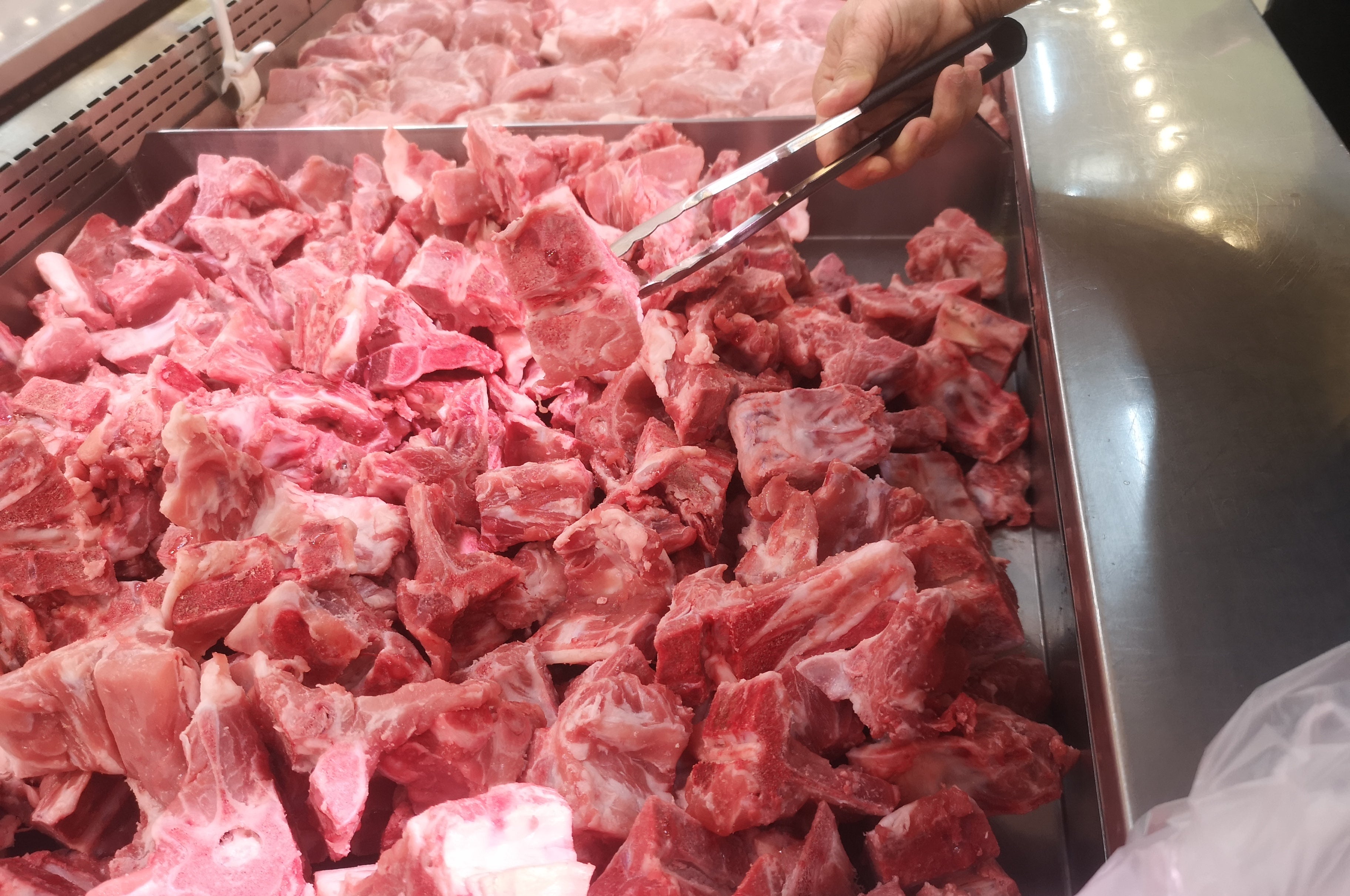
Ractopamine is a beta-agonist, a class of drugs that includes medications developed to treat asthma. When given to livestock shortly before slaughter, it directs more nutrients toward lean muscle growth and less toward fat, producing more meat from the same animal and amount of feed. The FDA approved it for pigs in 1999.

Human safety data was limited. In one study of just six healthy young men, three reported feeling their hearts pounding, and one withdrew after experiencing a rapid heart rate following the first dose. The European Food Safety Authority later identified increased heart rate and heart-pounding sensations among ractopamine's effects.

Animal-welfare concerns have been more extensive. Between March 2011 and January 2012, the FDA received more than 160,000 reports of adverse events in pigs associated with ractopamine, including tremors, broken limbs, cardiovascular problems and death. However, those are reports submitted to the agency rather than verified cases, and they establish association rather than cause.

Claims that ractopamine causes cancer go beyond the evidence. A commentary in the European Journal of Cancer Prevention proposed a possible mechanism involving an enzyme called asparagine synthetase, but it was a hypothesis, not an experimental finding, and the author acknowledged there was no evidence that ractopamine was carcinogenic.

Another widely repeated claim — that 80% of American pork contains ractopamine — is outdated. China, the EU and other major markets, part of the 160-plus countries that ban or restrict the drug, don't allow pork produced with ractopamine. That led major US processors including Smithfield, JBS, Seaboard Triumph and Tyson to stop accepting ractopamine-fed hogs. By late 2019, industry analysts estimated roughly 78% of US hog-processing capacity was ractopamine-free. So while ractopamine remains legal in the US, much of the pork industry has stopped using it, largely to maintain access to export markets.

Sources: European Journal of Cancer Prevention, Center for Food Safety, PIRG, Tyson Foods, Feedstuffs, Meatingplace

Recombinant bovine growth hormone, or rBGH/rBST, is a synthetic version of a hormone cows naturally produce. It changes how a lactating cow uses nutrients, directing more of that energy toward milk production and allowing her to maintain higher milk output for longer. Cows typically compensate by eating more, but the increased production also puts greater demands on their bodies — one reason animal-welfare concerns became central to the debate over the drug. The FDA approved rBST in 1993. Canada declined to authorize it, and the EU banned its use.

Canada's decision came in 1999, after a government-commissioned review found significant animal-welfare concerns. The analysis found that rBST increased daily milk production by an average of 11.3% in first-calf Holsteins and 15.6% in cows that had previously calved. But it also found a 24–27% higher risk of clinical mastitis, or udder infections, roughly a 50% higher risk of lameness and evidence that it could shorten cows' productive lives. Europe's own scientific committee reached a similar conclusion that year, finding that rBST use "causes substantially and markedly increased risks of a number of serious welfare-related conditions." The FDA, which approved the drug after concluding it was safe for cows as well as people, reached a different judgment.

Importantly, those concerns were about the cows, not the people drinking their milk. Canadian and European regulators didn't find evidence that milk from rBST-treated cows posed a risk to human health. Despite a popular claim that rBGH in milk causes early puberty in children, credible research hasn't established that link, and pediatric endocrinologists unaffiliated with the dairy industry say there is no definitive evidence for it. rBGH is a protein hormone, so when consumed, it is broken down during digestion rather than acting in the body like a steroid hormone such as estrogen. (The evidence on milk generally and pubertal timing is more mixed. Some research has explored a possible role for naturally occurring IGF-1, but that's a separate question from the added hormone.)

In practice, rBST is much less common in the US than its legal status suggests. Consumer demand led many dairies and retailers to stop using it voluntarily: Kroger, Publix, Costco and Walmart have all sourced their private-label milk from non-rBST suppliers since the late 2000s. Though the drug remains legal, producers who use rBST aren't required to disclose it. Producers who avoid it may say so on the label, but the FDA expects that claim to be accompanied by a disclaimer noting the agency has found no significant difference between milk from treated and untreated cows.

Sources: FDA, Bovine Somatotropin, Canadian Journal of Veterinary Research, APHA, NBC News, CBC News

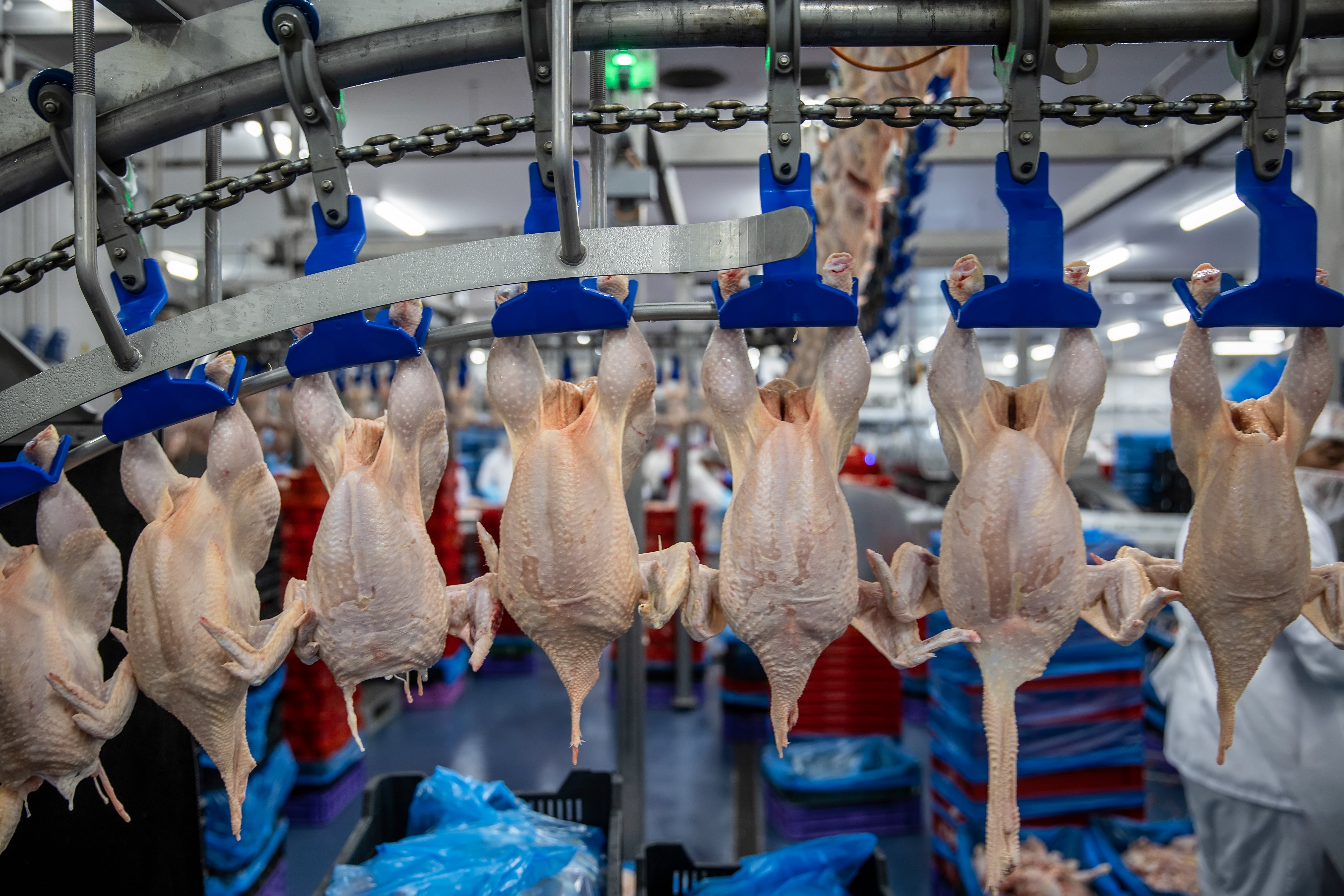
The EU and US take different approaches to controlling bacteria in poultry. The EU follows a "farm to fork" model, focused on reducing contamination throughout production so fewer pathogens reach the processing stage. The US also has controls throughout production, but relies more heavily on antimicrobial treatments during processing.

That distinction matters because European regulators don't generally argue that the antimicrobial chemicals used in the US are unsafe at approved concentrations. The objection is to relying on chemical rinses to compensate for contamination that could have been prevented earlier in production. Under EU rules, operators may not use any substance other than potable water to remove surface contamination from products of animal origin unless it has been specifically approved — a ban on the method, not on a particular chemical.

According to the Congressional Research Service, the trade dispute dates to 1997, when the EU first banned these pathogen reduction treatments, effectively shutting out virtually all US poultry imports since then. The EU's position, as CRS records it, is that its producers follow stricter production and processing rules that reduce contamination more effectively than washing products at the end of the process.

Line speed is part of that debate. As processing speeds increase, there's less time to inspect and handle each bird, raising concerns that more contamination could make it through earlier stages and increasing the importance of antimicrobial treatment later in the process. Under the USDA's New Poultry Inspection System, the standard maximum is 140 birds per minute. Plants can operate at up to 175 birds per minute only with an individual USDA waiver.

In February 2026, FSIS proposed making 175 birds per minute the standard maximum and eliminating the waiver requirement. The comment period closed in April, but the rule hasn't been finalized, so the standard limit remains 140.

Despite the familiar term "chlorinated chicken," peroxyacetic acid has largely displaced chlorine as the primary antimicrobial in US poultry plants. An Auburn University poultry microbiologist told NPR that the vast majority of US chicken hasn't been chilled in chlorine for years. However, processors aren't required to disclose which antimicrobial treatment was used on the label, so consumers generally can't tell how a particular chicken was treated.

Sources: Congressional Research Service, R40199, FSIS, Journal of Food Protection, NPR, The Conversation

In 2021, the European Food Safety Authority reevaluated titanium dioxide, or E171, and raised a specific concern: the possibility that it could damage DNA. After reviewing the available evidence, EFSA couldn't rule out that risk.

That didn't mean regulators had found that titanium dioxide definitely damages DNA. But genotoxicity — damage to genetic material — is difficult to regulate by simply setting a lower allowable dose. If regulators couldn't rule out DNA damage, they also couldn't determine how much titanium dioxide could be consumed without that risk. Without a safe level to set, EFSA concluded that titanium dioxide could no longer be considered safe as a food additive. The EU adopted a ban in January 2022, followed by a six-month phaseout period.

The US has taken a different approach. The FDA still allows titanium dioxide in food as long as it makes up no more than 1% of the product's weight. In 2023, the Environmental Defense Fund, the Center for Food Safety, the Center for Science in the Public Interest and other groups petitioned the agency to revoke its approval of synthetically prepared titanium dioxide, citing the same concerns about genotoxicity. The petition also notes that the FDA hasn't reviewed the safety of synthetic titanium dioxide since 1973. The agency filed the petition in April 2023 and has yet to rule on it, although it said in May 2025 that titanium dioxide was under accelerated review.

Additionally, per the FDA, titanium dioxide can appear on ingredient lists as "artificial color" or "colored with titanium dioxide" — and it isn't required to be listed at all.

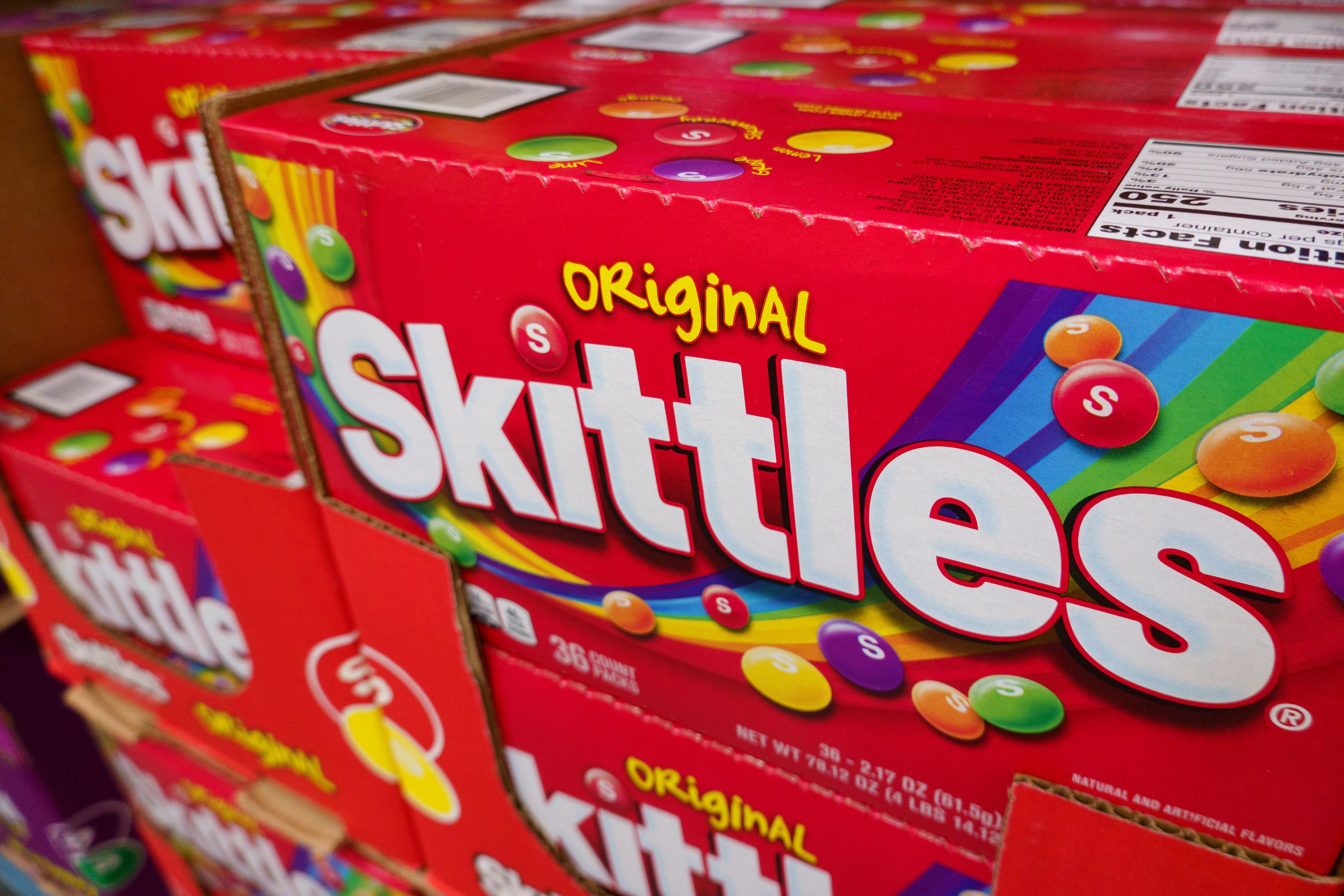
Some companies have already stopped using it. Mars confirmed in 2025 that it had removed titanium dioxide from US Skittles at the end of 2024. As of publication, standard US Skittles still contain synthetic dyes, including Red 40, Yellow 5, Yellow 6, Blue 1 and Blue 2 — though in August 2026, Mars launched separate versions of Skittles, M&M's and Starburst made without synthetic dyes, initially sold on Amazon with wider distribution planned. Blue and brown are missing from the new bags because Mars couldn't replicate them naturally.

Sources: FDA, Titanium Dioxide as a Color Additive in Foods, 21 CFR 73.575, EDF et al. color additive petition, EFSA, EU Commission Regulation 2022/63, Food Safety News

Red Dye No. 3 has been linked to cancer in laboratory animals since the 1980s, when studies found that high doses caused thyroid tumors in male rats. However, there's no evidence that the dye causes cancer in humans, and the FDA says the hormonal mechanism that produced the tumors in rats doesn't occur in people.

Legally, though, that distinction doesn't matter. Under the Delaney Clause, the FDA cannot approve a food or color additive that has been shown to cause cancer in humans or animals. In 1990, the agency cited the rat studies when it banned Red No. 3 from externally applied cosmetics and drugs. It announced plans to revoke its approval for food in 1992, then decided not to act, in the agency's own words, "given the resources required to remove this authorization."

The issue resurfaced in 2022, when the Center for Science in the Public Interest and other groups petitioned the FDA to revoke Red No. 3's approval for food under the Delaney Clause. California passed its own ban the following year, set to take effect in January 2027. Then, in January 2025, the FDA finally revoked Red No. 3's authorization for food and ingested drugs — on the strength of the same studies and the same legal clause it had cited in 1990, more than three decades earlier.

The ban won't happen all at once. Food and dietary supplement manufacturers have until Jan. 15, 2027, to stop using Red No. 3, while manufacturers of ingested drugs — including some children's medicines — have until Jan. 18, 2028. Products made before those deadlines can legally remain on shelves afterward. In April 2025, the FDA asked manufacturers to remove the dye sooner, but that request is voluntary.

Sources: Federal Register 90 FR 4628, FDA, California AB 418, National Agricultural Law Center, HHS

Brominated vegetable oil, or BVO, is made by adding bromine to soybean or corn oil. It was used in citrus-flavored sodas to keep the flavoring evenly mixed into the drink instead of separating and floating to the top.

BVO was once patented for use as a flame retardant, which is where the often-repeated claim that soda contained a "flame-retardant chemical" comes from. But the two uses work in completely different ways. In soda, adding bromine makes the oil heavier, which keeps citrus flavoring suspended in the drink. In flame retardants, bromine reacts with chemicals produced by a fire, disrupting the chain reaction that keeps it burning. BVO's ability to keep flavoring suspended in soda has nothing to do with its ability to slow a fire.

That doesn't mean the health concerns around BVO weren't real. Bromine can build up in the body, and case reports involving people who drank two to four liters of BVO-containing soda a day documented symptoms of bromine toxicity, including skin lesions, memory problems and nerve damage.

The FDA removed BVO from its list of ingredients generally recognized as safe in 1970 but continued allowing its use on an interim basis for more than 50 years. The agency finally revoked its authorization in a rule published July 3, 2024, citing FDA and NIH studies that found thyroid effects in rats and concluding there was no longer "a reasonable certainty of no harm" from its continued use. The ban took effect Aug. 2, 2024, and manufacturers had until Aug. 2, 2025, to comply.

Sources: Federal Register 89 FR 55040, FDA, CSPI, Scientific American, PubMed (bromism case report)

The EU warning traces back to a 2007 University of Southampton study of nearly 300 children — 153 three-year-olds and 144 eight- and nine-year-olds — from the general population, rather than children diagnosed with ADHD. Researchers found increased hyperactivity among children who consumed drinks containing mixtures of artificial food dyes compared with those given a placebo.

The study had an important limitation: The drinks also contained the preservative sodium benzoate, making it difficult to isolate the effect of the dyes themselves. When the European Food Safety Authority reviewed the findings, it described them as limited evidence of a small effect on activity and attention in some children, noting that the results weren't consistent across both age groups and both mixtures. The EU nevertheless began requiring foods containing any of six artificial colors to carry a warning that they "may have an adverse effect on activity and attention in children." Three of those six — Yellow 5, Yellow 6 and Red 40 — are widely used in American food.

That requirement led many manufacturers, including Mars, Nestlé and Kellogg's, to remove artificial colors from products sold in Europe while continuing to use them in US versions. In 2025, Texas Attorney General Ken Paxton cited that discrepancy when he opened investigations into Kellogg's and Mars, noting that both had removed dyes from products overseas while continuing to use them in the US.

The FDA reviewed the same evidence and reached a more nuanced position than is usually reported. In 2011, the agency concluded that a causal relationship between color additives and hyperactivity in children generally hadn't been established, while acknowledging that synthetic dyes could worsen symptoms in some susceptible children with ADHD and other behavioral problems. The FDA attributed that effect to an individual intolerance rather than inherent neurotoxicity. Its advisory committee voted 13–1 that more research was needed, but 8–6 against requiring warning labels. The agency revisited the issue in 2019 and kept its position.

That position began to shift in April 2025, when HHS and the FDA announced plans to phase out six petroleum-based dyes — Red 40, Yellow 5, Yellow 6, Blue 1, Blue 2 and Green 3 — by the end of 2026, while moving to revoke authorization for Citrus Red 2 and Orange B.

The six-dye phase-out, however, isn't a federal ban. The FDA hasn't issued a rule requiring companies to eliminate the dyes and instead tracks voluntary commitments from manufacturers. As of publication, WK Kellogg is removing petroleum-based dyes from its US cereals; Nestlé USA and other major manufacturers have pledged to do the same; and Mars has introduced dye-free versions of several candies. But the changes remain voluntary, and the US still has no warning-label requirement equivalent to the EU's.

Sources: The Lancet, EFSA, Business Companion (EU Regulation 1333/2008), FDA Food Advisory Committee background document, 2011, via CMAJ, Texas Attorney General, Reuters via Yahoo (Texas investigation of Mars), HHS, National Agricultural Law Center

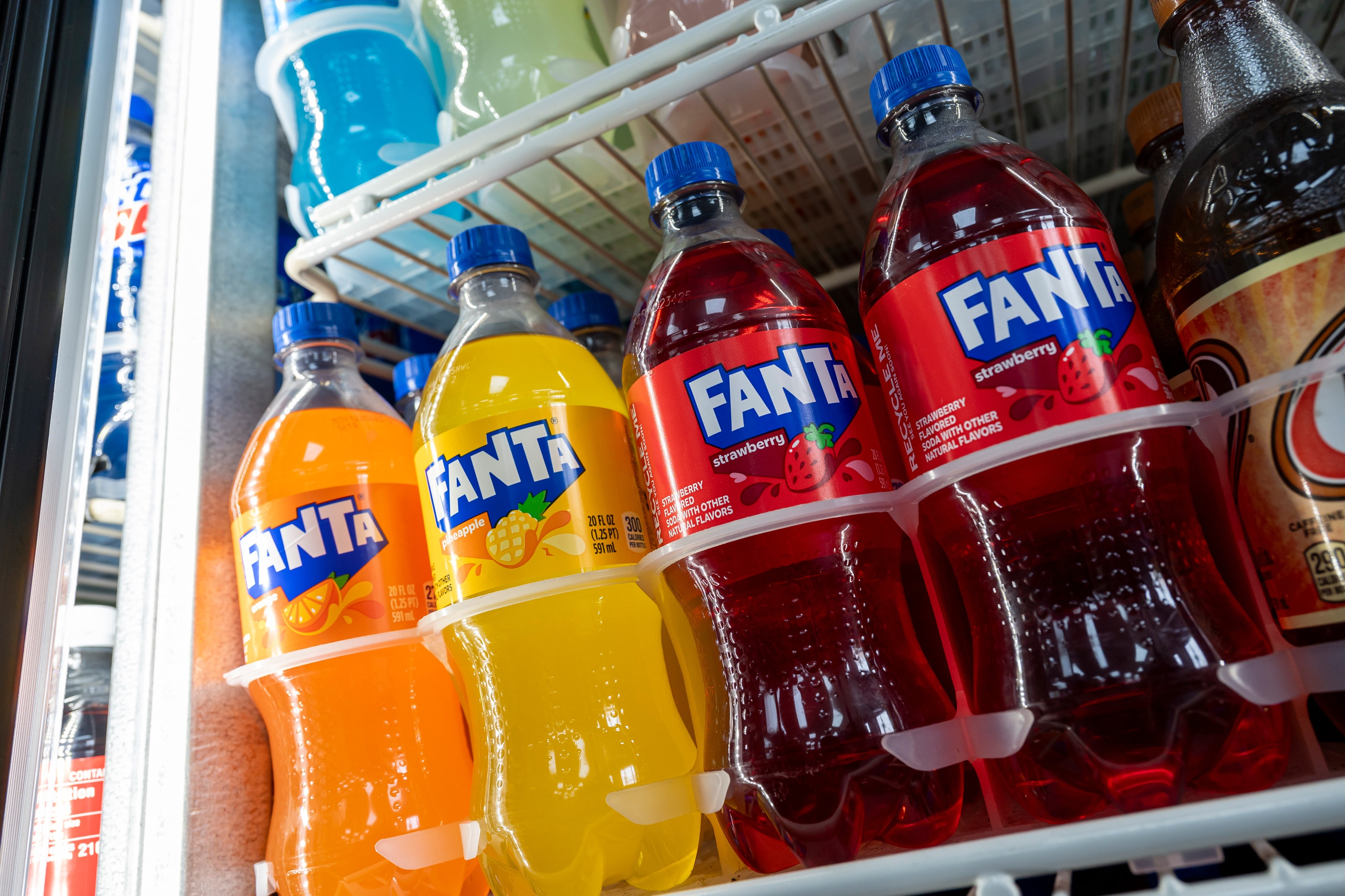
Fanta isn't made from the same recipe everywhere. Cost and regulation are part of the reason. High-fructose corn syrup is cheaper than sugar in the US, where sugar imports are limited and domestic corn is subsidized. Those economics helped drive Coca-Cola's switch to corn syrup in the 1980s. Meanwhile, European labeling rules have created an incentive for manufacturers to avoid synthetic dyes by requiring foods containing certain colors to carry a warning about possible effects on children's activity and attention.

The difference is clear in Fanta Orange. The standard US version contains high-fructose corn syrup and is colored with Yellow 6 and Red 40. Despite the orange imagery and flavor, it contains no orange juice — the "less than 2%" language on the ingredient list refers to the additives that follow it, not juice.

Elsewhere, the recipe is different. Italy's Fanta Aranciata contains 12% orange juice from concentrate, while the UK version contains about 5% juice — roughly 3.7% orange from concentrate plus a smaller amount of other citrus — and uses carrot and pumpkin extracts for color rather than Yellow 6. Coca-Cola has begun offering a US cane-sugar version of its flagship cola — announced in July 2025 and rolled out to select cities that fall — but American Fanta still uses high-fructose corn syrup and synthetic dyes.

Sources: Beverage Daily, Today.com, CNBC

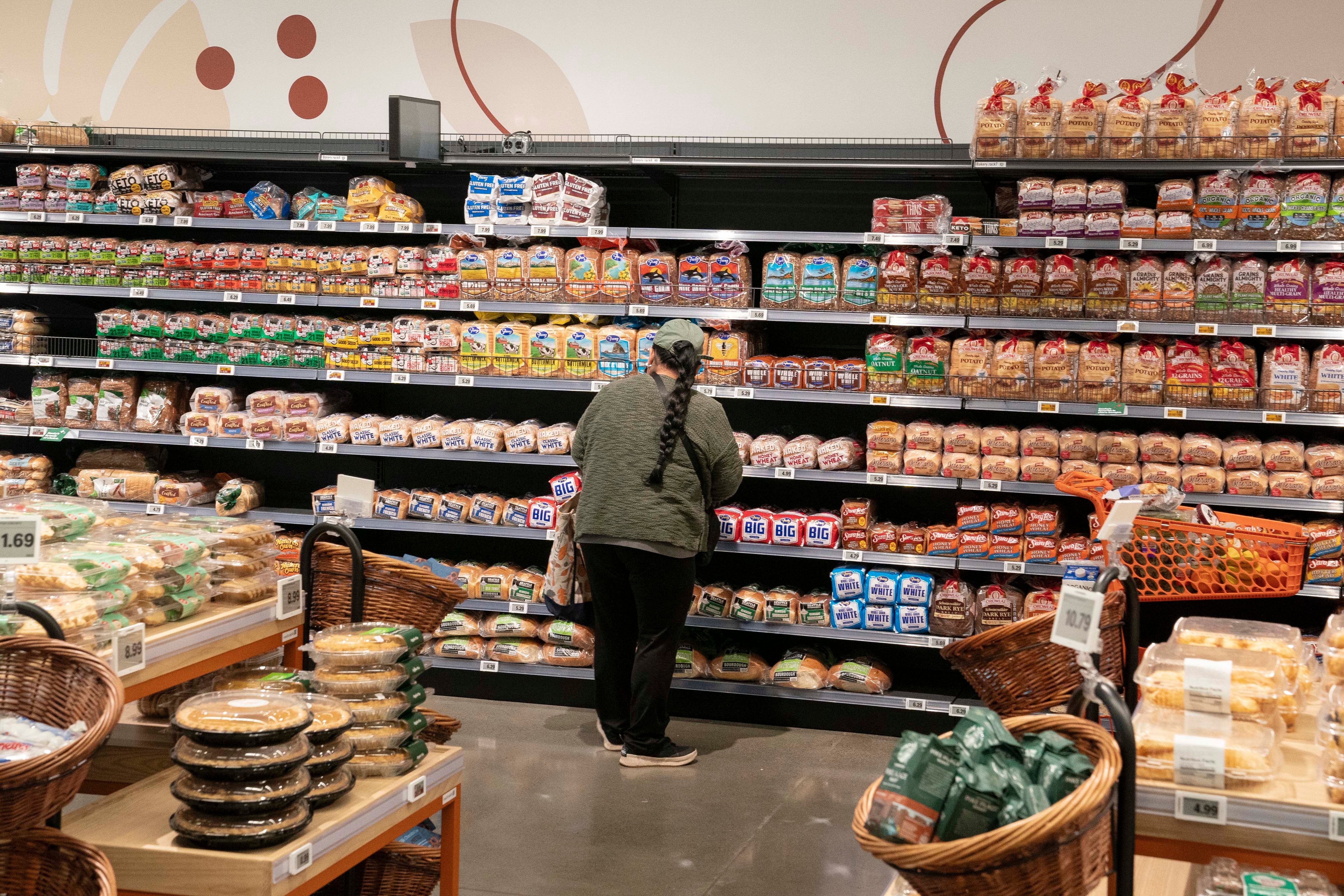
Potassium bromate is a flour additive that strengthens dough, helping bread rise higher and produce a lighter, fluffier texture. It has been used in commercial baking since the early 1900s.

Concerns about its safety emerged after studies found kidney and thyroid tumors in rats. Based on animal studies, the International Agency for Research on Cancer classified potassium bromate as Group 2B, or "possibly carcinogenic to humans," in 1987 and reaffirmed that classification in 1999.

Several countries subsequently restricted or eliminated its use in flour. The UK banned potassium bromate as a flour improver in 1990, while it has never been permitted as a flour treatment agent in the EU. Canada removed it from its list of permitted food additives in 1994. The consensus wasn't only European: the UN's expert committee on food additives concluded in 1992 that using bromate as a flour treatment agent was not appropriate, and the Codex Alimentarius withdrew its specifications for potassium bromate in 2012.

At the federal level, potassium bromate remains permitted in the US. It's exempt from the Delaney Clause — which requires the FDA to ban additives shown to cause cancer in animals, and which forced Red Dye No. 3 off the market — because it was approved before the 1958 amendment that created that rule, a status known as prior sanction. The FDA has encouraged bakers to stop using it voluntarily since 1991, and major bakeries including Best Foods (maker of Arnold, Entenmann's and Oroweat breads), Pepperidge Farm and Pillsbury switched to bromate-free processes.

The industry's safety argument is that potassium bromate is intended to convert to harmless bromide during baking, so that when bread is properly baked, little or no bromate should remain. But the conversion can be incomplete. According to the Center for Science in the Public Interest, the FDA tested several dozen baked goods in 1992–93 and again in 1998–99 and found that many contained bromate at levels the agency considered unsafe. Since the FDA regulates the amount that can be added to flour rather than the amount left in the finished loaf, there is no federal residue limit for baked goods and no routine testing program.

States have moved faster. California has required a Proposition 65 cancer warning on bromated flour since the early 1990s, and under the state's Food Safety Act it will prohibit foods containing potassium bromate entirely beginning January 2027.

Sources: IARC, CSPI, 21 CFR 136.110, California AB 418, Down To Earth policy brief, Centre for Science and Environment

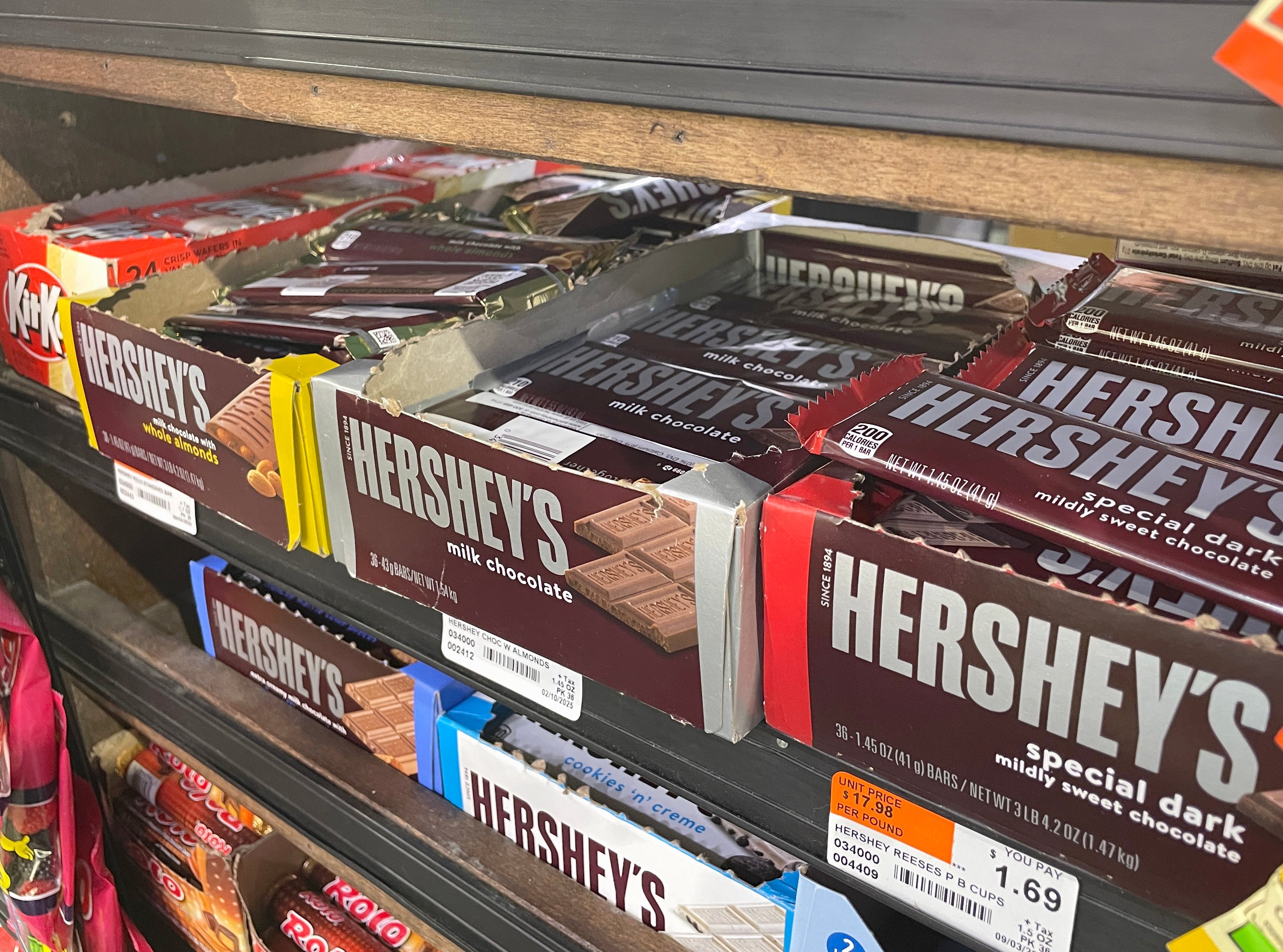
Butyric acid is what gives vomit and rancid butter their smell, and it's also responsible for some of Hershey's characteristic tang — a flavor familiar to generations of American chocolate eaters but often unusual to people who grew up with other chocolate traditions. The usual explanation is that Hershey's proprietary process partially sours the milk, possibly through lipase activity, producing butyric acid and helping extend its shelf life. Hershey has never publicly disclosed the process, however, so it's unclear whether the lipolysis is deliberate or simply a byproduct of how the milk is processed and stabilized.

That difference in taste is also partly regional. Hershey's sells primarily in North America, so many Europeans are more likely to encounter its chocolate while visiting the US or through imports. British Cadbury uses a different recipe from the Cadbury chocolate sold in the US — which, per Hershey's own investor materials, Hershey has manufactured and marketed under license since 1988. The recipes differ in specifics: UK Dairy Milk has a higher butterfat ratio and uses different fats and emulsifiers than the US version, which uses soy lecithin, and even the ingredient order differs. Milk comes first on the UK label, sugar first on the American one.

That licensing agreement also led to a fight over British chocolate imports. In 2014, Hershey sued New Jersey importer Let's Buy British Imports, arguing that UK-made Cadbury bars infringed its US licensing rights and that several other British products had packaging confusingly similar to Hershey brands. The two sides settled in January 2015, with the importer agreeing to stop bringing UK-made Cadbury bars into the US, along with UK-made KitKat, Toffee Crisp, Yorkie and Maltesers.

The case is sometimes described as Hershey "banning" British chocolate, but it wasn't a government ban or court ruling. It was a settlement with one importer that prevented that company from bringing the products into the US.

Sources: Hershey, Snopes, CSP Daily News, Quartz, Chemistry World, HuffPost

Under Irish VAT law, bread can contain no more than 2% sugar by weight of the flour to qualify as a "staple food" taxed at 0%. Subway's bread contains 10% — five times the limit. That figure wasn't disputed in the case.

The case was brought by Subway franchisee Bookfinders Ltd. The statute caps sugar, fat and bread improver at 2% each, and Bookfinders argued that a product only falls outside the definition if it exceeds the limit on all of them. The court disagreed: exceeding the cap on any one — here, sugar — was enough to put the product outside the law's definition of bread and into its category for "confectionery or fancy baked goods."

The ruling was specific to Irish tax law. It didn't declare that Subway bread isn't bread generally, or that bread with more than 2% sugar is legally considered confectionery elsewhere.

Sources: Bookfinders Ltd v Revenue Commissioners [2020] IESC 60, WHO, Library of Congress, NPR

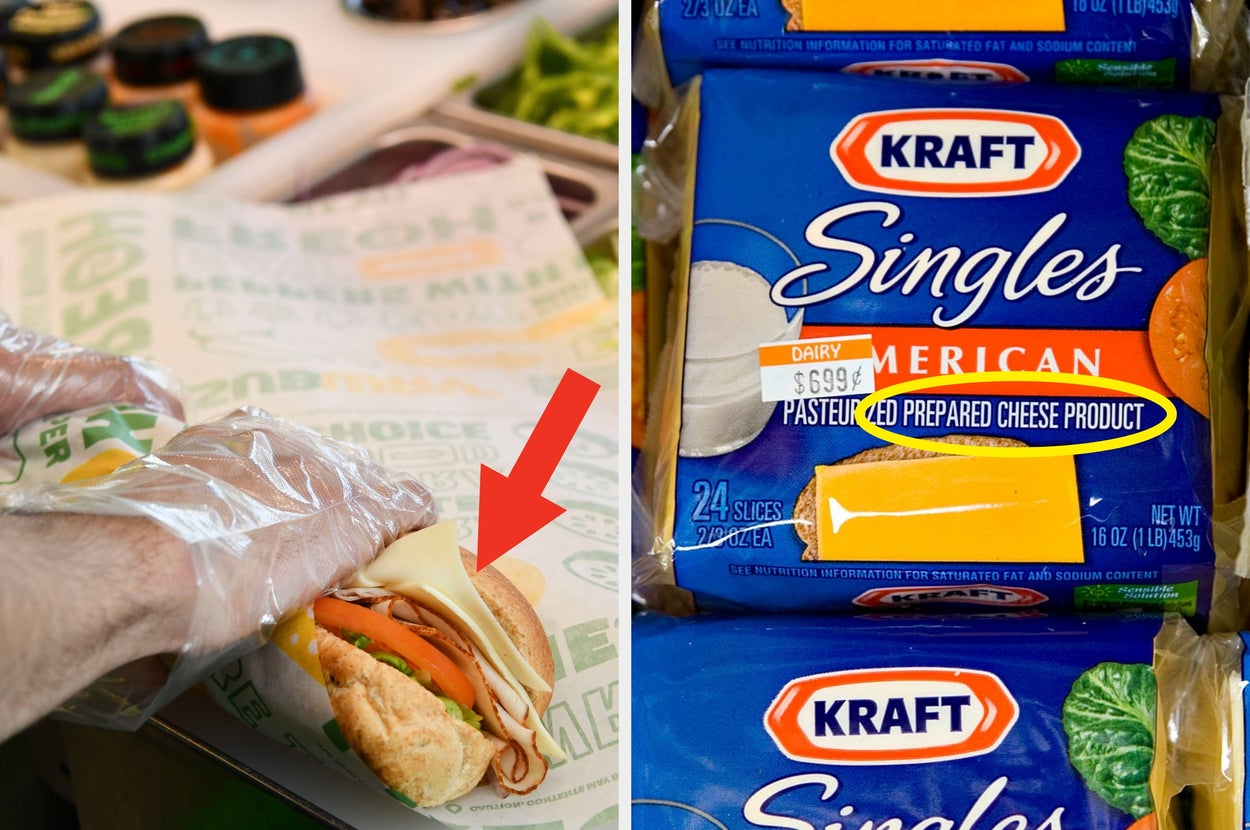
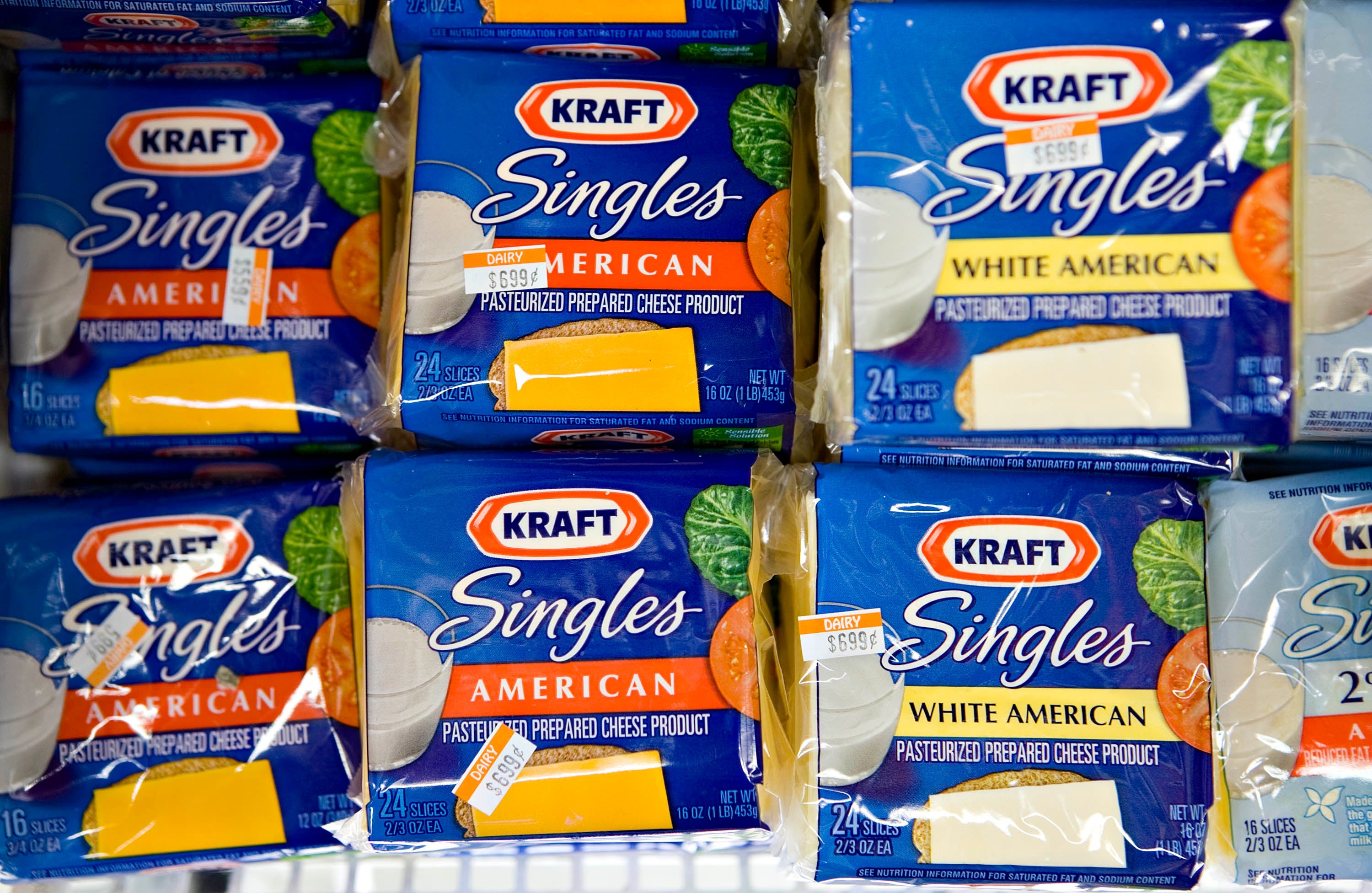
Under FDA regulations, "pasteurized process cheese food" has a standard of identity, meaning it has a defined recipe and list of permitted ingredients. In the early 2000s, Kraft began using milk protein concentrate (MPC), a cheaper dairy ingredient that wasn't permitted under that standard. That was the violation — not a specific percentage of cheese.

FDA inspections of Kraft plants in Illinois, Minnesota, and Missouri in the summer of 2002 found MPC listed as an ingredient in Kraft Singles and Velveeta. In November, Kraft announced it would relabel Singles from "pasteurized process cheese food" to "pasteurized prepared cheese product." The FDA has no standard of identity for that category, so there's no defined ingredient list to violate.

The following month, the FDA sent the company a warning letter formally telling it to either stop using MPC or stop calling the product "cheese food." Velveeta left the regulated category too, while Easy Cheese became a "pasteurized cheese snack."

The keyword is "prepared." It puts Kraft Singles outside the FDA standard for pasteurized process cheese food. Kraft isn't the only company that uses this labeling, but Singles are probably the best-known example, and they're still labeled "pasteurized prepared cheese product" today.

Sources: 21 CFR 133, Cheese Scientist, Farm and Dairy

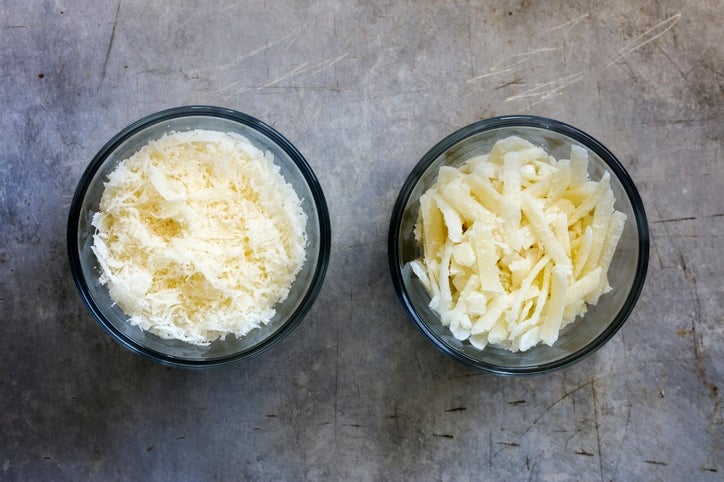
Cellulose — basically powdered wood pulp — is legal as an anti-caking agent in grated cheese. But there's no FDA rule limiting it to a specific percentage, and the FDA's standard of identity for Parmesan doesn't mention cellulose at all. The commonly cited 2–4% ceiling comes from the Center for Dairy Research, not from any regulation.

A Bloomberg investigation found multiple brands above that range despite labeling their Parmesan "100%." Essential Everyday, sold at Jewel-Osco, tested at 8.8% cellulose; Walmart's Great Value at 7.8%; Kraft at 3.8%; and Whole Foods' 365 at 0.3%. But Bloomberg tested only one sample from each brand, so Walmart's objection that a single canister isn't statistically reliable is fair.

Castle Cheese Inc. is a different story. FDA inspections of its Pennsylvania plant in late 2012 found that products labeled "100% grated Parmesan" had been bulked out with a mixture of Swiss, mozzarella, white cheddar and cellulose. According to the FDA's report on Castle, obtained under the Freedom of Information Act, no Parmesan was used to make the Market Pantry brand sold at Target, or the Always Save and Best Choice brands sold by Associated Wholesale Grocers.

The company filed for bankruptcy in 2014. In February 2016, Castle Cheese executive Michelle Myrter pleaded guilty as a responsible corporate officer of two affiliated companies, Universal Cheese & Drying and International Packing, to one misdemeanor count of aiding and abetting the introduction of adulterated and misbranded cheese into interstate commerce. That doctrine holds executives accountable for what their companies do regardless of whether they personally knew about it. She faced up to a year in prison and a $100,000 fine, but was sentenced that October to three years' probation, a $5,000 fine and 200 hours of community service. The two companies each pleaded guilty to a conspiracy count and agreed to forfeit $500,000.

In Italy, Parmigiano-Reggiano is legally protected. It has to be made in specific regions, from specific ingredients and without additives. The U.S. doesn't give "Parmesan" the same protection. So cellulose itself isn't really the scandal here. Selling a product bulked out with fillers and other cheeses — or containing no Parmesan at all — as "100% Parmesan" is.

Sources: DOJ (pleas), DOJ (sentencing), 21 CFR 133.165, Bloomberg, Food Safety Magazine, Fortune, Snopes

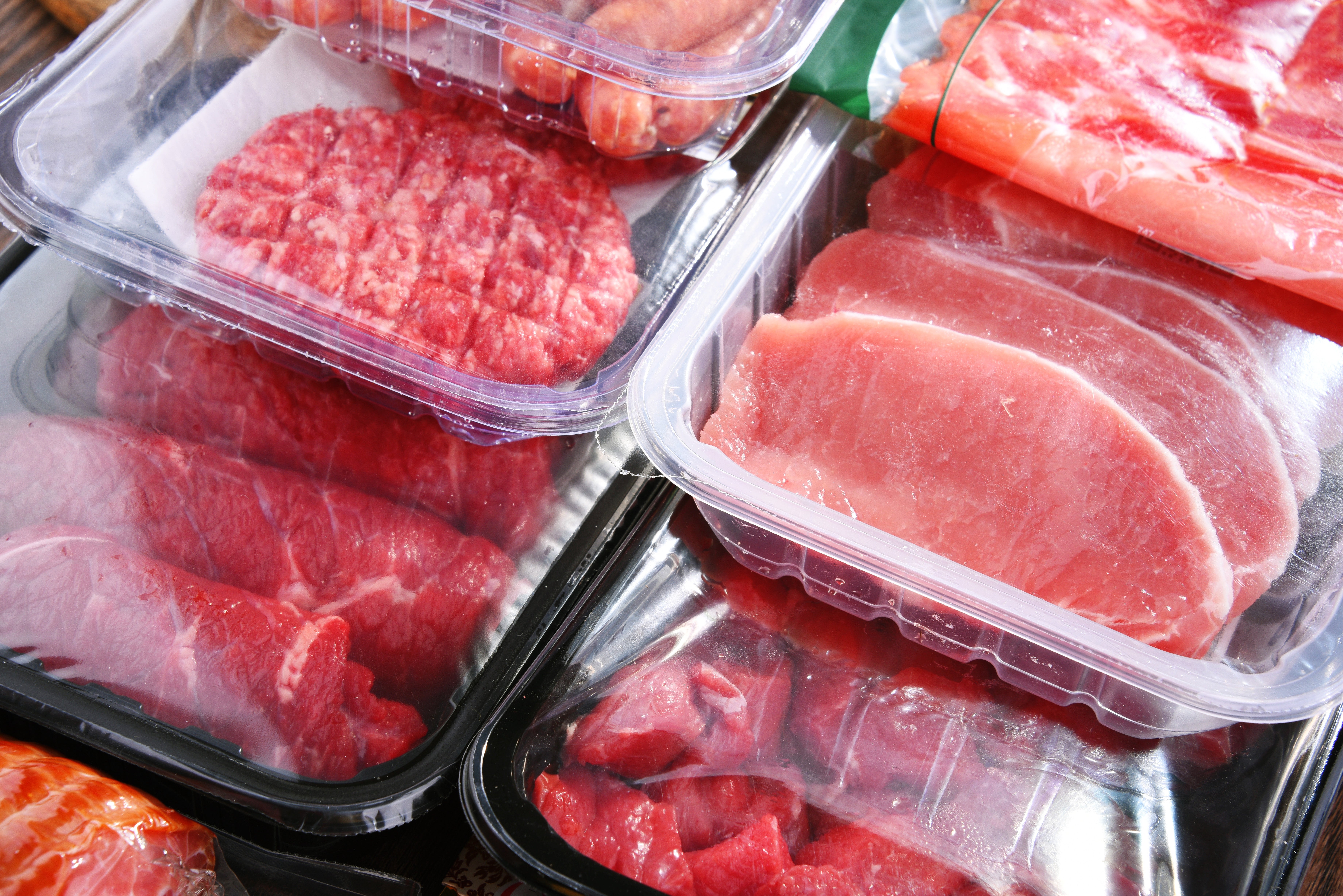
The carbon monoxide isn't the health concern here — you're not going to get CO poisoning from a steak. The issue is what it can hide. Meat naturally turns brown as it ages, giving consumers a visual cue that it's no longer fresh. Carbon monoxide binds to myoglobin in the meat, forming carboxymyoglobin and keeping it red even after it has started to spoil.

This applies specifically to case-ready meat packaged in a modified atmosphere, not all meat sold in the US. Meat wrapped in-store isn't treated this way, and plenty of case-ready meat uses high-oxygen packaging instead.

The EU's Scientific Committee on Food warned that the stable red color can outlast the meat's microbial shelf life and potentially mask spoilage. The EU prohibited carbon monoxide in meat and tuna in 2003, while Japan, Canada and Singapore also ban its use in tuna.

The FDA took a different approach. Carbon monoxide packaging went through the GRAS notification process in applications from Pactiv and Precept Foods. Rather than independently establishing its safety, the FDA reviewed the companies' submissions and, in the words of one agency official, "did not disagree" with their conclusions. US labels also don't have to disclose the treatment, meaning consumers may be judging freshness by a color that has been chemically stabilized.

Sources: EU Scientific Committee on Food, FoodNavigator-USA, Consumer Federation of America

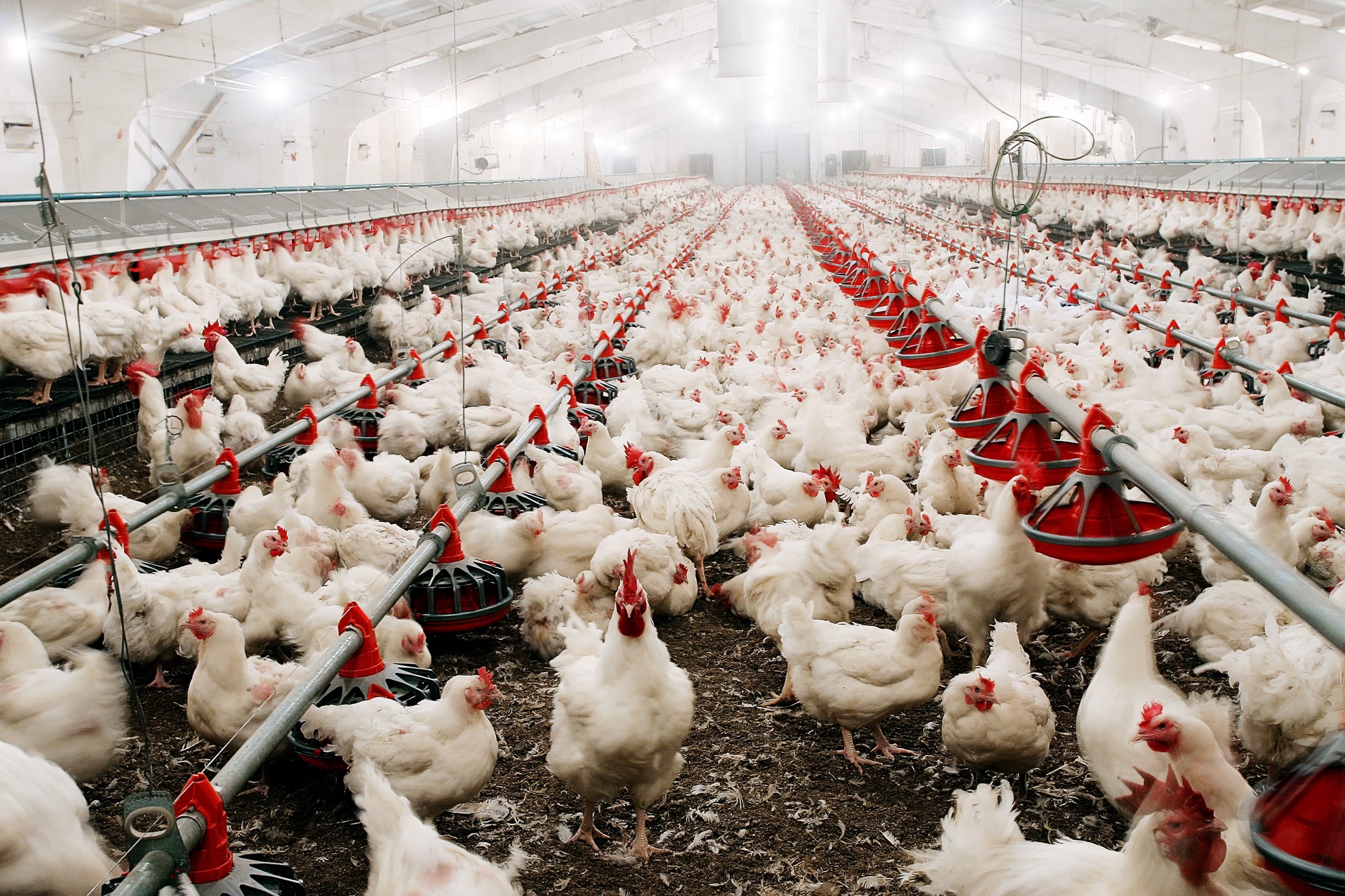
To use the "free range" claim, producers have to describe the birds' housing and show that they have continuous, free access to the outdoors throughout their normal growing cycle. But there's no minimum amount of outdoor space, no requirement for vegetation and no minimum number of hours the birds actually have to spend outside. In practice, "access" can mean a small door at the end of a barn housing tens of thousands of birds. Consumer and animal welfare groups told FSIS the claims "misrepresent raising conditions and may suggest animals are being treated better than they are," and one advocacy organization said the "outdoor access" claim has an inherent tendency to mislead.

The Animal Welfare Institute petitioned FSIS in 2016 to set more specific requirements, including outdoor access during daylight hours for at least 51% of the birds' lives, vegetation covering at least half the outdoor area, multiple large exits and shelter. When FSIS asked for public comment on the "free range" claim, it received 9,118 responses. FSIS declined to set the requirements anyway — the agency's stated reason was that animal production practices vary and are continuously developing, making codified standards for animal-raising claims impractical — opting to update its guidance instead. Those updated guidelines, published in September 2024, require producers to provide more documentation and clarify that birds kept indoors all winter don't qualify, but still don't set a quantitative standard for outdoor access.

Third-party certifications can have stricter requirements. Certified Humane Free Range requires at least 2 square feet of outdoor space per bird and access for at least six hours a day, weather permitting. Its Pasture Raised standard requires 108 square feet per bird — or no more than 1,000 birds per 2.5 acres — with rotated fields. Those birds must also actually be outdoors year-round, with indoor housing only at night or during up to two weeks of severe weather.

Sources: FSIS petition response, FSIS guideline, Humane Farm Animal Care, Animal Welfare Institute
Comments
You must be logged in to comment.