buzzfeed Press
37 "Bizarre" Items People Found That Were So Confusing They HAD To Reach Out To The Internet For Help
Images
1 / 20
2 / 20

3 / 20
4 / 20
5 / 20
6 / 20
7 / 20
8 / 20
9 / 20
10 / 20
11 / 20
12 / 20
13 / 20
14 / 20
15 / 20
16 / 20
17 / 20
18 / 20
19 / 20
20 / 20
That keyhole cover might be one of the most gorgeous pieces of craftsmanship I’ve ever seen.

As a Resident Writer here at BuzzFeed, I cover topics like politics, weird history, tech, trending viral stories, and other various corners of the internet.

"A Multiplex Projector (specifically manufactured by Bausch & Lomb), an optical instrument used heavily during WWII and the mid-20th century by the US Army Corps of Engineers for creating topographic maps from aerial photographs."

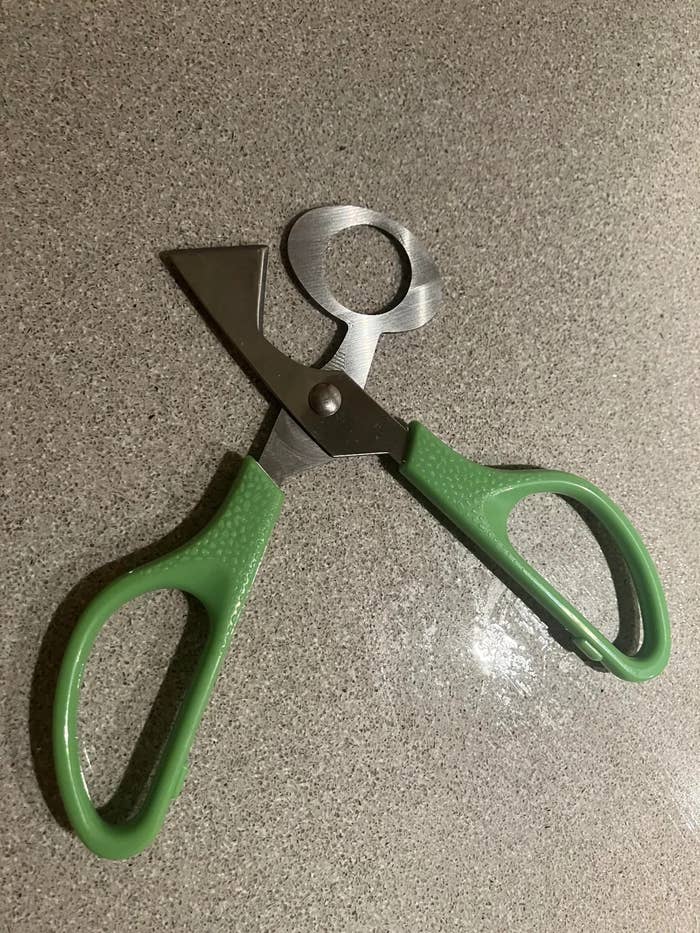
"Egg cracker! Usually for the small quail eggs."

"That looks like the My Scene design for Barbie specifically. It is likely a conch shell that was part of some tropical/beach-themed set."

"The swirl reminds me of the cable for a landline phone, so maybe the shell is also meant to be one? That would tie in with holding conches up to your ear to 'hear the ocean.'"

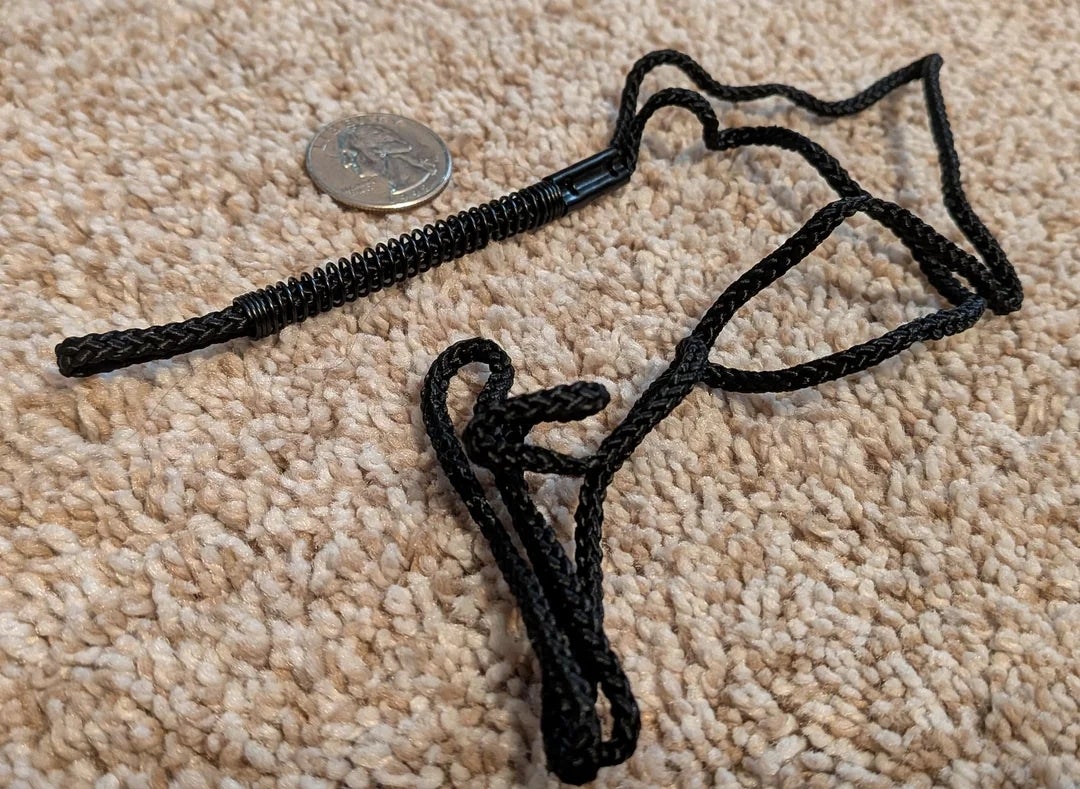
The original poster, 1900grs, then replied, "Holy shit, that was amazing. I won a Flextone turkey call at a dinner at my sportsman club back at the beginning of the year. I had to google the item just now, and sure enough, it has that strap. Must have fallen out of the package when my kid opened it in the car, and it finally tumbled out from under the seat. Wow. Great job ID'ing that. Thanks."

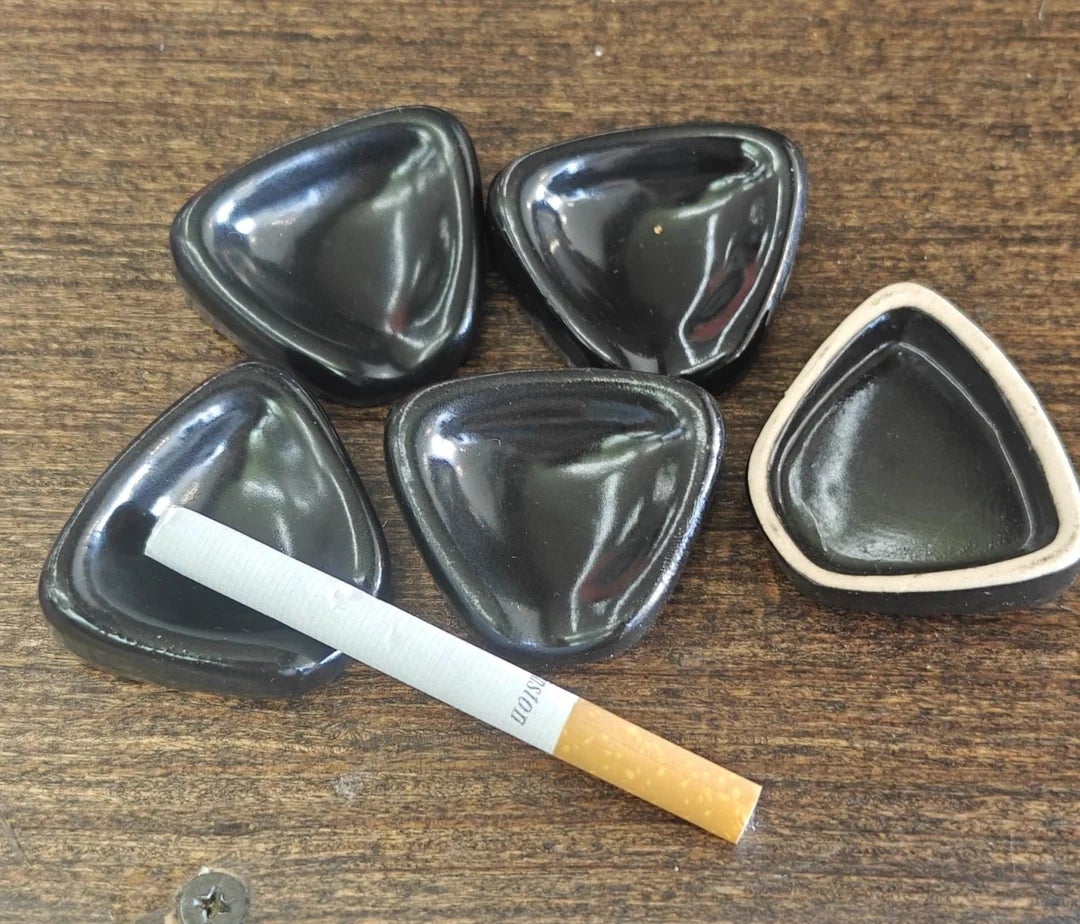
"They are from a fondue set. I have the same ones from a set I purchased, like, 20 years ago."

"This is one part of a cone crusher that is used to pulverize rocks. Over time, they wear down and sometimes find new lives as extremely heavy-duty fire pits. Google 'cone crusher as firepit' for many examples.

Diagrams and explanation of the inner workings of a cone crusher can be found here."

"My friend has one of these for a fire pit. Make sure you put it where you want it to go the first time, 'cause it ain't moving once it gets sat somewhere. Those things are stupid heavy."

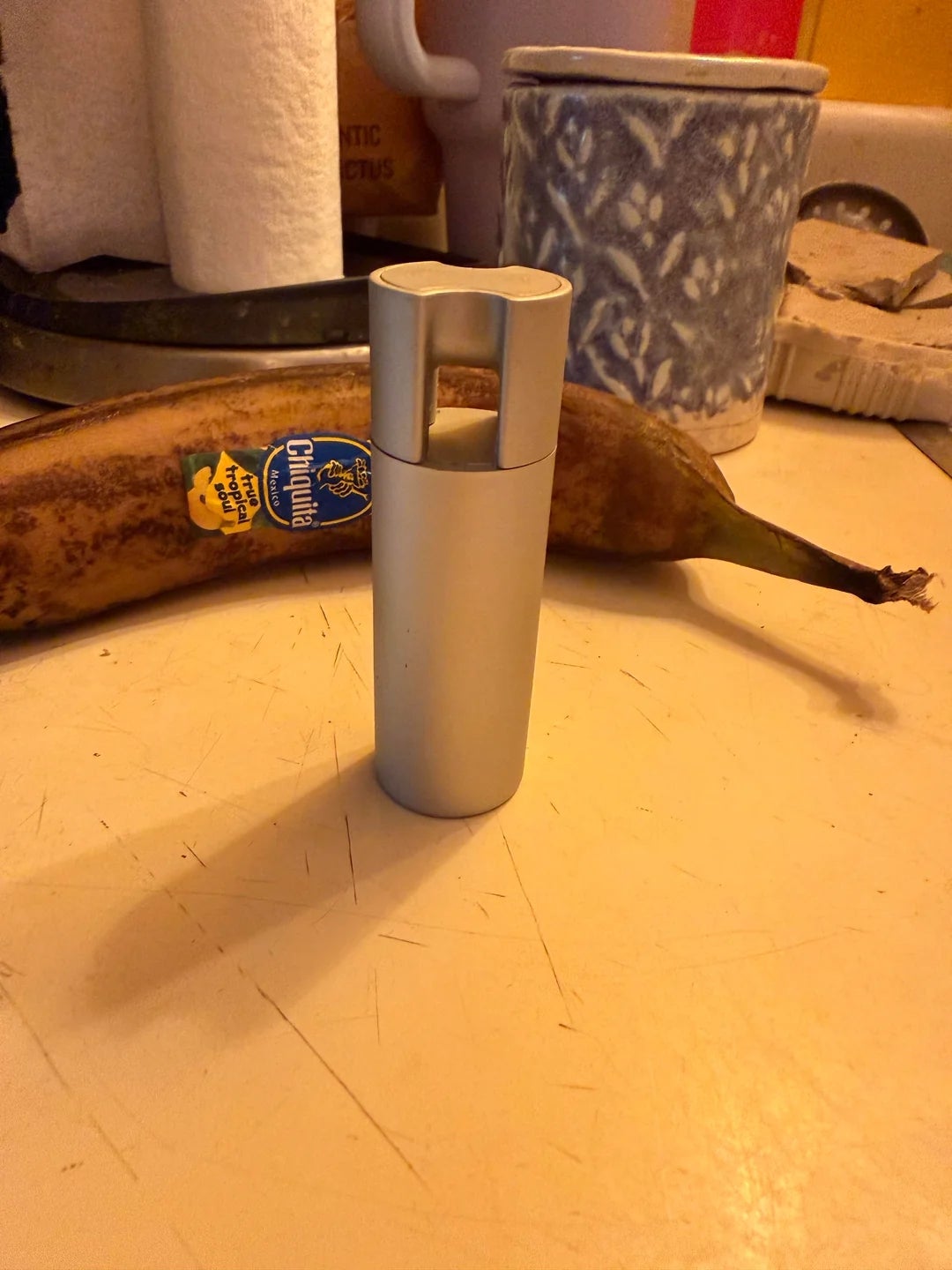
"It's the battery cover (with on-off switch) of a handheld milk frother. We have one, a generic model from AliExpress."

The original poster, Resident-Emu2521, replied, "It has now been reunited with the frother! Thank you."

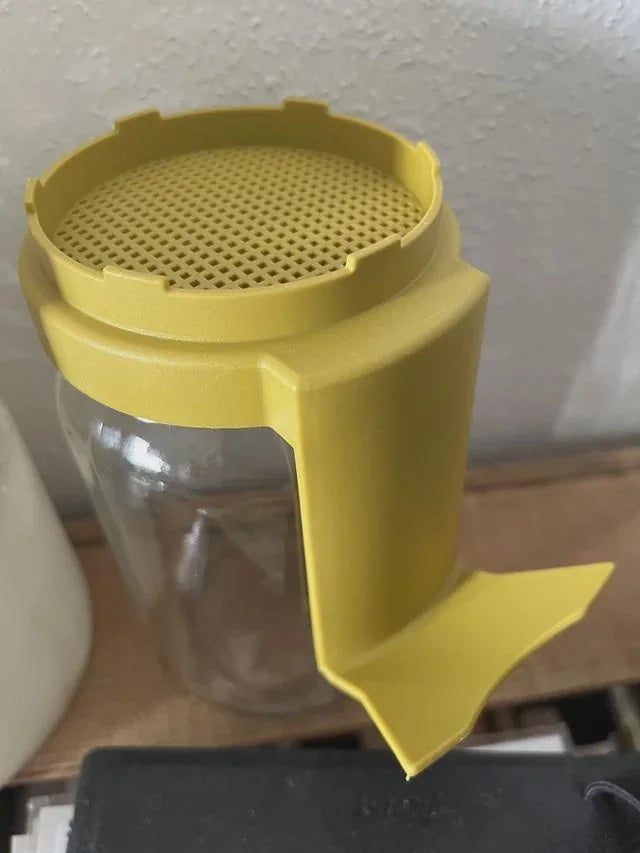
"My mom had this exact model for growing mung bean and alfalfa sprouts."

"You put whatever you want to sprout (beans, seeds, etc.) and water in the jar. Let them soak a bit, then let the water strain out. Add water daily and strain to have sprouts for your salad or whatever."

"It's likely a mercury bottle. Show a picture of it to someone at the local Vigili del Fuoco station and ask them what to do with it.

Don't shake or open anything you suspect might contain mercury. The liquid in itself is toxic, but it releases invisible and odorless vapors which may cause permanent neurological damage if inhaled. It means if you need to transport something that contains mercury, please seal it first in an airtight bucket and travel with the windows down. The best thing to do is to call the local authority in charge of civil protection."

"100% mercury transportation container."

"It’s a weight to hang on the drawstring of blinds."

The original poster, SolomonGrunde, later replied, "Hot damn!" along with a picture of the item back in its rightful place.

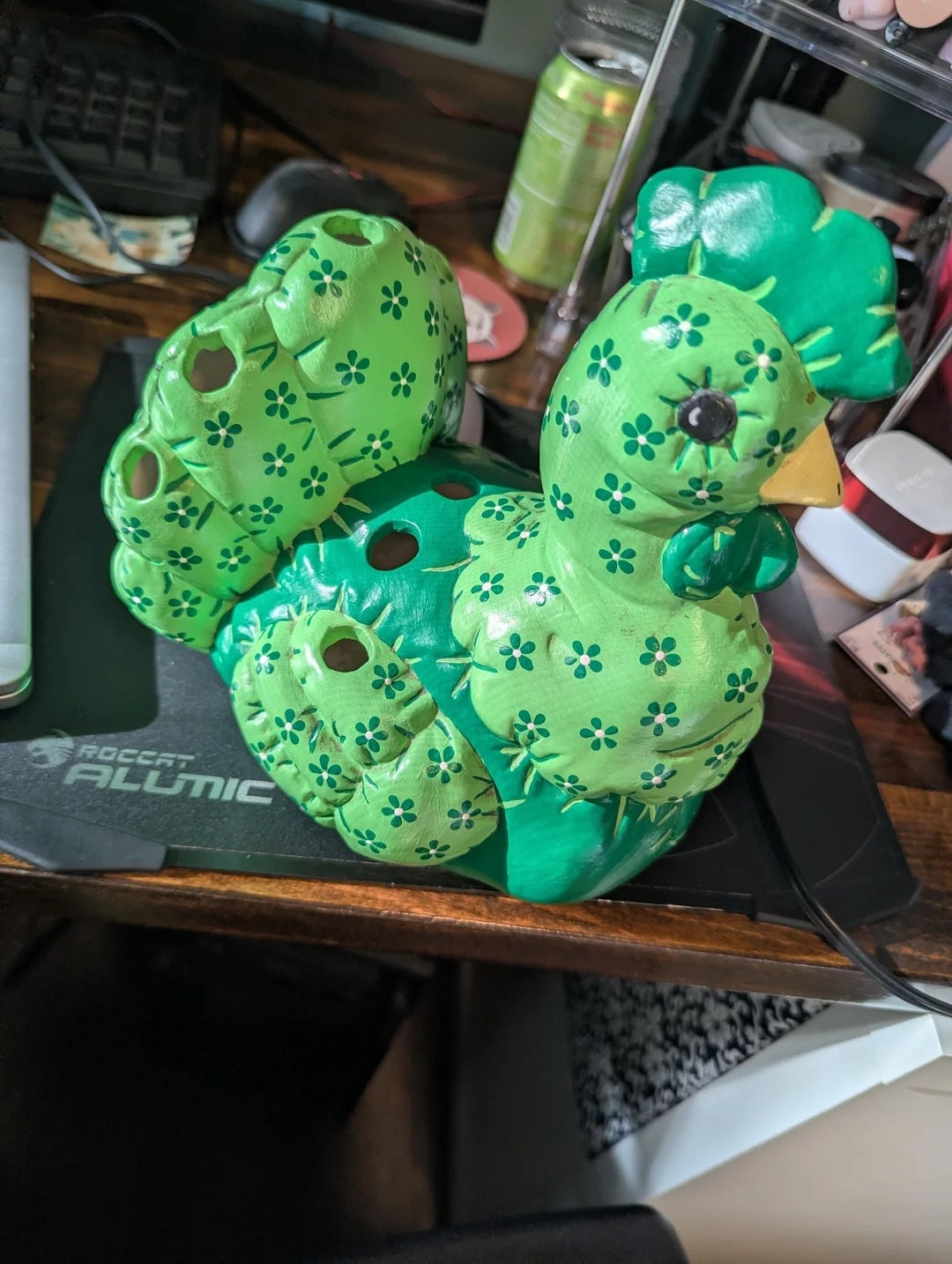
"I would guess it's for wooden cooking spoons, the inexpensive kind with the narrow handles. They would look like tail feathers."

"It's this. My grandma had one back in the '90s."

"Bolt handle for the Nerf RaptorStrike."

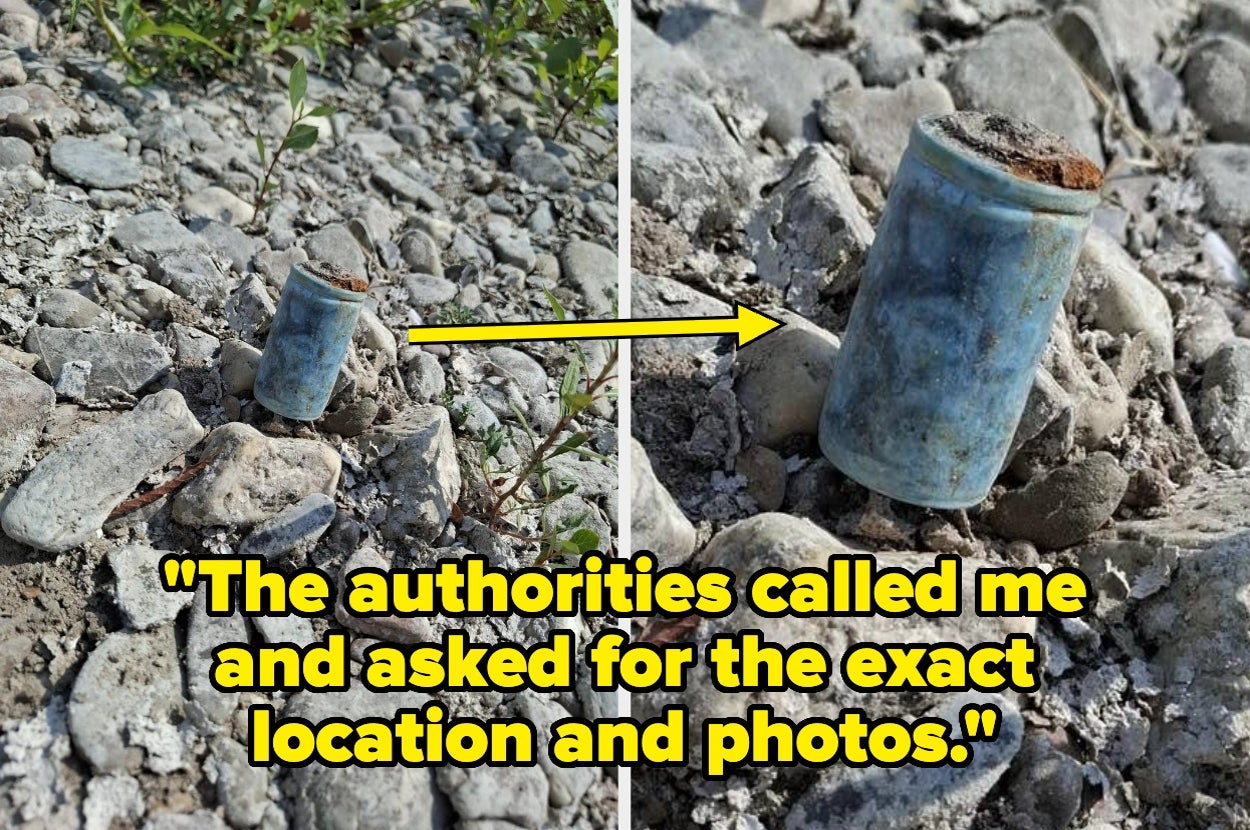
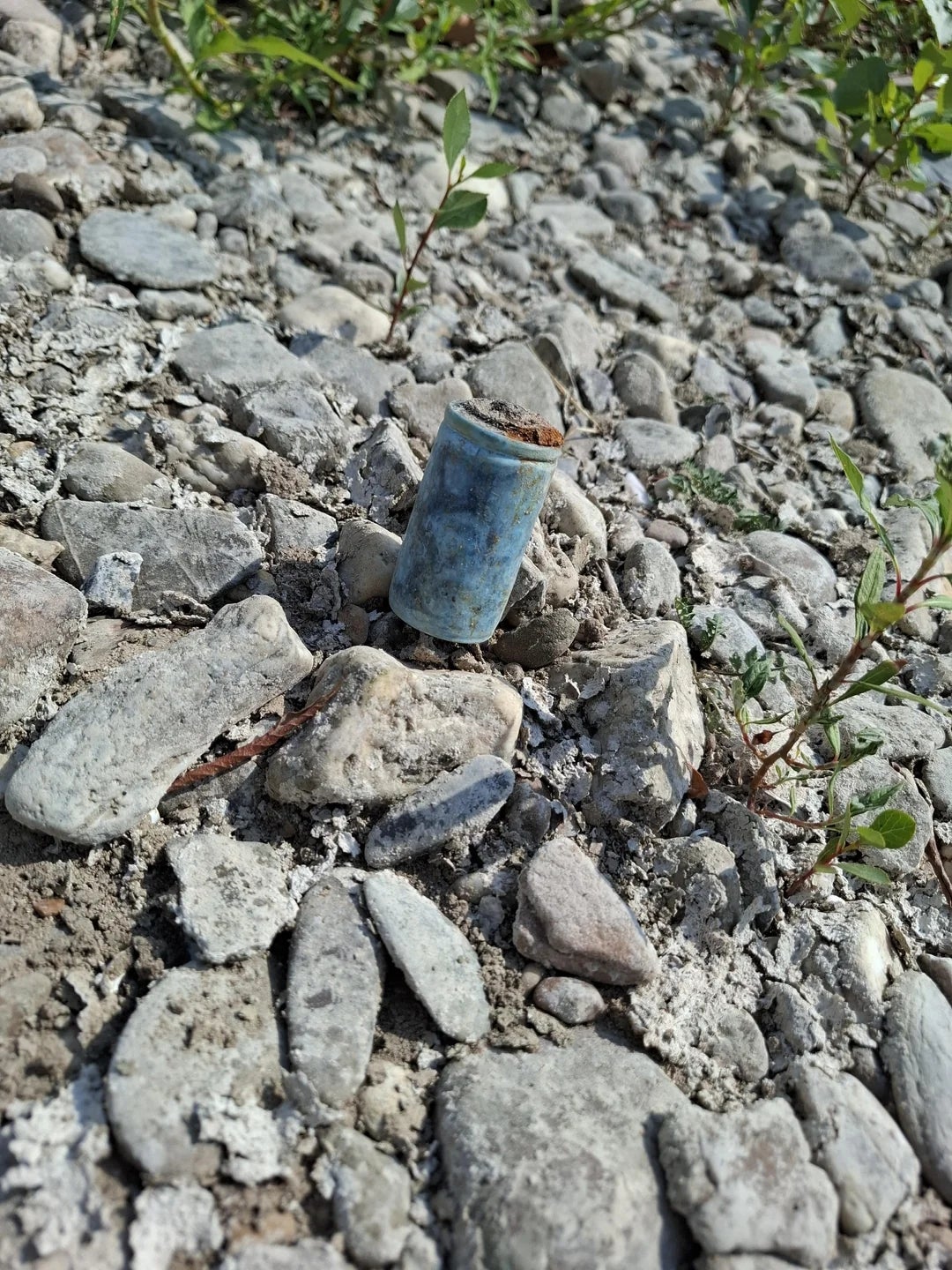
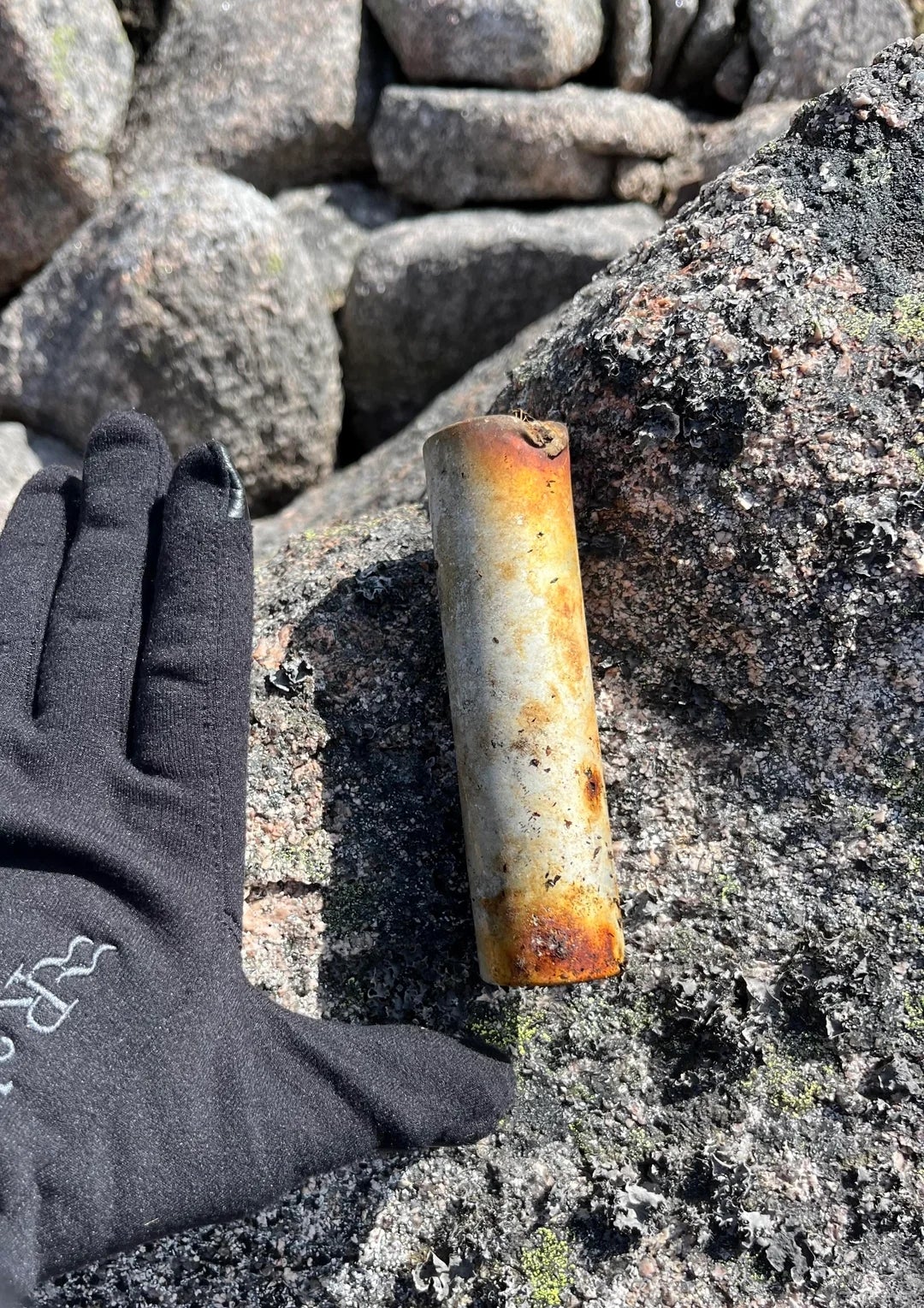
"No way to know without approximate measurements. It looks like a Sub C battery or a capacitor, but no one can tell because we have no approximate dimensions."

The original poster, RewardApart9633, followed up saying, "I showed the photos to a passing police patrol, but they said I should have called the police while I was still at the location. Since I live in Cologne and the object was about 30 minutes away in Bad Honnef, there wasn’t much they could do at that point, but they forwarded it.

Later that evening, the authorities in Bad Honnef called me and asked for the exact location and photos. The next morning, I woke up to several missed calls. They were already at the spot and had been trying to reach me.

They eventually found the object, and it turned out to be just an old battery. Interestingly, while searching the area, they did find something potentially dangerous, though. They thanked me for reporting it and said contacting them was definitely the right thing to do."

"It's an inner piece of a Rubik's Cube. May or may not be from a standard cube shape, but it's definitely from a twist puzzle of that type. I checked some of ours, and specifically it's from a 4x4 or 5x5 cube."

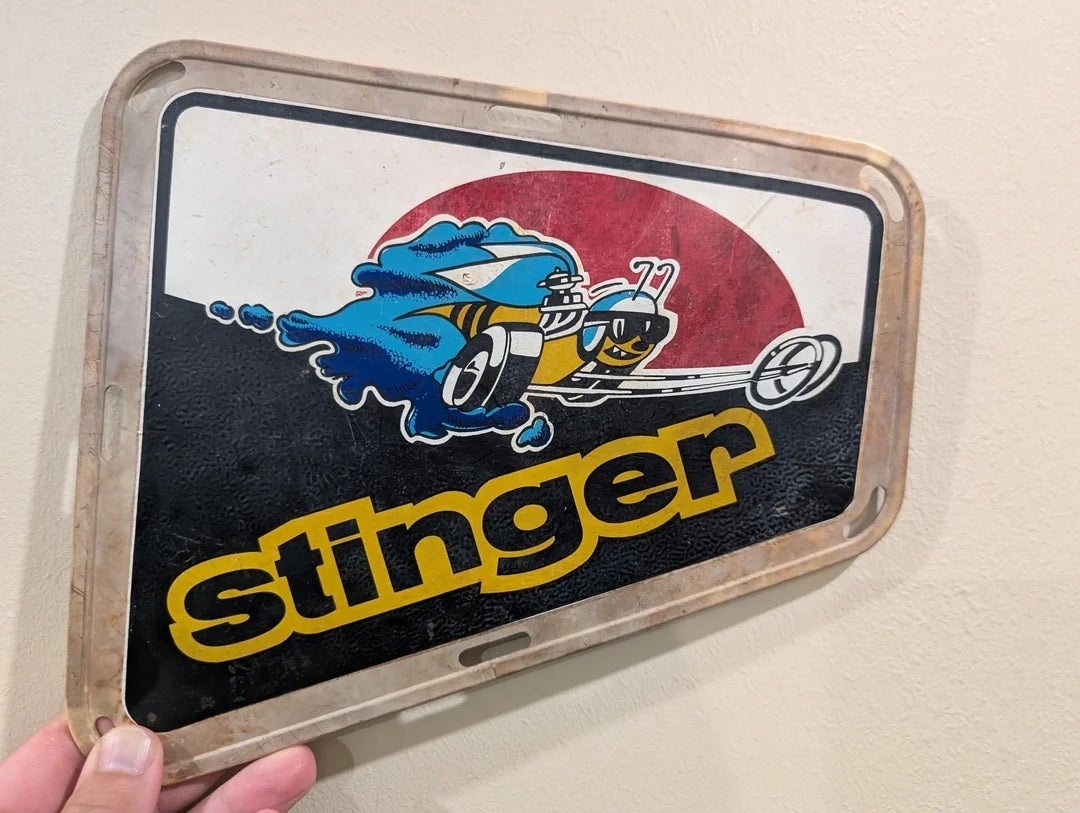
"Wow, does this bring back memories! This is a plate that is attached under the horizontal bar from the seat to the gooseneck on a small BMX bicycle. I had one in about 1976. I loved that bike! I thought I was so cool riding around the neighborhood. Thanks for sharing!

By the way, my bike was silver and super heavy. It had a long, rectangular-shaped seat, and the crossbar was triple. Plus motorcycle-like grips, and it made this creaking noise when I would pedal hard. It was so slow, but I freaking loved it."

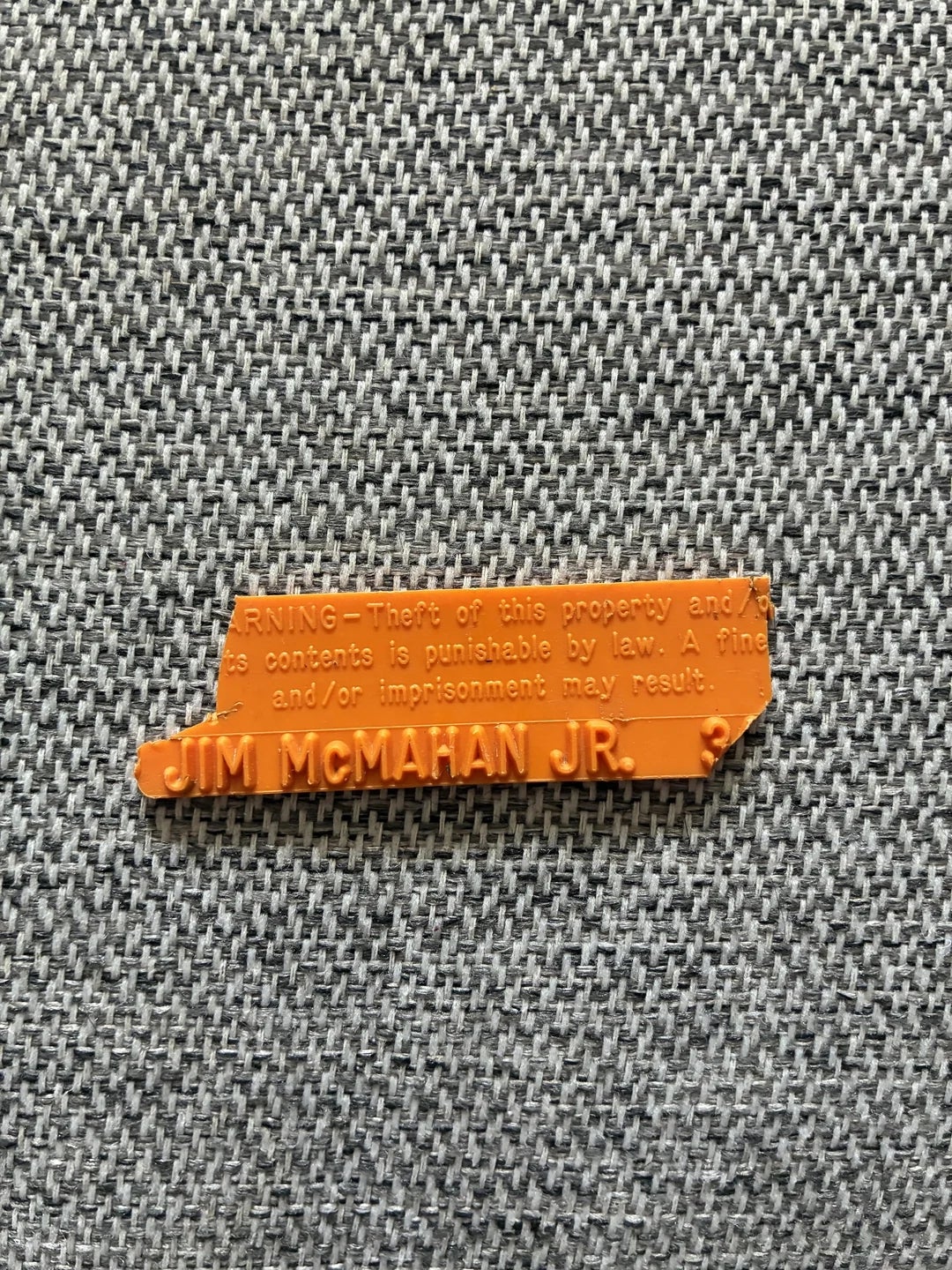
"It's a tag from a crab or lobster trap (or something similar), with the owner's name on it."

"This is it. A friend of mine found a complete one and traced it back to its owner halfway across the planet."

"That looks like UXO, unexploded ordnance.  Maybe an artillery fuze. Don't touch it. Call the authorities."

"Former EOD [Explosive Ordnance Technician] here. That should definitely be treated as UXO. It definitely looks like an artillery fuze.

I'm pretty close to certain that’s a British 101 percussion fuze. However, the blasty bits appear to be missing. Better safe than sorry, though."

"It sure looks like the fuse/tip to this 1916 4.5-inch Howitzer round I was able to match this up with."

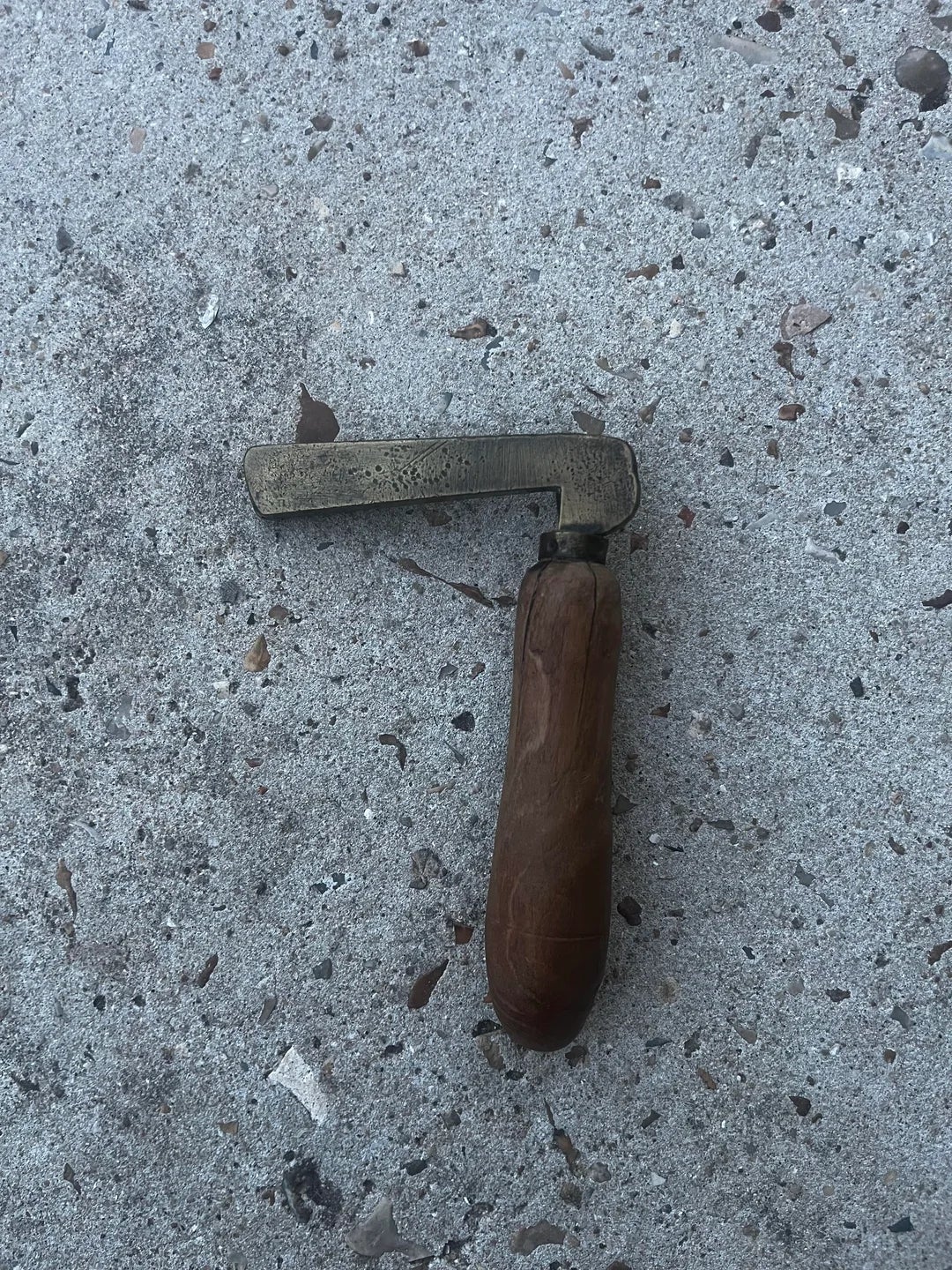
"This is an angled variation of a pusher downer tool. They are used in hatmaking. When you block felt, you tie a string tightly around the block and push it down with a pusher downer. Nowadays, they are straight, but they always come with an identical groove in the tip, just like yours, with one thin and one thick ridge.

I can't find an image of an identical one online, but that is not unusual. Hatmaking tools are somewhat obscure and were not standardized. So there are lots of different and local variations. But it's fabulous. I think I would prefer your version to the more modern ones, as you can use your thumb better. I build hats for the entertainment industry."

"I think that's a flare/smoke canister left over from mountain rescue, most likely."

"It looks like it was flooded and had a big algae bloom, and the water has now receded."

"Looks like dried out biofilm and algae from a dried out pond. Bacteria and algae will make a viscous, slimy matrix to protect themselves on top of stagnant water, and as it dries out, it will turn into that paper layer that sits on top of branches and stuff."

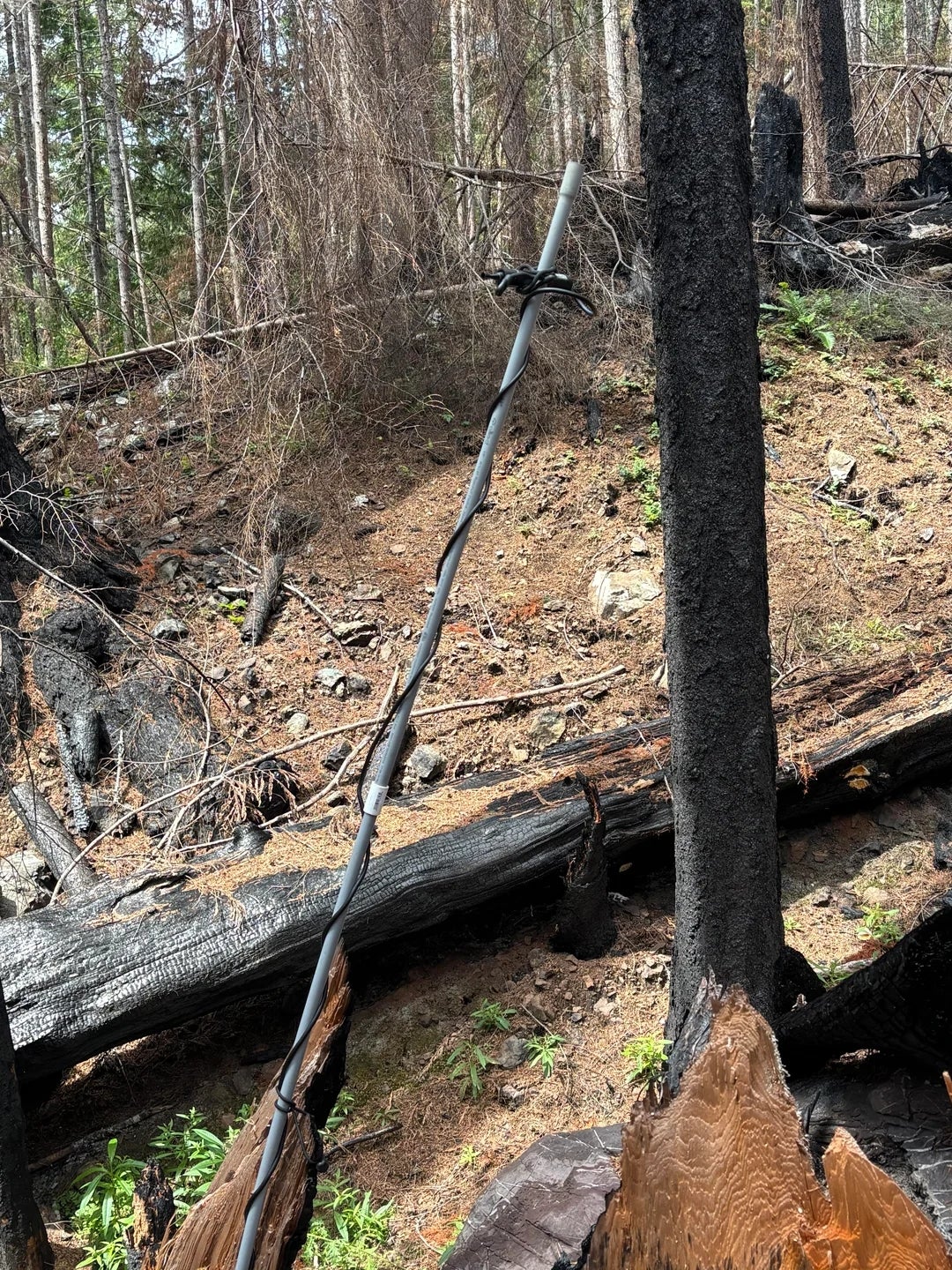
"That's a bat detector! Specifically, a Pettersson D500X. I'd know that thing anywhere; I've set them up thousands of times. This time of year, these are generally being used to collect presence/absence species data. There's a decent chance this was set out as part of the North American Bat Monitoring Program. After echolocation calls are recorded, they can be used to identify species."

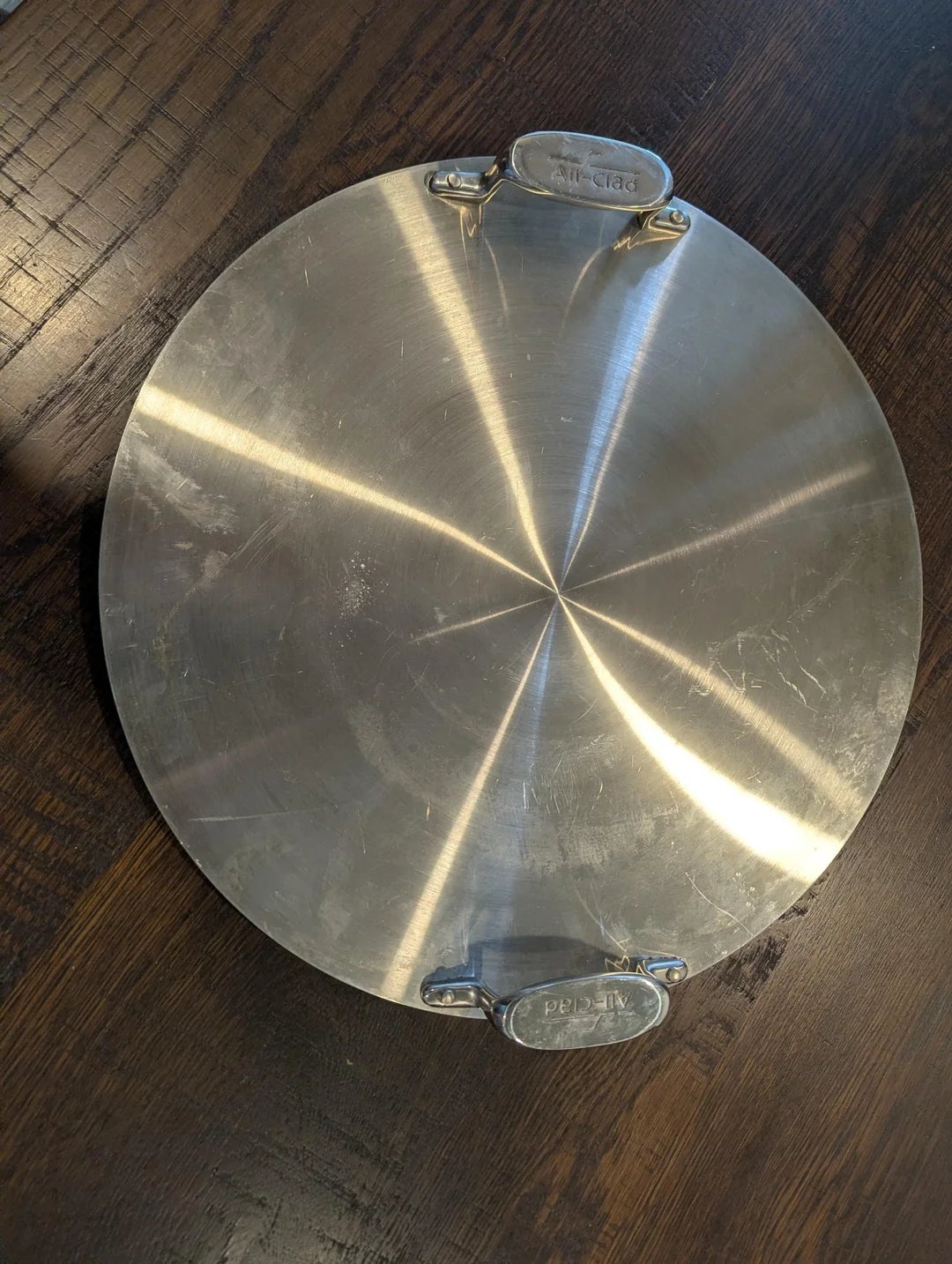
"This does not match any All-Clad products in production, so it's an odd one.

My first thought is that this is the in-between stage of the manufacturing of a typical All-Clad pan. All-Clad roll-bonds the metal layers into sheets, then cuts the bonded metal into blanks, which are flat circles that weigh a substantial amount.

Those blanks go into a 160-ton hydraulic forming press that stamps them into the pot or pan shape. All-Clad's patents describe the same sequence: a bonded multi-layer disc is deep-drawn or spun into shape, trimmed, and only then finished. A saucepan starts as a flat bonded circle that gets pressed up into walls.

However, handles go on last. In the process, buffing and then riveting of the handles occur after the pan is already formed. A hole punch attaches handles with rivets at the end of the line. A raw blank has no rivets and no oval logo plates. It's also finished, not raw. Blanks are unmarked and unfinished, but yours has a buffed radial finish and branded plates. So that's not what this is, sadly.

It's not a universal lid: The construction is wrong. If this really is clad (a steel-aluminum-steel sandwich), that's expensive heat-conducting material whose entire point is spreading heat across a cooking surface. A lid doesn't need to conduct heat at all, so nobody bonds aluminum into a lid. Lids are almost always single-ply stainless. The heft and radial-spun cooking finish point to a heat-transfer surface, not a cover.

What you have is a completed flat product (most likely the griddle/diffuser/warming-plate tool). 15" is a common griddle diameter, so that'd be my guess, but it is unusual that I can't find any indication of this from any All-Clad product catalog."

The original poster, FloydNimrodMoosen, decided to email All-Clad directly and shared their reply: "Based on the images, this was an early All-Clad idea, a concept pizza pan, an idea which was not an active product of ours."

Then the All-Clad account itself (allcladusa) followed up in the thread itself, saying, "I know this is solved, but adding more details to the email we provided: We checked with our resident historians for review, and this was actually never an item we sold.

It was made in-house, and employees were the only ones who would have had them, so clearly someone parted ways with theirs. Hope that helps!"

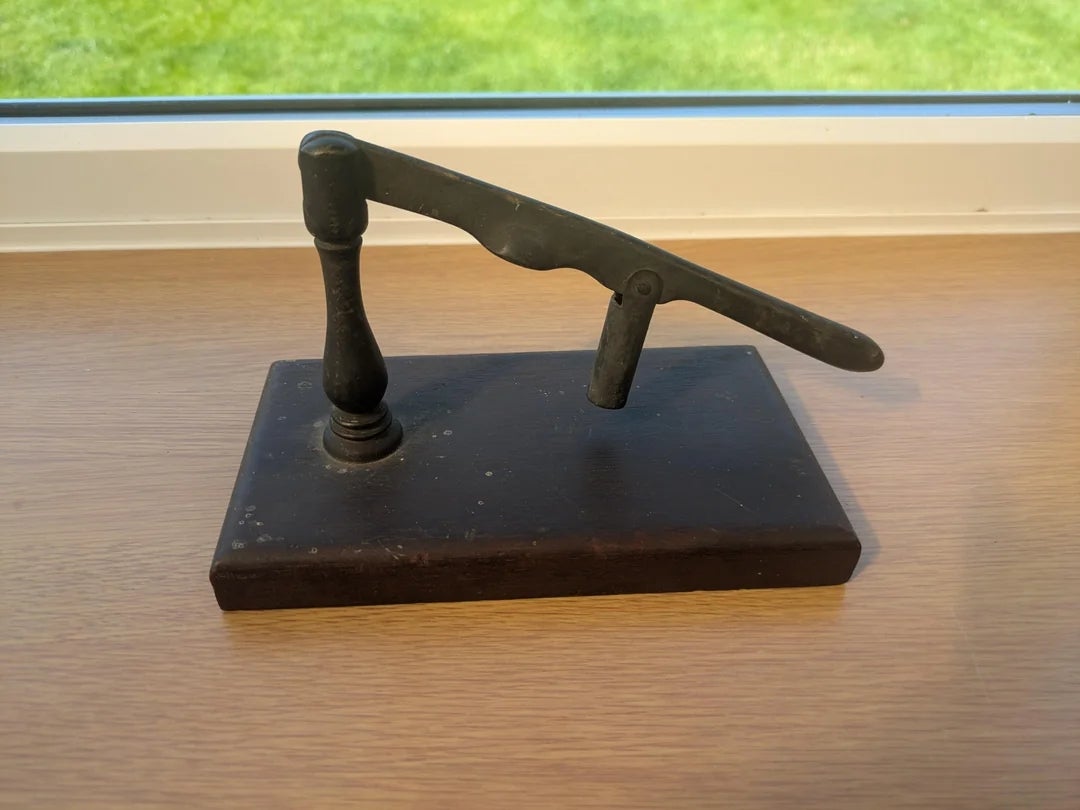
"I believe this is to load a ‘cap and ball’ revolver cylinder. Here is an example of a modern one found on eBay. Most modern models are for specific cylinder sizes and feature an additional stabilizing rod that would protrude upward from the base, that you would slide the cylinder onto. Some also feature replaceable tips for the loading ram."

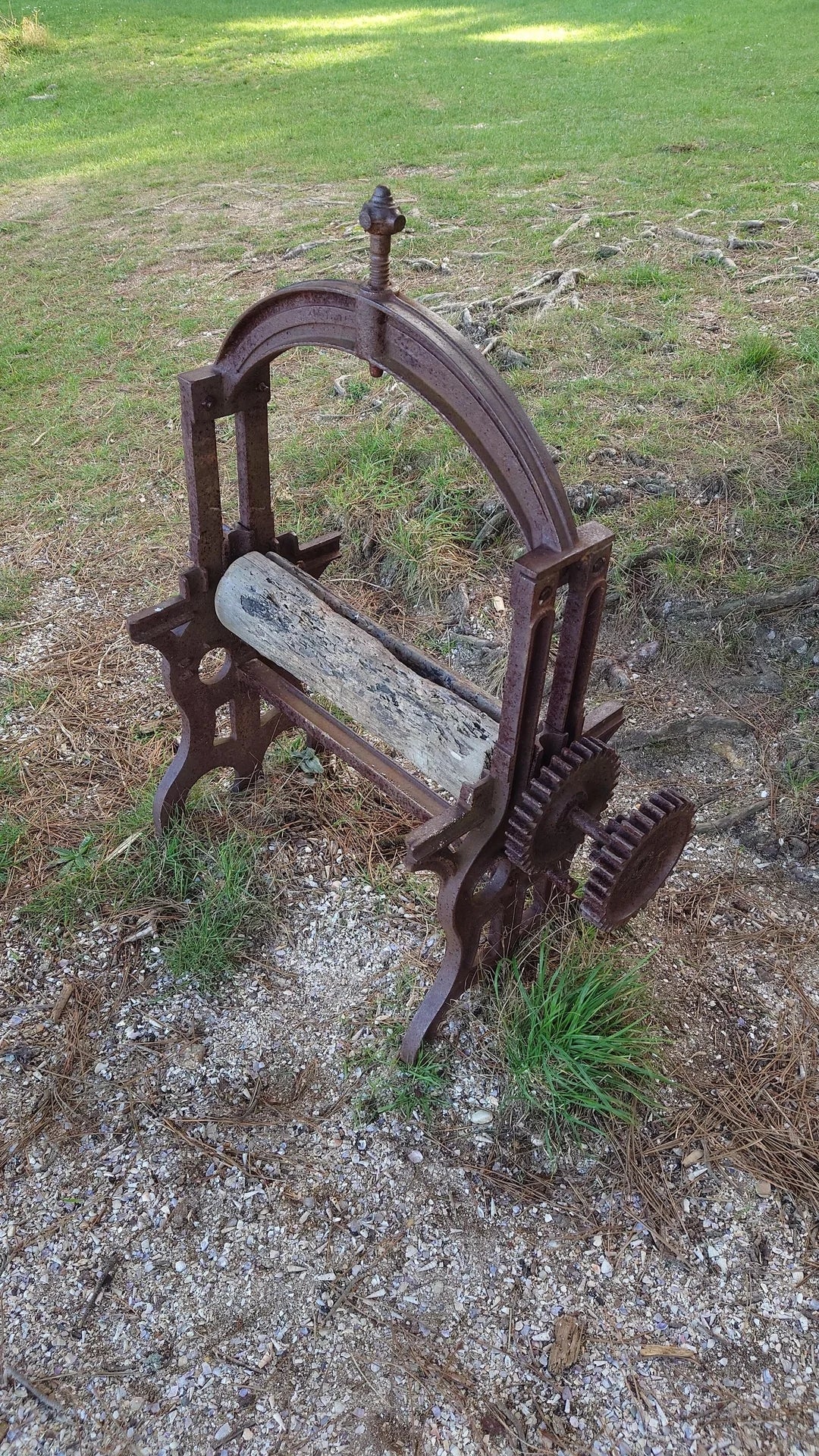
"Looks like a mangle, which was used to wring the water out of laundry."

"Is a mangle. We have one in one of the farm sheds, nearly identical in state, too."

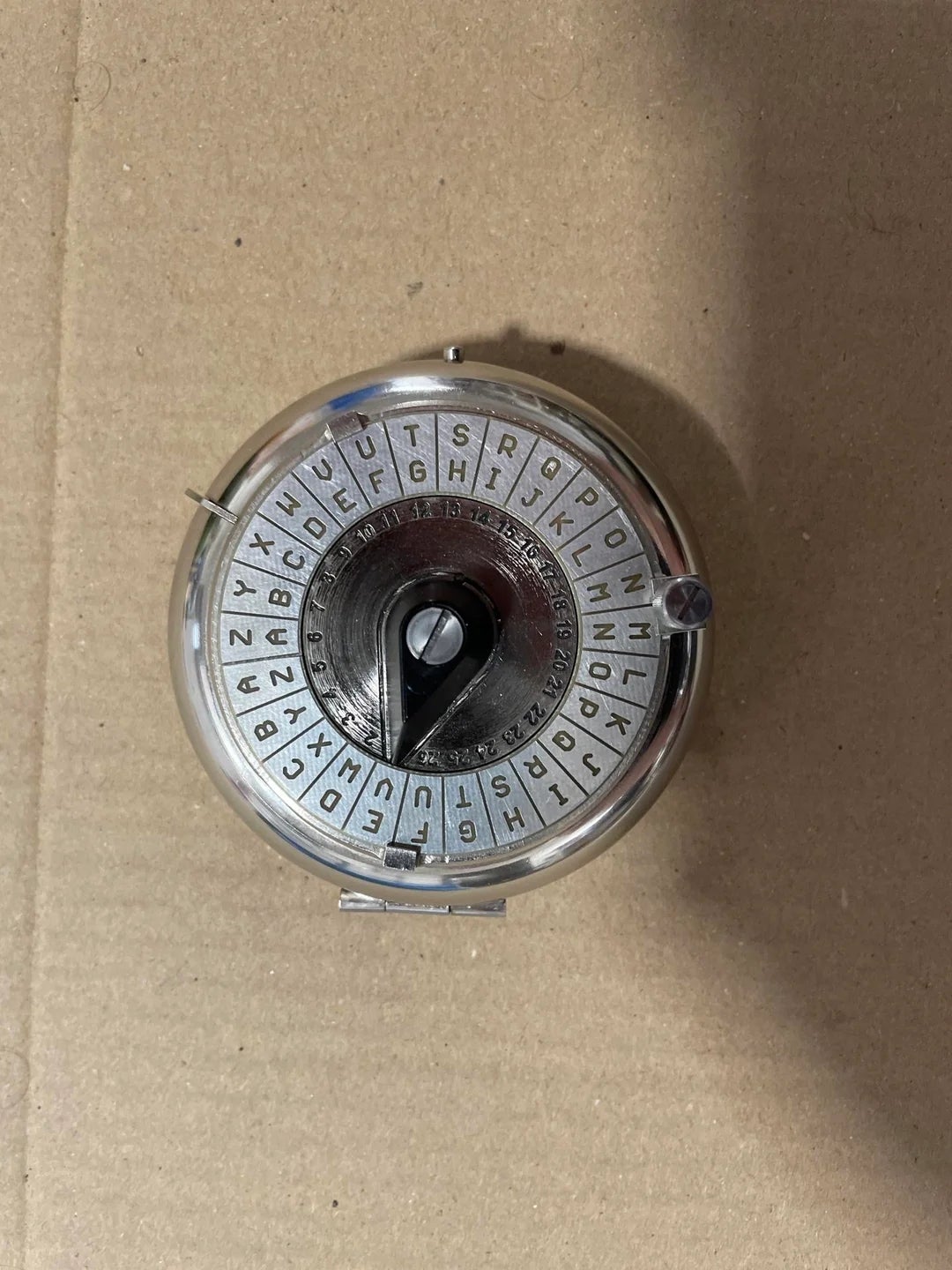
"Former USIC here. It's definitely a pocket cipher of some type, most likely pre-digital age. After some consulting with my own contacts this morning, it was called the Walnut. It was originally made toward the tail end of WWII in Hungary! However, many Hungarian intelligence officers made replicas post-war to keep the heritage and tradition alive, which this example most likely is."

"It's a harp off a melodian. It mounts to the underside of the melodian by the dovetails at the top. There are wooden pushrods that are placed in pockets on the back of the pedals. One runs up into the bellows, the other runs to a damper that affects the sound level. The player pumps the right pedal to pump air into an accumulator while he/she plays the keyboard. Source: I have one in my basement, but it has three pedals. It's in need of restoration."

"I showed it to my father, who confirmed this is the exact keyhole cover from his old antique camelback steamer trunk."

"Looks like an upside-down drive-up bank teller window."

"Yup, the bit hanging down you can see from the back is the flip top for the missing drawer."

"You're correct about it being a bank teller window. Here's an identical one. Odd for it to be out there."

"Could it be glass? A bottle bottom? The mark looks similar to other bottle marks I’ve seen. Similar to the Owens-Illinois Glass Company’s mark."

"Yes, this is it. Here is a great link for info."

"This bears a strong resemblance to a Carl Gustaf 84mm recoilless rifle double pack ammo container. Leave it alone and contact authorities."

"Absolutely is. I just saw one for sale."

"This could be from one of those heat/sun lamps. I used to see those all the time at thrift stores. After looking at pictures, I'm pretty sure that's what it is."

"Exactly what this is. It looks like the element is blown."

"It's to give you an idea of the time zones. Spin it till your time and location match, and you get a rough idea of what time it is elsewhere in the world."

"Found the logo. It's the timezone marker to a globe by Weber Costello."

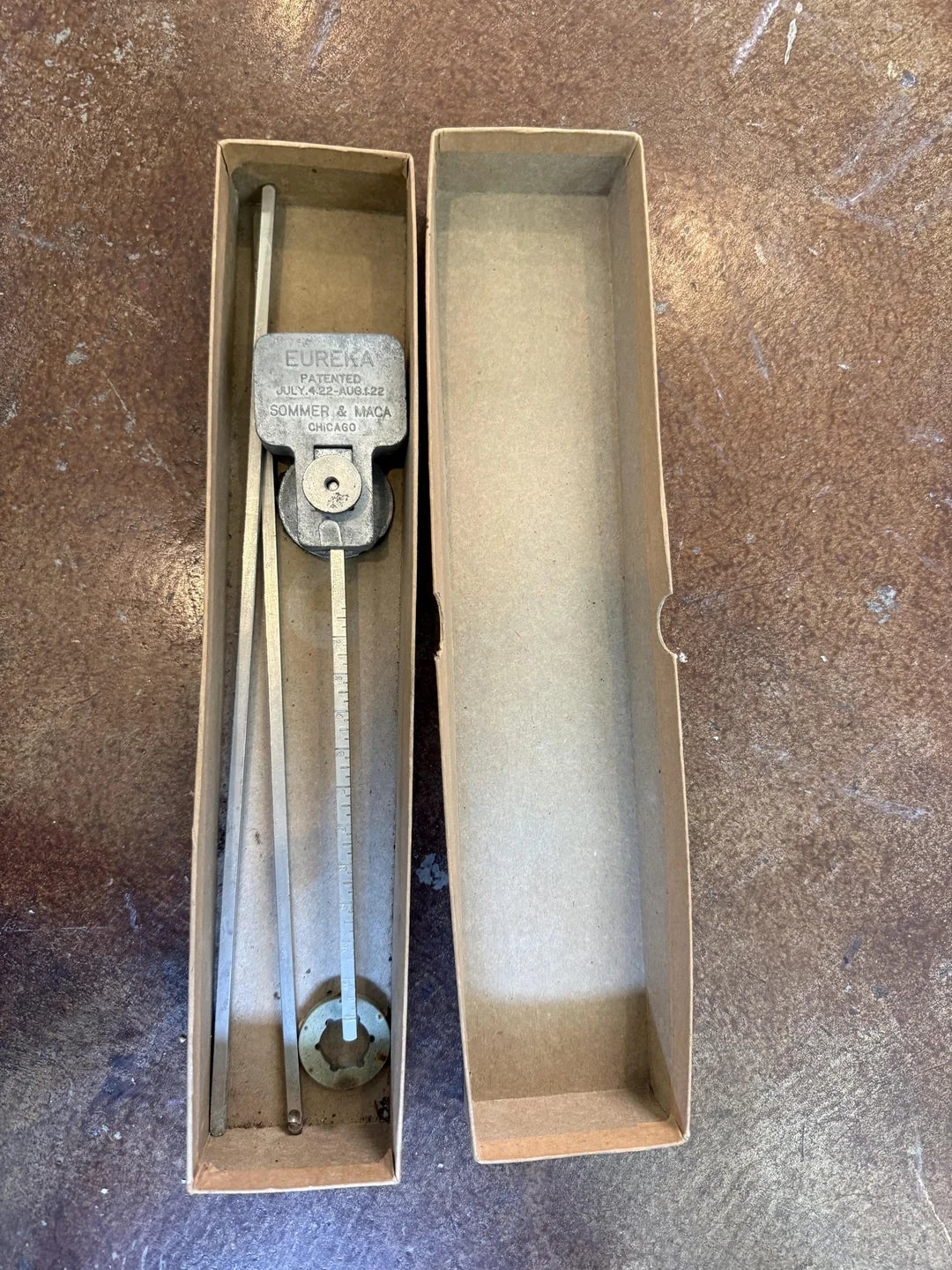
"It’s for dialing very old rotary phones when you were crazy rich. Here is another version."

"Jeweler's vise or jeweler's clamp. You use it to pinch and hold a small workpiece, and then the wedge holds it securely. It lets you hold a small piece like a ring or pendant for operations like filing, buffing, etc., where you don't want to hold the ring directly in your fingers next to spinning wheels, etc. Here's Adam Savage talking about them."

"It's from a spiraling whitefly. They usually do this on the underside of leaves. They lay their eggs in a pattern like that, so it's eggs and the white protective layer on top. When the eggs hatch, the pattern will still be there. It should just wipe off."

"It is a piece of a 'twisted snaffle' horse bit."

"That's a really cool find! A twisted snaffle bit makes a lot of sense given the location near a Revolutionary War battlefield. These were commonly used for horse tack, and the twisted design was meant to provide a bit more control. It's amazing that it survived in such recognizable condition!"

People Were Totally Stumped By These 29 Weird Objects Until The Internet Solved The Mystery

“Wow, Niche Knowledge”: 37 “Bizarre” Things People Stumbled Upon That Were So Confusing They Had No Choice But To Ask The Internet For Help

41 Times People Found Something Really, Really Odd And Needed The Internet To Identify It For Them
Comments
You must be logged in to comment.