buzzfeed Press
9 Incredible "Stand By Me" Behind-The-Scenes Stories Wil Wheaton Shared For The 40th Anniversary
Images
1 / 18
2 / 18

3 / 18
4 / 18
5 / 18
6 / 18
7 / 18
8 / 18
9 / 18
10 / 18
11 / 18
12 / 18
13 / 18
14 / 18
15 / 18
16 / 18
17 / 18
18 / 18
Forty years after “Stand by Me,” Wil Wheaton looks back on making the beloved coming-of-age classic, opening up about Rob Reiner, filming the iconic train scene, and the deeply personal reason he connected so strongly with Gordie.

I’m a pop-culture writer covering everything from TV and movies, to music, Broadway, books, and games.

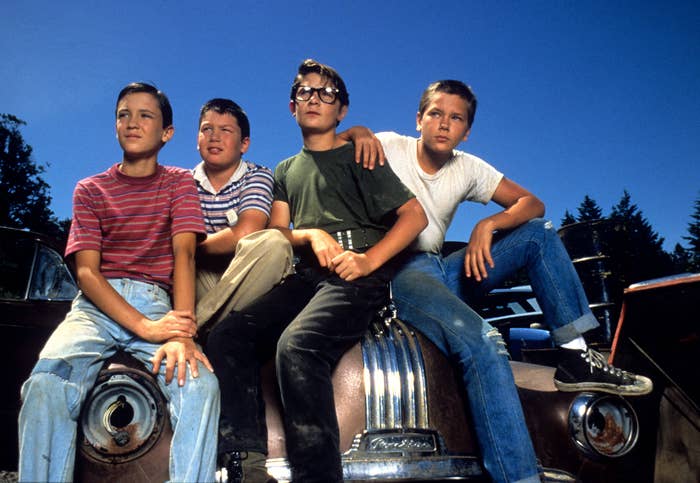
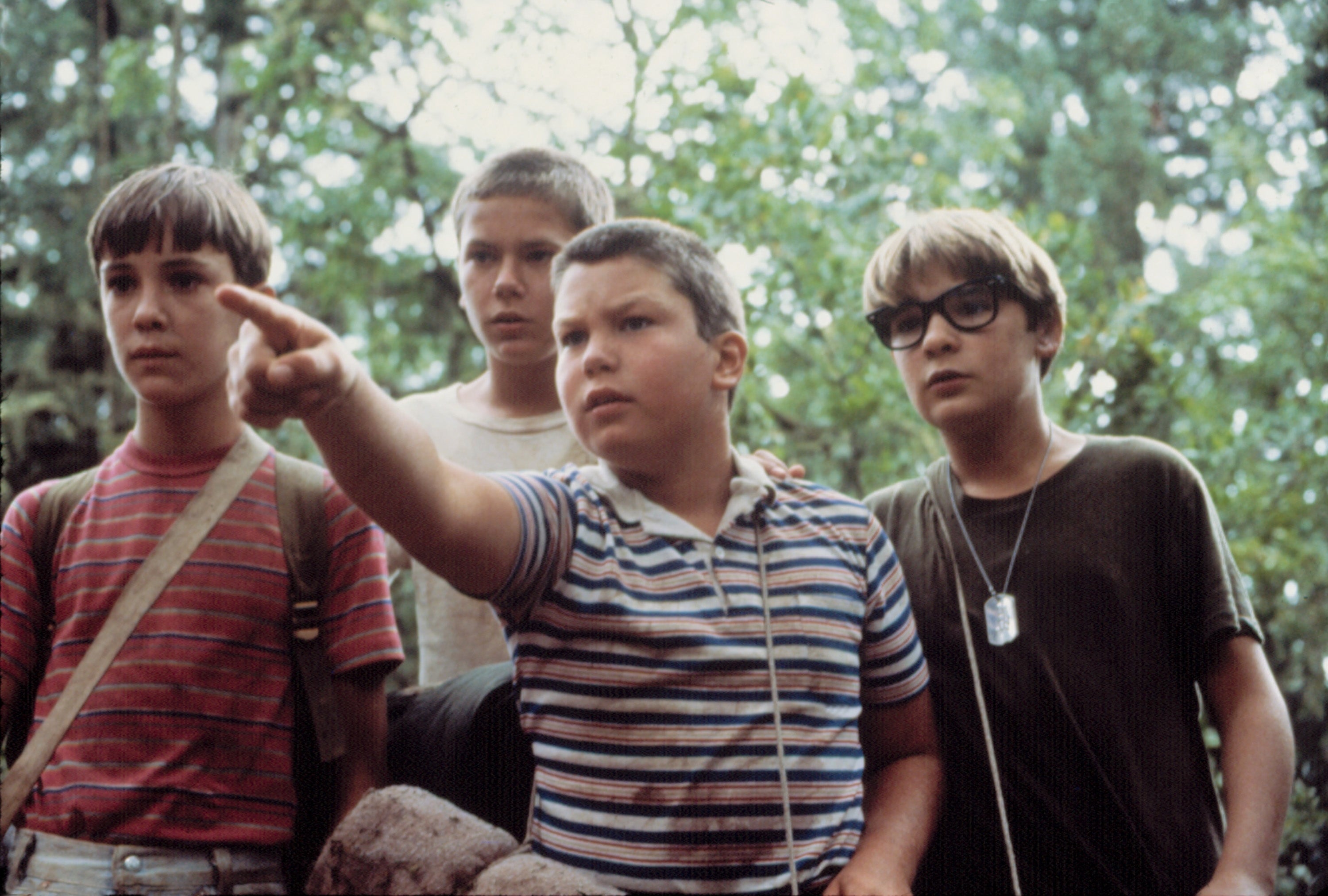
Stand by Me is a movie I've watched once a year since I was in high school, and I don't think I'll ever get tired of it. The Oscar-nominated adaptation of Stephen King's The Body is a truly timeless story, and to this day, new generations continue to discover Gordie, Chris, Teddy, and Vern. Part of what makes Stand by Me so enduring is how grounded it feels. The friendships and the performances are so authentic that it never feels like you're watching actors, allowing you to truly immerse yourself in their world.

To celebrate the film's 40th anniversary, I sat down with star Wil Wheaton to look back on making the beloved classic. From his memories of Rob Reiner and River Phoenix to the story behind the train scene and his deeply personal connection to Gordie, Wil shared a fascinating behind-the-scenes look at the film that changed his life.

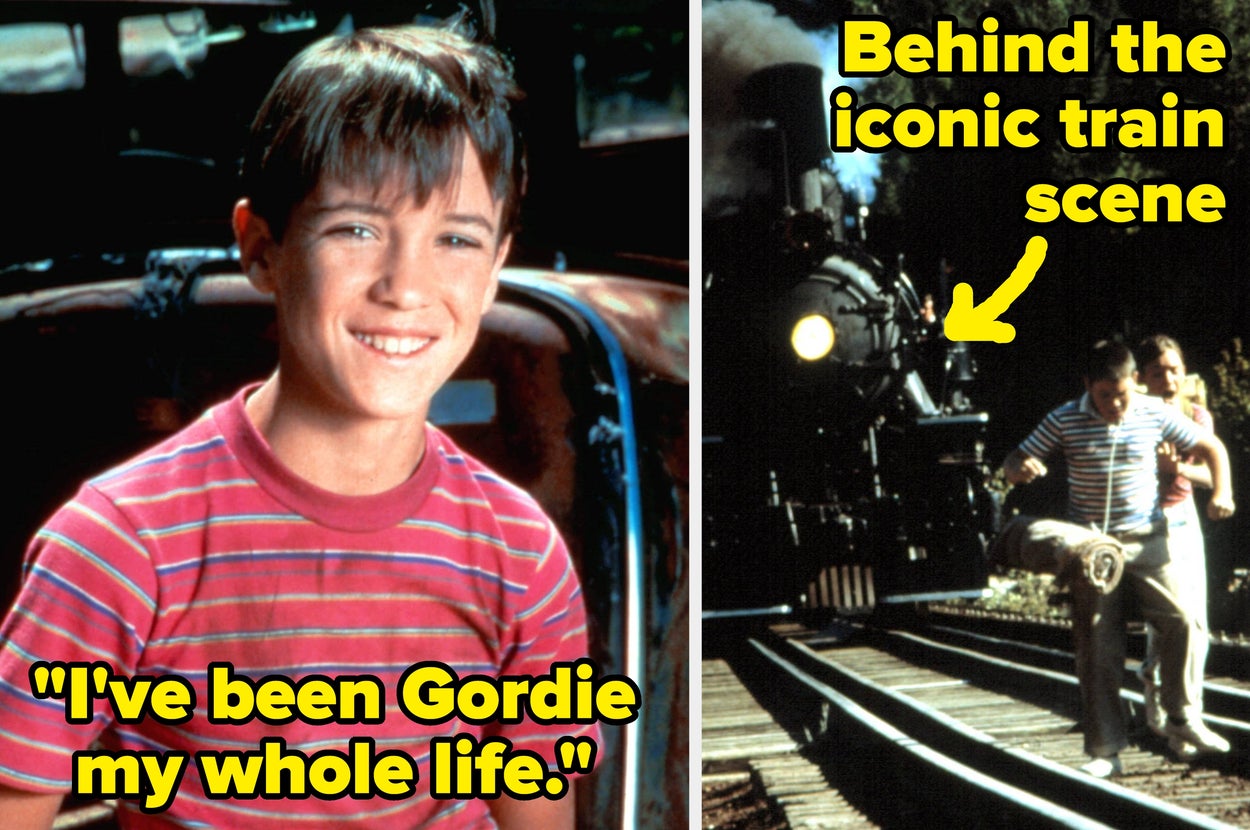
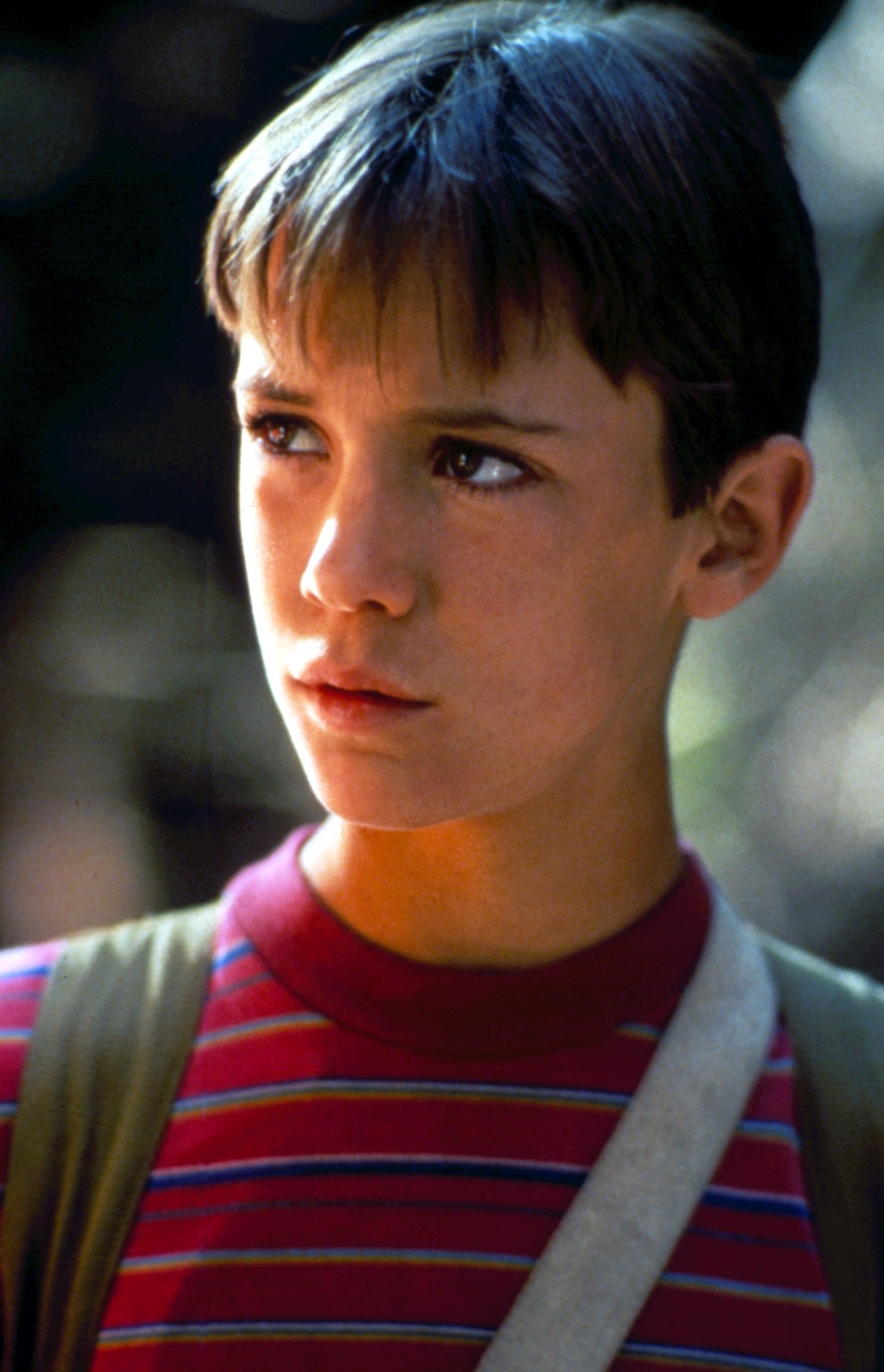
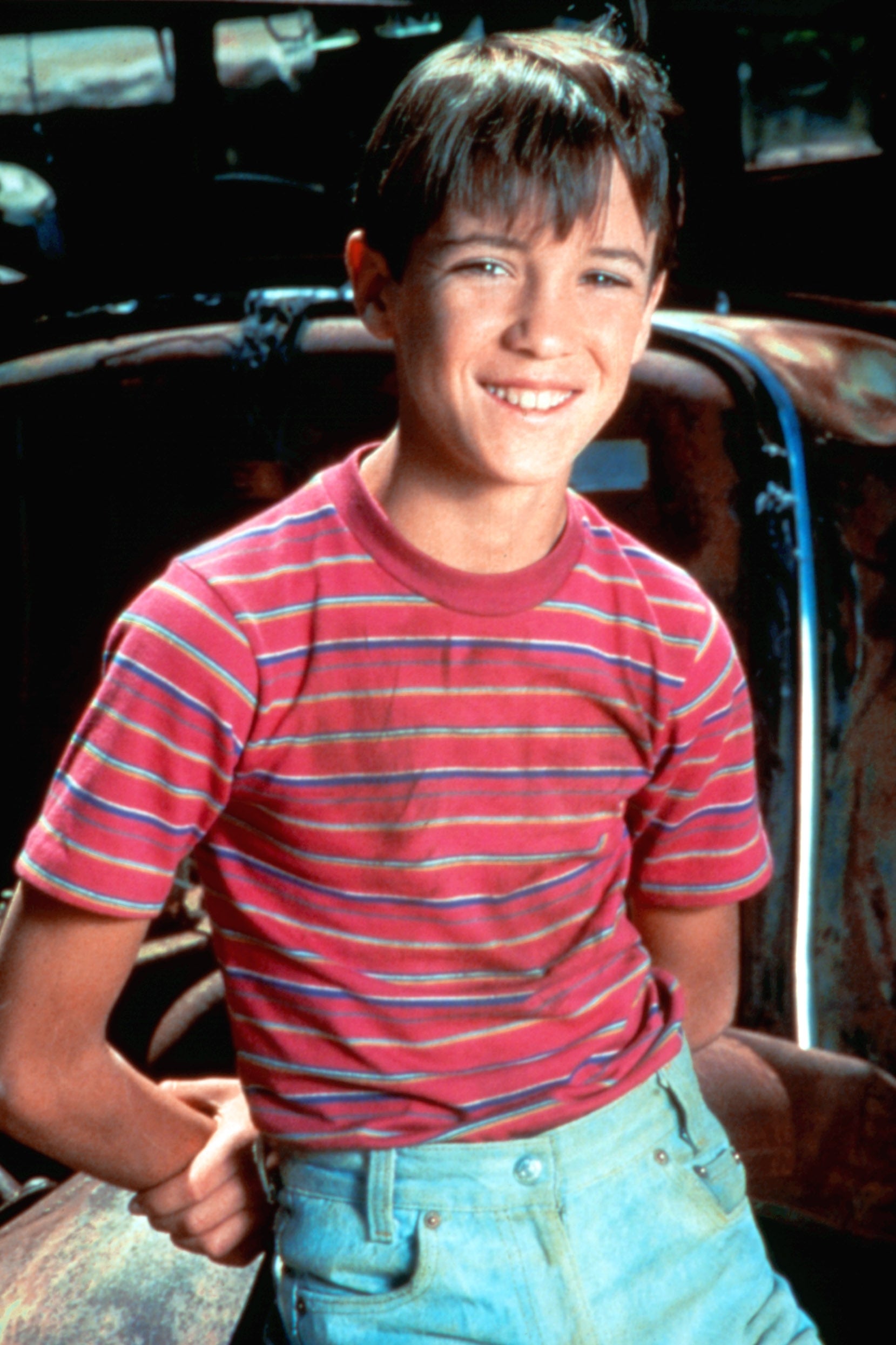
Wil: I am Gordie. I've been Gordie my whole life, and I didn't even realize that until I was in my 40s. I grew up in a house where my dad really hated me. I still don't know why, but for as long as I can remember, I've had only two memories of my dad being kind and loving toward me, and that's it.

We auditioned for Stand by Me toward the end of 1984, and production began in June 1985. In 1984, I was barely 12 years old, and I was doing everything that I could to be seen by my family — to get my dad to notice that I existed.

Meanwhile, my mom was forcing me to be an actor, which was not something that I wanted to do. I was 7 when she made me go to work. By the time I was 8 or 9, I was constantly telling my mom, "I want to be a kid. I don't want to go to auditions every day after school. I want to go home and play with my friends and get good grades."

My mom made me believe that this movie was going to turn it all around — that I was going to be famous. She didn't say it, but she implied that this is how my dad would finally notice me.

There is no one at 12 years old who knows how to be an actor. What kids know how to do is to exist naturally in front of a camera in a room full of strangers. When I went in for the audition, I just did the scene the way it came naturally to me — being a kid who was sad and lonely, ignored by his dad, who didn't understand what was going on, but had good relationships with his friends.

Wil: The reason that we are all so good in Stand by Me, and the reason Stand by Me is something we are talking about 40 years later, is that Rob Reiner understood that you cannot direct kids to be actors. You can make kids comfortable in an environment where they can be creative, take chances, and be vulnerable.

Before Stand by Me, every single director I worked with treated me like I was just a stupid thing to be pushed around. No director ever tried to talk to me like I was a person. No director ever talked to me about the emotion underneath the scene. They never talked to me about what the characters were going through.

There was a director who wouldn't even tell me to go stand on my mark. I still remember being 10 years old and being pulled around the set by this guy. I jerked my elbow away from him and told him, "You can tell me where to stand." Instead of the set backing me up, the whole set was going, "Oh man, that kid's gonna get yelled at now." That's how it was in the '70s and the '80s.

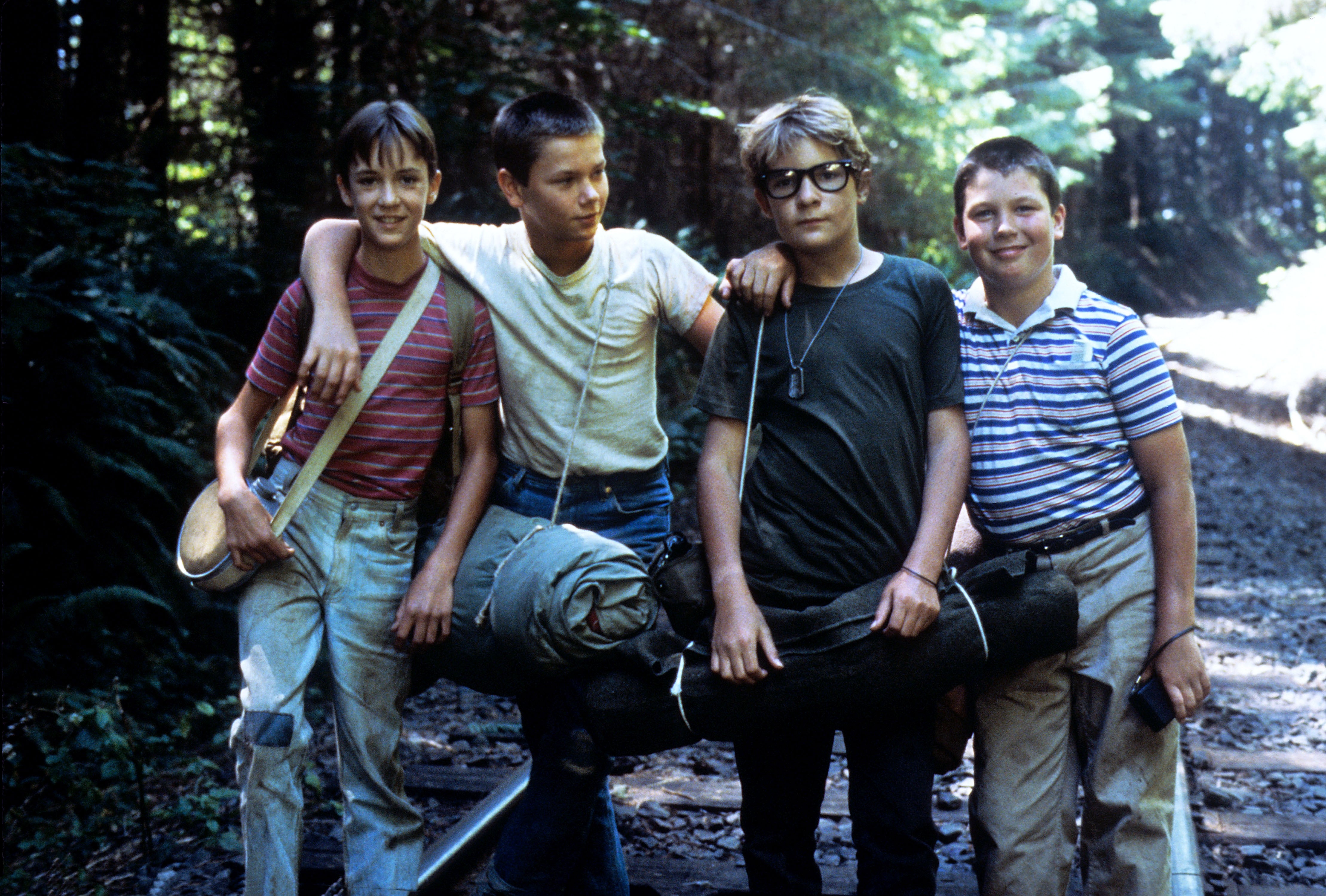
But when we got to Stand by Me, Rob Reiner spent two weeks with the four of us, playing theater games, doing improv exercises, and going through rehearsals. He encouraged us to take chances, to try things that I'm sure he knew wouldn't work, but we needed to feel to help our performances come out.

He created an environment where we could be friends, trust each other, and trust him. He was gentle and loving, and the very first adult male in my life to treat me with kindness and respect. He is the first adult in a position of authority who treated me as a person worthy of doing what I had been put there to do.

Wil: I asked Rob during production, "How did you choose each of us?"

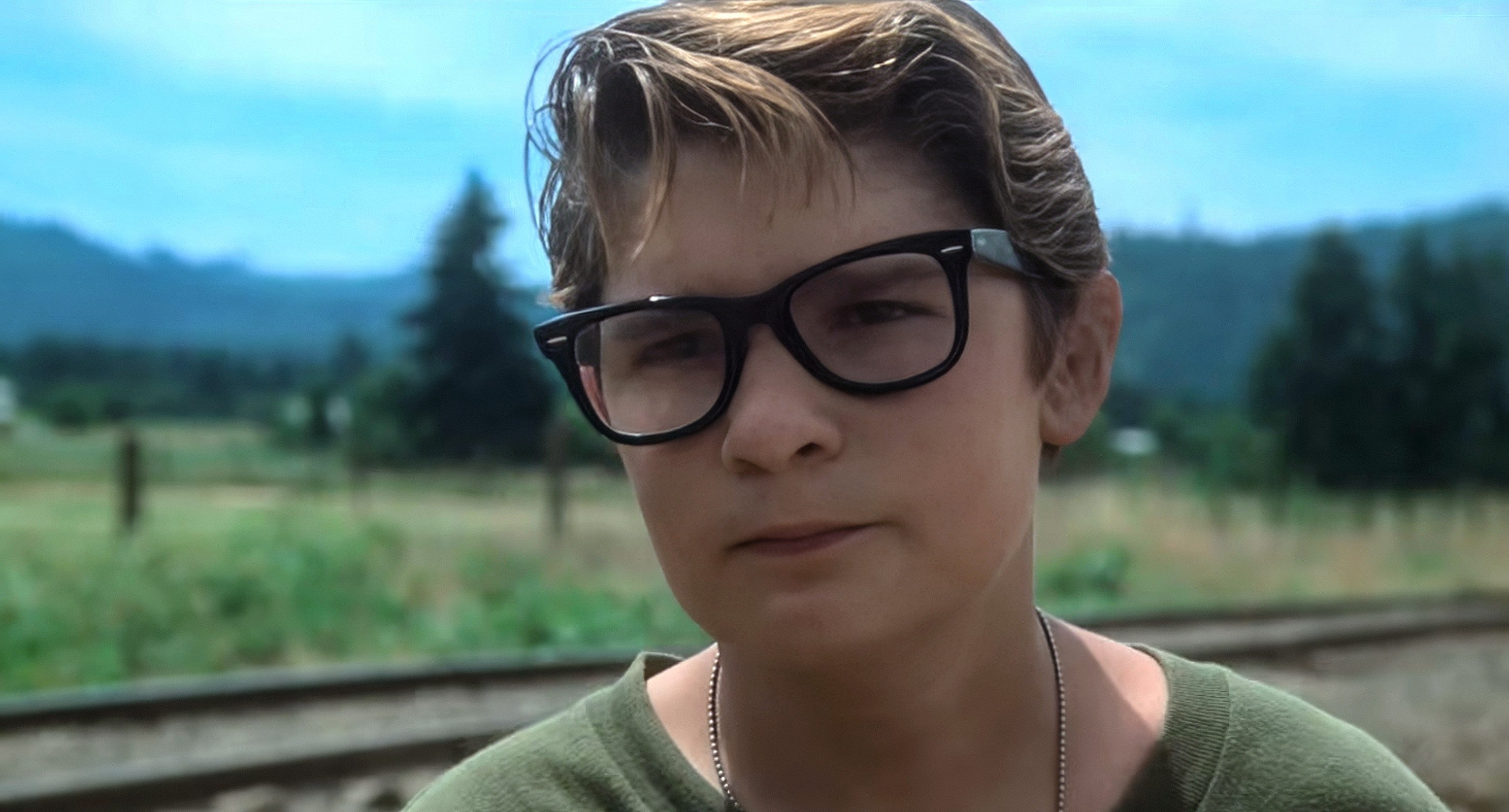
I remember him so clearly saying that he cast Corey because he saw 500 kids for every role, and he said Corey was the only actor who had the same amount of pain and rage that Teddy had.

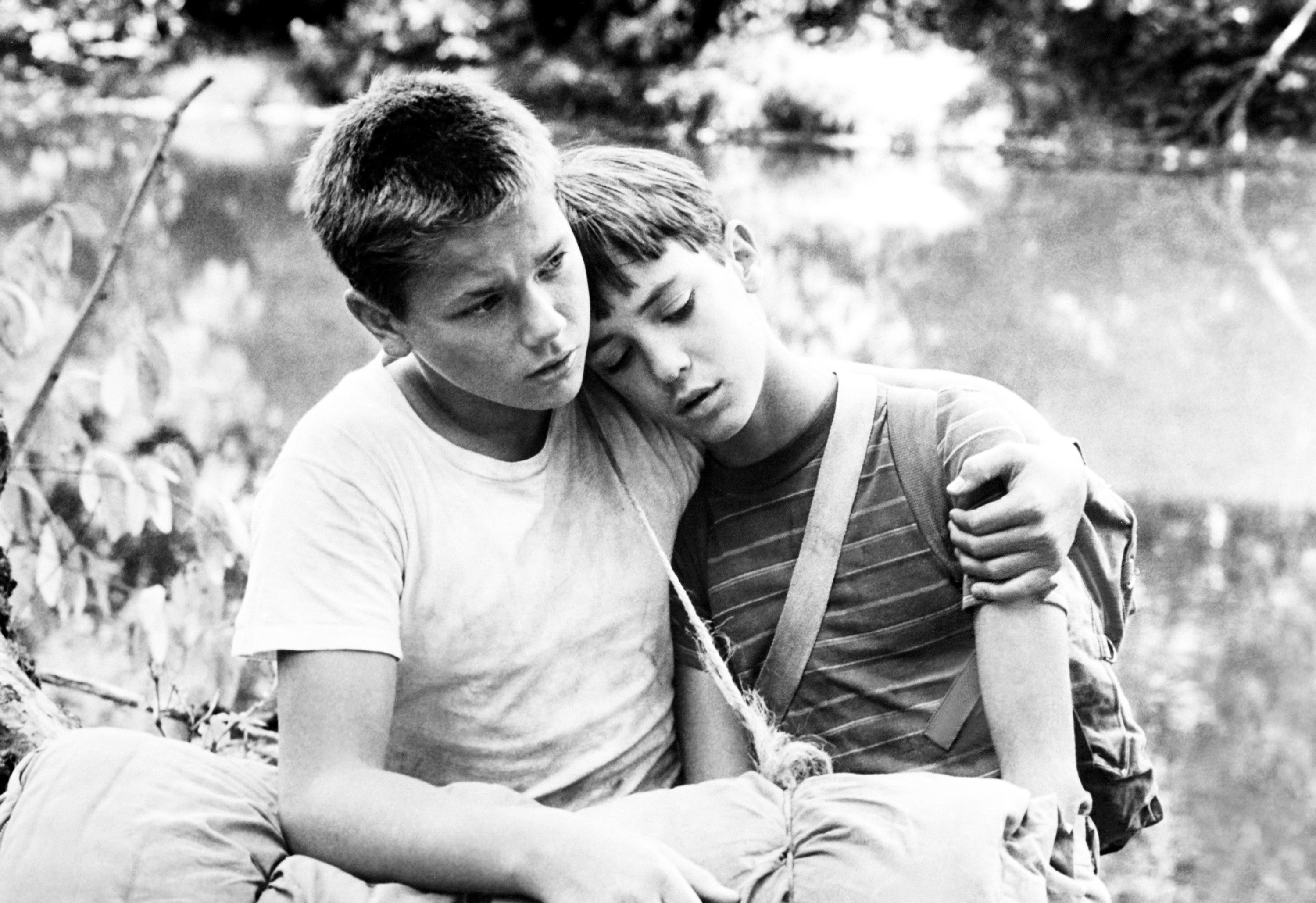
River was constantly told by others who he was and what he could do, just like Chris. I believe that River wanted to be a musician. I believe that his beautiful artistic self was about making music, writing music, and singing songs. I believe that his parents exploited him the same way mine exploited me, and put him into acting instead of letting his natural artistic drive reveal itself.

I wish we could've talked about it together, but at the time, we were just kids, you know?

Jerry makes everybody laugh. To this day, we're on tour for the anniversary, and Jerry cracks me up every show. That's who Vern is. Vern is sweet and guileless, and just wants everyone to have a good time. That's Jerry.

Wil: I asked him, "Okay, why'd you cast me for Gordie?" Rob said, "You were the only kid who could play Gordie."

He didn't tell me. I think he didn't tell me because no kid wants to hear, "I could see that your dad hates you, too. I could see how sad and lonely you are."

We've been on tour with Stand by Me, and I've watched it eight times in just a few months. I'm becoming something of an expert on it, and I'm starting to look at different aspects of it now. The first few times Jerry, Corey, and I watched it, we sat in the theater together and reminisced through the entire thing. The next time we watched it, it was just Jerry and me, and we were analyzing our performances.

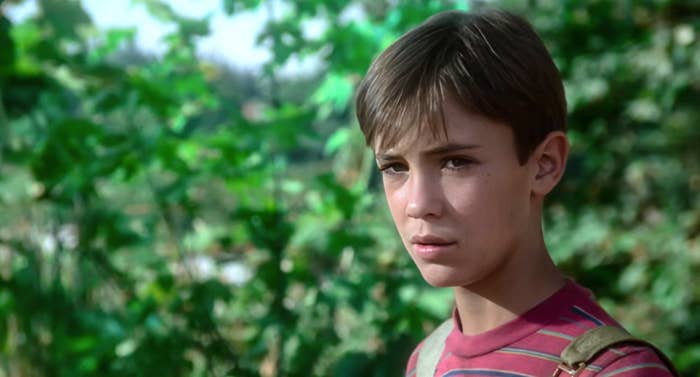
I can see there is a grief that hangs on my body in that movie. There is a sorrow in my eyes that exists in Gordie because the brother who loved him, the only person who loved him outside of Chris Chambers, is gone. His parents are so messed up that they don't realize Gordie is hurting, too.

I think if Rob had told me that, I wouldn't have been able to handle it. I figured it out on my own sometime in my 40s. I thought, "Oh shit! I know why I'm Gordie." It's because when Gordie says, "My dad hates me. I'm no good," I could have also said that.

I had hoped that I would get to talk with Rob this year. I had hoped that we would all go out together. He was taken from us, and that is a sadness I will carry for the rest of my life.

I did get to talk to Ray Gideon and Bruce Evans, who co-wrote the Oscar-nominated screenplay for their adaptation of the story. I got to talk with them about how they saw us and how they cared about us.

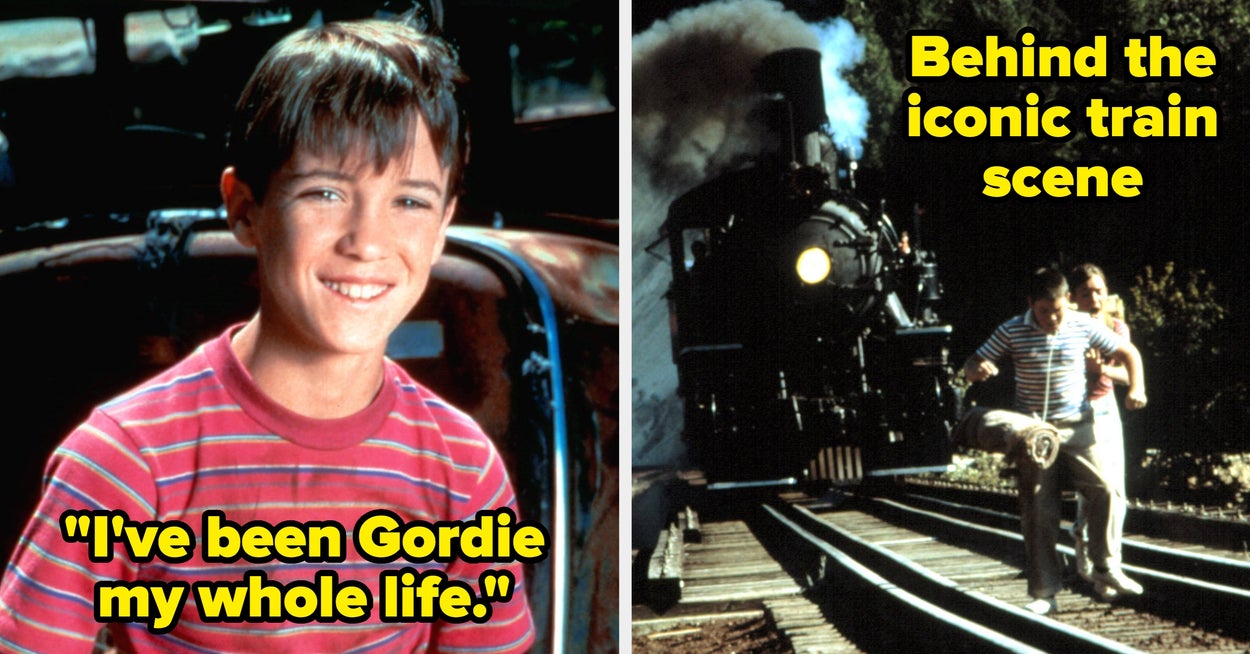
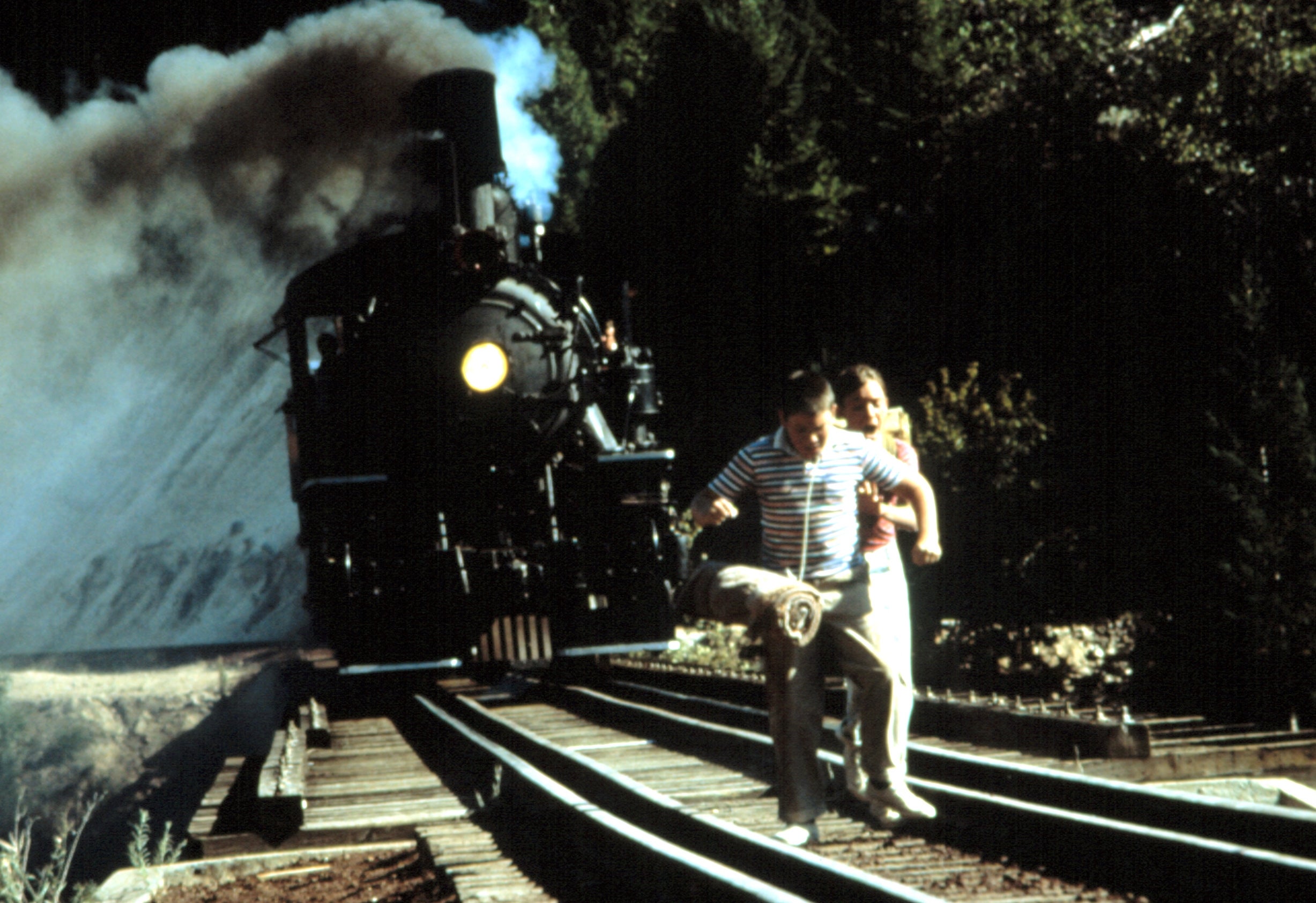
Wil: When we filmed the train on the trestle, it was near the end of production. We'd done all of our principal photography in and around Eugene, Oregon, and then we moved to Burney, California. The bridge is still there; it's all closed off now, and there are barricades everywhere saying, "Hey, fans of Stand by Me, stop walking out on this bridge!" (Laughs) No one listens to those signs. I get pictures a couple of times a month from people who are like, "Hey, look, guess where I am?" It never gets old. It's cool every single time that happens.

On this particular day, we're gonna shoot Jerry and me running away from the train. They had built a ramp that went along the railroad ties. This way the stunt performers, who ran in front of that train for real, weren't running over spaces in the railroad ties.

We get to watch them do that a couple of times, and there's so much energy and excitement in the air. There's a helicopter shooting aerial stuff, and it's a big deal. I remember feeling just beside myself being there.

They built this dolly for the camera to roll back and forth on the train tracks. It's not the lightweight kind of dolly — it's actual train wheels, it's very heavy, and there's a bunch of big guys pushing the camera back and forth.

What they're going to do is run with the camera away from us. We're going to run toward the camera, and the train's going to come behind us. The camera has a long lens, like 150 millimeters, which compresses the background, making it look like the train is right up our ass. The train's probably 40 feet behind us — we're pretty safe.

You can hear them firing up the steam in the train. Rob calls action, and Jerry and I run away from the train, acting our little hearts out. We get to the end, and Rob calls cut. He's behind the monitors, and he calls out to us, "I don't believe that you're scared. I can really see you acting. We got to go again."

We go back. We do it again. It's not what he wants, and this happens a couple of times. My guess is that the excitement and exhilaration we feel are overriding the terror that Vern and Gordie are feeling.

We've done this maybe three times, and each time, they have to stop the train, back it up, and reload all the steam stuff. It's also 100 degrees out.

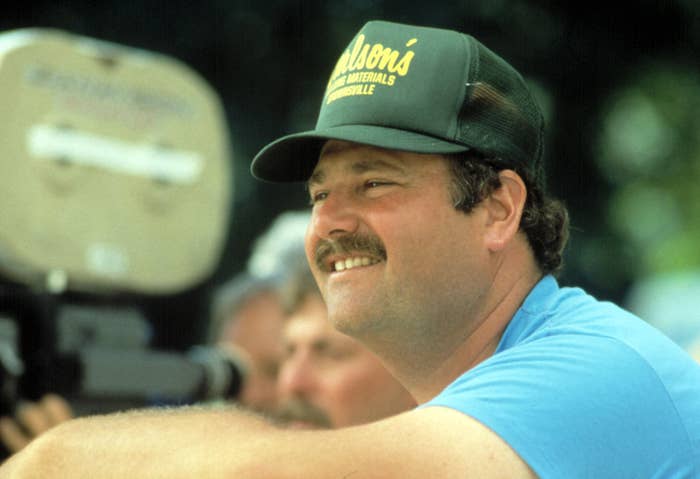
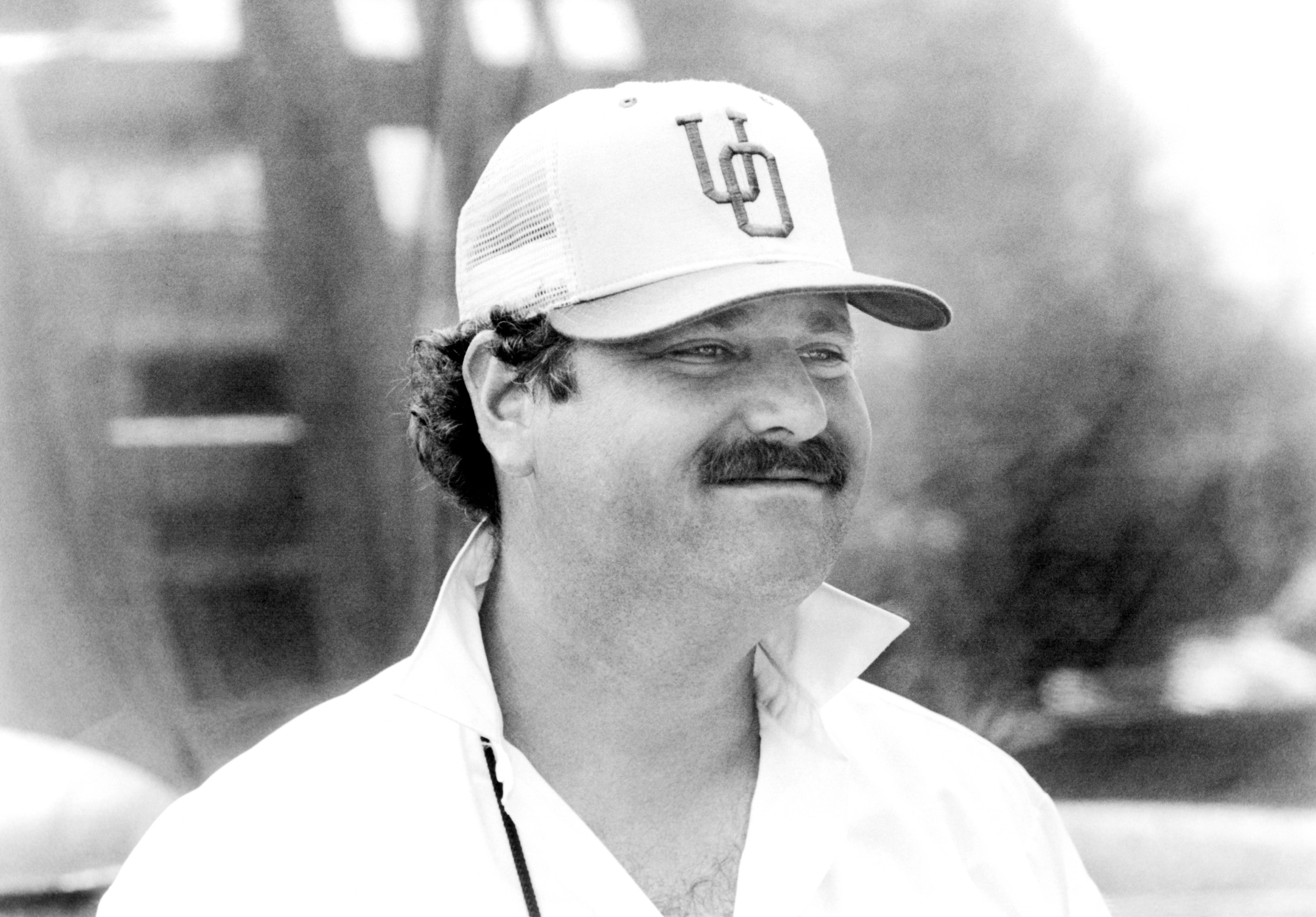
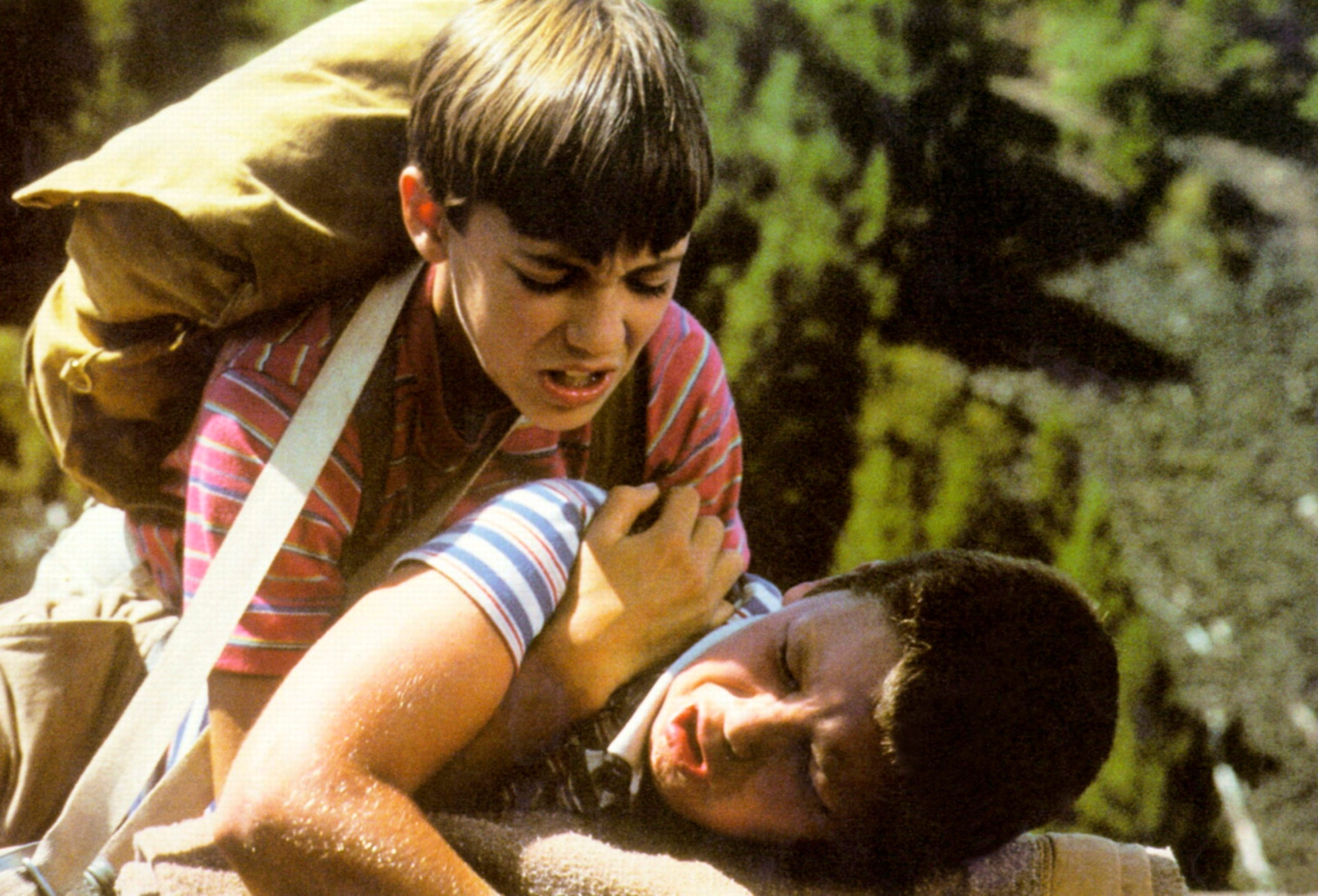
Rob comes out from behind the monitors. Rob always had a baseball cap on. He yanks his baseball cap off, rips the headphones off his head, and he yells at us. Rob never raised his voice at us ever, and he yells, "You guys are fucking up my movie! It is hot. These men are tired, and you're not taking this seriously. You're pretending that you're scared. If you're not scared of that train, then you better be afraid of me!"

Jerry and I look at each other, and we burst into tears. Rob goes, "Roll the camera! Action!" And that take is the one that's in the movie, of Jerry and me crying.

We run right off camera, and Rob welcomes us with open arms. We're sobbing from all the adrenaline and the excitement. He kisses me and Jerry on the top of the head, and he says, "You guys were great. Thank you. I'm sorry that I yelled at you, but you did a really good job."

I understood the value of not being a screamer. My dad was a screamer. He screamed so much that my sister and I would just roll our eyes. But Rob was always quiet and loving and wonderful, and this was as a directorial tool. He went out of his way to make it okay for us. He knew that's what we needed to hear to get that performance, and it was great. It really was.

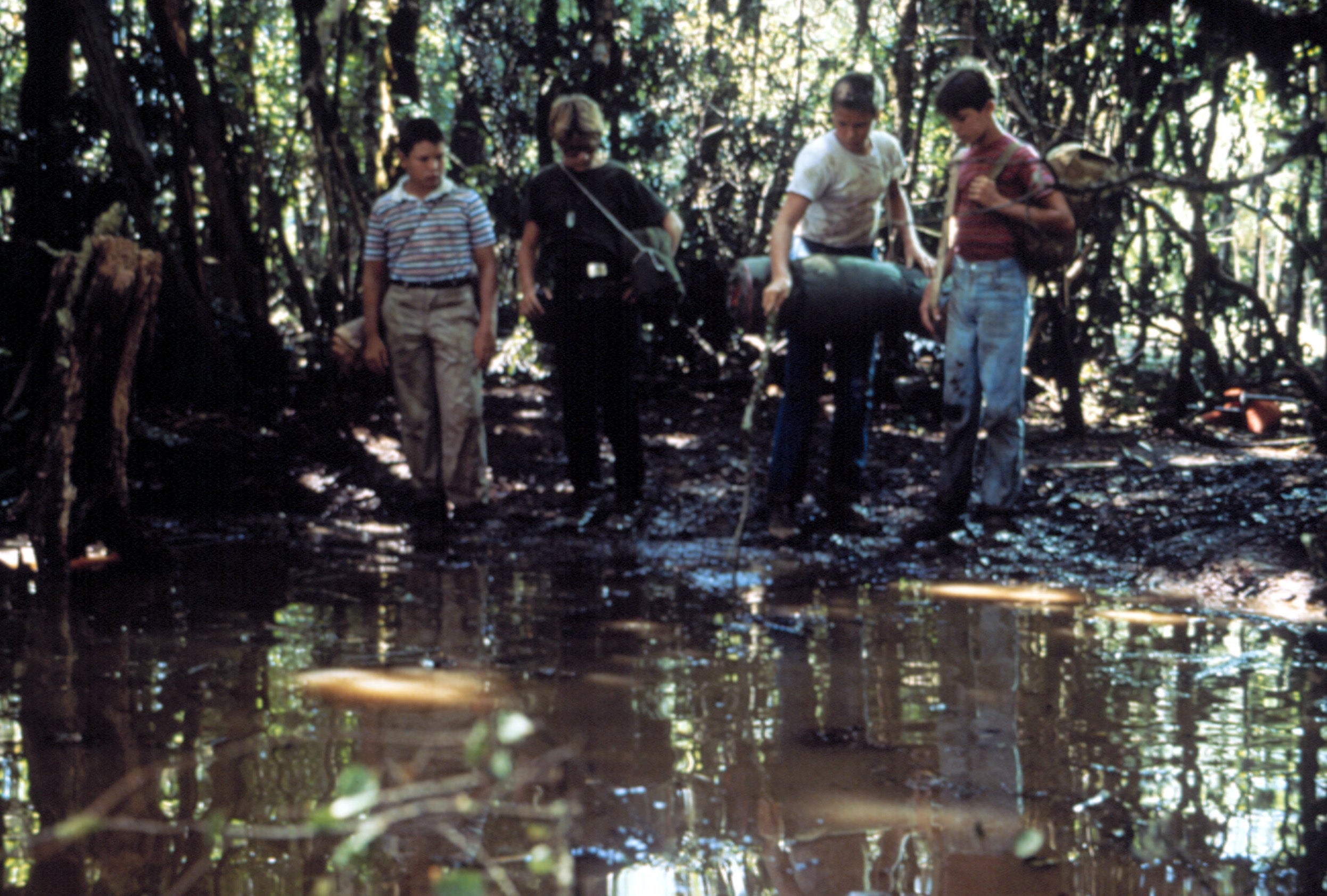
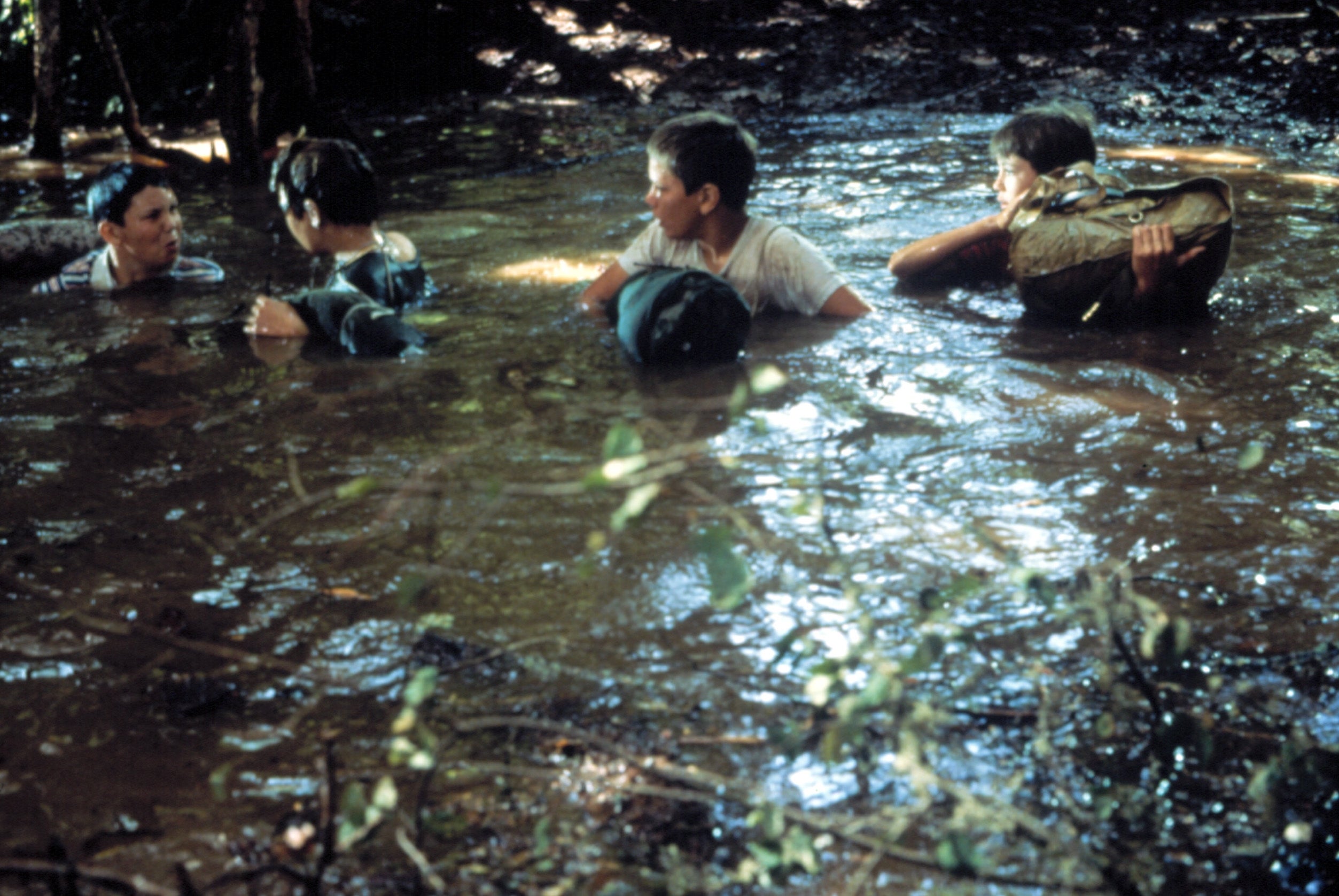
Wil: The swamp was a hole dug in the forest with a backhoe. They put some plastic in it, filled it with water, and left it like that throughout production.

We go to shoot that sequence, and they had drained it and refilled it, and the water is really cold. It's probably in the low 60s — not the biggest deal — but here's the thing about me: There is nothing in this world I hate more than being cold. I hate it.

There is a shot in the movie where the three of them are just goofing around, and Gordie is miserable because he wants to keep moving. Gordie's just like, "Let me out of here," and they see that and dogpile on him.

There are two shots that cut directly together. The shot of all of us right when we start horse-playing, and we're all soaking wet, and then we cut to a matching shot where Gordie does a foreground cross, and my hair is bone dry.

I was like, "I am drying off. I am not going to be cold anymore," and it's a huge continuity error. As an adult, I would be like, "Dude, be uncomfortable, get your head wet." But as a kid, I figured somebody would tell me if it was an issue.

There are a couple of goofs that made it into the final cut, and that's one of the ones we show during the tour.

Wil: There was a mall near the hotel that we all lived in, and they had water slides. We went there almost every day after work to play. It was really important to Rob that we play on the weekends; that we make space and time to be kids and maintain that youthful energy when we weren't on set — so we did stuff like that.

Jerry and I went to the water park the day that we had shot the leeches. To get those fake leeches to stick to us, they had used a combination of rubber cement, some blood-colored makeup, and a few other things that left some pretty angry-looking "welts" on our bodies.

We go up to the ticket place, and the teenager working at the ticket place looks at our bodies and goes, "There's no way you're coming in." We're like, "No, no, look, it's just makeup." We start pulling it off, and the kid's like, "That's not making it better!"

We tell the manager, "We're actors. This is just makeup." The manager goes, "Well, I'm really happy for you. You're not coming in." (Laughs) So we didn't get to go on the water slides that day.

Wil: I sort of have them. My mom took it all and refuses to give it back to me. I ended contact with my parents after trying for years to reconcile. My script, my call sheets, some of my wardrobe, Denny's Yankees cap — it's all waiting for me.

Someday I'll get it. I'm disappointed that I don't have the memorabilia, but nobody can take away the memories that I made 40 years ago with those three guys.

Wil: One of the things I'm happy about remembering is what a wonderful environment the set was. It was so supportive, so creative, and so enthusiastic. There was something in the air where we all felt like we were doing something really special.

We were working on something that none of us, at the time, knew would matter to generations of audiences. Jerry always says they don't make movies like this anymore. They don't make intimate, emotional, character-driven films that are 87 minutes long.

There's an elegance to Rob's vision and the pacing of the film. Something I hope Stand by Me can do on its 40th anniversary is inspire creative people to write intimate, character-driven stories. I hope it inspires people who have the ability to greenlight those stories to remember that not everything needs to be a derivative piece of IP. We can tell original stories that everyone can relate to, that are sweet, that are emotional, that invite you to come to them. They don't jump up in your face. They just present their story and say, "This is for you if you want to be here for it."

Everything that is good in my life began when Rob Reiner cast me. The butterfly effect of being cast in Stand by Me is still rippling across my reality.

Keep up with Wil on Instagram, @itswilwheaton, Facebook, his blog, and podcast.

Check out the remaining 40th Anniversary tour dates here.

Note: This interview was edited for length and clarity.
Comments
You must be logged in to comment.