buzzfeed Press
The Internet’s Manosphere Has Entered A New Era, And If You Thought “Alpha Male” Culture Was The End Of It, Think Again
Images
1 / 19
2 / 19

3 / 19

4 / 19

5 / 19
6 / 19

7 / 19

8 / 19

9 / 19
10 / 19
11 / 19
12 / 19
13 / 19

14 / 19
15 / 19
16 / 19
17 / 19
18 / 19
19 / 19
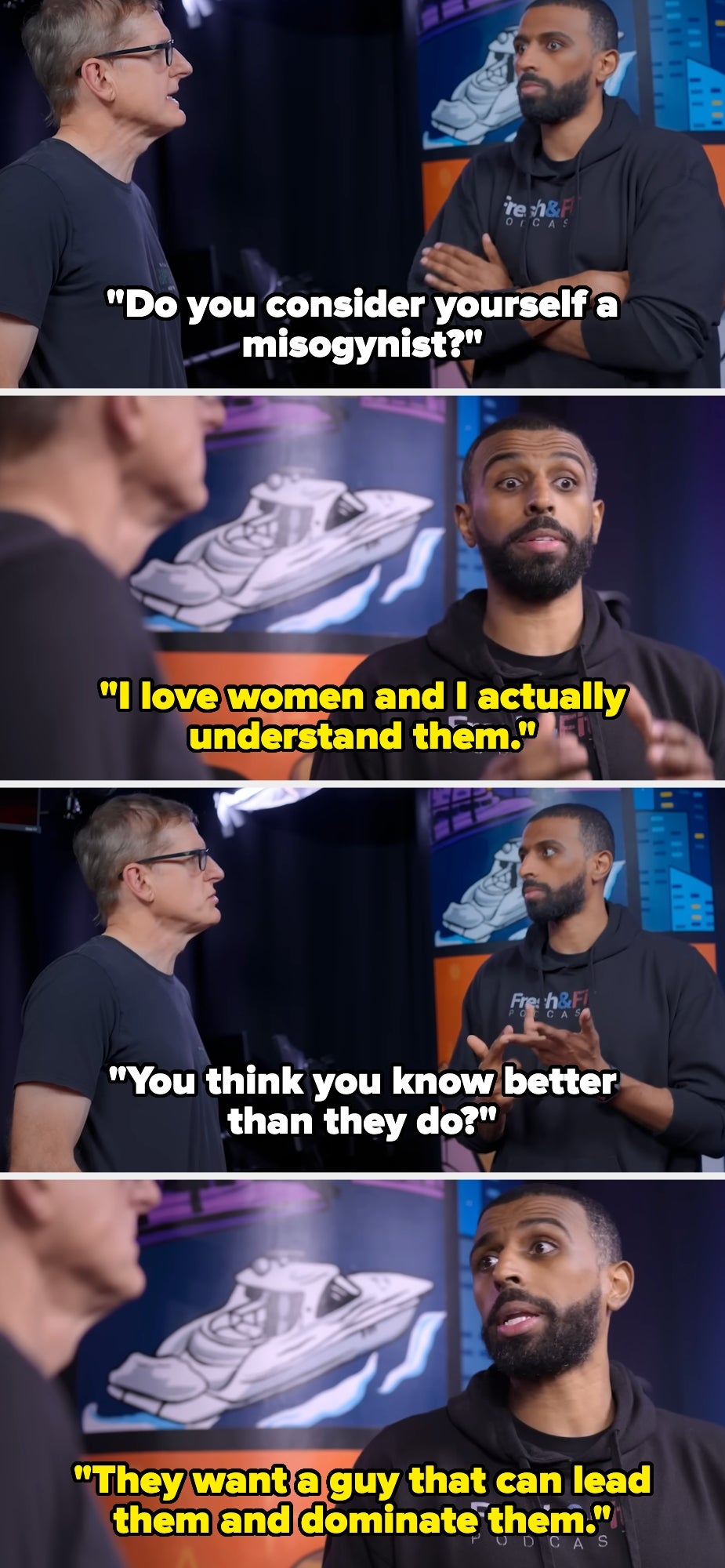
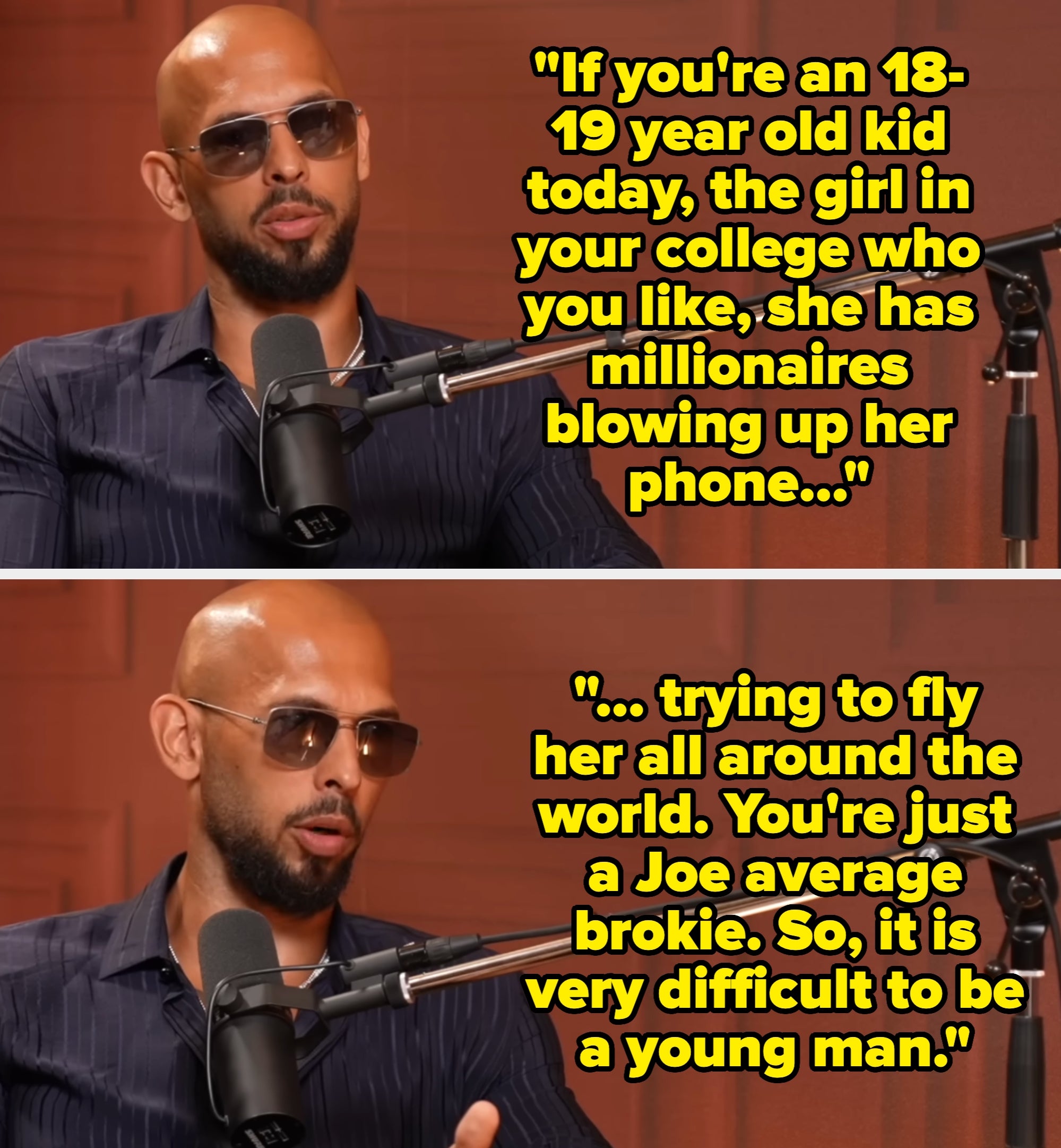
“They [women] want a guy who can lead them and dominate them.” Yeah... right.

Note: This post is an Op-Ed and shares the author's personal views.

masculinity is a prison pic.twitter.com/M2X2irDeLP

The complaint states that the employee was more qualified than the employee who received the promotion, and that this decision was made to boost diversity and inclusion at the paper. There are no recent official updates on the lawsuit. While this may not strike as an example of a certain brand of masculinity in the same capacity as the ‘man cereal,' it does raise some questions about a sense of expectations that it points to.

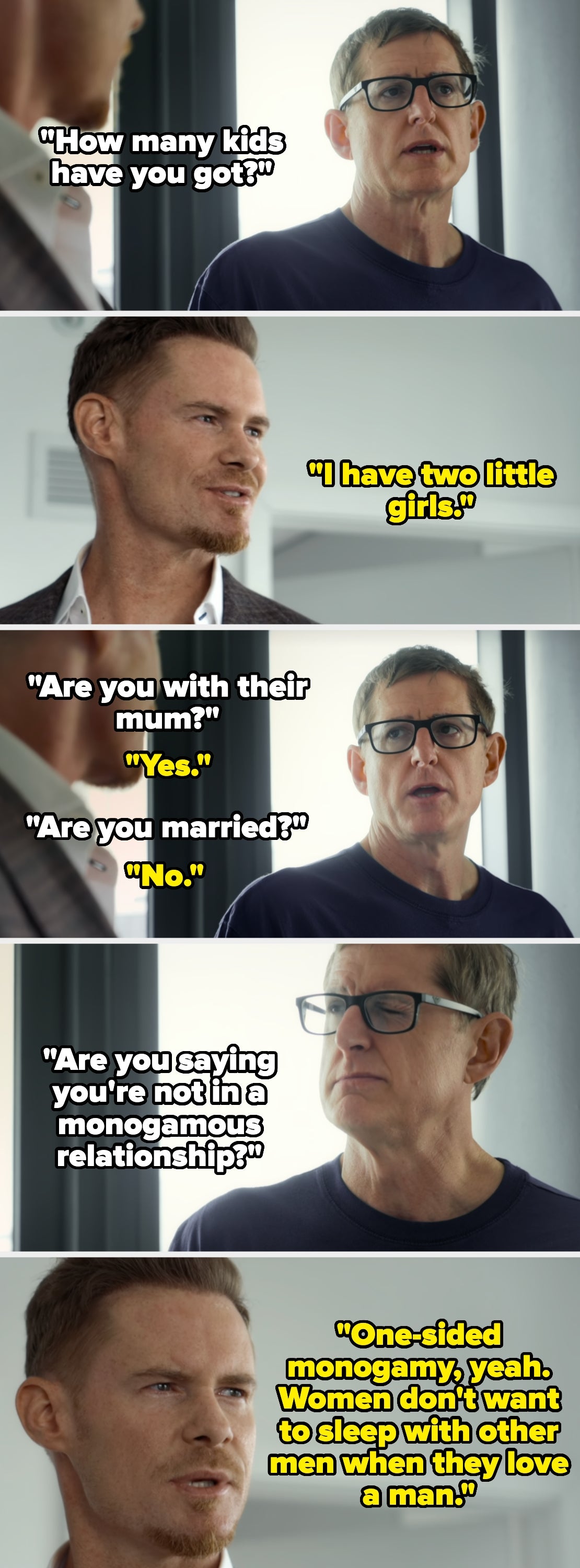
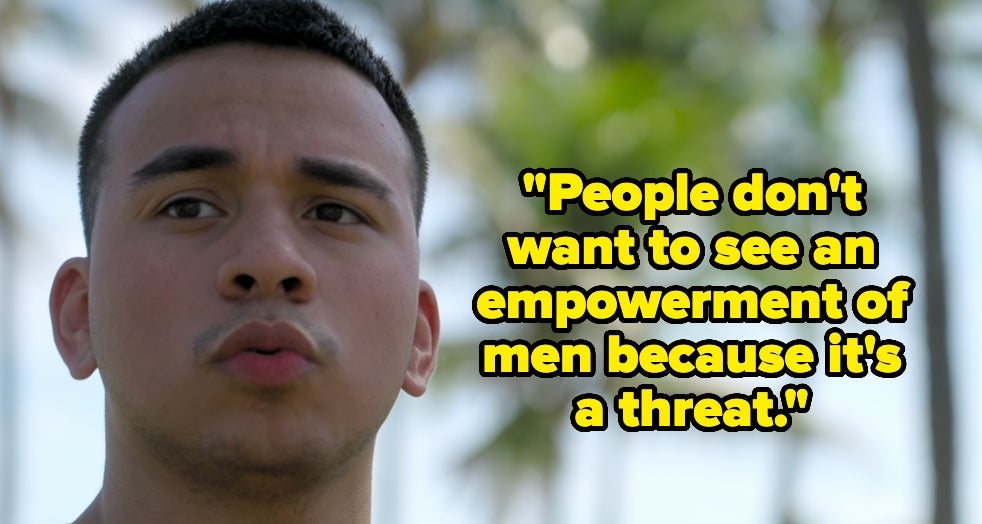
If you haven’t watched it yet, here are some excerpts from the documentary that offer a front-row seat to the manosphere mindset.

Dad Owned, Dad Operated 👊https://t.co/Yt2l3W3s4o pic.twitter.com/qcH2kNGqwM

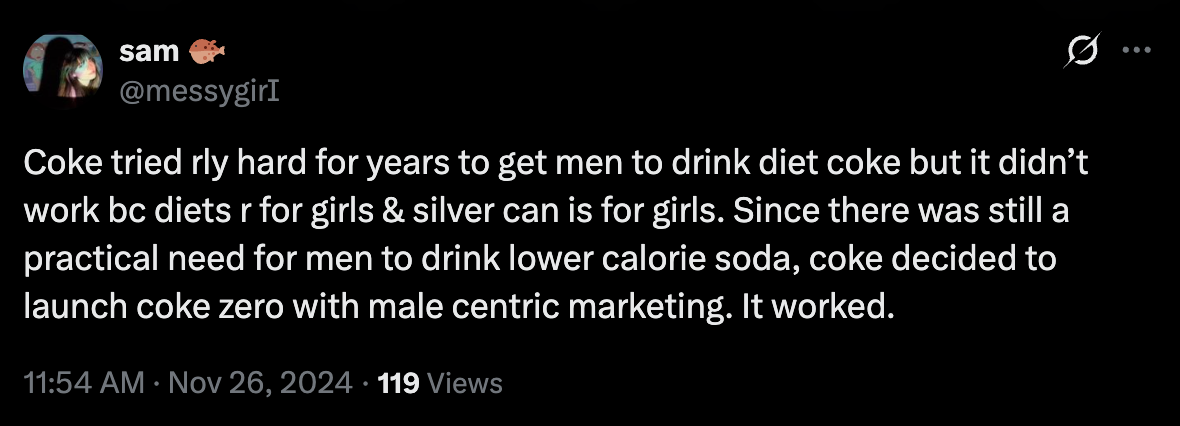
The cereal and the diaper bags are just the visible part of the iceberg. These products are often less about utility and more about carving out distinctly “male” spaces within consumer culture and online identity.

ah yes, the two genders, monster and... FLRT... um, yeah, wtf? all of these flavors already exist in the monster lineup🤨targeting flirty/love/dating themed drinks towards a feminine audience is just... weird. it's weird as shit.*women* already drink monster :/ https://t.co/naXlq0J5QD

Men may want to look good, but they have been convinced that it’s okay to look good and feel good only as long as they’re doing it to outperform other men—and it has nothing to do with impressing women. These cultural trends have ultimately transformed masculinity into a competitive identity performance rooted in insecurity, hierarchy, and constant optimization.

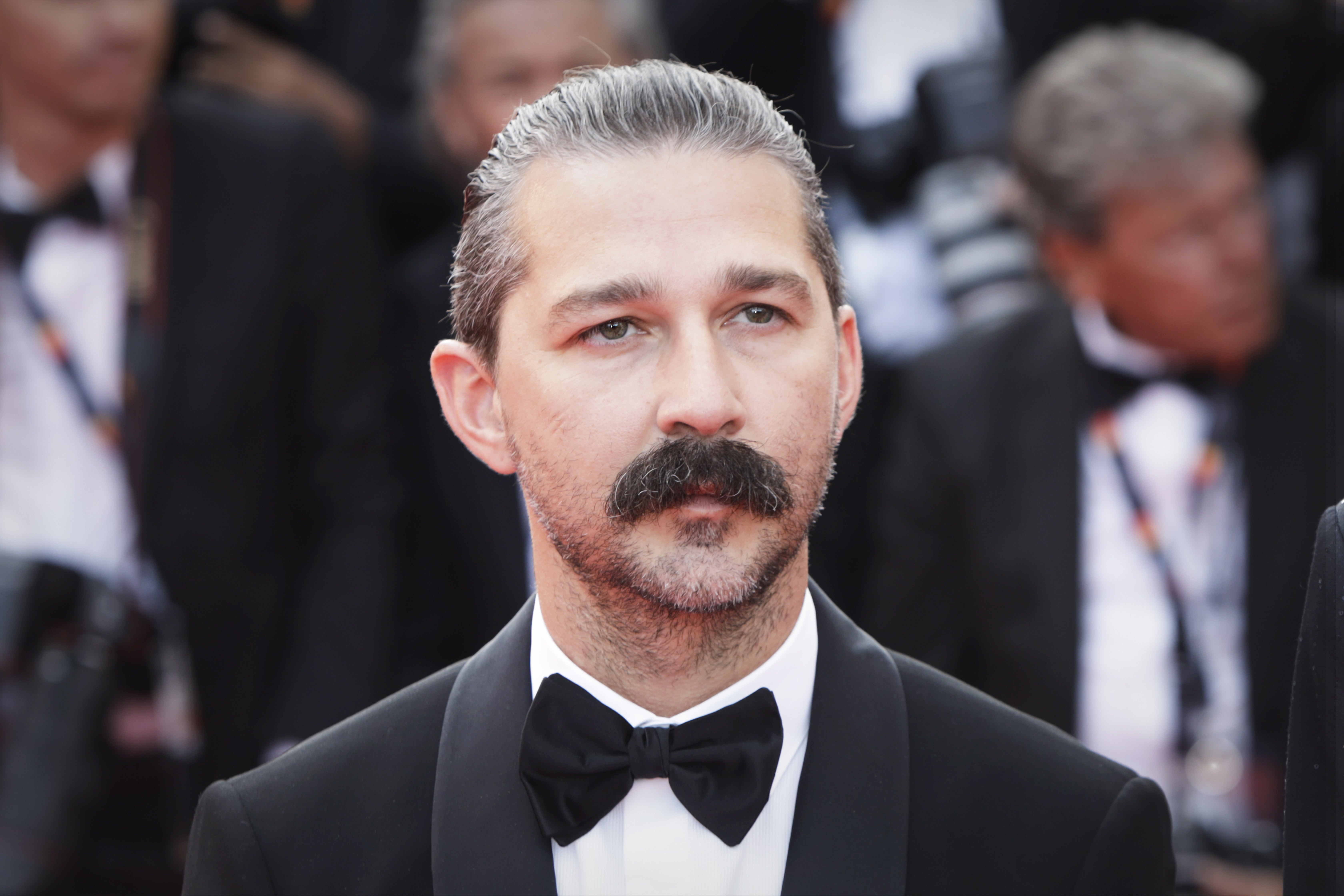
Shia Labeouf’s altercation with these men should serve as a reminder to the “alphamaxxing” influencers that gaining immense success will not protect them from their own insecurities. Young men need to realize that the success the manosphere makes you chase is not the answer.

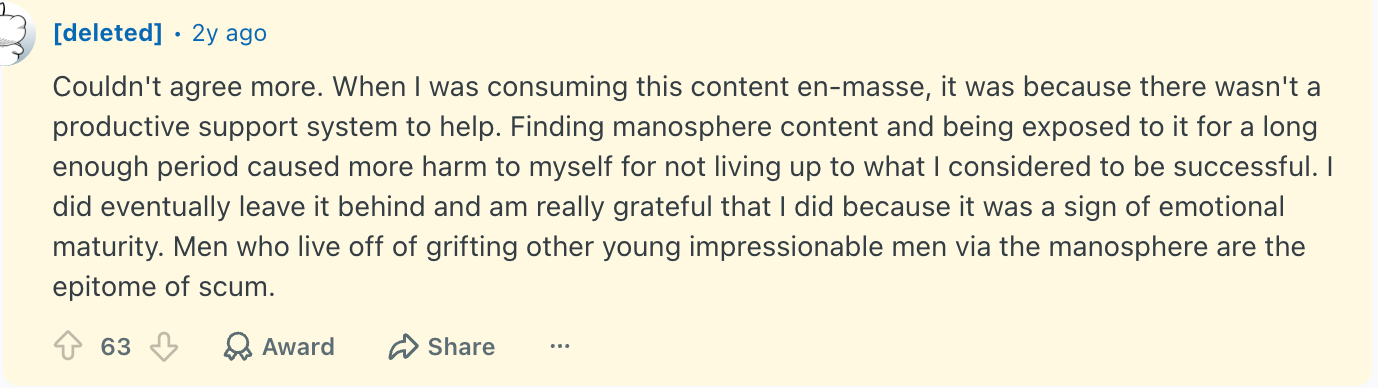
Oddly enough, I found my answer in an article from The Guardian that followed a young man who had been pulled into the manosphere and later reflected on the experience. Reading about why he was drawn in and what he was really looking for underneath it all made the picture a lot clearer.

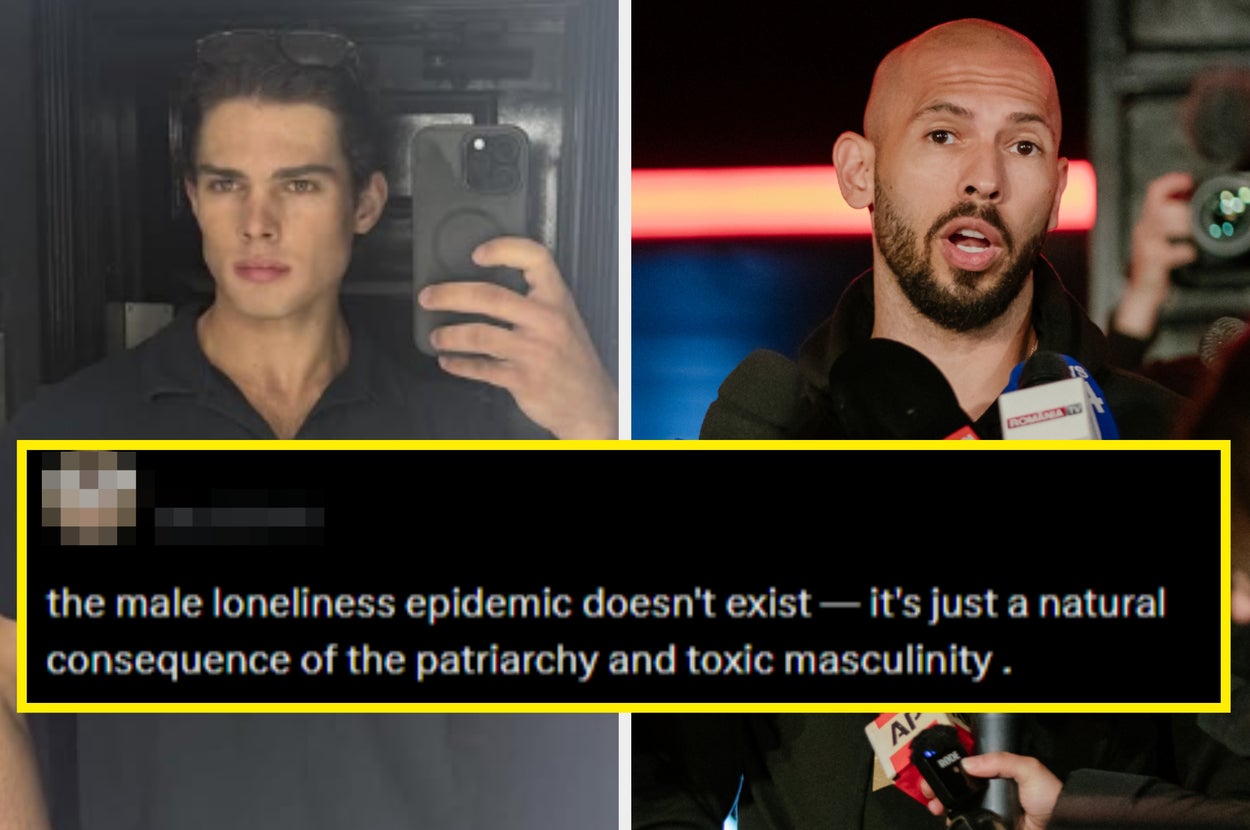
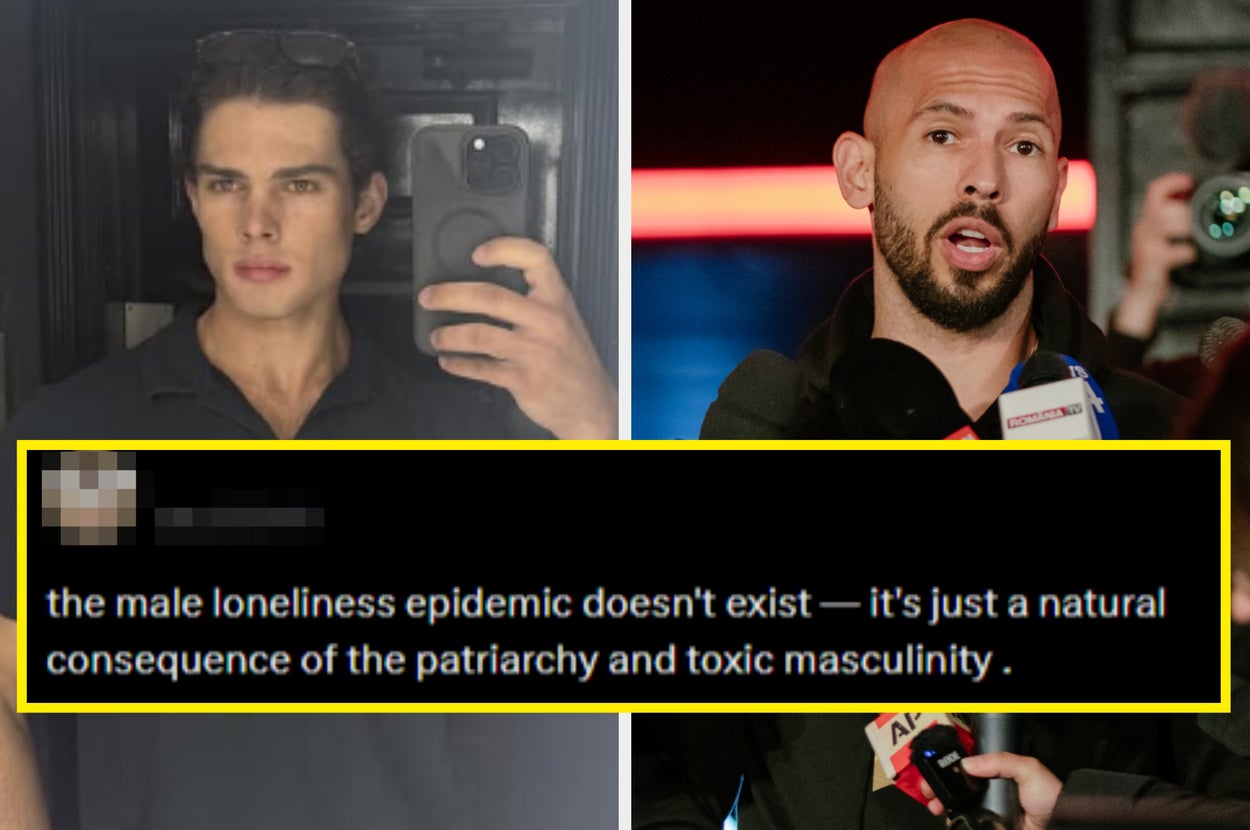
The male loneliness epidemic is caused by men not wanting to adapt. It's not women's fault.

Thankfully, they're no longer the only spaces having these conversations. Across the internet, creators, support groups, and communities focused on healthy masculinity are offering men a different path, one built on connection, emotional resilience, and self-improvement without blame.
Comments
You must be logged in to comment.