buzzfeed Press
5 Incredibly Disturbing Stories About What Happened To Famous Historic People's Body Parts After They Died
Images
1 / 20
2 / 20

3 / 20

4 / 20
5 / 20
6 / 20
7 / 20
8 / 20
9 / 20
10 / 20
11 / 20
12 / 20
13 / 20
14 / 20
15 / 20

16 / 20
17 / 20
18 / 20

19 / 20
20 / 20
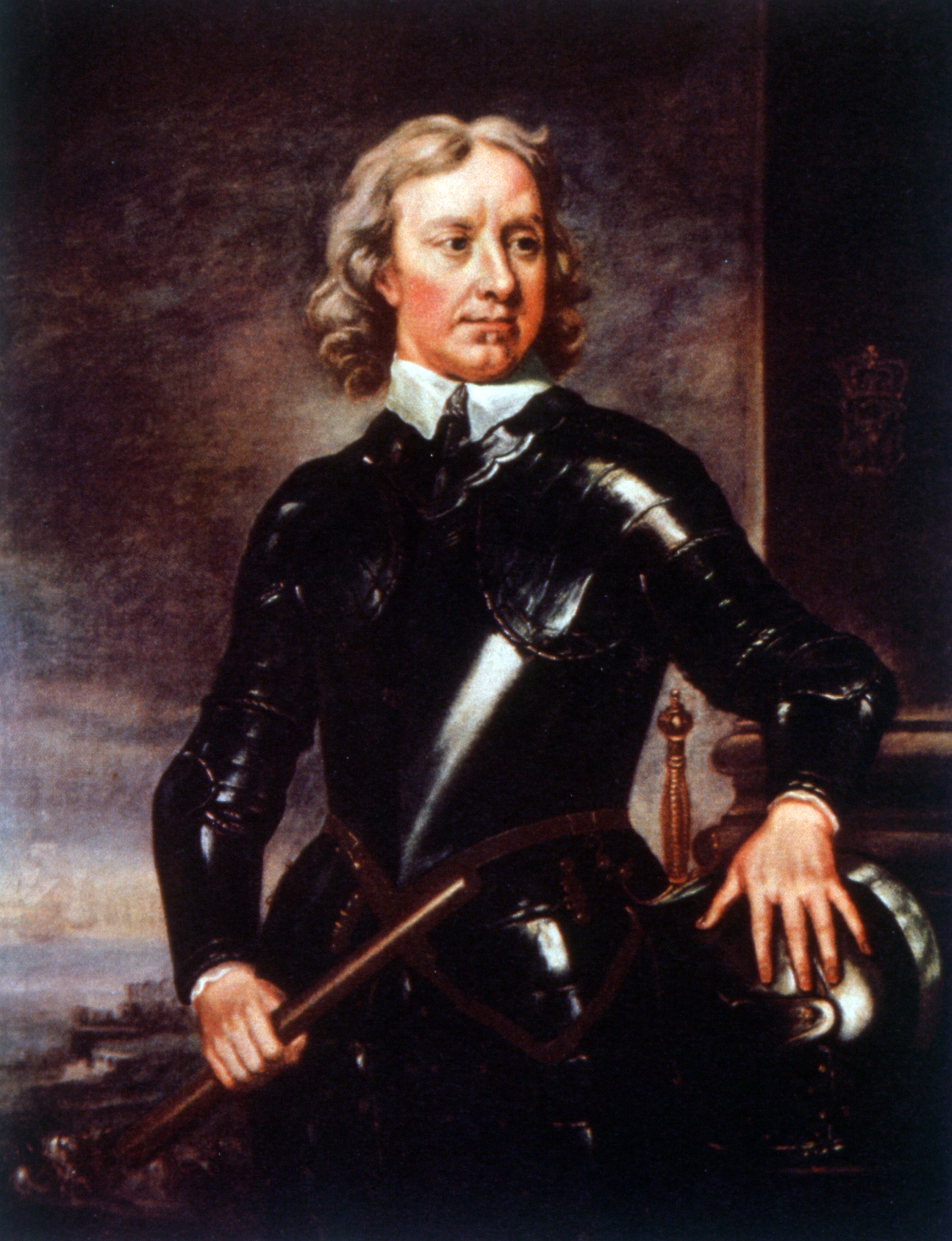
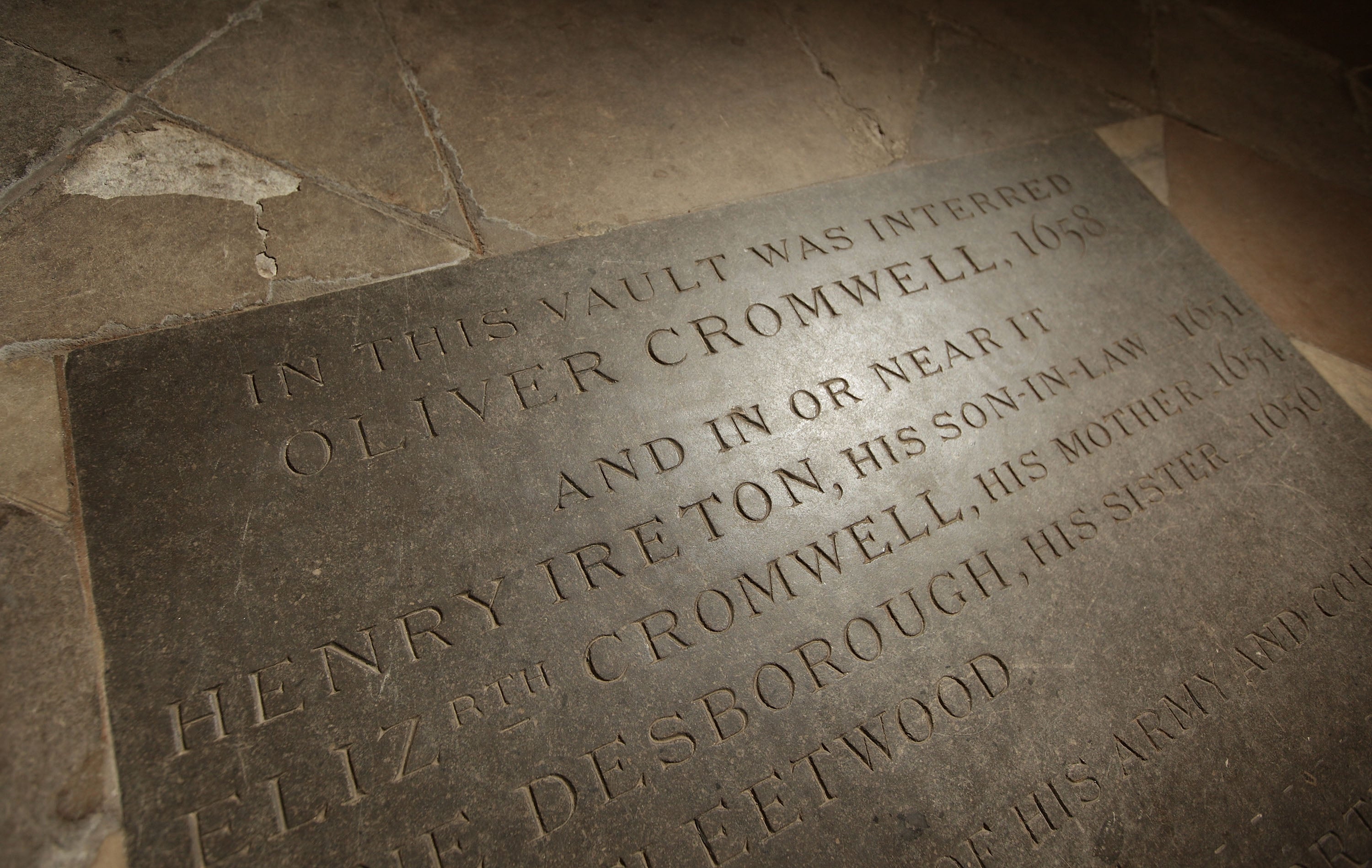
If you find a head on a spike, you might as well stuff it in your chimney. That’s what I always say.

As a Resident Writer here at BuzzFeed, I cover topics like politics, weird history, tech, trending viral stories, and other various corners of the internet.

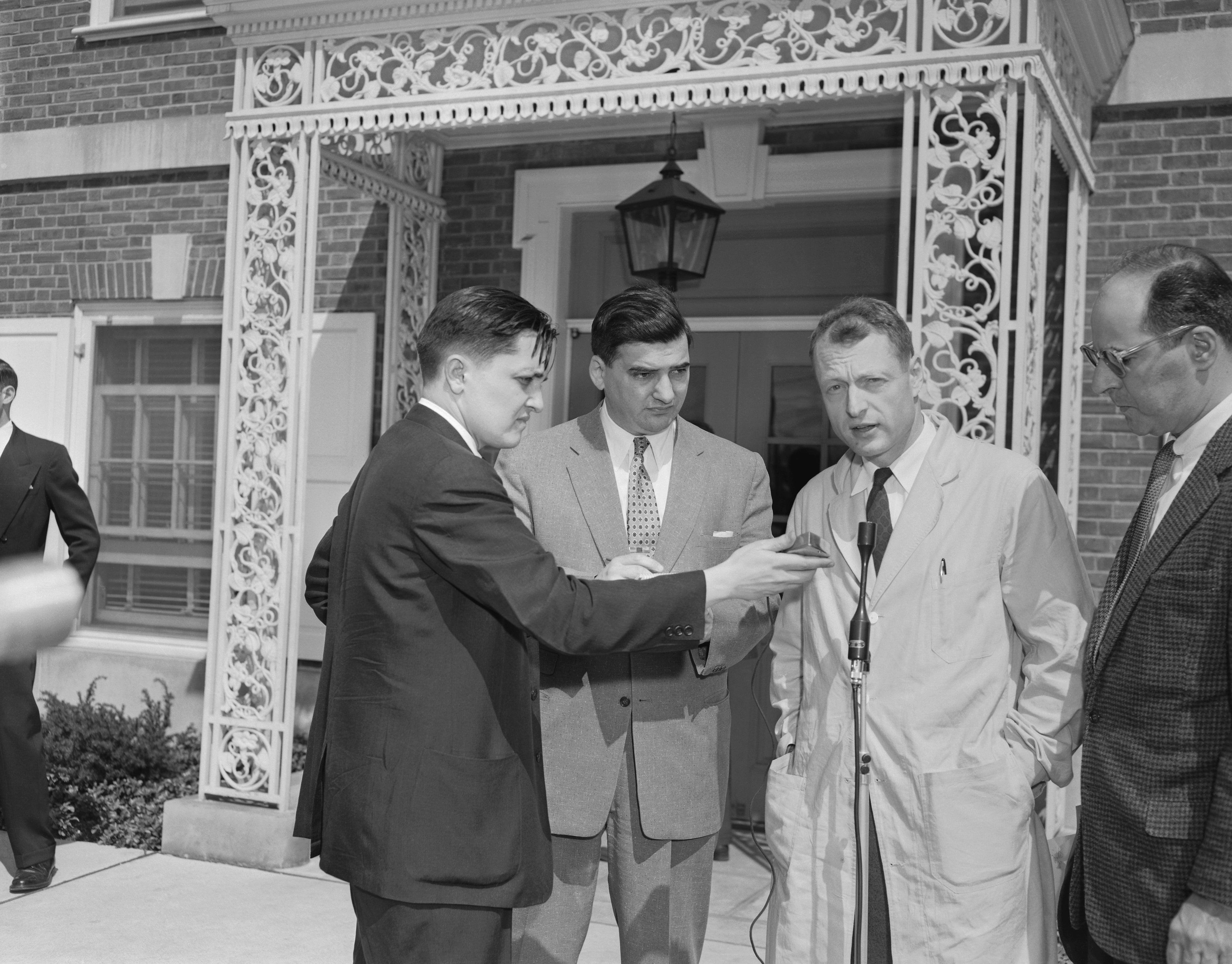
Above, Dr. Harvey is seen giving a statement outside the hospital post-autopsy, confirming that Einstein's condition could not have been cured. (He did not mention the removal of Einstein's brain. Convenient!)

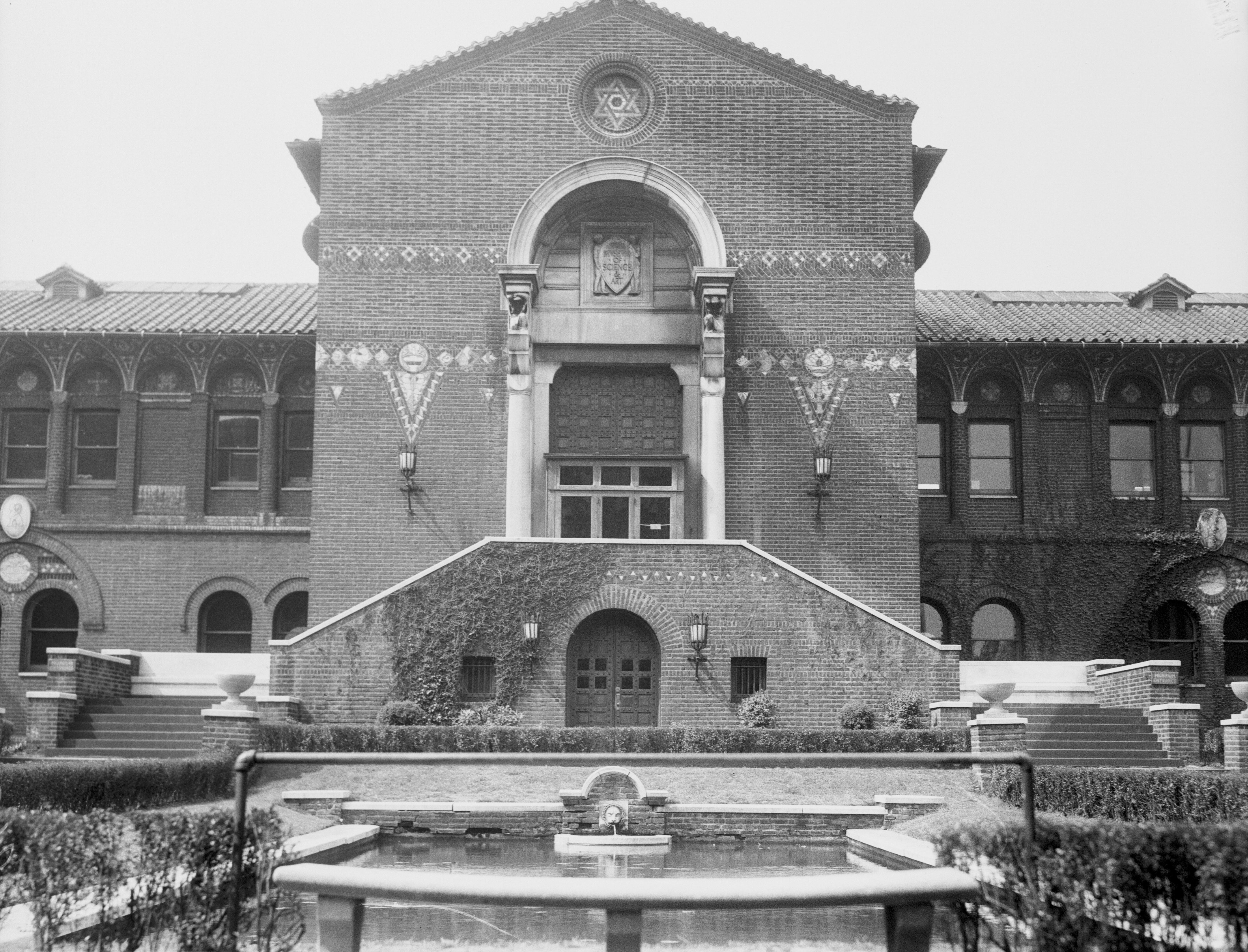
During the procedure, it was also rumored that he had removed Einstein's eyes, which were supposedly given to Einstein's eye doctor. It currently resides in a safe deposit box in New York City. (Not my idea of a nice gift, but hey, to each his own.)

Personally, I would have had a panic attack at the thought of such a priceless object sloshing around in the back of my car.

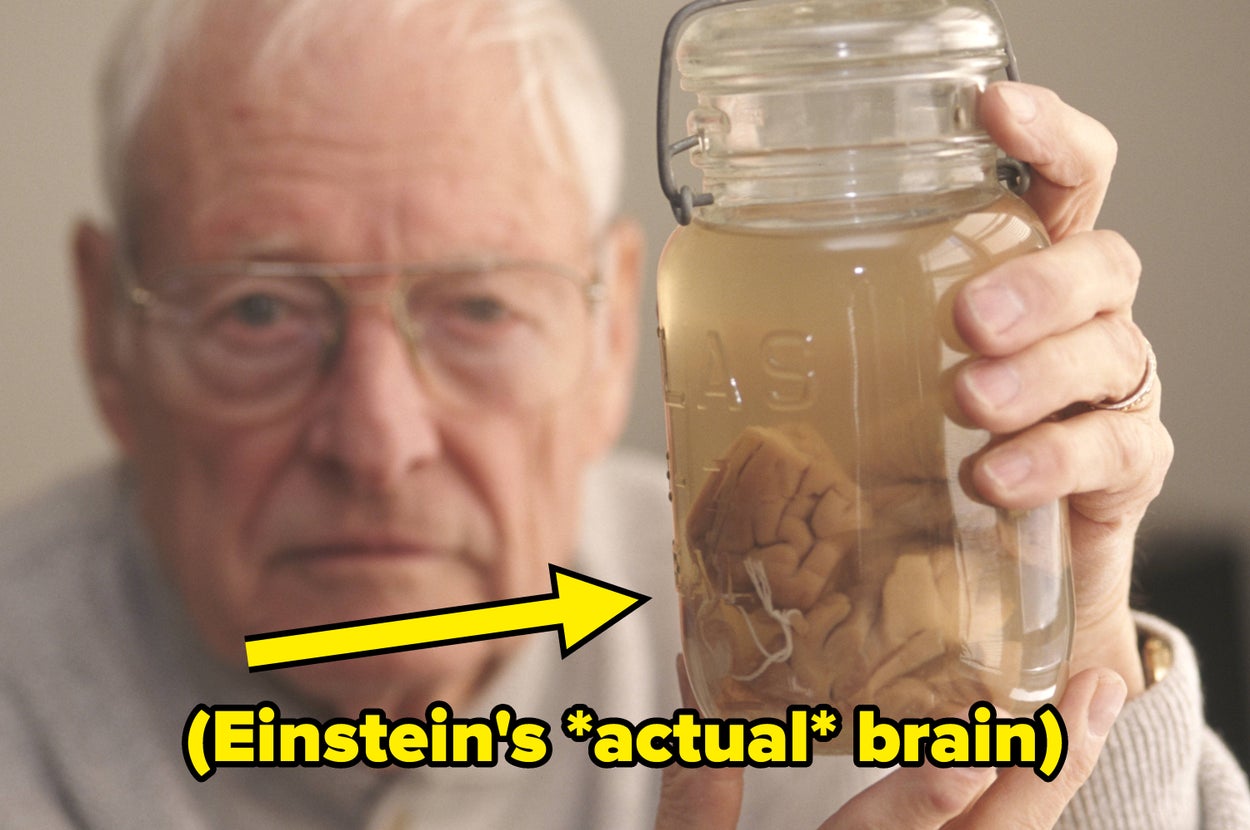
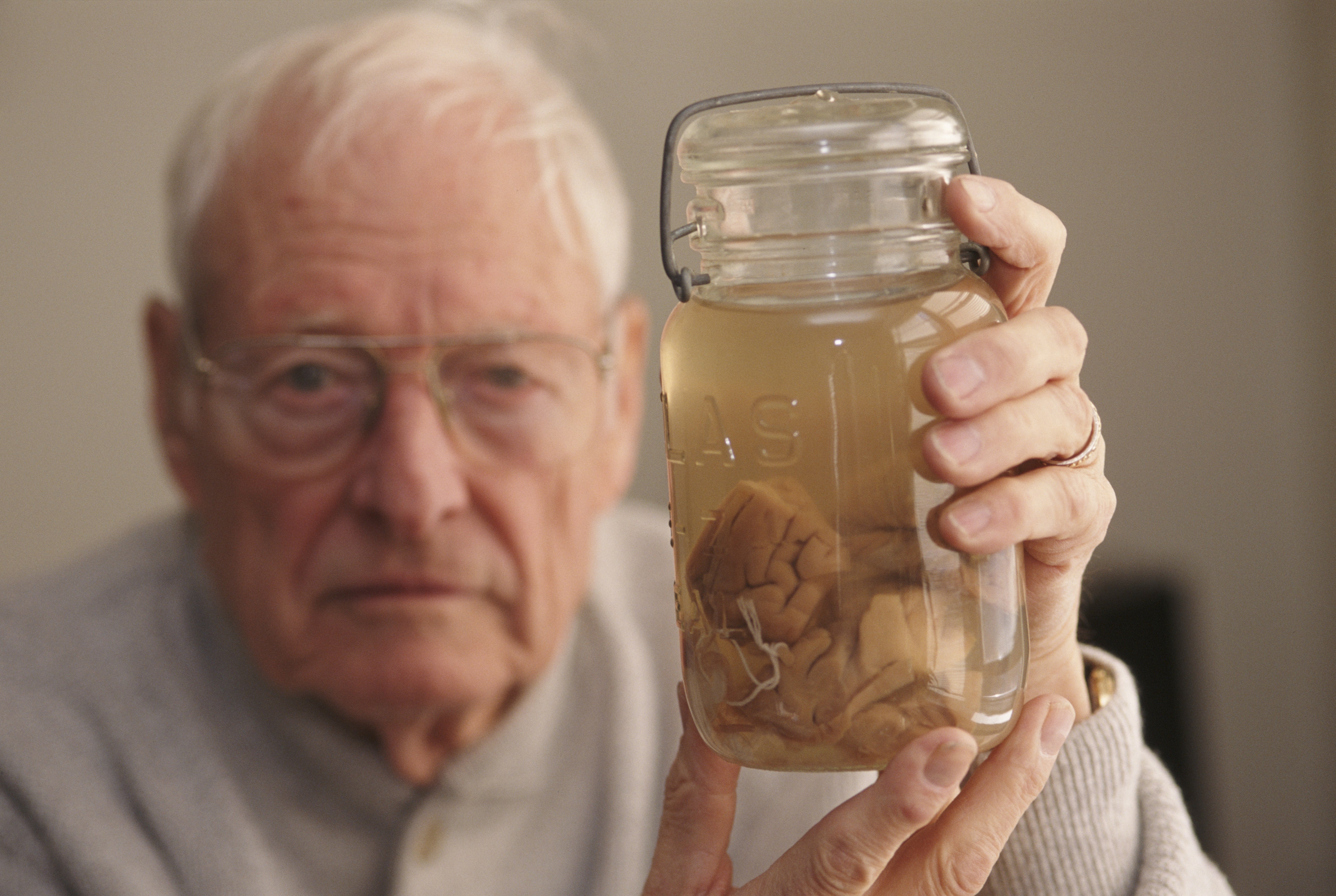
(Yes, that's Dr. Harvey again — holding up a piece of Einstein's actual brain, which he continued to keep even after the interview. This photo was taken in 1994.)

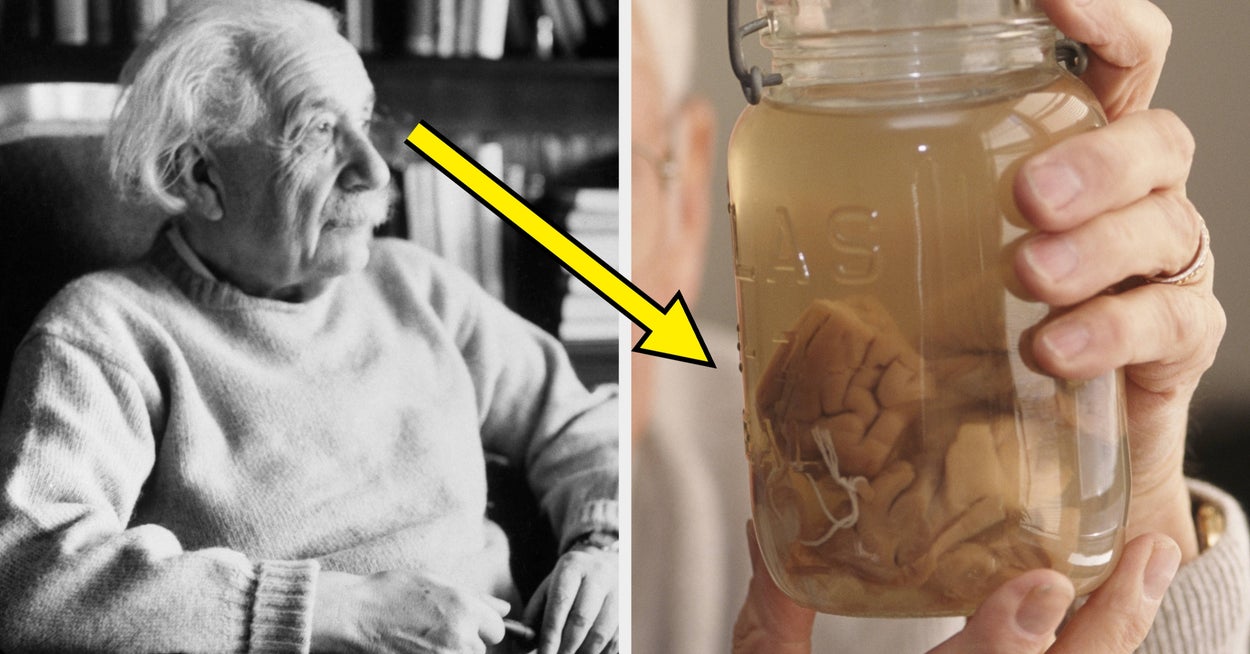
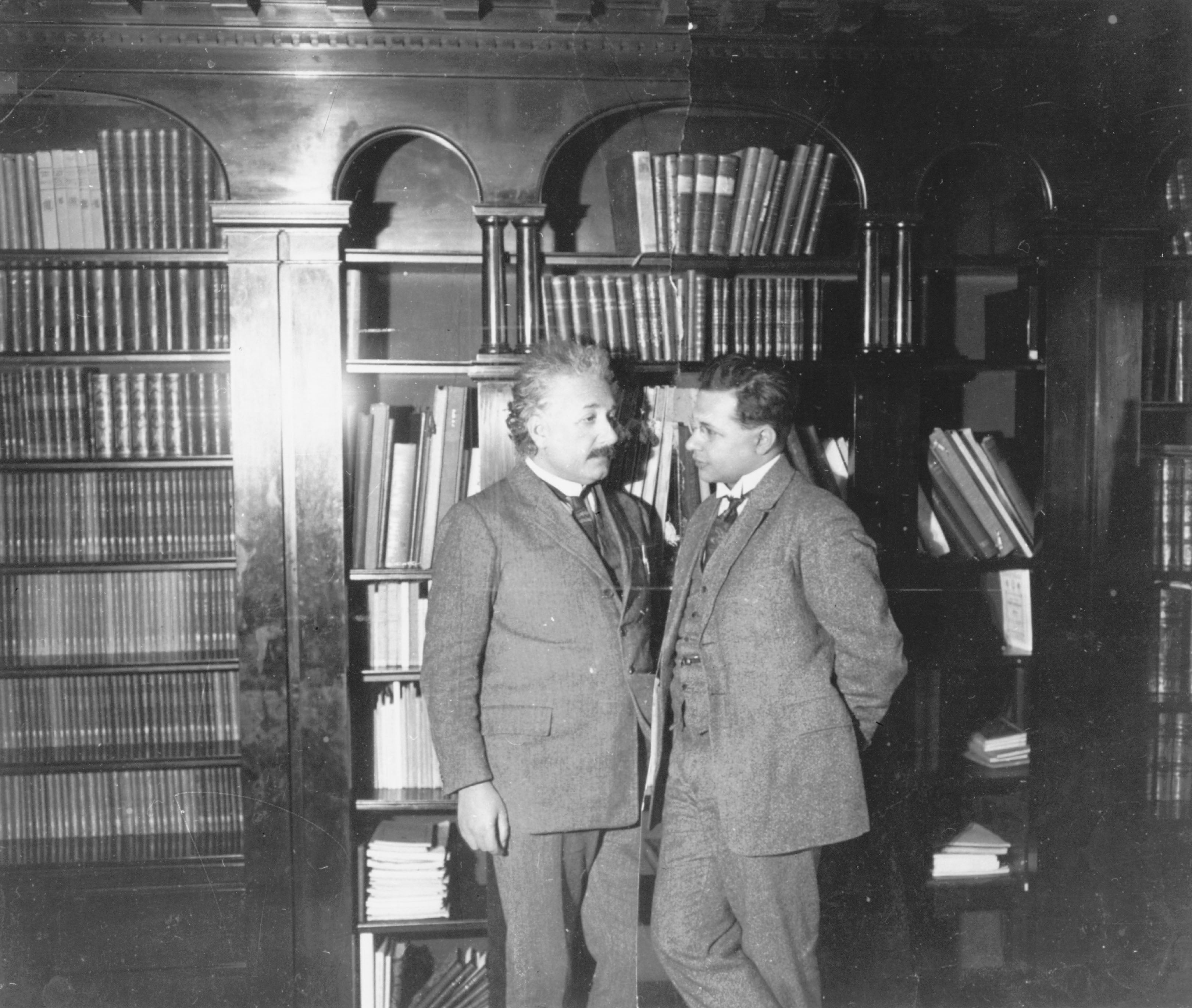
Above, Einstein is pictured with his son, Hans Albert Einstein, the adoptive father of Evelyn Einstein.

Also, as a fun aside, on multiple occasions during the road trip, Dr. Harvey took the brain out of his duffel bag, opened the Tupperware, showed it to people, and touched it.

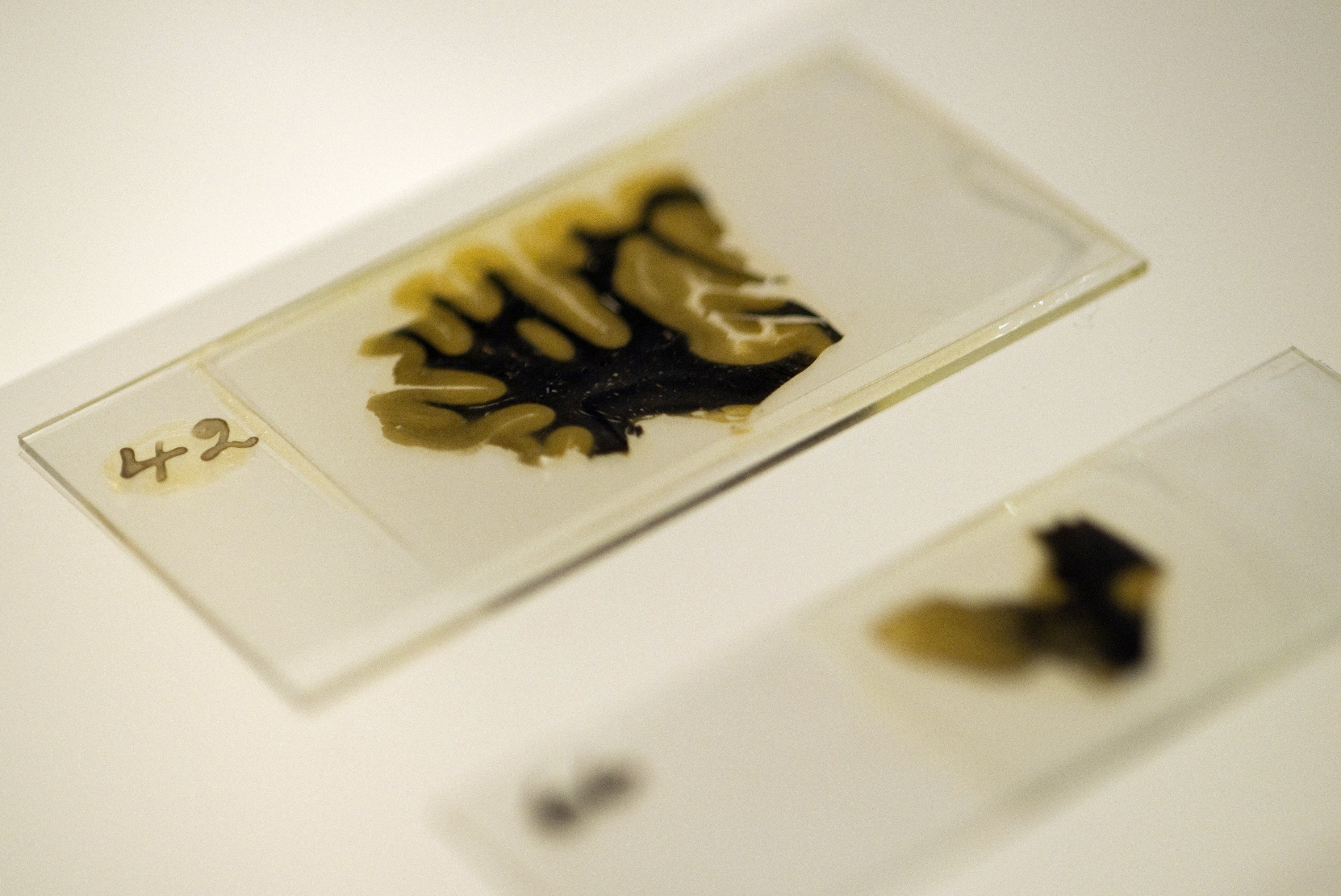
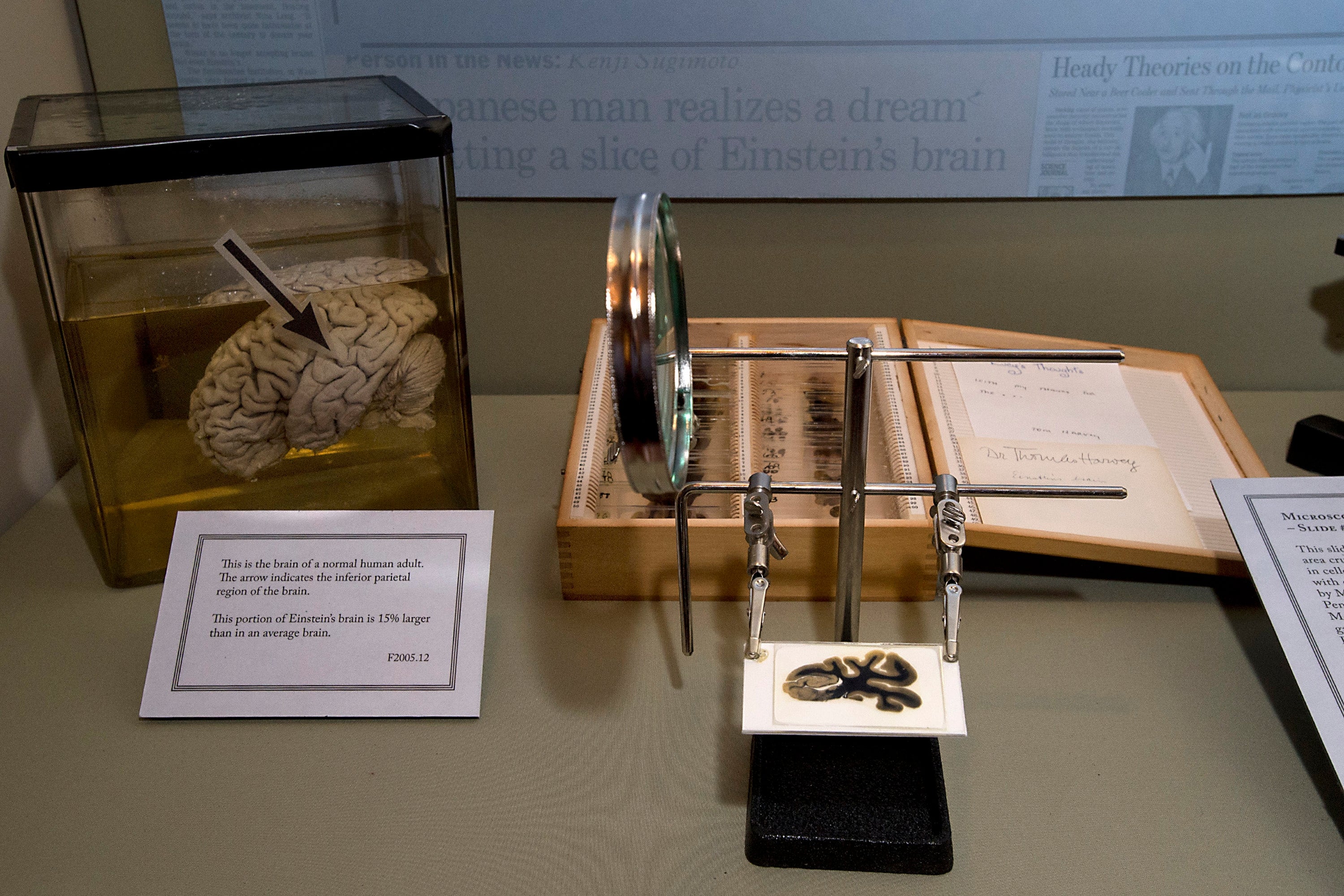
And for the record, a 2012 study of Einstein's brain showed that it was of average size but did seem to have "expanded prefrontal cortices, which may have provided underpinnings for some of his extraordinary cognitive abilities."

Also, it reportedly took eight blows to separate Cromwell's head from the rest of his corpse (ew).

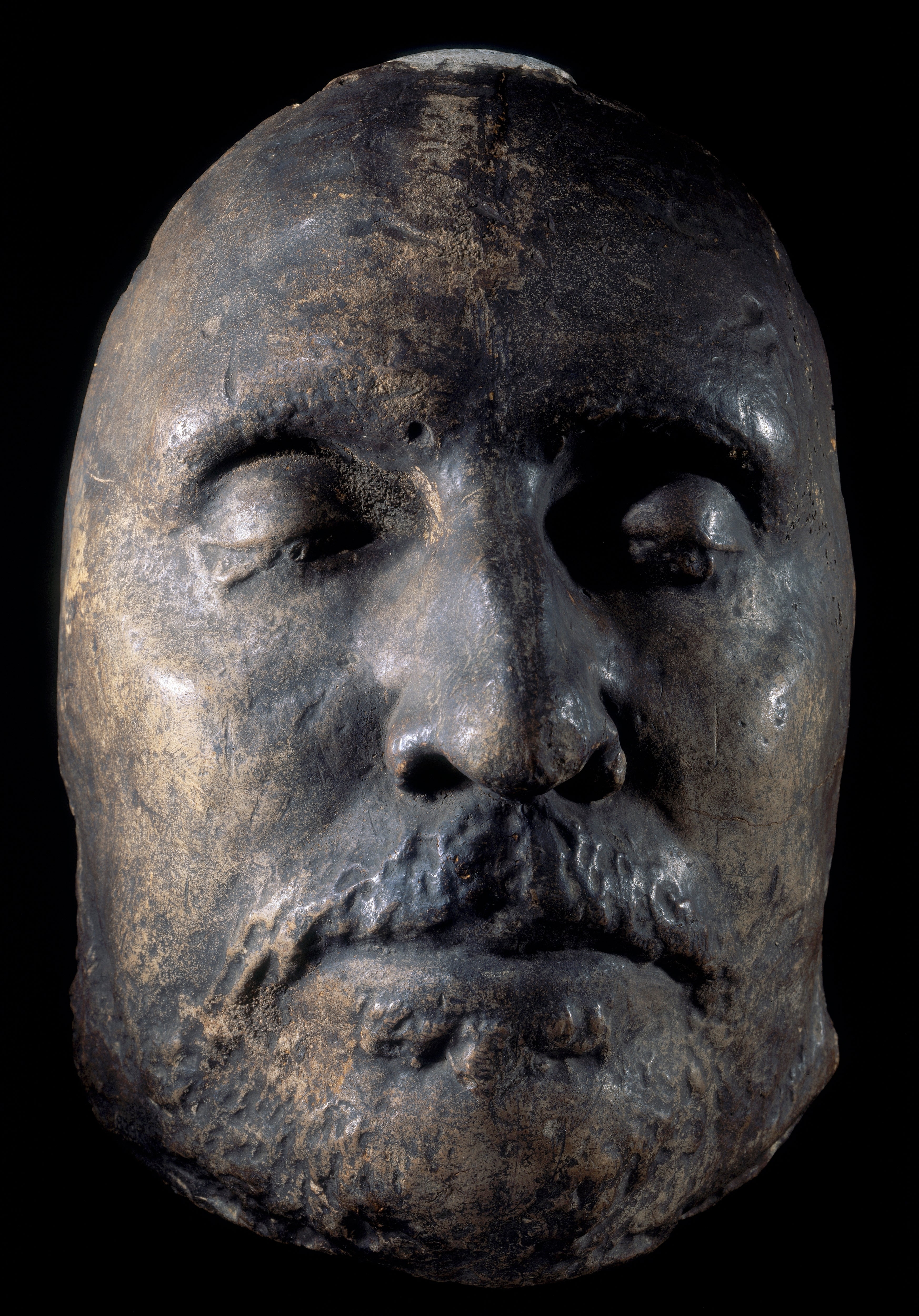
This image is of Cromwell's death mask. (Probably fortunate they managed to create this before the whole spike thing.)

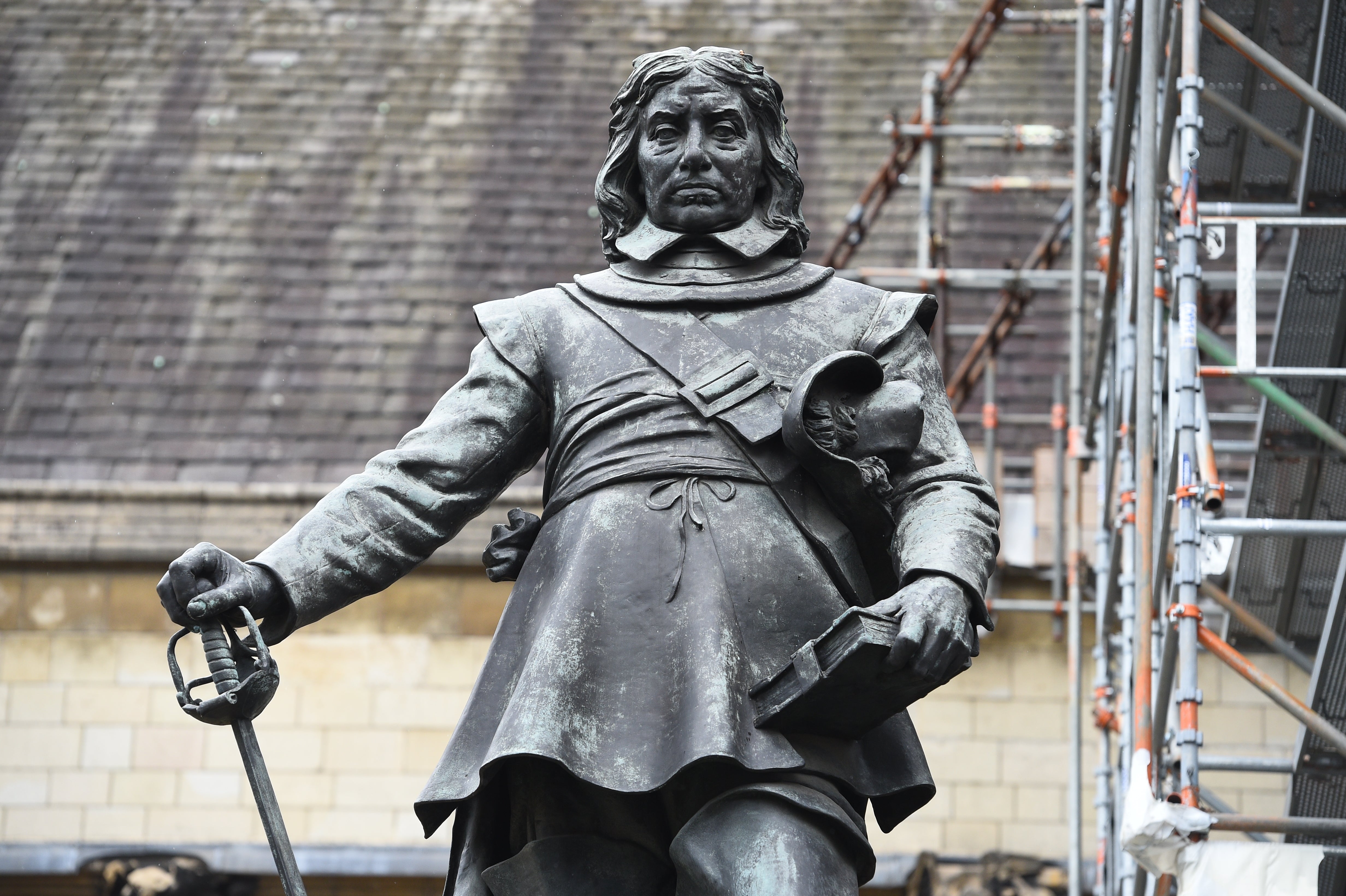
Above is a statue of Oliver Cromwell in Parliament Square, London, UK.

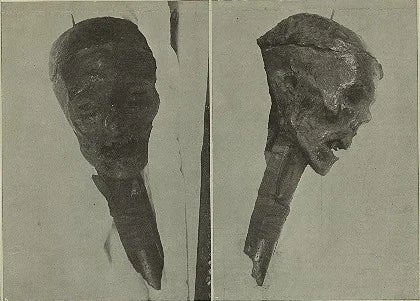
In particular, the head had clearly been previously embalmed, had the skullcap removed, and had the same color hair as Cromwell. The face, while damaged, did appear to have similar features, as well.

(And yes, that's a real photo of it — gotta be honest, not something I'd be interested in passing down in my family from generation to generation. But hey, who needs Halloween decorations when you have a centuries-old skull on a stick?)

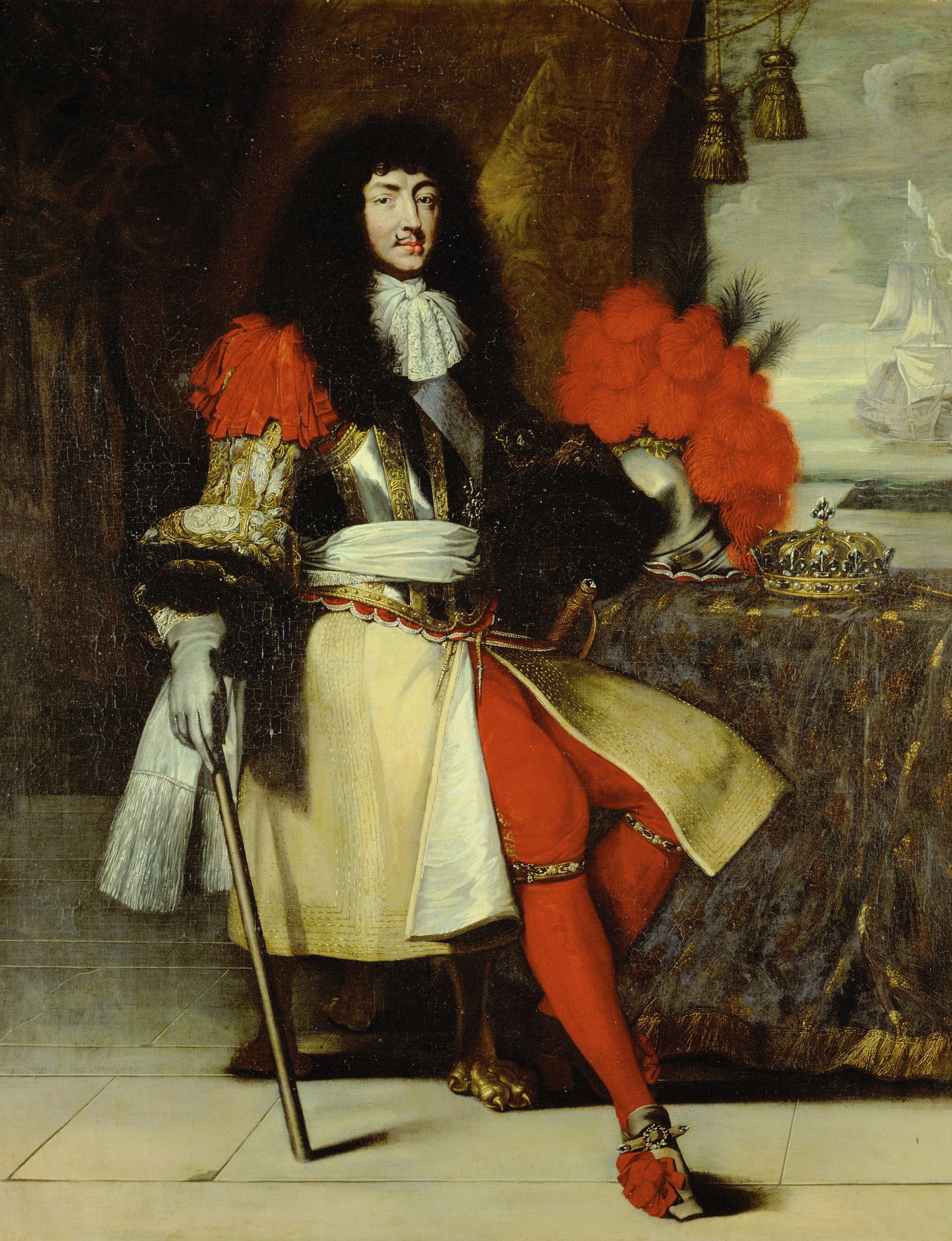
Louis XIV's official cause of death was believed to be gangrene, but more recent studies have shown that it may have been chromoblastomycosis, which is a fungal infection under the skin.

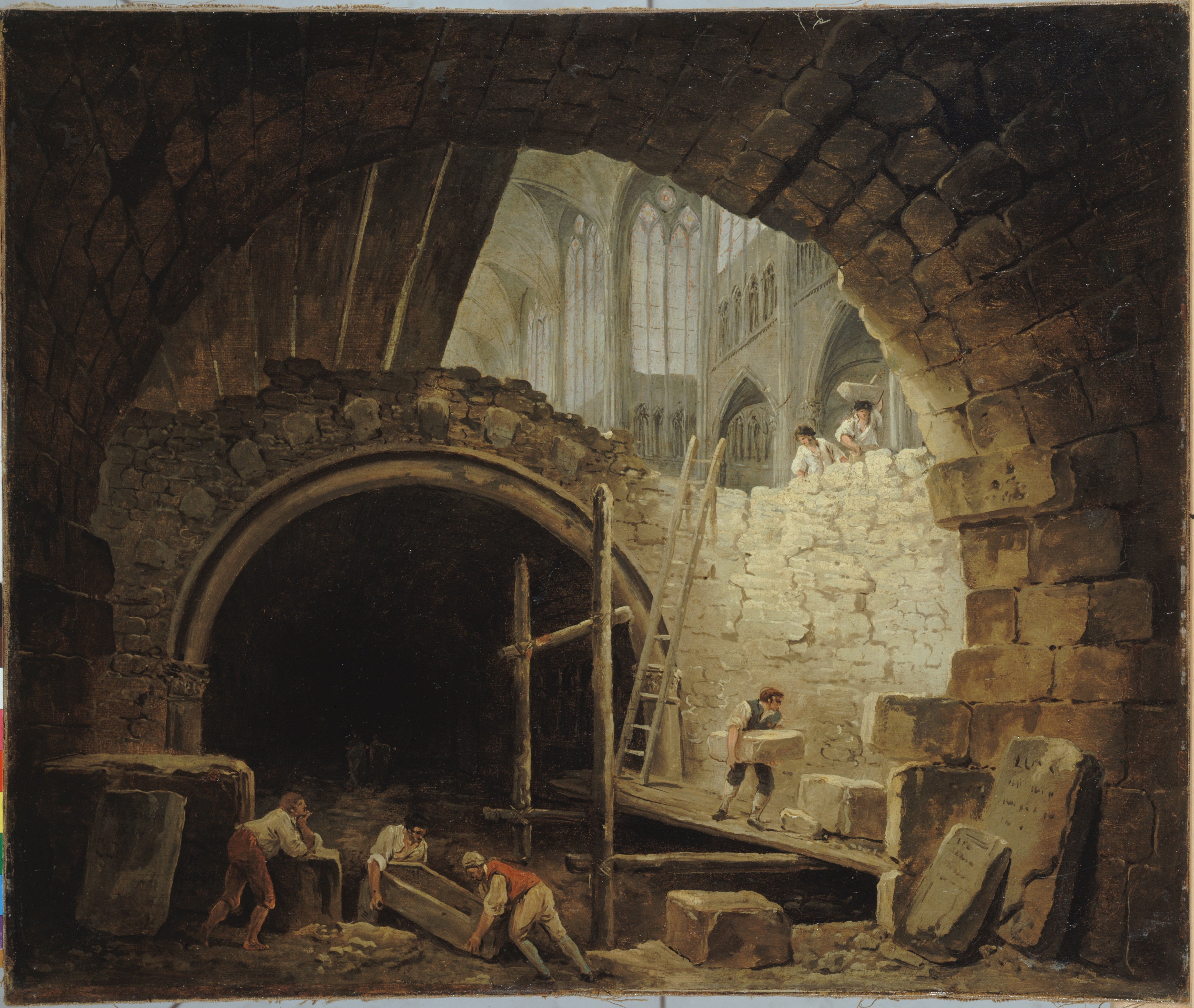
This 1793 painting by Hubert Robert is titled "La Violation Des Caveaux Des Rois Dans La Basilique De Saint-Denis," meaning "The Violation of the Royal Vaults in the Basilica of Saint-Denis."

According to art historian Suzanne Glover Lindsay, as they dug up the royals' remains, "The putrefied bodies of some [Bourbons] emitted a malodorous black vapor that sickened workers before it was checked with vinegar and burned saltpeter." Sounds lovely.

I mean, I get it. Let he who isn't carrying around a former royal's desiccated organs cast the first stone, am I right?

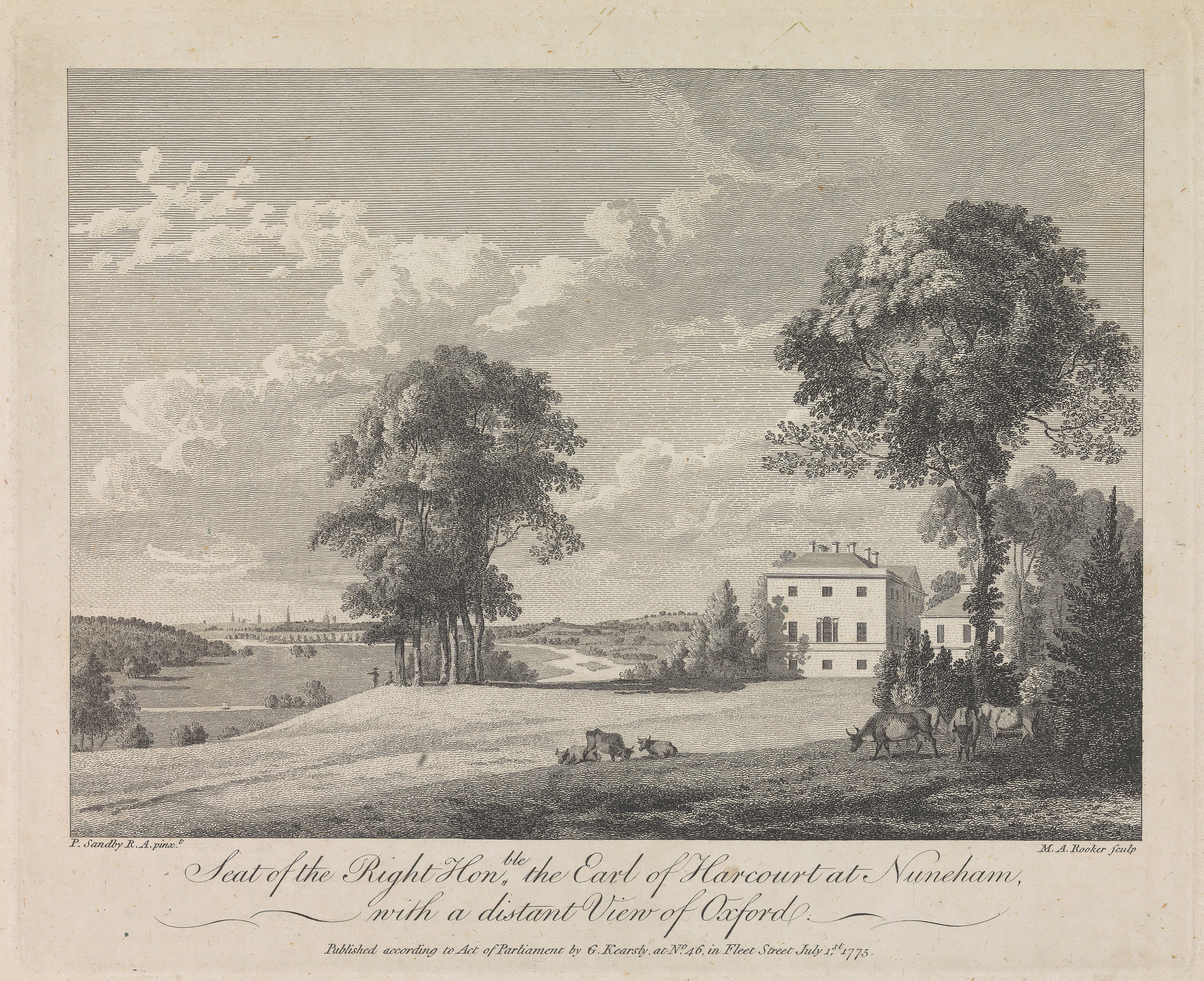
Yes, that's right. A guy ATE part of Louis XIV's mummified heart at a dinner party. I don't know about you, but if I accidentally ate mummy entrails, I would have walked straight out of Lord Harcourt's house and directly into the sea.

For the record, Buckley also had an obsession with eating stuff, so...I'm not entirely sure this was an accident, either.

Guess they were more interested in their artwork than eating weird things that were handed to them. Curious!

(This photo is of another painting by Alexandre Pau de Saint-Martin, called "Porte Saint-Denis," done sometime between 1810 and 1830. Does it also contain traces of "mummy brown"? Who knows! Paging the scientists!)

Piazza Santa Croce and Santa Croce are pictured here. By the way, the Catholic church eventually acknowledged it had unfairly prosecuted Galileo...in 1992.

This is Galileo's telescope, which he touched with his hands, which were later chopped and divided up like piñata droppings amongst some dudes who just happened to attend his second funeral and conveniently have a weapon with them. Normal stuff.

A hallway in the Laurentian Library. I often hear that libraries have everything, but I wouldn't have considered a loose phalanx to have been included in that.

Personally, I wouldn't mind a trip to Florence just so I could tell people I've been flipped off by a Renaissance-era scientist.

The imperial family held a funeral for Rasputin, buried him at Tsarskoye Selo (its Catherine Palace is seen here), and planned to build a church over his grave. However, shortly after Nicholas II abdicated the throne in March 1917, Rasputin's body was exhumed and burned (and could have been further mutilated at that time).

This image is of Rasputin with some of his followers (*waggles eyebrows*) in 1907. His wife was well aware of his many infidelities, and was quoted as saying on the matter, "He can do what he likes. He has enough for all." (So we've heard, madam.)

Can't say these two things look alike, but then again, it's not in a big jar of formaldehyde.

Yes, this image is of the official phallus that is currently on display in St. Petersburg. "Russia's greatest love machine," indeed.
Comments
You must be logged in to comment.