yahoo Press
Feeling ‘scared and emotional’ about investing? You’re not alone – how to get a grip before you tank your finances
Images
1 / 4
2 / 4

3 / 4

4 / 4
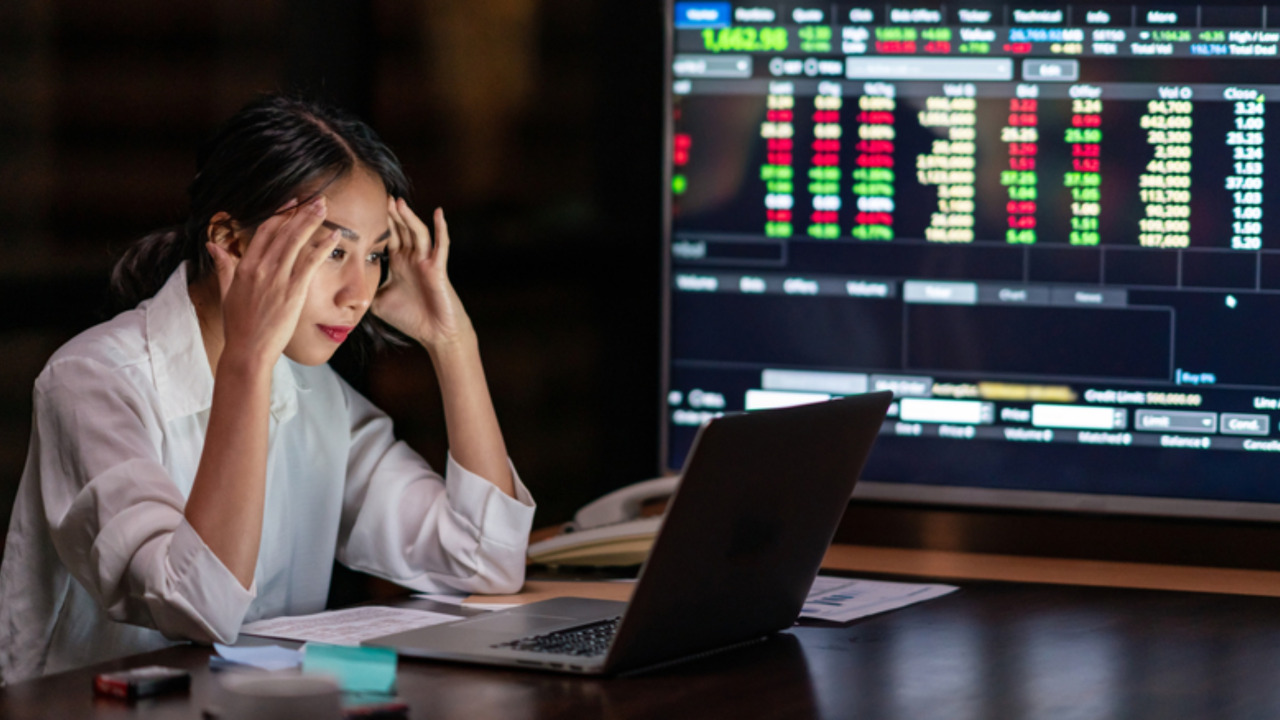
Dramatic swings in the stock market are hard on retail investors, generating strong emotions that override conventional investing wisdom, such as, "Buy low, sell high."

According to a June MarketWise survey of 1,002 retail investors, 25% of participants sold an investment during the most recent market drop, only for the market to recover within weeks.

Jeff Bezos backs a platform that lets anyone invest in rental homes for as little as $100 — 6 ways to build wealth like a landlord without actually being one

Dave Ramsey warns nearly 50% of Americans are making 1 big Social Security mistake. Here's what it is and 3 simple steps to fix it ASAP

Millionaires under 43 hold only 25% of their wealth in stocks. Here's where their money is actually going

Emotional investing decisions can have a serious impact on the state of your finances. The 43% of surveyed retail investors who lost money in an emotional trading decision gave up an average of $1,606. However, many retail investors don't realize they're making emotional investing decisions in the first place.

FOMO, the fear of missing out, is easy to identify when you come across a photo of your friends on Instagram having brunch without you. However, the survey shows FOMO is much harder to recognize in your investing decisions.

Per the MarketWise survey, 31% of investors say they trade emotionally, but only 20% labeled themselves as an emotional investor. Yet 48% of respondents say they made a FOMO-driven purchase within the last 12 months.

"You've got this divide between people who are clearly making emotional decisions, but they're thinking that they're not quote, unquote emotional investors," James Royal, MarketWise investing writer and author of the recent survey, told Moneywise. "That dichotomy is a real indicator of what a pejorative term, 'emotional investing' is."

In denial of their emotional investing, Royal says many retail investors open themselves up to making the same mistakes repeatedly. "They can't self-correct until they admit the possibility that they are making decisions on emotional grounds," he said.

Investing decisions as a result of FOMO are especially hard to notice, says CFP Derek Notman, because the decision can take place long after the initial emotion. A missed opportunity may spur retail investors to overcommit to the next opportunity too quickly. "So now they're like, 'Okay, I'm gonna hit it this time for sure,' but all due diligence goes out the window," Notman told Moneywise.

Read More: Forget Florida — this is why these two unexpected states are the new retirement hot spots

It's difficult to completely divorce your emotions from your financial decisions. Money, or the lack thereof, is a very emotional topic, and humans are very emotional. "Retail investors tend to operate on herd mentality. That's how humans act," Notman said.

The best long-term solution to removing emotion from your investments is to understand what life those investments are meant to serve.

"Money really is a tool to help you live whatever life you want to live," Hanna Horvath, CFP and author of financial newsletter Your Brain on Money, told Moneywise. "So what is that life? If you have full conviction on what your values are, what you want your money to do for you, it's a lot easier to make good financial decisions."

However, understanding your goals and developing an investment plan in service of those goals takes time and a considerable amount of soul searching, not to mention professional assistance.

In the meantime, Horvath recommends adding friction to slow down any investing decision you make, whether you wait 24 hours before investing in a stock or distancing yourself from the source of your investing impulses, like investing advice on Reddit or from an investing influencer. Lastly, "it really is in your best interest to not be checking your portfolio every single day."

As for the drastic shifts in the market, Notman says the best course of action is often to ignore them and keep your eyes on the long-term horizon.

"It's really easy to get scared and emotional about these things," Notman says. "If you have a financial plan and you are invested appropriately for your time horizon, then you're going to be able to weather these storms."

The tax breaks in Trump's 'big beautiful bill' expire after 2028 — and experts say most people won't act in time. What to do before the window closes

Here's the average income of Americans by age in 2026. Are you keeping up or falling behind?

This income fund has paid up to 8.4% in historical returns — here are 4 cash strategies so you can earn more in 2026

Here are the 7 top habits of 'quietly wealthy' Americans. How many do you follow?

Join 250,000+ readers and get Moneywise's best stories and exclusive interviews first — clear insights curated and delivered weekly. Subscribe now.

This article originally appeared on Moneywise.com under the title: Feeling 'scared and emotional' about investing?  You're not alone – how to get a grip before you tank your finances

This article provides information only and should not be construed as advice. It is provided without warranty of any kind.
Comments
You must be logged in to comment.