buzzfeed Press
I Tried Zendaya's Red Carpet Moisturizer On My Super Sensitive Skin, And Here's How It Went
Images
1 / 9

2 / 9
3 / 9
4 / 9
5 / 9
6 / 9
7 / 9
8 / 9
9 / 9
BuzzFeed and our publishing partners may collect a share of sales or other compensation from the links on this page. Read More

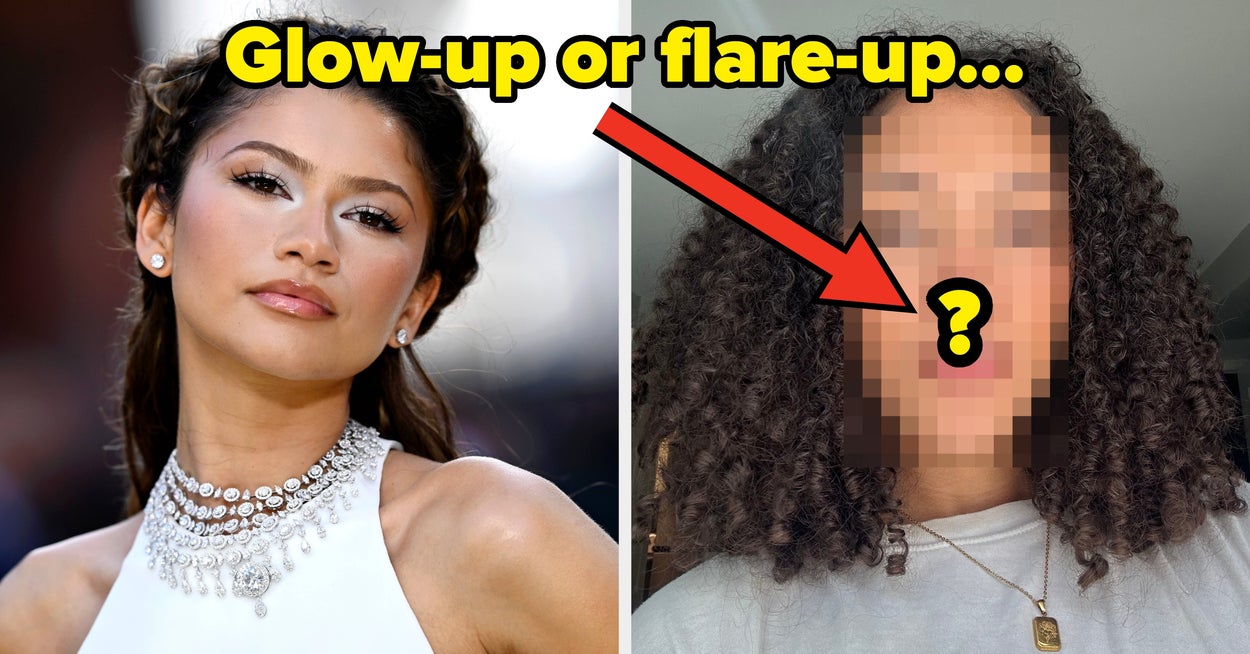
Does this magic cream give sensitive skin a glow-up or a flare-up?

I’m the SEO Resident here at BuzzFeed, and I cover everything from trending pop culture and celebrity news to evergreen entertainment and lifestyle topics.

I've always had sensitive, combination skin, with my T-zone being the main problem area for breakouts. These usually appear as clogged pores (aka closed comedones) rather than regular acne flare-ups, paired with an extremely fragile skin barrier, redness that pretty much never fully goes away, dryness and itching, and random rashes that show up when my skin is super triggered.

Over the years, I've discovered a few ingredients that my skin absolutely loves and a whole lot that it absolutely hates. Ingredients like glycerin, sodium hyaluronate, and oat extracts are a hard yes; things like sulfates, salicylic acid, and lanolin are a hard no for me. Occasionally, I'll get contact dermatitis and eczema flare-ups, but I've reached a point in my daily routine where I'm pretty confident I can avoid the ingredients I know are skin irritants. As a result, the moisturizers I typically look for have calming, hydrating, and smoothing properties. Recently, I've been reaching for gels over creams, but part of testing Charlotte Tilbury's Magic Cream was also to see how different moisturizer textures work on my skin.

Currently, I have a pretty simple (yet solid) routine, but I wanted to step out of my comfort zone with this moisturizer to see if it's something I could use long-term. While discussing the best and least recommended practices for sensitive skin, Dr. Evans stressed the importance of a patch test. “Patients are all snowflakes,” she says. “Skincare is generic, so it's meant for everyone — or they want everyone to buy it — but that doesn't mean it's right for you.”

She continues, “That's especially important when you have more sensitive skin, or, specifically, diseases where the skin barrier is broken. Eczema, atopic dermatitis, or rosacea can be really flared, so it's important to be really careful with products.”

With that in mind, let's get into the testing.

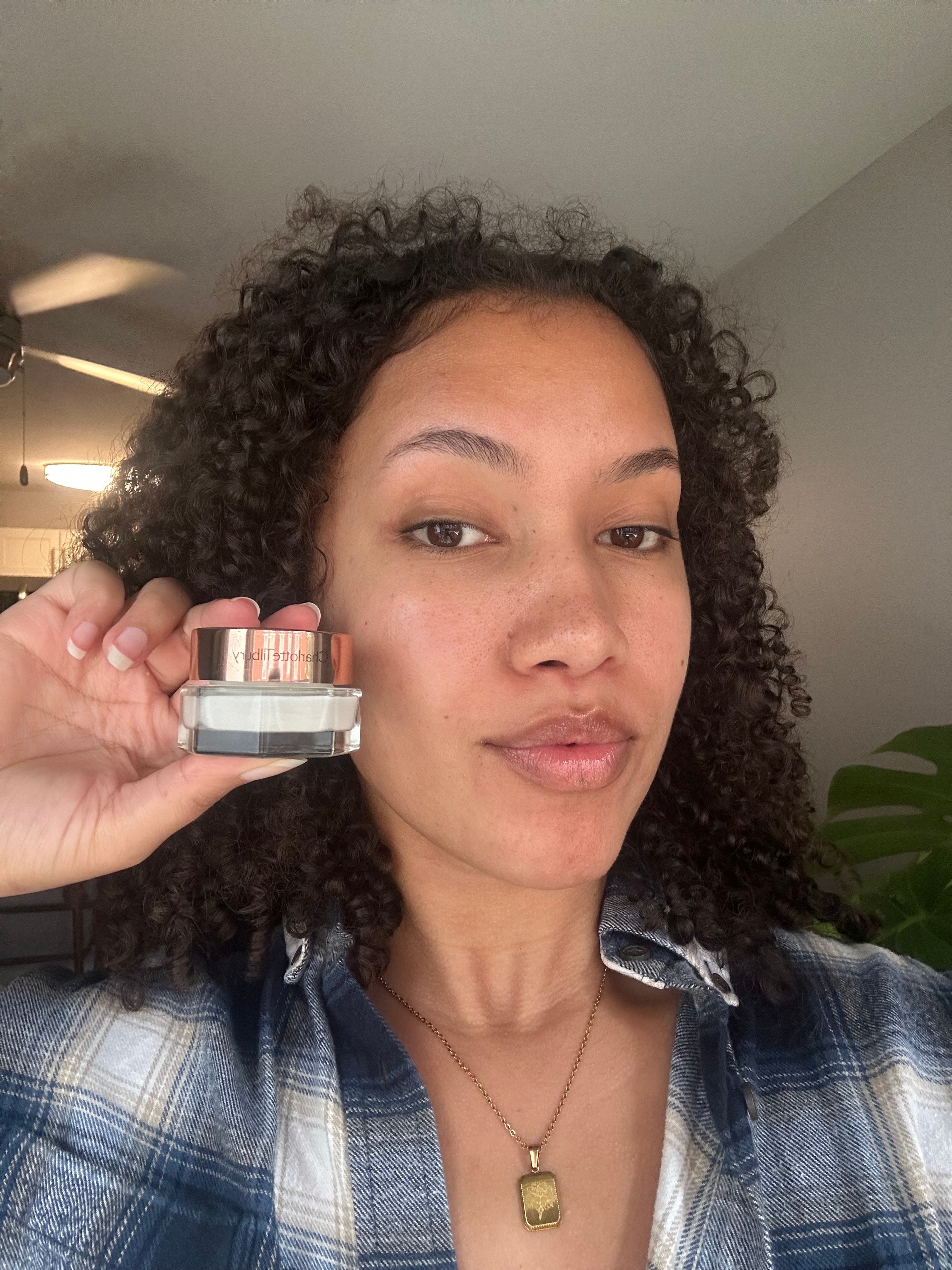
Following Dr. Evans's advice, I conducted my patch test by applying a small amount of the moisturizer to the skin behind my ear. "People always say [test on] the arms, but our arms kind of have thicker skin, so I like a more sensitive area," she says. After 24 hours, I decided the coast was clear and incorporated the Magic Cream into my morning routine. Using Charlotte's very own "Magic Massage" technique, I applied it to clean, dry skin after using serums. On days I wore makeup, I doubled it as both a moisturizer and a primer before applying my foundation.

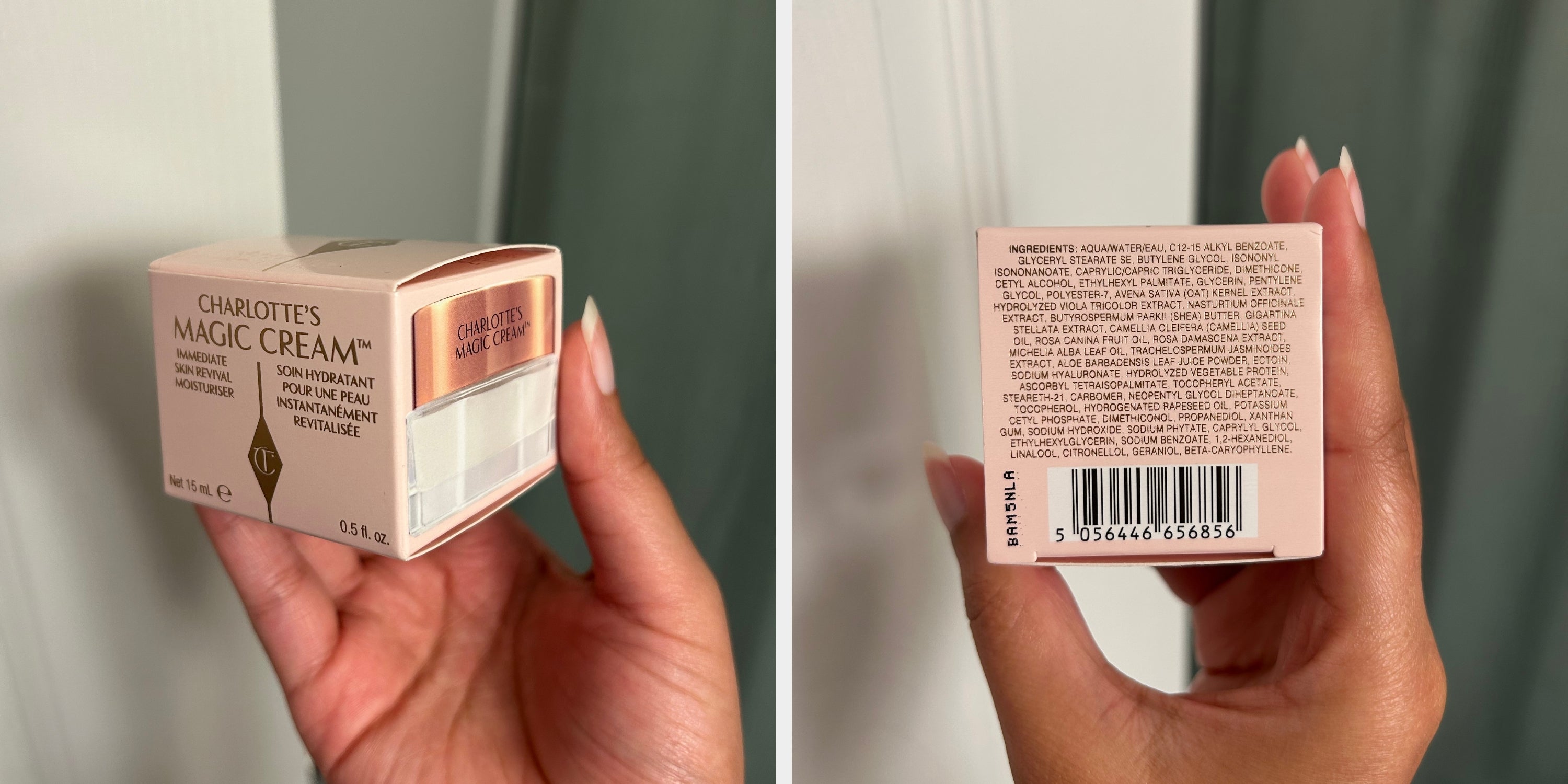
With over 45 ingredients listed on the packaging, highlights of the active components include peptides, hyaluronic acid, and vitamins C and E to plump and hydrate the skin, while the inactive base of emollients, silicones, and floral extracts gives it its signature, rich texture.

From a dermatologist's perspective, Dr. Evans explains that the Magic Cream contains both helpful and not-so-helpful ingredients, particularly for those with sensitive skin. In the former category, we have glycerin and hyaluronic acid. “Those are very helpful in terms of being humectants and hydrators,” she says, adding the product's shea butter and rosehip oil to the “helpful” column when it comes to emollients that moisturize the skin. “But there are also ingredients that people could be very sensitive to, like plant-based things or aloe vera.” The triglycerides and fatty acids in the formula are also helpful (with an asterisk), as some people may be allergic to them.

On the flip side, the Magic Cream contains ingredients that can be sensitizing and comedogenic, which can cause acne. “I would say this is better for patients with skin that is not very sensitive to clogged pores,” Dr. Evans says. “This is what we would call more mature skin, or dry skin that’s not sensitive skin. You have to be careful with some of those ingredients, like various plant oils, which can clog pores. They have some cetyl alcohol and glyceryl stearate. These are places where patients could be prone to acne, and that could flare it.”

According to Dr. Evans, the moisturizer also features antioxidants that can be helpful for anti-aging, as well as brighteners, such as vitamin C. “It has a stable vitamin C extract and tocopherol [vitamin E].” However, she notes that some people can also be triggered by vitamin C, so do with that information what you will. She also talks about the plant-based components, saying, “Whenever I think of botanicals and dermatology, I always get worried. I like to tell my patients that we’re allergic to what we’re like. Poison oak may be the most natural thing in the whole world, but people have terrible allergies to it. This cream uses oat kernel extract and watercress. Those could be potential allergens for people.”

Check out the full ingredient list here.

The cream is smooth, rich, and easy to massage into the skin. It's not thick enough to where it feels like you have a mask on your face, but you can feel it sinking into your skin throughout the day. A little definitely goes a long way, though, especially if your skin is already prone to feeling heavy after using a more dense moisturizer.

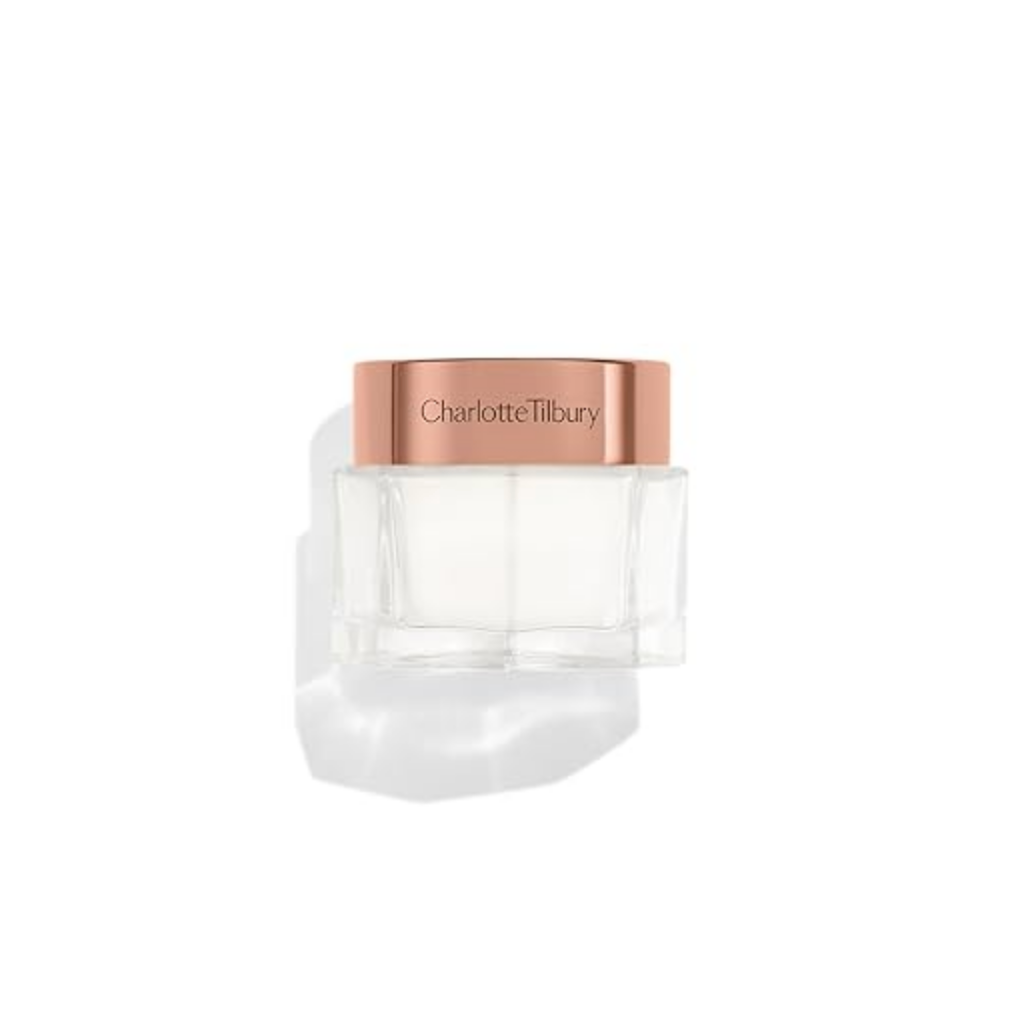
The Charlotte Tilbury Magic Cream comes in four sizes: the standard 30 ml (0.5 oz) at $69, the mini 15 ml (1 oz) at $32, the large 50 ml (1.6 oz) at $105, and the extra-large 150 ml (5 oz) at $260, as well as refills.

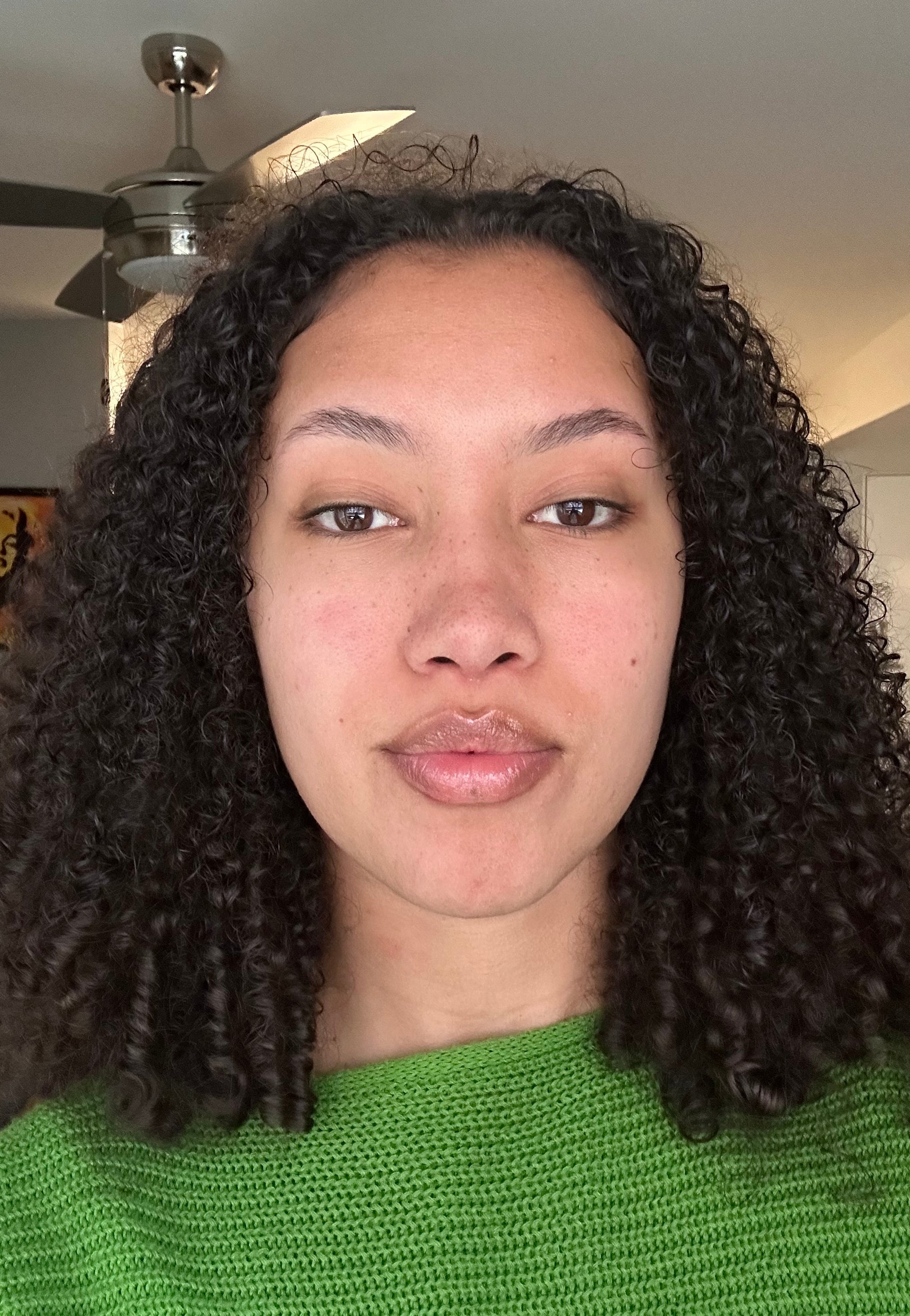
I noticed I had more of that "natural glow" throughout the day while using this moisturizer, and my skin felt less dull and more hydrated (especially in areas that are usually super dry, like around my jawline).

By the end of the day, the product had soaked in enough to feel more cushiony than heavy on my face. After seeing how the Magic Cream works under makeup, I'd honestly consider using it strictly as a primer over a daily face moisturizer going forward. It felt like my foundation went on more smoothly, the entire look lasted longer without creasing, and I much preferred the dewy look this product gave me to the more matte look I usually end up with.

Another plus: This stuff smells divine. After getting used to all the fragrance-free products in my daily skincare routine over the past few years, the Magic Cream's subtle, rosy aroma was a nice baby step back into the world of fragrances to see how my skin reacts to scents in skincare products now.

Now that you've heard the good news, it's time for some not-so-good news. After the first few days of using it, I did wind up with some irritated patches on my cheeks and a perioral dermatitis flare-up. Dr. Evans touched on delayed hypersensitivity reactions, saying, "Some allergens accumulate, and a lot of them are [delayed hypersensitivity]. We'll have people who are like, ‘I've used this product and all of a sudden I can't,’ and that actually is what happens. Your body starts to develop an allergy to it.”

So, just because you don't notice a reaction right away, you can never say never. “When you use a product — especially when you have sensitive skin or allergies — you need to use that product for at least 10 days," Dr. Evans says.

I also noticed I had more closed comedones than usual after a week of using the cream, mainly around the apples of my cheeks and forehead. So, if you're considering trying this cream, I'd definitely suggest taking Dr. Evans's advice of making sure you know whether your skin is sensitive to clogged pores beforehand. I have a feeling the Charlotte Tilbury Magic Water Cream could be better suited to those with skin similar to mine (and maybe I'll try this one next!). The fragrance-free, gel-cream formula may be more gentle on the skin while still providing that smoothing and plumping effect.

Overall, I'd say it depends. Luckily, my skin did not flat-out reject the cream, and the reactions I had to it were pretty manageable. Considering some of the horror stories I've had with harsher products in the past, I'd say this moisturizer is pretty sensitive skin-friendly; however, it really depends on what kinds of skin issues you typically deal with.

If you're extremely sensitive to fragrances and plant-based ingredients, or if you're prone to clogged pores, the moisturizer may not be for you. Take it from Dr. Evans: “When you have sensitive skin, you really have to try it for yourself." If you're not quite sold on the Magic Cream, I'd recommend checking out these other moisturizers that might be easier on your skin (and your pockets):

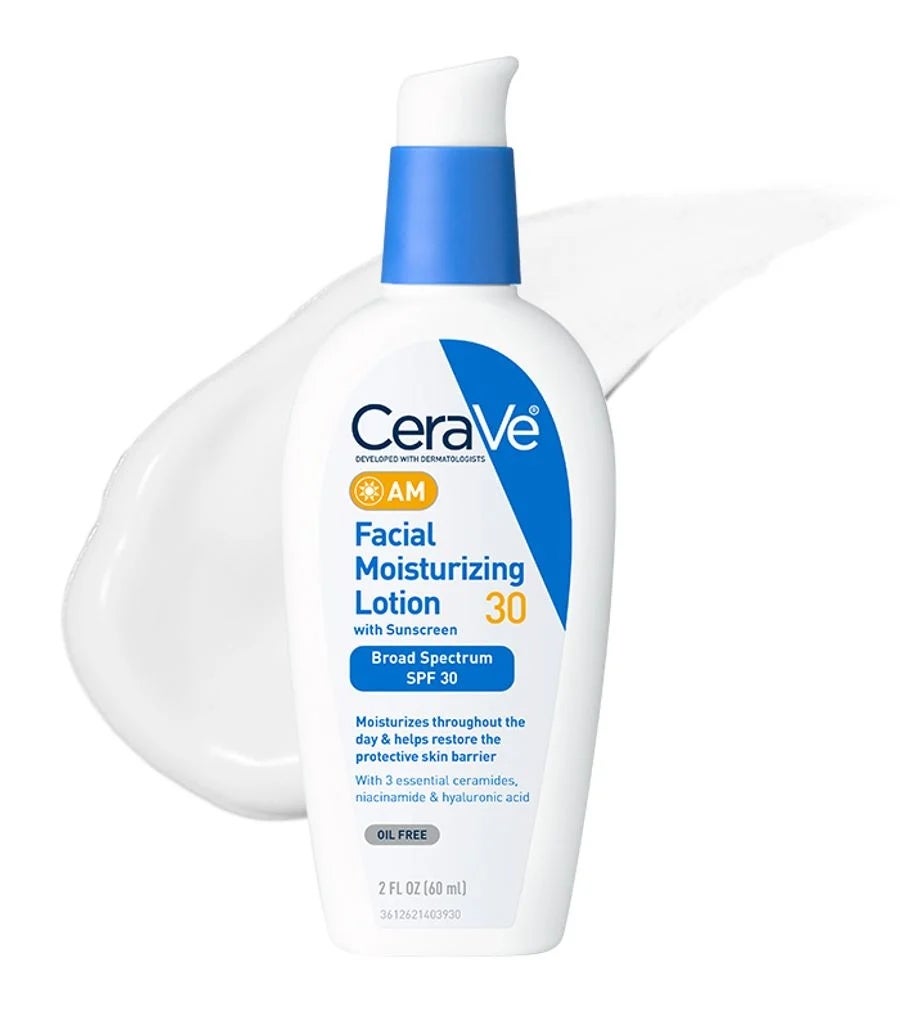
Prior to using the Magic Cream, Zendaya has also reportedly loved a different moisturizer, one that you can easily find at the drugstore: CeraVe's AM Facial Moisturizing Lotion with SPF 30. According to Dr. Evans, this brand is very well-suited for those with sensitive skin. She says, “[It's] going to be both a chemical and physical blocker. It has zinc, which I like; zinc is really well tolerated. It also has a chemical sunscreen, so it’s combined." She adds, "Some people who are more sensitive to chemical sunscreens may be more aggravated by that one; however, it's mostly well-tolerated."

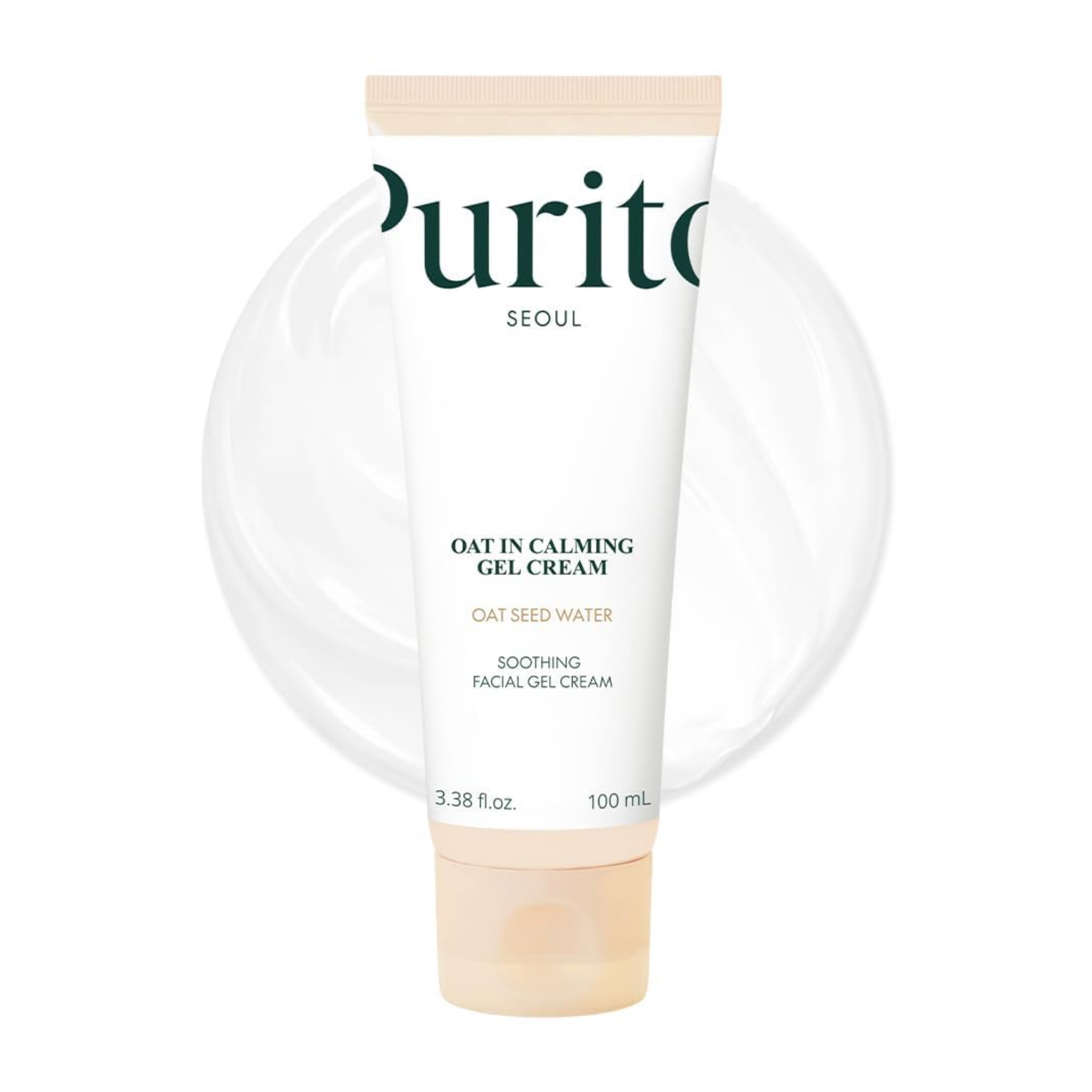
If you're a fan of Korean skincare, the Purito Oat In Calming Gel Cream is a moisturizer I personally recommend, as someone who uses it in their daily morning routine. Like the Magic Cream, it hydrates, soothes, and plumps the skin, but it may provide a lighter feel; plus, it's non-comedogenic and fragrance-free.

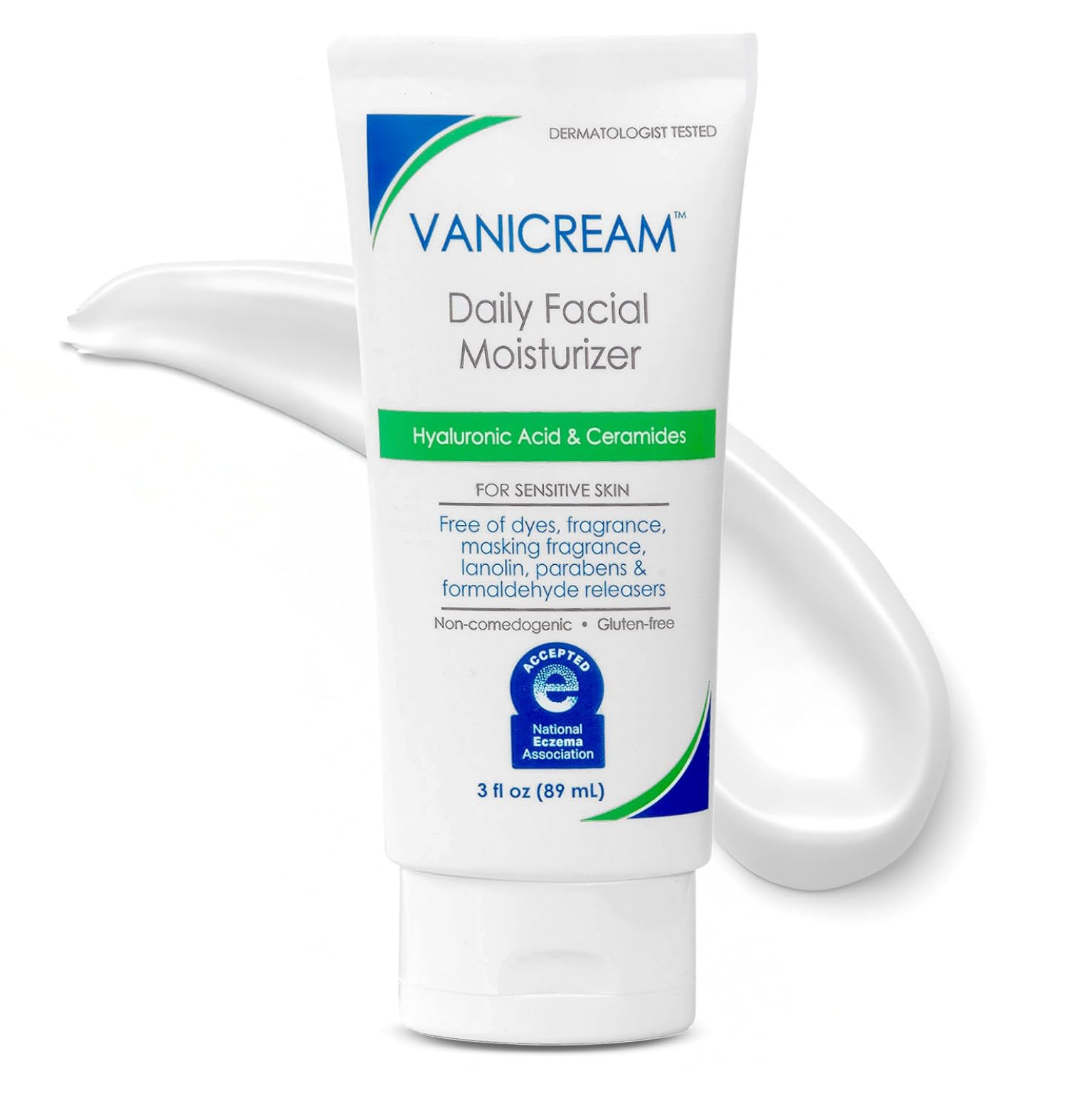
According to Dr. Evans, "What people do a lot is combine all these ingredients, and then they end up with worse skin." She recommends taking the simplest approach, and the Vanicream Daily Facial Moisturizer is exactly that, designed to hydrate, restore, and maintain the skin barrier. This used to be a staple in my routine, but I ended up switching after realizing my skin prefers a gel-based formula.
Comments
You must be logged in to comment.