buzzfeed Press
I Spent 8 Weeks On A GLP-1s, And Honestly? It Wasn't At All What Social Makes It Seem Like
Images

1 / 13
2 / 13

3 / 13
4 / 13
5 / 13
6 / 13

7 / 13

8 / 13

9 / 13
10 / 13
11 / 13

12 / 13

13 / 13
This is the reality TikTok won’t show you.

I’m a writer passionate about healthy living, wellness, and celebrity culture, sharing trends, tips, and inspiring stories that make living well both practical and engaging.

Disclaimer: This speaks to the writer's personal experience with a GLP-1 drug. Everyone's experience will vary, and it's important to consult a medical professional before starting any new medication or treatment plan.

I texted a friend of mine who'd started taking a GLP-1 drug three months ago.

That answer stuck with me. Week 3. I was only on day 4.

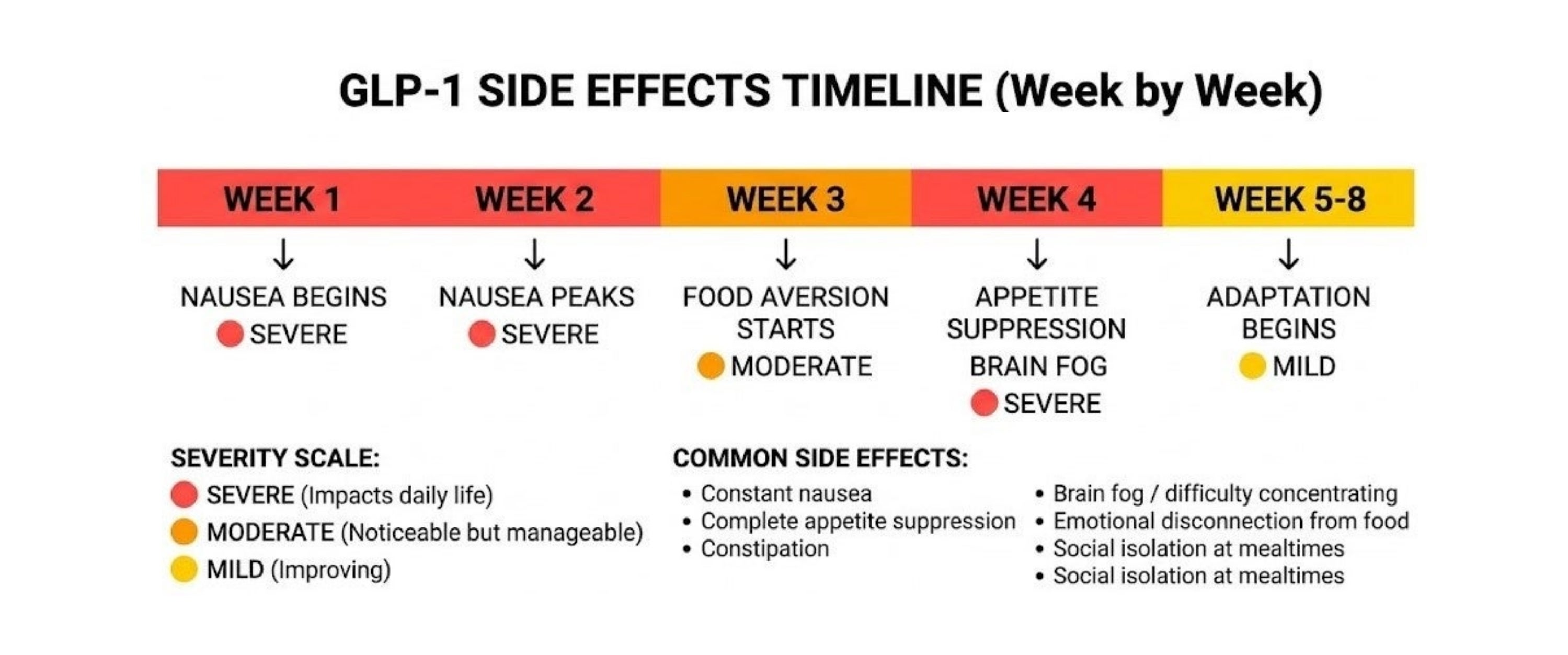
My side effects the first three weeks included:

Nausea – It had peaked by week 2, but lingered through week 3. By week 4, it occurred only occasionally, but the threat was always there.

Constipation – As if I had stopped eating altogether, the digestion of my meals was blocked by my body.

Food aversion – Certain types of food became intolerable, and seeing them would make me queasy.

Brain fog – It was especially tough on my brain during week 3 and week 4. While sitting at my desk working, I would get lost in what I was doing and forget where I was.

Total loss of appetite – I no longer felt hunger in any real sense. Breakfast, lunch, and dinner became scheduled points in the day rather than responses to any internal sense of hunger.

Social isolation – Being isolated socially in situations where I dined out with friends, with everybody around me enjoying their meals.

Emotional detachment – Food made me feel joy and satisfaction. When that pleasure became suppressed, I couldn't access it anymore. It was a strange kind of emptiness.

Before making the decision to pay for the weight loss drug, I'd been through psychotherapy and lasted six months, until I felt that it was not "sufficient.” I'd tried yoga and personal trainers, but nothing felt sustainable. The nutritionist I talked to for a short while suggested that I should eat less and exercise more, but I was doing that anyway. So when nothing helped, at least the medication seemed to be the only alternative with a certain finish line. Except it wasn't. It was just expensive and possibly temporary.

While using the drug myself, I was quite aware of these possible consequences, and that awareness made everything feel temporary. Like I was borrowing a smaller version of myself that I'd eventually have to return.

Pretty soon, I realized it wasn't only me. My friend Sahar, who had already been using Ozempic for a month before I started, said she had also experienced the same problem. Curious about what others thought about this subject, I began looking through Reddit discussions. While some users described only mild side effects, such as constipation or nausea that became manageable after changing their diet, others talked about weeks or even months of severe diarrhea, bloating, chest pain, heartburn, and feeling full after only a few bites. Another user mentioned multiple visits to the emergency room because of a rapid heartbeat, weakness, blurred vision, and fainting, while questioning whether the drug was responsible for these symptoms. Although their experiences differed in the details, one common trend emerged: eating just didn’t feel natural anymore.

The Good: In my experience, the appetite suppression worked. Weight loss was consistent. I achieved what I set out to do.

The Not-So-Good: Eight weeks of nausea, lack of appetite, constipation, and brain fog. No link whatsoever between my stomach and food. Isolation. Emotional detachment from food and happiness. The constant reminder that the body I have now isn't really my body — it's a chemically-altered version that I may need to let go of at some point.

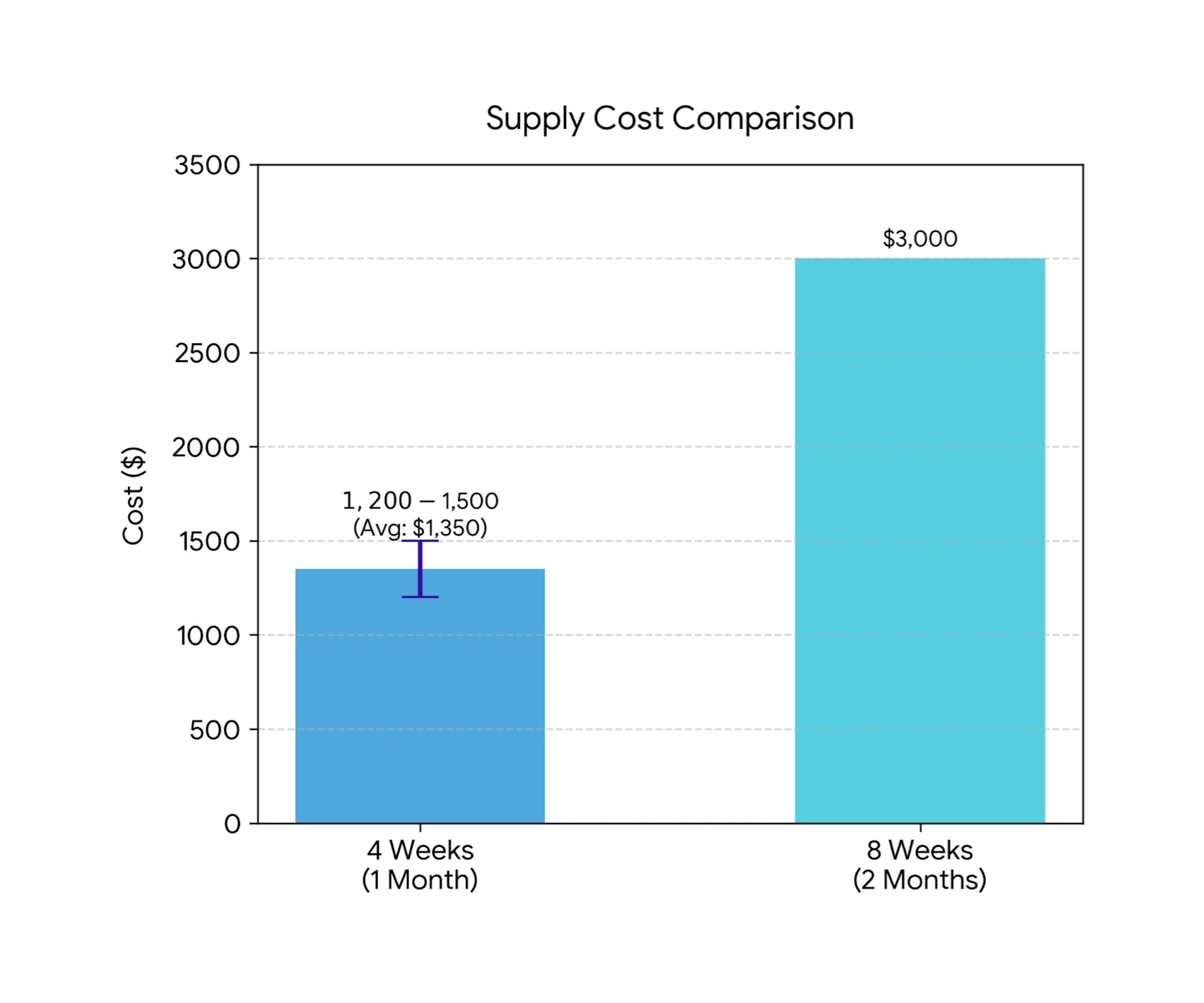
The Expense: Eight weeks of treatment cost me $3,000.
Comments
You must be logged in to comment.