buzzfeed Press
7 Fascinating "Little Shop Of Horrors" Behind-The-Scenes Stories From Ellen Greene As The Film Turns 40
Images
1 / 18
2 / 18

3 / 18
4 / 18
5 / 18
6 / 18
7 / 18
8 / 18
9 / 18
10 / 18
11 / 18
12 / 18
13 / 18
14 / 18
15 / 18
16 / 18
17 / 18
18 / 18
Four decades later, Ellen Greene shares heartfelt memories of originating Audrey onstage, working with Frank Oz, Rick Moranis, and Audrey II, and why “Somewhere That’s Green” still moves her today.

I’m a pop-culture writer covering everything from TV and movies, to music, Broadway, books, and games.

Few performances hit as emotionally as Ellen Greene's Audrey. From originating the role in the 1982 Off-Broadway production to reprising it in Frank Oz's beloved film, Ellen made Audrey completely unforgettable. Even rewatching Little Shop as an adult, I can't help but tear up during "Somewhere That's Green."

Now, as Ellen prepares for a 40th-anniversary screening tour, I had the privilege of speaking with her about Audrey's legacy, her memories of making the film, and why "Somewhere That's Green" still resonates with her today.

Note: This interview has been edited for length and clarity.

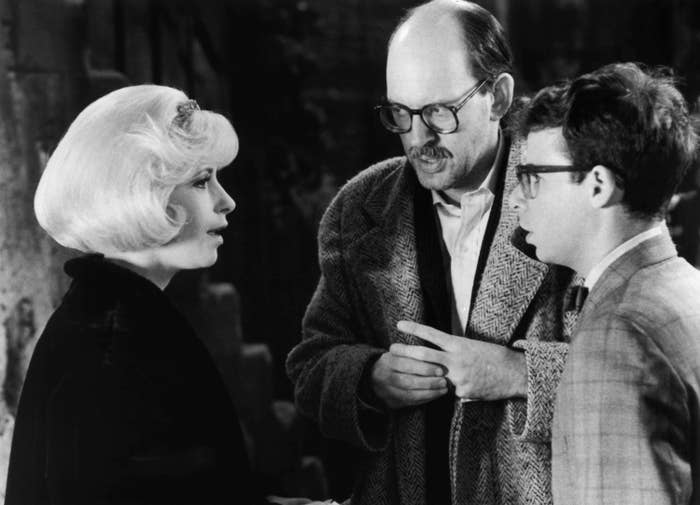
Ellen: In the film, Frank [Oz] wanted Audrey to be more of a heroine. At the beginning, we had to figure out which "Audreyisms" — that's what the cast used to call them — to keep. For example, they took out Audrey saying [in Audrey's voice], "You don't meet nice boys when you live on Skid Row, Mr. Mushnik," because they didn't want to start it off too silly.

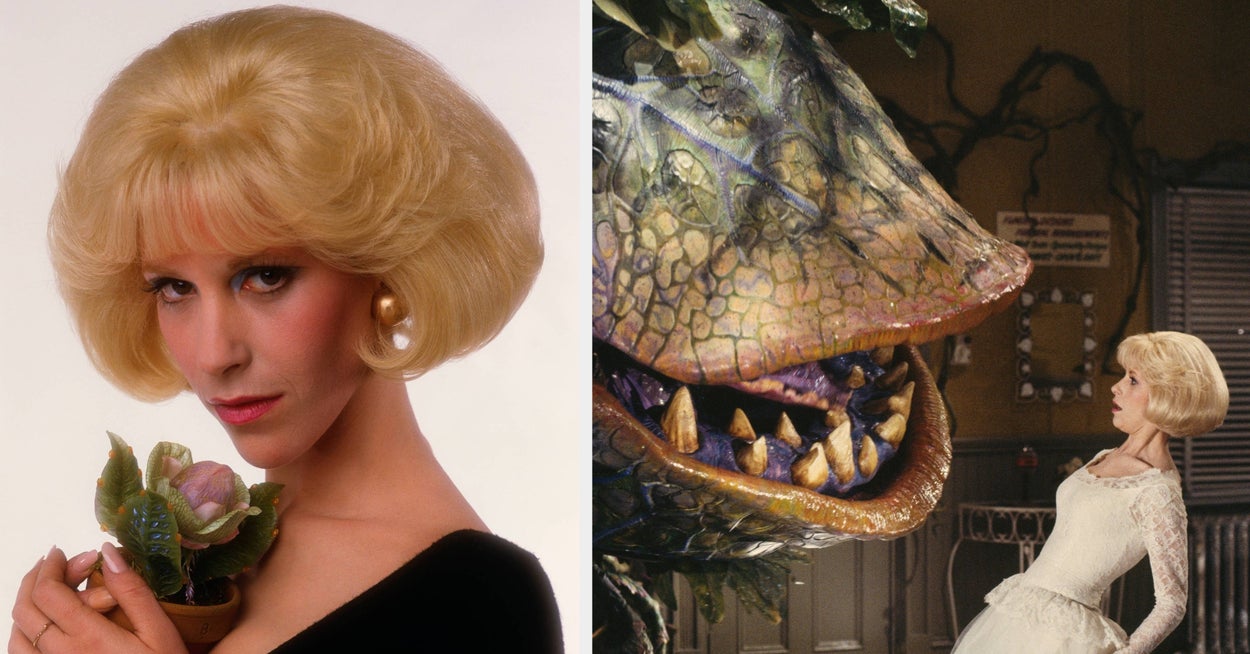
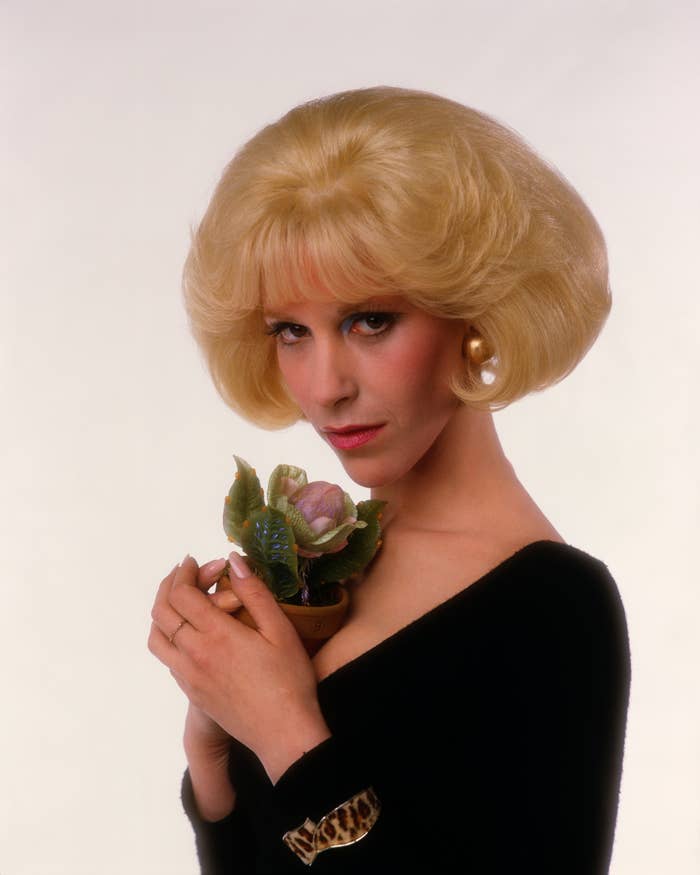
Even for Audrey's look, we didn't use typical film makeup. We ended up using my play makeup because Little Shop takes place in a world that's a little larger than life. It had to be a little extra.

The first time you hear an "Audreyism" in the film is the squeak, which came from a performance with Lee Wilkof, who played Seymour in the original Off-Broadway production. Lee had said something, and it just overwhelmed me, and the squeak was born. It's one of the biggest laughs at the beginning, and I'm very proud of it. Frank and Rick [Moranis] weren't so sure about keeping it in. Freddie Cooper, who was the cameraman, spoke up and said, "Sir, I think it's funny," and I got to use it in the film.

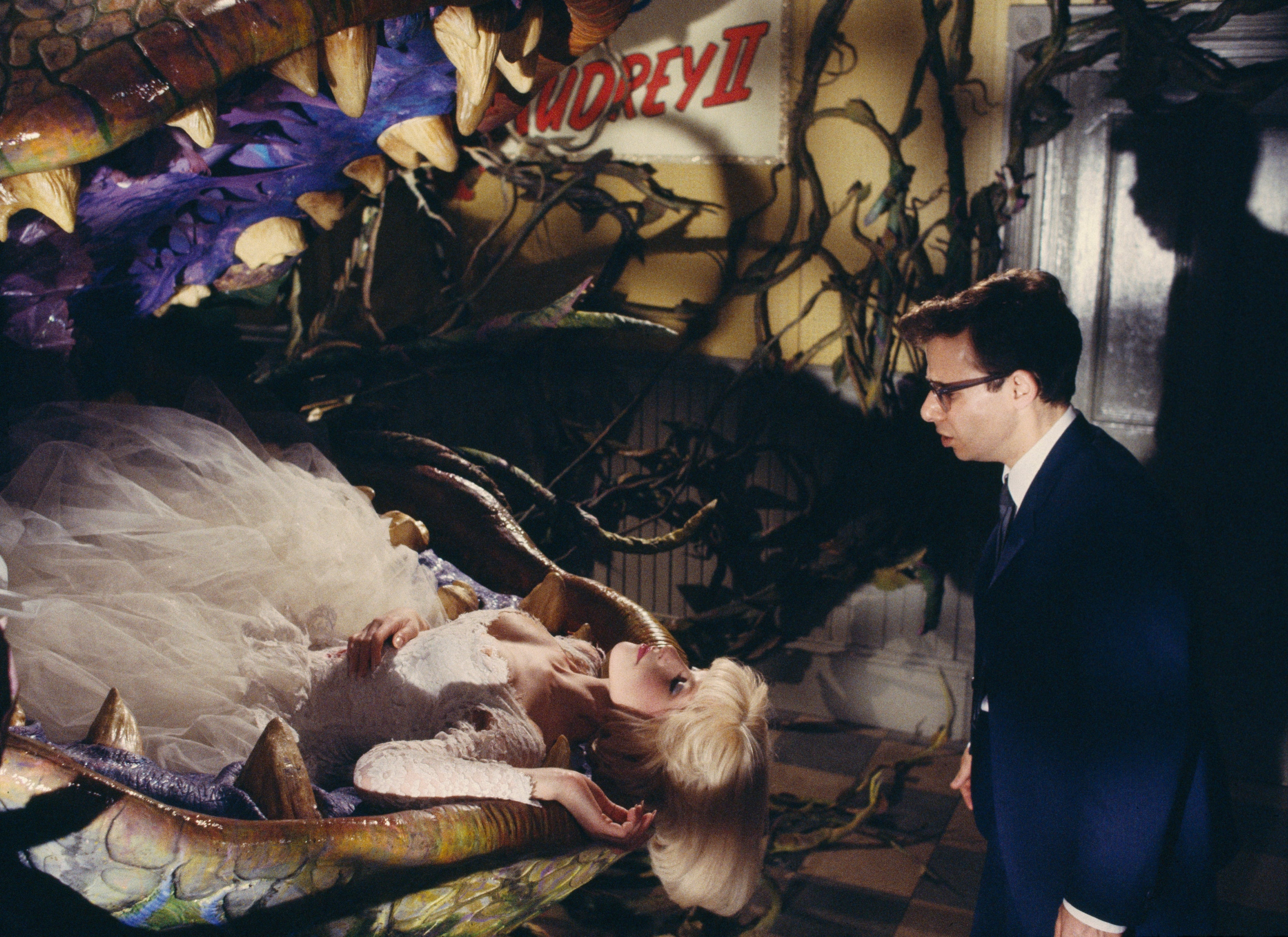
On stage, when Audrey dies, I say to the audience, "Which should be very shortly," and it's funny, and it's silly. In the film, as I was dying, I said it to Rick in a way that was way more intimate, and it wasn't funny.

It's hard to explain, but it's natural for me to go from stage to film. I had done films before. My first was Next Stop, Greenwich Village with Paul Mazursky, who was a great teacher. He told me to trust my instincts.

Ellen: I do love the director's cut, because it follows the original story and the moral. But the two endings are like different children. I love them both. Maybe I have a bit of a favorite. (Laughs.) But I won't say.

One of my nephews just cannot watch the director's cut. He says, "When Audrey dies, it just breaks my heart!" It's a really good death scene.

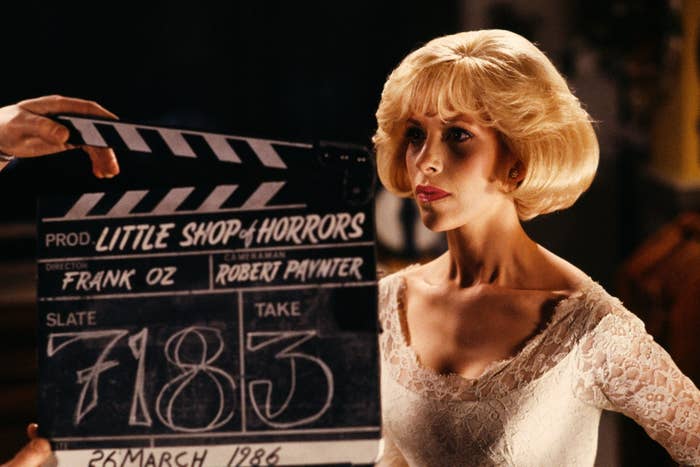
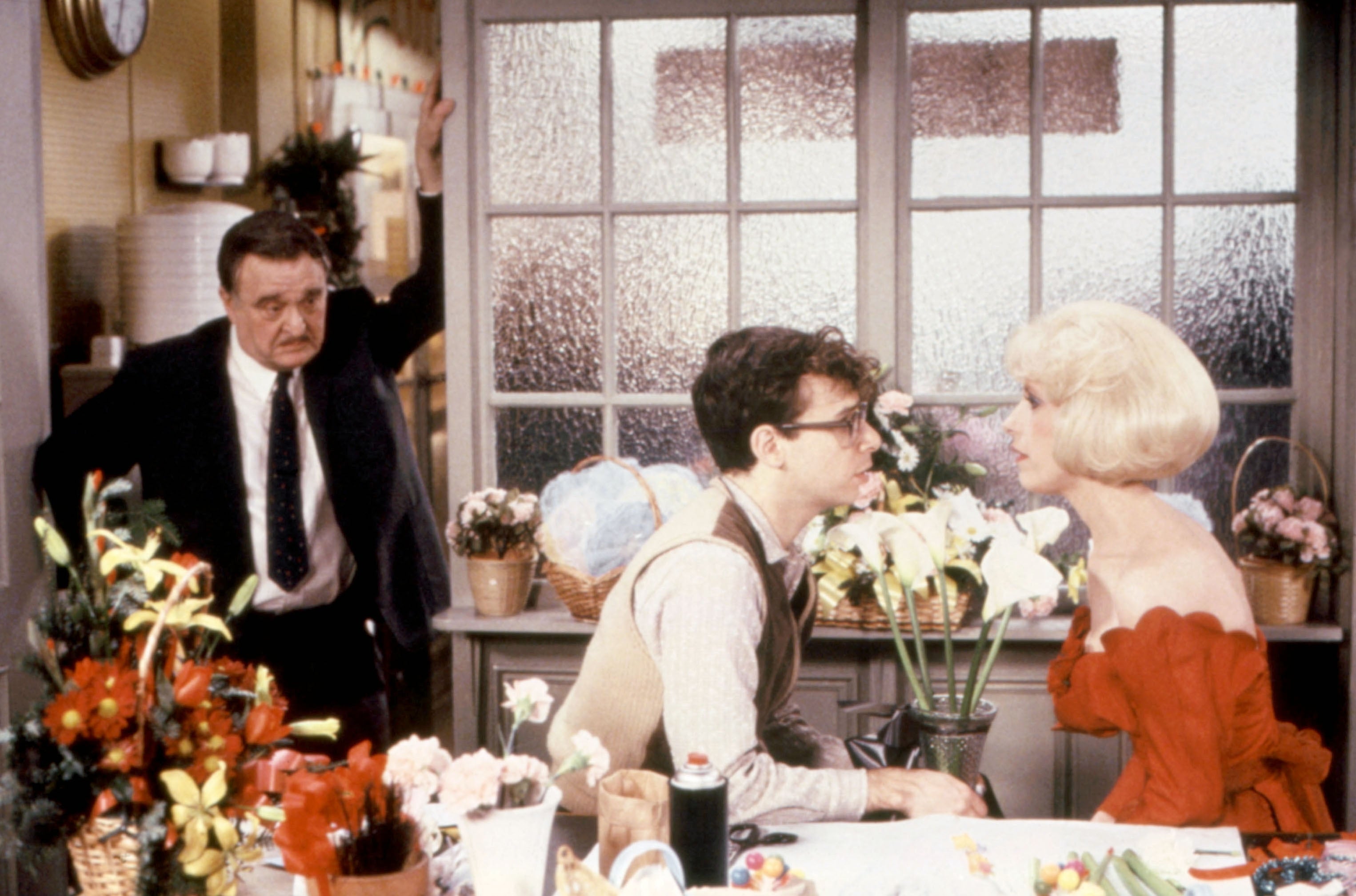
Ellen: Roy Walker was a production designer, Steve Spence was the art director, and Tessa Davies was a set decorator. We filmed on the famous 007 Stage at Pinewood Studios in England. I remember Frank showing me the entire set, and it was enormous.

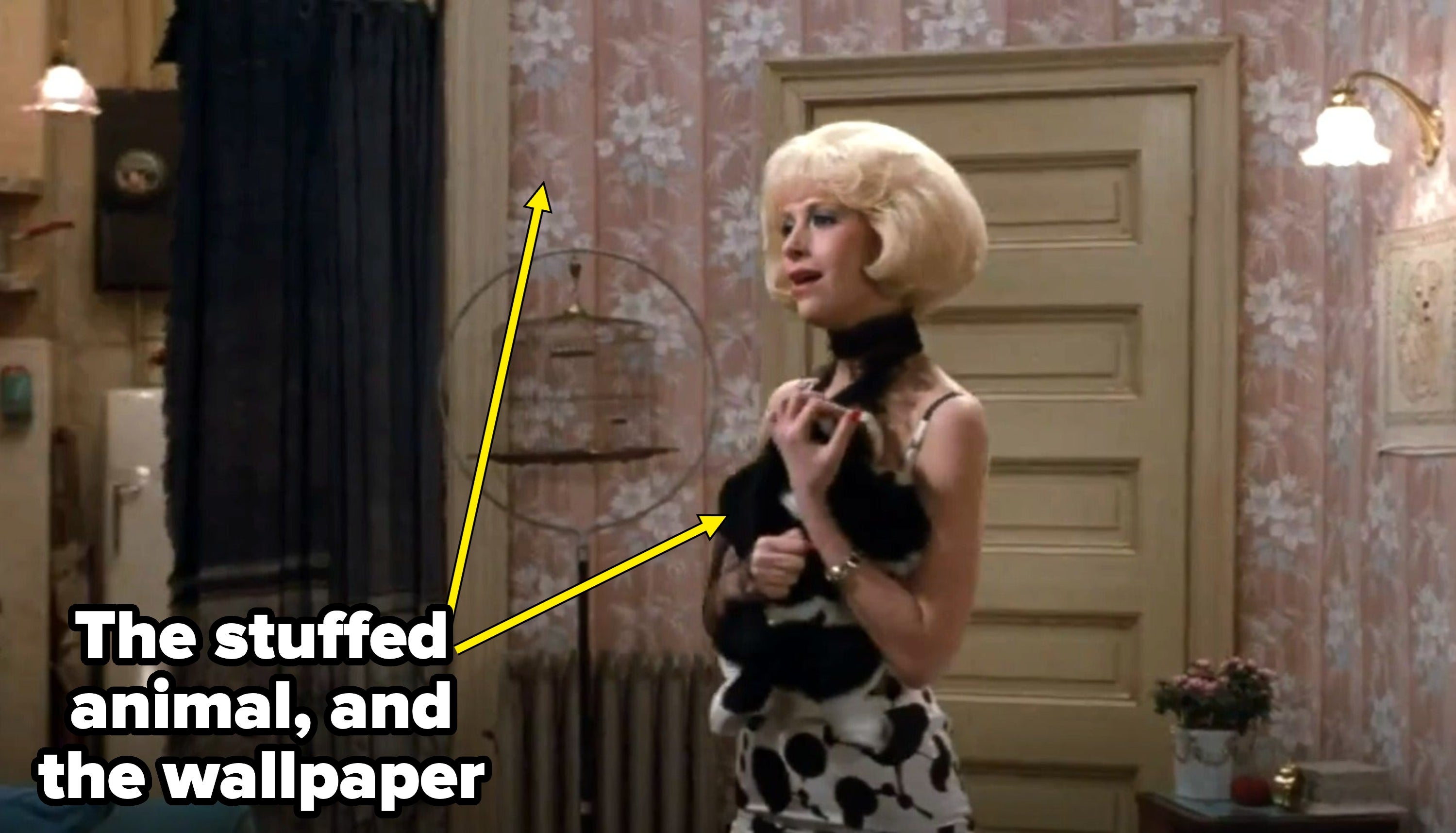
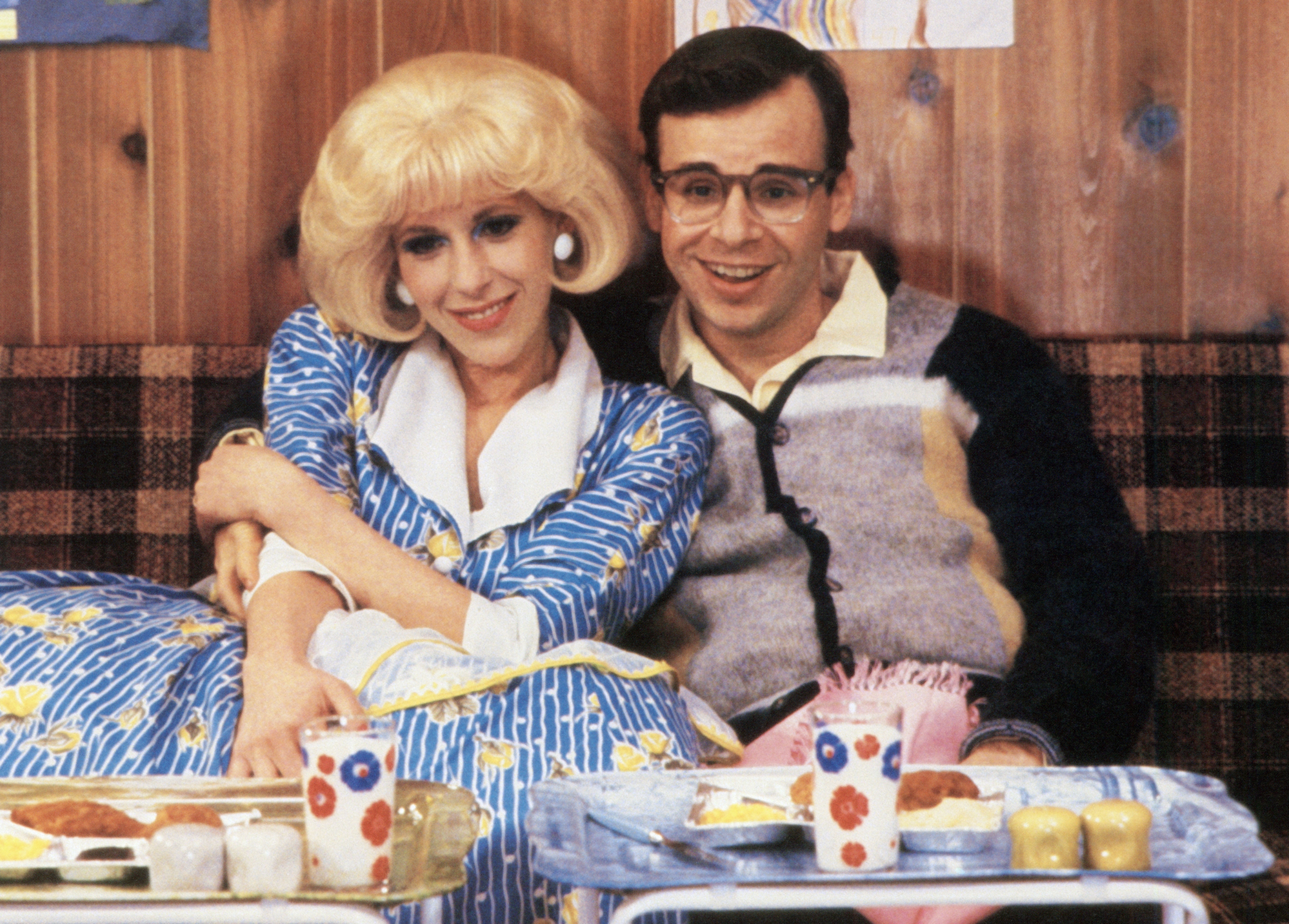
I got to see Audrey's room, and the first thing I noticed was the antique wallpaper, which was from Secondhand Rose in New York. There was such attention to detail. The three names I just mentioned were so talented, and the whole British crew was stunning, from every department. They cared so much about this film.

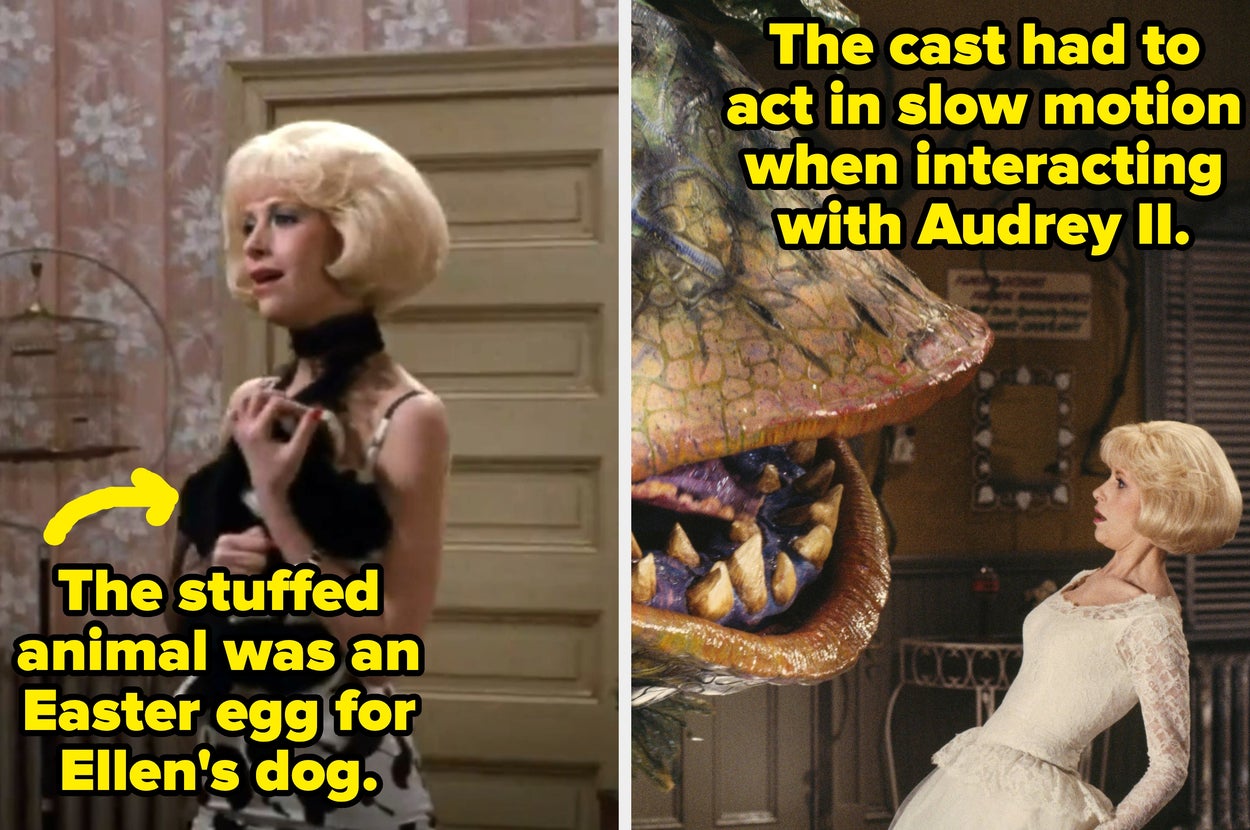
Marty Robinson was my boyfriend at the time. He played Snuffleupagus on Sesame Street, and so I had a cocker spaniel named Snuffy. I couldn't bring Snuffy with me, so Frank gave me this stuffed animal that looked like Snuffy and said, "Since you can't take Snuffy all the way to England, here's a substitute."

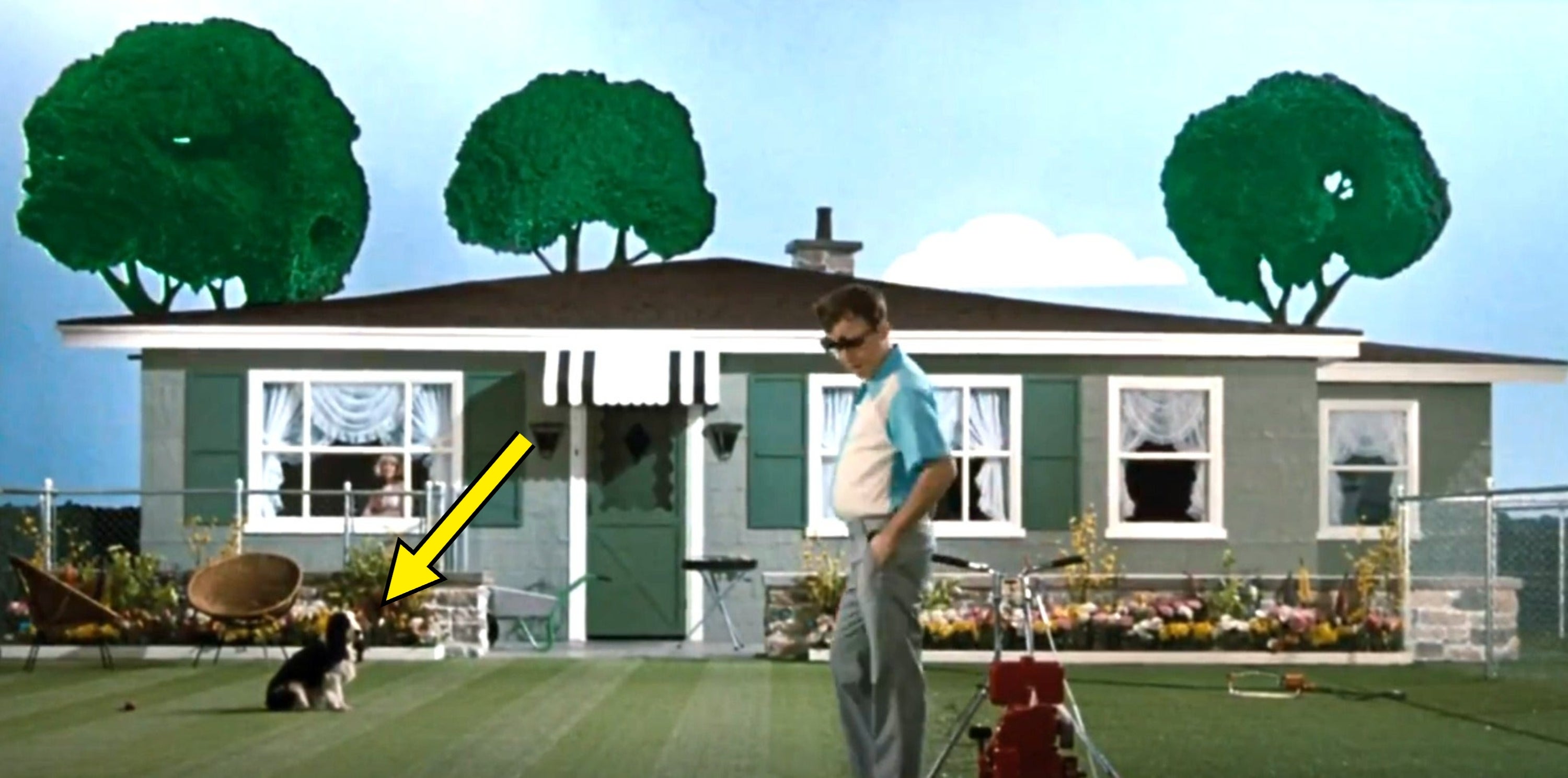
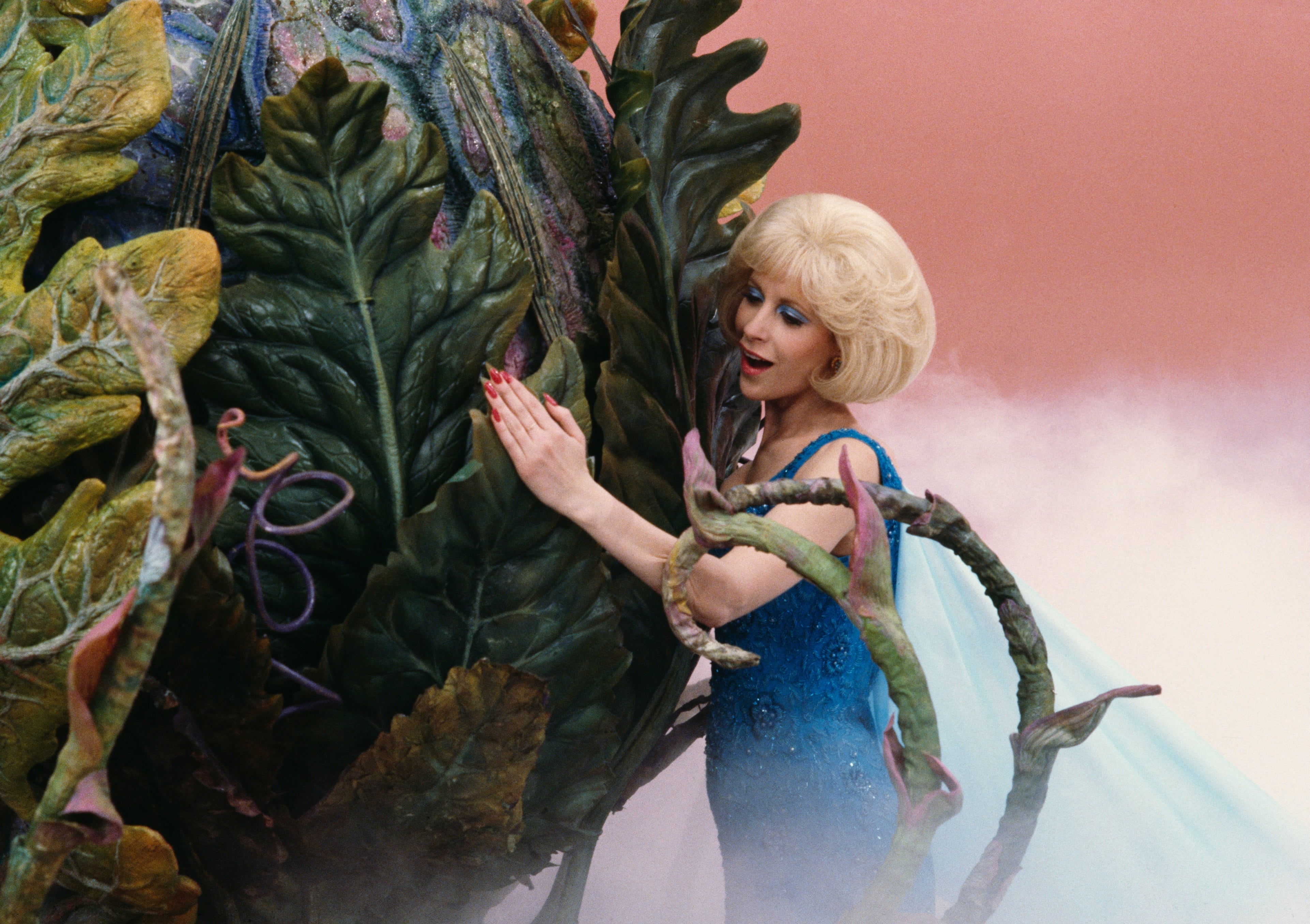
The stuffed animal became a part of Audrey's room in "Somewhere That's Green," and you also see an English cocker spaniel with Rick in that scene.

I remember the first day I walked on the set, and it was so big. It felt real and not real at the same time. The flower shop was so exciting to walk into, and then there were all these extra spaces we never had onstage, like the room where we make the flower arrangements.

It was so stunning to walk down the street, which you really get to see in the "Skid Row" number, with the trains passing overhead.

But my favorite was toward the back, and it was the "Suddenly, Seymour" set. There was grass growing through the cobblestones. It was so romantic, evocative, and beautifully done.

It was a magical, magical world they built.

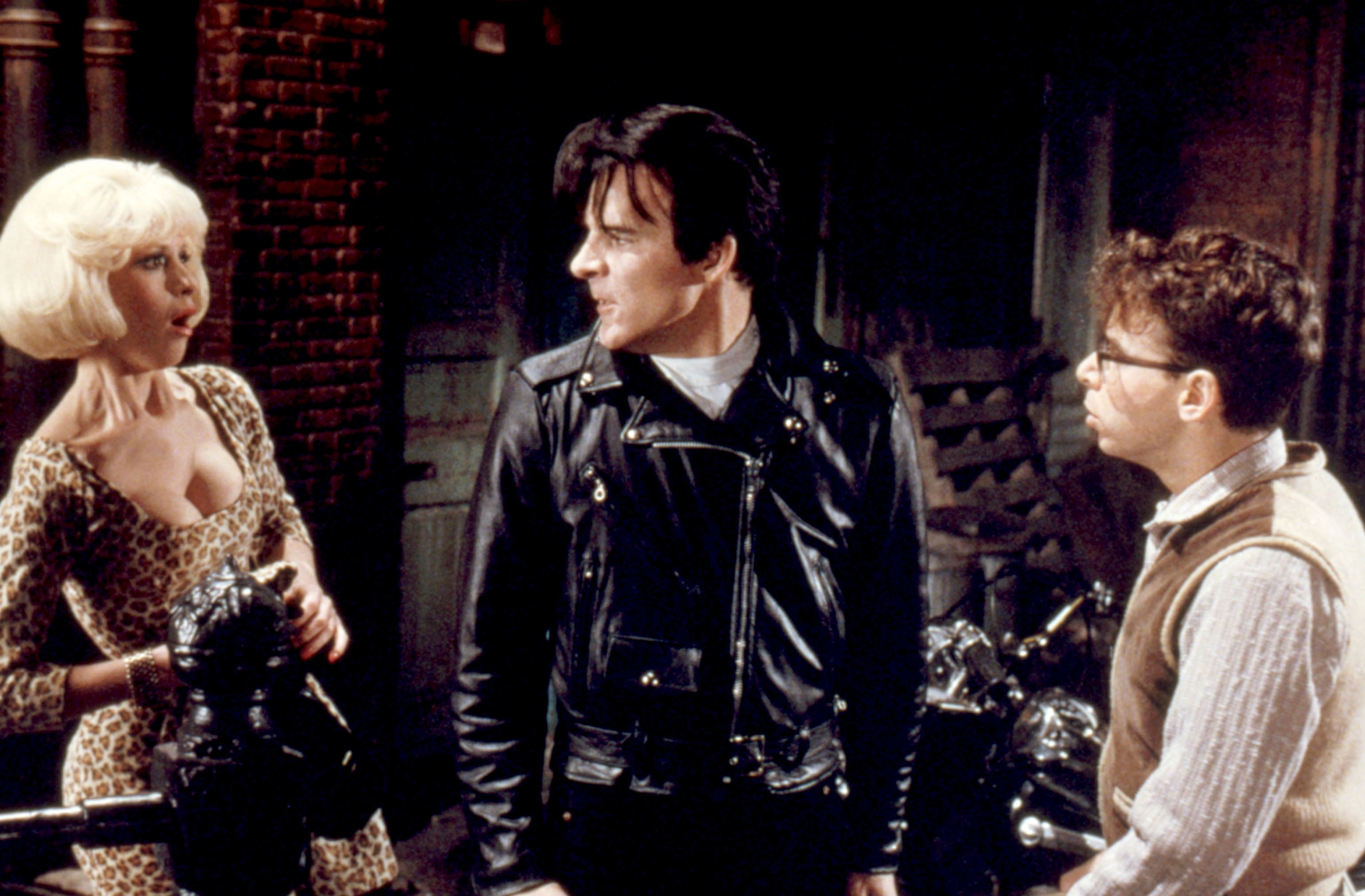
Ellen: Steve had come to the play with Mary Tyler Moore, so he had seen it and loved my Audrey. The [in Audrey's voice] "Sorry, Doctor!" scene was one of my favorites. I loved that scene with Steve. I watched Steve and Bill Murray film their scene, and Bill had us sing on the side between takes.

Rick was wonderful and really easy to work with. When someone's just easy to work with, it's so hard to describe. He was Seymour.

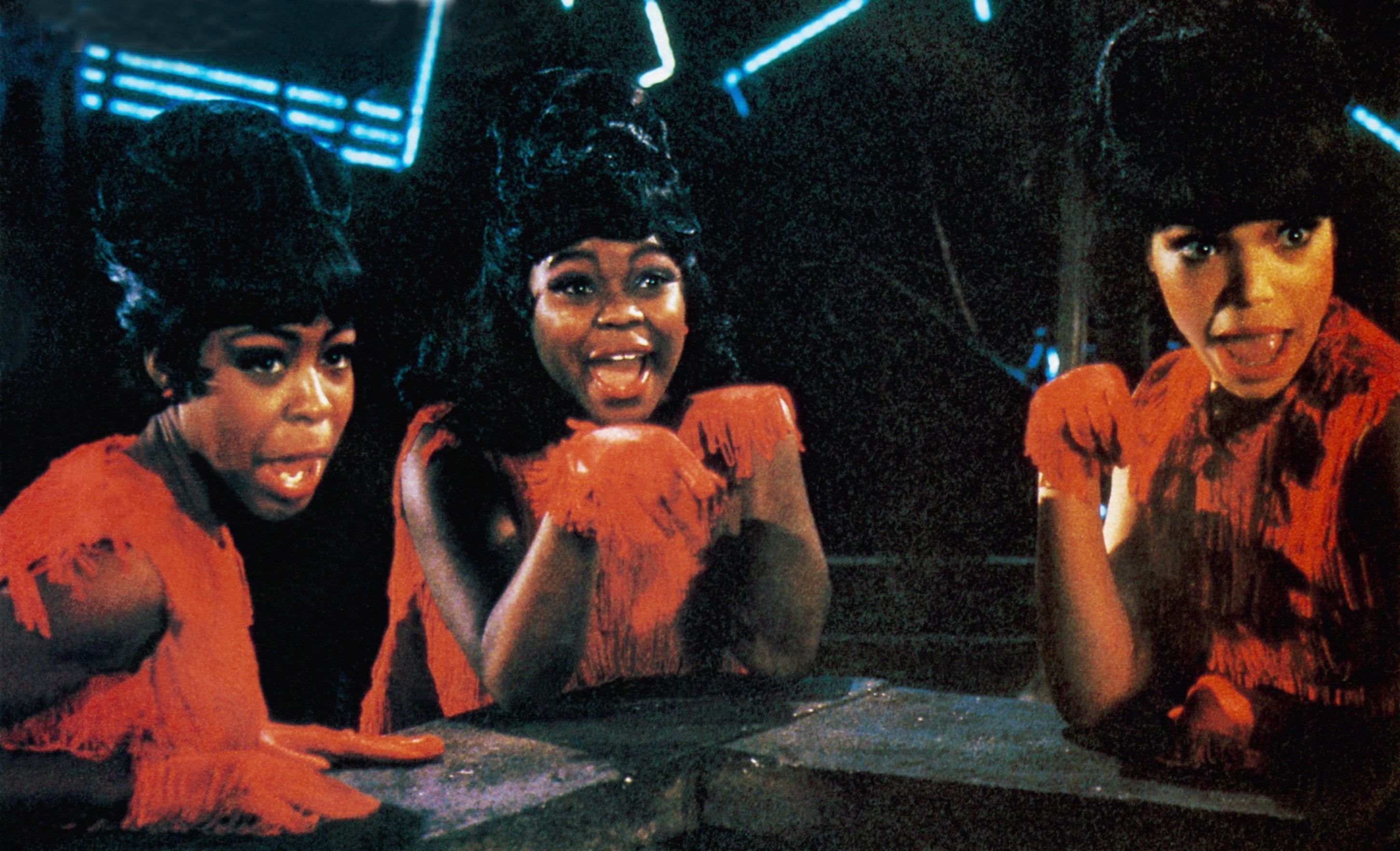
I also loved the girls Tichina [Arnold], Michelle [Weeks], and Tisha [Campbell]. In "Suddenly, Seymour," even though I know I'm supposed to be only singing to Seymour, I'm singing to the girls across the way because one, I love to sing harmony, and two, I just totally adopted them. They were kids then, and they've gone on to have great careers. They were amazing.

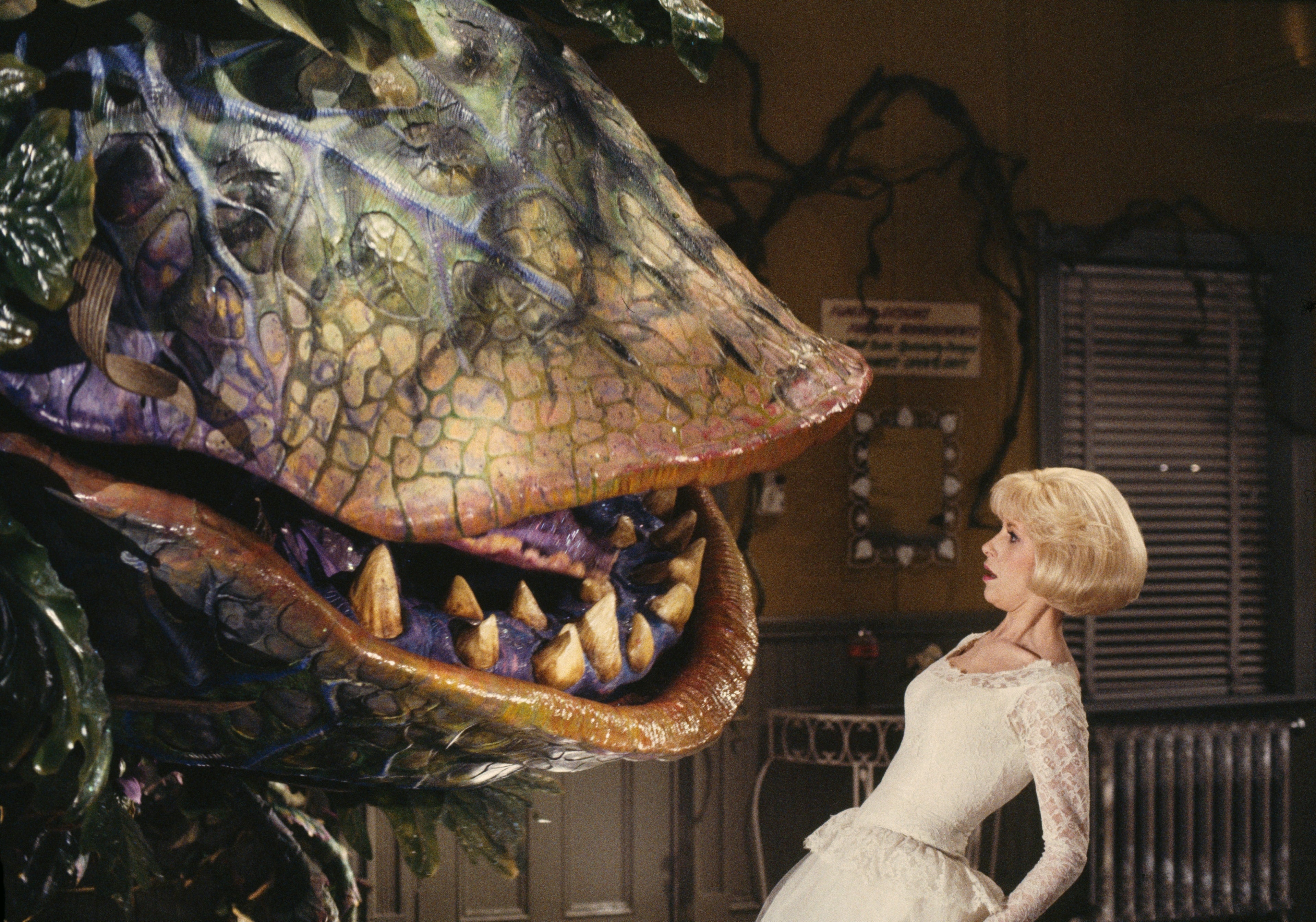
Ellen: I was used to the puppet as an acting partner because I worked with it onstage. The original puppeteer, Marty Robinson, was my boyfriend at the time. That's how I first met Frank Oz, because I used to go to Sesame Street, and I've acted with puppets a lot. I like acting with puppets. I've always had a bit of a child inside of me, and so I love it. Brian Henson, by the way, worked the puppet in "Suppertime," which was my major scene with it.

Frank Oz is a genius, and I've always thought he should be honored with an Oscar because his body of work is tremendous. The way he made an inanimate object have a life and a soul was extraordinary. He's such a brilliant man.

Whenever we worked with the plant, we had to act at 12 frames per second, because the big plant couldn't physically move too fast. Frank taught me. I walked across a room, and he filmed me. What I didn't know, he was filming me at 12 frames per second. Then he sped the footage up to the regular speed, and it looked like I was rocking.

Rick did it even more with "Mean Green Mother." I'm very proud of "Suppertime" because I know how complex it was, and how many people were working the puppet all behind the shop and down on the floor.

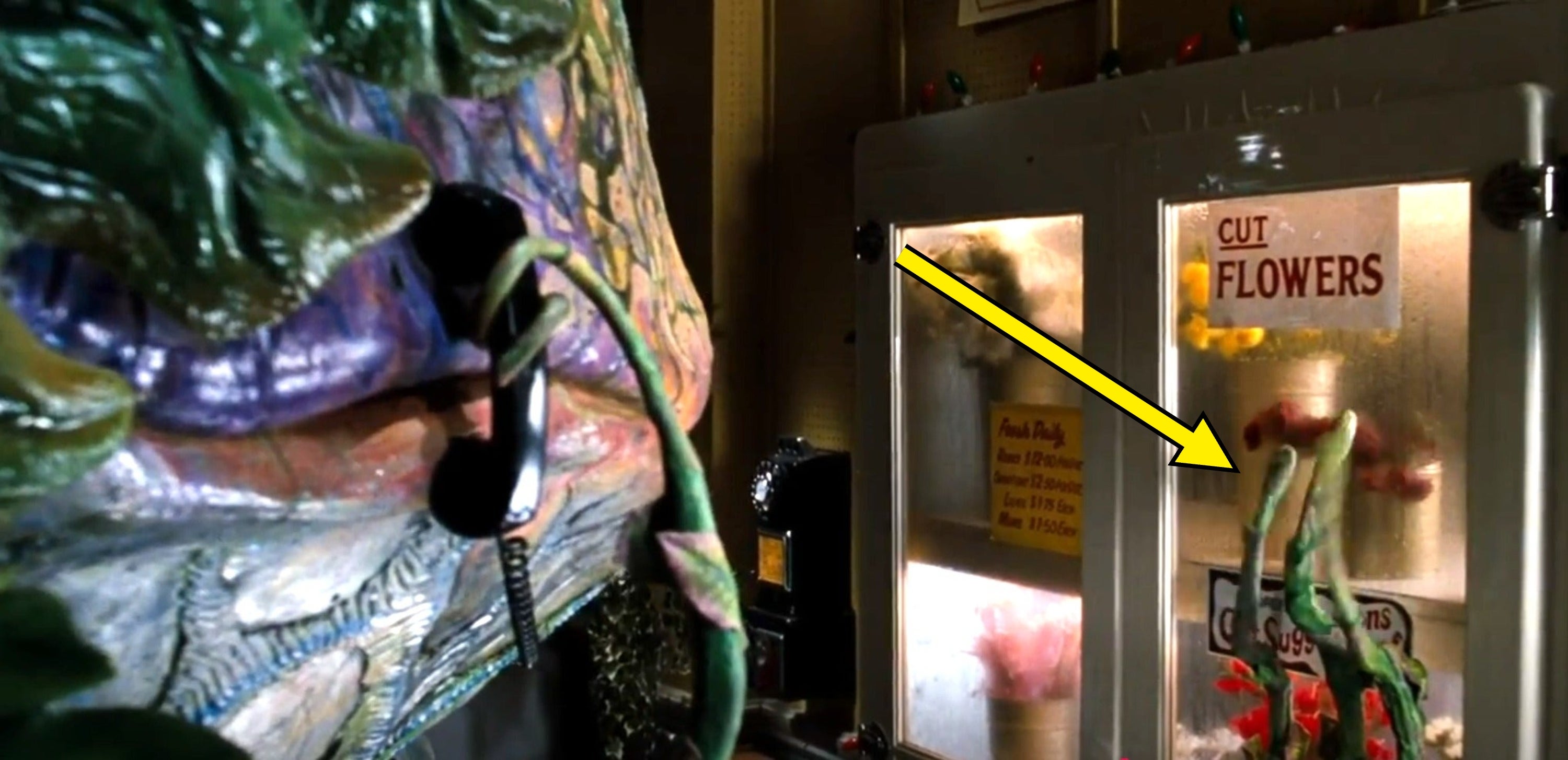
I was talking to Frank the other day, and I said, "One of my favorite parts is when the plant calls Audrey and dials the phone, and just strums his fingers." It's wonderfully silly. Frank said his favorite part is when Audrey II checks to see if the coin is in the little slot so he can take it back. He said he always loved that moment.

Ellen: We all want a place that we can be our authentic selves — where we feel loved, and we can love someone. It always hits me differently because I'm going to go out on a tour for Little Shop's 40th anniversary, and I'm going to sing "Green." Every time I sing it, it affects me.

You start off telling someone you have this dream you long for. Audrey sort of gets inside of herself, which we all do, when we start thinking about what we hope for, and what we wish could come true. All of a sudden, when you're in that illusion of a reality, the reality wins.

We wish the world could be peaceful, and people would love each other and be kind to each other, but that's not always reality.

You come back to the truth of the moment, but the wish is still there, and the hope is still there.

Ellen: When [playwright] Howard Ashman and I were looking for a theater, Little Shop had started at the WPA, and we were making $50 a week. It was made out of total love. Howard and I were like one. As we were building it, I remember thinking, "This is going to be special."

Every time someone watches Little Shop, or someone loves it, Howard Ashman lives. Therefore, I would go anywhere to celebrate Little Shop of Horrors because I loved Howard very much, and [composer] Alan [Menken], and the British crew, and all these people who worked on it. People really cared when they made this film, and they cared when they made the play.

Every once in a while, you get that sweet spot, and that's what it was born out of: love and happiness, and silliness, and some dark truths. It looks like a simple play, but it actually is a very complex story with a moral that if you give in to greed and power and money, this is what could happen in this parallel world — this magical land full of whimsy, but with deep dark underpinnings.

The stage production of Little Shop of Horrors is currently playing Off-Broadway at the Westside Theatre in NYC.
Comments
You must be logged in to comment.