buzzfeed Press
My Biggest Issue With “The Odyssey” Has Nothing To Do With The Film
Images

1 / 6

2 / 6

3 / 6
4 / 6

5 / 6
6 / 6
The way we watch mega-movies like these needs to change.

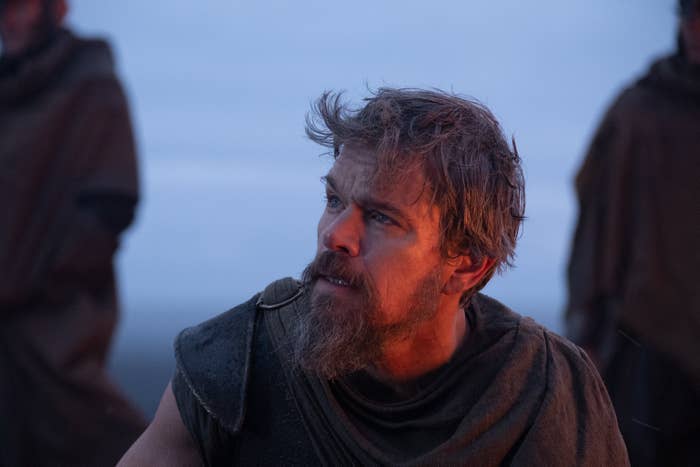
Last weekend, I (like loads of others, the box office figures prove) bought myself a ticket to see Christopher Nolan’s epic three-hour-long film, The Odyssey.

An odyssey it was. Though I didn’t enjoy it all evenly, I thought the movie justified its enormous spend and considerable hype: I shuddered when confronted with a terrifying Cyclops, and agree with the general critical view that Samantha Morton’s performance alone was worth the ticket.

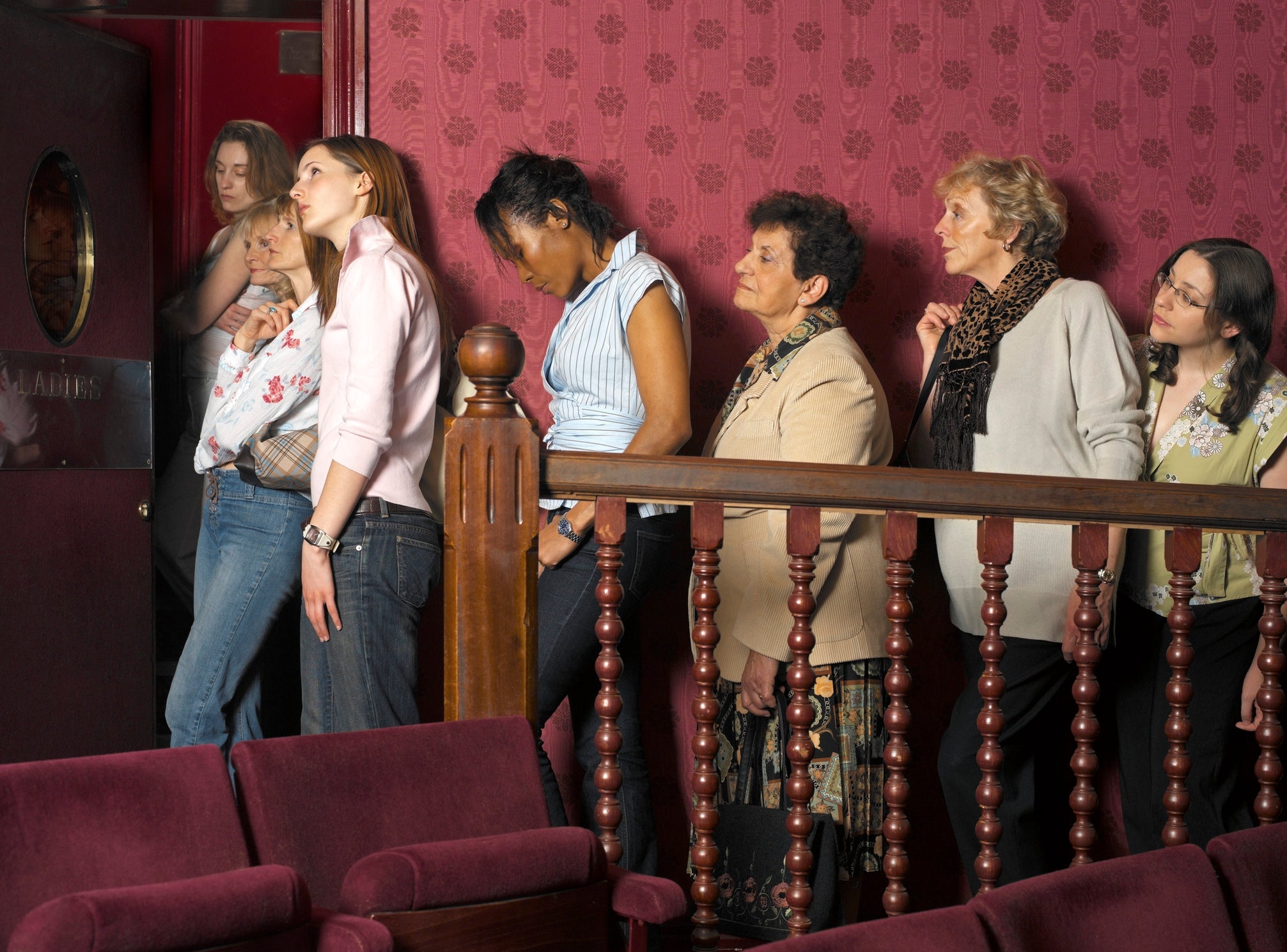
But, like most of the cinema-goers I shared the theatre with, I missed some of the greatest moments in the blockbuster. After about the two-hour mark, almost everybody had left their seats at least once – not out of terror or disgust, mind you, but to pop to the loo.

I can confirm from personal experience that hearing Anne Hathaway’s Penelope reunite with her long-lost lover is not quite as impactful through a stall wall. Nor is it what I imagine Nolan, who took the technically difficult and extremely pricey step of filming the entire flick on IMAX, intended.

Which begs the question: whatever happened to intermissions?

In their earliest days, when movies were on physical film, intermissions were necessary as cinema staff changed reels. The shift from time-limited spools to digital formats is also one of many reasons why, on average, films have gotten longer. That’s even more true for those with big budgets.

But no similar increases have been noted in the size of the human bladder (or our patience).

Up ’til the early ’80s or so, The Guardian reports, we had a solution: a 15-minute break between movie halves gave people enough time to stretch their legs, buy some snacks (surely good for the cinemas?), and pop to the loo without losing the plot of the movie.

What’s more, recent attempts to reintroduce the practice, as happened with some screenings of Killers of the Flower Moon, have proven enormously popular with UK viewers.

But speaking to HuffPost UK, a team member from the Independent Cinema Office, the UK’s national body supporting independent cinemas, film festivals and exhibitors, said intermissions aren’t the pure win you’d expect.

“They disrupt the flow of films (i.e. Christopher Nolan will want people to be fully and continuously absorbed in the world of The Odyssey without a break), and... it makes the screening period for individual films even longer, which means more time another film can’t be played to another paying audience in a cinema,” they explained.

Aside from being a bit of a dead zone for cinemas, revenue-wise, the short time period might also mean a late-night cinema trip would end even further into the night – no small thing for a three-hour movie.

Additionally, the spokesperson wasn’t as convinced as I am that most cinema-goers would even enjoy a mid-film break.

“While many people might welcome a toilet break, others would probably prefer to stay within the universe of the film for the whole run time.

“If everyone in a screen is trying to go to the toilet during a specific interval, there may be queues as opposed to being able to go to the toilet quickly on your own so it’s possibly also not that efficient, and... [is] potentially disruptive, especially for larger screen cinemas.”

And cinemas don’t always have the final say in whether they can offer intermissions to begin with.

“Cinemas usually only rarely request [intermissions]... they have to check it’s OK with a film’s distributor, who can say yes or no depending on how much flexibility they have on how that individual film should be played.”

Still, if, like me, you still think the pros of an intermission outweigh the cons, here’s an insider tip: “There is more flexibility on older, back catalogue titles than new releases”.
Comments
You must be logged in to comment.