aljazeera Press
From outsider to president? Inside de la Espriella’s bid to lead Colombia
Images
1 / 18
2 / 18
3 / 18
4 / 18

5 / 18

6 / 18

7 / 18

8 / 18

9 / 18

10 / 18

11 / 18

12 / 18

13 / 18

14 / 18

15 / 18

16 / 18

17 / 18

18 / 18
A political newcomer, Abelardo de la Espriella has become a leading contender for Colombia's next president. But what would his victory mean?

Save

Share

The embankment was barely a sliver, wedged between lanes of traffic in the southern town of San Jose del Guaviare, Colombia.

But on a recent June evening, in spite of the drizzle and dark, the grassy strip was packed with a jubilant chaos.

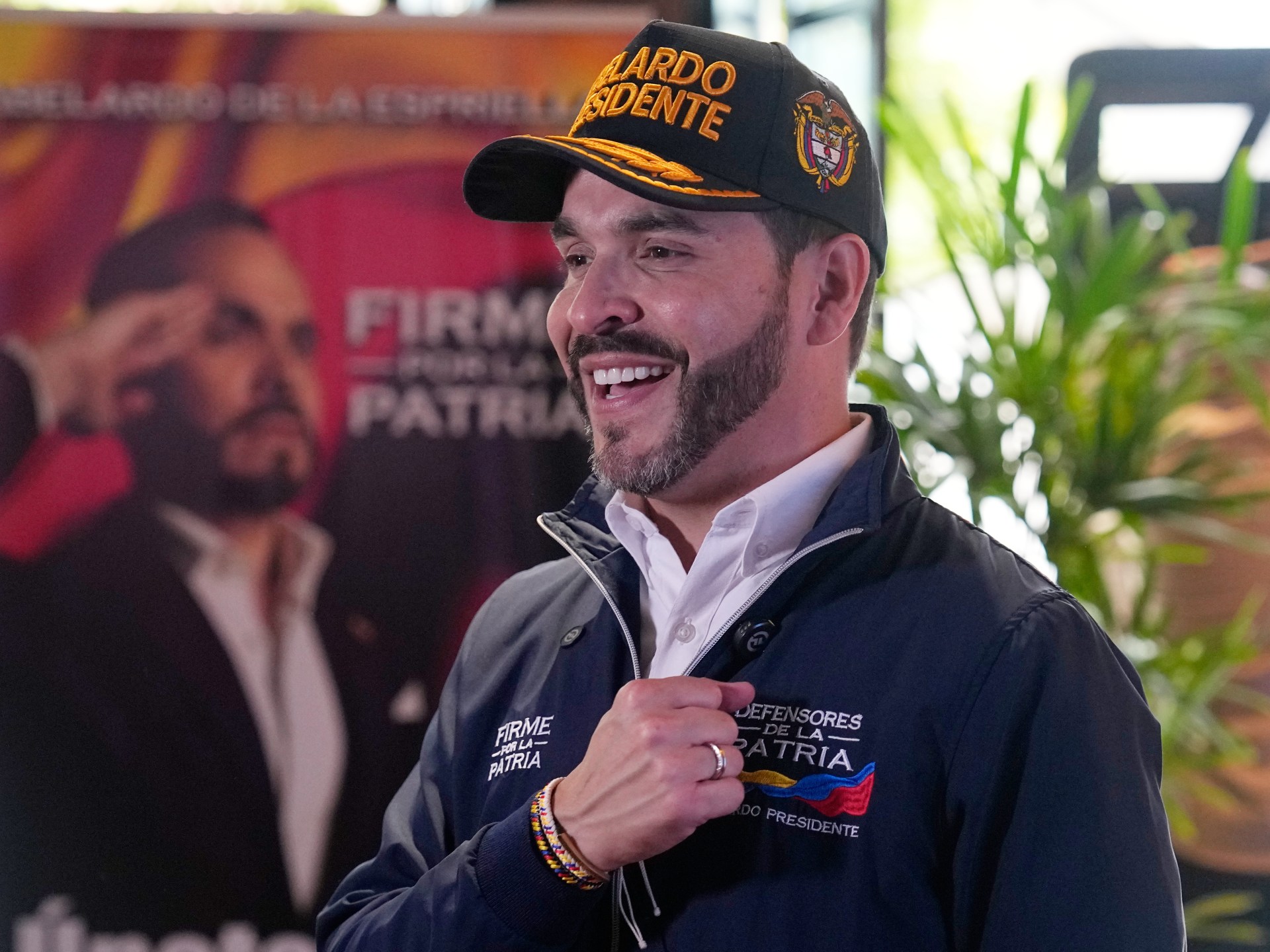
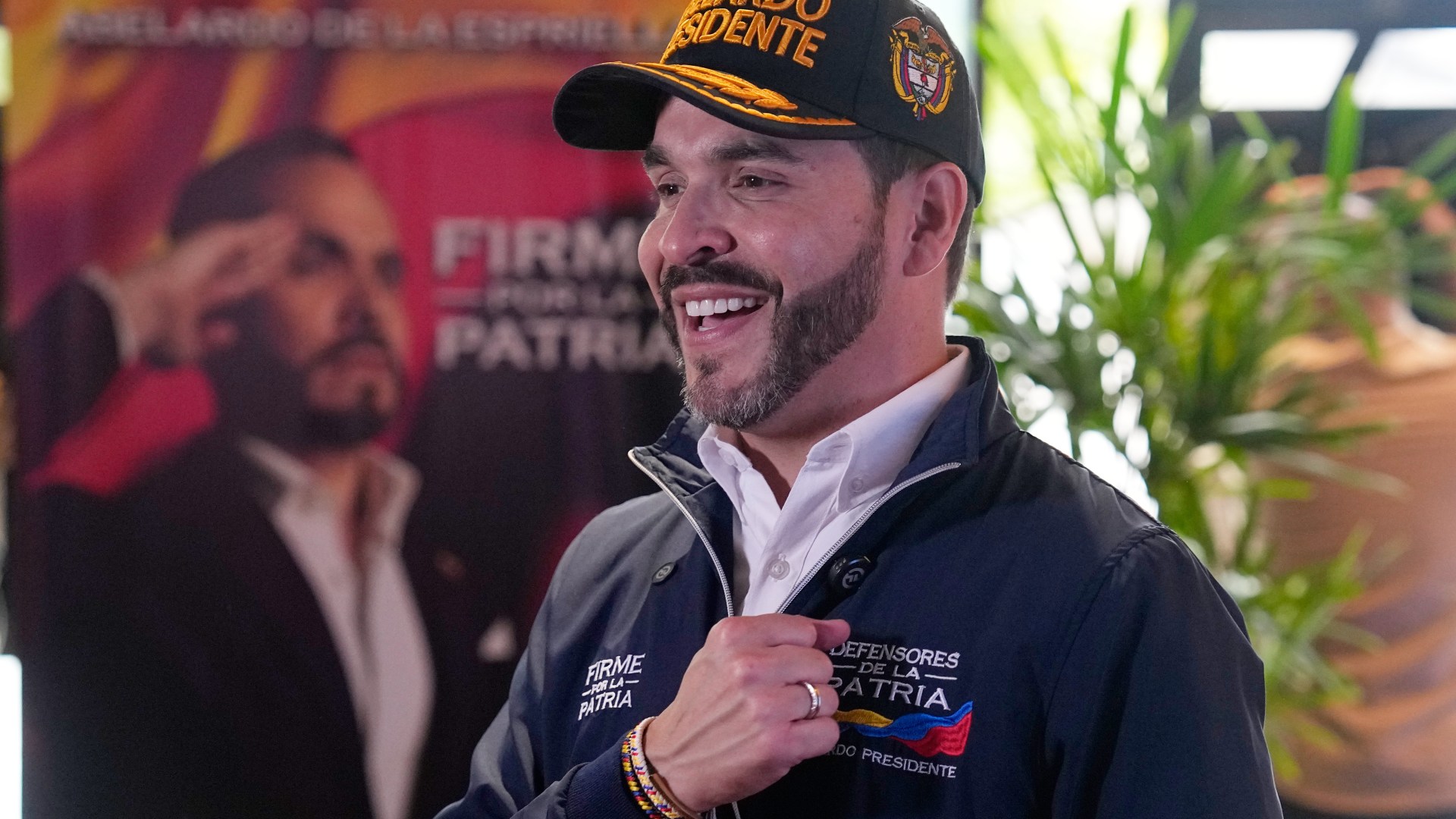
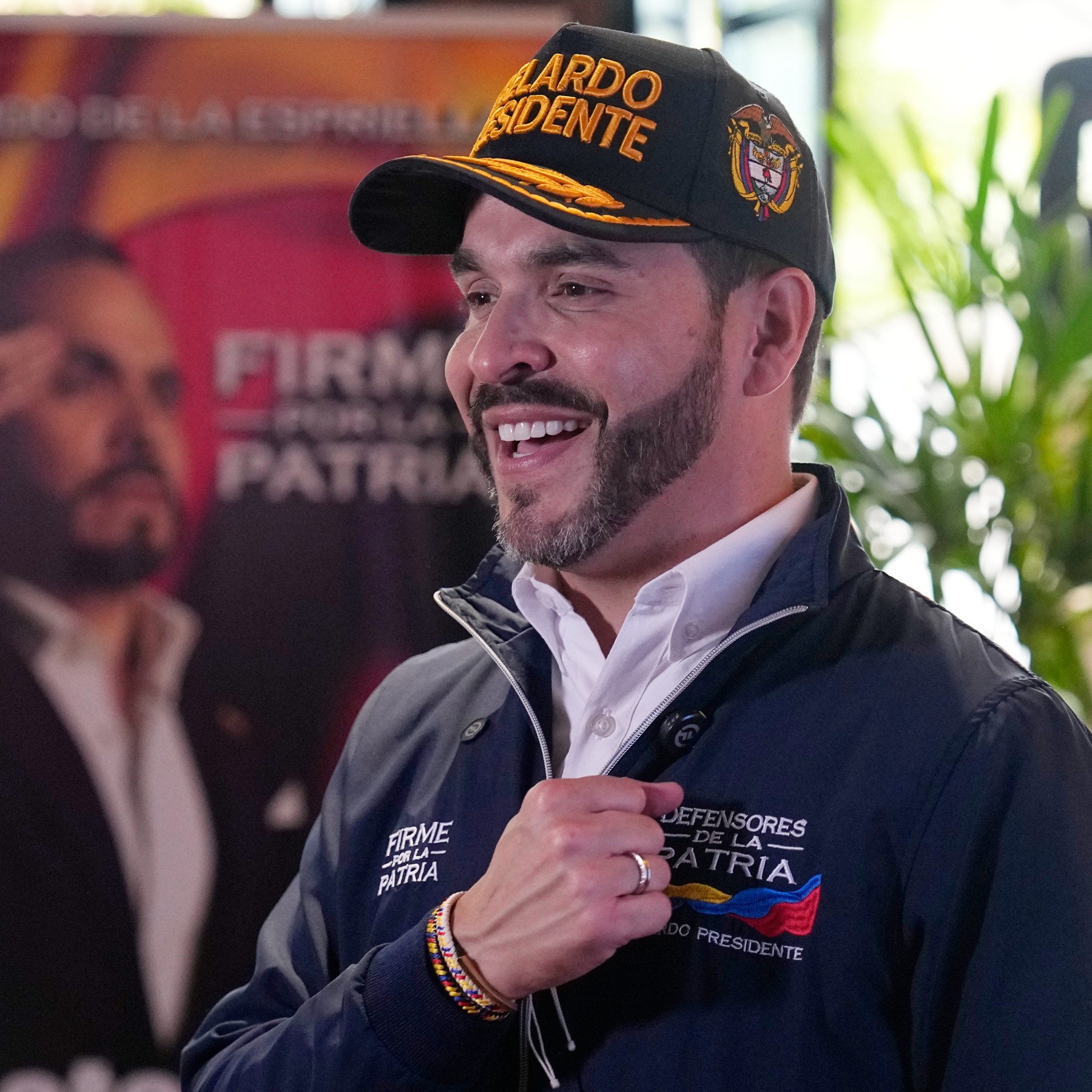
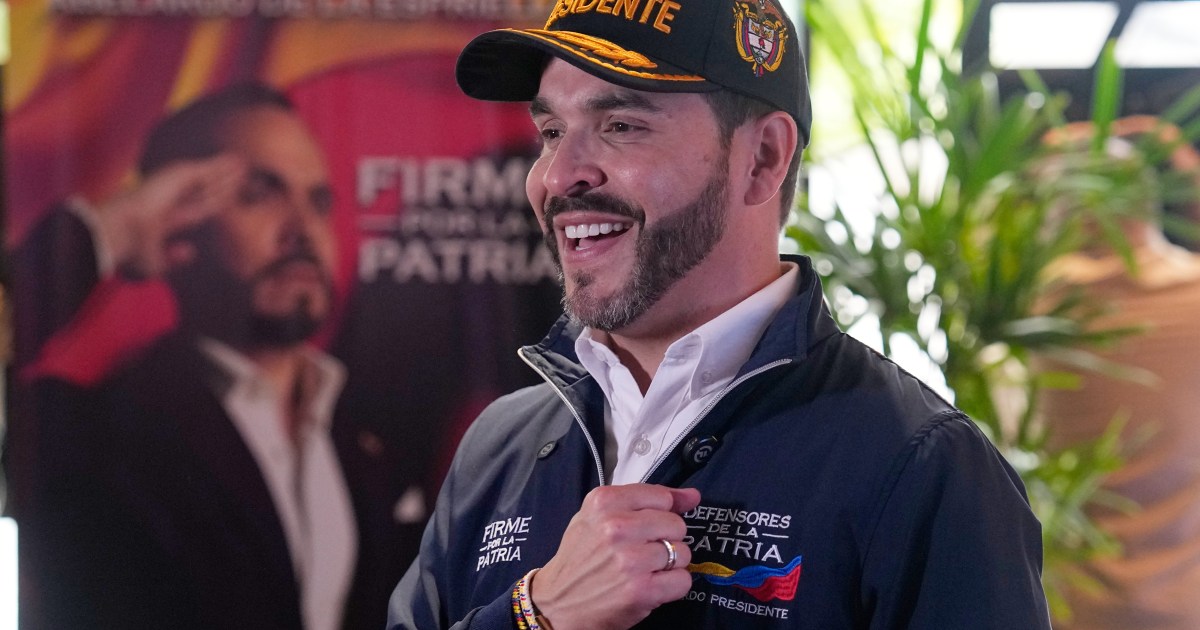
Supporters had gathered to rally on behalf of Abelardo de la Espriella, the far-right presidential candidate nicknamed "The Tiger".

Plastic trumpets competed with the blare of car horns. The slogan "Strong for the homeland" rippled through the crowd. And more than one participant wore Colombia's national football jersey, a bright yellow outfit de la Espriella himself has adopted on the campaign trail.

Many were optimistic that de la Espriella is on the verge of victory. On Sunday, he competes in a run-off election to determine Colombia's next president.

But a win for de la Espriella may herald more than just a return to the right-wing leadership. Experts warn it could usher in a "radical" new chapter in Colombian politics.

That is what excites Luisa Castro, a former business owner who arrived at the rally dressed in her own yellow football jersey.

“I turned to Abelardo de la Espriella because he is someone we’ve never seen in politics before. He’s different,” she said, as she stood in the fluorescent glow of the town's streetlights.

Currently, de la Espriella is the frontrunner in the presidential race. A 47-year-old criminal defence lawyer with no political experience, he won the first round of voting in May with 44 percent of the ballots cast.

Now, he faces left-wing Senator Ivan Cepeda in the final round. Polls place him in the lead, with the research firm AtlasIntel estimating his support at 52 percent, as of June 13.

De la Espriella does not fit the traditional mould of a right-wing politician. Before launching his presidential bid, he was best known for his work in court, representing a slate of controversial clients.

One was former right-wing President Alvaro Uribe, accused of concealing paramilitary ties. Another was Alex Saab, a Colombian national who formerly served as a left-wing minister in Venezuela's government.

Outside the courtroom, de la Espriella has built an eclectic business empire spanning menswear, rum and whiskey. He has even released classical music albums and opened a Miami-area restaurant.

Critics credit his business credentials, fiery rhetoric and slick marketing tactics with appealing to voters disenchanted with traditional politics.

“De la Espriella is ahead because he has managed to channel conservative voters, attract some voters disappointed with the government, and present himself as an alternative to established political figures,” said Patricia Munoz, a political analyst at Javeriana University in Bogota.

But the centrepiece of his campaign has been his hardline approach to security.

“I, Abelardo de la Espriella, am capable of bombing, fumigating and striking with an iron fist against criminals and the corrupt, while embracing and protecting law-abiding Colombians,” he said in a social media video from July 2025, when he announced his candidacy.

One of the most stubborn issues facing Colombia is its internal armed conflict.

For more than six decades, Colombia has been locked in a fight between government forces, paramilitaries, left-wing rebels and criminal organisations.

To address the conflict, de la Espriella has pledged rigid punishments and tough-on-crime tactics.

Upon taking office, he plans to build 10 privately run mega-prisons and lengthen sentences. He has even threatened to shoot planes out of the sky, if they are found to be carrying drugs.

Those proposals have evoked comparisons to the far-right policies of such leaders as Donald Trump in the United States and Nayib Bukele in El Salvador. Trump recently endorsed de la Espriella's campaign for president.

But voters like Castro in the town of San Jose del Guaviare believe such strategies are necessary to root out the crime in the country.

Castro lives in the centre of Colombia, where de la Espriella's support has been the strongest.

Her town has seen a resurgence of violence in recent years, as rival armed groups compete for territorial control. Castro, for instance, blames lax security policies for the collapse of her drink-selling business in May 2025.

“I had a business that went bankrupt in two years because of extortion,” Castro told Al Jazeera, calling the local security situation "chaos".

Now, she works as an informal street vendor. But she is confident a right-wing triumph in Sunday's election will mean improvements for local residents.

“I’m hoping Abelardo will win and his government will dismantle these violent groups,” Castro said. “They are making fun of us. They’re mocking the victims. They have no intention of total peace.”

"Total peace" is the promise President Gustavo Petro campaigned on four years ago in his successful bid for Colombia's highest office. Castro was among the left-wing president's supporters; she cast a ballot for him in 2022.

So did Estiven Sanchez, another resident of San Jose del Guaviare. He was drawn to Petro's plans for addressing rural inequality.

“I supported Petro’s social agenda, including land redistribution for poor farmers," Sanchez said.

He also agreed with Petro's "Total Peace" plan, which involved seeking negotiated solutions to Colombia's internal armed conflict.

"Initially, I was glad Petro didn’t want an aggressive military approach towards armed groups, because that’s what had gone wrong before,” Sanchez said.

But he added that Colombia's security situation has become untenable since Petro took office. Now, he said, he will be reluctantly voting for de la Espriella.

When Petro was elected in 2022, Colombia's right wing was facing a crisis.

The government of then-President Ivan Duque had faced a series of corruption scandals, including allegations of ties to organised crime. His heavy-handed crackdown on protesters also led critics to accuse him of human rights violations.

Then there was Duque's handling of Colombia's internal conflict. He refused to fully implement a 2016 peace agreement struck with the Revolutionary Armed Forces of Colombia (FARC), formerly Colombia's largest rebel group.

Sanchez pointed to those scandals as leaving him disillusioned with Colombia's political right.

“The Duque government tore the peace agreement apart,” Sanchez said. “That government created chaos instead of providing security for the people.”

That frustration helped propel Petro to victory, making him the first left-wing president in Colombian history.

But Petro remains a deeply polarising figure. A former member of the M-19 rebel movement, he has been portrayed by critics as ineffective in containing crime and violence.

The right is hoping to leverage the dissatisfaction to engineer a comeback. How to address Colombia's security crisis has become a political wedge in this year's election.

The left-wing Cepeda, running as the continuity candidate, has pledged to continue negotiations with armed groups, in the hope of reaching peace deals. De la Espriella, meanwhile, has vowed to scrap the approach altogether.

“With criminals, there will be no negotiations,” de la Espriella said.

Instead, he proposes boosting defence spending in order to increase military operations.

He has also outlined a return to the forced eradication of coca farms, which produce the raw material for cocaine.

Colombia is the world's largest producer of coca, and de la Espriella has said he would like to launch an aerial campaign against the crop, by spraying the herbicide glyphosate from planes.

While such tactics have been used before, experts warn de la Espriella may be a right-wing leader unlike any Colombia has ever seen.

Despite campaigning as a political outsider, he has received endorsements from several prominent right-wing figures.

They include his former legal client, President Uribe, whose tenure from 2002 to 2010 was credited with weakening rebel groups.

But analysts caution that a win for de la Espriella would not be a return to "Uribismo", Uribe's political movement.

“What we are seeing is something more radical than Uribismo,” said Jorge Mantilla, a Colombian security and armed conflict analyst.

Mantilla pointed out that de la Espriella has taken a combative approach to journalists, filing dozens of legal complaints against what he considers to be unfair coverage.

His platform also includes proposals to withdraw from international bodies like the United Nations.

“It is a non-institutional right wing that often sees journalism as an obstacle and understands sovereignty as rejection of external oversight from organisations like the UN or the Inter-American Court of Human Rights," Mantilla said.

That movement away from external oversight and towards a less restrained, military-led strategy could ultimately weaken Colombia's security apparatus, according to Mantilla.

"His security strategy is based on force, rather than building legitimacy or strengthening state capacity at local level," he said.

An overly aggressive approach could even spark a backlash, worsening the fighting.

"This will very likely generate an armed response from armed groups. The civilian population will be caught in the middle of this confrontation," Mantilla explained.

Pedro Arenas is a cofounder of Corporacion Viso Mutop, a Guaviare-based think tank focused on peace-building. He has spent years analysing how insecurity shapes civilian life in the region.

While he does not think Petro's "Total Peace" strategy has worked, Arenas does not believe military might alone will solve Colombia's conflict, either.

"We've been trying the ‘iron fist’ policy since the 1960s," Arenas said. "What we've seen is a mass of victims, murders, disappearances, kidnappings and displacement."

Still, questions remain about whether de la Espriella can even carry out his hardline proposals. Some believe Colombia's military is not yet up to the task.

“The Colombian state does not currently have enough trained personnel and operational capacity to carry out large-scale military operations across multiple conflict zones at once,” said Mantilla.

He added that Colombia's court system might also present a hurdle to de la Espriella's ambitions.

"Ideas like life imprisonment have, on several occasions, been struck down or limited by the Constitutional Court,” Mantilla said, referencing parts of de la Espriella's platform.

"Likewise, the aerial fumigation of illicit crops has also been heavily limited by the court."

Beyond legal and practical limits, analysts also say that fiscal constraints could shape how far de la Espriella can go in executing his vision.

"Alarm bells are already ringing regarding the resources the state will have at its disposal," said Munoz, the political analyst. "Any ambitious programme — whether on security, social policy or institutional reform — will have to contend with severe budgetary limits."

But for now, de la Espriella is continuing to pledge dramatic change, hoping to usher in a new right-wing presidency — one very different from anything Colombia has known before.
Comments
You must be logged in to comment.