bbc Press
I was sexually assaulted by an imam. He told me he had supernatural powers
Images
1 / 10

2 / 10
3 / 10
4 / 10
5 / 10
6 / 10
7 / 10
8 / 10
9 / 10
10 / 10
Warning: This article contains descriptions of sexual assault and rape, which some readers may find upsetting

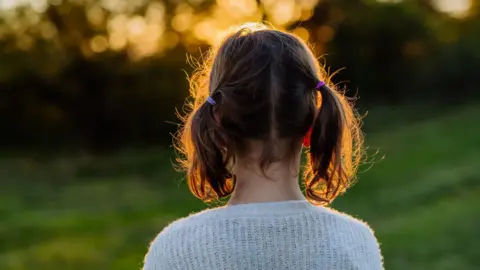
"Aria" was 13 years old when she was sexually assaulted by an imam, who told her he was "healing" her.

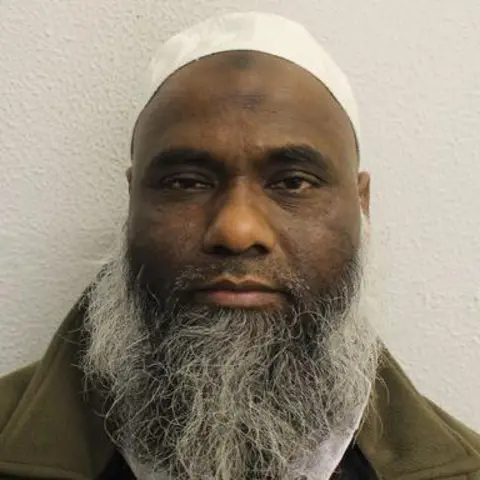
A respected faith leader at a mosque in East London, Abdul Halim Khan would tell young girls and their parents they needed "curing" from "bad spirits".

After attacking them, he warned the girls that if they told anyone about the abuse, the so-called cure would be undone, they would be cursed, or that harm would come to them and their families from black magic.

"I genuinely believed he had supernatural powers," says Aria, which is not her real name.

She says Khan told her "something really bad would happen to me and my family" if she ever spoke about the abuse. And she wasn't the only one.

Khan abused seven women and girls over 11 years in the same way. His youngest victim was just 12.

He would convince them to meet in isolated locations - such as a flat or a car. There, he would rape or sexually abuse them while pretending to be a Jinn, a supernatural spirit.

Khan chose vehicles with tinted windows, gave one victim a phone so he could contact her, and encouraged another to climb out of her bedroom window to meet him.

It was Aria's mother who introduced her to Khan, after she began getting into trouble at school. She told her the imam would give her advice.

When they met, Khan told her to get into his car. "That's when he touched me inappropriately," says Aria.

"I had my eyes closed and he said there are going to be things that are knocking on the car window. And I did hear those knocks. But obviously I was 13 years old, I was terrified."

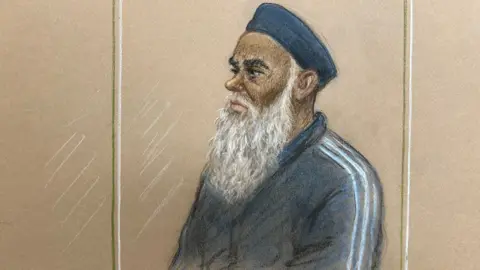
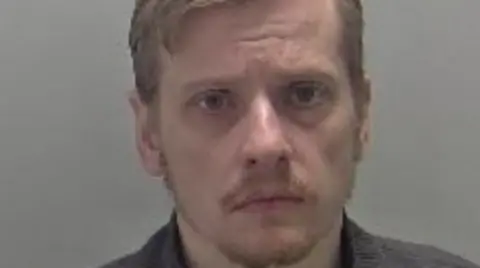
Khan, 54, has now been given a life sentence with a minimum prison term of 20 years for the horrific attacks.

His convictions include nine counts of rape as well as further counts of sexual assault and child abuse involving seven victims from the local Muslim community.

Khan carried out the attacks between 2004 and 2015, using his power and influence to manipulate his victims into staying silent.

Police became aware of his offending in 2018 after his youngest victim told her school therapist about the abuse. It took another five years before he was charged.

The BBC has spoken to two of Khan's victims about their experiences.

Farah, also not her real name, met Khan as a child after he convinced her mother she needed healing. Farah says he took advantage of her family.

"He would make up stories, [saying] 'I can see things coming towards you, you need to be protected, I need to protect your daughter'."

Khan went on to sexually assault Farah, telling her it was part of the "cure".

She says Khan's abuse "didn't make sense to me". "I said to myself, 'this is wrong'," she says. "You know you're not meant to be touched like this. I was really confused, but I couldn't go back to my family because they wouldn't believe me."

Farah did eventually tell her parents as an older teenager - but she says they did not believe her and she then left the family home.

"I was not believed by my family. The people I expected to protect and support me instead turned away, blamed me, and continue to do so to this day," she says.

"I feel as though I'm lost. I question my identity of who am I? Where do I belong?"

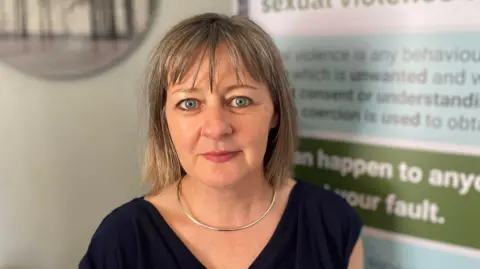
Melissa Garner, a specialist prosecutor who worked on the case for the Crown Prosecution Service, says she has "never seen anything quite like" Khan's abuse of young girls and women.

She says he "threatened and brainwashed" his victims into believing he was possessed. "It was deeply shocking, and when you actually watch the victim's evidence, it's deeply upsetting."

Aisha K Gill, a professor of criminology at the University of Bristol and an expert prosecution witness who gave evidence on the religious background to the case, says that while orthodox Islamic teaching does not endorse black magic, it still retains "significant cultural influence".

"Victims were led to believe that only Khan could protect them and their families from catastrophic supernatural harm, and that withdrawing from his control would expose them to devastating consequences," Prof Gill adds.

She says disclosing sexual violence can carry profound risks for Muslim women. "Many women are socialised not to discuss private matters outside the family and may internalise shame that properly belongs to the perpetrator," she says.

"It is this combination of religious authority, spiritual fear and cultural vulnerability that makes this case particularly distinctive."

Farah says she did not experience a normal childhood - saying she instead learned to endure.

Her message to other survivors of abuse is that their worth is not determined by what was done to them, and they are not alone.

"Surviving does not make you weak," she says. "It reflects strength."

Although Aria was just a teenager when she was assaulted, it was not until she was in her 20s that she broke down and told her mother about it.

She says the attack has had a lasting impact on her.

"Sometimes you question, who would I have been as a person if this thing didn't happen to me?"

Charity says it sees huge demand from survivors of abuse, but does not have funding to help all.

The messages highlight the illegality of what people are searching for online and direct them towards help.

The most comprehensive report of its kind details harrowing cases of sexual attacks which it says were systematic.

Christopher Trezise admitted to multiple child sex offences and was sentenced to 10 years in prison.

Perry Power, from Ashtead, shared his story on social media and has reached millions of people.
Comments
You must be logged in to comment.