yahoo Press
Chicago woman says it’s “crazy” city won't pay for damage after 300 lb. pole hit her car. Why suing City Hall is so hard
Images
1 / 4
2 / 4

3 / 4

4 / 4
Moneywise and Yahoo Finance LLC may earn commission or revenue through links in the content below.

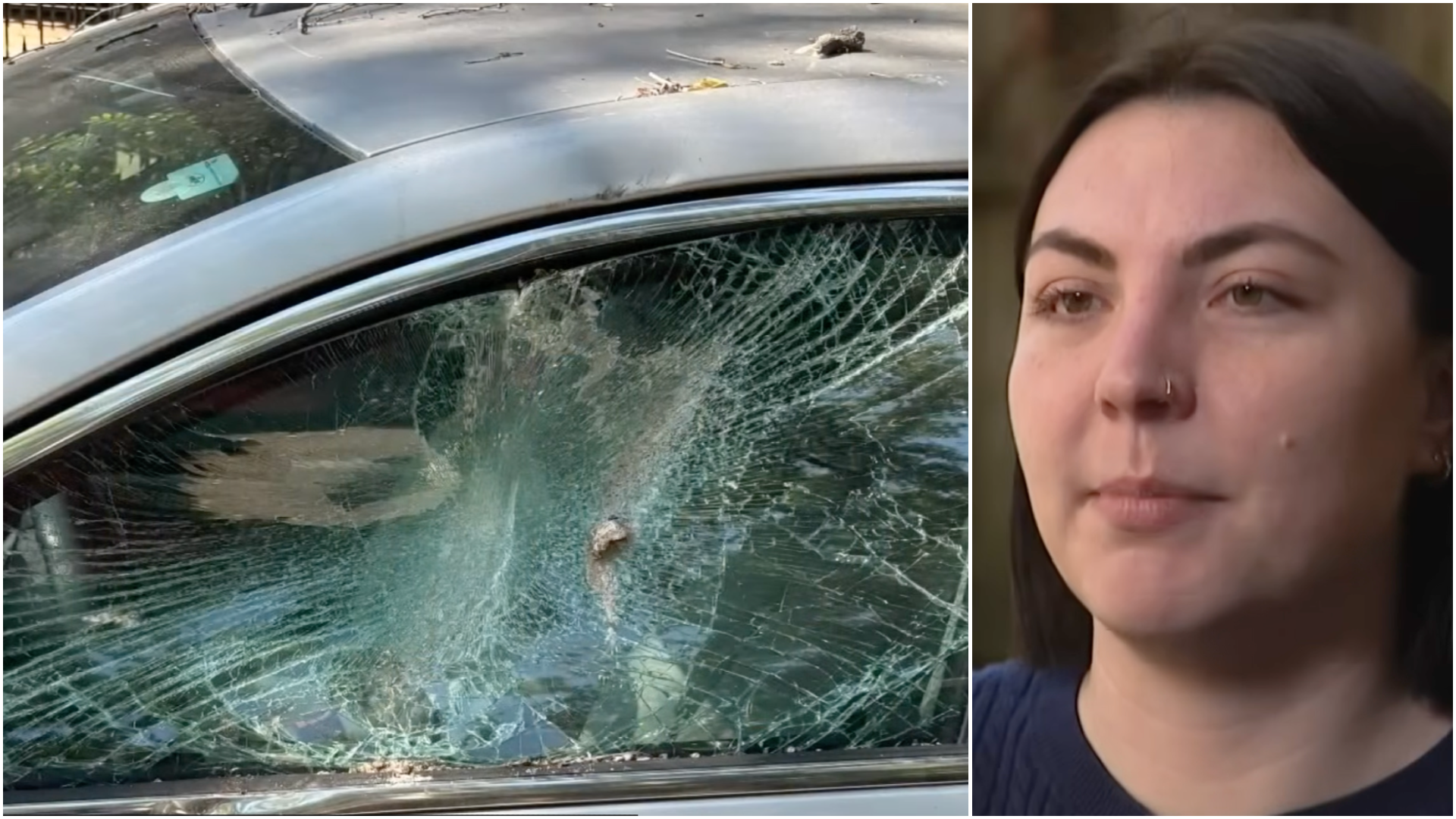
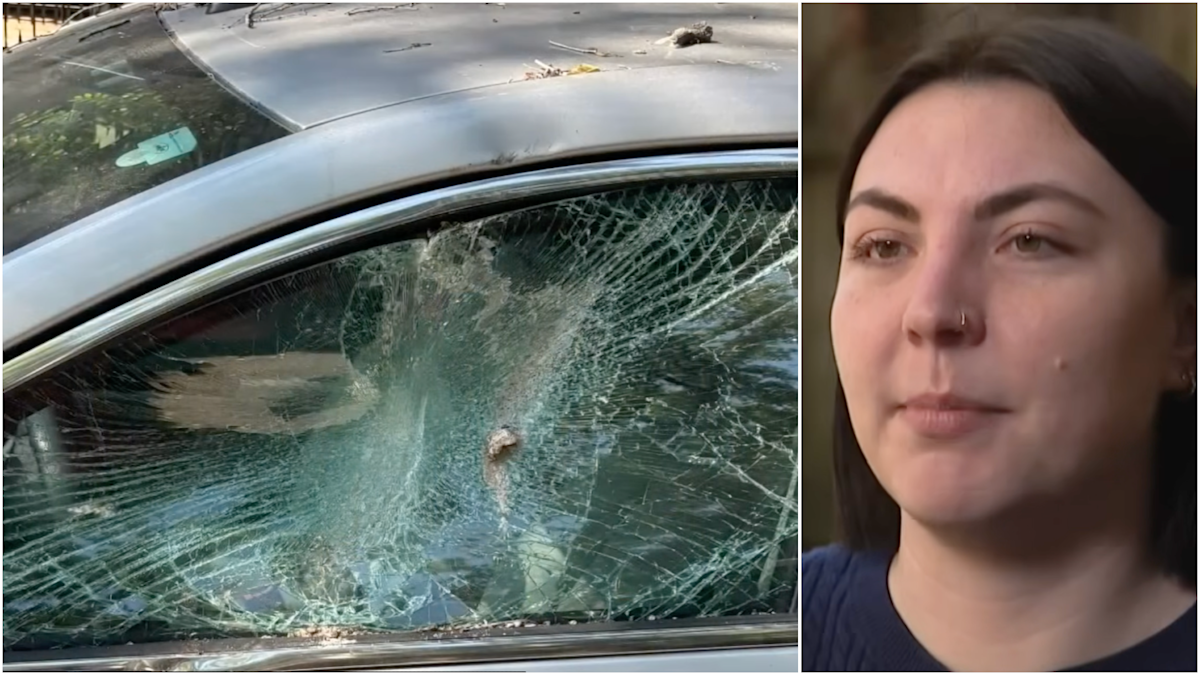
It seemed like an open and shut case. Last year in Chicago, a rusty 300 lb. light pole broke — and crashed onto Kyra Puetz’s car, parked beneath it. The crash caused dents, scratches and window damage (1).

Yet despite the rust causing the break, and a neighbor’s doorbell cam footage recording the whole thing, the city denied Puetz’s request to pay the roughly $3,000 in damages to her car.

Thanks to Jeff Bezos, you can now become a landlord for as little as $100 — and no, you don't have to deal with tenants or fix freezers. Here's how

Dave Ramsey warns nearly 50% of Americans are making 1 big Social Security mistake — here’s how to fix it ASAP

The IRS usually taxes gold as a collectible — but this little-known strategy lets you hold physical bullion tax-free. Get your free guide from Priority Gold

“It’s kind of crazy the city isn’t taking responsibility for it,” Puetz told CBS News.

Or other such cases, for that matter. From 2021 to February 2026, falling light poles resulted in 64 damage claims totaling $1.2 million, CBS News discovered. The city only paid out two claims — for a total of just $9,290. Six claims are still pending. The rest were denied.

This reveals how tough it is to win a claim against a municipality, and why you’ll likely have to go to great lengths if you want to fight City Hall — and win.

Puetz’s claim was denied, the city reportedly told her, because no one had alerted them of the rusty light pole and its need for repair.

That’s in line with what legal experts note is one of the main hurdles in suing a city over personal injury or property damage: proving that the incident resulted from the city’s neglect (2).

A case from earlier this year in Wildwood, N.J., resulted in a similar outcome to Puetz’s (3). In that case, the plaintiff’s foot became caught in a water meter pit that had a loose cover, causing her to trip and suffer multiple injuries to her left shoulder and foot, requiring surgery. The court, however, found that the city couldn’t be deemed negligent because they had not been notified of any safety issue with the cover of the water meter pit.

In addition to proving negligence, many city governments enjoy what’s known as “sovereign immunity” — essentially making it illegal to sue them unless under specific conditions that can vary from state to state.

For example, in Chicago, a local law firm noted that proving simple negligence isn’t enough to sue the city (4). They explained that you’d have to prove “willful and wanton misconduct” that caused harm or exhibited a “conscious disregard” for public safety. An example of this kind of disregard, they added, is an instance of police brutality or excessive force.

And even if you do manage to file a successful lawsuit, damages are often subject to caps imposed on a state-by-state basis (2).

But sometimes justice does prevail. In Charlotte, N.C., in 2022, an elderly woman requested $65,000 to cover damages after her home was flooded with raw sewage due to a backup in the city’s sewer system (5).

The city rejected her request and offered her $45,000 if she released them from liability, which she signed. An appeals court, however, ruled in April 2026 that the deal “was obtained through undue influence” by the city, as the woman felt pressured because she might otherwise lose her home.

The woman is now cleared to sue the city to cover the damages.

Read More: Robert Kiyosaki warned of a 'Greater Depression' — with millions of Americans going poor. Was he right?

Legal experts warn that for those looking to sue their municipality for damages or personal injury, the clock is already ticking.

Most locales have statutes of limitations and filing deadlines measured in weeks and months, not years. For this reason, it’s important to identify all of your local deadlines for bringing a case forward — because if the law in your jurisdiction says that you missed your window, your case is over before it’s begun.

That’s why you must act fast, including reaching out to a lawyer immediately and filing a claim against the city. The injury firm of Morgan & Morgan says that the city will either accept, reject or offer to negotiate your claim, with the latter two options the most likely outcome (6).

Assuming they reject your claim and you move ahead to sue the city, many advise that you provide as much photo or video evidence as possible, as well as any testimony from witnesses or others who’ve experienced similar events. Medical or professional assessment records indicating the severity or any injury or property damage endured could also prove helpful.

Some also advise employing expert witnesses — be it a doctor or someone with a specific knowledge base relevant to your claim — to speak on your behalf, though their services can also prove costly (2), on top of attorney and court expenses, all of which should be weighed against any cap for damages that may apply in your area.

Counting on compensation from the city might not be the most practical plan. Claims against municipalities can take months — sometimes even years — to resolve. And that’s before factoring in legal fees, paperwork and the emotional stress that can come with a drawn-out dispute.

Meanwhile, you could be left scrambling to get around without a car. The good news? There are ways to protect yourself financially before something like this happens.

Comprehensive auto insurance typically covers damage caused by falling debris and other non-collision incidents that are outside your control — whether it’s a 300 lb. light pole or a hit and run.

Of course, insurance itself has gotten more expensive. Nationwide, full-coverage auto insurance premiums have climbed 43% since 2021. Even after a 6% dip in 2025, the average annual cost still sits around $2,144 — and prices are expected to go up by the end of 2026 (7).

But that doesn’t mean you have to accept the first quote you receive. Just a few minutes of comparison shopping could help bring those rising monthly costs back down.

In fact, you could save an average of $1,100 annually by using a comparison platform like Insurify, which lets you instantly view quotes from top-rated providers and choose the best rate available.

Just answer a few basic questions, and Insurify will show you the most affordable deals in as little as three minutes. From here, you can take your time assessing your options and checking against your own rate. It’s also important to note that, in most cases, you don’t need to wait for your plan to be up for renewal to cancel — just watch out for any early cancellation fees.

Not only is the process 100% free, but you could also save up to 15% by bundling your car and home insurance so you can drive down the cost of multiple monthly line items in one pass.

Even with insurance, unexpected expenses can pop up. Besides, processing a claim can take time, and getting through the court system can take even longer.

That’s where an emergency fund comes in. Setting aside money in a dedicated savings account can help cover deductibles, temporary transportation or surprise repair bills. Over time, building that financial cushion can help keep unexpected car problems from turning into a full-blown budget crisis.

A high-yield account like a Wealthfront Cash Account can be a great place to grow your uninvested cash, offering both competitive interest rates and easy access to your money when you need it.

A Wealthfront Cash Account currently offers a base APY of 3.30% through program banks, and new clients can get an extra 0.75% boost during their first three months on up to $150,000 for a total variable APY of 4.05%.

That’s ten times the national deposit savings rate, according to the FDIC’s March report.

Additionally, Wealthfront is offering new clients who enable direct deposit ($1,000/mo minimum) to their Cash Account and open and fund a new investment account an additional 0.25% APY increase with no expiration date or balance limit, meaning your APY could be as high as 4.30%.

With no minimum balances or account fees, as well as 24/7 withdrawals and free domestic wire transfers, your funds remain accessible at all times. Plus, you get access to up to $8M FDIC Insurance eligibility through program banks.

— With files from Mike Crisolago

Robert Kiyosaki says this 1 asset will surge 400% in a year and begs investors not to miss this ‘explosion’

No time to lower your crippling car insurance rate? Here’s how to do it within minutes — you could end up paying $29/month without a single phone call

Millionaires under 43 are reshaping investing — just 25% of their portfolios are in stocks. Here’s where their money is going

Dave Ramsey says this 7-step plan ‘works every single time’ to kill debt, get rich in America — and that ‘anyone’ can do it

Join 250,000+ readers and get Moneywise’s best stories and exclusive interviews first — clear insights curated and delivered weekly. Subscribe now.

We rely only on vetted sources and credible third-party reporting. For details, see our ethics and guidelines.

CBS (1); LegalClarity (2); Capehart Scatchard (3); Staver Accident Injury Lawyers (4); U.S. Court of Appeals for the Fourth Circuit (5); Morgan & Morgan (6); PR Newswire (7)

This article provides information only and should not be construed as advice. It is provided without warranty of any kind.
Comments
You must be logged in to comment.