yahoo Press
Primark Is Getting Its Own Stock. Here's What That Means for the Brand
Images
1 / 5
2 / 5

3 / 5

4 / 5
5 / 5
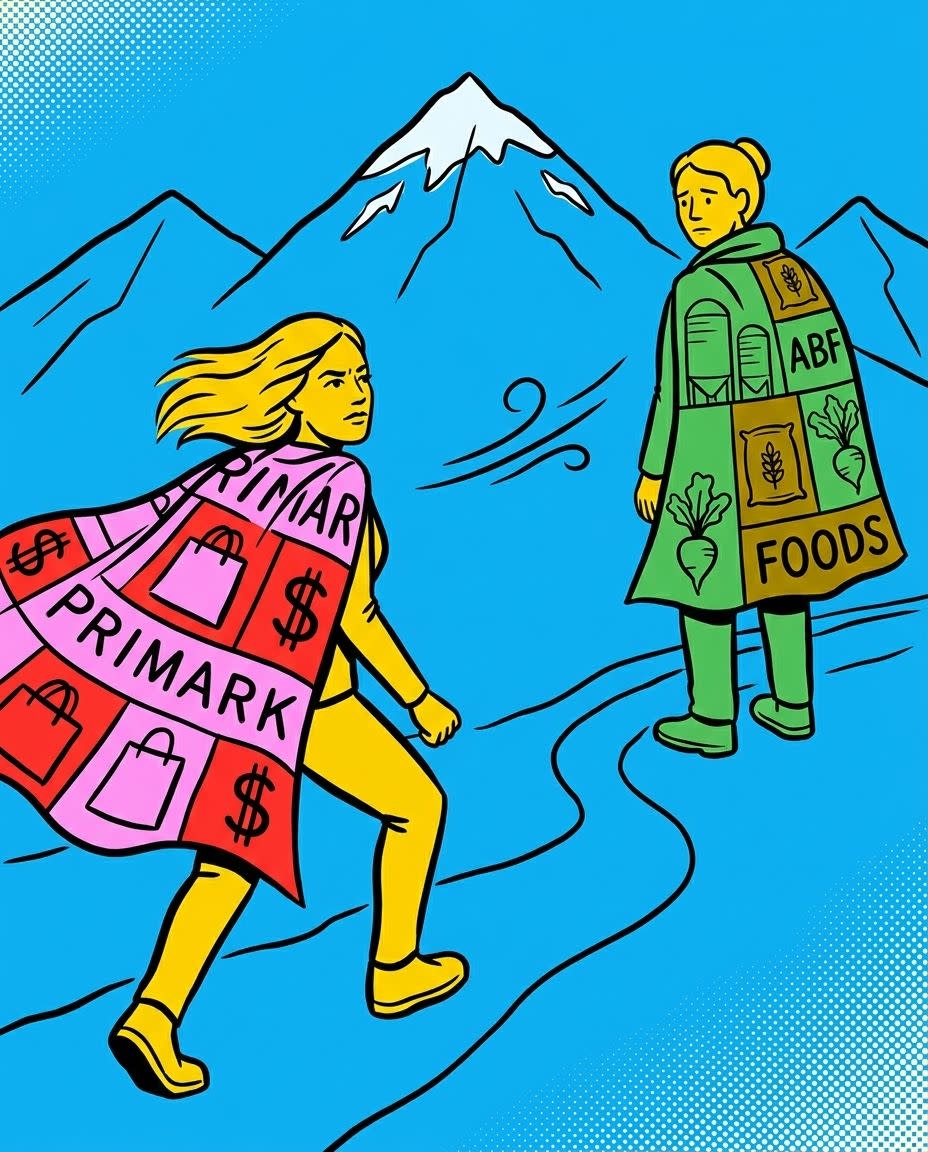
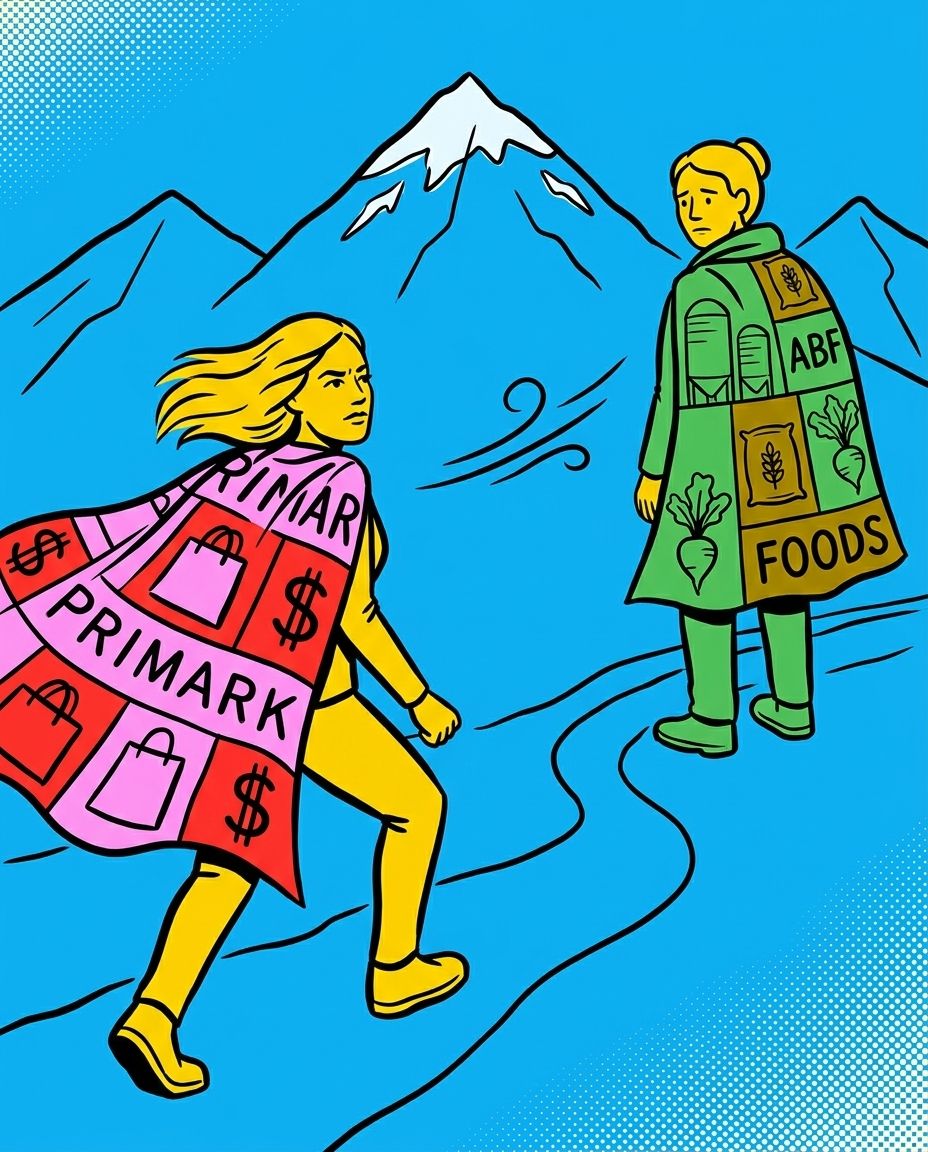
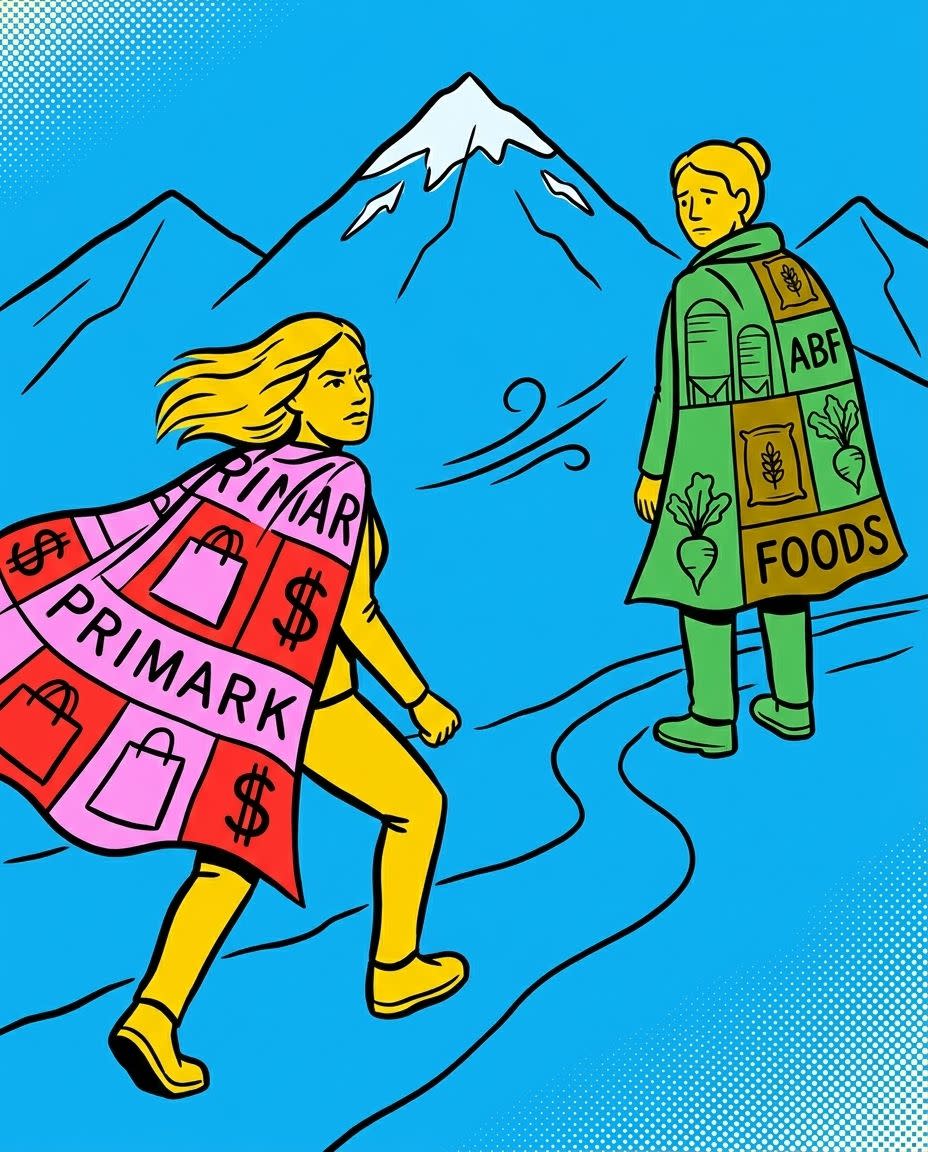
Associated British Food’s decision to de-merge Primark is less a bolt from the blue than an admission that the old structure had stopped making sense.

Primark, a clothing retailer with stores around the globe, has become large enough, visible enough, and strategically distinct enough to stand on its own, while the food arm wants to be understood as something more coherent than the stuff left behind after shoppers head for the clothing aisle.

ABF said it will separate Primark from its food businesses, with completion targeted by the end of 2027. Once the demerger is done, existing ABF shareholders will own shares in both listed companies.

Management framed the move as a way to maximize long-term shareholder returns and give each business governance, strategy, and investor communication better suited to its own market. The food arm will keep the Associated British Foods name, while Primark will become a standalone listed retailer.

The company laid out the logic in familiar corporate language but the broad message was simple. Primark is now too big and too different to keep living inside a food conglomerate. The retailer generates about half the group’s revenue, operates hundreds of stores across multiple markets, and faces a completely different set of challenges from the rest of ABF’s portfolio.

The announcement came alongside underwhelming half-year results. Group profit fell, sales slipped, and several food divisions remained under pressure. Primark itself produced a mixed picture. U.K. like-for-like sales edged higher, but Europe was weaker, suggesting the retailer still has work to do even before it gets handed the keys to its own front door.

That tension matters. This is not a spin-off from a position of roaring strength. It is a structural reset arriving just as both halves of the business are dealing with awkward questions. Primark is facing tougher competition, weaker consumer confidence in parts of Europe, and the familiar problem of how to stay cheap, relevant, and fashionable without getting digitally outgunned by online rivals. The food side, meanwhile, has to prove it is more than a bag of unrelated assets stapled together by history.

The obvious reason this matters is valuation. Investors tend to dislike conglomerates when the pieces inside them are hard to compare, hard to value, or pulling in different directions. ABF has had that problem in spades. Primark is a consumer retail story. FoodCo is a global staples and ingredients story. One sells T-shirts and socks to bargain hunters. The other worries about commodity cycles, brand portfolios, supply chains, and agricultural inputs. Trying to wrap both into one neat equity story has become increasingly awkward.

So the de-merger is, in part, a plea for clarity.

Primark gets to pitch itself as a global value-fashion retailer with room to expand internationally, invest in digital tools, and refine its customer proposition without being judged next to sugar margins or oils demand. That should make life easier for management and, in theory, for investors who want a direct bet on the brand.

FoodCo gets the opposite opportunity. For years, it sat behind the Primark spotlight like the quiet sibling at a loud family dinner. Now it can argue that it is a serious FTSE 100 food business with scale, cash generation, and a portfolio built to capture long-term demand across the food chain. Whether investors buy that story is another matter, but at least they will be able to see it properly.

Still, let’s not pretend every demerger is magical financial alchemy. Splitting a company in two does not automatically create growth, desirability, or multiple expansion. Sometimes it just gives you two businesses with the same problems, only now they have separate letterheads.

Primark, for all its strengths, is not entering some golden standalone age without baggage. It remains a low-margin retailer in a brutally competitive market. The brand is powerful, yes, but the value-fashion space is a knife fight. Shein and Temu have trained consumers to expect endless novelty and frictionless convenience, while Primark still leans heavily on large physical stores and the treasure-hunt appeal of rummaging around in person. That model can work brilliantly, but it is not immune to shifts in shopping habits or macro pressure.

The food business has its own headache. Once Primark is gone, investors will be left with a collection of businesses that may be solid but do not obviously scream strategic unity. Sugar, ingredients, grocery, and agriculture can make for resilient earnings in the right environment, but they can also look like a corporate leftovers buffet if management cannot articulate the thread connecting them.

There is also the timing. ABF is making this move during a period of geopolitical volatility, uneven consumer demand, and sticky cost pressures. That can be read two ways. Either the company is being smart by separating two businesses exposed to very different risks, or it is choosing to perform a delicate surgical procedure in the middle of a storm.

Now comes the hard part, which is proving the split is more than an elegant presentation deck. Investors will want detail on capital structures, management incentives, governance, and how much real strategic freedom each side actually gains.

For Primark, the key question is whether independence leads to faster decisions and a more aggressive push on growth, especially internationally and digitally. For FoodCo, the challenge is narrative and discipline. Can it look like a focused food company rather than a respectable but slightly random cupboard of brands and industrial assets

ABF has decided the bundle is worth more in pieces. The market will spend the next 18 months deciding whether that is a revelation or just tidier packaging.

Our analysts just identified a stock with the potential to be the next Nvidia. Tell us how you invest and we'll show you why it's our #1 pick. Tap here.

Associated British Foods (ABF.L) — The demerger is intended to unlock value for existing shareholders by allowing for clearer valuation and strategic focus for both the food and retail businesses.

Primark (New Listing) — As a standalone entity, Primark will gain strategic freedom to pursue growth, invest in digital tools, and expand internationally without being constrained by the food conglomerate's priorities.

PDD Holdings (PDD) — As the parent company of Temu, it benefits from the continued competitive pressure in the value-fashion market, which Primark acknowledges as a significant challenge.

H&M (HNNMY) — As a competitor in the value-fashion segment, H&M may benefit from Primark's challenges in adapting to digital competition and shifts in shopping habits.

Investment Banking / Advisory — Firms involved in facilitating the demerger process will benefit from fees associated with the transaction.

Shareholder Services — Companies providing services for managing two separate listed entities will see increased demand.

Associated British Foods (ABF.L) — While the demerger aims for positive outcomes, the food business (post-Primark) still needs to prove its strategic unity and faces ongoing challenges like commodity cycles and articulating its value proposition to investors.

Primark (New Listing) — Independence offers opportunities but also exposes Primark to the full force of a low-margin, brutally competitive value-fashion market, requiring significant investment in digital and international expansion.

Inditex (ITX.MC) — As a major global fashion retailer, Inditex operates in a similar market to Primark but with a different model, making the demerger's direct impact on its operations mixed or minor.

Tate & Lyle (TATE.L) — As a peer in the food ingredients sector, Tate & Lyle will observe the new 'FoodCo' as a more focused competitor, but the demerger itself does not fundamentally alter its market position.

Food Manufacturing — The demerger clarifies the competitive landscape by creating a focused food entity, but the industry still faces existing challenges related to commodity cycles, supply chains, and consumer demand.

Clothing Retail — The value-fashion segment will see a newly independent, focused competitor in Primark, potentially intensifying competition but also offering clearer market segmentation for investors.

UK — The demerger of a major UK-based conglomerate will lead to changes in its corporate structure and investor base, but the direct economic impact on the broader UK economy is likely to be mixed or minor.

Europe — Primark's mixed sales performance in Europe suggests ongoing challenges, and the demerger itself does not immediately resolve broader consumer confidence issues or competitive pressures in the region.

[Long-term] Shareholder Value Unlocking — The demerger is expected to unlock value for existing ABF shareholders by allowing both the food business and Primark to be valued as pure-play entities, potentially leading to higher aggregate market capitalization as investors can better understand and invest in each segment. Confidence: High.

[Medium-term] Increased Competition in Value-Fashion Retail — An independent Primark, freed from its conglomerate structure, is likely to pursue more aggressive growth strategies, particularly in digital and international expansion, intensifying competition for online rivals like Shein and Temu, and traditional players like H&M. Confidence: Medium.

[Short-term] Investor Scrutiny on FoodCo's Strategy — Post-demerger, the remaining Associated British Foods (FoodCo) will face immediate pressure to articulate a coherent strategy for its diverse portfolio of sugar, ingredients, grocery, and agriculture businesses to justify its valuation as a focused food company. Confidence: High.

[Long-term] Digital Transformation Acceleration for Primark — Independence will likely enable Primark to accelerate investments in digital tools and e-commerce capabilities, addressing its current vulnerability to online rivals and adapting to evolving consumer shopping habits. Confidence: High.

[Medium-term] Potential for M&A Activity in Food Sector — A more focused 'FoodCo' could become a more attractive target or acquirer in the food industry, as its strategic direction becomes clearer and its valuation less obscured by the retail arm. Confidence: Low.

→ FTSE 100 Index — The demerger of a significant FTSE 100 constituent will lead to adjustments in index composition and potentially minor shifts in overall market sentiment, but not a directional change.

→ Consumer Confidence (UK/Europe) — Primark's mixed performance in Europe and the mention of weaker consumer confidence suggest this indicator remains a key factor influencing retail sector performance, but the demerger itself does not directly alter it.

→ Retail Sales (UK/Europe) — Primark's future performance as an independent entity will contribute to these figures, but the demerger itself is a corporate event, not a direct driver of overall retail sales.

→ Agricultural Commodity Prices — The food arm of ABF is exposed to commodity cycles for sugar and agricultural inputs; these prices will continue to influence its profitability but are not directly impacted by the demerger.

→ Corporate M&A Activity — The demerger is a significant corporate restructuring event, and its success or challenges could influence the broader trend of corporate splits and consolidations, particularly in the UK.

One stock. Nvidia-level potential. 30M+ investors trust Moby to find it first. Get the pick. Tap here.
Comments
You must be logged in to comment.