yahoo Press
Two Men Stole a Glowing Blue Cylinder in an Abandoned Hospital—and Unleashed a Nuclear Nightmare
Images
1 / 10
2 / 10

3 / 10

4 / 10

5 / 10

6 / 10
7 / 10

8 / 10

9 / 10

10 / 10
Here’s what you’ll learn when you read this story:

In 1987, one of the worst radiological disasters in history took place in Goiânia, Brazil—and it all started with a scrap-metal heist gone wrong.

Two men unknowingly stole highly radiated cesium-137 from an illegally abandoned teletherapy unit at a partially demolished hospital.

It took several days before anyone realized what had happened, and hundreds were unknowingly contaminated.

It hasn’t even been a full century since humans first split the atom, but in that short time, nuclear science has unleashed weapons of unprecedented destruction as well as a slate of life-saving devices. One of those devices was the cesium-137 teletherapy machine, which uses its nuclear source, primarily extracted from fission material, to produce gamma rays that target shallow-depth tumors in the body. However, as residents of Goiânia, Brazil, learned in waning months of 1987, even machines specifically designed to save lives from the ravages of cancer can unleash their own hell of sickness and death if not handled with extreme care.

In a way, the Goiânia accident (as it’s known today) really began two years earlier when a private radiotherapy clinic known as the Instituto Goiano de Radioterapia (IGR) moved to a new location in Goiânia. In the move, the institute relocated its cobalt-60 teletherapy unit, which was a superior technology due to the isotope’s increased dose rate, but left behind its aging cesium-137 unit in violation of the institute’s license, according to a later report by the International Atomic Energy Agency (IAEA). The old hospital site was then partly demolished, and the dangerous, radioactive source inside the machine was left unsecured. While Brazil’s National Nuclear Energy Commission knew about the cesium-137 source in the building, legal disputes prevented the safe removal of the unit—a delay that ended up having deadly consequences.

On September 13, 1987, Roberto dos Santos Alves and Wagner Mota Pereira illegally entered the former IGR site and found the unit. Not knowing what it was, they partially disassembled it, and placed its highly radioactive source assembly in a wheelbarrow in the hopes of selling it for scrap. During this catastrophic caper, the capsule containing highly radioactive cesium chloride salt ruptured, immediately contaminating the surrounding environment and directly exposing the two scrap thieves.

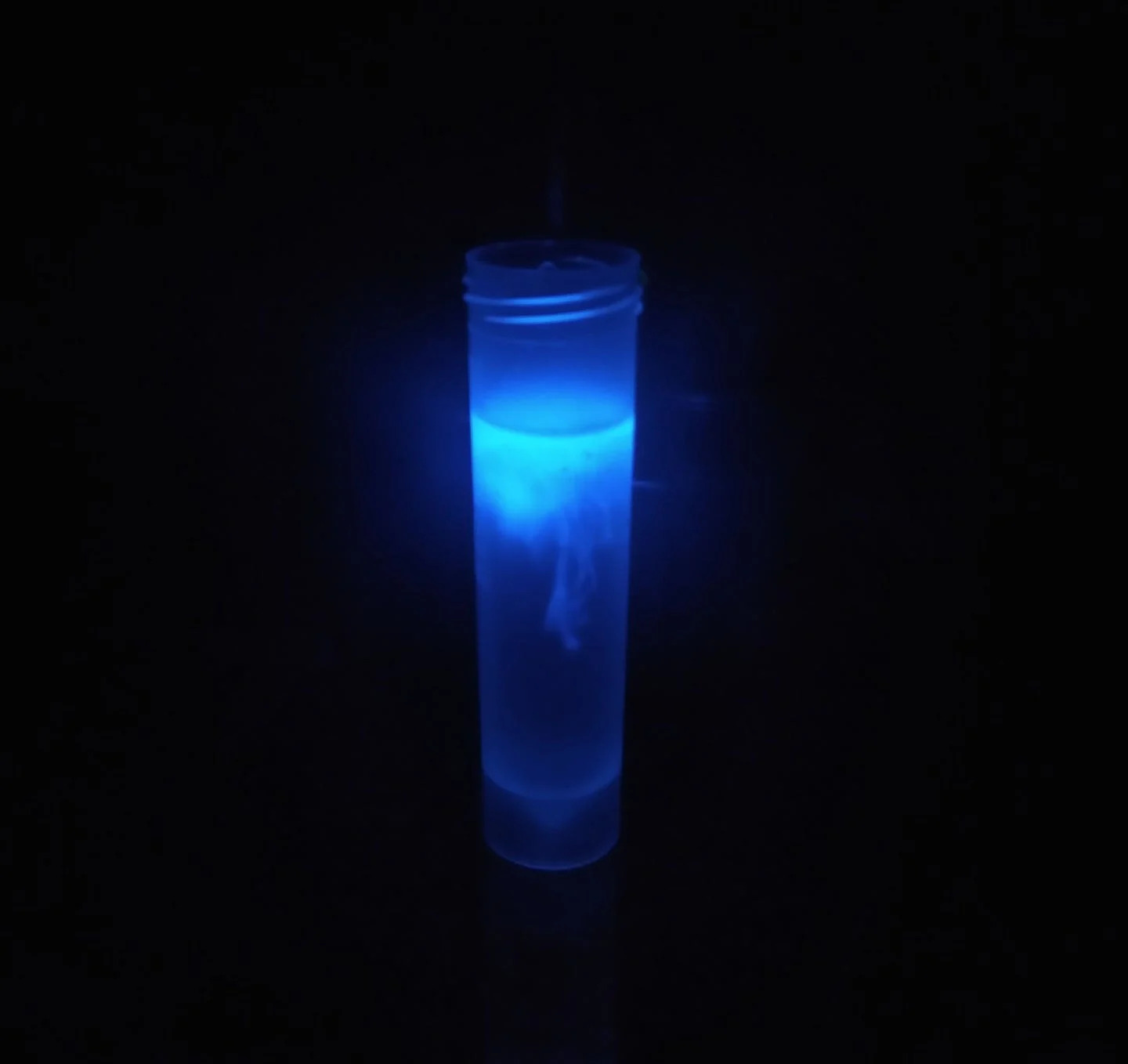
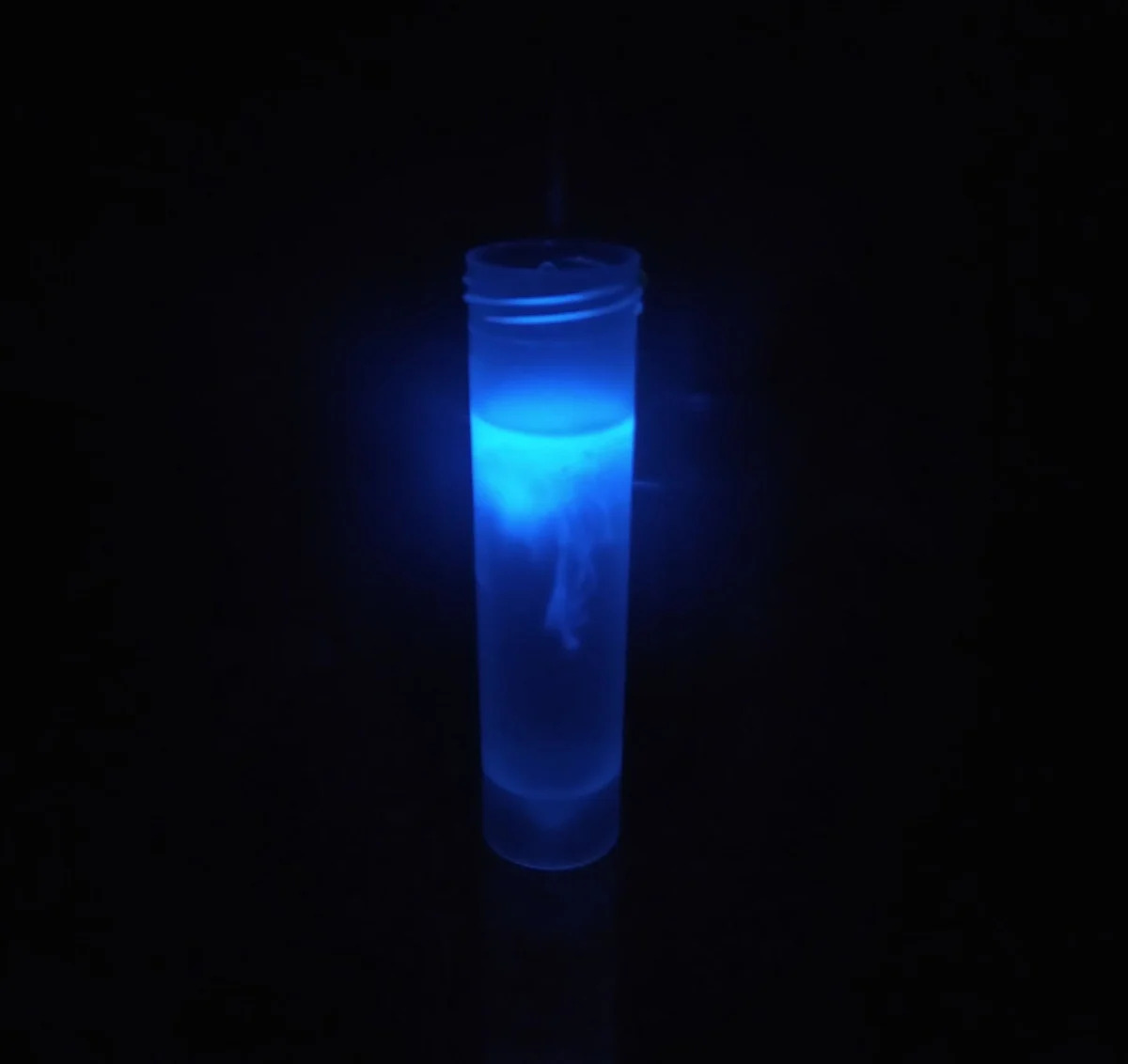
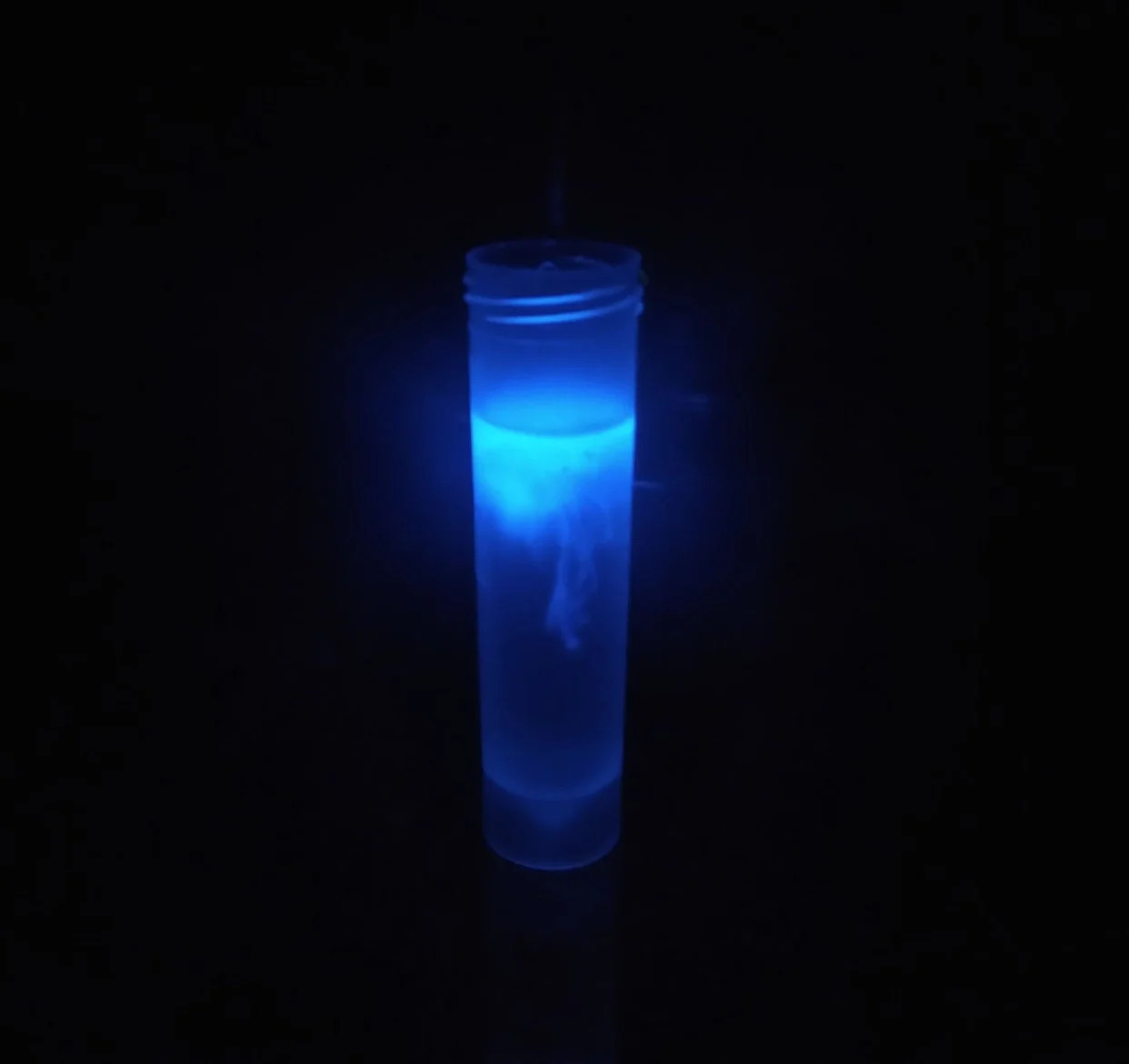
After days of tinkering, Alves eventually extracted the radioactive source capsule and sold it to a scrap metal dealer named Devair Alves Ferreira, who later that evening noticed the item emitting a blue glow (likely gamma rays ionizing the surrounding air). Things were about to go from bad to worse.

Ferreira brought the curious item to show to family and friends, and one of Ferreira’s friends even freed some of the rice-sized cesium-137 chloride salt from the container. Soon Ferreira’s relatives began falling ill one by one, including his wife, Maria Gabriela Ferreira, who eventually became suspicious of the materials and transported them (by bus) to a nearby hospital for examination. Once the cesium-137 was in professional hands, the recognition of the material’s immense radioactivity triggered a chain reaction of responses by local, state, national, and even international agencies like the IAEA.

All contaminated sources were collected by October 3, contamination sites were cleaned up by Christmas, and remedial efforts continued until normal living conditions were re-established in March 1988. Three doctors from the IGR were eventually charged with criminal negligence, and the Brazil Nuclear Energy Commission, with the help of the IAEA report, developed new methods for disposing of radioactive material.

While Maria likely saved an untold number of lives through her decision to alert someone to the content’s deadly radioactivity, she sadly died from radiation exposure. Some 250 people were directly irradiated, and four, including Maria, died from exposure, while incidents of breast cancer occurred at higher rates in the region for decades.

Scientific research and long experience have shown that responsible radiation has an incredible power to heal, but when it falls into the wrong hands, its incredible power to kill becomes all too apparent.

You Might Also Like

20 Cars That Were Massively Improved by a Redesign

Going on Vacation? These Appliances Need to Be Unplugged Before You Leave the House

Roborock Reigns Supreme for Robot Vacuums, but We Also Loved These Other Models
Comments
You must be logged in to comment.