yahoo Press
Franklin Templeton CEO says private credit is 'here to stay'
Images
1 / 6
2 / 6

3 / 6

4 / 6

5 / 6
6 / 6
The above button links to Coinbase. Yahoo Finance is not a broker-dealer or investment adviser and does not offer securities or cryptocurrencies for sale or facilitate trading. Coinbase pays us for certain activity generated through this link. Prices displayed are informational.

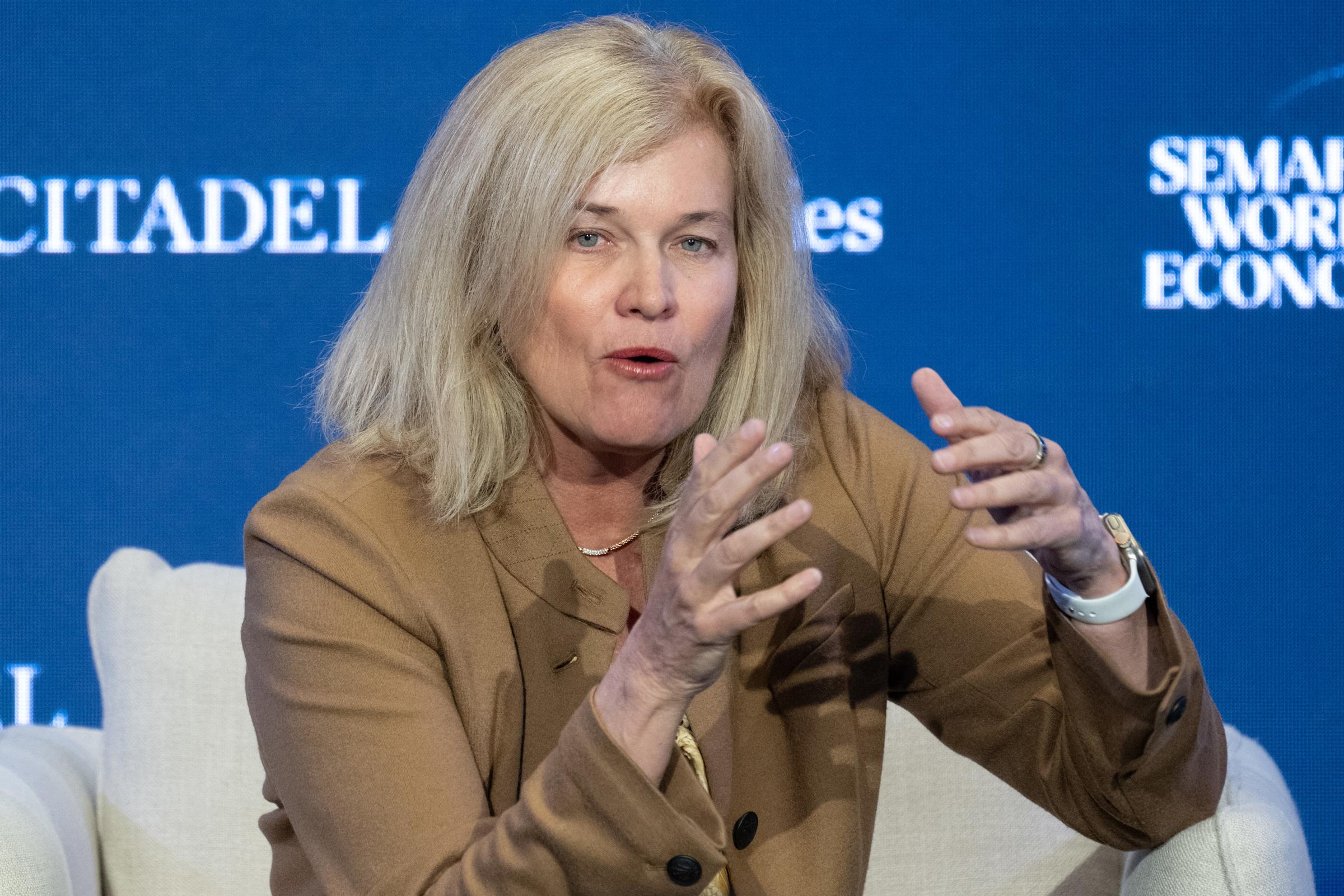
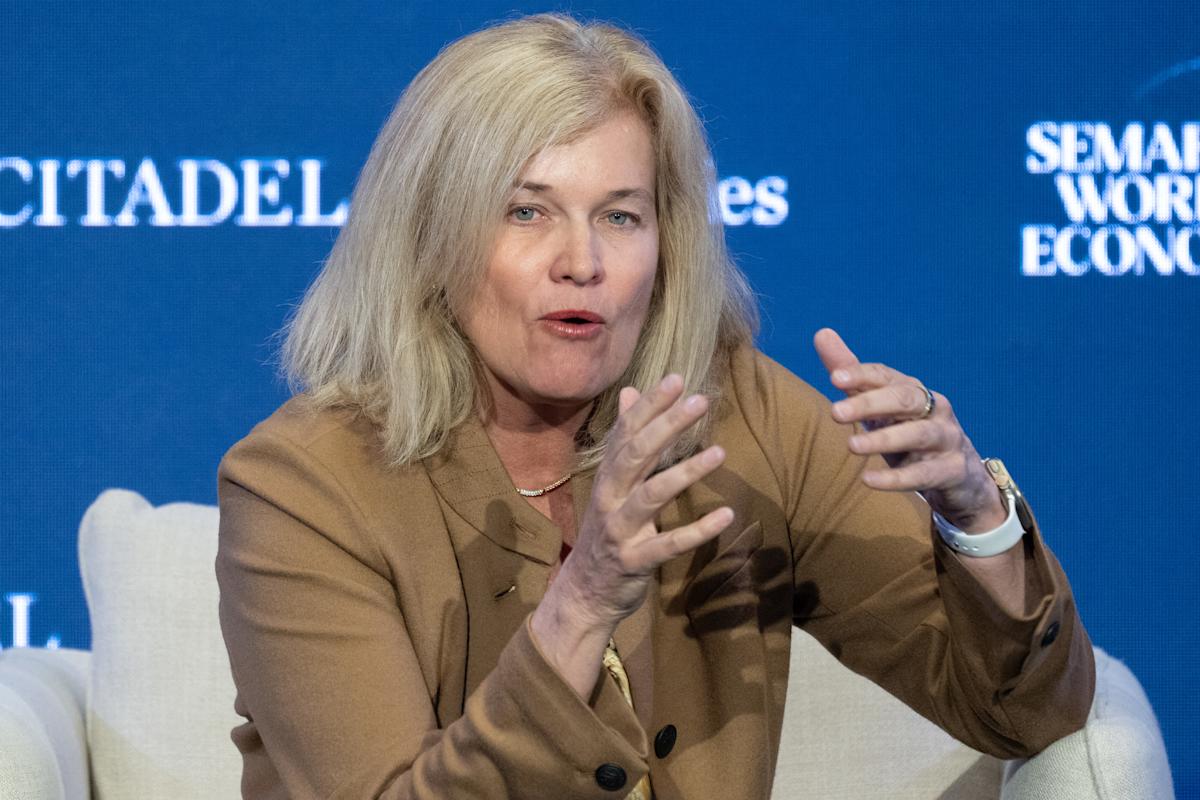
Franklin Templeton (BEN) CEO Jenny Johnson said the private credit sector has earned its rightful place on Wall Street.

"Private credit [is] here to stay," Johnson told Yahoo Finance during the Semafor World Economic Summit. She tethered her argument to the 2008 financial crisis, when tightened capital requirements forced banks to stop lending, prompting private funds to fill the gap.

"It drives me nuts when anybody says, 'Oh, it's more liquid than you think.' It is absolutely illiquid. And if you cannot withstand the illiquidity of the investment, don't get in it. OK?" she said.

As the underlying loans cannot be sold quickly like a stock, investors can't get their cash back on demand from the private funds. But Johnson pointed out that investment-grade private loans can yield an extra 150 basis points over traditional bonds. On the high-yield side, that spread can jump to 250 or even 400 basis points.

Over a 20-year timeline, just a 1% additional return could lead to a 20% higher retirement balance. Johnson suggests investors ask themselves if they could withstand 5% to 10% illiquidity in their portfolios. "If you can, you're going to be able to capture a nice premium that can be meaningful when compounded. So you shouldn't ignore it," she said.

Johnson noted that firms like Franklin Templeton are now embedding those frozen assets into "liquid vehicles." This means they mix a small amount of private debt into a traditional fund that people can trade quarterly. It gives retail investors a taste of high-interest private debt and late-stage venture capital without the usual decade-long wait to get their money back.

Johnson also pointed to artificial intelligence and enterprise software as the next frontier, a contrarian view on Wall Street. Software stocks have been pounded because of fears that rapid AI advances will make traditional software obsolete. Part of the concerns surrounding private credit has also been their lending to software firms.

In the backdrop of the Iran war, skeptics also argue that software matters much less than physical security and oil.

Other titans are watching. Goldman Sachs CEO David Solomon noted that the firm is currently seeing loan stress in big business "wholesale" lending, rather than in its private credit or credit card portfolios.

He warned that the market has gone a "long period of time without what I call a normal credit cycle," meaning a recession is overdue. Once a real slowdown hits, higher loss levels across all diversified portfolios are inevitable, he said.

Meanwhile, JPMorgan chief Jamie Dimon is dusting off concerns about private credit. He says the market is too small to sink the big banks, noting that there would need to be “very large losses" in private credit to cause systemic ripples. "I'm not particularly worried about it,” he said.

However, investors are getting worried. Blue Owl Capital (OWL) recently saw redemption requests for $5.4 billion across two of its flagship funds. However, the firm triggered its 5% quarterly redemption cap.

Ultimately, Johnson's advice is to use a roadmap. "We're big believers in having a financial advisor, right? To help you think through what are my needs? How do you see my spending pattern? Can I afford this? If you can, it's good to be in some illiquid products," she said.

Francisco Velasquez is a Reporter at Yahoo Finance. Follow him on LinkedIn and X. Story tips? Reach him via email at francisco.velasquez@yahooinc.com.

Click here for in-depth analysis of the latest stock market news and events moving stock prices

Read the latest financial and business news from Yahoo Finance
Comments
You must be logged in to comment.