yahoo Press
PA woman bought $400 ottoman at a bankrupt store — but never got the item or money back. What bargain hunters must know
Images
1 / 4
2 / 4

3 / 4

4 / 4
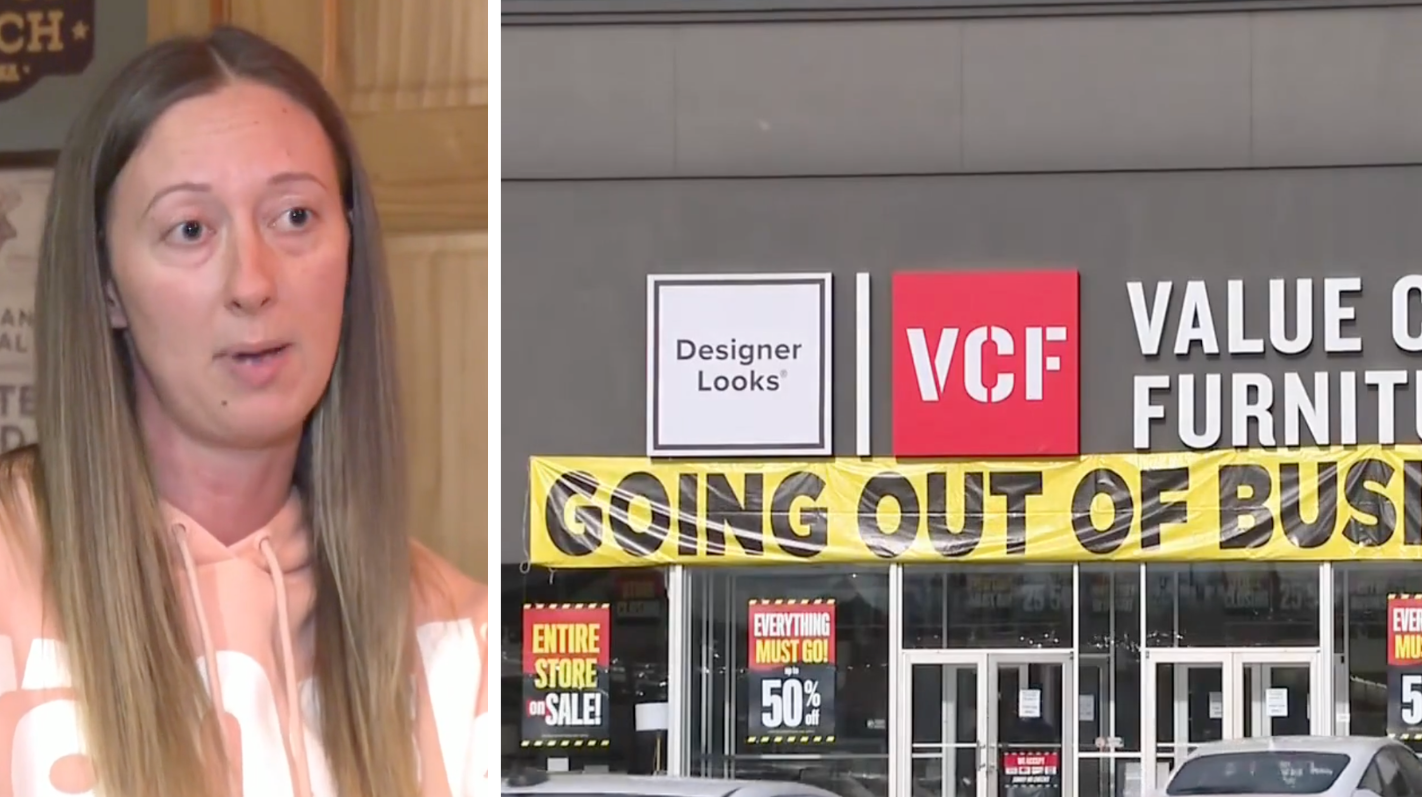
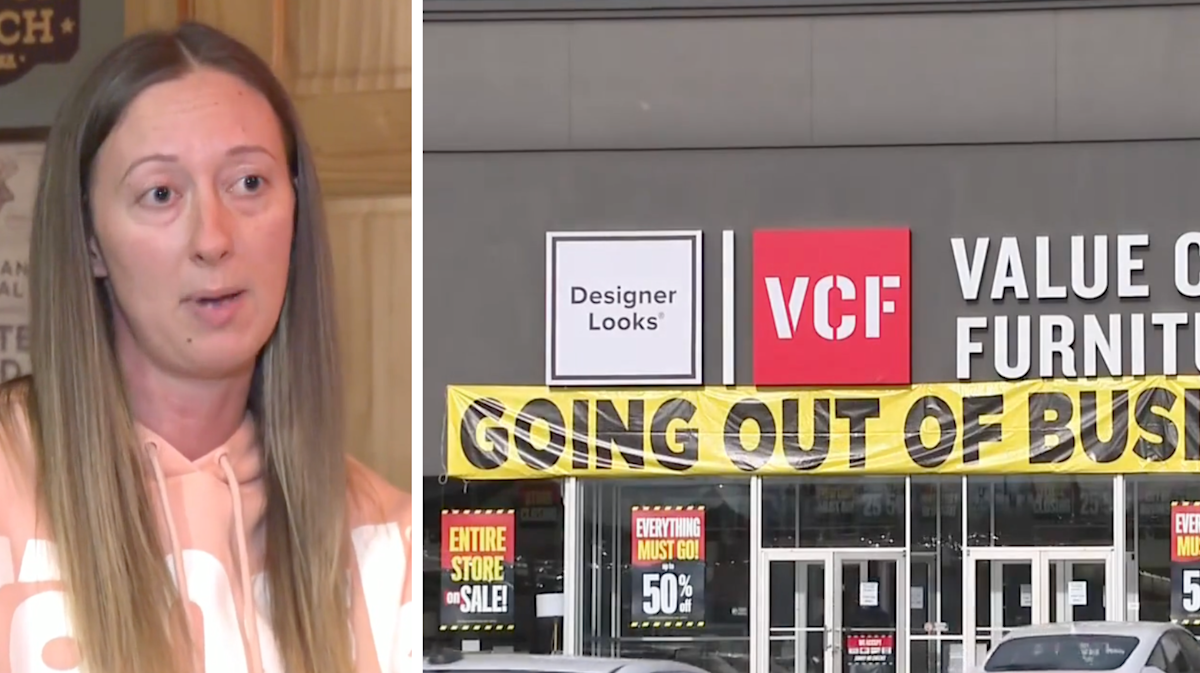
Jessica Reed thought she was getting a great deal when she purchased nearly $1,500 worth of furniture from Value City Furniture. Reed, who is from Elizabeth, Pa., knew the store was going out of business, but she was promised she'd receive the sofa, recliner, chaise, and ottoman she paid for. The ottoman was in limited stock, but a store representative said she'd get a refund if it wasn't delivered.

But when Reed’s orders arrived, there was no ottoman. And when she called about the refund she was promised, the store refused to pay back the $400 and recommended she take the matter to court.

Thanks to Jeff Bezos, you can now become a landlord for as little as $100 — and no, you don't have to deal with tenants or fix freezers. Here's how

This 20-year-old lotto winner refused $1M in cash and chose $1,000/week for life. Now she’s getting slammed for it. Which option would you pick?

Dave Ramsey warns nearly 50% of Americans are making 1 big Social Security mistake — here’s what it is and the simple steps to fix it ASAP

"It's a feeling of being deceived, just being lied to," Reed told CBS News, adding that the money they worked hard for is now gone, with nothing to show for it.

Buying deeply discounted items from a store that is going out of business can feel like a win for bargain shoppers. But when a retailer enters bankruptcy proceedings, consumer protections weaken and refunds are no longer handled the same way.

Instead, unresolved orders, refunds, and deposits can become part of the bankruptcy case itself. That’s because bankruptcy law prioritizes who gets paid when a company files for bankruptcy — and customers are often far down the list.

In a Chapter 11 bankruptcy, a company is attempting to reorganize and continue operating. Stores may remain open, inventory may still be sold, and employees may continue working. But refunds, returns, and customer complaints can be frozen or limited while the company restructures. Even if a refund was promised, the company may no longer have the ability or obligation to issue it immediately (2).

In Chapter 7 bankruptcy, which involves liquidation, the outlook can be even worse for consumers. Assets are typically sold off to repay creditors, and secured lenders, like landlords and banks, are typically paid first. Customers who paid for goods that were never delivered are generally considered unsecured creditors, meaning they may receive only a partial refund or nothing at all, depending on what funds remain after secured lenders are repaid (3).

So what option does Reed have? If she paid with a credit card, she could try filing a chargeback. Another option in this type of scenario is to send a certified letter, Monica Horton of Better Business Bureau (BBB) of North Central Texas told NBC.

“Even if the stores close, that mail is going to be forwarded somewhere,” Horton said. “Hopefully, it will land on the desk of somebody who can help you out” (4).

Reed could also file a case in small claims court or attempt to get a refund through the bankruptcy process. But whether the legal route will work depends on the type of bankruptcy the company filed, and how many secured creditors are waiting to be repaid.

Read More: 5 essential money moves to make once you’ve saved $50,000

Read More: Young millionaires are ditching stocks. Why older Americans should take note

A closing sale at a bankrupt business is one of the best places to find real deals. But it is important to protect yourself and not become another creditor waiting to be repaid. Here are a few ways to reduce the risk of losses:

Credit cards typically offer stronger consumer protections than paying with cash or debit. If the product fails to arrive, you may be able to file a chargeback with your card carrier to dispute the charge. Just make sure to pay off the bill promptly, so you’re not stuck paying interest or contributing to mounting debt.

If you make a purchase, try to take it home the same day. Consider renting or borrowing a vehicle if needed. You are far more likely to get what you pay for if you only buy what is in the store and take it with you then and there.

Save receipts, contracts, delivery notices, emails, and any other communications. Record any calls or conversations with the company. This documentation may help if you need to file a chargeback or a court case.

Small claims court may be an option if the business has not fully shut down, but bankruptcy can complicate lawsuits. Depending on the legal process, individual consumers may not be able to pursue a claim outside of the bankruptcy process, which is why limiting risk is important.

Filing complaints with the state attorney general, state consumer protection office, or local Better Business Bureau can help document patterns and provide evidence in future investigations. Even if you can't get refunded and the company is shutting down, lodging complaints might help protect other consumers.

Ultimately, buying from a company filing for bankruptcy is risky. Once the legal proceedings start, consumers might not have the protections they're used to. Using a credit card, being diligent about documentation, and only buying what you can see and taking it with you are your best protections.

Taxes are going to change for retirees under Trump’s ‘big beautiful bill’ — here are 4 reasons you can’t afford to waste time

Robert Kiyosaki begs investors not to miss this ‘explosion’ — says this 1 asset will surge 400% in a year

Vanguard reveals what could be coming for U.S. stocks, and it’s raising alarm bells for retirees. Here’s why and how to protect yourself

Turning 50 with $0 saved for retirement? Most people don’t realize they’re actually just entering their prime earning decade. Here are 6 ways to catch up fast

Join 250,000+ readers and get Moneywise’s best stories and exclusive interviews first — clear insights curated and delivered weekly. Subscribe now.

We rely only on vetted sources and credible third-party reporting. For details, see our editorial ethics and guidelines.

CBS News (1); United States Courts (2, 3); NBC Dallas-Forth Worth (4)

This article provides information only and should not be construed as advice. It is provided without warranty of any kind.
Comments
You must be logged in to comment.