yahoo Press
'Fed's balancing act is getting trickier': Wall Street strategists reassess central bank's rate cut path
Images
1 / 6
2 / 6

3 / 6

4 / 6

5 / 6
6 / 6
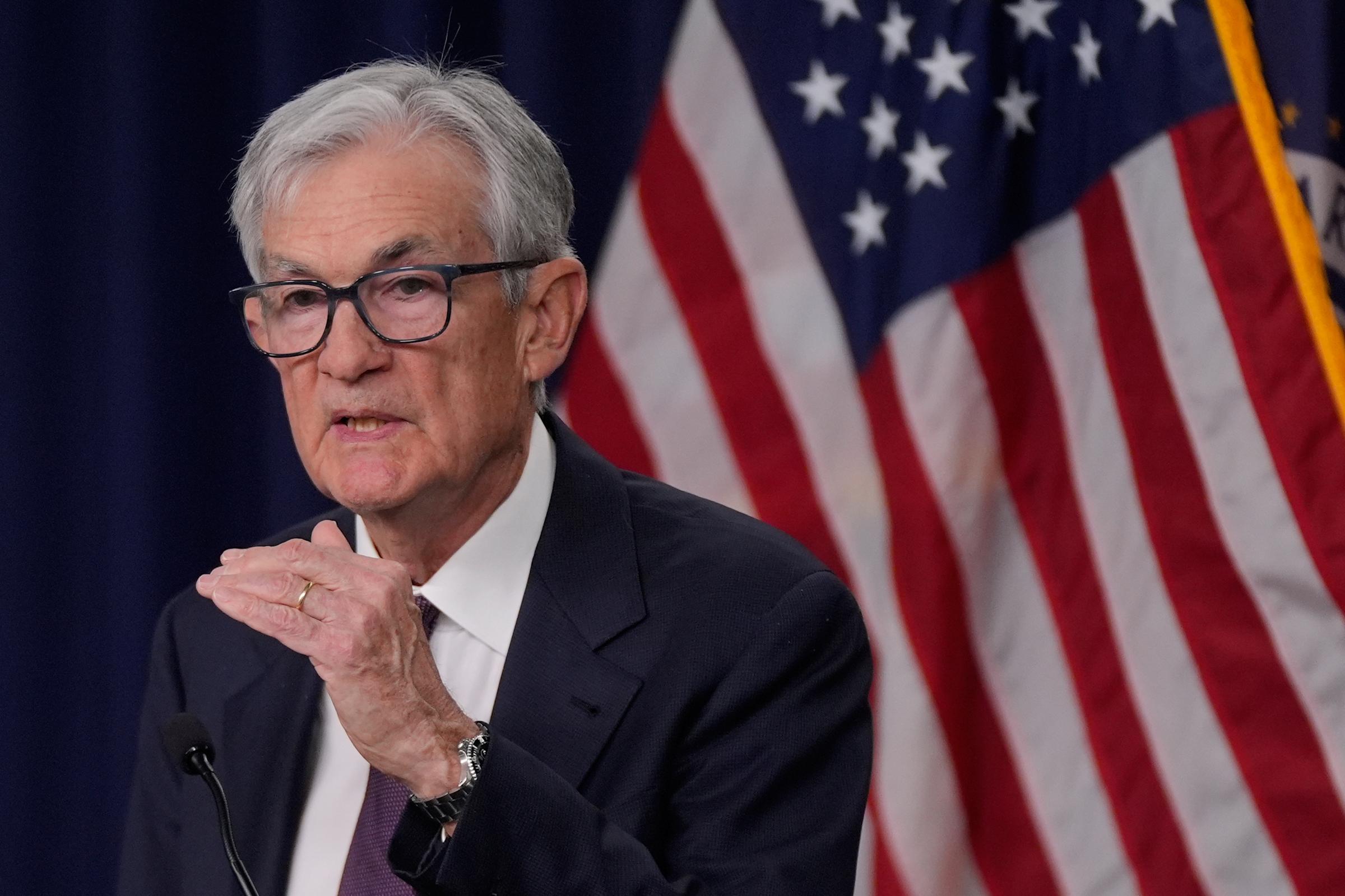
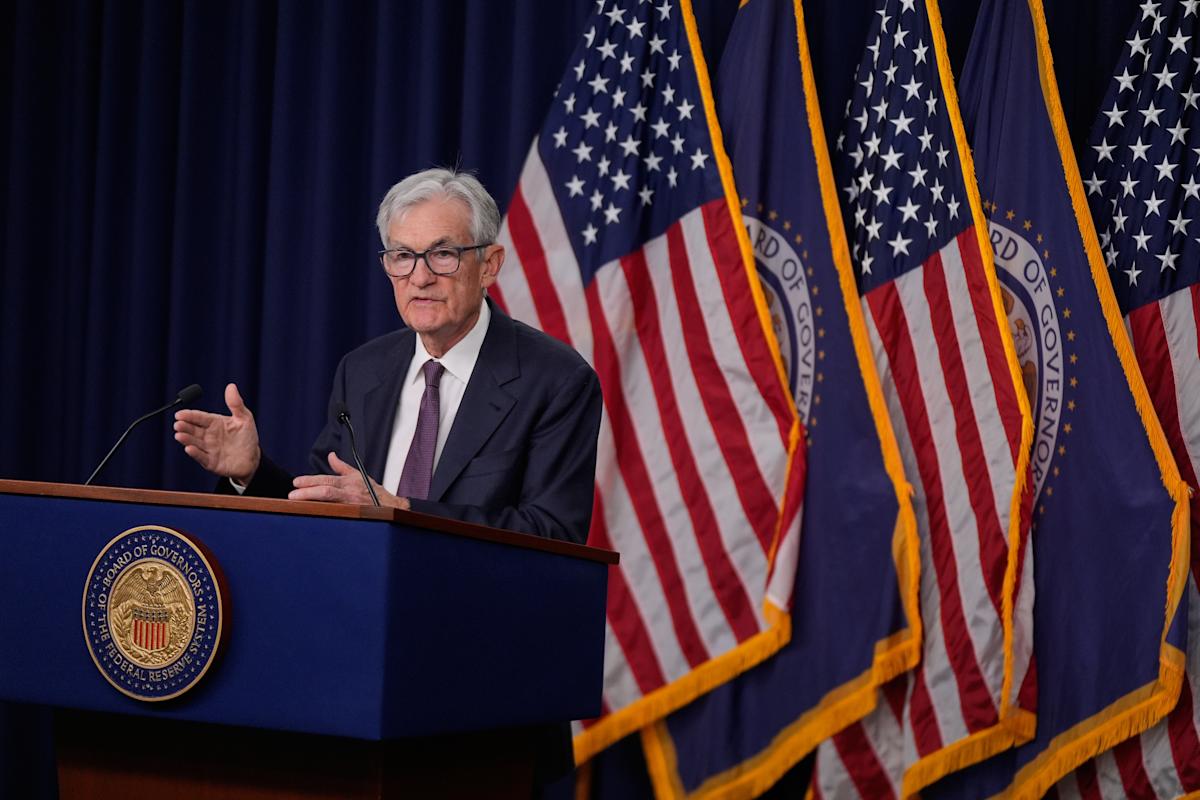
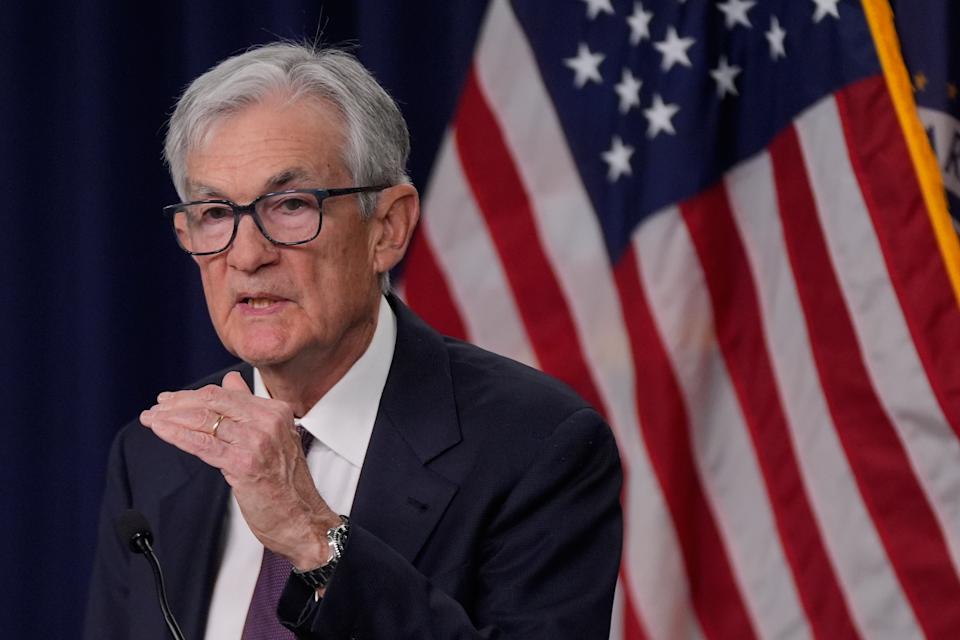
The Federal Reserve’s decision to leave interest rates where they are this week was widely expected. But the central bank’s cautious tone — especially from Chair Jerome Powell at his press conference following the Fed's meeting — is pushing Wall Street to reassess the timeline for rate cuts from the central bank.

Strategists say the Fed’s latest messaging suggests policymakers are increasingly reluctant to commit to a clear easing timeline as the geopolitical shock of war ripples through energy markets and inflation expectations.

What had previously been seen as likely to be a gradual pivot toward rate cuts is now being reframed as a prolonged pause — and in some cases a potential return to tightening if price pressures reaccelerate.

"The Fed’s balancing act is getting trickier," JoAnne Bianco, senior investment strategist at BondBloxx, said.

In a reflection of that uncertainty, Powell said to reporters in a press conference on Wednesday, "People mentioned if we were ever going to skip a [Summary of Economic Projections, or "dot plot"], this would be a good one."

Read more: How the Fed rate decision affects your bank accounts, loans, credit cards, and investments

Some strategists argue that the Fed’s uncertainty may ultimately translate into a more hawkish policy trajectory than markets anticipate. Energy markets are absorbing the fallout from escalating conflict in the Middle East. Gas prices were less than $0.10 away from averaging $4 per gallon nationally on Friday, according to data from AAA.

In a note to clients on Wednesday following Powell's press conference, JPMorgan chief US economist Michael Feroli said that while most of the day's content was in line with expectations, several developments "shaded a little bit hawkish": inflation forecasts for 2026 and 2027 were revised higher, average rate forecasts drifted higher even as the median projection remained unchanged, and seven governors called for no more cuts this year. Yet Powell maintained his uncertainty about where the economy is headed.

Read more: How jobs, inflation, and the Fed are all related

"Clearly, [Powell] is not placing a lot of weight on the forecasts now," Feroli said.

For Goldman Sachs chief US economist David Mericle, Powell was "a bit hawkish," with a more substantial turn among the committee away from easing that he expected.

"Powell put the risks to employment and inflation on an equal footing, took seriously the risk from the oil price shock to inflation expectations against a backdrop where inflation has been high for five years, and said that 'mildly restrictive' policy is appropriate for now," Mericle wrote.

Some on Wall Street have even called for a hike.

Macquarie's David Doyle and Chinara Azizova said in a client note after the meeting that they continue to see the next move in rates as a hike, most likely in the first half of 2027 and particularly if inflation progress stalls or energy costs remain elevated.

The firm also noted that central banks globally are shifting their guidance away from an easing bias and toward guarding against so-called second-round inflation effects from higher energy prices — a dynamic that could reinforce a more cautious stance by the Fed in the months ahead.

Inflationary pressures were "already showing greater persistence," Doyle and Azizova wrote prior to the meeting. Given that setup, the strategists wrote on Thursday after Powell's press conference, "Our outlook for policy is unchanged from our preview note. We see the next policy move as a hike with the most likely timing in 1H27."

Powell acknowledged that the possibility of a rate hike "did come up at the meeting, as it did at the last meeting." That said, the chairman noted, "The vast majority of participants don't see that as their base case, and of course we don't take things off the table."

Beyond the energy crisis, policymakers face additional growing pressure from signs of cooling labor market momentum, Felix Aidala, an economist with Indeed, said in emailed commentary.

Aidala noted that recent payroll data and stronger-than-expected increases in producer prices highlight the challenges confronting the Fed as the central bank tries to balance its dual mandate.

“With gas prices jumping sharply in recent weeks, headline inflation is likely to rise in the near term even as the labor market shows cracks,” Aidala said. “These dynamics make it incredibly difficult to predict future monetary policy decisions.”

If higher fuel costs begin to feed more broadly into wages and consumer prices, some strategists warned the Fed could be forced to keep policy restrictive for longer — or even tighten again — to prevent inflation expectations from becoming entrenched.

Taken together, the central bank’s latest messaging signals a shift away from a clear easing trajectory toward a more conditional policy path shaped by geopolitics and inflation dynamics.

“This is a central bank that’s comfortable waiting, watching, and staying flexible,” Gina Bolvin, president of Bolvin Wealth Management Group, wrote in emailed commentary.

“One projected cut tells you everything: the Fed is not in a rush, and neither should investors be.”

Jake Conley is a breaking news reporter covering US equities for Yahoo Finance. Follow him on X at @byjakeconley or email him at jake.conley@yahooinc.com.

Click here for the latest economic news and indicators to help inform your investing decisions

Read the latest financial and business news from Yahoo Finance
Comments
You must be logged in to comment.