buzzfeed Press
Experts Are Begging You To Stop Making These 7 Mistakes When Storing Leftovers
Images
1 / 13
2 / 13

3 / 13

4 / 13
5 / 13

6 / 13
7 / 13
8 / 13
9 / 13
10 / 13
11 / 13
12 / 13
13 / 13
Your gut will thank you for avoiding these common food storage mistakes.

According to Dr. Coffman, one of the most common leftover mistakes is leaving food out for too long. "Improper cooling keeps food in the 'danger zone' between 40°F and 140°F, where bacteria such as Salmonella, Clostridium perfringens, and Staphylococcus aureus can multiply rapidly."

The Safer Step: Refrigerate leftovers within two hours of preparation. Cool food from 135°F to 70°F at room temperature within two hours, then transfer to the refrigerator to cool from 70°F to 41°F in four hours.

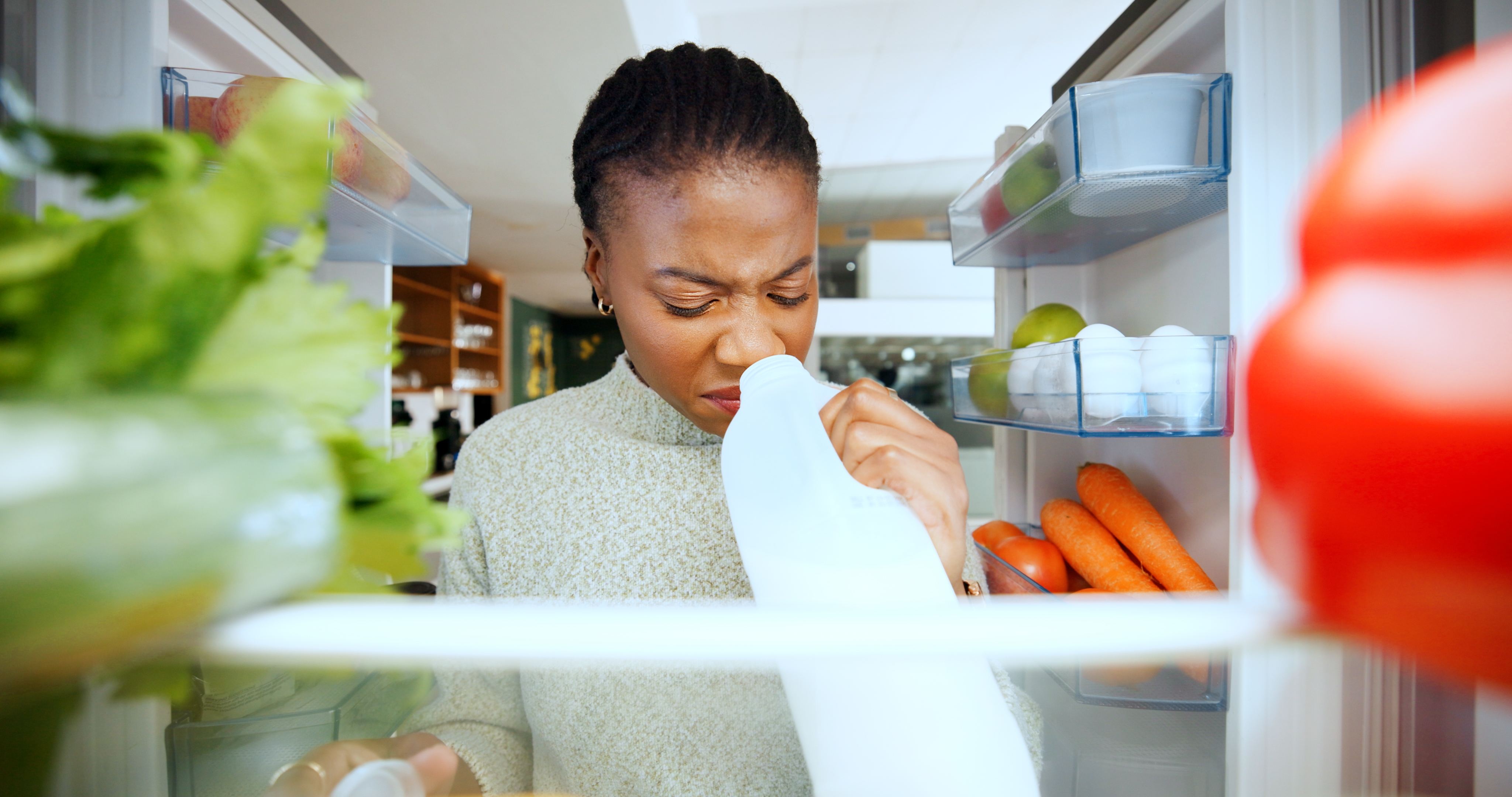
Bacteria don't smell, and unfortunately, your nose is not a microscope. "Most pathogenic microbes do not change the taste, smell, or texture of the foods they contaminate," says Roberts. Leftovers can look, smell, and taste perfectly fine, yet still contain enough pathogens to make you sick.

The Safer Step: Trust the clock, not your nose. If you can't remember how old those leftovers are, when in doubt, throw them out!

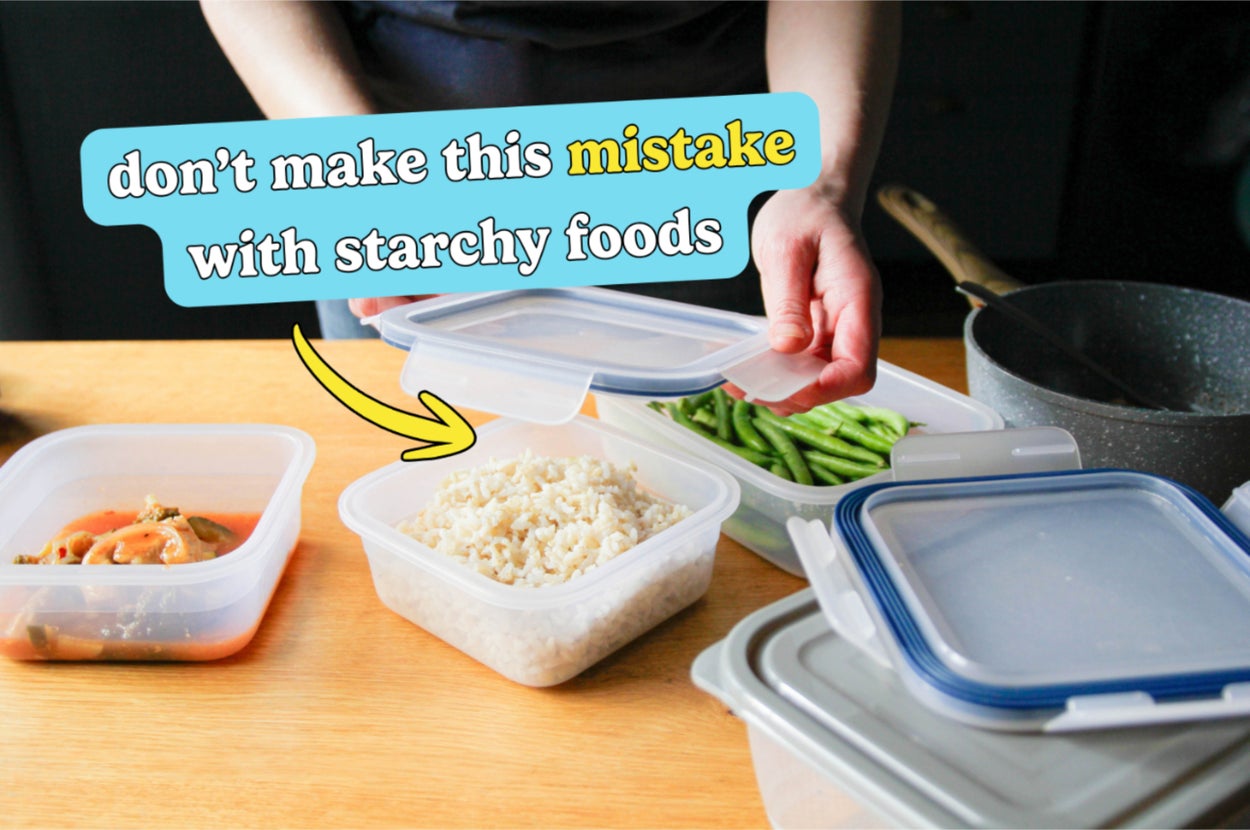
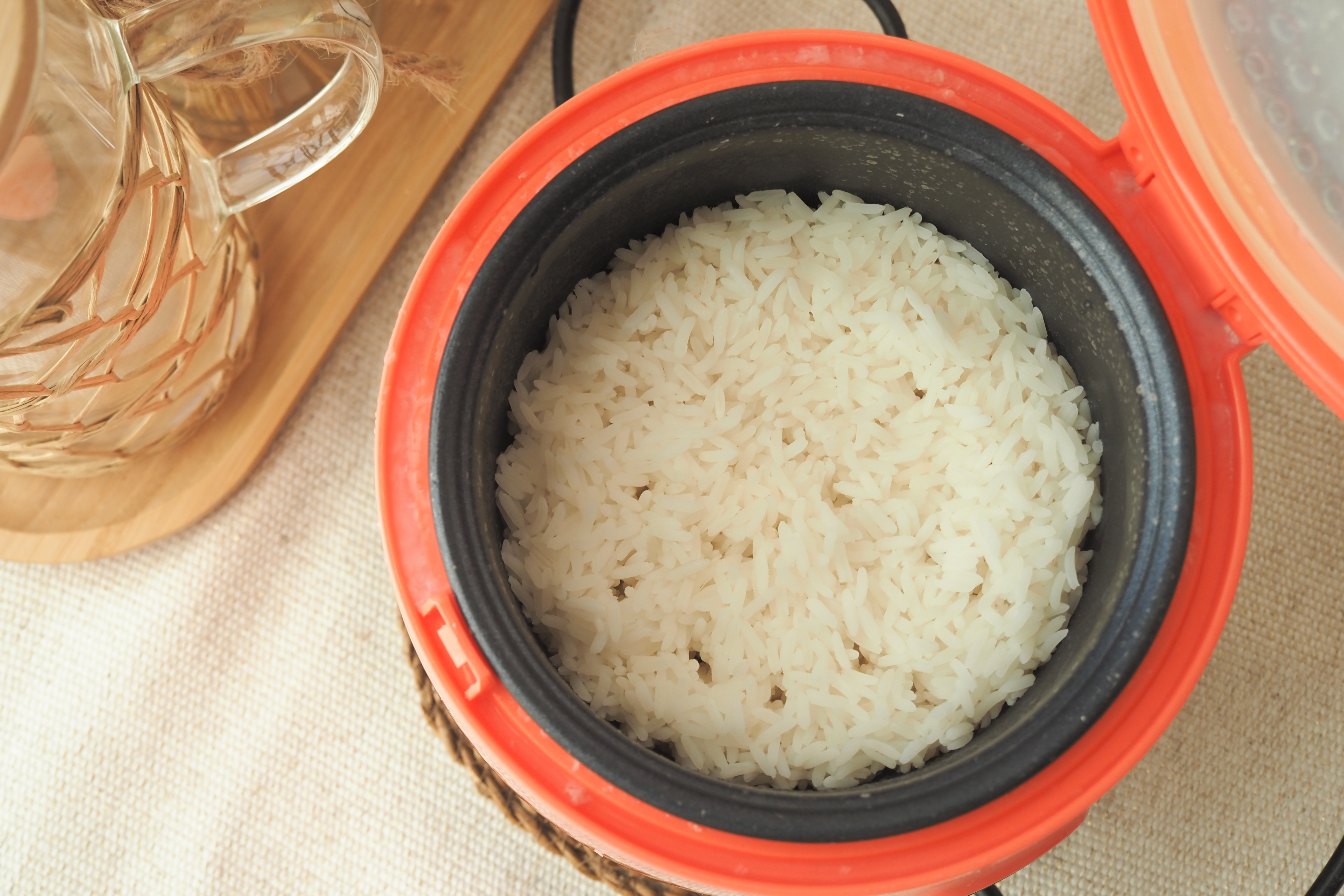
Starchy foods can harbor bacterial spores that survive cooking, making them more dangerous than most people realize. “The riskiest foods are typically moist, protein-rich, and slow to cool, which bacteria love. Cooked rice and pasta, in particular, can grow Bacillus cereus if left out too long or cooled improperly,” says Vaccaro.

The Safer Step: Avoid leaving rice cookers on warm for too long. Cool rice and pasta quickly in shallow containers, refrigerate within two hours, and discard uneaten rice after 24 hours.

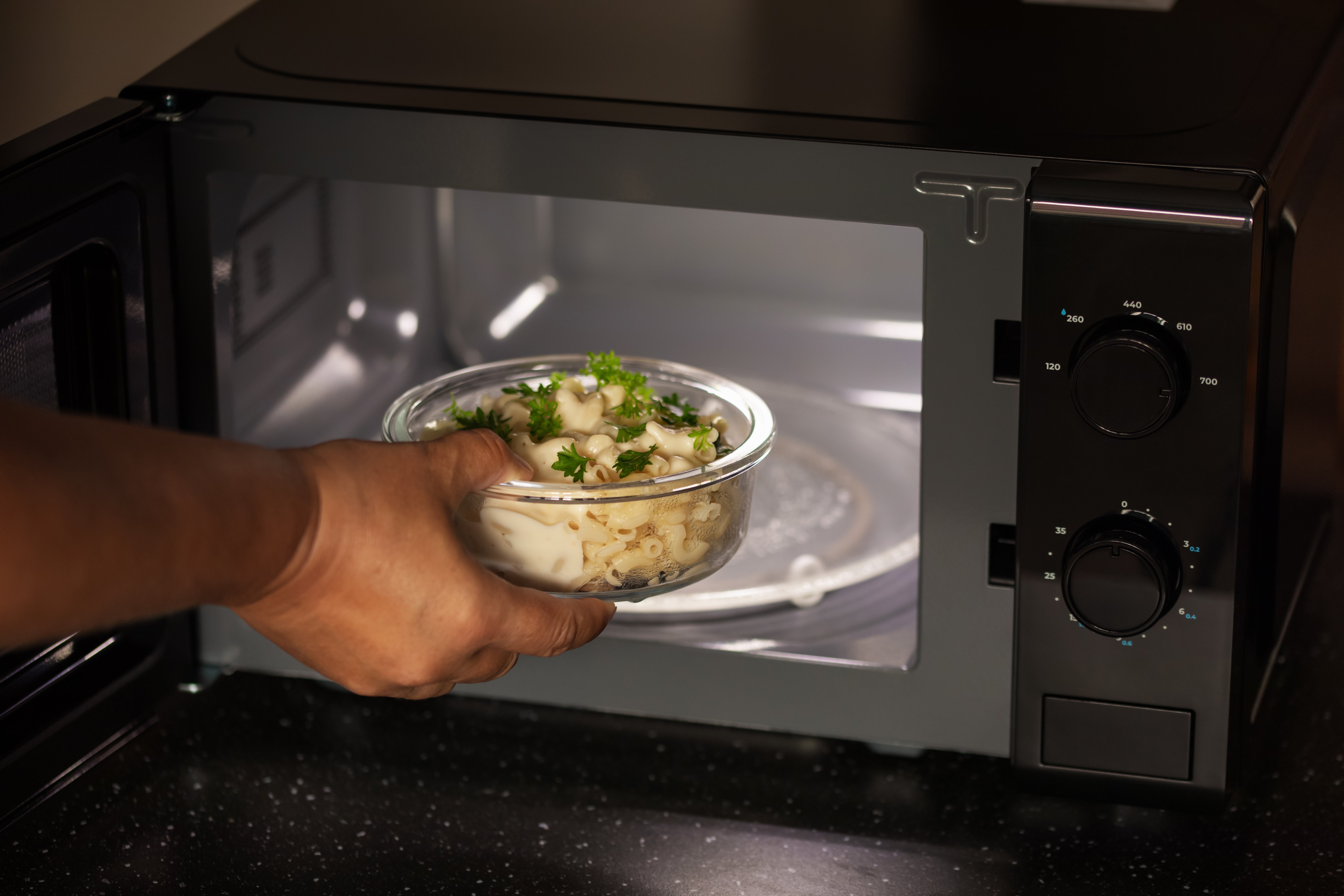
Every time you heat and cool food, it goes through temperature changes that can allow bacteria to grow in between.

"Reheating can kill bacteria and some molds, but it does not always eliminate toxins already produced. Some bacteria can produce heat-stable toxins if food has been temperature abused — meaning reheating won't necessarily make it safe again," Vaccaro advises.

The Safer Step: Reheat only the portion you plan to eat and keep the rest cold until needed. Cold leftovers are safe if cooked, cooled, and stored properly. The 165°F reheating guideline is important when keeping food hot before serving.

Even when refrigerated, leftovers have a limited safe window. “While no one likes to waste food, it is safer to throw out an item if it has been in the fridge for longer, usually one to three days,” says Coffman. Listeria monocytogenes can grow in cold environments, and the longer leftovers sit, the higher the risk — especially for cooked meats and deli products.

The Safer Step: Label leftovers with the date they were made. If you won’t eat them within three to four days, freeze them — or throw them out.

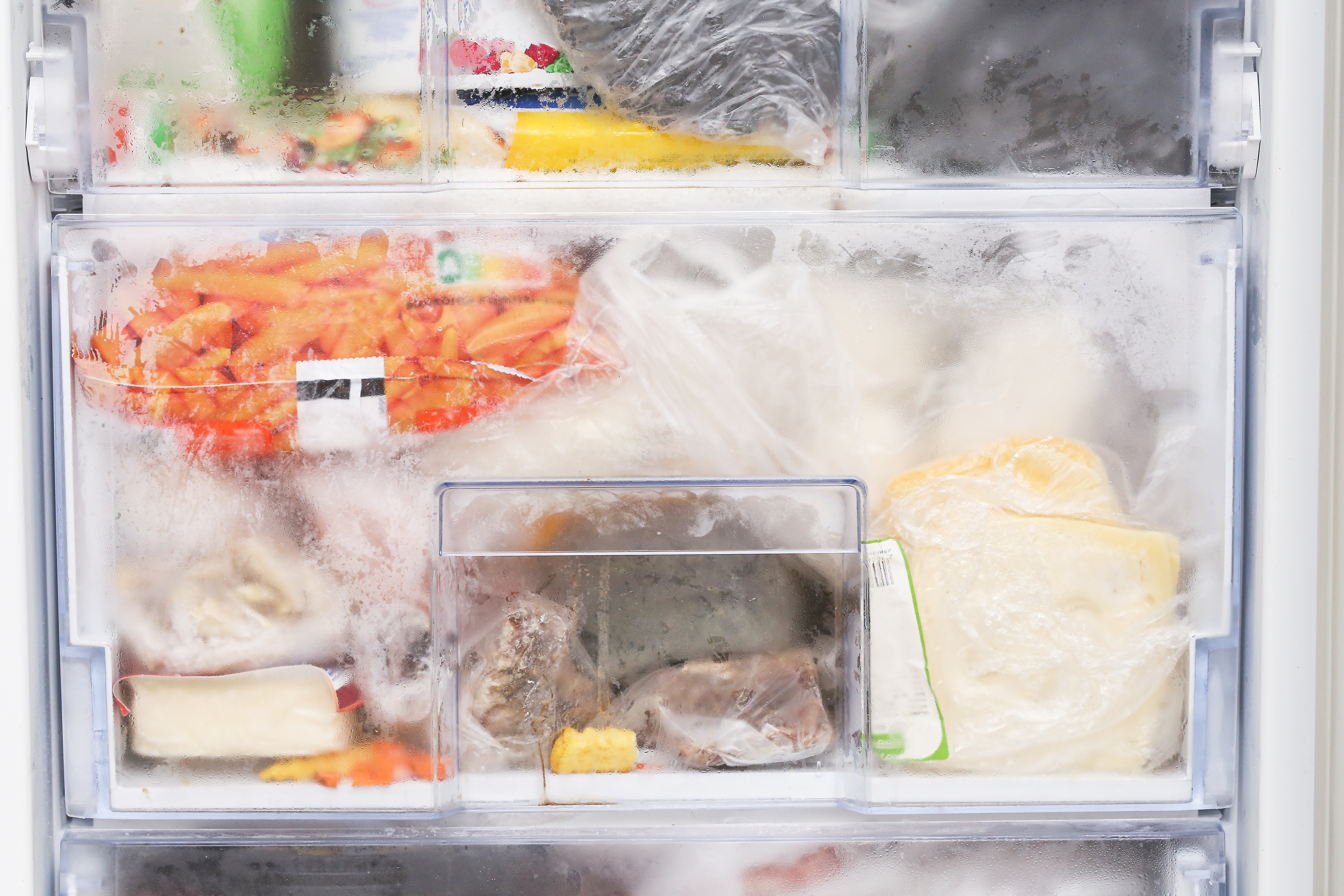
If your fridge is packed too tightly, cold air can’t circulate properly. “Temperature abuse is one of the three leading causes of foodborne illness,” says Roberts. Even if your fridge feels cold, uneven temperatures can allow bacteria to grow.

The Safer Step: Leave space between containers, keep your fridge at 41°F or lower, and store leftovers above raw meat to prevent cross-contamination.

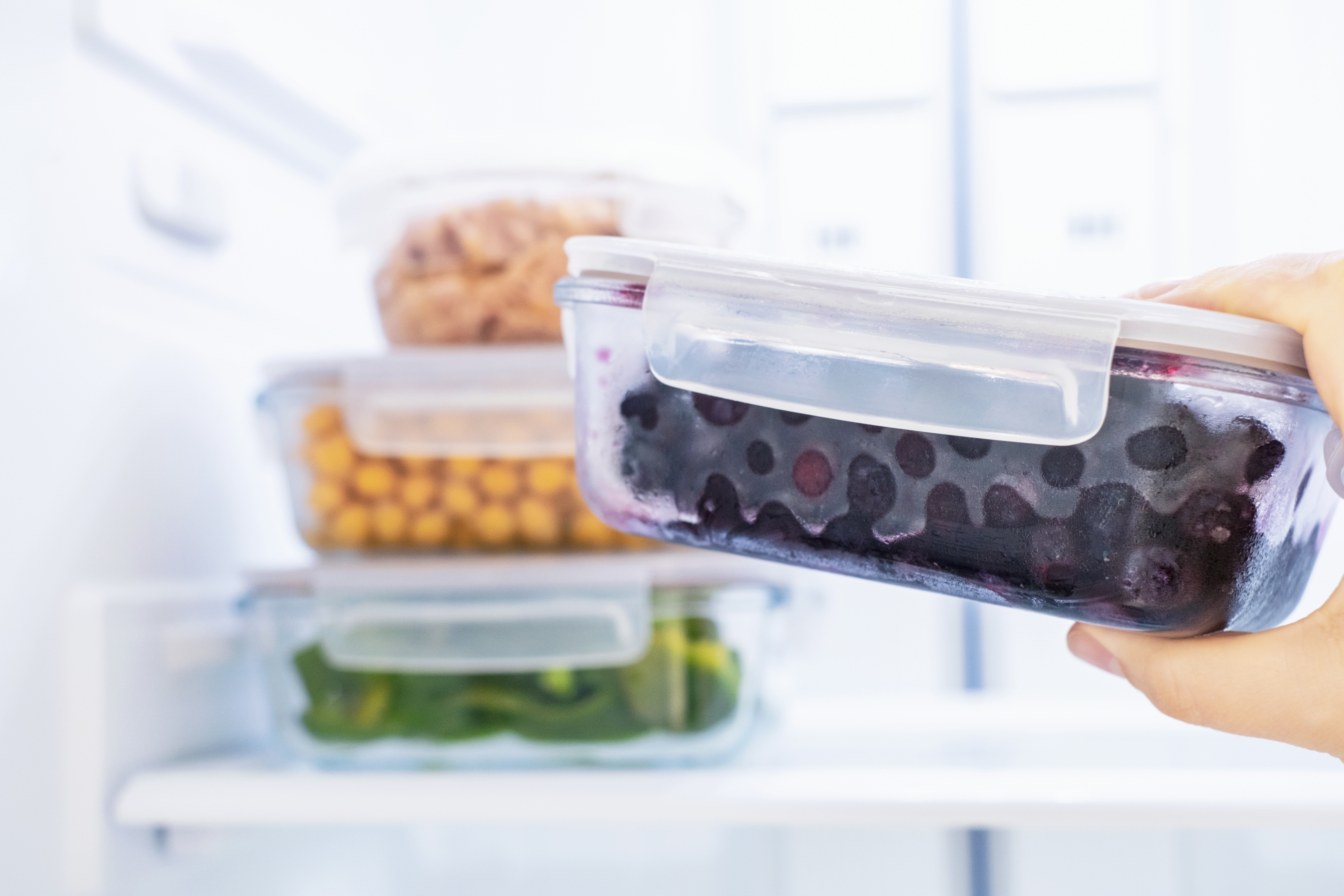
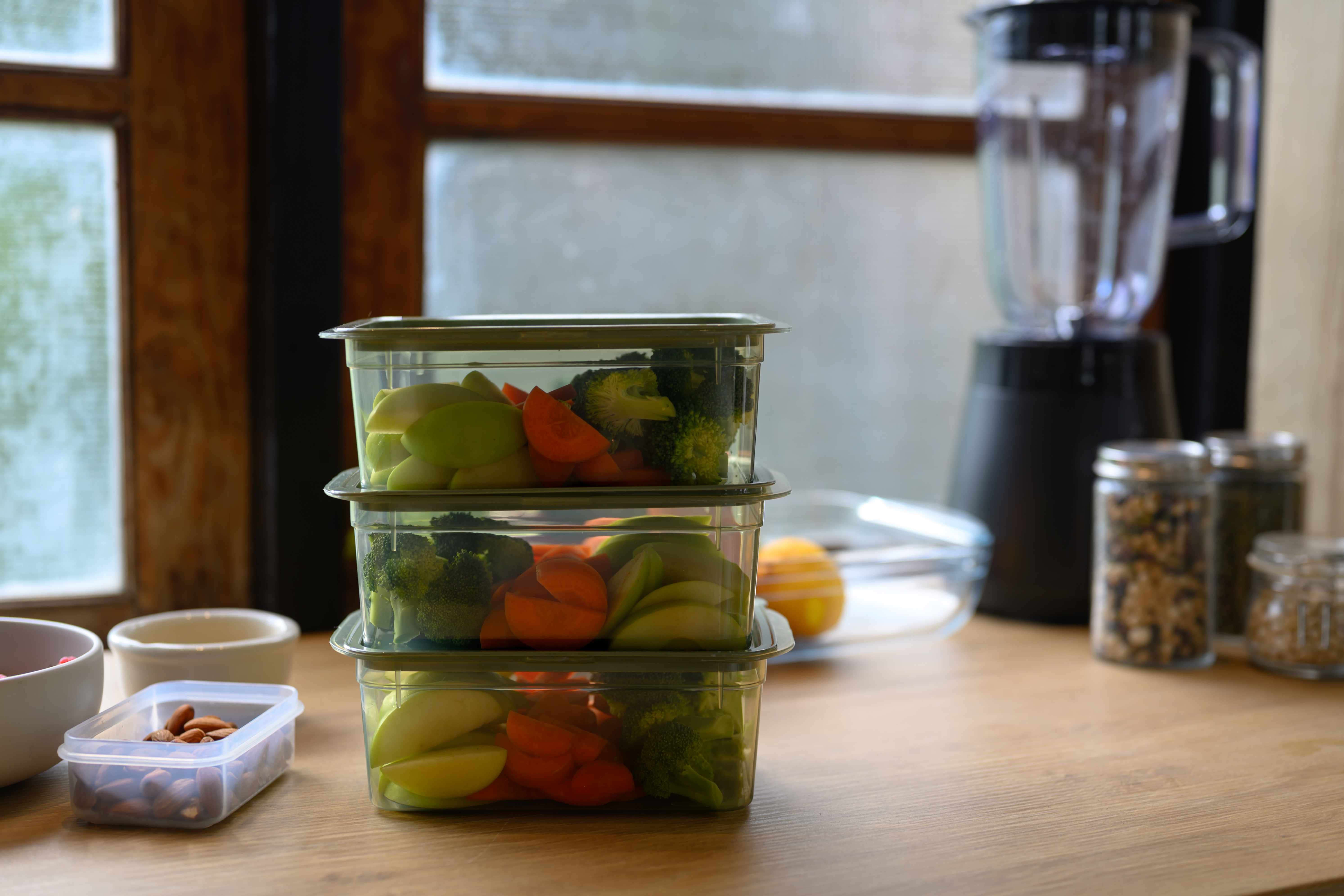
Storing leftovers in large, deep, covered containers slows cooling and keeps the center in the temperature danger zone long enough for bacteria to grow. “One of the easiest food safety upgrades is cooling leftovers quickly in shallow containers,” says Vaccaro.

The Safer Step: Use shallow containers and spread food out so it cools quickly. Loosely cover or vent while cooling at room temperature, then seal once fully chilled.
Comments
You must be logged in to comment.