bbc Press
Does our ethnicity change how we experience dying?
Images
1 / 20
2 / 20
3 / 20
4 / 20
5 / 20
6 / 20
7 / 20
8 / 20
9 / 20

10 / 20
11 / 20

12 / 20
13 / 20
14 / 20
15 / 20
16 / 20
17 / 20

18 / 20
19 / 20

20 / 20
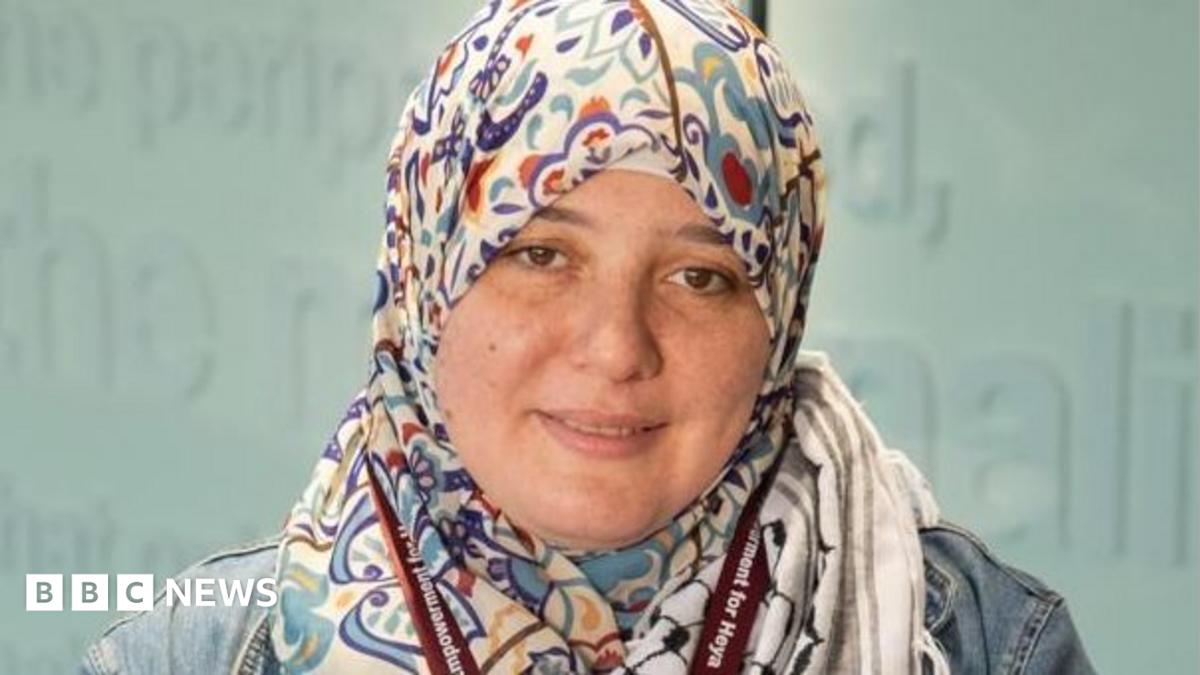
Marwa was pregnant and new to the UK when her father died in Egypt

We're all going to die - and whether we think about it consciously or not, we generally hope that it will be as smooth as possible for ourselves and our loved ones.

But a study published earlier this year by King's College London and the University of Sheffield suggests that your ethnicity could play a role in how likely this is to be the case.

The research found that people from minority ethnic backgrounds experiencing end-of-life care and grief often struggled to access culturally and religiously appropriate support.

One woman told researchers a hospital sent an Imam - a Muslim religious leader - to her father's bedside when he was dying, even though their family were Hindu.

That lack of culturally appropriate resources or training is exacerbating an "incredibly difficult time in their lives where they were really vulnerable", says Sabrina Bajwah, one of the study's co-authors.

So how can our ethnic or cultural background shape what kind of death we have? And what kind of support is available?

Bajwah told the BBC researchers discovered different types of inequality in their research.

"There was the structural racism that people talked about, which was the 'treating everybody equally' - and by treating everybody equally, services weren't meeting the needs of these communities," she said. "Then there was the other, direct form of racism."

A study last year from the NHS Race and Health Observatory, set up in 2021 to try and tackle racial inequalities within the wider healthcare system, found there was an "alarming" lack of trust among some ethnic minority groups in the care or service they receive.

For example, just over half of participants said they had experienced some form of discrimination from their healthcare providers.

A spokesperson for the Department of Health and Social Care, which commissioned this year's study, told the BBC that "ethnicity or background should never be a barrier to accessing bereavement support and everyone has the right to the same level of care".

"We will consider the findings of this research project carefully as part of future policy making," they said.

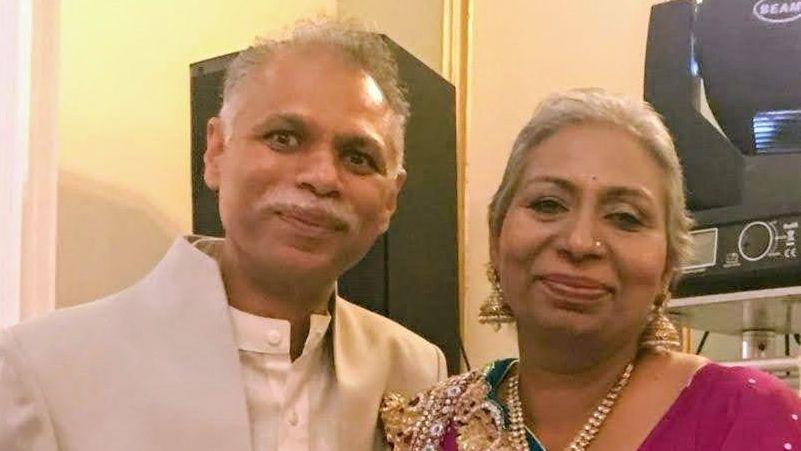
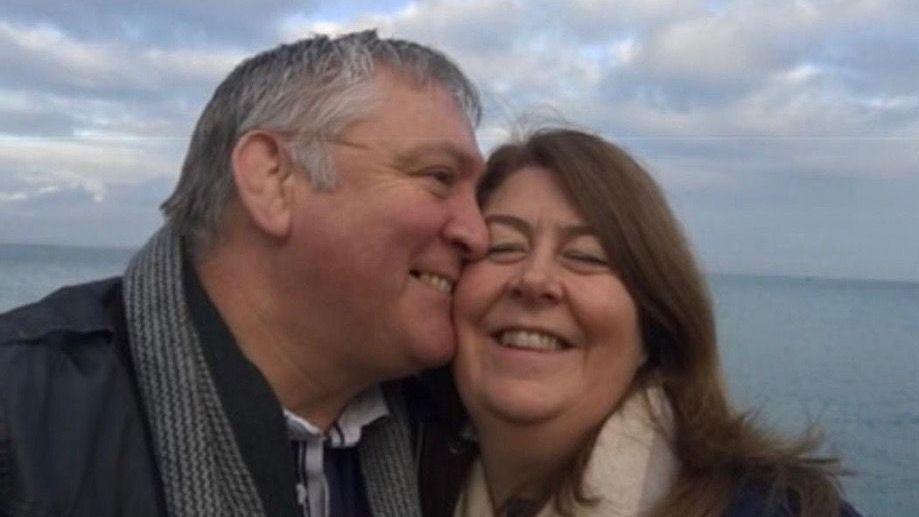
Pravin and his wife of 41 years, Gita, who he describes as a "strong, determined woman"

Pravin Navekar's wife Gita started experiencing chronic pain in her back and legs in 2010, but despite multiple GP visits over a two-year period, was repeatedly sent home with pain relief and no further investigations.

In the end the couple, from Leicester, paid to see a consultant privately, at which point Gita was referred for a CT scan. This picked up a rare cancer, a synovial sarcoma, in her pelvis.

Though she was given a prognosis of under five years when she was first diagnosed, Gita lived for another 11, before passing away in April 2021.

Pravin felt culturally appropriate care was "lacking" at times when Gita was in hospital.

"We're all individuals and we have individual needs and wants, and they're tied in with your faith, your culture, your beliefs," he said.

"If she was in hospital for Diwali, then it was another normal day. But when you have Christmas they do all sorts of things and make people really comfortable… [for Diwali] they don't even acknowledge it. There's nothing wrong with a nurse or a doctor coming up to you and saying, 'Good morning, and happy Diwali to you'.

"It's about recognising a person as a whole person, rather than somebody in a bed who needs care."

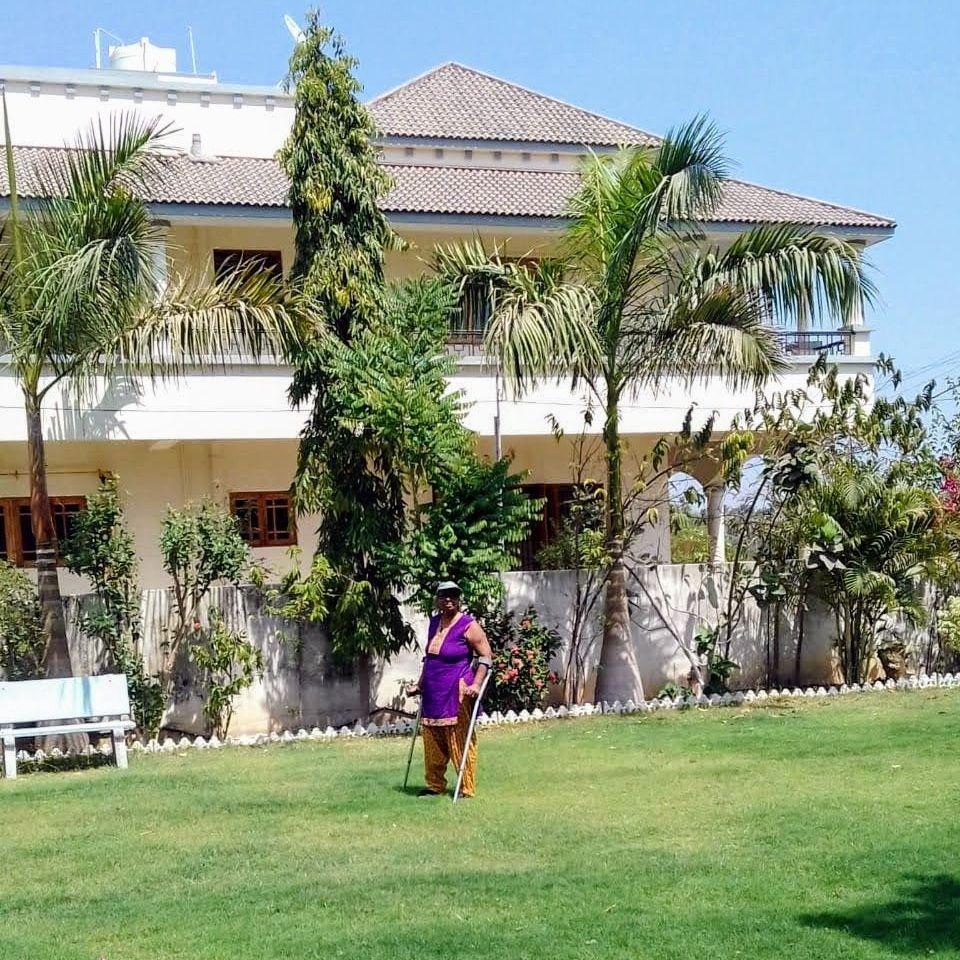
Gita pictured at the couple's house in India, which they had hoped to retire to before her diagnosis

When Marwa Soliman's father died in 2013, she had just moved from Egypt to Nottingham and was pregnant with her third child. She didn't know anyone, and had struggled to find a community.

"I just remember crumbling on the floor and crying, not knowing what to do and feeling alone and afraid," she said.

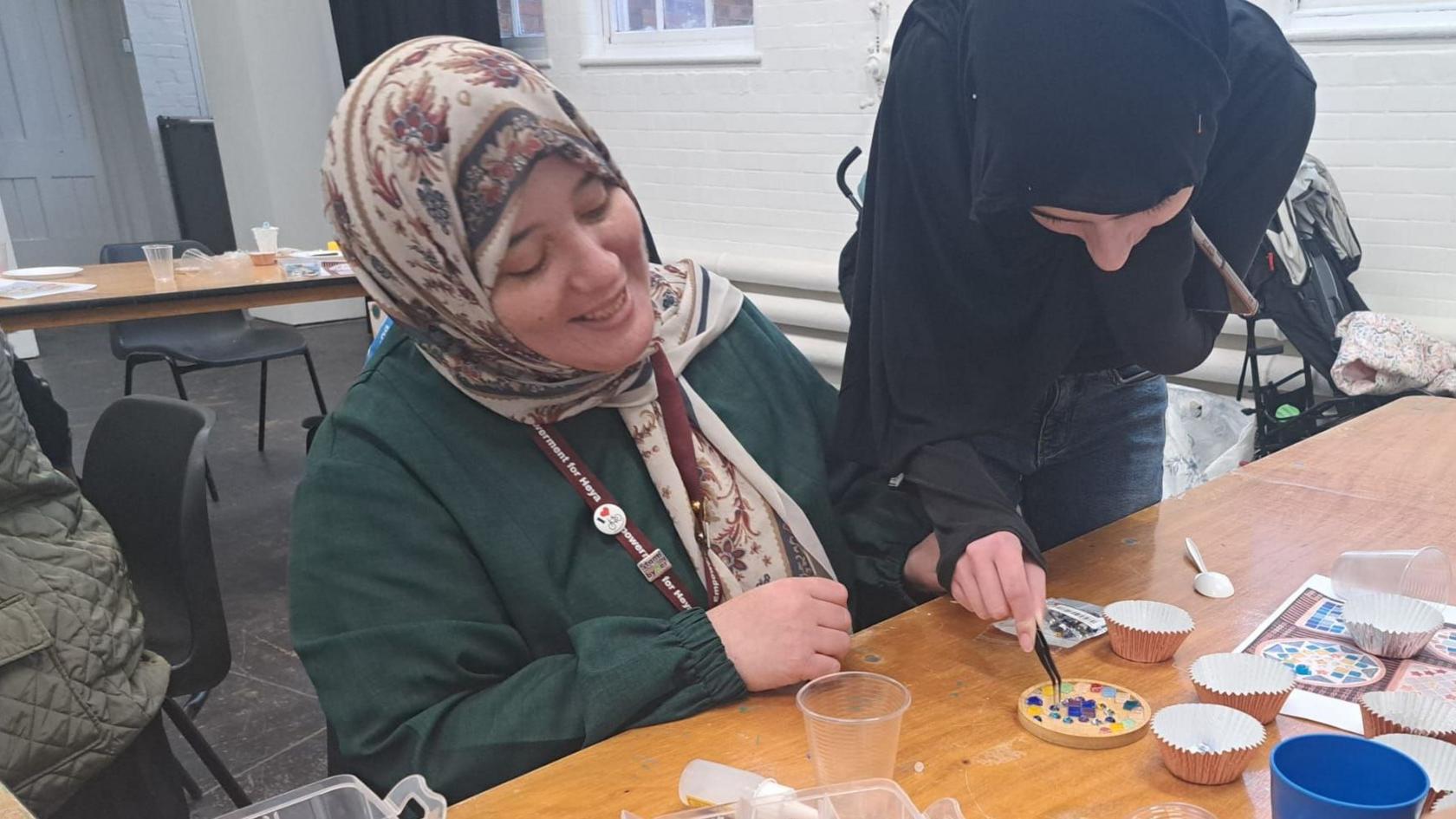
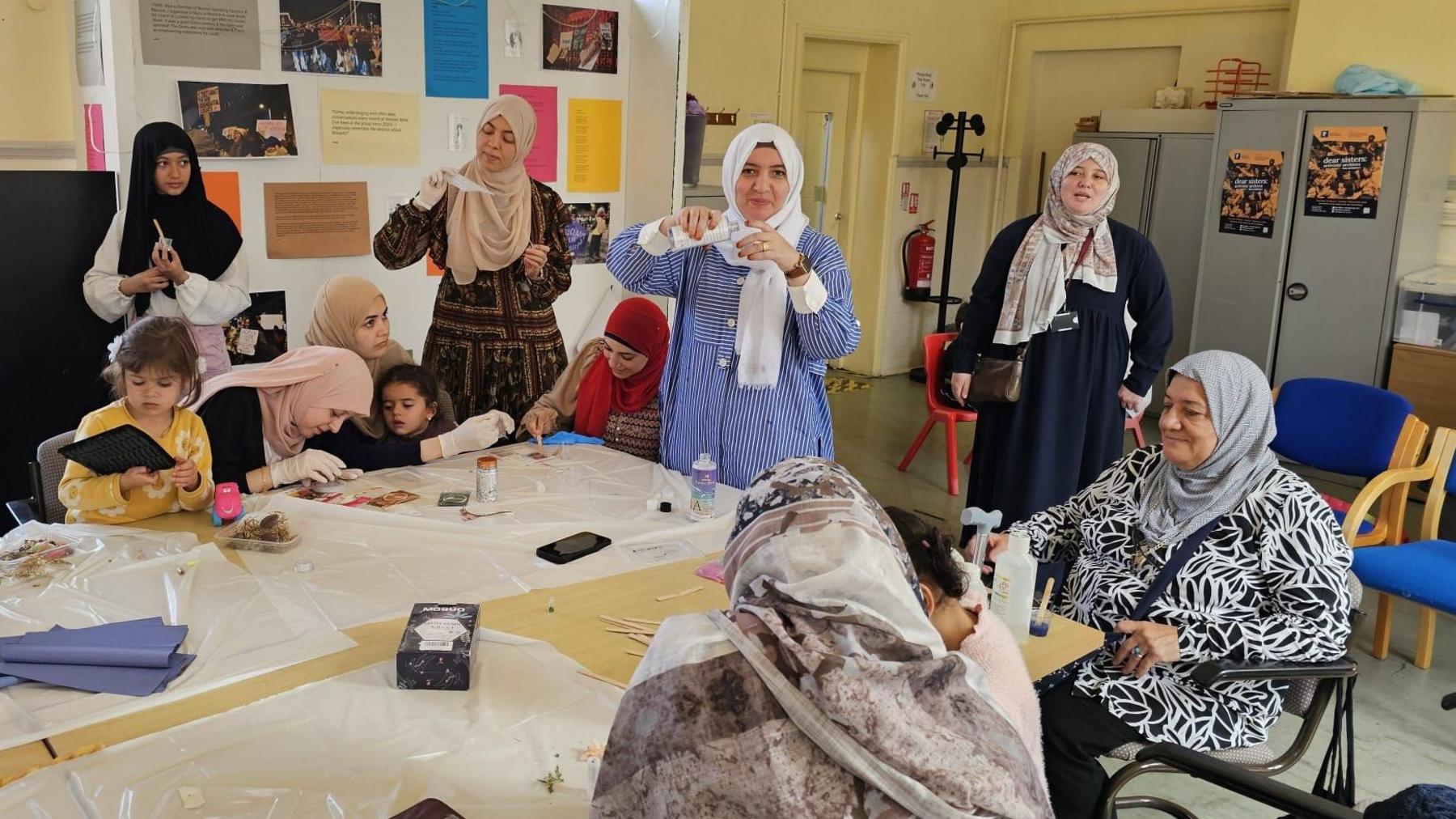
Community group Heya started with just 50 women, but now has more than 700

Six years later, Marwa set up a support group for Muslim, Arabic-speaking women called Heya - meaning "she" in Arabic.

It's grown from 50 women at the start to more than 700. If there's a death in the community, they all rally around to support each other.

"People send condolences and speak to each other, read the Quran together, we can send out timings if they'd like people to visit," she said.

Marwa has since lost three other close family members, including her mother - but she says having Heya made the experience completely different.

"When the other deaths happened, I had hot food, people coming over, people calling… It's a beautiful thing," she said.

But she worries that other communities won't have the same support, and that funding is scarce for the groups that do exist.

"I think there should be more research, and a clear support and referral path with information about where to go and who to speak to," she said.

Marwa's mother, seated on the right, came to visit her and the Heya community group

Marwa's experience, and the group she set up because of it, could be an example to the Department of Health and Social Care, Catriona Mayland, one of the study's co-authors from Sheffield University, told the BBC.

"Services shouldn't look to replace what's already there," she said. "There's some real strengths within communities that we've seen, and [we should think] actually, how can we build on that and work together?"

My husband's death was hard enough - then came the admin

What's your love language - and does it actually mean anything?

Our business ads were taken down for saying 'pregnancy' on Instagram
Comments
You must be logged in to comment.