buzzfeed Press
Florence Pugh Shouldn’t Have To Explain Her Appearance, And Neither Should Any Other Woman
Images
1 / 8
2 / 8

3 / 8
4 / 8
5 / 8
6 / 8

7 / 8

8 / 8
Women have always been at the centre of a rather exhausting cycle: criticised for gaining weight, criticised for losing it, criticised for ageing, and criticised for seemingly not ageing at all.

Either way, I can't seem to grasp why people you've never met, school friends (you've not spoken to for 15 years), even some family members, feel the need to break their necks to investigate – like it's some sort of 'boots on the ground' journalism.

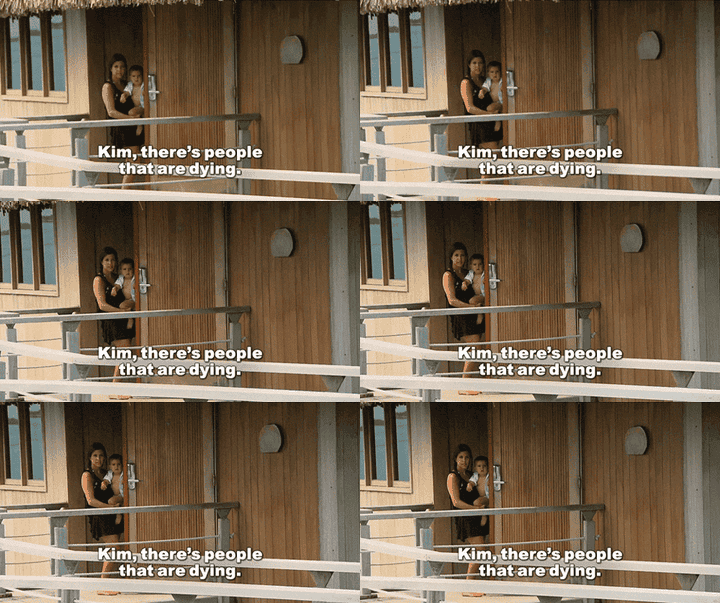
There's a certain 'Kim, there's people that are dying' element to it all, when so much energy is being spent debating whether someone has had three units of Botox, amid all the chaos in the world.

Women have always been at the centre of a rather exhausting cycle: criticised for gaining weight, criticised for losing it, criticised for ageing, and criticised for seemingly not ageing at all.

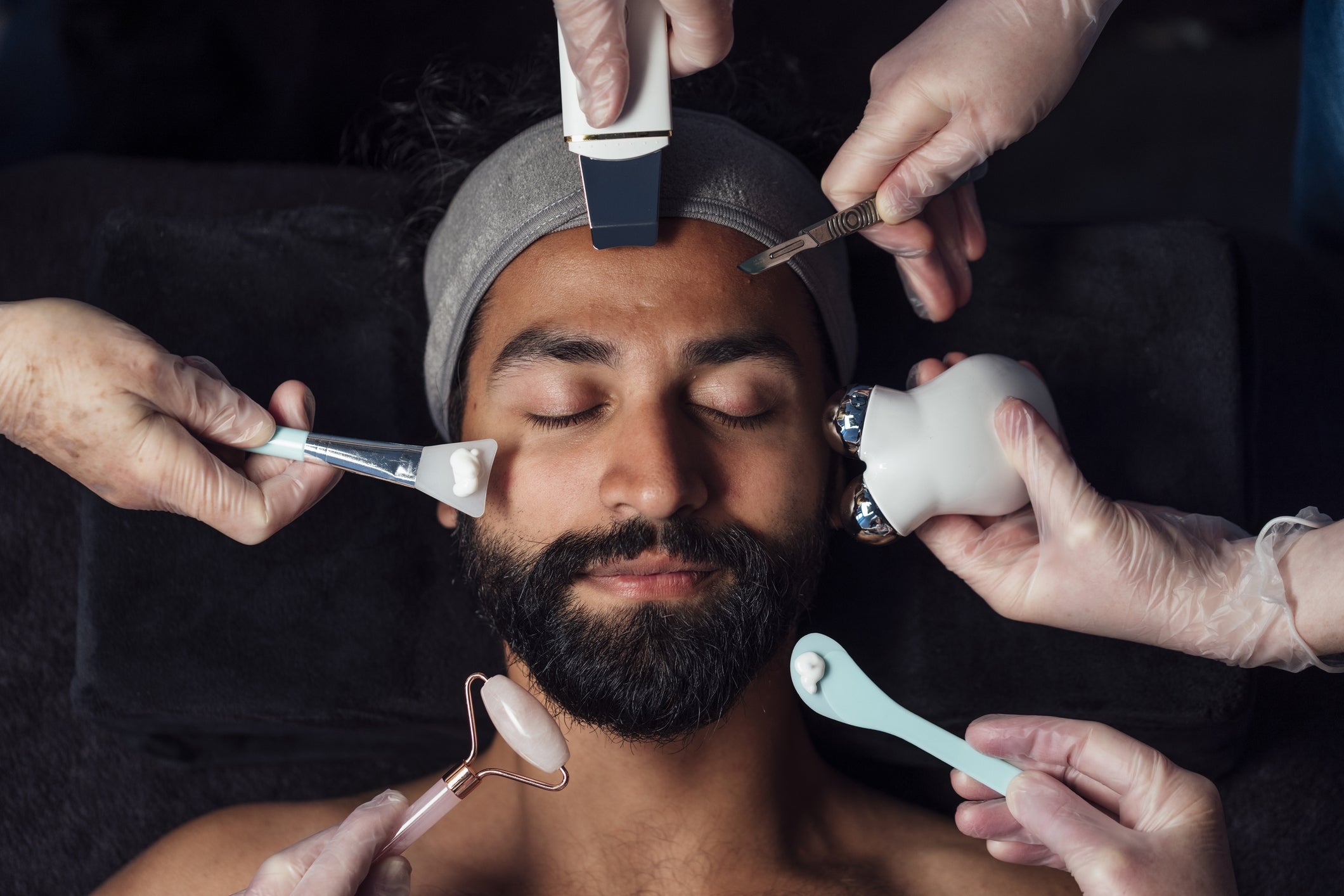
Meanwhile, men are often praised for the very same things. In fact, beauty platform Ruuby revealed that men account for 27 per cent of its customer base, with demand rising by 40 per cent over the past 12 months – making men one of its fastest-growing customer segments across the UK, Dubai, and Switzerland.

And that's not factoring in the trips to Turkey.

I was recently watching an episode of The Real Housewives of London (thanks to the “LBVA” moment), and there was a moment when one of the cast members became convinced another had undergone a facelift. She started prodding her about it, only for the woman in question to give a rather vague answer before making a swift exit.

Now, I don't think every conversation about cosmetic treatments – particularly between friends who are open with one another – is necessarily rooted in malice. But watching that insignificant, almost brain-rot-esque exchange did make me think about just how casual our fascination with women's faces and bodies has become.

Outside of reality TV, there are even medical professionals on TikTok adding fuel to the fire, dissecting the supposed cosmetic work of celebrities they've never treated, confidently speculating about what they may or may not have had done.

I'm not talking about awareness or education, risks or the wider beauty industry. I'm talking about doctors making bold claims presented with an air of authority about what a celebrity has "had done", generating engagement and acting as a catalyst for thousands more people to pile on.

Now, of course, I understand the argument for celebrity transparency, particularly when it comes to recognising the influence they can have on their audiences, especially younger people. And I don't necessarily disagree.

But we seem to have developed this idea that it's women's responsibility to fix, explain, and take accountability for almost everything. We weren't born with a contract in hand promising to explain every decision we make about our own bodies.

Sometimes, there may be far more going on behind the scenes than we're aware of. We've seen how quickly people are pulled apart over any subtle change in their appearance, without any consideration for what they might be dealing with privately.

That age-old saying comes to mind: think before you speak (or type).

We can be critical of the beauty standards women are held to without turning individual women into case studies, and we can question an industry without demanding that every woman who has participated in it make it known.

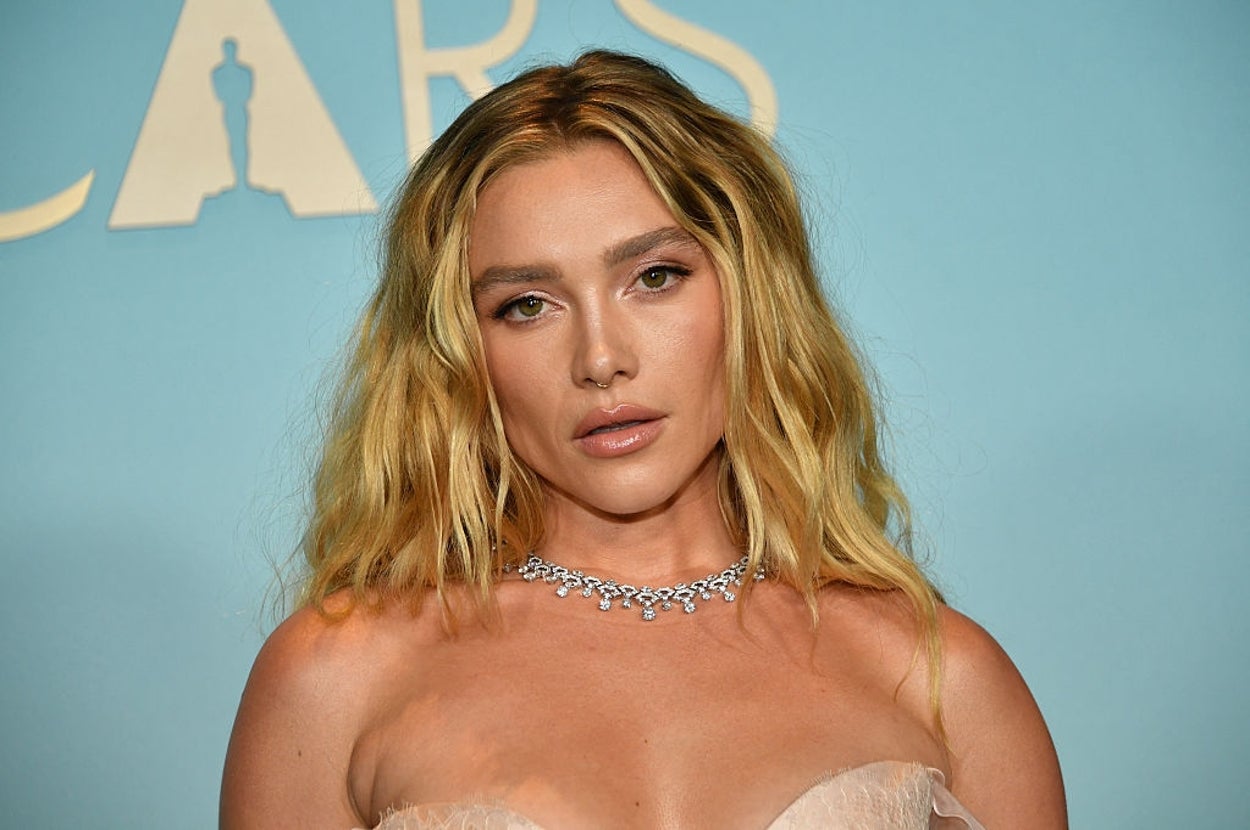
Florence Pugh shouldn't have to deny having work done to make a point about the scrutiny women face. And, equally, women who have had work done shouldn't have to defend themselves either or be made to feel like some sort of a 'traitor', or less than.

Maybe we could spend a little less time trying to work out what other women have or haven't had done, and take a look inwards and question why we're so interested in the first place.
Comments
You must be logged in to comment.