huffpost Press
Lawmakers Turn Skeptical Eye On Public Freakout Over System Outages
Images
1 / 7
2 / 7
3 / 7

4 / 7
5 / 7

6 / 7

7 / 7
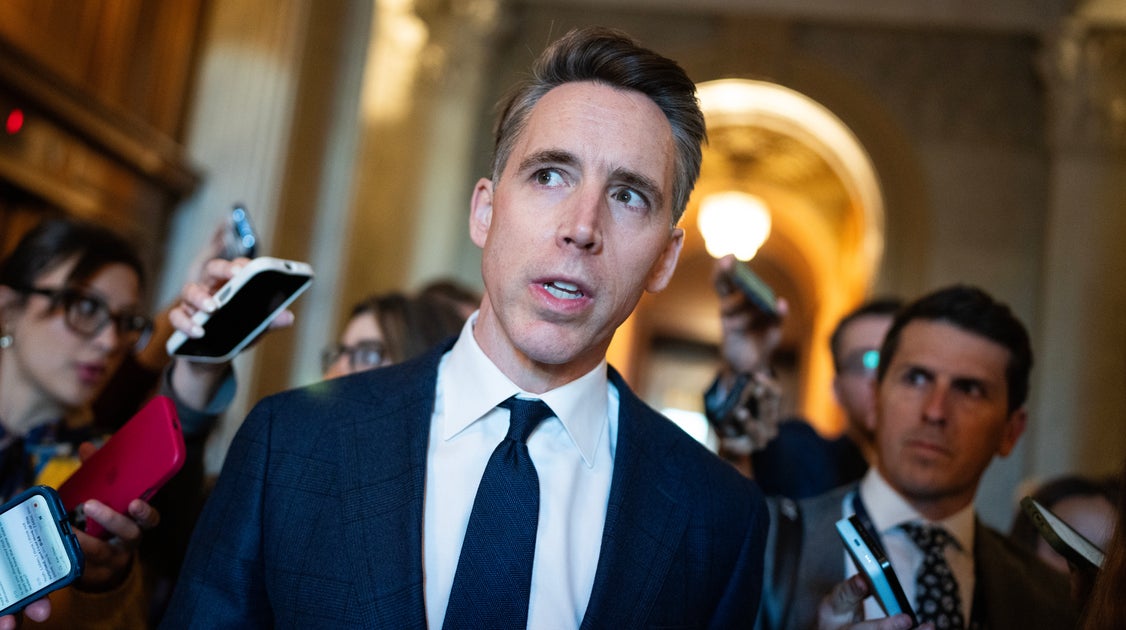
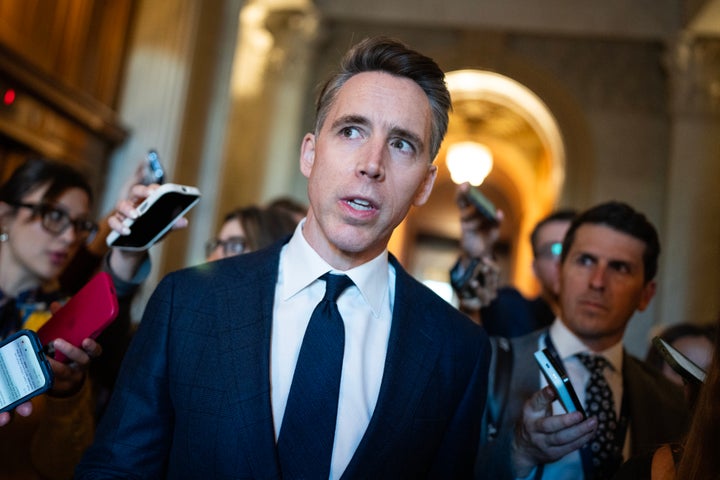
WASHINGTON — Sen. Josh Hawley (R-Mo.) thinks it’s suspicious that the government and various companies have suffered computer system failures in recent weeks.

“You know, the four biggest banks in America, the major airlines, the entire air traffic control system, the NSA, all within days of each other,” he told HuffPost. “I mean, that is quite a coincidence.”

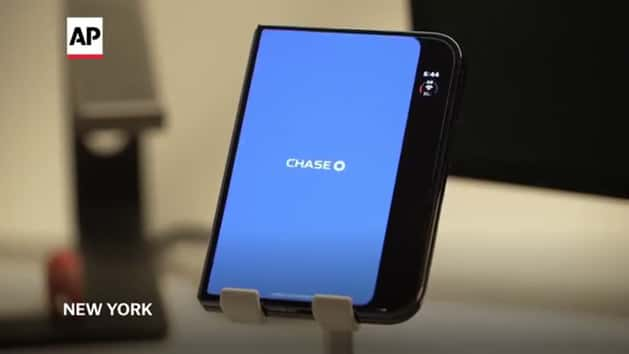
Hawley may be one of the most attention-seeking lawmakers on Capitol Hill, but plenty are concerned about the spate of incidents that have affected entities such as JPMorgan Chase, Microsoft and the Federal Aviation Administration. Still, many seem willing to accept that the various system failures weren’t caused by some sort of conspiracy, foreign attack or rogue artificial intelligence agent.

“So far, it seems to be all coincidence,” Sen. Mark Warner (D-Va.), the top Democrat on the Senate Intelligence Committee, told reporters Tuesday.

Nevertheless, Warner pointed to FBI Director Kash Patel’s cutbacks at the Cybersecurity and Infrastructure Security Agency as possibly creating vulnerability.

“You’ve seen Director Patel at the FBI cut back large amounts and kind of counterespionage,” Warner said. “Again, that would presume a connection, and so far we’ve not seen that. But at some points, the coincidences become a little overwhelming.”

The possibility that technical glitches in government and private computer systems belied something more nefarious was fodder for right-wing pundits, who tripped over themselves Tuesday to declare that something was afoot.

“I don’t believe in coincidences,” said far-right podcaster Benny Johnson. “I believe in chaos theory. Instead of COVID and [Black Lives Matter] riots in Trump’s first term, we could be seeing a cyberattack to create chaos.”

Conservative poster Nick Sortor said he was “not buying” any of the more mundane explanations.

“Nobody is going to convince me the NSA is pushing out ‘major software updates’ at the start of business on a Tuesday that takes down highly classified comms for most of the day,” he wrote in a post on X. “Especially during a time of chaos.”

The National Security Agency was among the government agencies that reported technical problems this week — its internal communications system went down on Tuesday in an incident it said was due to software upgrades.

Asked whether he believed the routine explanations by federal agencies and companies for the computer hiccups, Hawley was blunt: “Not really.”

Transportation Secretary Sean Duffy met with Republicans on Tuesday to explain the problems that led the FAA to order a rare nationwide ground stop halting flights last week, as well as the administration’s request for billions of dollars to upgrade its systems.

“We’ve got a very old system, and when they were trying to upgrade, one of the components in the system did not work as it was supposed to, and it cascaded,” Sen. Mike Rounds (R-S.D.) told HuffPost.

Rounds said a single briefing probably couldn’t cover the different outages in finance, tech and aviation. “You’d have to literally have one for each type of outrage that we’re having,” he said.

And Hawley, who admitted that he had “no private information or confidential information” to back up his suggestion that these widespread system outages were related, agreed that lawmakers should get a comprehensive briefing on what went wrong.

“Ideally, it should be in a non-classified setting so that we could then go out and say what we learned,” he said.

The alarm and speculation over the outages is somewhat reminiscent of a November 2024 scare over a wave of suspected drone sightings. Sen. Andy Kim (D-N.J.), who accompanied local police on a drone-sighting mission amid a nationwide mini-panic, later reported that aviation experts advised him most of the alleged drones were actually planes. He told HuffPost at the time that people freaked out partly because they didn’t trust the government.

Kim said Tuesday he suspected the series of outages happening now reflected companies encountering hiccups in the course of increased vigilance against the threat of possible AI-enabled cyberattacks.

“I think a lot of companies, a lot of businesses, a lot of organizations are just patching at frequencies beyond what we’ve done in the past, and I think it might be causing some challenges on that front,” Kim told HuffPost. “I don’t want that to just mean that we have to accept these types of disruptions.”

By entering your email and clicking Sign Up, you're agreeing to let us send you customized marketing messages about us and our advertising partners. You are also agreeing to our Terms of Service and Privacy Policy.
Comments
You must be logged in to comment.