huffpost Press
‘Stain On Our Reputation’: How RFK Jr. Undid A Major U.S. Public Health Victory
Images
1 / 13

2 / 13
3 / 13
4 / 13
5 / 13
6 / 13
7 / 13
8 / 13
9 / 13
10 / 13
11 / 13

12 / 13

13 / 13
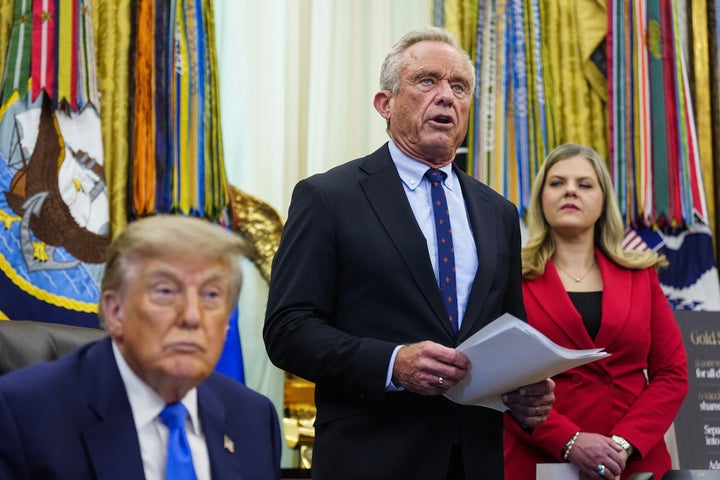
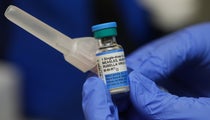
The United States has been set back decades after losing its measles elimination status this week under Health Secretary Robert F. Kennedy Jr., a longtime vaccine skeptic who has downplayed the efficacy and safety of the measles, mumps and rubella (MMR) vaccine, and stoked fear about vaccines’ use.

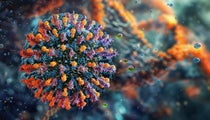
The public health victory was undone after the Pan American Health Organization confirmed continual spread of the highly infectious disease for at least 12 months. The U.S. achieved measles elimination status in 2000 after a relentless nationwide vaccine campaign, ensuring the virus’s containment.

“It’s such a stain on our reputation. It really is a confirmation of America’s loss of standing as a global leader in health,” Jennifer Nuzzo, director of Brown University’s Pandemic Center, told HuffPost. “We were the ones who hatched the idea for measles elimination; we were the ones that led the world. We were one of the first to achieve it. And now to lose it, it’s an incredible embarrassment.”

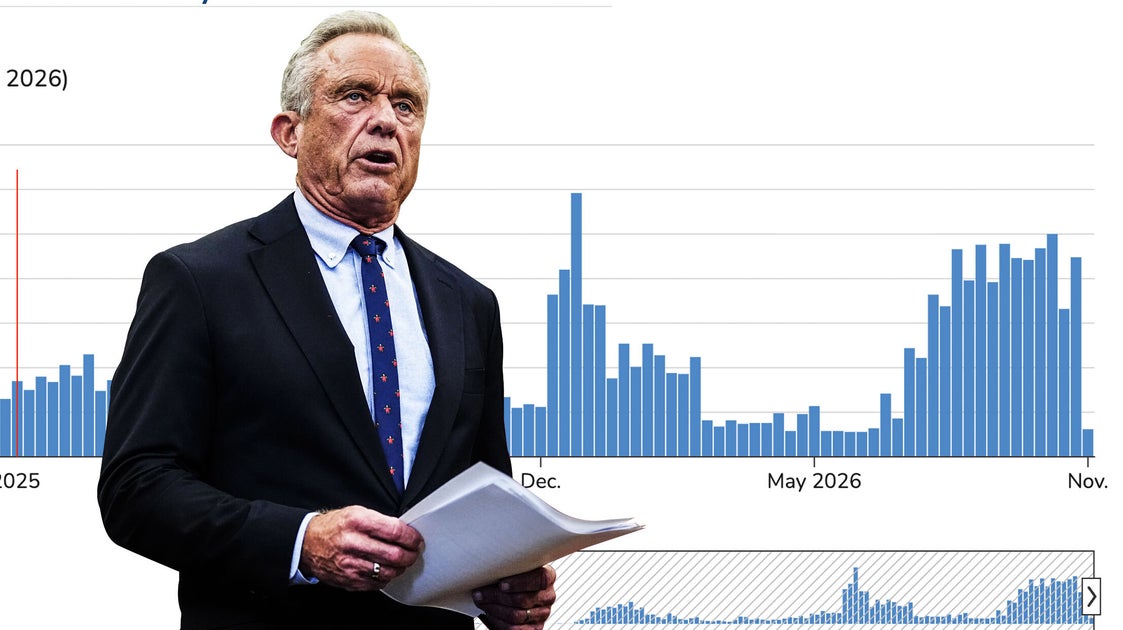
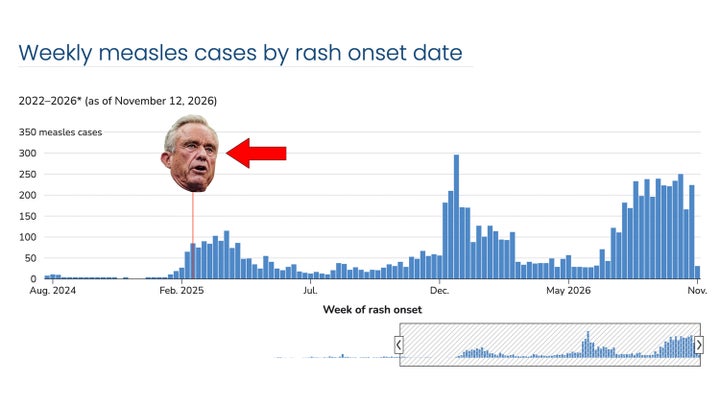
Since Kennedy’s appointment in February of last year, the U.S. has set new kinds of records.

These include last year’s first measles death in the U.S. in over 10 years (eight more people have since died, per the Centers for Disease Control and Prevention, which disputes higher figures reported by state health departments). Non-medical vaccine exemptions for the MMR vaccine also hit all-time highs among kindergartners. This year’s total measles case count in the U.S. also ballooned to the highest in 35 years.

“The question is, where are our health leaders? Where are the federal health leaders speaking about measles? What they’re doing is bickering with states, trying to say the deaths that they’re reporting are not the deaths,” Nuzzo said.

“For the past two years, the federal government has been largely missing in action,” said former acting CDC Director Dr. Richard Besser, who oversaw the 2009 H1N1 pandemic and offered regular televised press briefings at the time. Today, he serves as president and CEO of the Robert Wood Johnson Foundation.

“For the past two years, the federal government has been largely missing in action.”

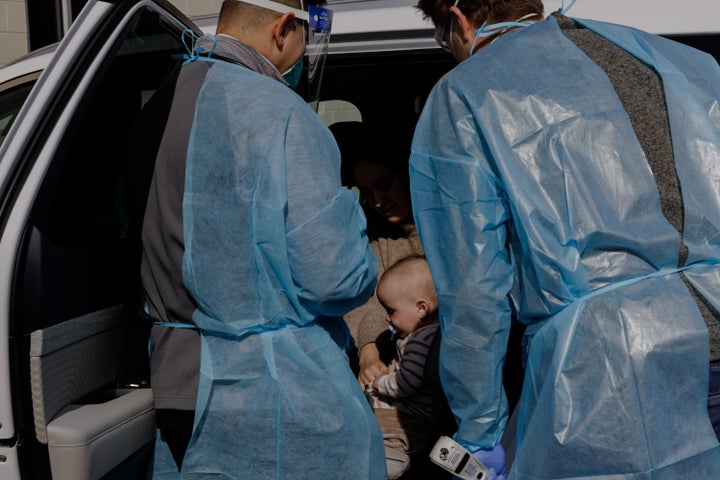
“It is no surprise that the resurgence of measles has coincided with an Administration that has inflicted significant damage to our healthcare system while spreading false claims about vaccines,” he said in a statement reacting to PAHO’s decision, which he called heartbreaking given the number of deaths, hospitalizations, and severe, life-threatening complications the virus can and has caused.

One fatal complication can manifest 10 years after infection, even though the person has seemed to have fully recovered from the illness.

“To think that your child, after they survived a really horrible infection ... to then think, to not know if you’re out of the woods for the next decade,” Nuzzo said.

Cases are also incredibly costly, she added, with one analysis estimating that a measles outbreak, no matter the size, costs $298,000 upfront, plus $16,300 per additional case. This year’s outbreak, according to a cost estimate tool from researchers at Johns Hopkins University, has cost the U.S. more than $93 million. Last year’s cost about $37 million, per the tool.

While cases already started to rise before Kennedy took office, a fact that Kennedy’s team often points to in its defense, his actions, and inactions, are widely seen by health and policy experts as having exacerbated the crisis.

This includes Kennedy’s prioritization of bogus alternative “cures” and treatments, him falsely claiming measles infection provides benefits to the immune system, including protection against cancer; the dismantling of childhood vaccination schedules; and him removing those in leadership who oppose his beliefs, including a CDC head and members of the CDC’s Advisory Committee on Immunization Practices.

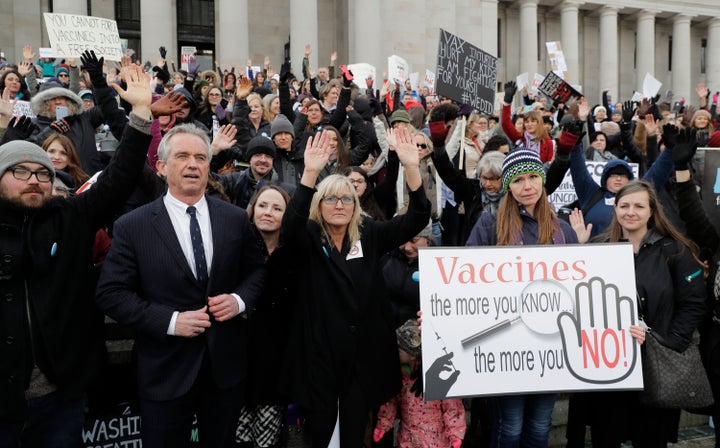
Both he and President Donald Trump have also baselessly warned the public that vaccines can have dangerous unintended effects, including death and potential autism. The CDC’s website was edited last year to align with these autism beliefs.

People have listened.

After Kennedy declared vitamin A a therapeutic that “can dramatically reduce measles mortality” ― following the death of a second child in Texas ― online searches for “vitamin A” and “measles” jumped by 100%, according to research by the Journal of American Medicine. Vitamin A overdoses also increased, according to the American Poisons Center.

A survey by the Annenberg Public Policy Center found that public confidence in the trustworthiness of U.S. health and science agencies last year dropped across the board, with less than 40% of all adults viewing Kennedy as trustworthy. A more recent study in August found the public is also evenly divided on whether they believe he actually recommends the MMR vaccine.

An HHS spokesperson, reached for comment about its handling of the epidemic, said Kennedy has promoted measles vaccination and that the CDC “has mounted an aggressive response” under his leadership. Public trust in health institutions “eroded due to pandemic overreach, including lockdowns and mandates,” they said.

“CDC will continue supporting outbreak response, closing vaccination gaps, and helping Americans who become ill access timely, evidence-based care,” they said.

Infectious disease expert Dr. Demetre Daskalakis, who resigned last year as director of the CDC’s National Center for Immunization and Respiratory Diseases, dismissed Kennedy’s vaccine endorsements as paltry and insincere.

“Although measles vaccination began to decrease before the secretary came to HHS, his decades of spreading misinformation about the vaccine cannot be erased by his occasional and insincere call to people to be vaccinated,” he told HuffPost.

Daskalakis particularly blamed Kennedy for sowing vaccine confusion among parents and said he has tried to wedge a distance between them and their pediatricians by falsely claiming doctors are incentivized to push the shots.

“Unfortunately, a leopard cannot change its spots,” he said of the secretary’s longtime anti-vaccine advocacy, including his founding of the anti-vaccine advocacy group Children’s Health Defense. “He has been a key anti-vaccine operative for many years.”

Nuzzo, Besser and Daskalakis all said Kennedy could have worked more directly with outbreak zones, providing resources to local public health officials to increase vaccine outreach.

The CDC also “could have been allowed to communicate more frequently and with greater guidance about the current situation to help guide parents and others,” Daskalakis said.

Dr. William Moss, executive director of Johns Hopkins’ International Vaccine Access Center, also said that, while local health departments primarily manage their own outbreaks, the federal government has “key” roles.

“Most importantly, the CDC can provide technical support, including for outbreak investigation, laboratory diagnosis, and virus genotyping,” he told HuffPost in a statement. “The federal government should also play a key role in providing strong and clear messaging on the importance of measles vaccination in preventing outbreaks, as well as supporting vaccine policies and programs in general.”

Kennedy on Tuesday vowed to regain U.S. measles elimination status by closing vaccination gaps and rebuilding public trust.

“I continue to recommend MMR vaccination as the most effective way to prevent measles,” he said in a statement. “We will answer families’ questions honestly about vaccine benefits and risks and work with trusted health care providers and community leaders to prevent measles.”

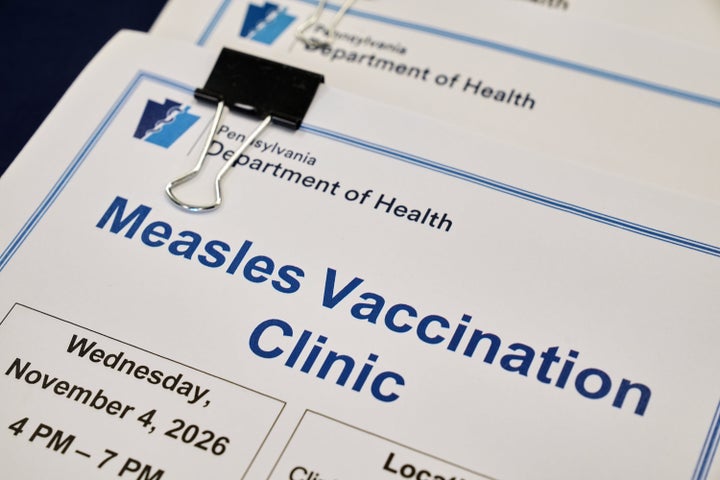
The CDC also said it “will encourage MMR vaccination, expand access to vaccines, and help communities close gaps in protection” to regain measles elimination status, a feat that requires vaccination rates to hit 95%.

“The measles elimination designation is not what protects Americans. Vaccination does,” CDC Director Dr. Erica Schwartz said in a statement. “We know where transmission is occurring and we’ve invested $100 million in state and local health departments to reach those communities.”

It’s not clear what the CDC plans to do differently in its approach since losing the elimination status. Schwartz told Reuters last week that the agency had no plans to change its measles response if the measles status was lost.

Kennedy on Tuesday said his department will “for the first time equip health care providers with guidance to diagnose and treat measles and its complications,” but the CDC has previously published measles diagnosis and treatment guidance for health care providers.

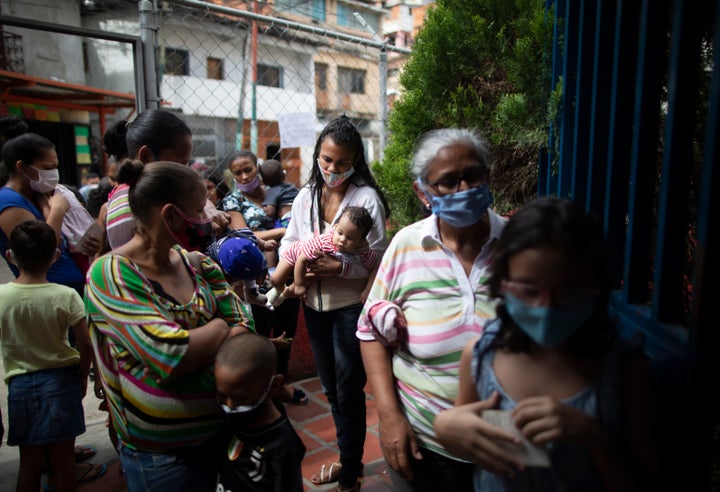
Brazil and Venezuela both lost their measles elimination status in recent years but reacquired it within five years following aggressive public vaccine campaigns, testing and case tracking.

Canada lost its elimination status late last year, making it the only country in the Americas endemic for measles for the past year, but announced last month that its outbreak is already over after seeing no new cases over two months.

The country must now show that transmission of the measles strain associated with the outbreak has stopped for at least 12 consecutive months and provide the necessary evidence for re-verification.

“This isn’t hard. We did it. We know how to do it,” Nuzzo said of the U.S.’s recovery.

By entering your email and clicking Sign Up, you're agreeing to let us send you customized marketing messages about us and our advertising partners. You are also agreeing to our Terms of Service and Privacy Policy.
Comments
You must be logged in to comment.