buzzfeed Press
"Breaking Bad" Star Dean Norris Reveals Behind-The-Scenes Stories From The Iconic Series
Images
1 / 12
2 / 12

3 / 12
4 / 12
5 / 12
6 / 12
7 / 12
8 / 12
9 / 12
10 / 12
11 / 12
12 / 12
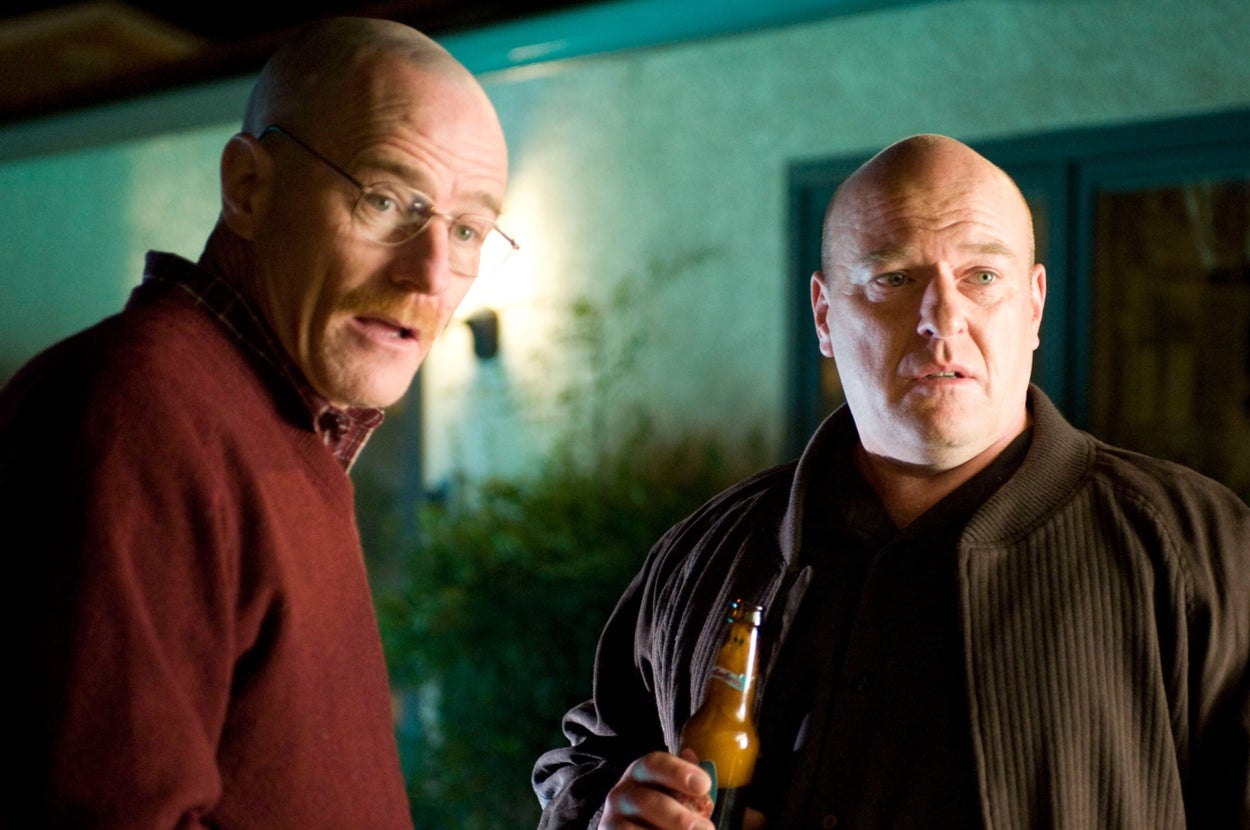
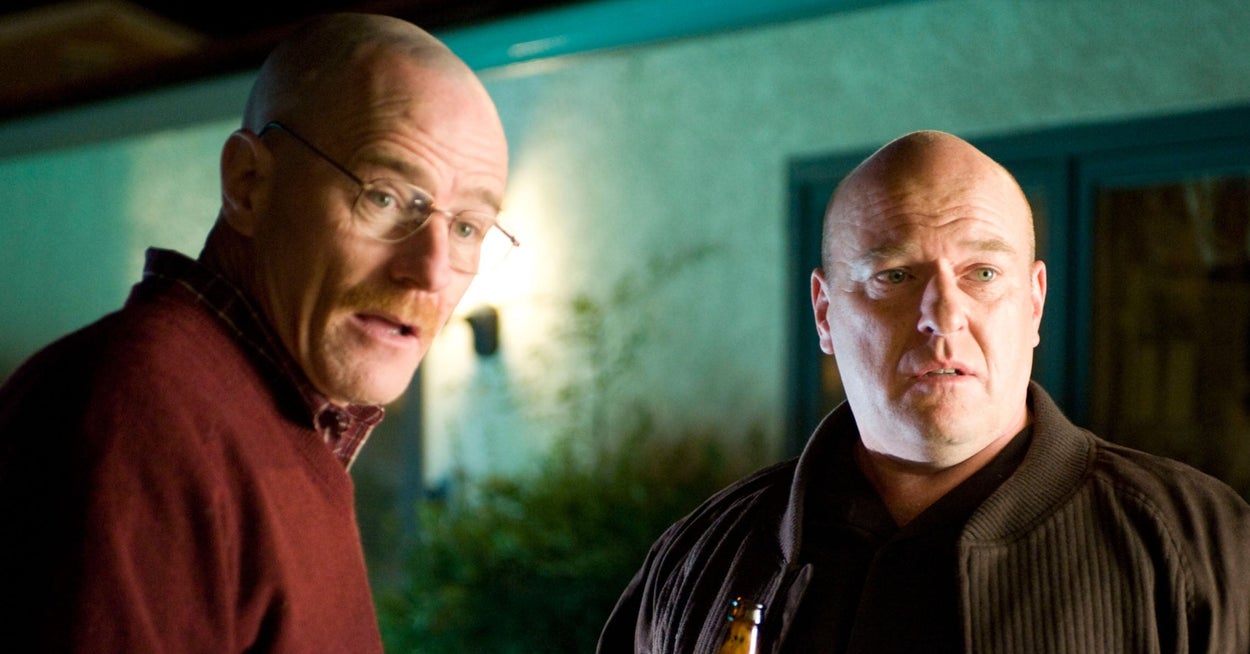
Before Breaking Bad became one of television’s greatest shows, it had a remarkable underdog story. We sat down with Dean Norris to revisit his time playing Hank Schrader, hear his behind-the-scenes memories, and discuss compiling the history of the iconic series into a book.

I’m a pop-culture writer covering everything from TV and movies, to music, Broadway, books, and games.

I remember watching the series finale during my freshman year of college, when our entire floor gathered for a giant watch party. The conclusion of Walt and Jesse's story was a cultural moment, and it's hard to believe that one of the greatest shows of all time was once unsure it would even get a second season.

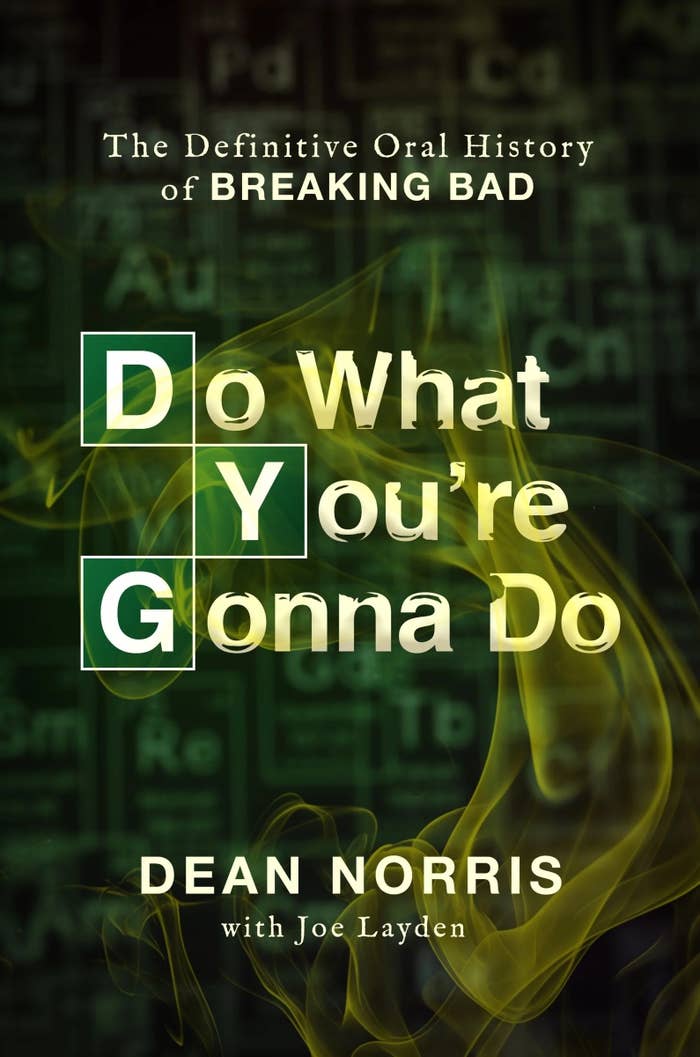
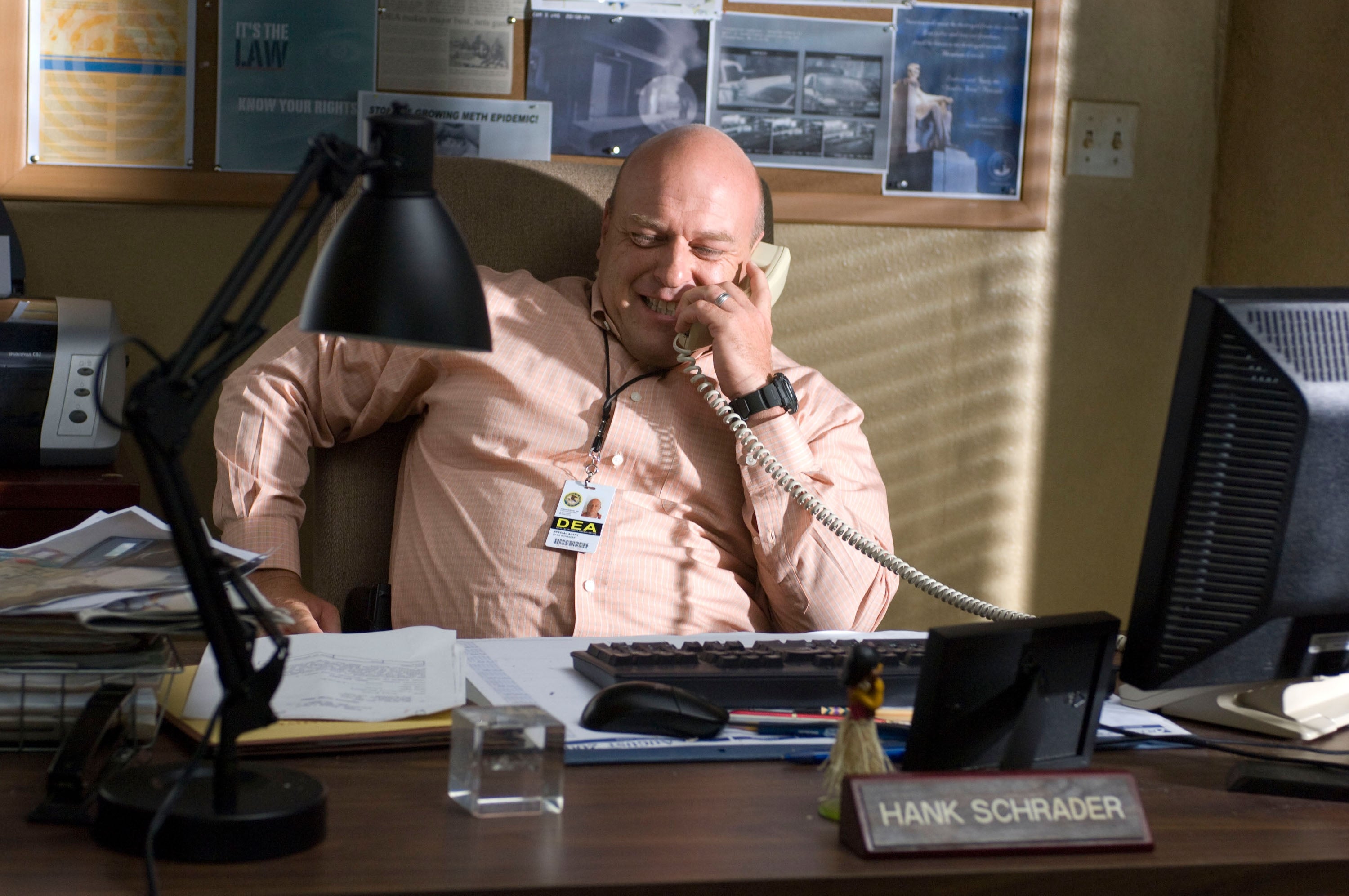
Through his own memories and interviews with cast and crew members, Dean Norris, aka DEA agent Hank Schrader, has compiled the show's history into Do What You're Gonna Do: The Definitive Oral History of Breaking Bad.

To hear more about Dean's Breaking Bad memories and about putting the book together, we hopped on Zoom to chat all things Hank, rewatching the series, and how Dean looks back on some of the most iconic moments.

Dean: Back in the beginning, they tried to sell Breaking Bad for two years, and nobody would touch it. Now it's just been named the number one show of the 21st century by The New York Times. It's such an amazing story.

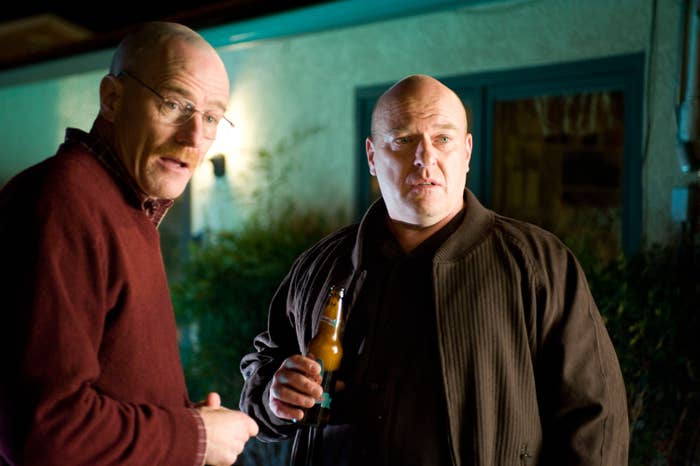
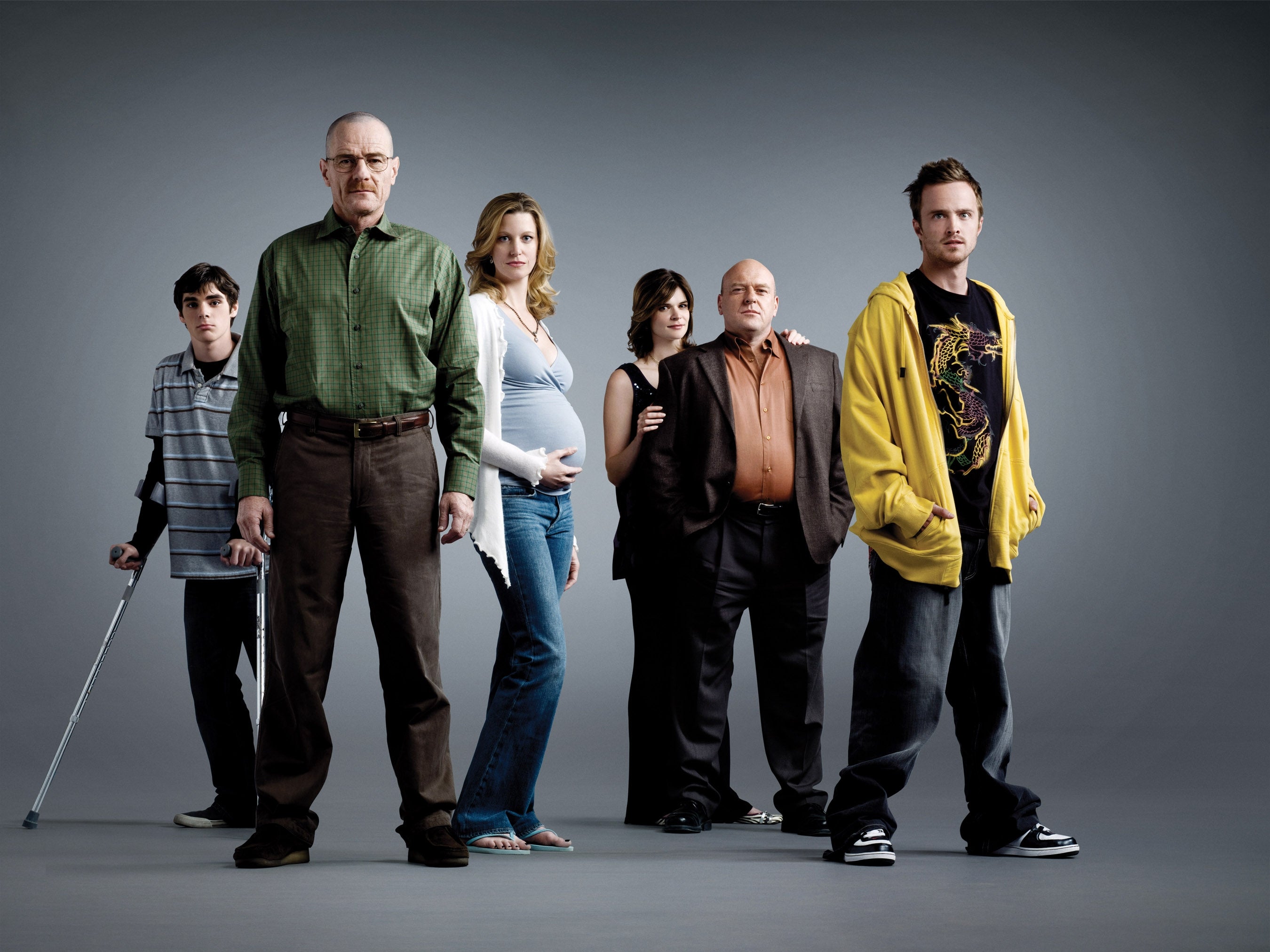
I wanted to capture the full history of Breaking Bad. It's a show that changed everyone's lives, and not only the actors. The cameramen became directors. The directors became showrunners. Everybody who worked on the show went on to do amazing things.

I felt it was really important to have on the record how this show started, where everybody was in their lives when this happened, and how it changed them.

It was great to reconnect with everyone while making the book, and we stay in contact. We have a text chain. It was nice to reminisce about, "Remember when we thought this was the little show that could?"

Dean: It's only the second full rewatch for me. I do intend to watch it again with some of my kids, since they were too young back then. They've all watched it now, but it would be fun to sit down and watch it with them from beginning to end.

What stuck with me on this rewatch is that even though I know what's going to happen, I still enjoy watching it get there. I enjoy watching the process.

I’m jealous of people who’ve never seen it before, because they get to experience it for the first time. But while it's special to experience it for the first time, it's also a show you can watch again and again. Every scene in Breaking Bad is worth watching, and each episode is a small film unto itself.

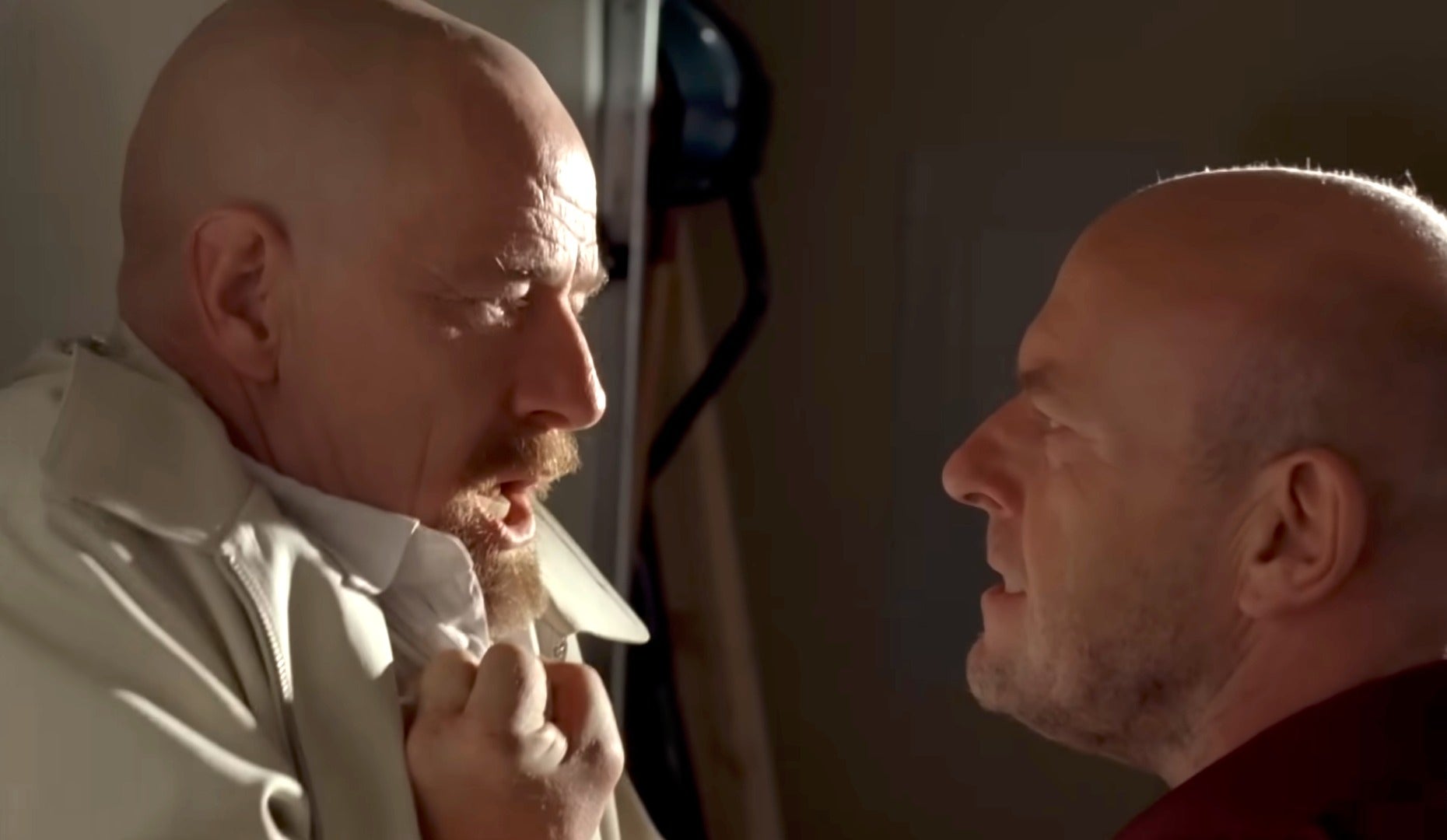
Dean: Bryan directed the scene in the garage, and it was a tough scene. It was important to the show, and I was a little nervous. It felt so comforting to have Bryan as the guy directing it. Not only because it had been six years by that point and we were friends, but also because I trusted him.

Bryan is a great actor. Having him there to coach you along and direct this really important scene meant a lot to me. Subsequently, he was a father figure on and off set. If I had career questions, I could always call him, and he'd give me the right answer, whether I liked to hear it or not. It was great to have that.

He was always the first guy on set. He was always a cheerleader for our team, and he really made the experience that much more special.

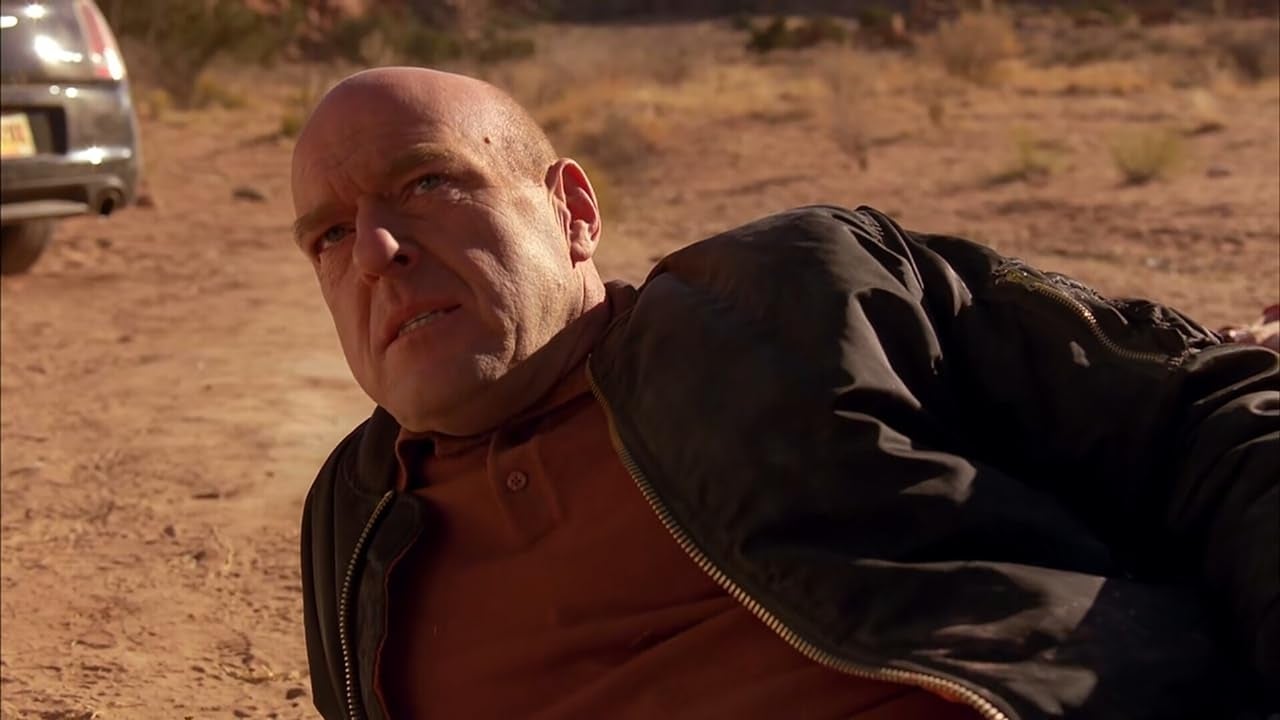
Dean: It was very cold because I was lying on the ground and it was winter, which gets cold in Albuquerque, believe it or not. I remember Michelle MacLaren, the director, putting that scene together in two days. In a movie that would have taken like three weeks.

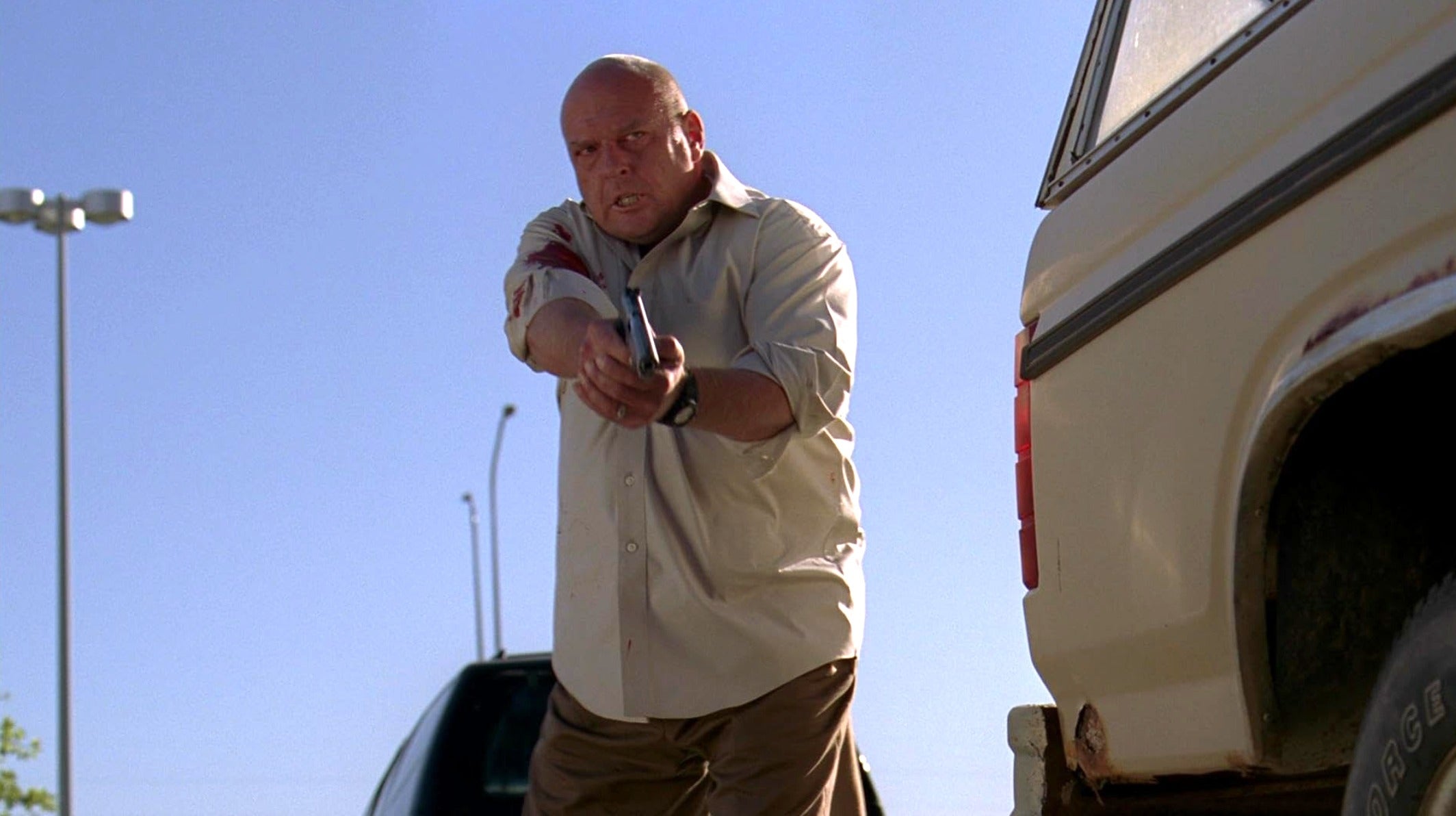
For me, the interesting part of that scene was what came before it, when Hank had to go in front of the other cops. This is after he beat up Jesse Pinkman, and they're going to take his badge away. They're like, "We can get you out of this." Hank's like, "Nope, I did it. I'm gonna face the consequences."

I just love that about him. I think that was a beautiful part of who Hank was. He took the consequences for what he did.

Dean: That's a good question. I think he almost did. I think that was part of the line where Hank says, "You're the smartest guy I ever met...but he made up his mind 10 minutes ago."

He understood in that moment that Walt was in over his head and that these guys were just pure evil. Even though Walt was willing to give it all away to save Hank's life, Hank's like, "It doesn't matter. These guys are stone-cold killers, and no matter what you do now, you're in too deep."

I think there was a moment of him going, "Oh, geez, Walt, you don't know what you're doing." I don't know if that's forgiving him, but I think there was an understanding.

Dean: They were very kind in allowing us to take things. I took Tuco's grill; I also took the axe from the fight with the cousins, and I asked them to sign it for me.

I took my DEA bomber jacket and my DEA ID. The ID is actually currently in the Smithsonian. They asked for some things, so I gave them my badge.

Dean: Thank you. You just never know what somebody's going through. You just can't imagine, and it's such a tragedy.

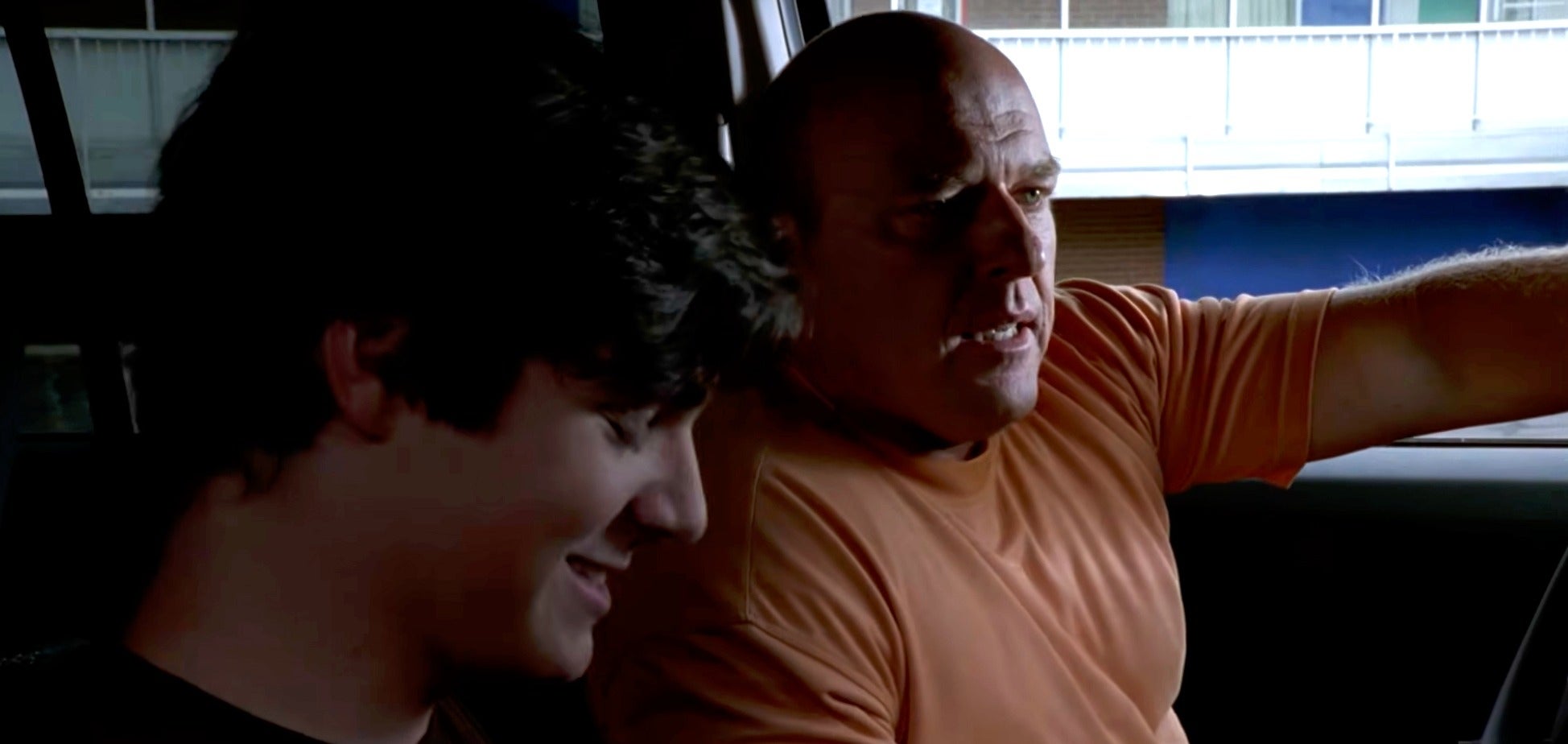
A memory that will always stay with me is filming that first scene when we go to the Crystal Palace. I was new to the show, and RJ was relatively new to acting. He was only 14 years old when the show started, you know?

He was such a sweet kid with a kind heart. If you ever were having a bad day? Go talk to RJ, and he'd lift you up.

Dean: I would say, "Enjoy the run." And I think I did. I tried not to think too far ahead and to just enjoy the moment.

I would tell myself to enjoy every one of these scripts that you get. You're getting a chance to act in this unbelievable show with these unbelievable characters and people, and to just appreciate it day by day.

It was so serendipitous. So many little things had to happen to get this show on screen. We all loved it. We all knew it was a special project, but none of us knew if it could survive. None of us knew if it would get a second season, let alone a third, fourth, or fifth.

You just appreciate what you have, appreciate the beauty of these scripts, and have faith that somehow karma or life is going to make this work out. That's the truth for Breaking Bad.

Note: This interview has been edited for length and clarity.
Comments
You must be logged in to comment.