bbc Press
Funding set to double for plan to get rough sleepers off streets by Christmas
Images
1 / 20
2 / 20

3 / 20

4 / 20

5 / 20

6 / 20
7 / 20

8 / 20
9 / 20
10 / 20
11 / 20
12 / 20

13 / 20

14 / 20

15 / 20

16 / 20

17 / 20

18 / 20
19 / 20

20 / 20
The pledge was one of Burnham's key early announcements after becoming prime minister in July

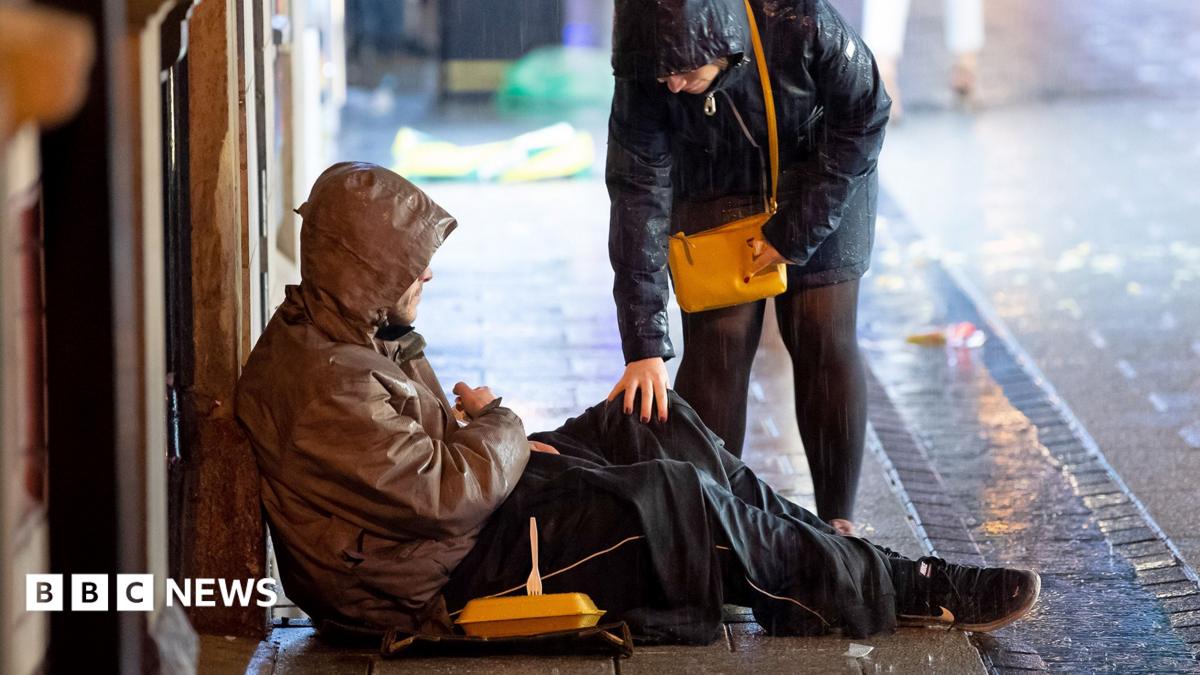
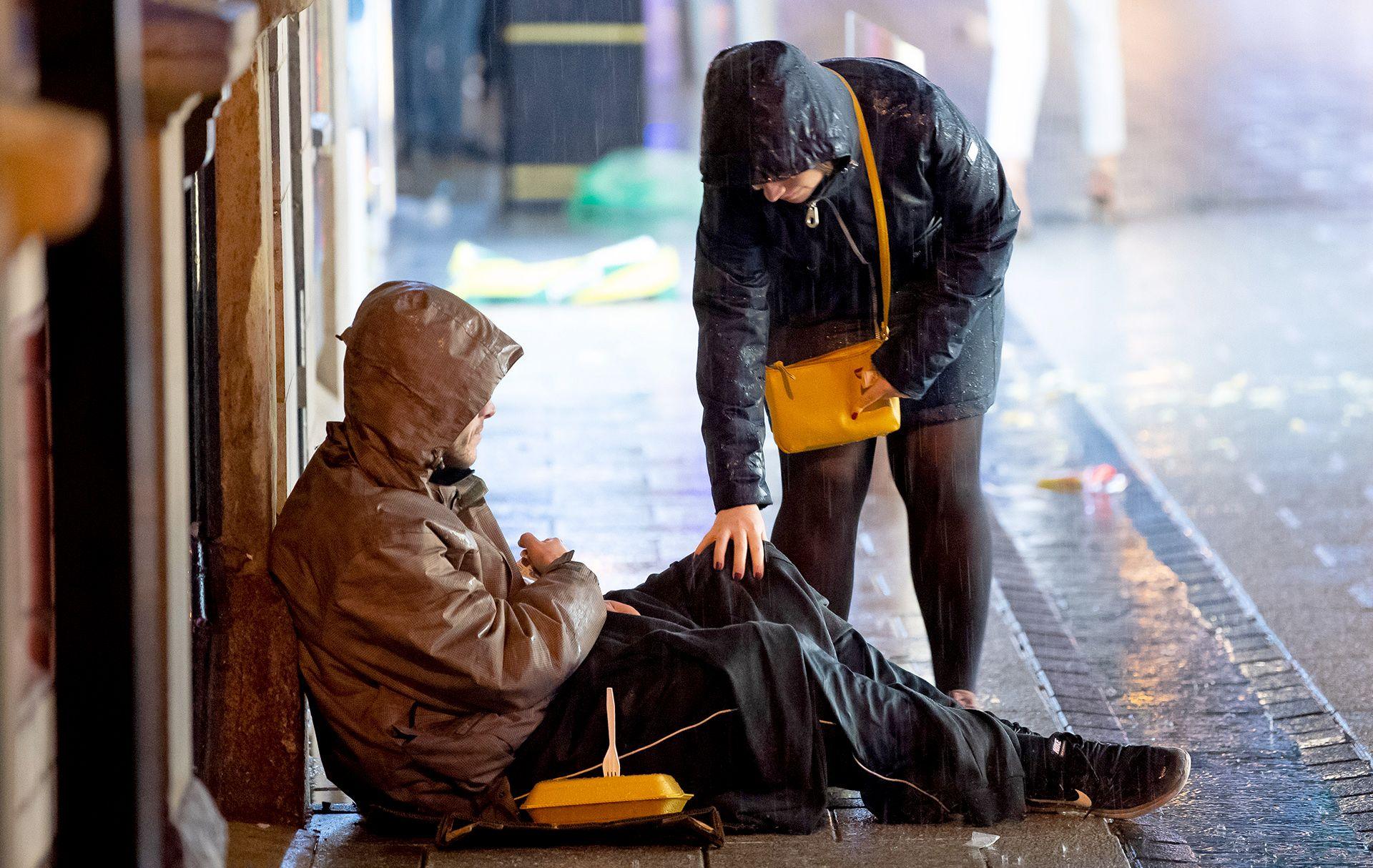
Funding is set to double to support a pledge by the prime minister to give every rough sleeper in England a route off the streets by Christmas.

Ending rough sleeping was one of Andy Burnham's first promises when he entered Downing Street, announcing a £442m package to provide emergency accommodation and practical support.

Ahead of the first Rough Sleeping Summit at Downing Street on Monday, No 10 has indicated a further £432m will be added to the initiative in Wednesday's Budget.

Shadow housing secretary Katie Lam said rough sleeping had hit "record highs under Labour" and criticised Burnham for failing to end rough sleeping when he was the Mayor of Greater Manchester.

The most recent official figures estimated there were 4,793 people sleeping rough, external on a single night in autumn 2025 in England.

The government's commitment is that every rough sleeper will either be able to physically move into accommodation by Christmas or will have been offered support as a way to prevent them sleeping rough.

Money being added to the pot this week will extend support beyond March 2027 to the end of this Parliament, taking total investment to £874m.

Burnham told ITV's Good Morning Britain he was confident it could be done, saying: "I have this strong feeling about putting the right standards at the heart of the country again and we can't get to a position where we just become used to walking past people sleeping rough: it's about care for people."

He added: "In the end, actually, it's cheaper to do that than to leave people sleeping rough going in and out of A&E, that's not good for anybody."

As Mayor of Greater Manchester, Burnham pledged to end rough sleeping in in the region by 2020, setting up the Bed Every Night scheme, which now provides more than 600 beds per night for people who might otherwise be on the streets.

When he was elected in 2017 government figures showed there were 268 rough sleepers across Greater Manchester, and by 2020 that figure had more than halved to 125 - meaning Burnham missed his target.

The numbers fell further to 90 in 2021, but the figures rose each year after that, reaching 197 by 2025.

Asked about his previous attempts to end rough sleeping in Manchester during his time as mayor of the region, he said: "I bring the learning from that to this.

"The reason why the figures went back up is because we were the only place that was offering a bed every night, so people came to Greater Manchester knowing that we were providing a higher level of support...I realised that it's only if everywhere does it at the same level that you can actually end rough sleeping."

The Conservatives' Lam said: "Burnham is throwing another £432m at a problem he failed to solve in Greater Manchester."

Across England, government figures show the number of people sleeping rough is at its highest level since records began in 2010.

Lam said: "Under Labour, rough sleeping has hit record highs – yet their answer is always more taxpayers' money and more empty promises.

"Healey must use his Budget this week to cut taxes for working people, get the ballooning benefits bill under control, and stop pushing up energy prices.

"Instead of piling more costs onto hard-working people, Healey must focus on easing the cost of living and delivering real value for taxpayers' money."

Burnham unveils plan to get rough sleepers off streets for Christmas

Key takeaways as Andy Burnham becomes PM

Burnham pledges to end rough sleeping in first speech as prime minister

More than 30 organisations have pledged support for Burnham's plan with new partnerships, including commercial businesses and charities who attended Monday's summit.

Initial funding has seen specialist outreach teams and new bed spaces operating in Coventry, with further provision being rolled out in places including Plymouth and Camden in north London over the coming weeks.

The National Housing Federation will now work with housing associations to identify at least 2,000 potential homes and bed spaces, including empty properties that could be brought back into use.

However, questions remain about whether the scale of accommodation currently identified will be sufficient. It is not yet clear how many of the 2,000 homes and bedspaces represent self-contained units and how many could accommodate multiple people.

While homelessness organisations have welcomed the government's focus on rough sleeping, many have urged ministers to go further in the Budget.

Leaders from 40 organisations across the housing and homelessness sector signed an open letter last week calling on the government to restore Local Housing Allowance (LHA) rates so they continue to reflect local rents, arguing this would help prevent homelessness in the first place and reduce reliance on temporary accommodation.

The Resolution Foundation estimates that more than 1.1 million low income renters now face shortfalls between their housing benefit and their actual rent, with the gap expected to reach a record high this October.

It argues that relinking LHA to local rents would primarily benefit struggling tenants and help keep more people in their homes.

Housing organisations say that while helping people already sleeping rough is essential, preventing people from becoming homeless in the first place will be critical if the government's longer-term ambition is to succeed.

Sign up for our Politics Essential newsletter to read top political analysis, gain insight from across the UK and stay up to speed with the big moments. It'll be delivered straight to your inbox every weekday.
Comments
You must be logged in to comment.