buzzfeed Press
"Only Time I’ve Been Genuinely Scared For My Life": People Are Sharing The Most Unsettling Places In The US That You Should Never, Ever, EVER Set Foot In
Images
1 / 20

2 / 20
3 / 20
4 / 20
5 / 20
6 / 20
7 / 20
8 / 20
9 / 20
10 / 20
11 / 20
12 / 20
13 / 20
14 / 20
15 / 20
16 / 20
17 / 20
18 / 20
19 / 20
20 / 20
“I’m a 6-foot-tall male, and I felt like I had to stick near the few lights at the bus station for my own safety.”

I like to write about spooky stuff, including *EEK* politics, as well as various lifestyle and pop culture topics.

Note: This post contains mentions of many upsetting topics, including murder, racism, police brutality, and drug addiction. Please read with discretion.

Note: These are simply people's opinions. If you're from one of these places and/or think that people got it all wrong, feel free to set the record straight in the comments!

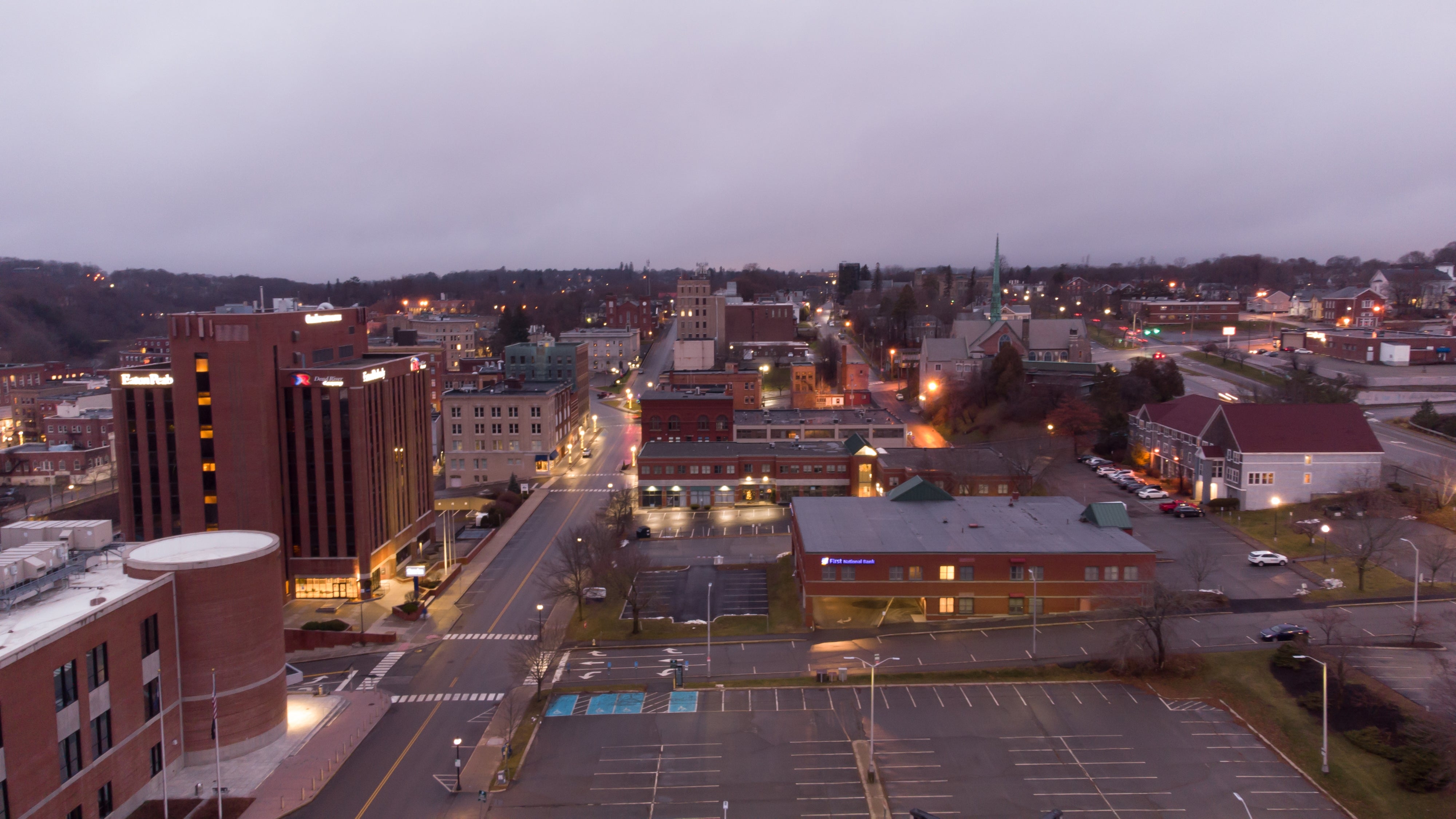
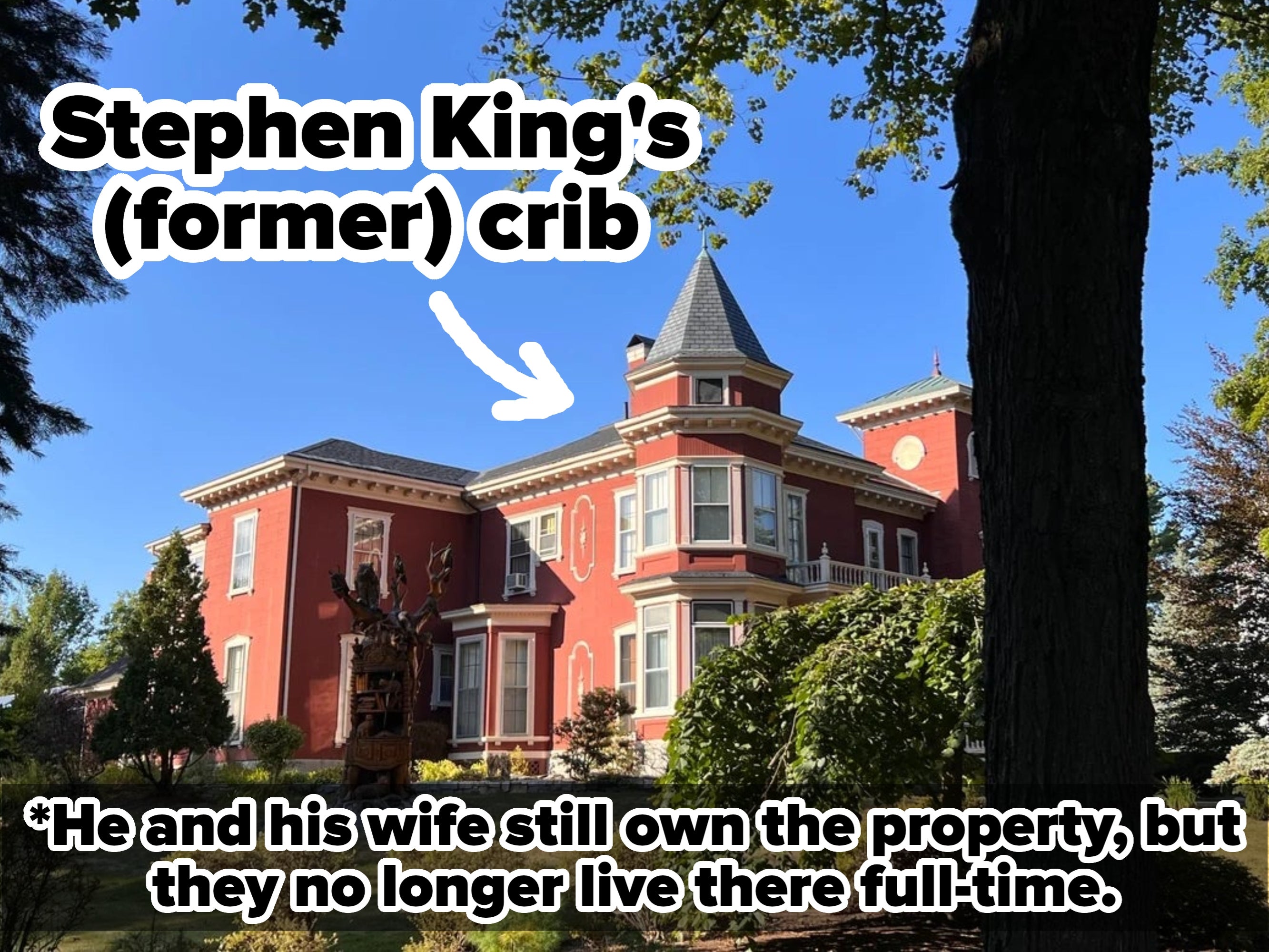
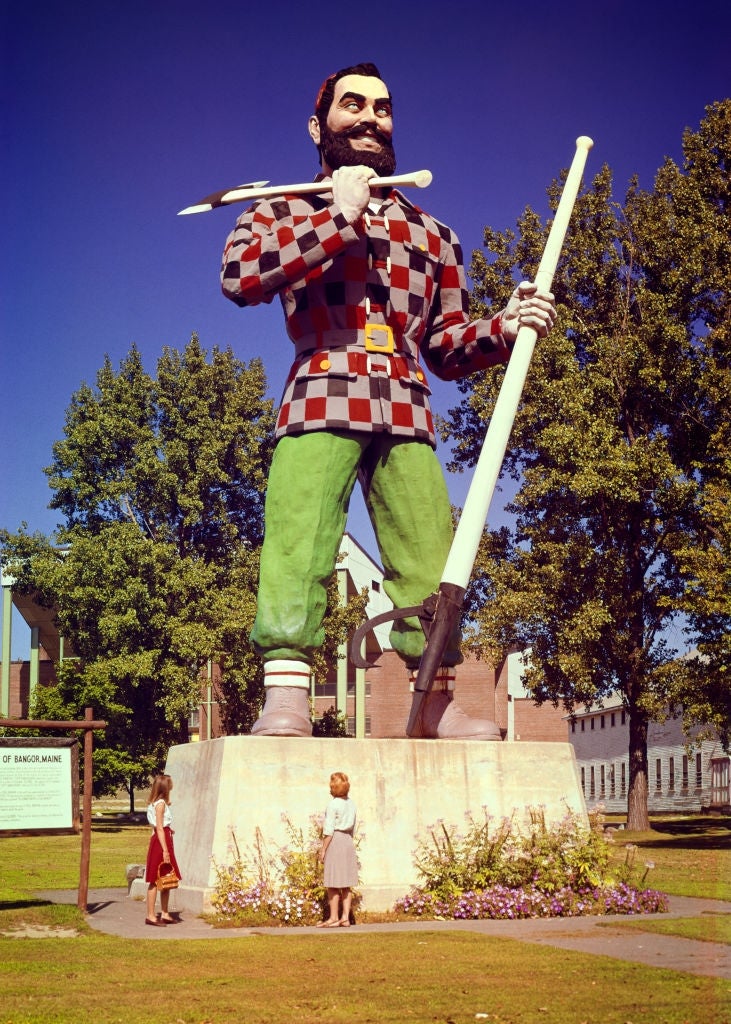
The fictional town of Derry that is featured in many Stephen King stories, most famously in It, is based on Bangor.

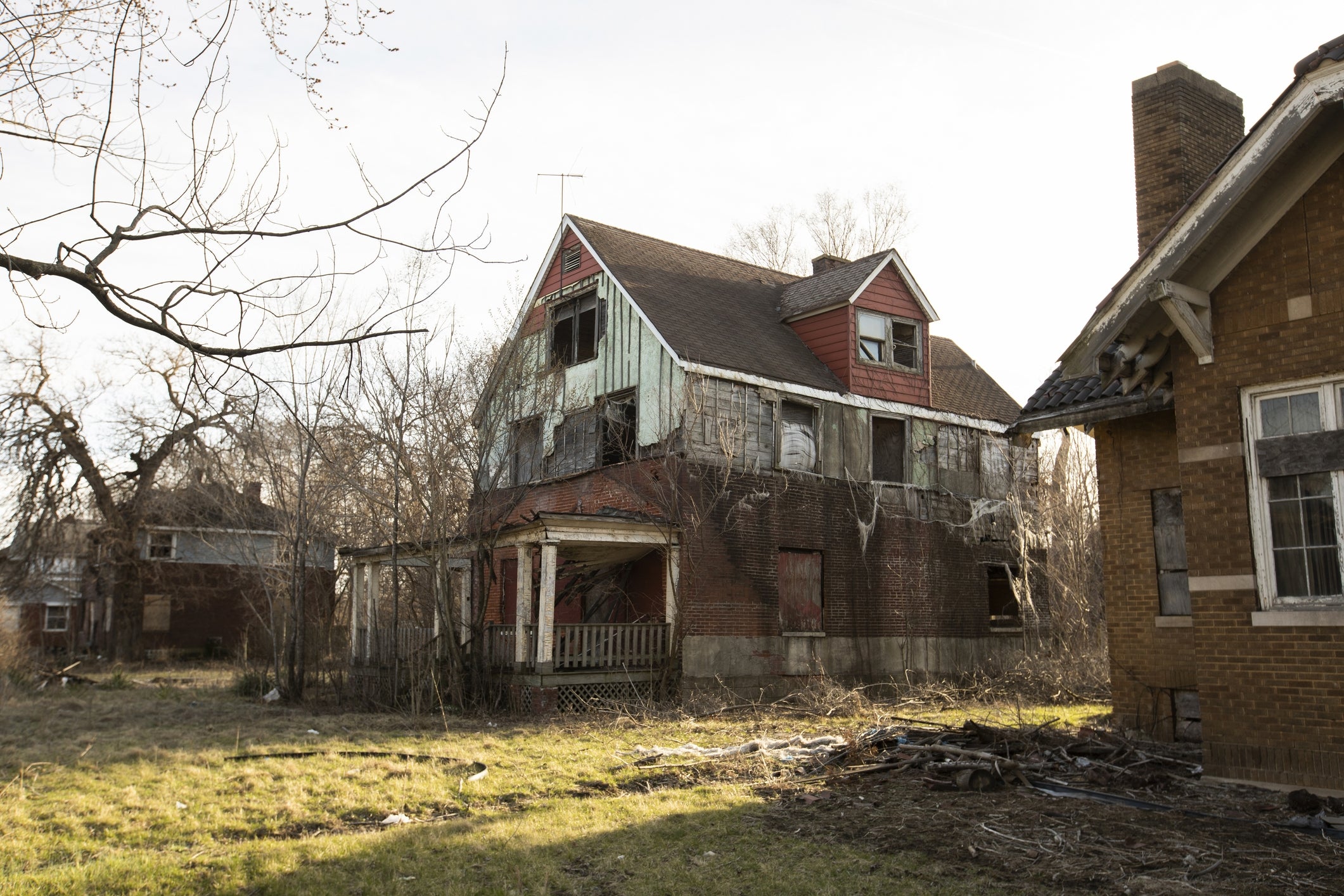
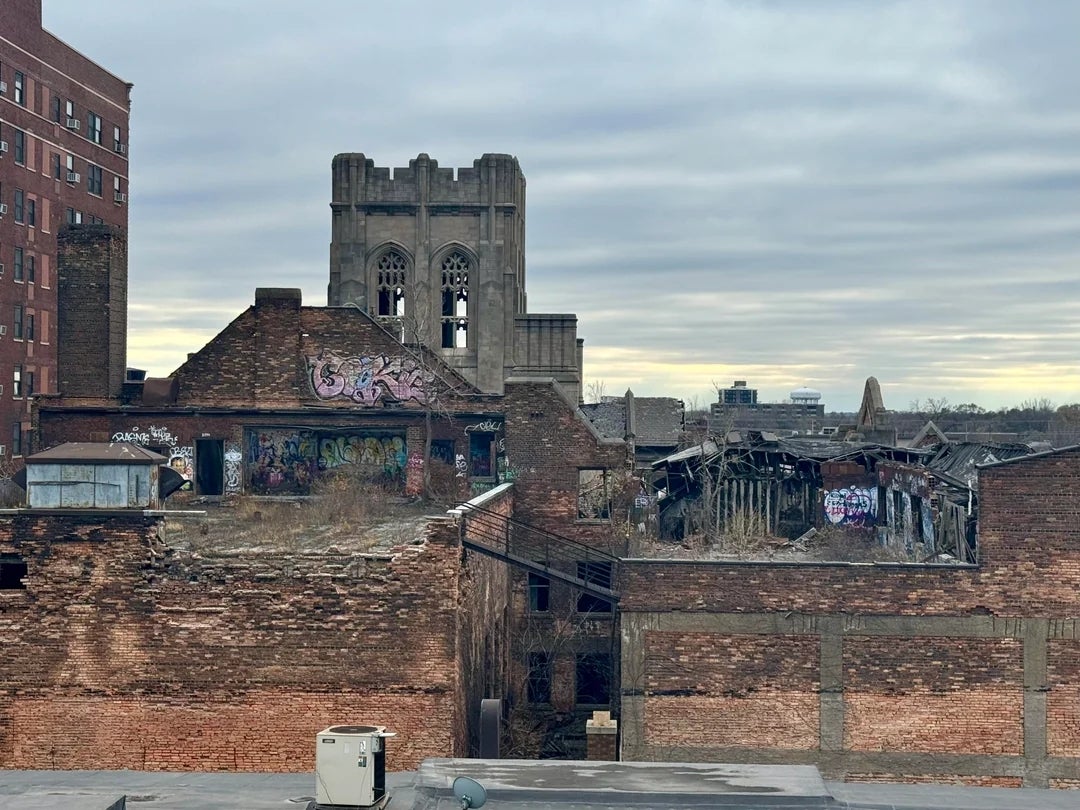
Steel production was booming in Gary from the early to mid-1900s, providing many jobs that drew people into the town. In its early years, many immigrants and Black Americans migrated to the area, but racial segregation and discrimination plagued the town. By the 1970s, the collapse of the American steel industry led to widespread layoffs and a dramatic population decline, and by the 1990s, it was referred to as the "Murder Capital" of the US.

Longtime resident Maria Garcia told the Guardian, "Racism killed Gary. The whites left Gary, and the Blacks couldn’t. Simple as that." According to USA Today, nearly 20% of homes in Gary are abandoned. Resident Imani Powell states, “I really would like to move someplace more beautiful, where you don’t have to worry about abandoned buildings. ... It scares me to walk by them; I don’t want to end up a body lost in one of them." She added, "It is complicated for people who live in Gary. ... They say places are what you make of them, but it's hard to make something beautiful when it is shit.”

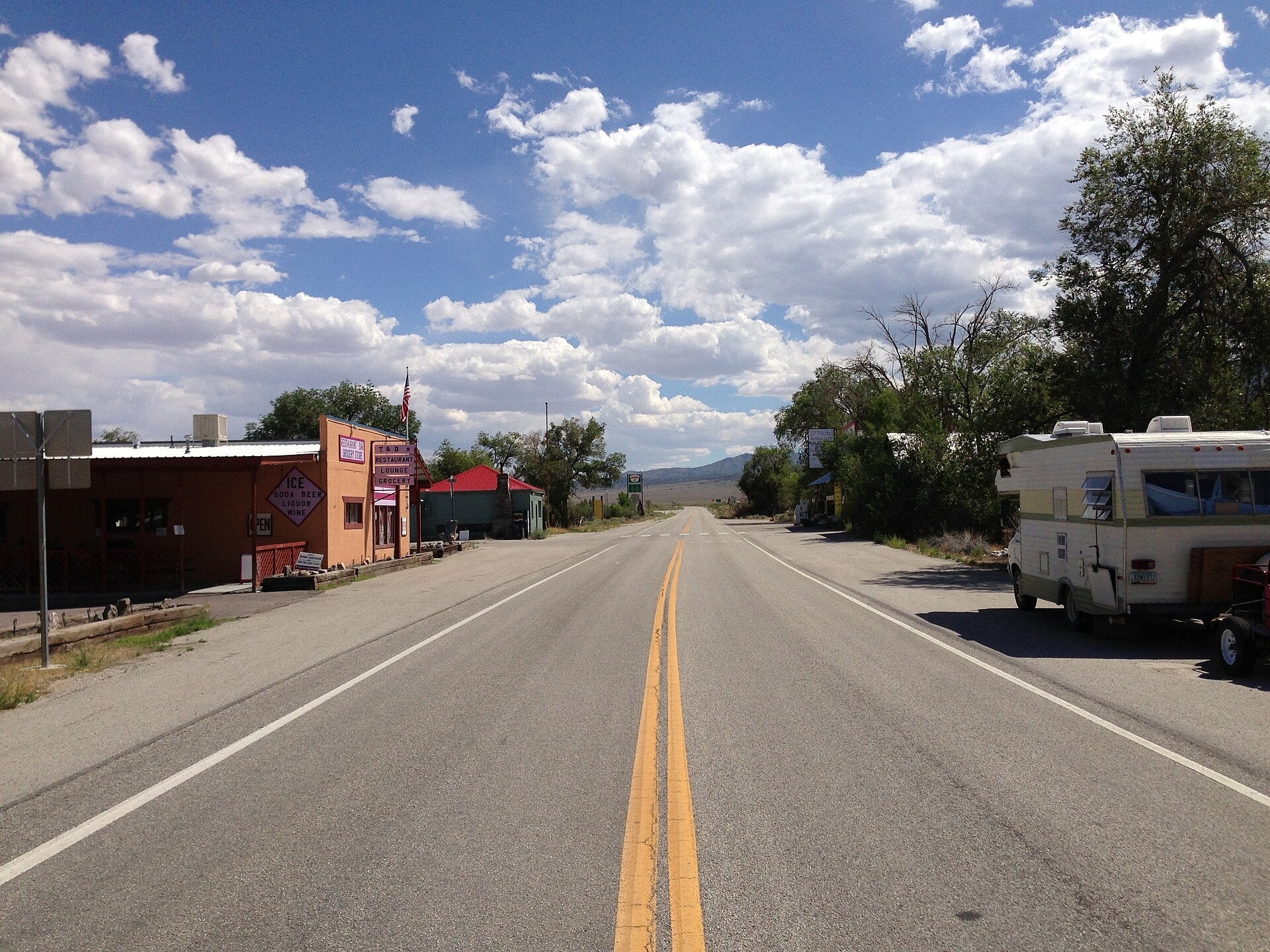
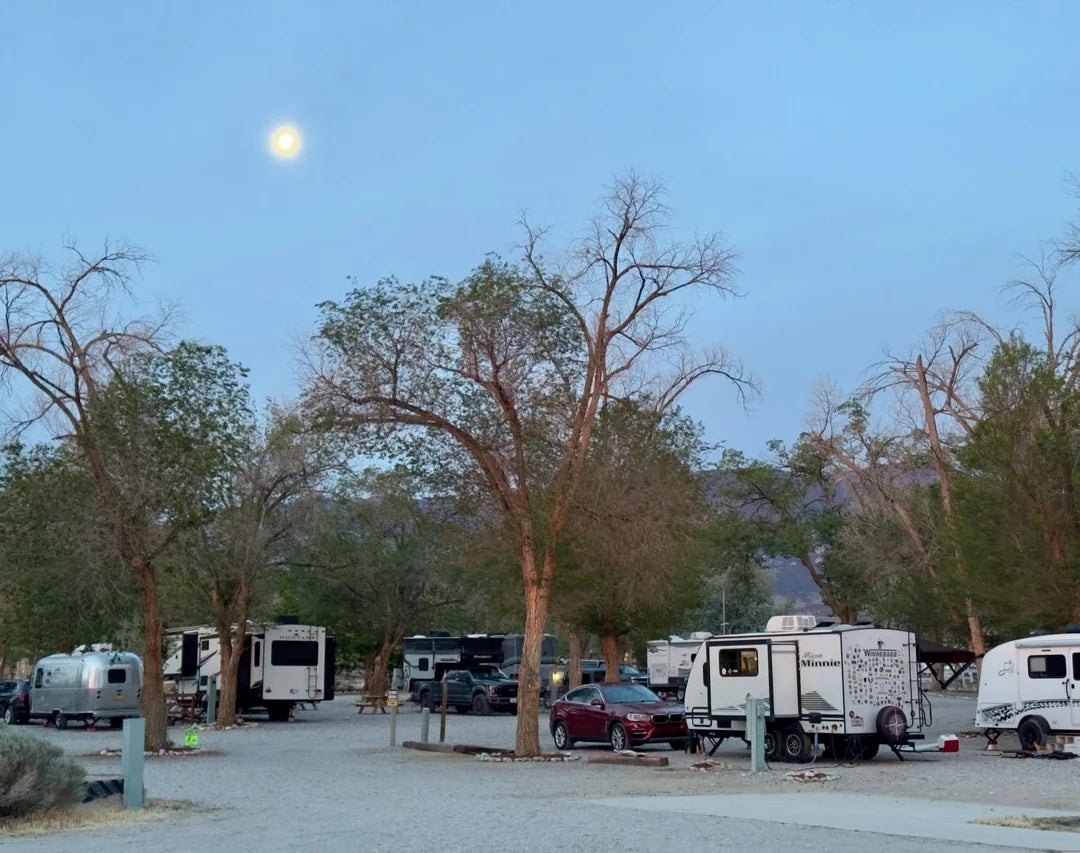
The most recent 2026 census reports only 20 residents... Yeah, wild. It's a census-designated place, meaning it's a closely settled, unincorporated community that lacks both a governmental structure and a legally defined boundary. It's only five miles from Great Basin National Park, one of the least-visited national parks in the US.

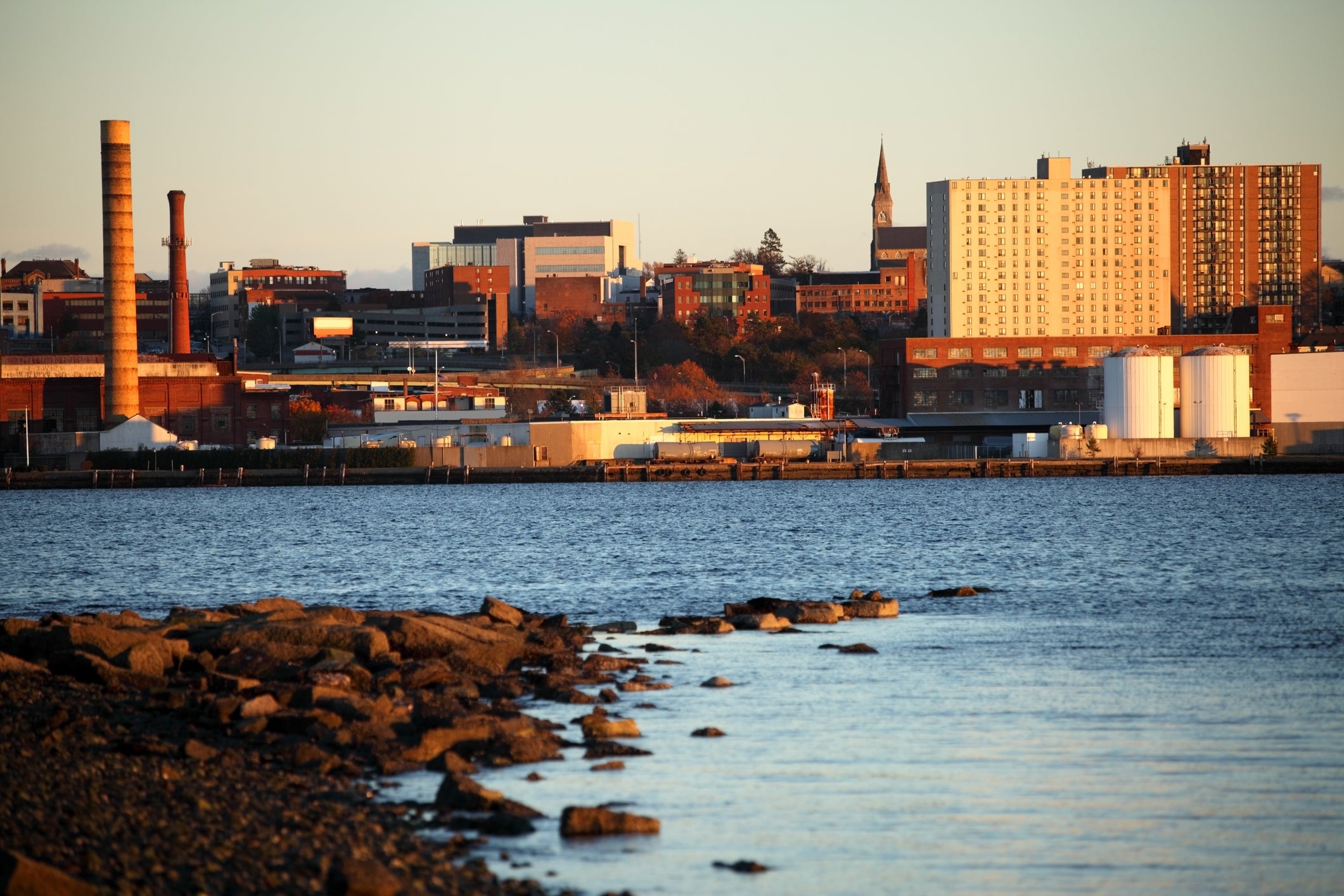
Note: The official police motto is “Service, Pride and Commitment," however "We'll Try" is the city's traditional motto due to Fall River's Great Fire of 1843. This once-hopeful two-word phrase that is now...questionable...is depicted on police emblems.

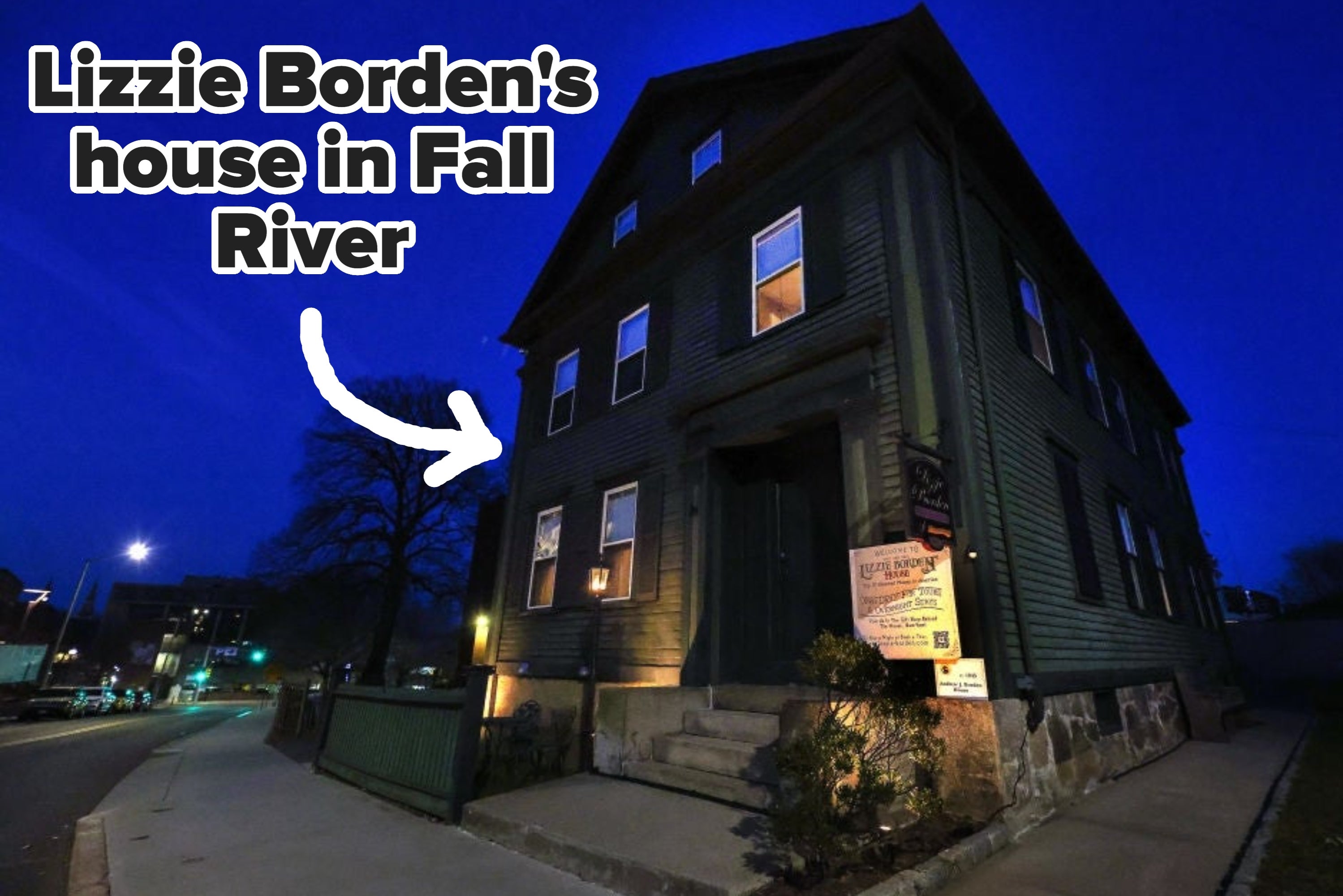
Many infamous murders took place in Fall River, including the historic Lizzie Borden murder case. Three homicides from the late 1970s into the early 1980s stand out in particular due to the rise of Satanic Panic at the time. Police tied the deaths of Doreen Levesque, Barbara Raposa, and Karen Marsden to a so-called satanic cult. Marsden referred to her "pimp" as Satan to the police before her death, telling them that he would kill her if he discovered she talked to law enforcement. Around two months after her claims to the police, parts of her remains were discovered in a forest outside of town, but most of her body was never recovered.

Forests are a big part of Fall River's creep factor, with the Freetown State Forest (located on Fall River's northern boundary) considered to be one of the most haunted forests in the world. It is the site of countless murders and supernatural sightings, with Ronald Reagan even claiming that "strange orbs" were in the sky as he flew over the forest in 1974.

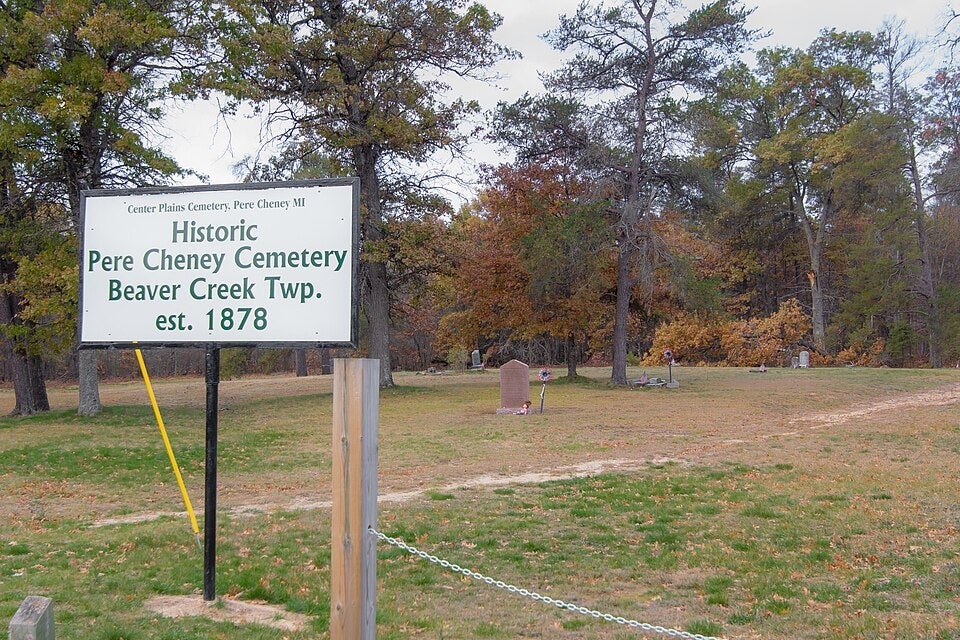
While local legend pins the tragedies on a "witch," some believe that the fires were caused by people from surrounding towns that wanted to prevent disease from spreading. With barely anyone left, the town was sold at a public auction in 1917. The only thing left today is the cemetery, which contains the graves of roughly 90 people. Some visitors report hearing children's laughter and/or seeing handprints on their cars, as well as ghostly figures.

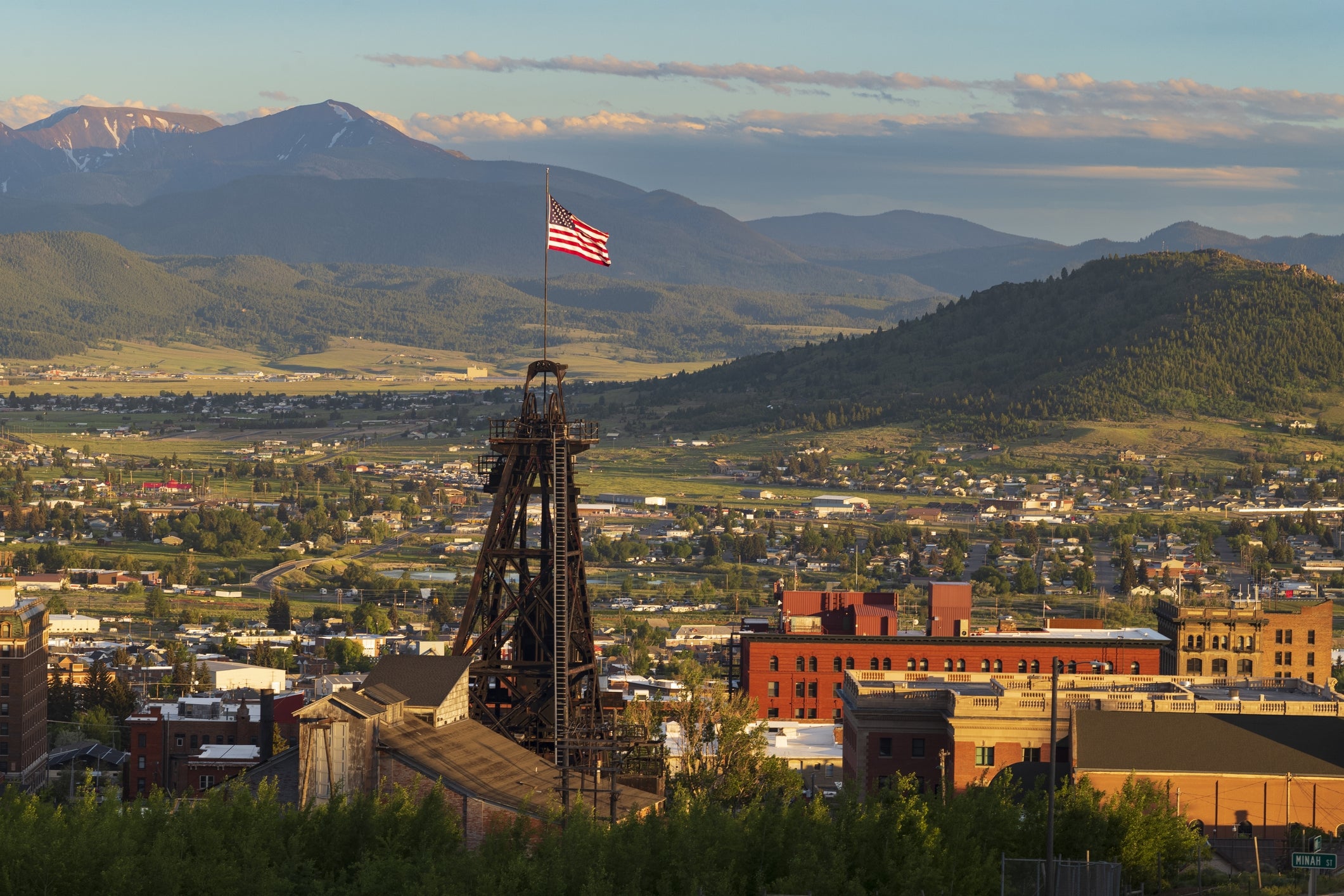
Known as "the Richest Hill on Earth," Butte is a major copper hub. It all started when gold was found in the area during the 1860s. When the gold ran out, silver became the motivation for prospectors. Eventually, copper became the new treasure, especially after the discovery that it could conduct electricity.

Tragedy struck the area in 1895 when the Kenyon-Connell warehouse and the Butte Hardware Company broke out in flames, causing an explosion that killed almost the entire fire department (except for two members). Then, in 1917, the Granite Mountain Fire became the worst disaster in the history of metal mining.

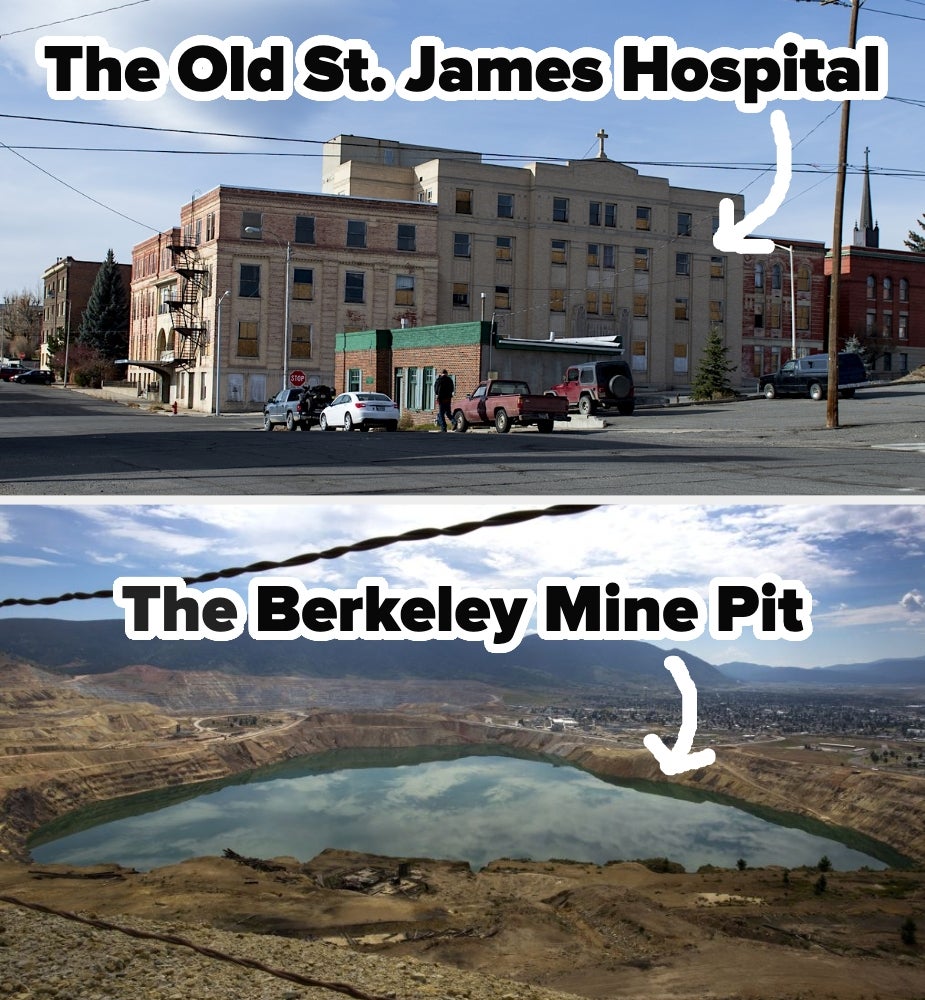
The acidic water pit on the outskirts of town is a result of its mining history. The Berkeley Mine Pit was formed in 1955 and was considered more profitable and "safer" for miners to dig for copper. The pit was finally closed in the 1980s, but the damage was already done. To emphasize just how hazardous it is, the water killed approximately 4,000 geese in 2016 and is capable of dissolving a boat propeller.

As for the abandoned hospital, the Old St. James Hospital is considered to be extremely haunted. John DeMuary, founder of the Butte Paranormal Investigative Team, claims that "All of uptown Butte, all of uptown Butte, just any place you go into. Pretty much guaranteed it's haunted."

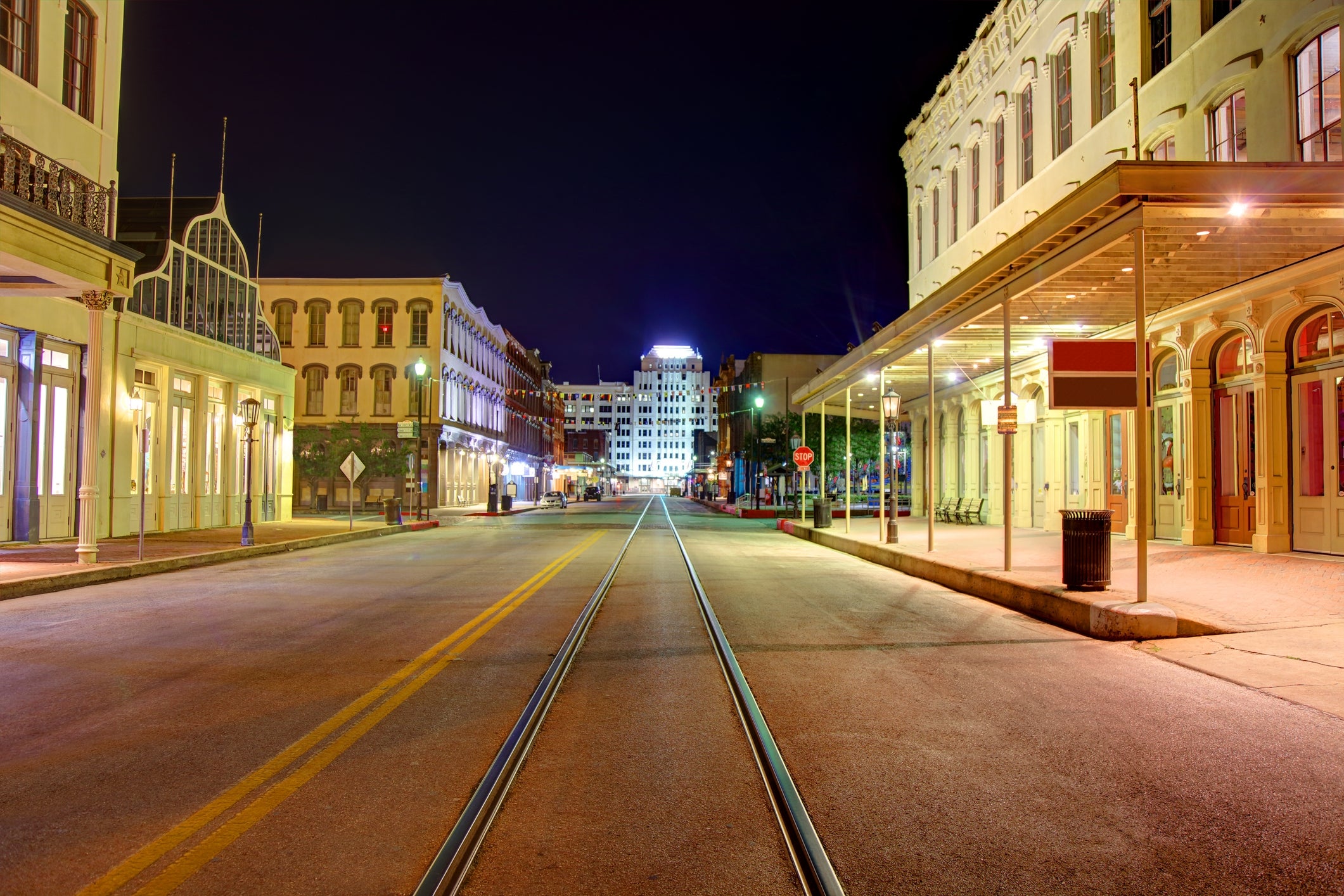
The Galveston Hurricane struck Texas on Sept. 8, 1900. Wind speeds were estimated to reach a whopping 145 mph. One of the deadliest parts of the storm was the 15-foot storm surge, which caused massive destruction to the city's buildings and the rail bridges connecting the island to the mainland. While there is no definitive death toll, an estimated 8,000 to 12,000 people died.

Wichita Falls is also home to massive natural disasters. Located in Tornado Alley, many deadly tornadoes have torn through this area. One notable one was on April 10, 1979, when around 5,000 families were left homeless due to the destruction. The city was faced with an estimated $400 million in damage.

There are many "haunted" locations in Wichita Falls, including a burned-down mansion known as Witches Gate. There are multiple rumors surrounding the house, with some believing that the family who lived there was tied to witchcraft. Others say that robbers broke in, causing one of the sons to set the house aflame.

Bryant’s Grocery & Meat Market is the store Emmett Till visited that resulted in his horrific death in 1955. It is alleged that the 14-year-old made flirtatious remarks to Carolyn Bryant, a white female clerk at the store. Bryant made claims that Till used vulgar language and grabbed her. Later, her husband Roy and his half-brother took Till from his bed, beat him, shot him, attached a cotton-gin fan to his neck with barbed wire, and threw his body into the Tallahatchie River. The two men were acquitted of the murder by an all-white male jury.

Bryant later confessed, around 60 years after the encounter, that she had made it up entirely. Till's death acted as proof of the violence Black people suffered at the hands of white supremacy, helping spark the Civil Rights Movement.

In 1991, a group of LAPD officers brutally beat Rodney King, a Black man, after a high-speed chase in Los Angeles. King claimed that one of the officers used a racial slur while threatening to kill him. This caused an uproar in Los Angeles, which led to the trial being moved to Simi Valley. The jury reached a verdict of not guilty on all counts, except for one assault charge that resulted in a hung jury. The entire jury was white, so do with that information what you will...

Population: Around 150, rising to around 4,000 in winter months

Located 23 miles northeast of Eads, the Sand Creek Massacre National Historic Site acts as a reminder of the horrific tragedy that took place there. At the beginning of the summer of 1864, Governor John Evans commanded "friendly" Cheyenne and Arapaho people to seek refuge and supplies at Fort Lyon (around 35 miles from Big Sandy Creek). At the time, the military was also instructed to kill any Indigenous person that approached Fort Lyon, which is quite a contradiction. This led Chief Black Kettle to try to negotiate peace for his people. Although they failed to reach an agreement, the Cheyenne and Arapaho people were instructed by the military to settle in the Big Sandy Creek area for the time being.

On Nov. 29, 1864, Colonel John Chivington and close to 700 volunteer soldiers brutally attacked the tribes, killing around 230 Indigenous people. Colonel Chivington was among those negotiating with Chief Black Kettle, making this attack even more unexpected.

The proclamation that encouraged the military to kill Indigenous people in Colorado was not rescinded until 2021.

The crime rate in Chester is 828% higher than the national average *gulp*. If that statistic doesn't do it for you, then maybe the fact that you have a 1 in 31 chance of being a victim of a violent crime will...

Living around 15 minutes from the area, I am sadly all too familiar with how devastating Kensington can be. It is one of the most infamous open-air drug markets in the US, where people line the streets, unresponsive due to the effects of drugs like fentanyl. According to a harm reduction program in Kensington, around 83% of their clients are unhoused. The level of poverty in the area is extremely high, as data from 2012–2016 show that the average annual income in Kensington was only $12,669.

The rise of "rhino tranq," a veterinary sedative, has been especially dangerous in recent years, with quite possibly the most extreme, fast-acting withdrawal symptoms of any known street drug. Roz Pichardo, the founder of the Sunshine House harm reduction center, says this drug has "made things worse for everyone... No one knows how it works." With such dangerous drugs and so few resources, many people feel hopeless. Earl, a 33-year-old amputee on the streets of Kensington, says, “I’m just trying to get by," but “They’re preying on us.” While the annual overdose deaths in Philadelphia have fallen in recent years, there is still much work to be done.

Note: Comments have been edited for length/clarity.

The National Alliance on Mental Illness helpline is 1-800-950-6264 (NAMI) and provides information and referral services; GoodTherapy.org is an association of mental health professionals from more than 25 countries who support efforts to reduce harm in therapy.

If you or someone you know is struggling with substance abuse, you can call SAMHSA’s National Helpline at 1-800-662-HELP (4357) and find more resources here.

To donate to the victims of mass crimes, visit The National Compassion Fund. To help aid the survivors of homicide victims, visit Parents Of Murdered Children.
Comments
You must be logged in to comment.