bbc Press
Inflation and borrowing data illustrate chancellor's Budget challenge
Images
1 / 20

2 / 20

3 / 20

4 / 20

5 / 20
6 / 20

7 / 20

8 / 20

9 / 20

10 / 20

11 / 20

12 / 20

13 / 20

14 / 20

15 / 20

16 / 20

17 / 20

18 / 20

19 / 20

20 / 20
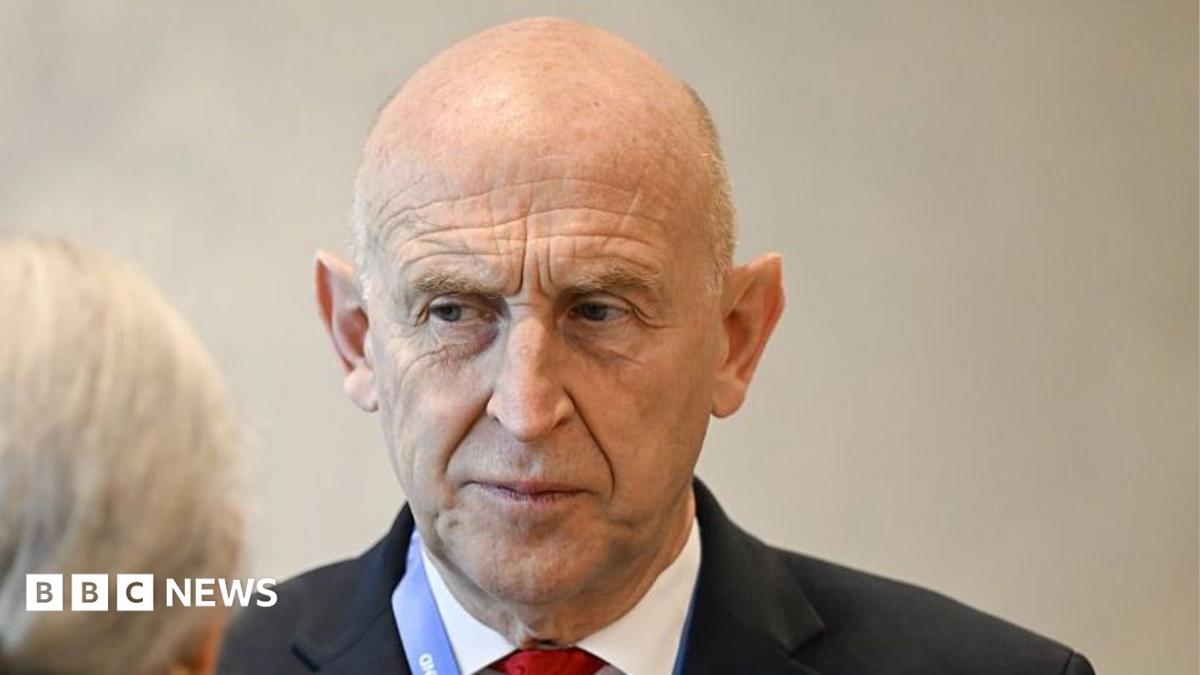
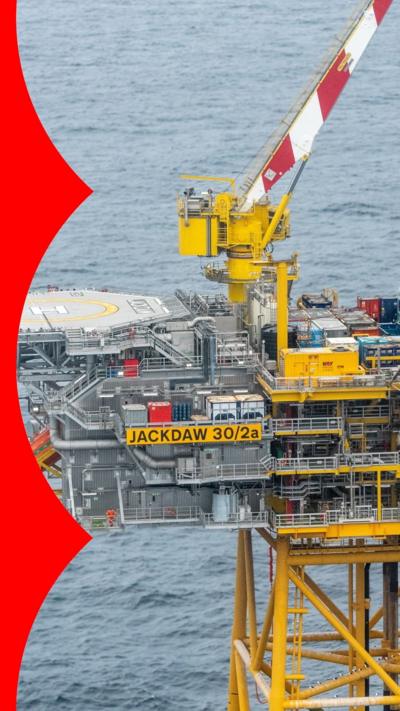
The Chancellor was on a early flight to North East Scotland on Wednesday to announce new North Sea energy approvals as the last set of major economic figures dropped.

From a mile high, as well as close up, the figures for inflation and for the public finances set out his Budget balancing act in clear terms.

The National Debt has topped £3 trillion for the first time in the official figures.

The headline rate of inflation has hit 3.5% and is surely heading back up to 4% in the coming months.

Borrowing is running ahead of forecasts, as spending and interest costs increase.

These show the constraints for John Healey as he puts the finishing touches to his statement next week.

On the one hand he says he wants to give "breathing space" to consumers yet again feeling the heat from cost of living pressures.

The public finances remain under pressure, however, from the double whammy of rising inflation and borrowing costs.

While inflation was of course expected to increase as petrol and diesel prices surged, in some cases, to records, other measures of underlying inflation also increased.

From airfares to computer game download prices, there are the first signs of stickier forms of price pressure and of higher inflation becoming more embedded, suggesting elevated price rises are not temporary. Capital Economics now expects the main measure of inflation to peak at 4.2% next year.

The Bank of England carefully watches services inflation and core inflation, and this ups the odds significantly for a rise in interest rates next month.

The services sector, which includes everything from law and banking to retail, hospitality and tourism, makes up the vast majority of the UK's economic output.

The latest inflation figure also applies as the uprating to tens of billions in welfare payments next April.

By law, benefits such as personal independence payment (PIP) and carer's allowance must rise in line with September's consumer price index (CPI) measure of inflation.

The figure also confirms that the Triple Lock will see the State Pension increase by 3.9% next April.

There is one form of relief here - food price inflation remains largely unaffected by the energy shock.

While higher inflation at a time of frozen tax thresholds will raise more tax in cash terms, it will also increase the cost of public services, including likely union pay demands.

All the while, UK borrowing costs have risen alongside most of the advanced world as the US-Israel war against Iran has intensified.

The Jackdaw gas field decision is seen as the start of a run of "pro growth" pre-Budget announcements.

It sends a directional message, but will not fundamentally change the trade off between cost of living breathing space, and delivering a Budget that convinces the markets and investors.

The fact the borrowing costs gap has narrowed a bit with other G7 nations, and the IMF praised pencilled-in plans to shrink borrowing, provided a platform for the chancellor's Budget.

The latest economic numbers amply illustrate the challenge of actually delivering them.
Comments
You must be logged in to comment.