yahoo Press
The Villages is betting $180M on more retirees moving to Florida — where home sales are stale
Images
1 / 7
2 / 7

3 / 7

4 / 7

5 / 7

6 / 7

7 / 7
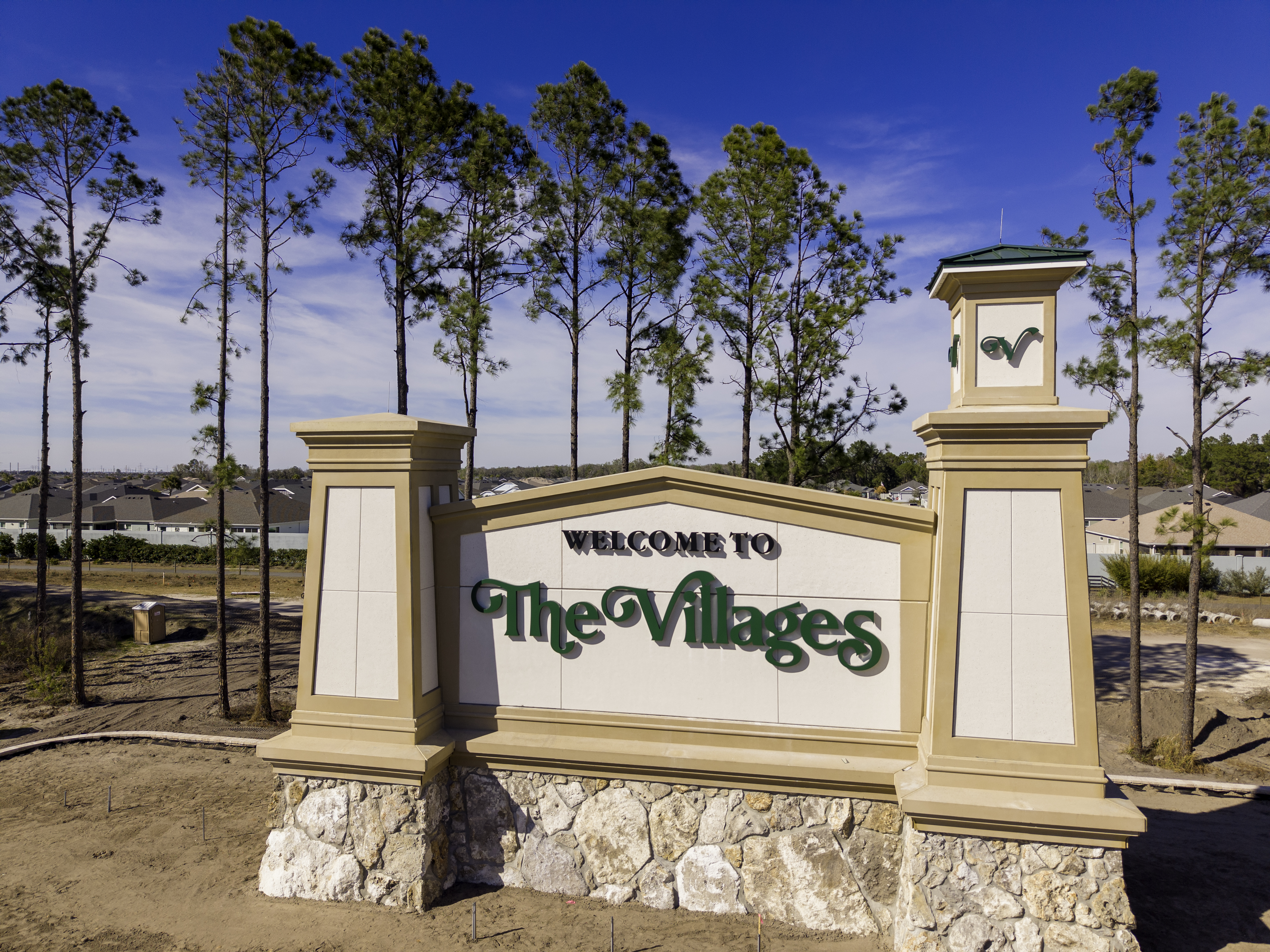
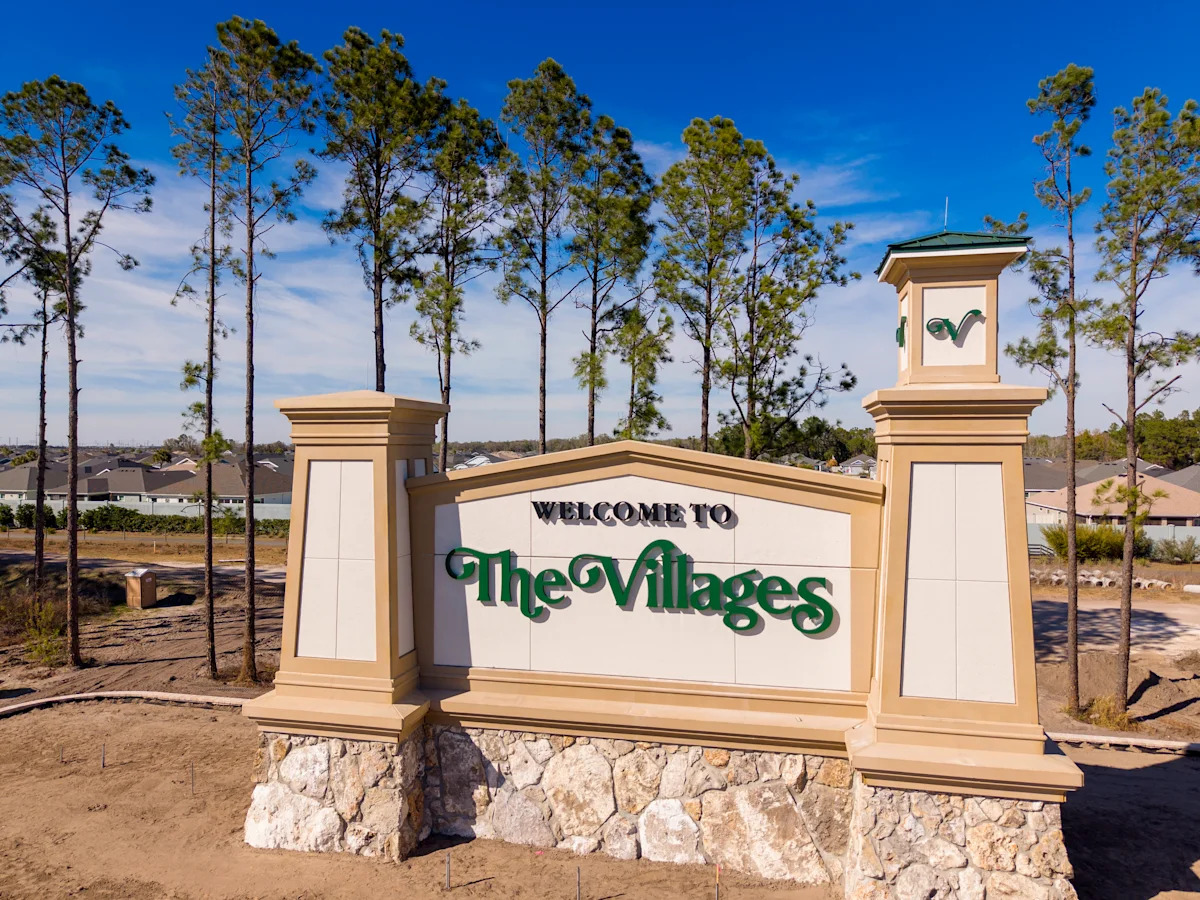
The Villages, the largest retirement community in the US with roughly 170,000 residents across 57,000 acres in central Florida, is aiming to get even bigger.

The resort-like community plans to issue $180 million in high-yield debt primarily to finance more homes, according to an investor presentation this week.

The proceeds of the upcoming bond offering will fund construction of 3,860 new residential units and additional golf courses and recreation centers, according to Bloomberg.

The community is already massive, with more than 50 golf courses, 100-plus swimming pools, and several town squares, and its latest expansion bets big on luring droves of more boomers and Gen Xers to the Sunshine State.

But it's happening as the bond market is under duress, with even the mighty US Treasury market competing for investors. The housing market is grounded by high mortgage rates and high home prices. Florida has been hit particularly hard by the trends. Sales of existing single-family homes there were down 3.5% in September from a year ago, according to the Florida Realtors Association. And net migration into the state slowed sharply last year compared to the pandemic boom years.

What's more: The notion of what makes an ideal retirement community is evolving.

"The retirement relocation conversation in this country has been dominated by weather, taxes, and cost of living for decades," demographic strategist Bradley Schurman told Yahoo Finance. "Those are real factors, but they tell you almost nothing about whether a place will remain livable and financially viable over the 25 years that matter most to a new retiree."

The Villages taps into several essential keys to healthy aging — community and social engagement, along with a focus on fitness and recreation.

Its expansion plans would have around 260,000 people living there with more than 130,000 homes by 2045.

So far this year, more than 2,100 homes in the Villages have sold for an average of just under $500,000, per Bloomberg.

"There's still juice in these master planned communities like the Villages, and there's a market for them," Schurman said.

But while the Villages has been a colossal draw for retirees seeking warm weather, low taxes, and a low cost of living, more factors related to affordability and sustainability have entered the conversation.

An index released earlier this year ranked communities on climate resilience, automation readiness, social cohesion, population renewal, and governance and foresight. For example, if an area's population is stable or growing, basic government services are more likely to be funded.

Many of the places millions of Americans have been lured to in the past ranked at or near the bottom of this index.

New York City ranked No. 1. The Villages was dead last.

Cost of living is always top of mind for retirees, and in an era of high inflation, that category is expanding. Yes, there are housing costs and taxes, but also utility bills, insurance, healthcare costs, gasoline, and groceries. Medicare premiums, which vary considerably by market, are also in their calculator.

Climate change and disaster risk can't be ignored. The utility costs of running air-conditioning in southern retirement spots like Florida and Arizona may make these places less appealing. Homeowner and storm insurance costs are soaring and show little sign of easing.

Many people choose a retirement locale with zero income tax — a critical factor — but you've also got to account for state and local taxes, which can reach 7% or more.

Florida, for example, imposes no state income tax, no Social Security taxes, no inheritance tax, no estate tax, and no taxes on retirement income such as pensions, IRAs, or 401(k)s. But it has significant sales taxes and property taxes.

Another consideration Schurman noted: If you have kids or family you want to transfer your wealth to, and your retirement home is an asset, the question for Villages residents is "are these assets turning into liabilities for the homeowner?"

"If a chunk of your wealth is tied up in a resort property that might be in a riskier climate zone, and also where selling might be difficult in the coming years because you're going to have a very limited audience of people who would actually purchase from you when there's newer housing available, you need to pay attention," he said.

Kerry Hannon is a Senior Columnist at Yahoo Finance. She is a career and retirement strategist and the author of 14 books, including "Retirement Bites: A Gen X Guide to Securing Your Financial Future," "In Control at 50+: How to Succeed in the New World of Work," and "Never Too Old to Get Rich."

Sign up for the Mind Your Money newsletter

Click here for the latest personal finance news to help you with investing, paying off debt, buying a home, retirement, and more

Read the latest financial and business news from Yahoo Finance
Comments
You must be logged in to comment.