buzzfeed Press
I Tried The New "Cosmetically Elegant" SPF That Just Went Up For Sale In The US, And I Only Have One Complaint
Images
1 / 14
2 / 14

3 / 14

4 / 14
5 / 14

6 / 14
7 / 14
8 / 14
9 / 14
10 / 14
11 / 14
12 / 14
13 / 14
14 / 14
A sunscreen ingredient that’s been used in Europe and Asia for decades is finally available in the US, so I put a new under-$20 formula to the test. Here’s how it went.

As a Senior Editor at BuzzFeed, I cover lifestyle topics including books, work and money, health, and home.

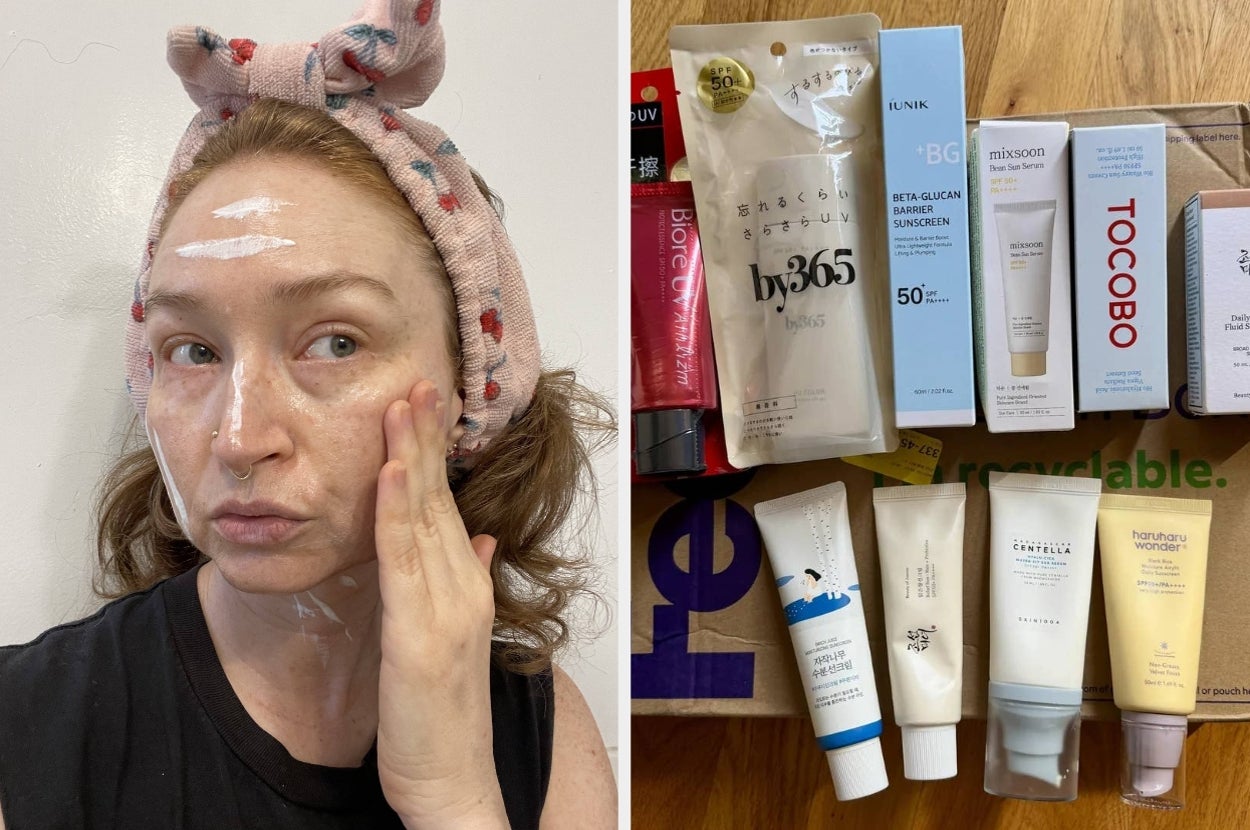
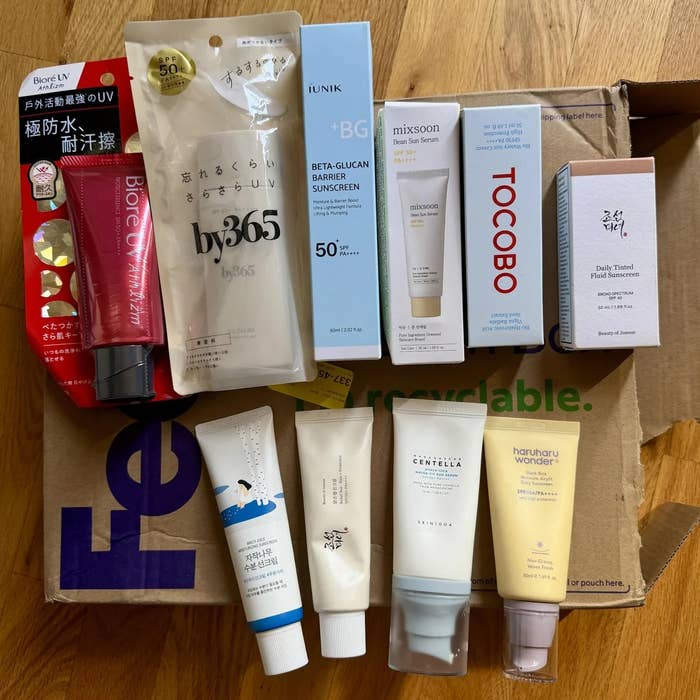
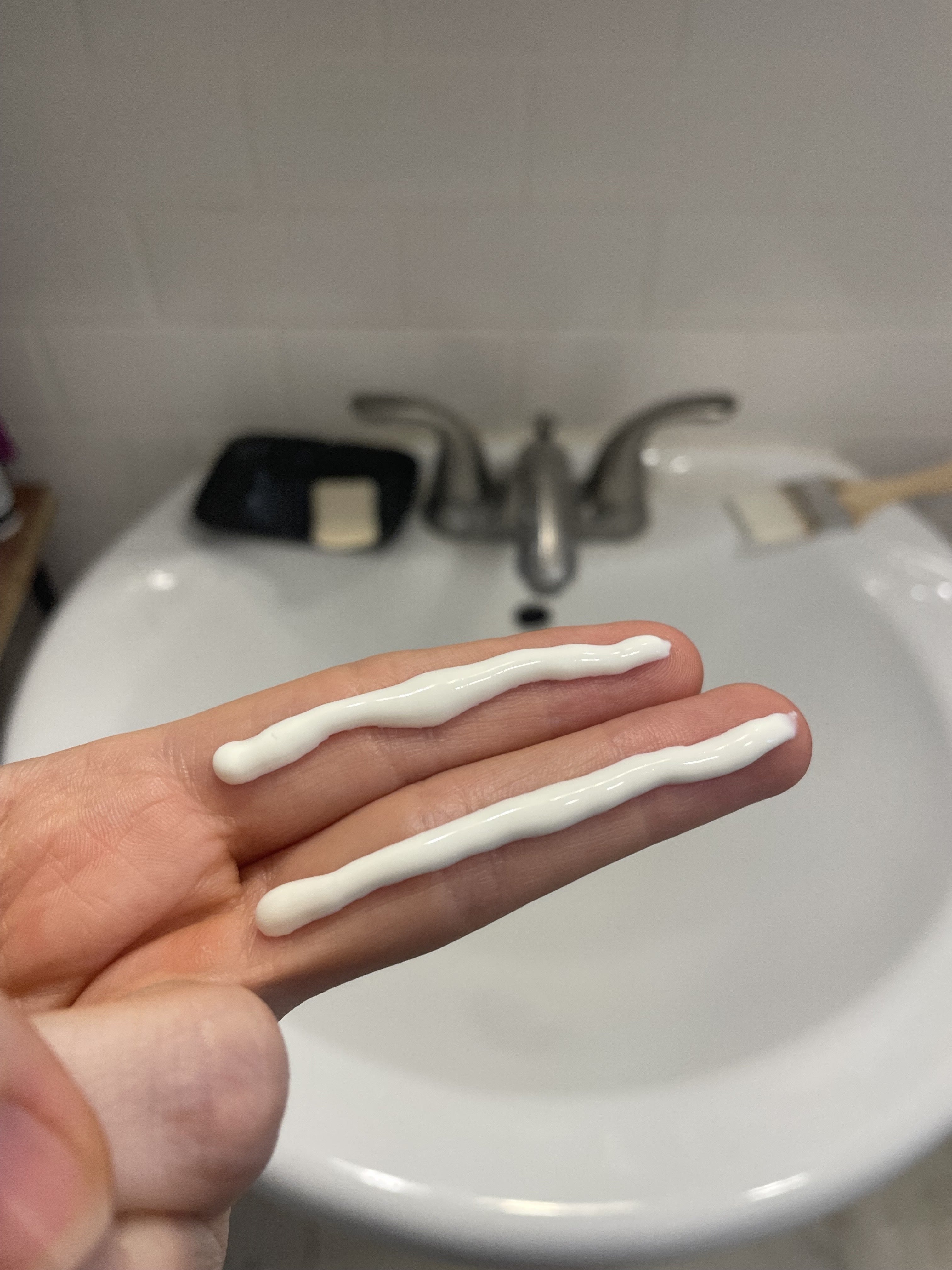
I typically wear CeraVe's tinted mineral sunscreen, which I use in lieu of foundation on days when I put on makeup, and Round Lab Birch Juice sunscreen the rest of the time.

Why are we so behind? In the US, sunscreens are classified as drugs, and FDA approval for new active ingredients typically requires animal testing. In other countries, sunscreen is treated as a cosmetic, so ingredients don't have to clear the same hurdles to come to market.

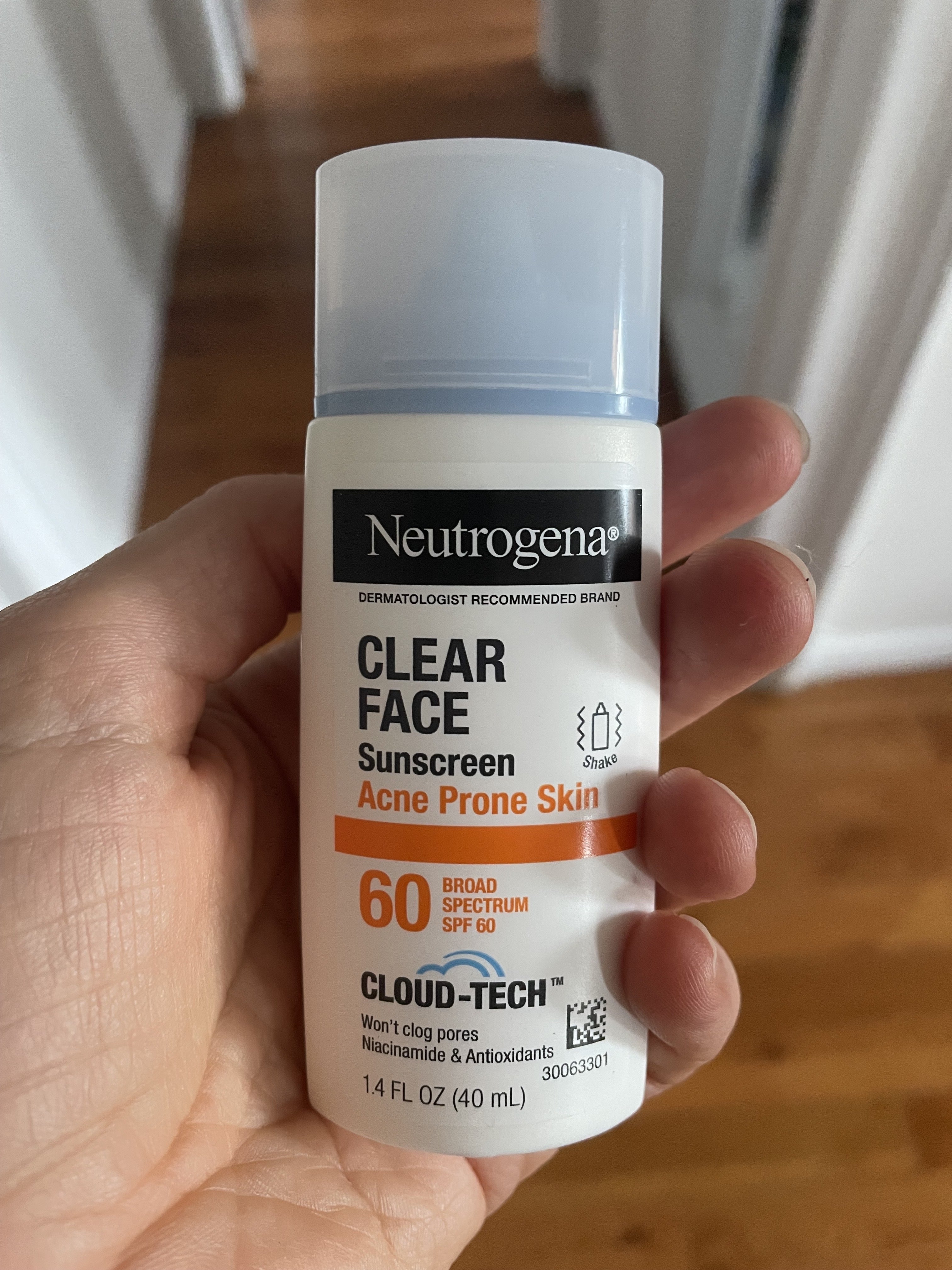
I ended up opting for the acne-targeted version because even at 41, I'm still prone to clogged pores and random breakouts because being a woman is just endless fun.

It's small enough to go in a carry-on bag, if that's a plus for you.

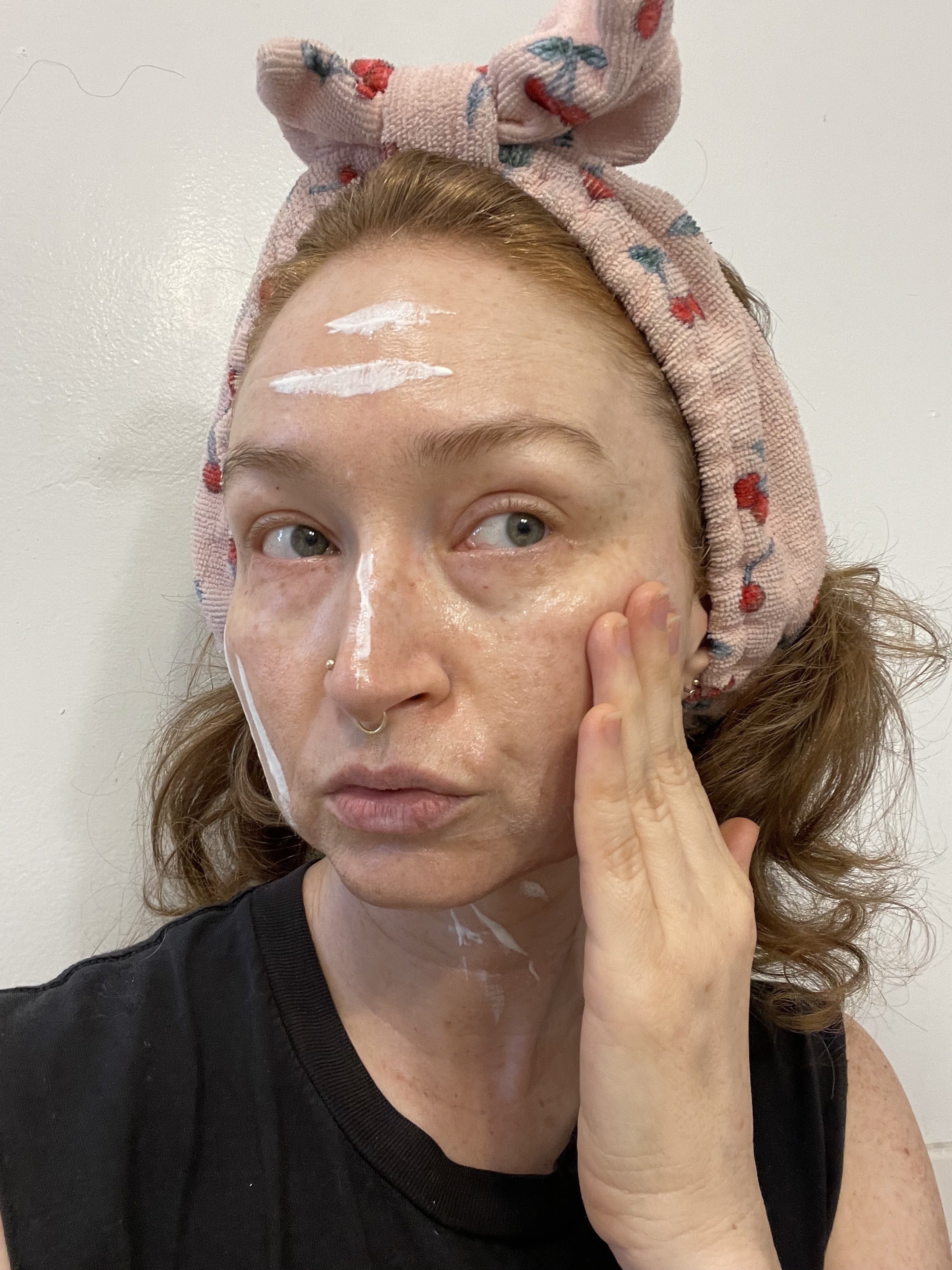
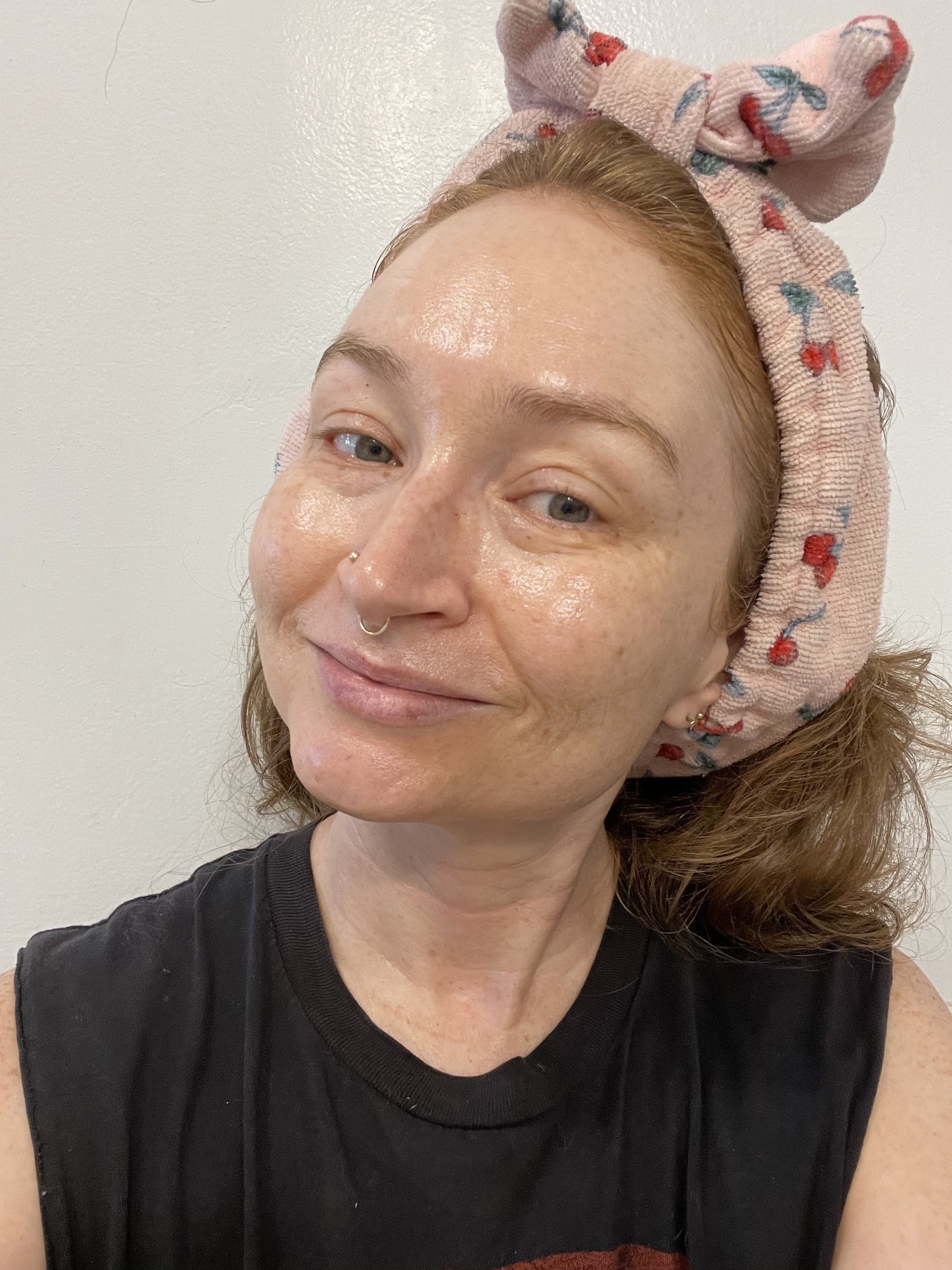
Since I don't wear foundation, I can't speak to what it's like to use this sunscreen under makeup, but the finish feels light enough that I think it should layer up no problem.

It doesn't feel as moisturizing as my usual sunscreens, but if I apply a light serum underneath it, it works for me just fine.

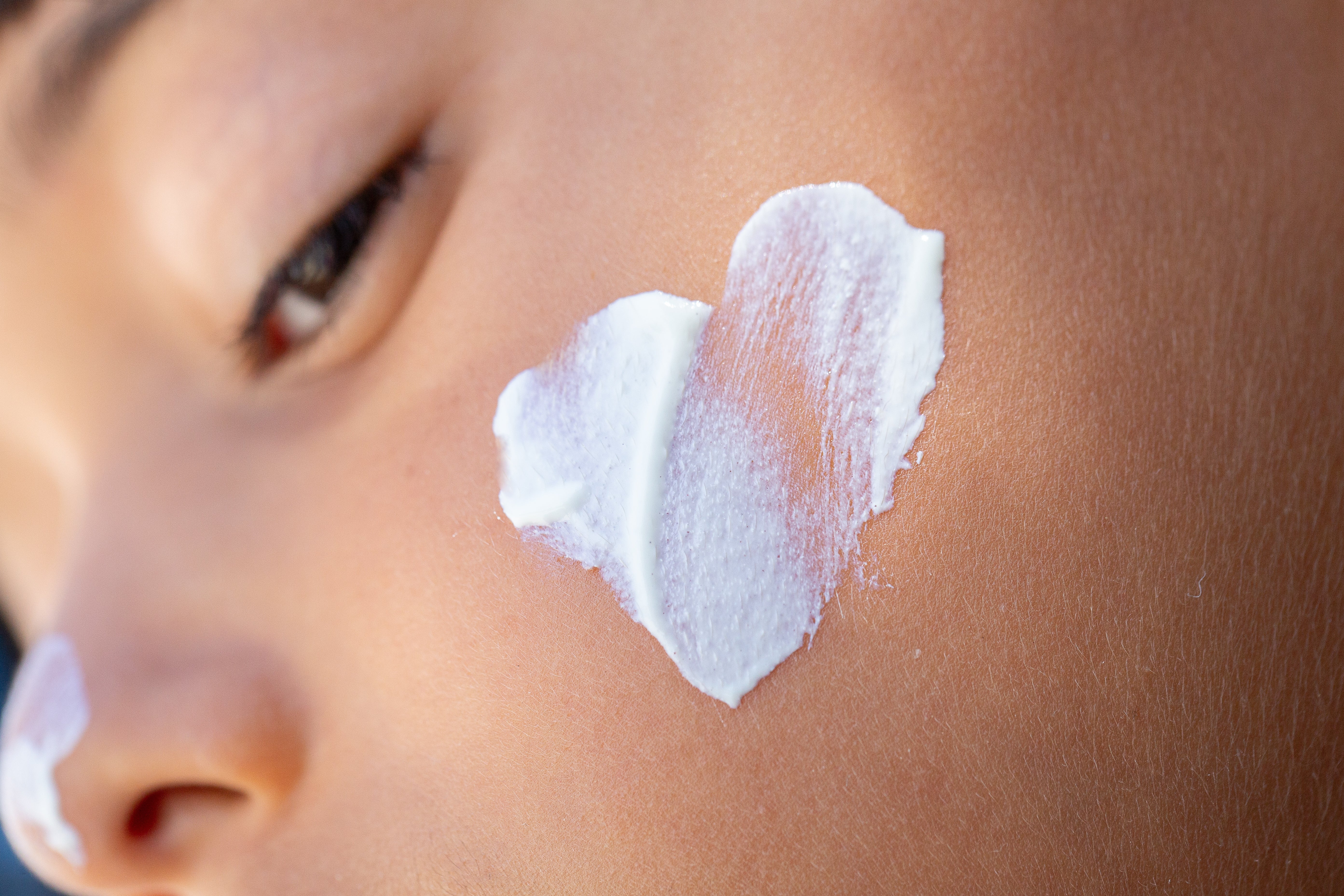
But then, I got bolder with my application and flew too close to the sun. When I put it too close to my eye area, I immediately felt a little bit of the old sunscreen burn. BUT, it was nowhere near as painful as some other sunscreens I've had the misfortune of using in the past.

And, of course, I haven't been sunburned in this time, even on a sunny morning when I took a leisurely four-mile walk to start the day.

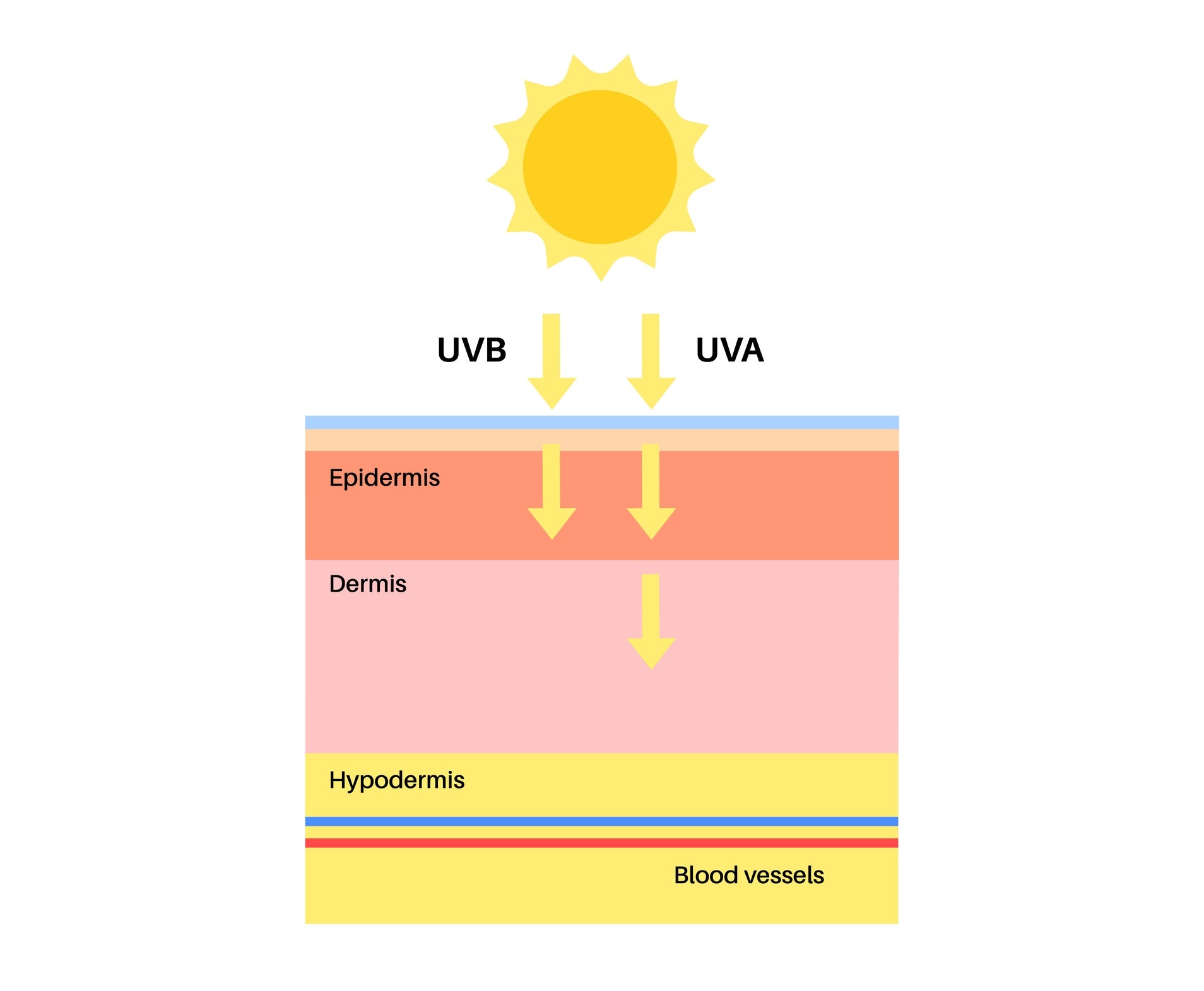
UVA rays have a longer wavelength, which allows them to go deeper into your skin. They're the rays responsible for skin aging and DNA damage that can lead to skin cancer.

UVB rays affect the surface of the skin, causing sunburn. But they're also the rays we need to make vitamin D.

But it's still possible that some people could have reactions to other ingredients present in any new skincare product. "So for my very sensitive patients," Dr. Palm continued, "I would still recommend looking at the entire ingredient list and testing a new product on a small area first. And if someone has previously had a true allergic reaction to sunscreen, that's worth discussing with a dermatologist rather than assuming a new filter will necessarily solve the problem."

She continued, "I think it's important to put that in context — detecting an ingredient in the bloodstream does not automatically mean that ingredient is harmful, but with bemotrizinol, we have the additional reassurance that systemic exposure appears to be very low."
Comments
You must be logged in to comment.