bbc Press
UK threatens visa bans for Eritrea over migrant return policy
Images
1 / 20
2 / 20
3 / 20
4 / 20

5 / 20
6 / 20

7 / 20

8 / 20

9 / 20

10 / 20

11 / 20

12 / 20

13 / 20

14 / 20

15 / 20
16 / 20

17 / 20

18 / 20

19 / 20
20 / 20
Home Secretary Shabana Mahmood has threatened to ban all Eritreans from entering the UK if the east African country's government does not accept more returns of small boat migrants and foreign national offenders.

From Thursday, Eritrean diplomats will face restrictions on their movement outside London. Fast-track visas will also be stopped for VIPs.

Ministers have previously pressured other countries into accepting returns by threatening visa bans.

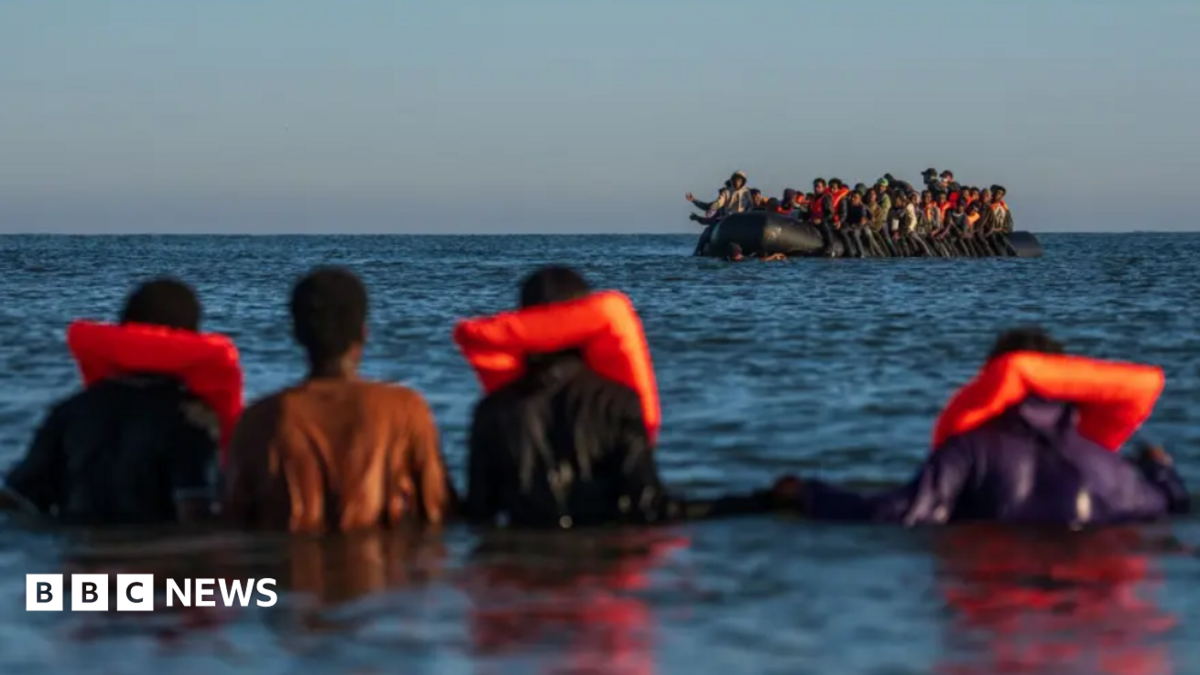
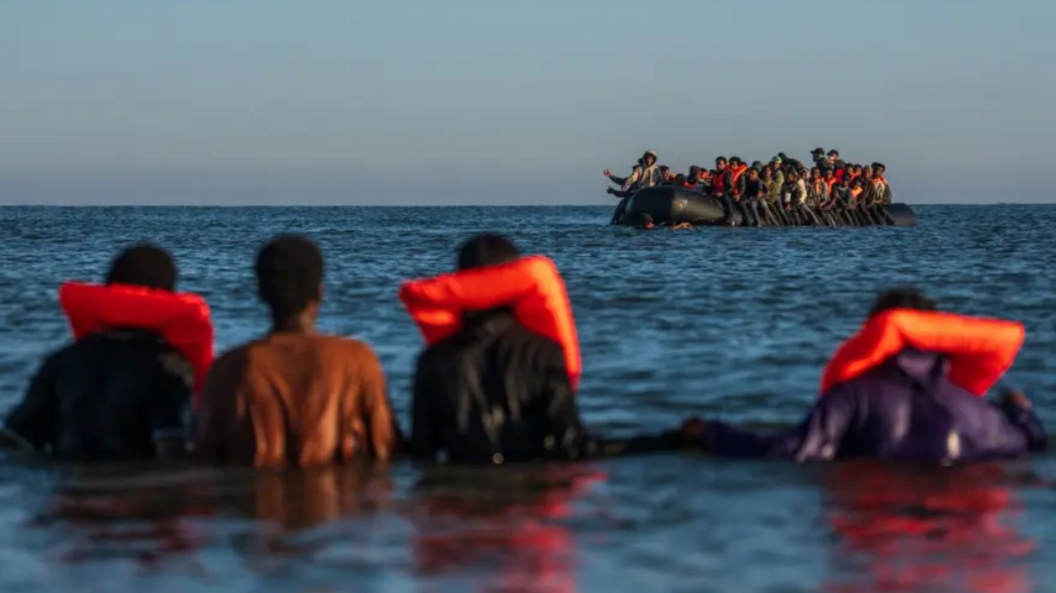
Eritreans were the most common nationality among small boats migrants in the 12 months to June - accounting for 18% of arrivals, external, according to figures from the House of Commons Library.

The Eritrean embassy in London has been contacted for comment.

"Eritrea has had every chance to accept the return of criminals and those with no right to be in the UK. Unlike other countries, it has refused," said Mahmood.

She said she would not hesitate "to impose further measures on other countries refusing to co-operate".

The UK government accused the Eritrean authorities of "abruptly" withdrawing co-operation earlier this year.

The restrictions mean diplomats are banned from travelling 60km outside London without permission.

The Home Office said this mirrored restrictions on British officials in Eritrea's capital Asmara.

Dr Madeleine Sumption, director of the Migration Observatory at the University of Oxford, said targeting Eritrea would have little impact.

"Eritrea is one of the major countries of origin for asylum seekers coming to the UK - we had roughly 7,000 asylum applications in the last year of data, roughly 8% of the total," she told BBC Radio 4's Today programme.

"Most Eritereans who come and claim asylum are not removable at all - the government would never be in negotiations to remove them because 84% are successful at initial decision; more will be successful on appeal."

She added that about 1,400 people were initially refused asylum, but that this number would reduce after appeals.

Many young Eritreans try to leave the country - which is a one-party state - to avoid military conscription, which can last for decades.

Eritrea has never held an election since independence from Ethiopia in 1993 and there is no independent media. Critics of President Isaias Afwerki have been arrested and jailed for many years, often without trial.

Only four religions are permitted in the country – Orthodox Christianity, Sunni Islam, the Roman Catholic Church, and the Evangelical-Lutheran church of Eritrea – and followers of other religions have been locked up for years on end.

Earlier this year, the UK threatened bans against Angola, Namibia and the Democratic Republic of  Congo (DRC).

Restrictions were announced against the DRC last year, but the Home Office said these have been lifted after co-operation on returns improved.

Angola and Namibia both agreed changes before restrictions were introduced.

When announcing changes to the UK's asylum system in November, Mahmood said visa penalties would be applied to countries that failed to co-operate with returns policies.

Penalties included an "emergency brake" on visas for countries with high asylum claims until they take back citizens in the UK illegally.

But Sumption pointed out that the government may avoid targeting certain countries to avoid damaging trade relationships.

"If you're looking at overall numbers of people who are refused asylum and not returned to their country of origin, it would be places like Pakistan, also Bangladesh that are right at the top of the list," she said.

"But the collateral damage of a ban on visas for those countries when you have so many international students coming, for example, [and] a lot of people coming on work visas would be much greater than a country like Eritrea."

According to Home Office data, more than 20,400 people have arrived in the UK by small boats so far since the beginning of this year, down 40% from the same period last year.

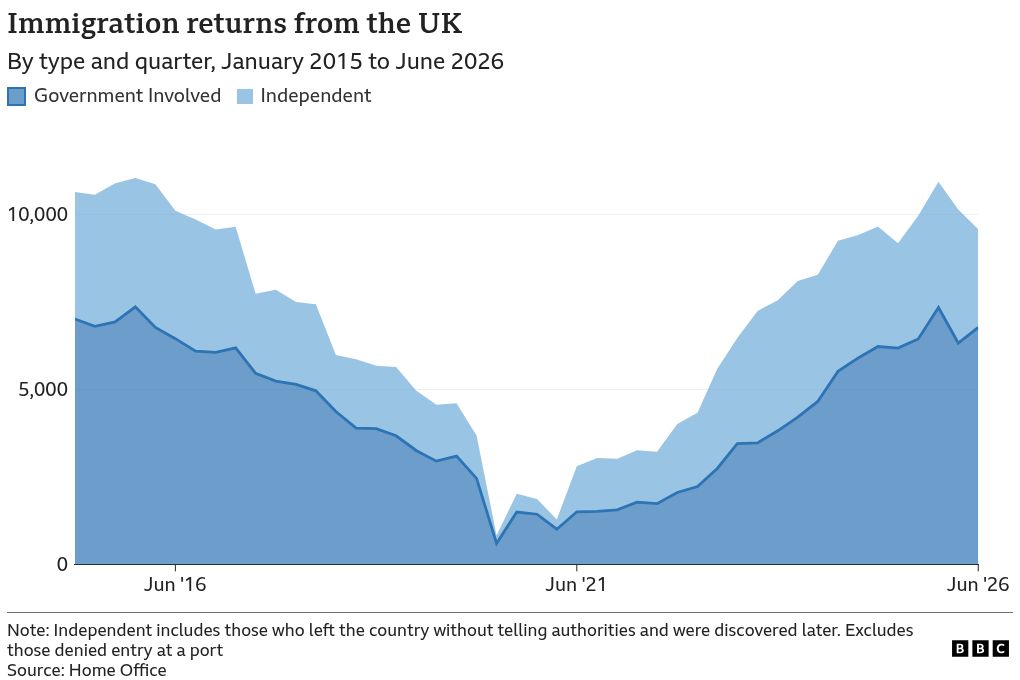
There were more than 40,600 returns and deportations from the UK from July 2025 to June this year - an 8% increase on the same period last year.

Of those who had been returned, fewer than 6,000 have been convicted of a criminal offence.

The government requires people who are in the UK, but no longer have permission to live or work in the country, to leave.

This is called a return and can happen voluntarily or involuntarily.

People can lose the right to be in the UK for different reasons, such as a visa expiring, an asylum claim being refused, or by receiving a criminal conviction that results in deportation.

There were 40,605 returns from July 2025 to June 2026. This was up by 8% on the same period the previous year.

That number of returns is equivalent to about 6% of total emigration from the UK from January 2025 to December 2025.

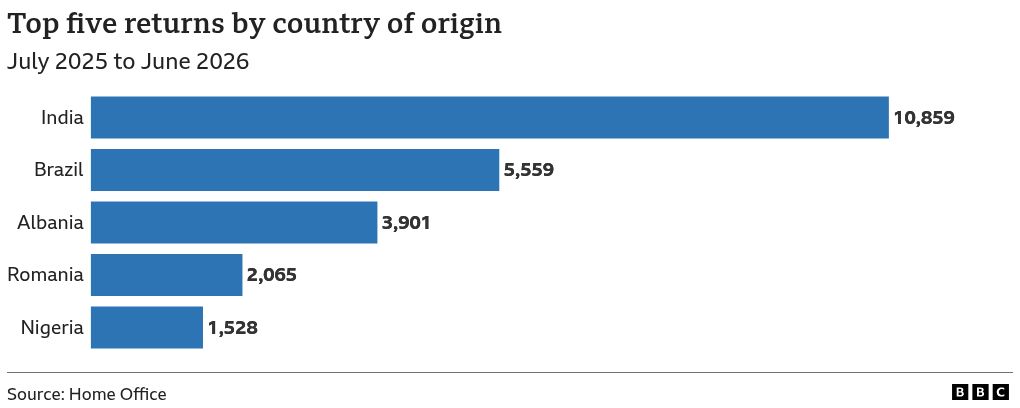
Of all returns from July 2025 to June 2026:

People from India made up 27% of all returns from July 2025 to June 2026.

Up until September the UK was trialing a scheme with France to return people who arrived in the country on a small boat.

For every person the UK sent back to France, the UK accepted a number of asylum seekers.

This was called the "one in, one out" deal. As of 30 June 2026, 1,087 people were returned through this arrangement.

Returns can happen in different ways. "Enforced returns", which includes deportations, means the government arranges transport to return people to a different country. In some cases, people are escorted by officers.

All other returns are "voluntary". This means a person has agreed to leave and may receive government help with travel and other costs to help facilitate the return.

Some people classed as leaving the country voluntarily do so completely independently and without any government knowledge or involvement.

Independent returns made up 34% of the total from July 2025 to June 2026.

Hundreds of migrants enter UK after 10-day lull

UK restricts DR Congo visas over migrant return policy

Three African countries agree to UK migrant returns after visa penalty threat

Sign up for our Politics Essential newsletter to keep up with the inner workings of Westminster and beyond.
Comments
You must be logged in to comment.