bbc Press
Professor shares 'most important thing to do' when someone is grieving
Images
1 / 20
2 / 20
3 / 20
4 / 20
5 / 20

6 / 20

7 / 20

8 / 20

9 / 20

10 / 20

11 / 20

12 / 20

13 / 20

14 / 20

15 / 20

16 / 20
17 / 20

18 / 20
19 / 20

20 / 20
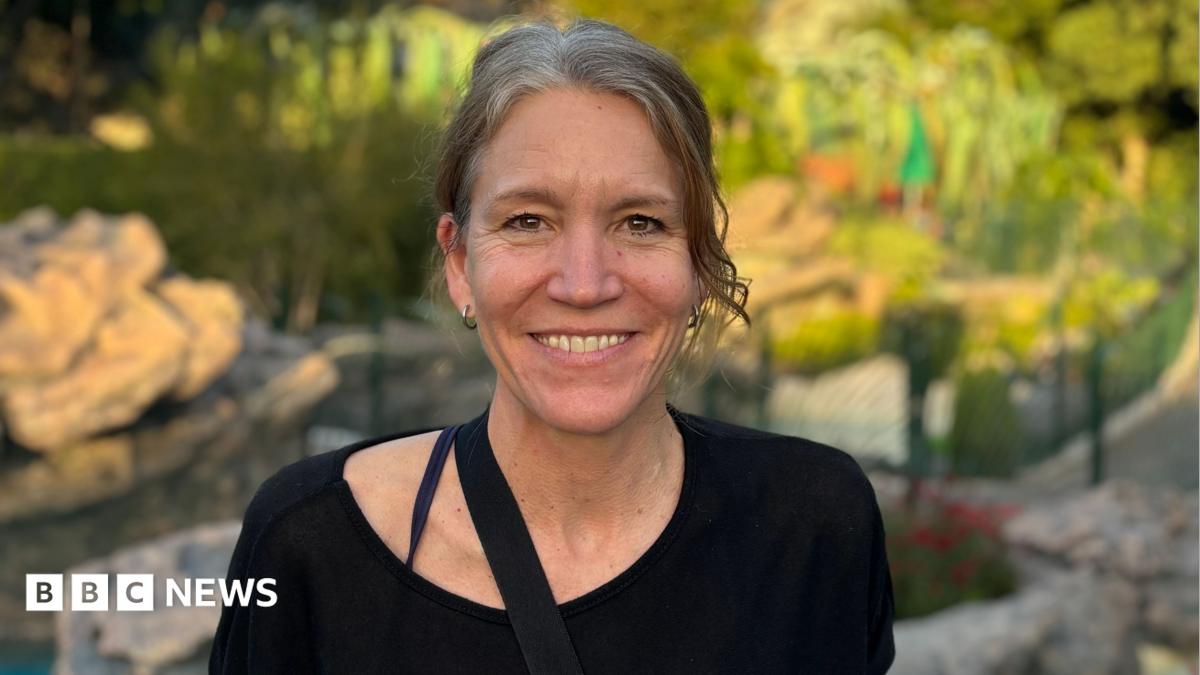
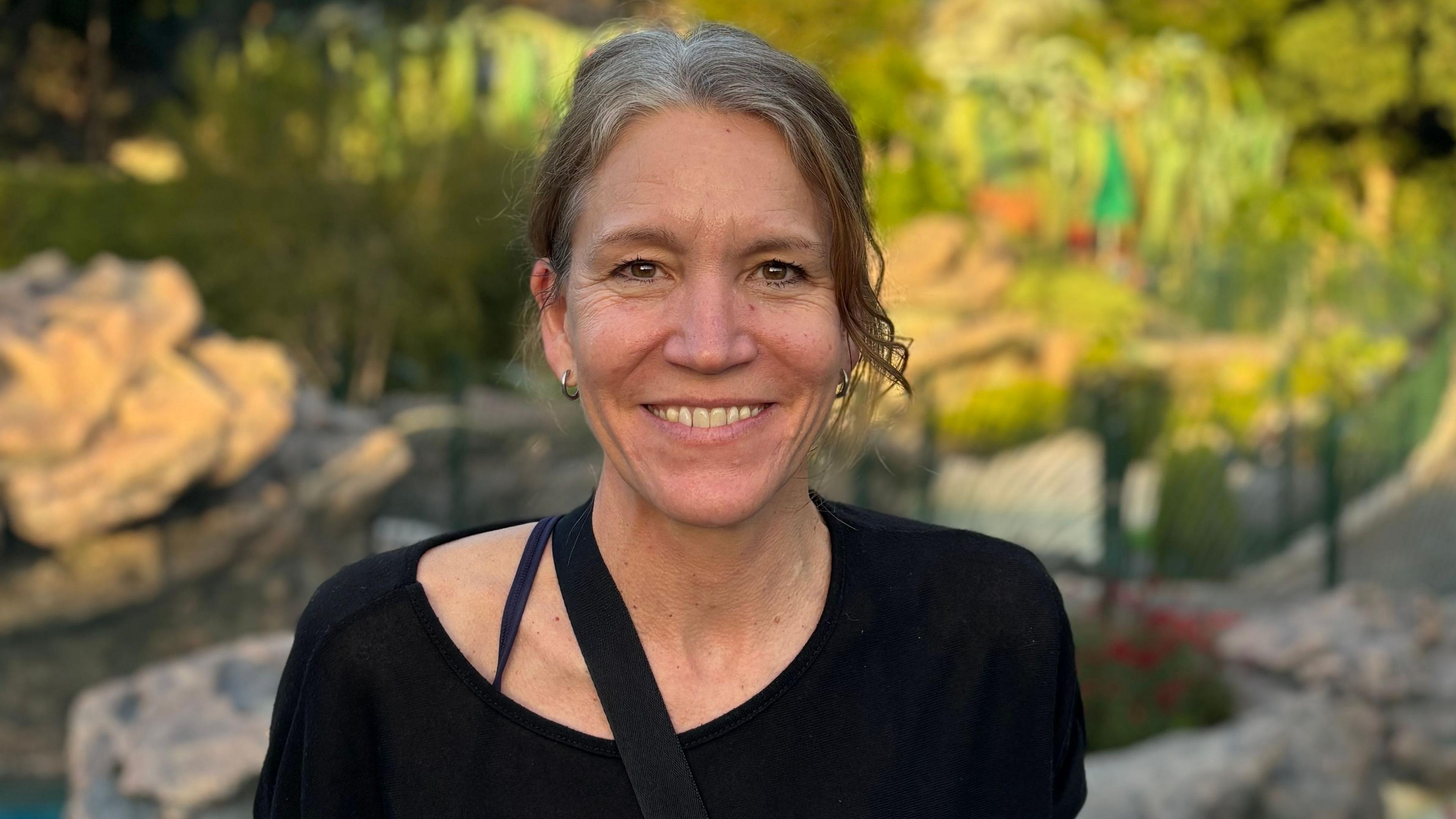
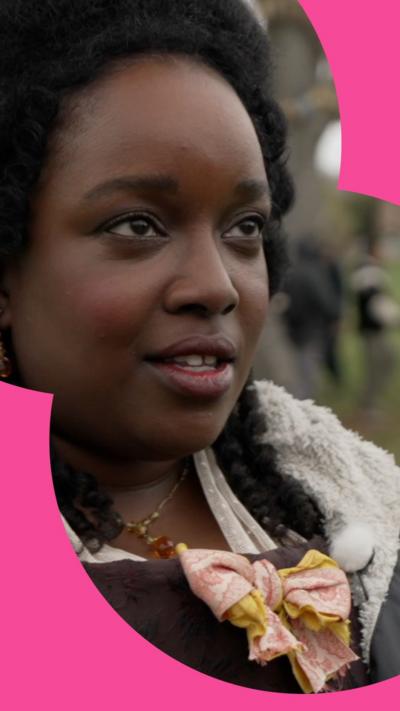
Dr Lesel Dawson encourages bereaved people to talk about their feelings in order to cope with grief

Knowing what to say or how to support someone after a bereavement can be difficult. Fear of saying the wrong thing or intruding at a sensitive time can leave people worried about getting it wrong and avoiding reaching out altogether.

But Dr Lesel Dawson, from the University of Bristol, said this is the worst thing people can do.

Speaking ahead of an annual Good Grief Festival that Dawson is co-director of, she said: "The most important thing when helping someone dealing with grief isn't what you say, but that you don't turn away.

"A simply acknowledgement like, 'I'm so sorry and I'm here' can mean a great deal and it's vital to let the grieving person lead- to follow their pace, their language and their need to talk about the person who died."

The associate professor in Literature and Culture also said people avoiding dealing with their own grief can create lifelong challenges.

Woman 'taken too soon' as husband charged with murder

Improv community 'devastated' by theatre closure

Mum faces heart transplant wait far from home

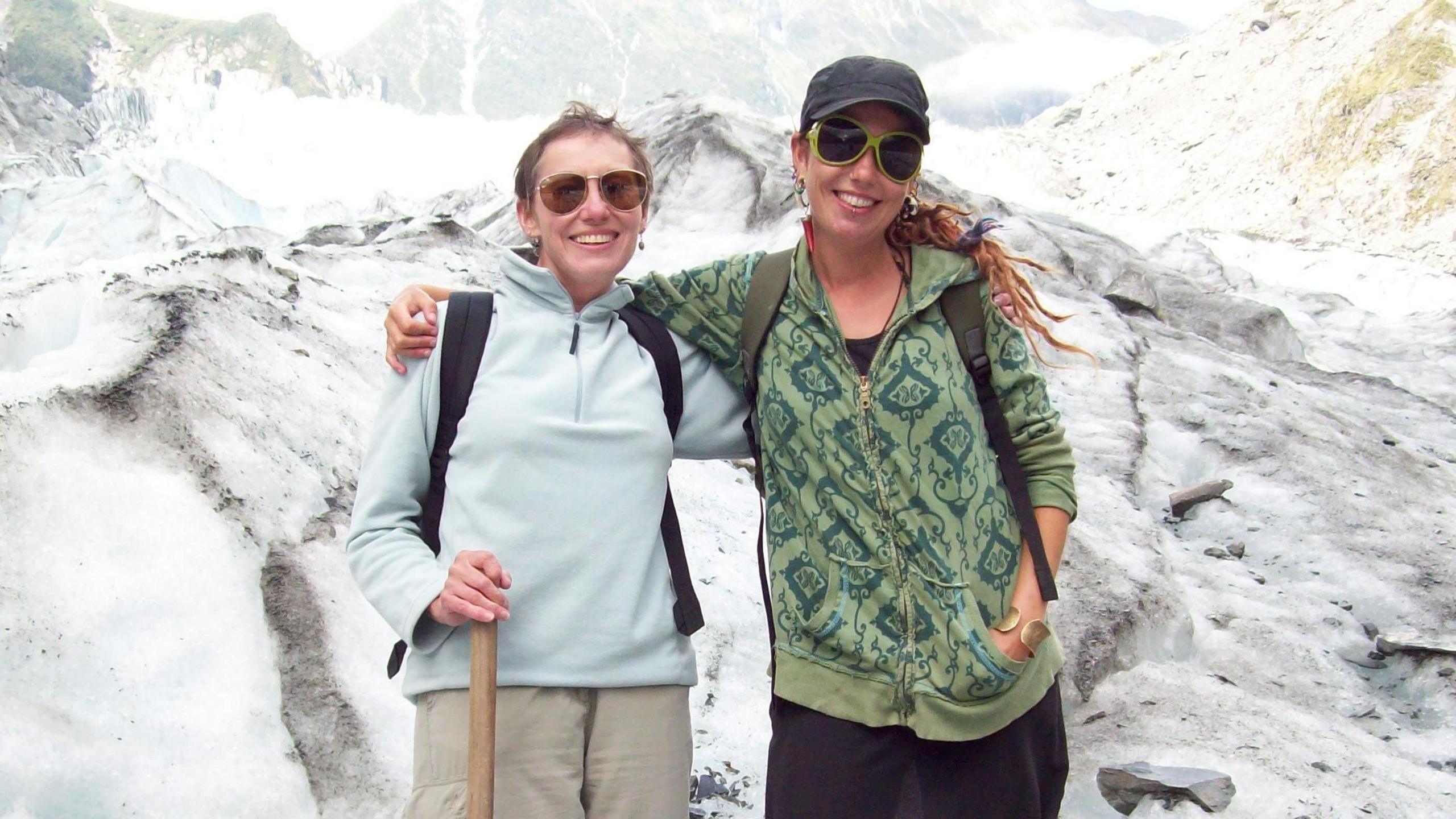
Dawson's own understanding of grief was shaped by the stillbirth of her younger sister when she was eight years old and learning that for many years her mother blamed herself for the child's death.

"The way we avoid grief can be really harmful to us," Dawson said. "Being able to turn toward the pain of the experience is the only way we process what's happened."

She said the lack of conversation about grief meant it took "a while" to fully grasp what had happened.

Research commissioned by Marie Curie found , externalthat while 70% of people feel comfortable talking about death, far fewer have actually had those conversations with family, friends or healthcare professionals.

While her mother struggled to cope with the bereavement, Dawson found an interest in psychology and emotions.

But after Dawson's first son was born at 29 weeks and suffered complications linked to the premature birth, the loss of her sister and the memory of her mother's "great pain" came to the forefront of her mind.

When Dawson revisited the difficult topic of conversation with her mother after her own pregnancy experience, she realised that her mother "felt [the stillbirth] was her fault".

"I said to her, 'was it my fault that my son was born early?' and she said, 'no of course not'.

"I said, 'okay, why can you not show the same compassion to yourself and your own loss?'" Dawson told BBC Radio Bristol.

She added that feelings of blame and guilt were "very common" during bereavement and could lead to "destructive" coping mechanisms.

"The biggest myth about grief is that it happens in neat, orderly stages and that you eventually get over it," said Dawson.

"In reality, grief is messy, unpredictable and deeply individual. People move back and forth between feelings, and the idea of a tidy, linear process simply doesn't reflect how grief actually works."

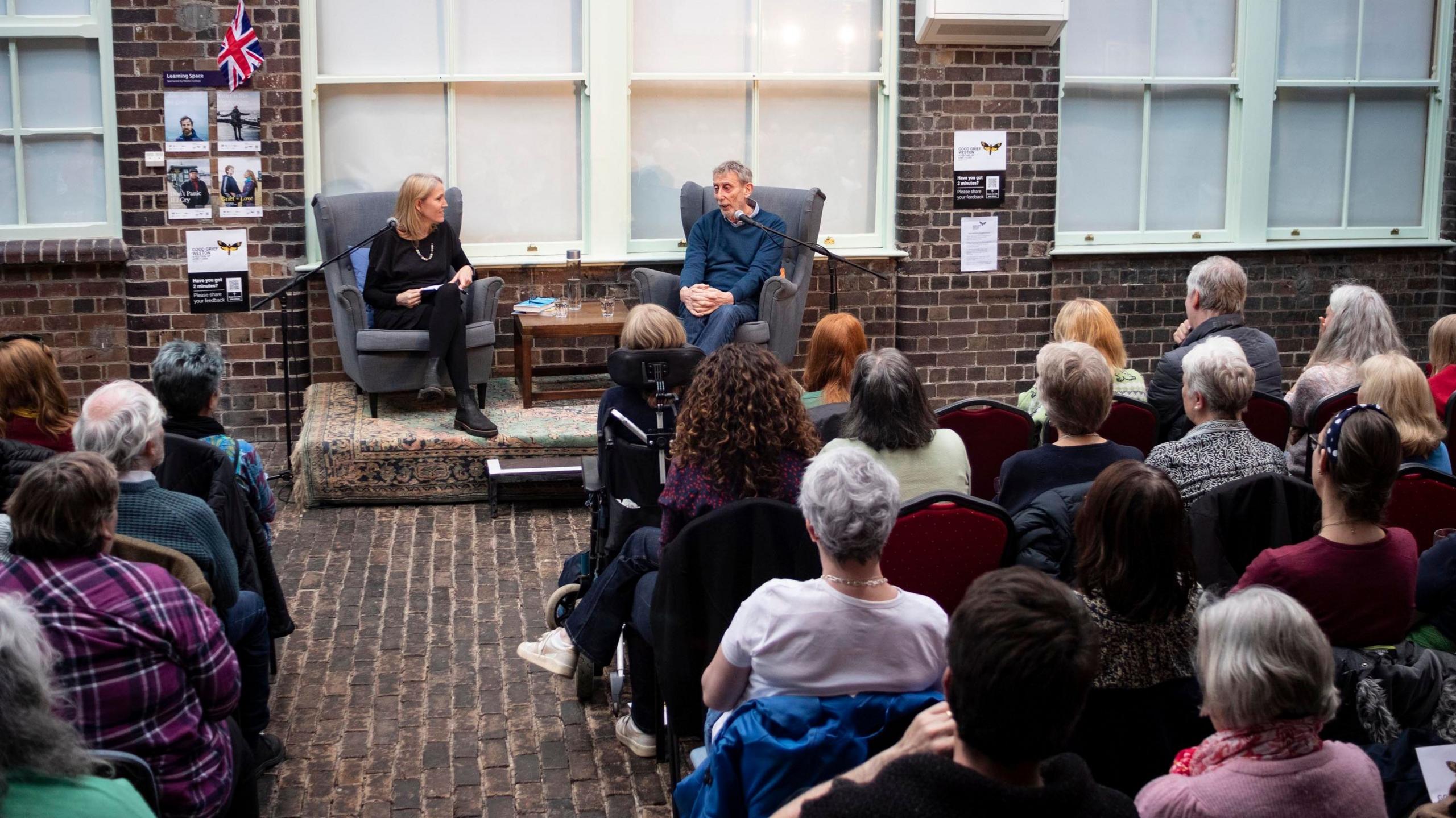
Good Grief Weston offers workshops, talks and musical performances aimed to start and normalise conversations about loss

Following her own experiences with grief, Dawson took up the role of co-director of Good Grief, a festival in Weston-super-Mare that aims to start and normalise conversations about death, dying and bereavement.

The festival, which begins later, offers a number of workshops, music events, talks and light installations until Sunday.

"Grief involves lots of emotions, it involves sadness, but also anger, numbness, jealousy, rage… they're not sequential.

"Everybody's individual. We have our own ways of grieving and coping and we have our own timelines," Dawson said.

If you or someone you know has been affected by the details raised in this story, advice on where to find help and support can be found at BBC Action Line.

Your Voice

Follow BBC Bristol on Facebook, external, X, external and Instagram, external. Send your story ideas to us on email or via WhatsApp on 0800 313 4630.

'There's no textbook on how to grieve properly'

Teenager who lost mum says she no longer feels alone in her grief

New right to bereavement leave to cover step and half relatives

Good Grief Festival
Comments
You must be logged in to comment.