buzzfeed Press
You Will Be INCREDIBLY Surprised To Learn About These 16 Bizarre Origins Of Everyday Traditions And Superstitions (Especially Number 5)
Images

1 / 20

2 / 20

3 / 20

4 / 20
5 / 20

6 / 20
7 / 20

8 / 20

9 / 20
10 / 20
11 / 20
12 / 20

13 / 20

14 / 20
15 / 20

16 / 20

17 / 20

18 / 20

19 / 20

20 / 20
I never knew covering your mouth while yawning was SO important.

As a Writer at BuzzFeed, I write and curate quizzes, listicles, and articles about everything from pop culture and history to food and fashion.

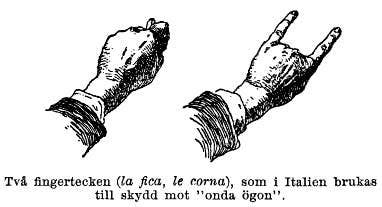
According to one account, the association between horns and infidelity dates back to 12th-century Constantinople (modern-day Istanbul). As the story goes, Emperor Comnenus would abduct the wives of men who had angered him and make them his concubines. He would then hang a deer's head outside their doors to symbolize his conquests.

Over time, the gesture and its association with infidelity spread to other cultures. Today, while the "rock on" hand gesture is widely associated with rock music, it can still be considered offensive in cultures where it symbolizes cuckoldry.

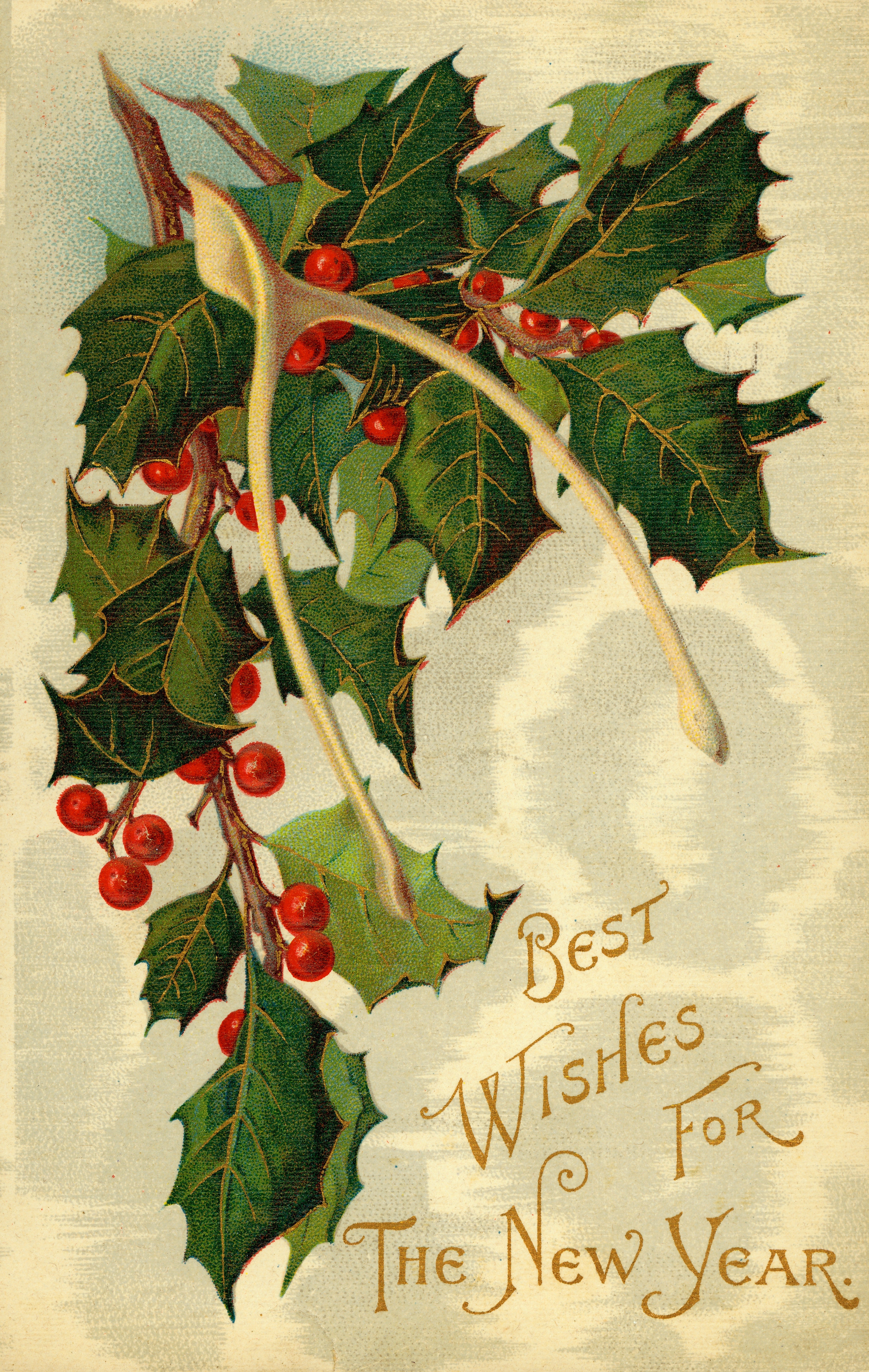
Because of this, kids in the Middle Ages went out in search of four-leaf clovers.

The clover was also said to have been used by St. Patrick as a teaching tool to symbolize the Holy Trinity (one leaf for the Father, one for the Son, and one for the Holy Spirit). And thus, the legend of the lucky four-leaf clover stuck.

This practice was eventually picked up by the Romans. However, since chickens got scarce, people had to break the bones in half so that there were enough to go around.

On the other hand, Christians linked this practice to the wood of the cross on which Christ was crucified.

Some researchers have considered this to have possibly been a more recent phenomenon.

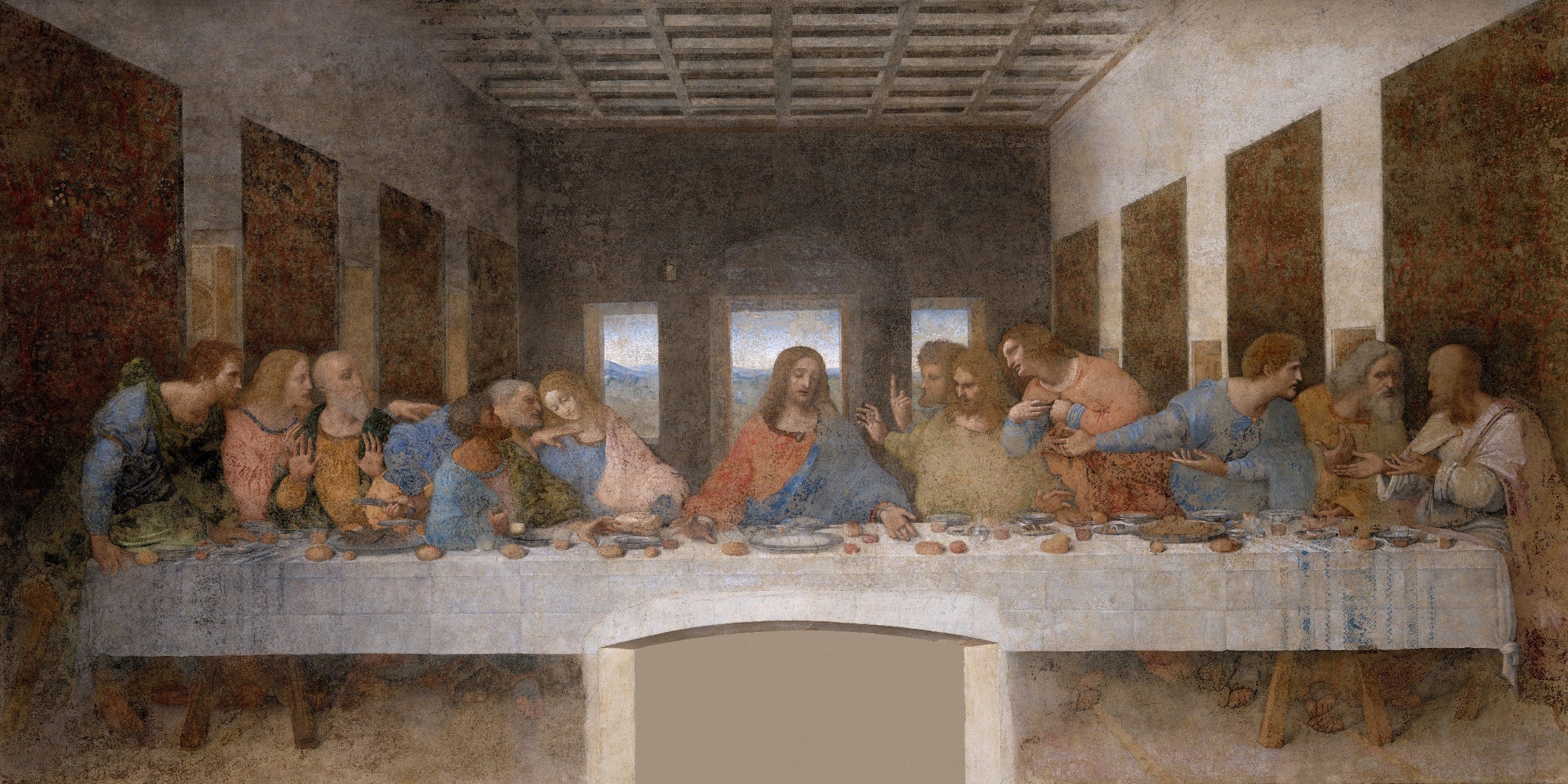
Another reason behind this fear of the number has to do with Leonardo da Vinci's The Last Supper. According to Christian tradition, Judas Iscariot (the person who betrayed Jesus) was the 13th guest at the Last Supper.

In Norse mythology, the mischievous god Loki arrived as the 13th guest at a dinner party, upsetting the balance of the 12 gods in attendance. His arrival was seen as a sign of evil and turmoil.

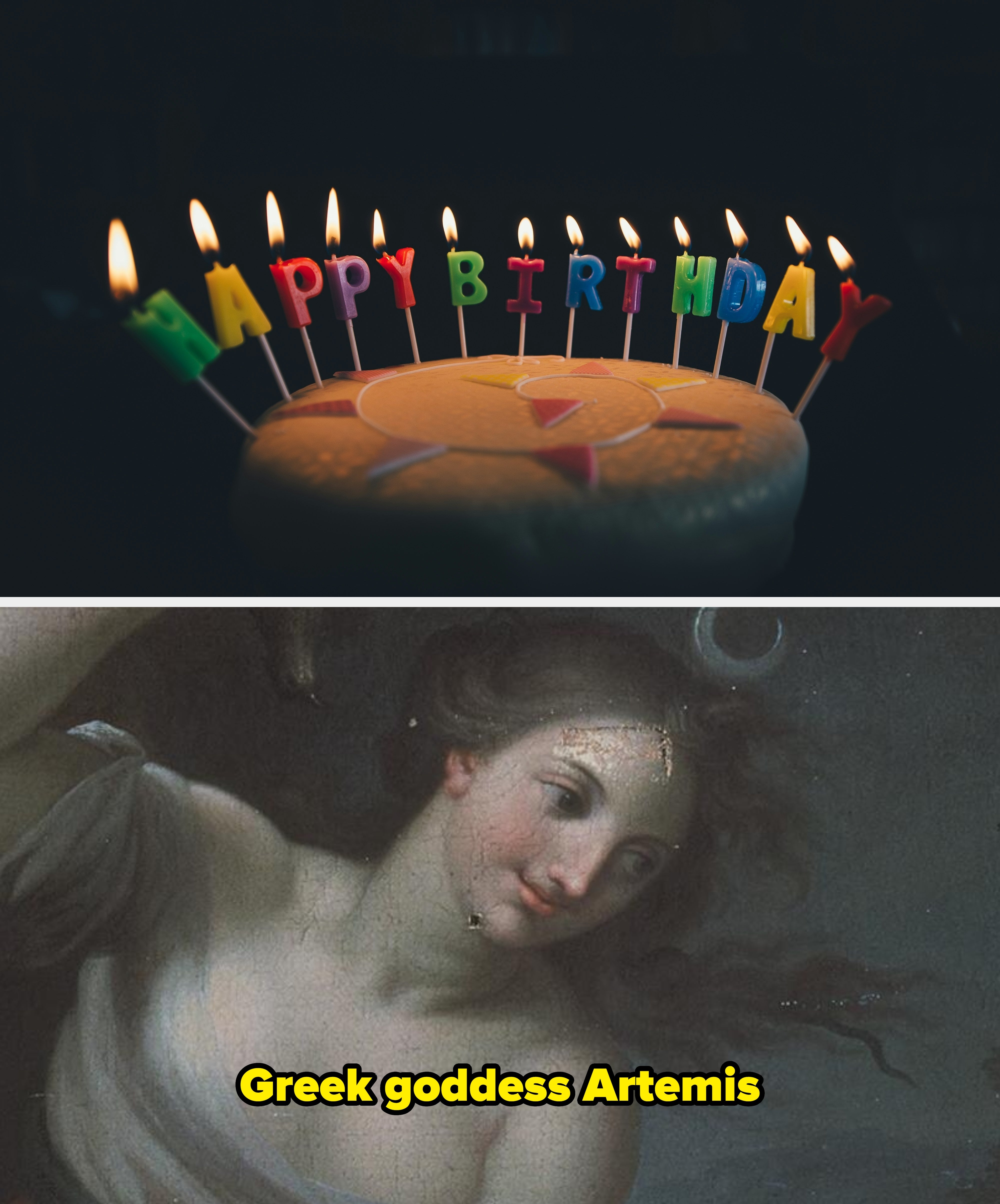
The modern practice of putting candles on birthday cakes is attributed to the German Kinderfest, a traditional festival celebrating children. According to scholars, people believed that children were particularly vulnerable to evil spirits on their birthdays. So the candles may have served as a form of spiritual protection.

The tradition of kissing under the mistletoe is widely believed to have originated with the Vikings. Balder, the god of the summer sun, had a dream that he would die. His mother, Frigg, the goddess of marriage and fertility and wife of Odin, panicked and tried everything to prevent his death. She went to all the elements and asked them not to harm Balder. Loki found a loophole in Frigg's request and used mistletoe (which was not included in her request) to make a poisoned dart that killed Balder.

For three days, the elements tried their best to bring Balder back to life, but eventually, the tears of his mother, Frigg, turned the red mistletoe berries white, bringing Balder back from the dead. Frigg then changed the reputation of mistletoe and kissed everyone who walked underneath it out of gratitude. And that's how kissing under the mistletoe became a tradition.

Another theory has to do with the value of salt, which in ancient times was very expensive, making it currency in some civilizations. So those who spilled salt meant they wasted money, and only the devil could cause someone to act like this. So you would throw salt over your shoulder to blind the devil.

This practice became even more firmly established during the Victorian era, after Queen Victoria began wearing black following her husband's death in 1861 and continued to do so for the rest of her life.

During that time, mourning etiquette became very structured—and ever since then, black attire became associated with solemnity, dignity and respect.

These myths contributed to the belief that walking under ladders is incredibly unlucky.

Another explanation is that there are seven holes in a horseshoe, and many cultures treat 7 as a lucky number because it is everywhere: seven continents, seven colors in a rainbow, and seven seas. These stories created this tradition as we see it today.
Comments
You must be logged in to comment.