buzzfeed Press
10 Fascinating Stories Behind The Music Of "Avatar: Seven Havens" And "Avatar Aang" From The Composer
Images
1 / 14

2 / 14

3 / 14

4 / 14
5 / 14
6 / 14
7 / 14
8 / 14

9 / 14
10 / 14
11 / 14
12 / 14
13 / 14
14 / 14
From expanding Aang’s iconic musical themes to creating an all-synth sound for Seven Havens, composer Jeremy Zuckerman breaks down how he’s evolving the music of Avatar.

I’m a pop-culture writer covering everything from TV and movies, to music, Broadway, books, and games.

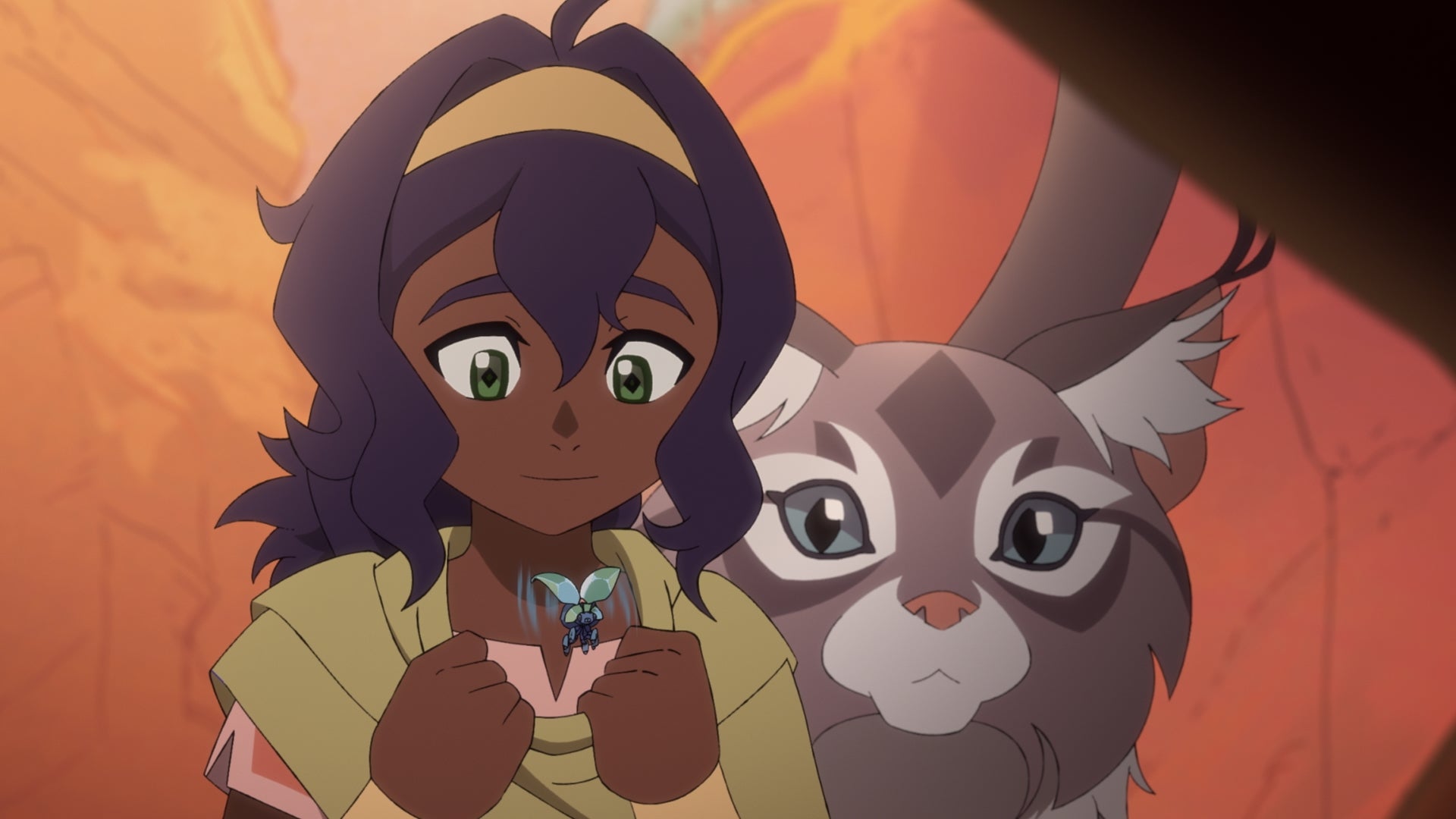
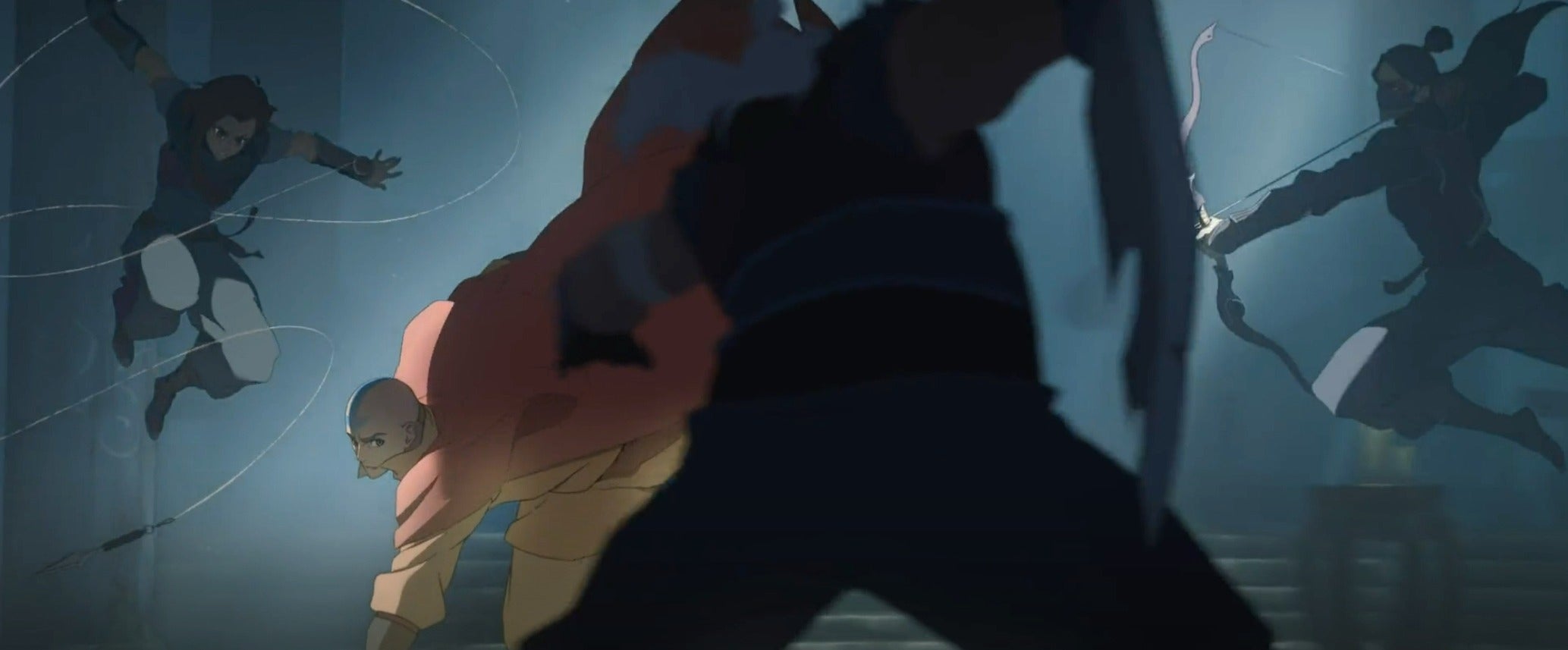
From the unforgettable melodies of Avatar: The Last Airbender to the haunting score of The Legend of Korra, Jeremy has helped shape Avatar's iconic sound. Now, he’s taking that experience in two different directions with Avatar Aang: The Last Airbender and Avatar: Seven Havens.

To celebrate the release of both projects, I chatted with Jeremy about bringing Aang’s story to the big screen, reimagining some of the franchise’s most familiar musical themes, and creating an entirely new sound for Seven Havens — including an all-synth score, Carnatic music, and some seriously unique techniques.

Here's everything we unpacked about the evolution of Avatar's music.

Note: This interview has been edited for length and clarity.

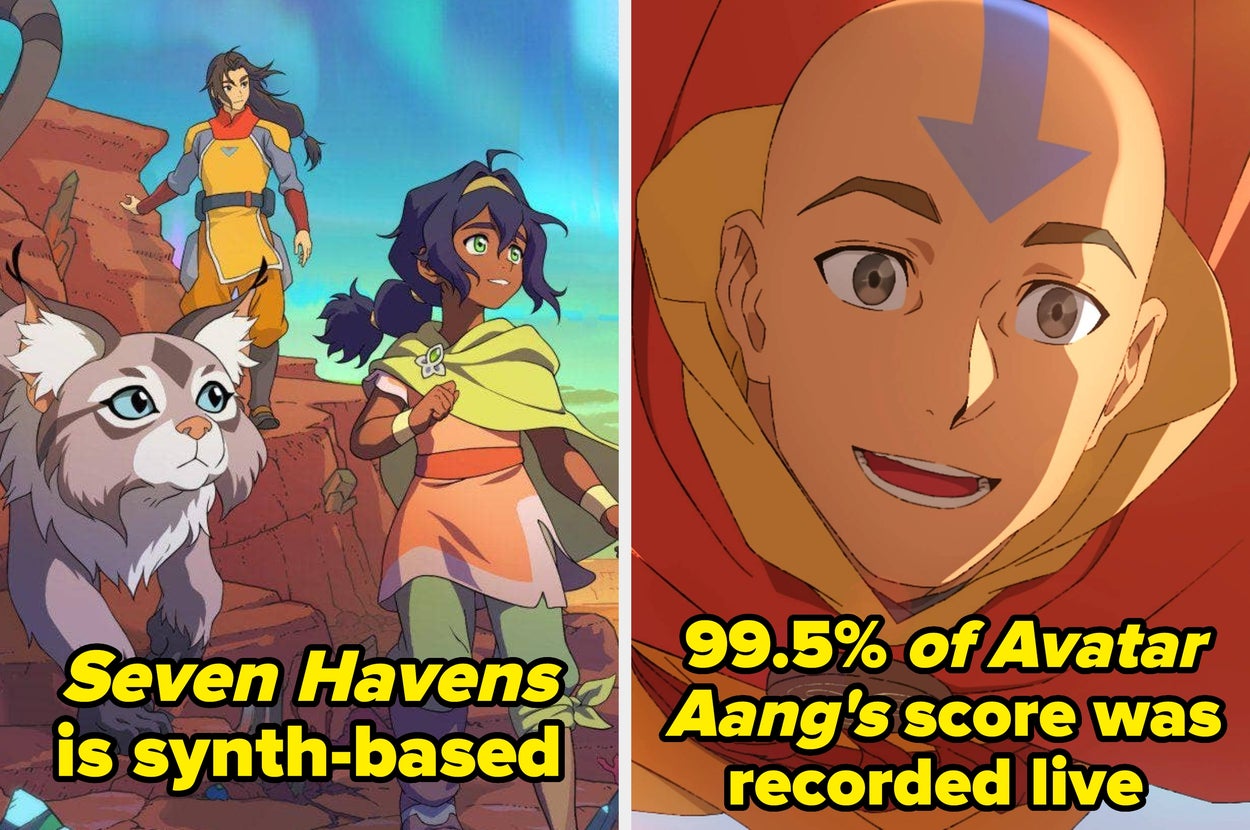
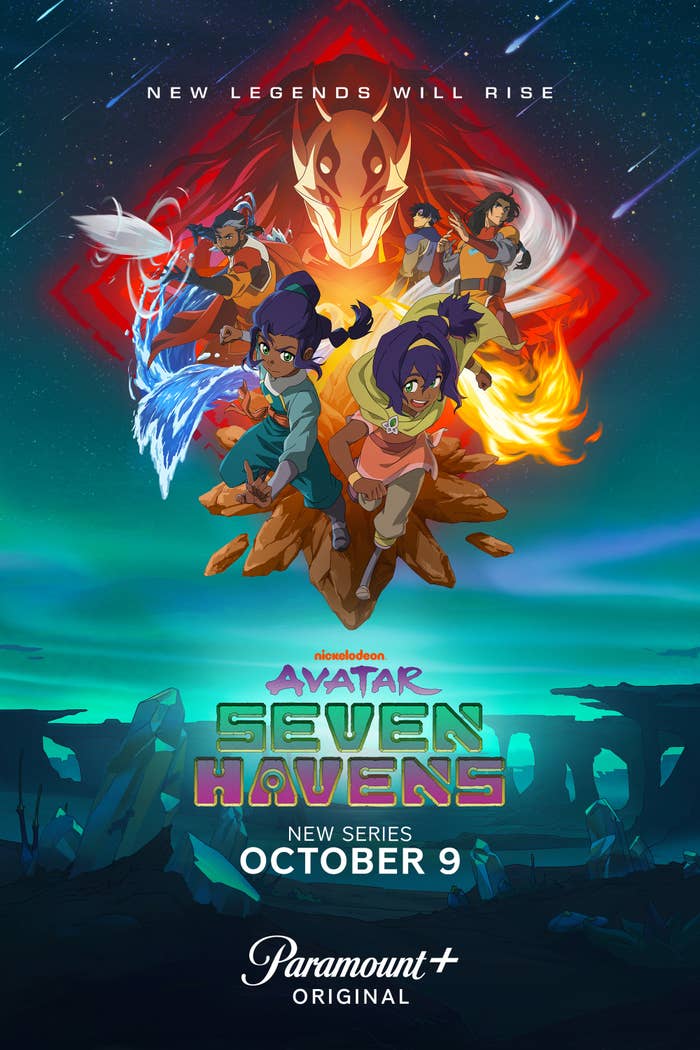
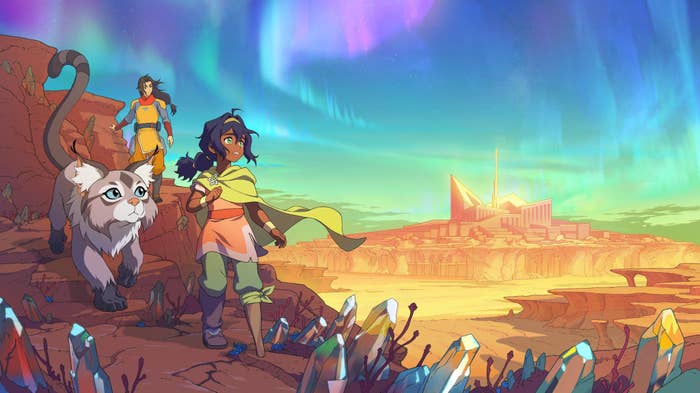
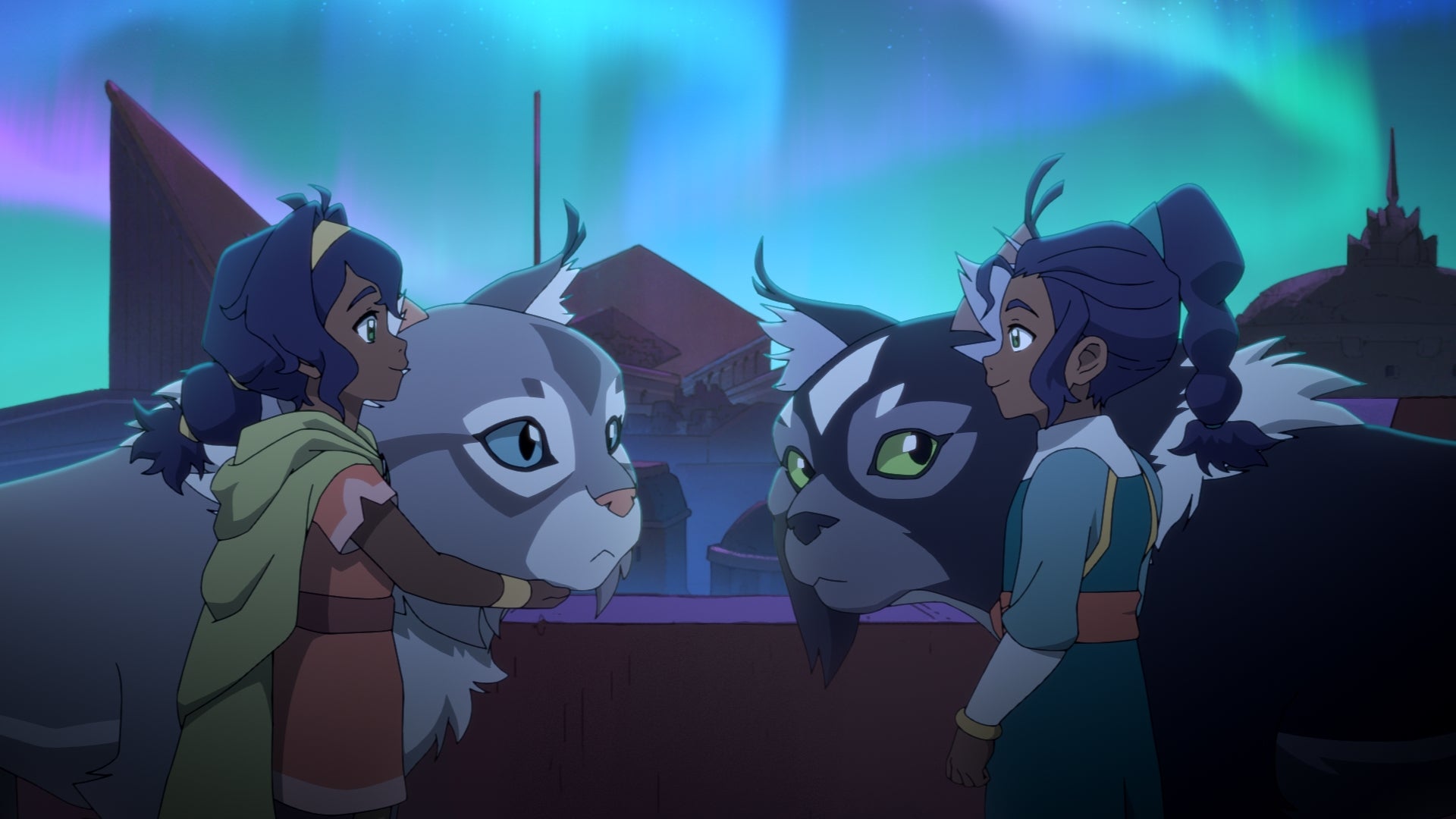
Jeremy: Seven Havens takes place in this dystopian future world, and Bryan thought it would be interesting to do something in the Avatar-verse that's all synthesis. We haven't really done that yet. I'm very comfortable with electronic and computer music; it was my focus at Berklee and CalArts, so it wasn't really a stretch for me

It is different when you're scoring, though; there are a lot of practical things that come into play. I haven't scored a ton of electronic music. I've done a bit, like Season 3 of the Scream TV series — but it definitely took some experimentation.

It's been a great process of reacquainting myself with some of the old tools and also learning newer tools that have come out.

Jeremy: The main title, in particular, took some time to figure out. I actually redid it, and I was trying to figure out how to make it special.

I used a counting method called Konnakol ["a vocal percussion technique used in South Indian Carnatic music" via Forbes] — so there are elements of Carnatic music in there. It's a pattern like "thakadhimi, thakadhimi, thakita," where you use the syllables to count.

You think of rhythm very differently from Western music. You don't really think of it in terms of 4/4 or 3/4, or these meters — you think of it in terms of these rhythmic phrases.

I thought, I want to find a singer. I think that'd be amazing. I found a Carnatic singer, Varijashree Venugopal, who I wound up also hiring for the Avatar Aang soundtrack. She's wonderful, and she crushes it every time. We used her voice sparingly, so it's really special when it comes in.

Jeremy: It enabled me to be much more immersive in the score and go for these really big sounds, which has been a lot of fun. Some of these dramatic moments are really satisfying because you can have these incredible crescendos and huge releases — and you aren't thinking, Oh, that's cheating, just because you can't do it with a traditional instrument.

A lot of times with Korra, I wanted to stick to that "chamber" sound as much as I could and keep it intimate. The challenge became: How do you get these really epic moments with a smaller chamber ensemble? It was a great challenge, and I think it turned out well — but now I don't have that limitation.

I'm constantly making new sounds, which is a lot of fun. With the film, Avatar Aang, we had this fixed instrumentation. I love doing that, but Seven Havens is a totally different thing.

Jeremy: Without spoiling anything, there's a lot of really beautiful, very emotional stuff in this. Obviously, all stories have tropes. That's how we tell stories. But there are certain aspects of Seven Havens that, for me, are very unique and powerful emotionally. There are some topics I don't think I've seen before in animation, or in any show. Naturally, those kinds of moments also usually have my favorite musical cues.

I'm really curious to see how old fans will react, and how people new to the Avatar world will think about it. It looks really beautiful, the color palette is unique, and it sounds very different than all the other projects.

Jeremy: With Avatar Aang, I had a very specific instrumental palette. The score was 99.5% live-recorded, so there was more strategizing than in the original series, with a lot of pre-planning and conceptualizing beforehand.

I thought I'd be using more of the original themes, but, as I got into it, I realized the film needed new energy and new ideas. When it came to composing, the process was very intuitive, with my main goals being to make something beautiful, dynamic, and detailed — and to deliver it on time.

There were some practical constraints — the score needed to be playable. It needed to be recorded. It needed to be idiomatic so that the musicians could play it well without having time to rehearse. It was a balance between wanting to create something interesting and challenging, yet realistic.

I had a wonderful team, including orchestrators, copyists, and a score coordinator, which was really nice because I could focus on composing. I had a wonderful orchestra contractor, Mark Roberton, who really went above and beyond. I had great conductors. Anthony Parnther was the main orchestra conductor, Joey Newman conducted the first day of the orchestra recording, and Jasper Randall conducted the choir. It was a real treat.

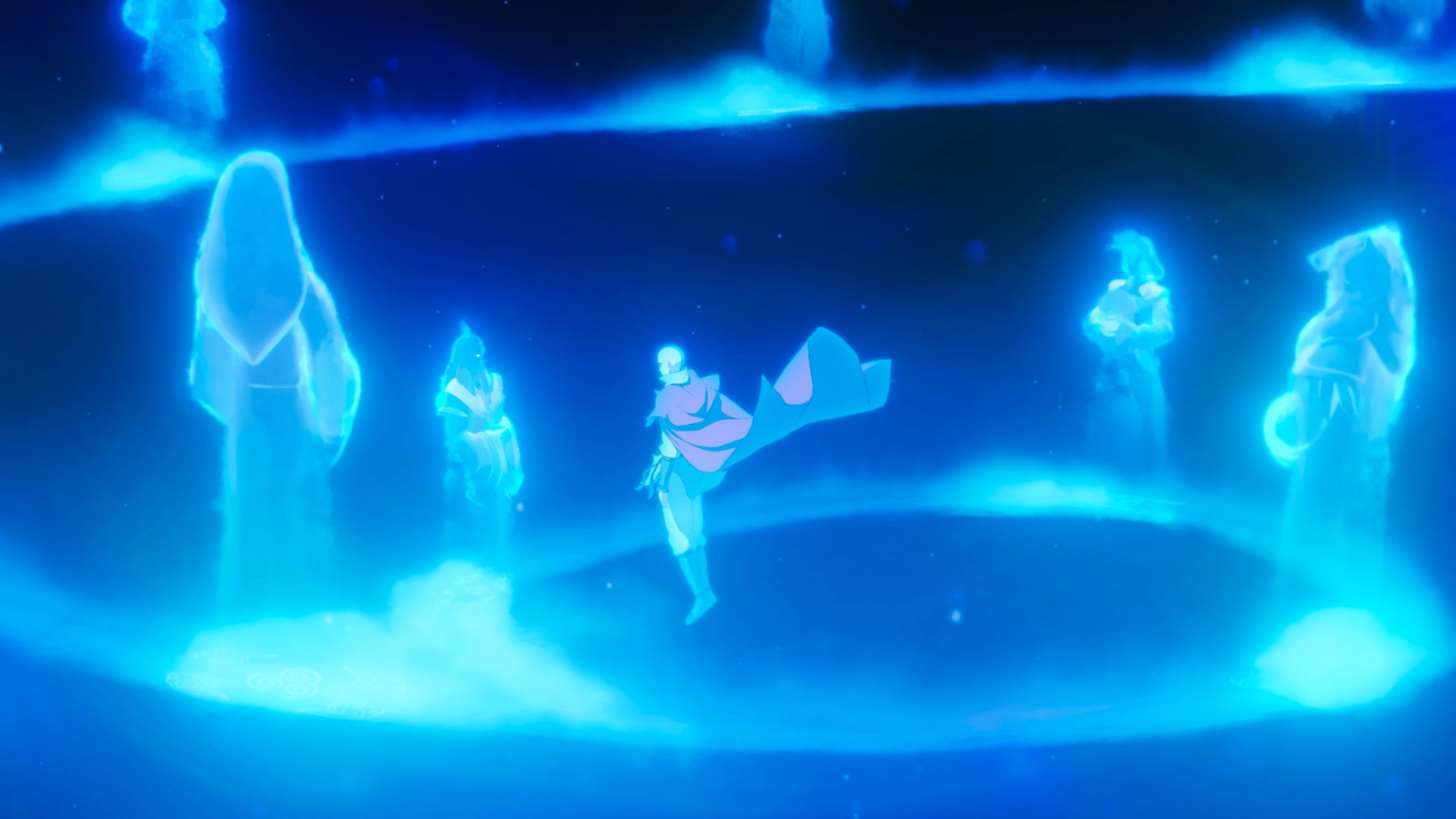
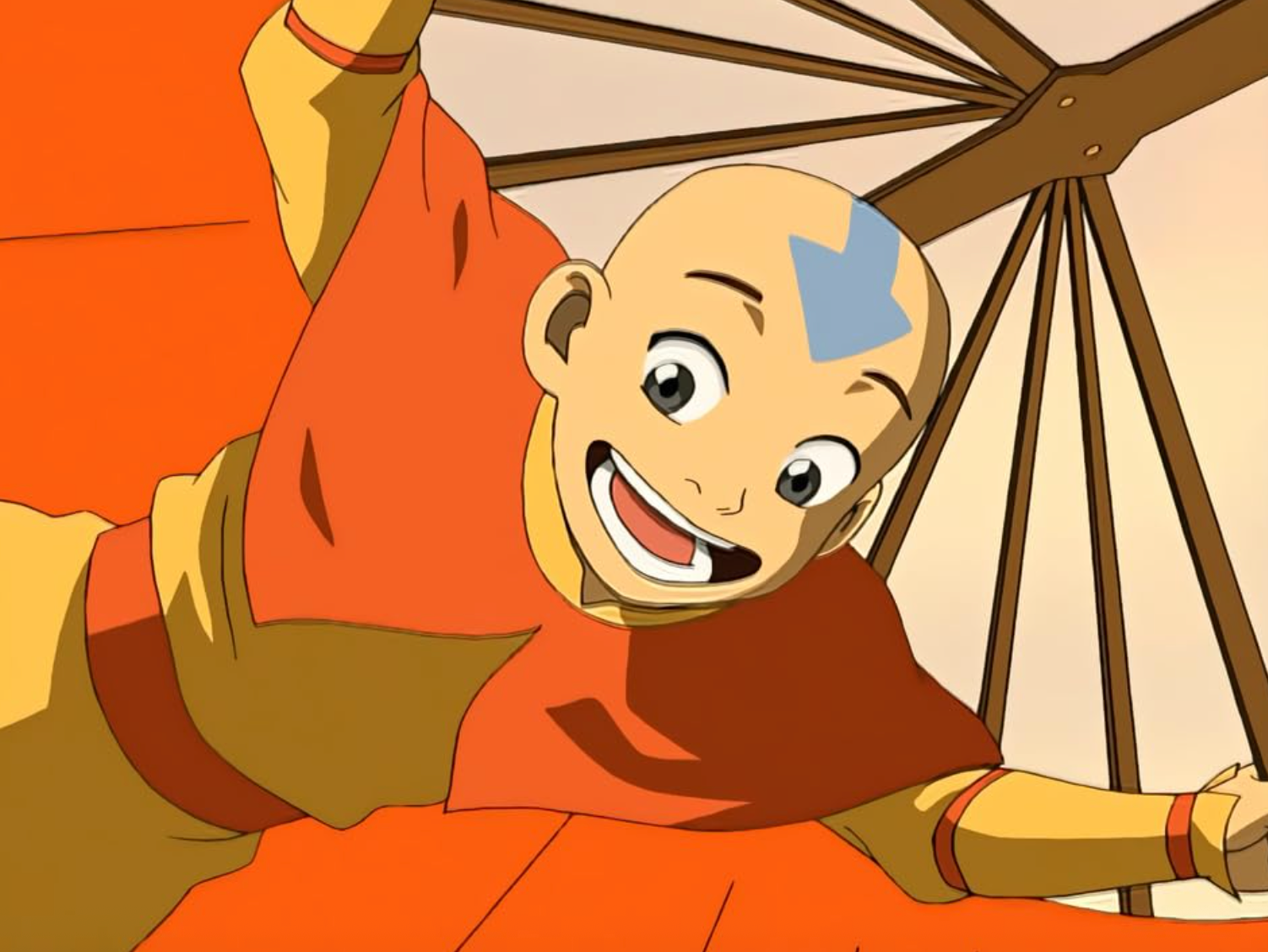
Jeremy: There's two main Avatar themes. There's Aang's theme, and there's the "old soul" theme that applies to all the Avatars. In the movie, there are moments focused on the Avatar, and so obviously, we need the Avatar theme. You also have some moments around Aang where we need Aang's theme.

Even though there were new ideas in the score, having that established language from years of working on the show gave a foundation to build upon. I knew that a lot of the audience would recognize it, so I could play with their expectations.

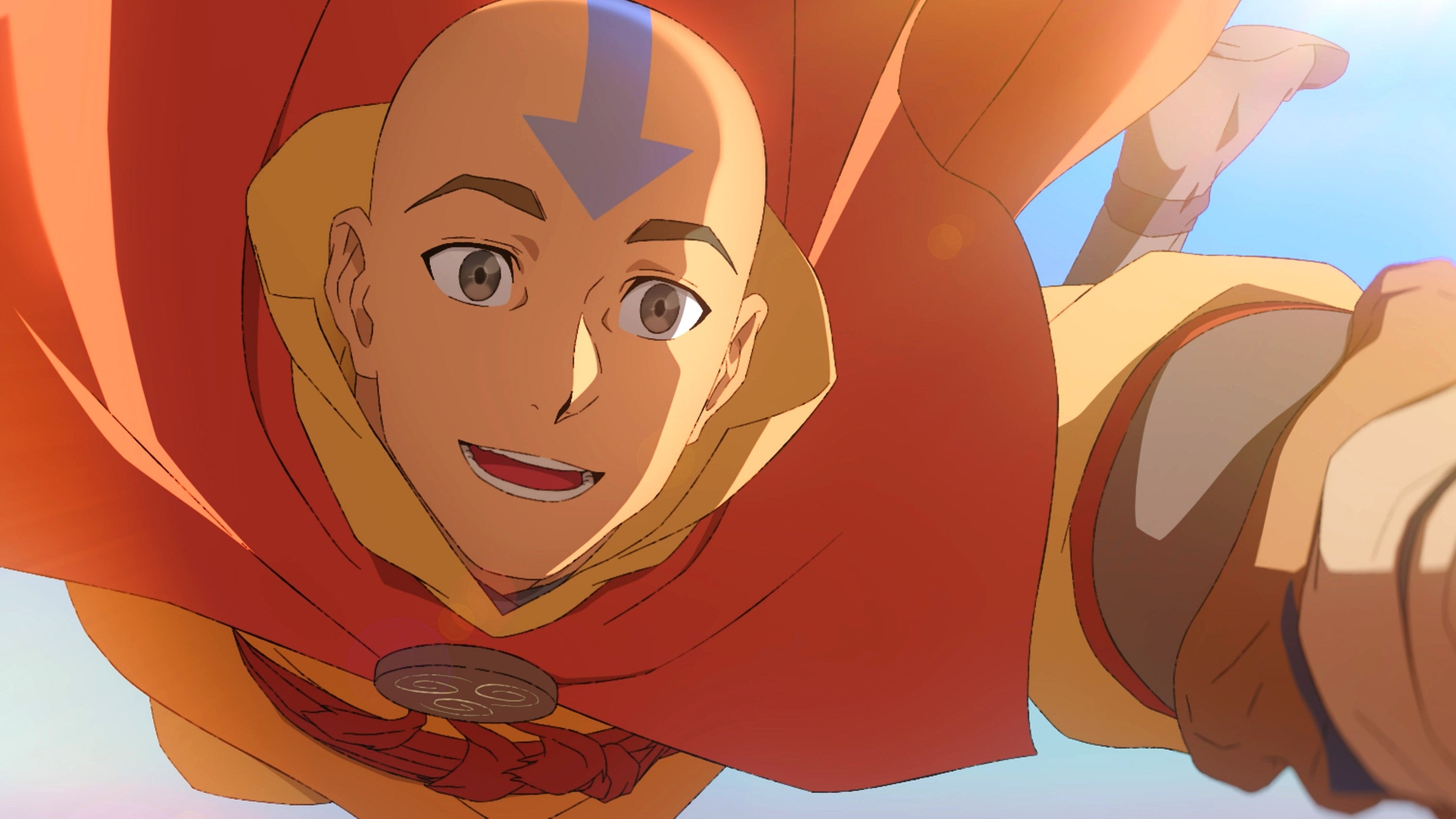
Jeremy: The moment I really felt like I was hitting on something new and special was when Tagah teaches Aang to fly ["Bond that Tethers"]. It's a simple melody and theme, but I felt it so deeply and thought, This is the emotional beating heart of the score.

That scene happens around halfway through the movie, and that's when I feel like the score really starts heating up emotionally.

You hear that theme come back in all different ways; "Return to the Eternal Wind" at the end is a variation of that. There are variations throughout, but that is my favorite theme for sure.

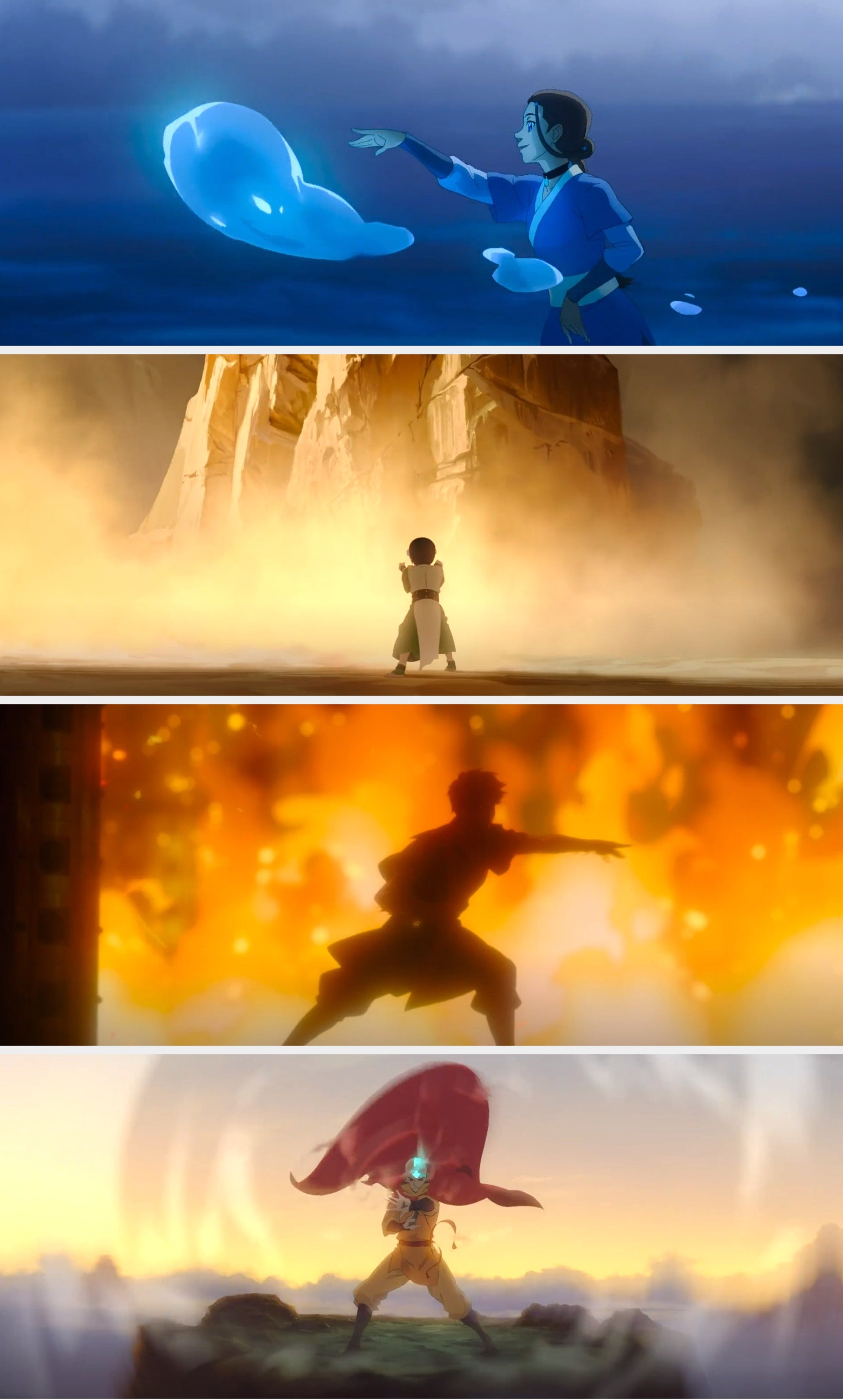
Jeremy: In the Avatar: The Last Airbender opening title, there are those four chords that go by as you hear "water, earth, fire, air." In "The Four Elements," which is that exposition scene at the beginning of the movie, each element has the harmony of its original chords, but now extended.

That was something I was talking with my wife about. I was struggling with that part in the film, and I was saying, "I don't know what to do. The original is important, but it's not working for this. The timing is completely different, and the scene is much longer." I was thinking of abandoning using the original chords, and she was like, "No, you have to figure out a way to do it. That's the heart of it."

I thought, Okay, I have a challenge. Let me figure this out. And it worked beautifully, retaining that original DNA while expanding on it.

Jeremy: I had an interesting idea that comes back a couple of times with "The Denied." It first happens when the temple's falling apart, and everything's going crazy, and the tension is building. I give each violinist different musical phrases to choose from, and they come in at specific times. Each violin is doing something independently, but they all work together to create a texture that slowly builds and grows.

I used a program called SuperCollider to help me plot it out. I wrote some software that produced a MIDI approximation of how it would sound to give the filmmakers a mock-up. It had a very interesting texture with a really cool evolving density. I wanted to express it in a way that's accessible and interesting to the musicians. When you do something like this, you're looking for something really specific — you're not just asking for weird noises.

I divided the violins into groups of four. It starts out with just one group playing, and as it grows, more groups enter, until you eventually have all the violins playing their respective phrases. They come in at specific times, and crescendo and change range as the density grows and the texture evolves.

I like to incorporate techniques that may not be used as often in traditional film scoring and bring my own flavor to it. My background is in computer music, so I try to figure out, "How can I make the orchestra do something that it doesn't normally do?"

Jeremy: When I first started, I didn't know people even cared about film underscore. I was shocked when I found out people were fans of this stuff. I was a bit naive.

Now I realize people enjoy hearing something unique that also makes sense emotionally and narratively. That's always been the challenge for me: to continue being a really good storyteller with music, but doing it in a slightly different way.

I feel like I have a real connection with the audience now. In the beginning, I didn't know who they were, what they were hearing, or what they were responding to.

Now that I've seen people hear such details, I'm amazed. They hear everything. They dissect it and hear the score's architecture and themes recur.

Now, I can really have fun playing with that.

Avatar Aang: The Last Airbender, and Avatar: Seven Havens are now streaming on Paramount+.

Keep up with Jeremy on Instagram, @jeremyzuck.

- Jeremy Zuckerman on composing Avatar: The Last Airbender

- Bryan Konietzko/Mike DiMartino on creating Avatar: The Last Airbender

- Andrea Romano on directing Avatar: The Last Airbender
Comments
You must be logged in to comment.